

He raised $3M in funding with just an idea and a presentation.
In 2 years, his company passed $8M in revenue.
Now, they're making over $100M as a sustainable outdoor gear brand.
The story of how Davis Smith built Cotopaxi 🧵
In 2 years, his company passed $8M in revenue.
Now, they're making over $100M as a sustainable outdoor gear brand.
The story of how Davis Smith built Cotopaxi 🧵

Davis founded CotoPaxi in 2013, with a mission to prove that capitalism could be used to uplift others.
Since then CotoPaxi has:
• Grown to over 300 employees
• Assisted around 3.5M individuals living in poverty
• Doubled sales from 2021, and surpassed $100M in revenue.
Since then CotoPaxi has:
• Grown to over 300 employees
• Assisted around 3.5M individuals living in poverty
• Doubled sales from 2021, and surpassed $100M in revenue.
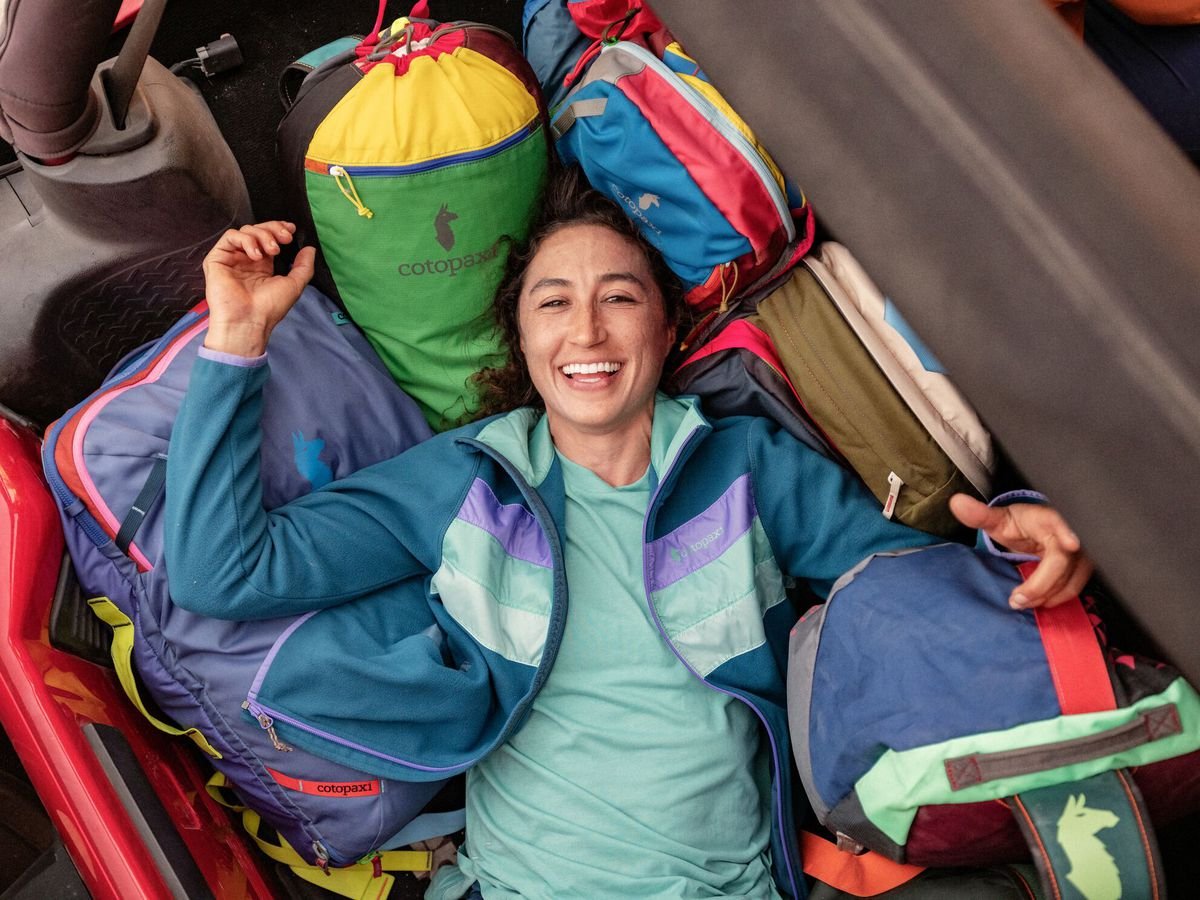
It all started in late 2012 when he took an exit from his 2nd venture.
He was suffering from imposter syndrome as he thought the only reason his 2nd venture succeeded was because of his co-founder.
He wanted to go out there and build something new.
He was suffering from imposter syndrome as he thought the only reason his 2nd venture succeeded was because of his co-founder.
He wanted to go out there and build something new.
Since childhood Davis had a love for the outdoors, he and his brothers would spend time outdoors, fishing and camping with their father.
He cherished these moments and as an adult kept backpacking with his family.
It was here he saw the opportunity to scale a brand.
He cherished these moments and as an adult kept backpacking with his family.
It was here he saw the opportunity to scale a brand.
The outdoor recreation industry contributed $454 billion dollars to the US GDP in 2021, so we know it's large.
He knew it and launched his backpack outdoors gear brand, combining his love and business together.
And so Cotopaxi was born.
He knew it and launched his backpack outdoors gear brand, combining his love and business together.
And so Cotopaxi was born.

The difference between his other ventures and & Cotopaxi was that he felt completely inspired.
He was going to build a business in a field he adored and help others from the profits.
He set out on a journey to solve some puzzles which would lead to a $100M brand.
He was going to build a business in a field he adored and help others from the profits.
He set out on a journey to solve some puzzles which would lead to a $100M brand.
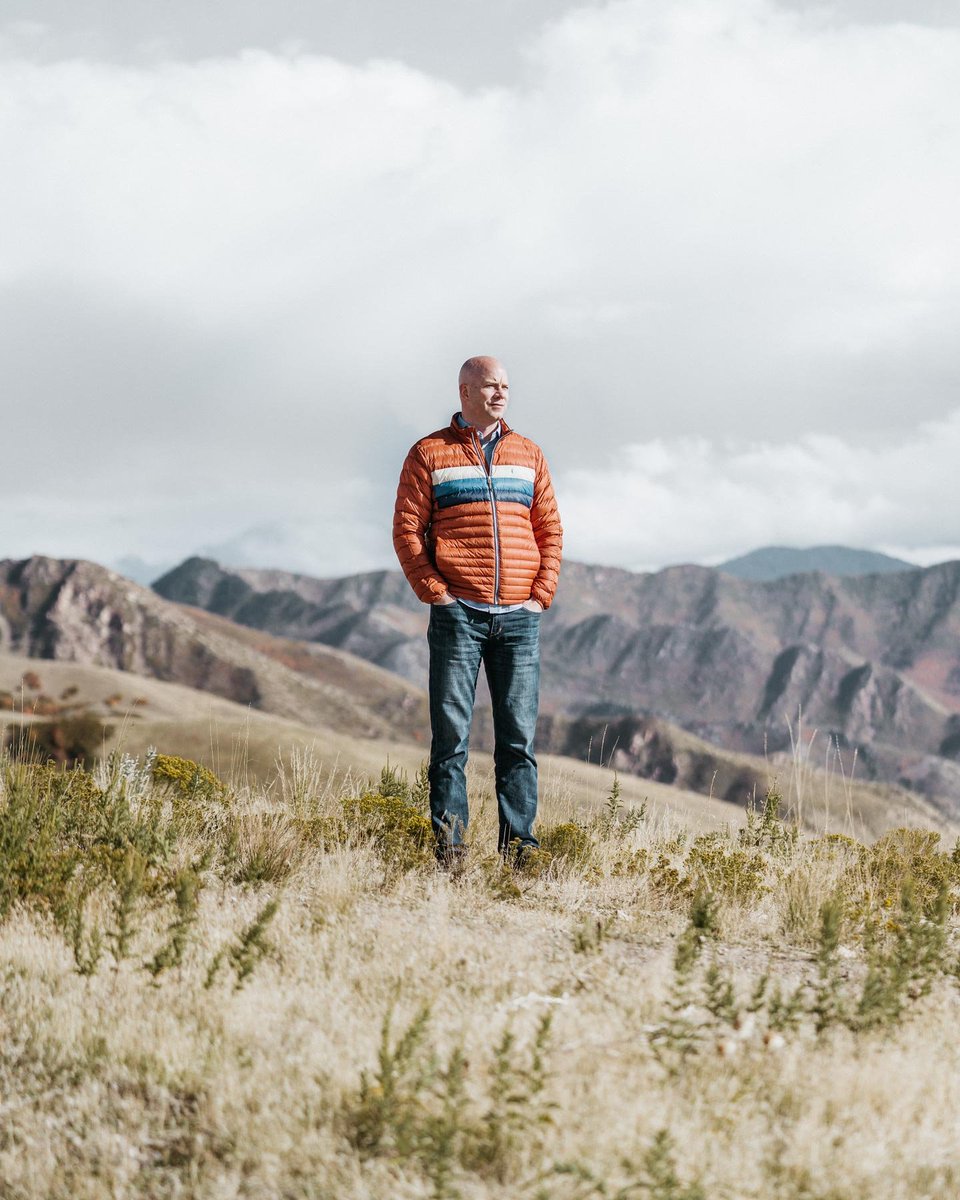
1 - Building A Strong Team
He started reaching out to potential teammates through LinkedIn and Skype, sharing his vision of his brand.
Without any sales, he convinced his business school classmate, Stephan Jacob, to join him.
But why would Stephan join in?
He started reaching out to potential teammates through LinkedIn and Skype, sharing his vision of his brand.
Without any sales, he convinced his business school classmate, Stephan Jacob, to join him.
But why would Stephan join in?
They were old friends who had worked together studying Steve Gibson’s entrepreneurship school, sharing a passion for entrepreneurship and social impact.
Within 24 hours, Stephan committed to drop everything and move out of Germany to the US.
That level of conviction!
Within 24 hours, Stephan committed to drop everything and move out of Germany to the US.
That level of conviction!
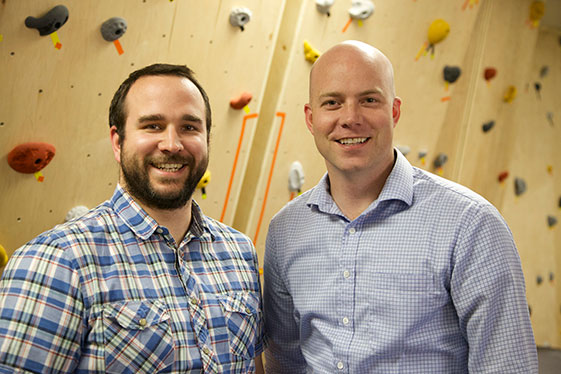
From the get-go, both of them were very careful to bring top talent onto the team and let the people do their job.
They gave up a lot of control early on and trusted the team to do the right thing.
In addition, the team had an iterative mindset which worked as a hack.
They gave up a lot of control early on and trusted the team to do the right thing.
In addition, the team had an iterative mindset which worked as a hack.
The whole company operated in 1-week sprints, be it dev, marketing, ops, or retail team.
The team was comfortable putting something out there that they knew was not perfect.
They let the market decide what they need to improve and then they just iterated it quickly.
The team was comfortable putting something out there that they knew was not perfect.
They let the market decide what they need to improve and then they just iterated it quickly.
2 - Funding The Company
Davis tried raising money with only a PPT and his idea.
He was instantly rejected by every impact investor because they wanted to see traction which wasn't there.
He had to re-live the same story and faced A LOT of rejection until he met Kirsten Green.
Davis tried raising money with only a PPT and his idea.
He was instantly rejected by every impact investor because they wanted to see traction which wasn't there.
He had to re-live the same story and faced A LOT of rejection until he met Kirsten Green.
Kirsten was the prolific Silicon Valley investor behind Warby Parker, Bonobos, and Birch Box.
She and Local Utah VCs, Kickstart Fund, and Peterson Ventures lead Cotopaxi's $3M seed round.
She and Local Utah VCs, Kickstart Fund, and Peterson Ventures lead Cotopaxi's $3M seed round.

3 - Marketing
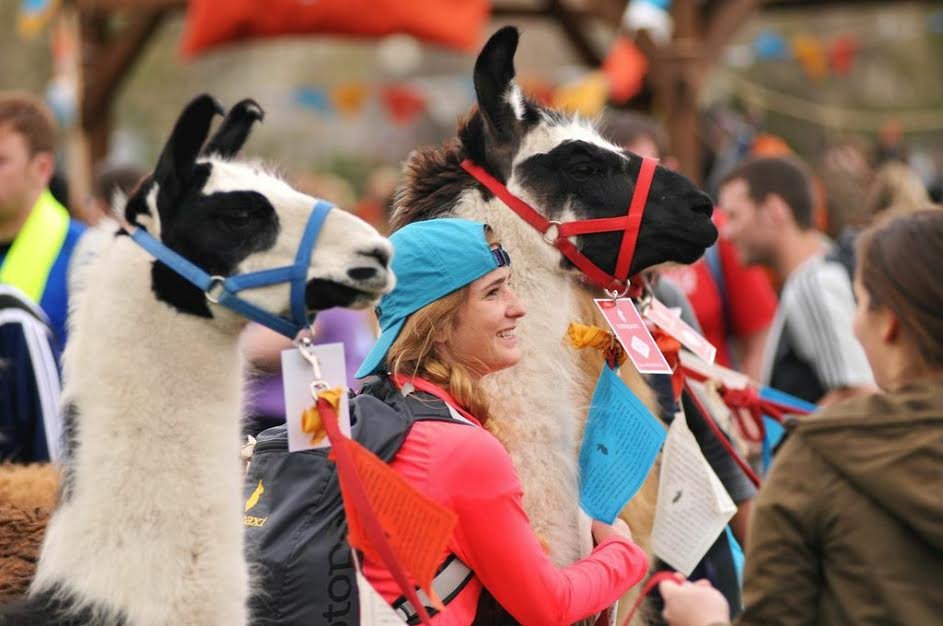
Davis did a crazy marketing stunt for the launch - He bought two llamas on Craigslist and named them Coto and Paxi.
While students took selfies with llamas, the team told them about their brand called Cotopaxi and invited them to Questival ...
Davis did a crazy marketing stunt for the launch - He bought two llamas on Craigslist and named them Coto and Paxi.
While students took selfies with llamas, the team told them about their brand called Cotopaxi and invited them to Questival ...
Questivals are 24-hour races where the people do community-oriented tasks, and the one team who does the most tasks wins.
The idea for this came from an experience he had in Wharton.
The idea for this came from an experience he had in Wharton.

Back at Wharton, they had a 24-hour adventure where 60 classmates raced in teams from Belize to Panama, crossing every border by foot and completing challenges along the way!
The adventure made everyone feel alive, so he thought why not use it to market his outdoors brand?
The adventure made everyone feel alive, so he thought why not use it to market his outdoors brand?
Questival's challenges include:
- helping a local entrepreneur
- supporting a small business
- picking up litter in a city center
- surfing in El Salvador and more.
He knew "experiences” rather than “things” would help connect their brand on an emotional level.
And it worked.
- helping a local entrepreneur
- supporting a small business
- picking up litter in a city center
- surfing in El Salvador and more.
He knew "experiences” rather than “things” would help connect their brand on an emotional level.
And it worked.
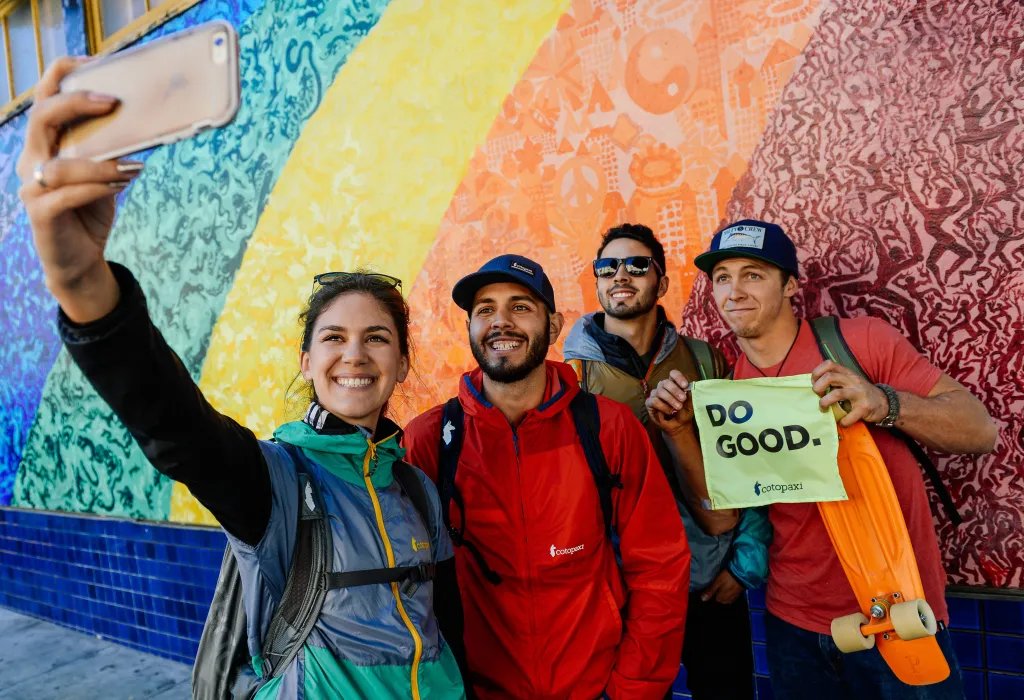
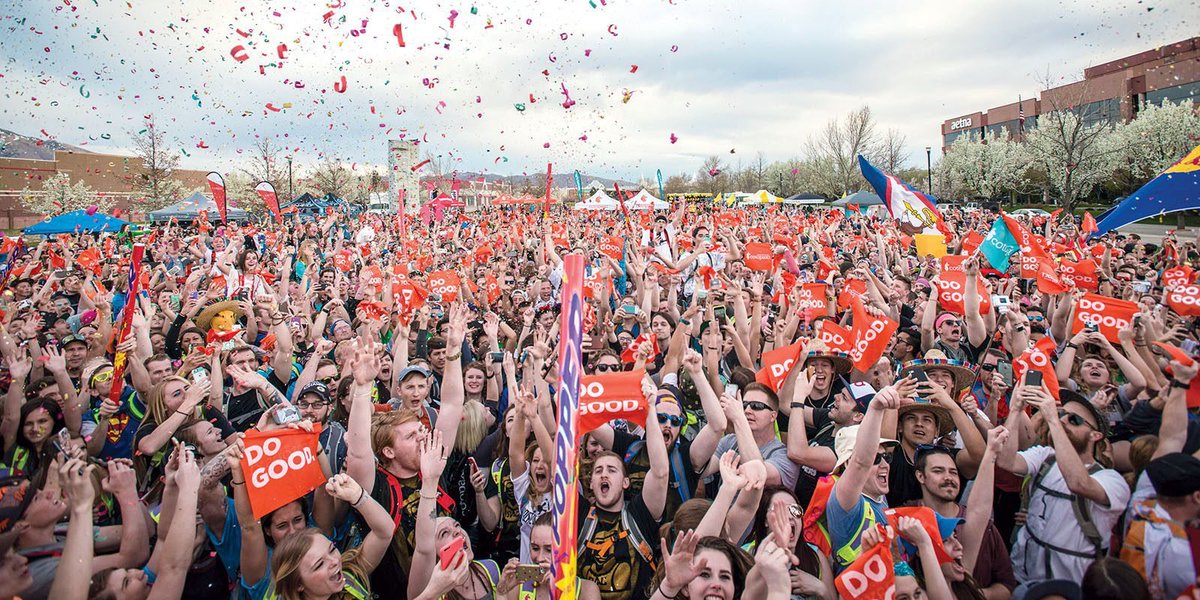
5,000 people showed up to the first Questival.
30,000 social media posts in 24 hours of people wearing CotoPaxi's backpacks
They launched via the Questival in April of 2014 and they didn’t have to pay any influencers to get on hundreds of IG stories!
30,000 social media posts in 24 hours of people wearing CotoPaxi's backpacks
They launched via the Questival in April of 2014 and they didn’t have to pay any influencers to get on hundreds of IG stories!
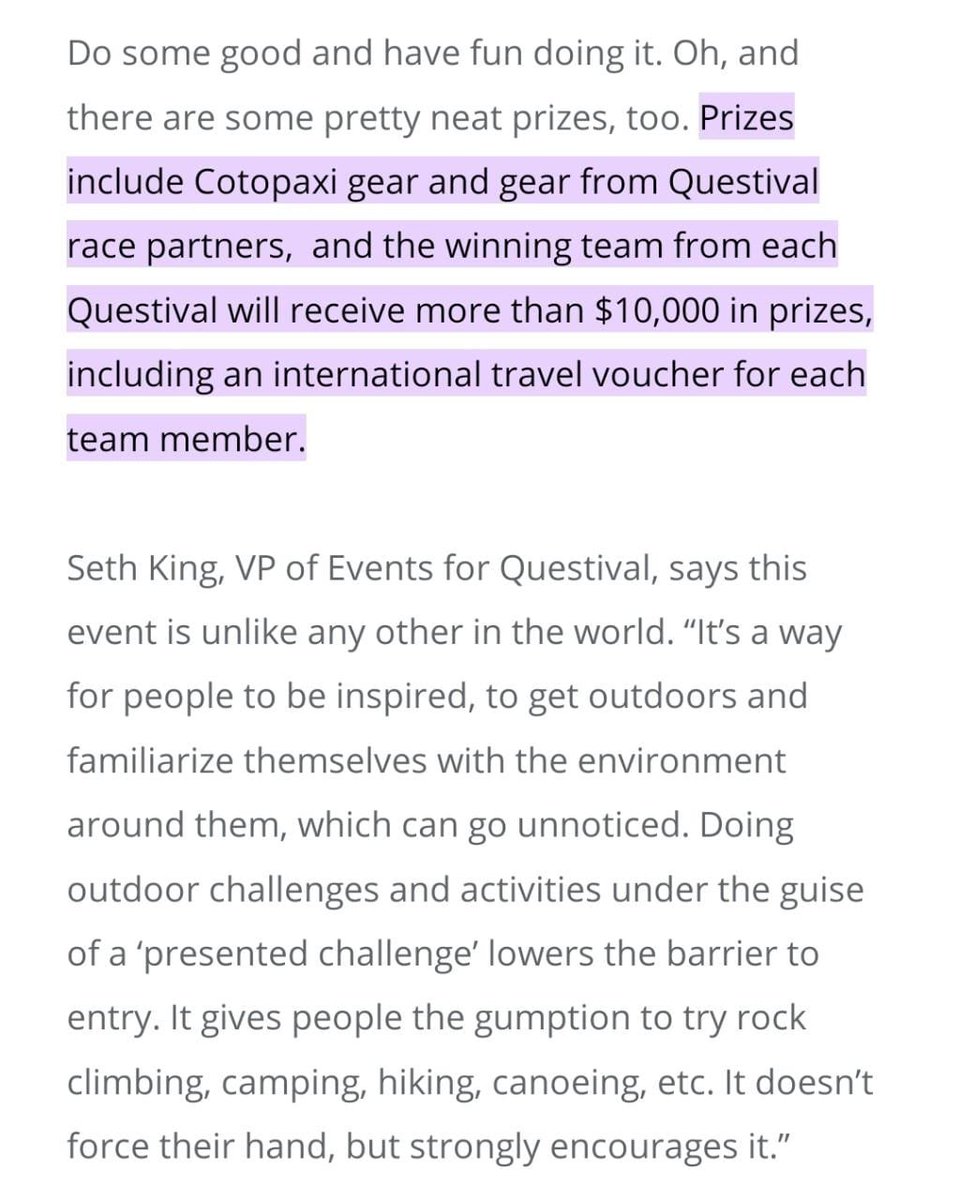
Most of the people today participate in Questival for the experience but there are great rewards too.
Now there is a registration fee of around $25 which includes CotoPaxi's backpack.
It's become their signature way to market the brand over the years!
Now there is a registration fee of around $25 which includes CotoPaxi's backpack.
It's become their signature way to market the brand over the years!
4 - Product Innovation
Their product team had two things to solve
1. To stay ahead of the trend and make profits
2. To do that as a sustainable brand
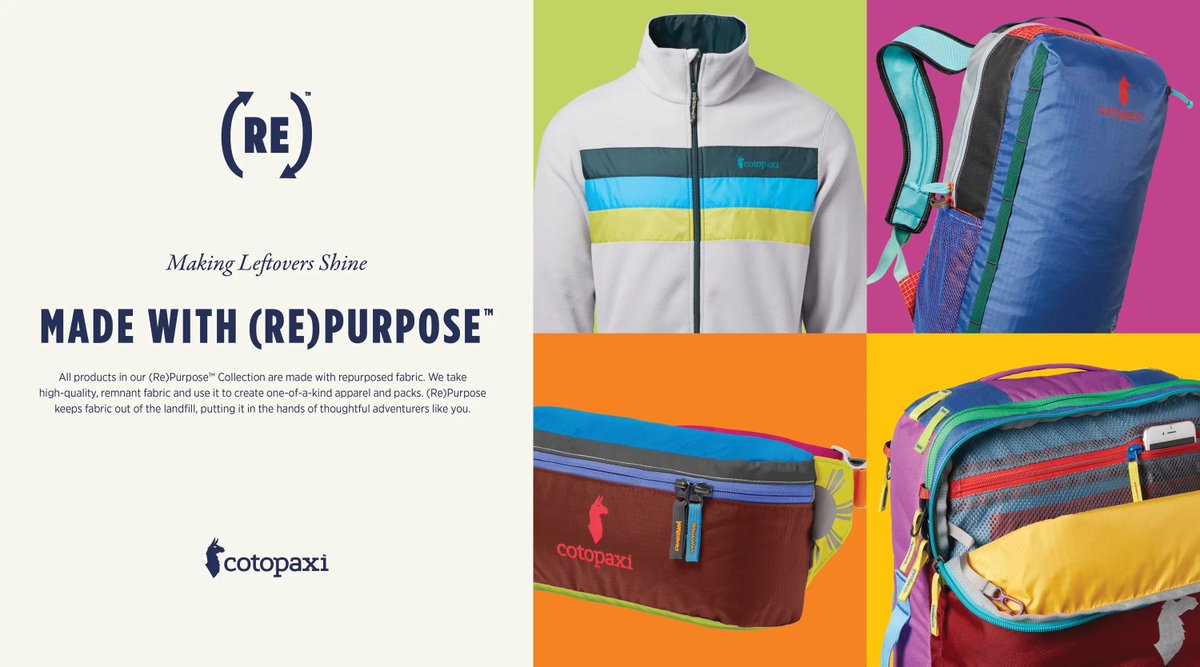
They solved this by manufacturing most of their products from leftover materials from other outdoor brands
In fact ...
Their product team had two things to solve
1. To stay ahead of the trend and make profits
2. To do that as a sustainable brand
They solved this by manufacturing most of their products from leftover materials from other outdoor brands
In fact ...
94% of their products are made of remnant, recycled, or responsibly made material (they call it the 3Rs), and they commit to making it 100% this year.
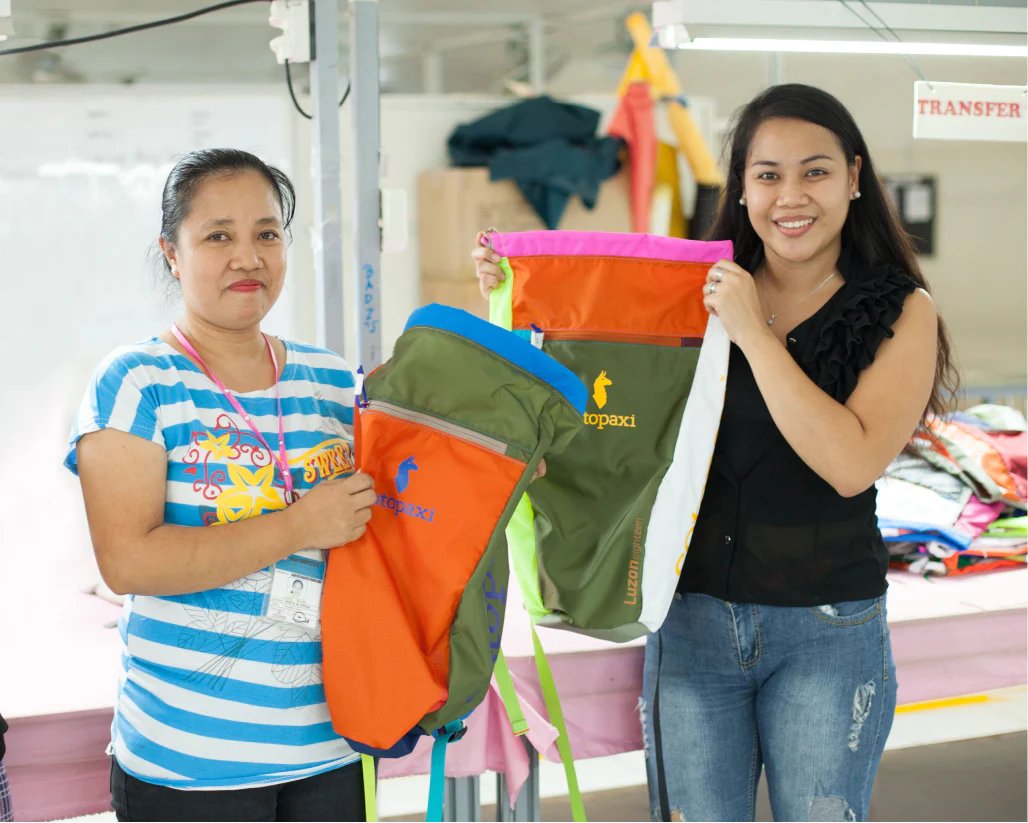
Their best-selling backpacks, Luzon del Dia, are designed by local sewers.
So the products also help in providing livelihood.
Their best-selling backpacks, Luzon del Dia, are designed by local sewers.
So the products also help in providing livelihood.
To stay ahead of trends, the team made sure they blended technical look with fashionability by focusing on fabric technology and blending fabrics
They wanted technical outerwear to be both tech and style.
Plus they always iterated their design by taking feedback from users
They wanted technical outerwear to be both tech and style.
Plus they always iterated their design by taking feedback from users
When asked what's next with Cotopaxi, David said, "My hope for Cotopaxi is to change the way we see capitalism and business"
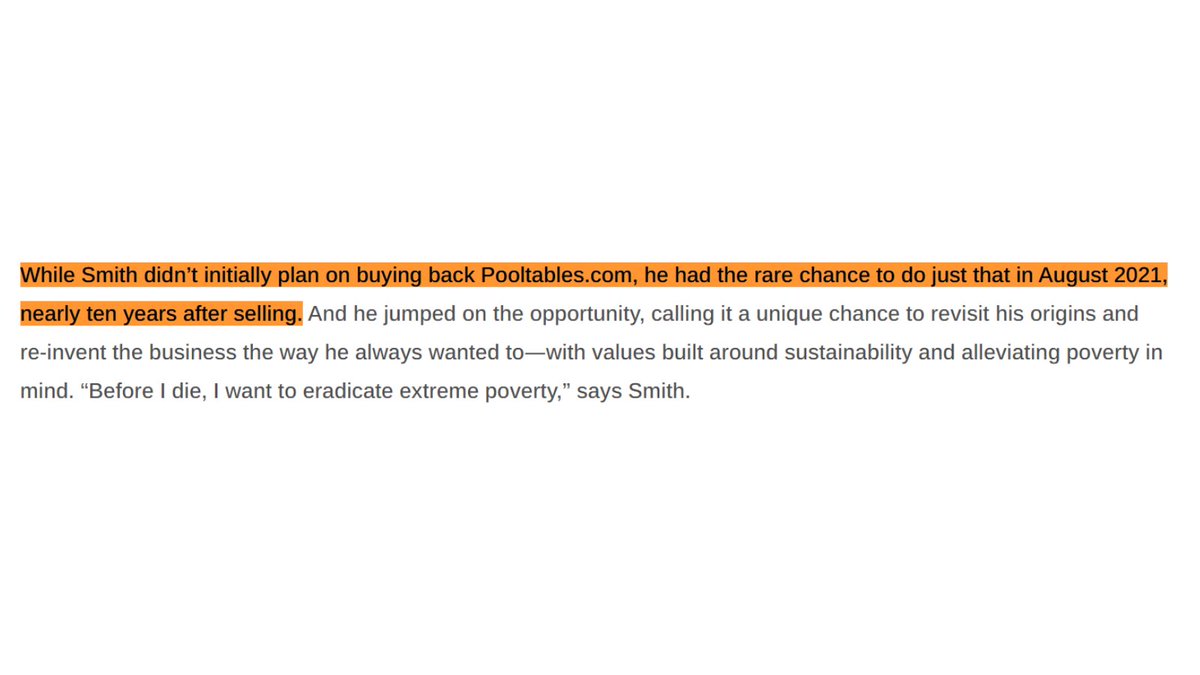
He has even bought his first business PoolTables(dot)com, more than a decade after selling it
It's now called Games For Good.
He has even bought his first business PoolTables(dot)com, more than a decade after selling it
It's now called Games For Good.
He wants to extend the business beyond billiards space and make it into a home recreation that brings family and friends together.
He then wants to use the profits generated from it to support poverty alleviation while building the most sustainable product at Cotopaxi.
Legend.
He then wants to use the profits generated from it to support poverty alleviation while building the most sustainable product at Cotopaxi.
Legend.
If you found this thread valuable
1. Follow @mrsharma for more content around DTC, eCom, and marketing.
2. Like and repost the first post below
1. Follow @mrsharma for more content around DTC, eCom, and marketing.
2. Like and repost the first post below
Loading suggestions...