
Is a #genocide taking place against Masalit people in W #Darfur – deliberate attempt to destroy ethnic or national group in whole or in part? Here are some reasons which might explain why violence there is so intense: #ClimateCrisis, export-led #growth, #austerity, #racism.
Dar Masalit – a former sultanate on the Chad-Sudan border that became part of Sudan in the 20th C – It had been a destination for migrants for much of that century.
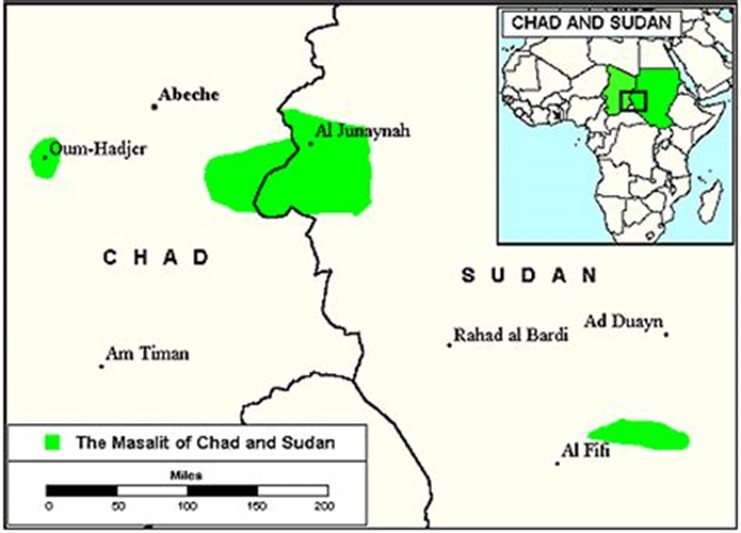
But in the 1970s, massive Sahel drought killed up to 70% of Chad's cattle. Drought hit N Darfur, and many mobile pastoralists moved to W. Darfur, herding livestock in wadi pastures in southern Dar Masalit. Some started farming there too.
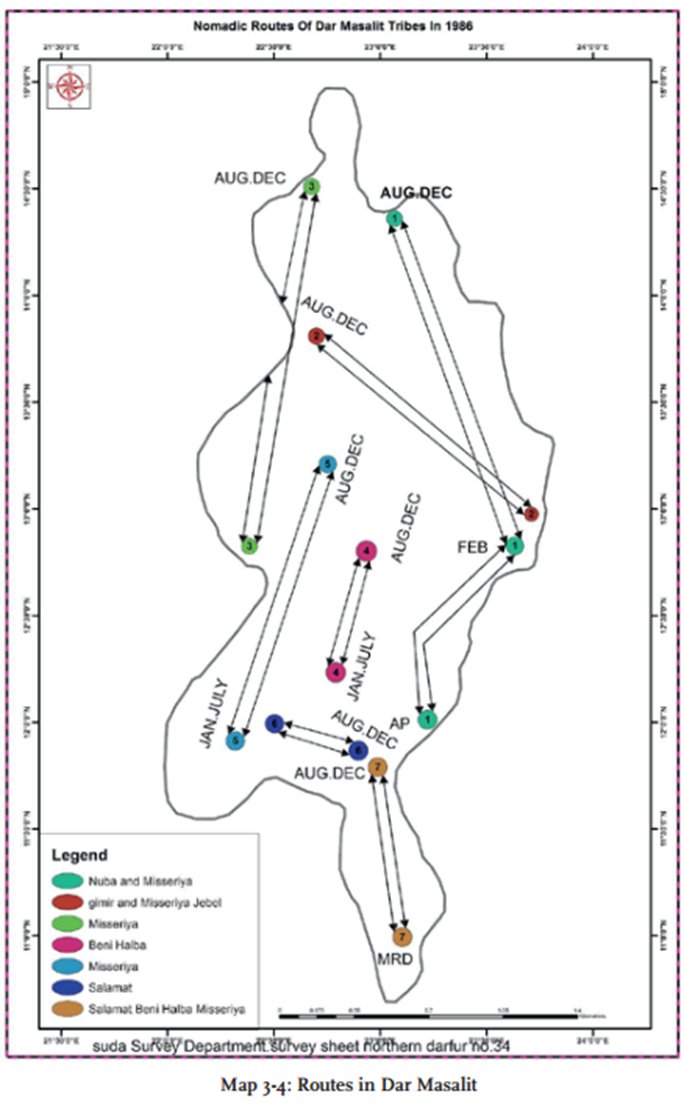
In the 1980s, Messeriya, Salamat, Gimir, Messeriya Jebel and Bani Halba mobile pastoralists settled there. Masalit people were mostly farmers. Takana says the mobile pastoralists made arrangements with them to move livestock along agreed routes. cmi.no
#ClimateCrisis of the 1980s crowded more people into these fertile areas and in the 1990s, conflicts emerged between the Masalit people and the pastoralists. But another really bad thing happened: neoliberalism
African govts borrowed heavily for development/state consolidation in 1960s and 1970s. But 1980s global financial crises forced them to give up sust. development, race towards export-led growth to pay off debts, get rid of funds for health and education.
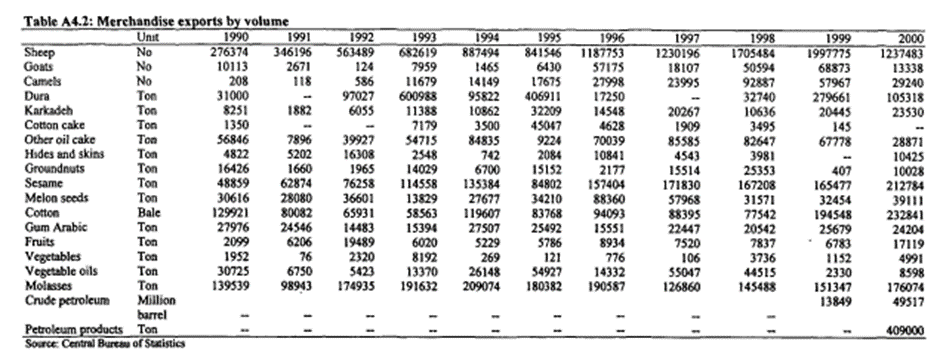
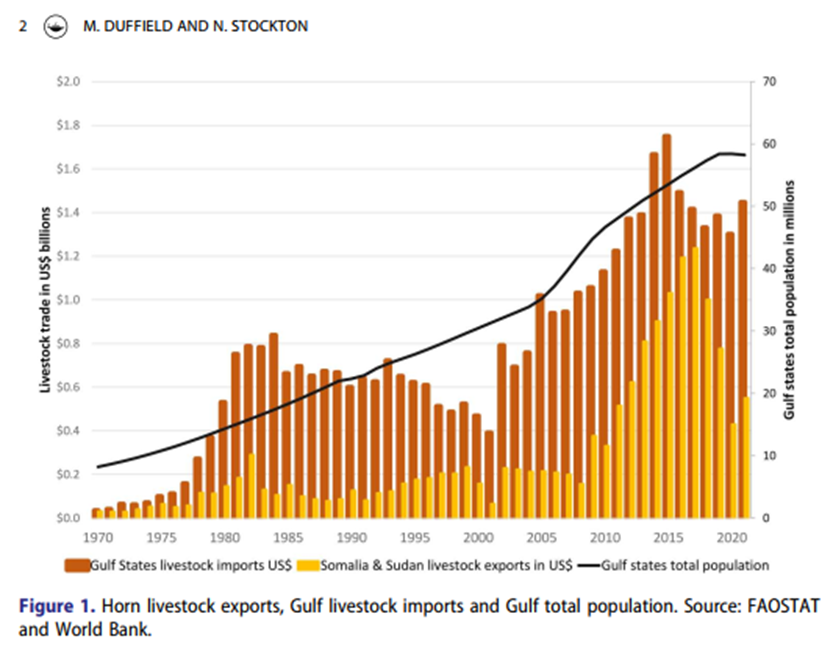
Newly globalized Saudi markets for live sheep (linked to pilgrimage traditions of slaughter) began upending pastoralist societies in Sudan. Sudanese sheep exports went up sevenfold, camel exports more than a hundredfold
Sudan’s dictator, Omar al-Bashir rejected investment in social services to and invested in racism instead. They polarized relationships between Masalit groups and the mobile pastoralists. The former became blacks or Africans, the latter Arabs - and were set against each other
Bashir’s (NIF) government militarized Arab groups in Dar Masalit. He invented a new tribal title – amir, or commander – and set Arab groups against their neighbours. Tribal titles linked to land rights - this created new tensions with Masalit groups.
The first big shoot-out in Geneina took place at the end of Ramadan in 1999. Many from pastoralist groups were experimenting with Arab supremacist ideologies – part of the culture wars that accompany neoliberalism around the globe.
By 2003, all these crises burst out in Darfur’s major armed conflict, classified as a genocide by Int’l Criminal Court. Violence was centred on stressed areas of W Darfur, like Wadi Salih.
In line with neoliberal orthodoxy, govt outsourced violence to new militias, drawn from pastoralist groups they had militarized through their amir system. Amirs led the pro-govt militias that attacked the Masalit villages.
Masalit and other groups who didn’t count as Arabs set up rebel armies that were described as Black or African. Horrible racial slurs accompanied the village burnings, rapes and murders, and millions of people were turned into IDPs. Sheep exports shot up
The conflict of 2003-04 gradually turned into a long period of half-implemented peace deals and insecurity, which came to an end in 2016, when RSF leader Himedti defeated just about all the armed groups in Darfur.
Rebel militias took up dirty-war jobs in Libya and South Sudan. Himedti got involved in the EU’s dirty war against African refugees and the US/UK/Saudi dirty war against Yemen. Outsourced militias found work everywhere.
The 2019 Sudanese revolution set up civil-military govt. Peace was its first goal. Himedti, now VP, chaired the peace negs with former rebels, who joined the govt in 2021. That same year, the rebels made an alliance with RSF and SAF and ousted the civilians from govt
Peace deals were agreements between outsourced militias, not between stressed-out peoples. Many local groups still had weapons, many moved out of pastoralism and farming into looting and landgrabbing.
Even in the peace years of 2020-21, there were huge explosions of violence in Dar Masalit, that were fought between local groups of armed civilians, pushed into the racialized Afro-Arab binary.
In April 2023, the RSF and SAF turned on each other and on the Sudanese people. For 2 decades, the SAF had outsourced day-to-day violence to the RSF and its ilk. It knew how to defend its bases and its big guns, but not how to fight dirty wars.
The two armies, when they fell out, were diabolically well-matched – neither could quickly defeat the other
The RSF swept through Darfur, making quick alliances with the ‘Arab militias’ – the looting groups led by the amirs who had militarized and criminalized their own youth.
The April 2023 war offered some of these groups the opportunity to transform Dar Masalit, pushing Masalit people out of Geneina, its capital.
Bitter atrocities, by armed groups on both sides, but by mid 2023, most of the Masalit were pushed out from Geneina and into Chad. Many of them described it as a second genocide.
But the 15 Division of the Army managed to hold on in Ardamata, the old colonial admin centre just outside Geneina. The army knows how to defend garrisons, even though it doesn’t know how to fight the RSF. Some Masalit people – many IDPs – still lived around the army area.
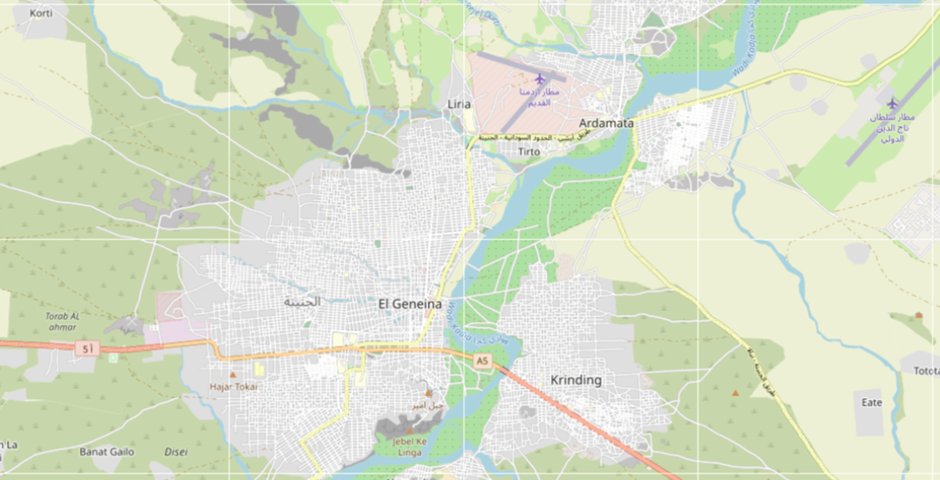
This past week, most of the SAF abandoned its garrisons and that seems to have led to the attack on the remaining Masalit population there. For the Masalit, it’s a horrifying re-run of the massacres of the last two decades.
Loading suggestions...