
A brief history of urban parks:

Proper urban parks aren't quite as old as you might think.
There were public gardens in Ancient Rome, though they were mostly private, and some early public parks in Europe include the Alameda de Hércules in Seville (16th century) and the City Park in Budapest (18th century).
There were public gardens in Ancient Rome, though they were mostly private, and some early public parks in Europe include the Alameda de Hércules in Seville (16th century) and the City Park in Budapest (18th century).

But, for the most part, any large expanse of urban parkland or gardens were inevitably the private property of royalty or aristocracy.
Such as the Generalife of the Nasrids in Granada or the gardens of Villa Borghese in Rome.
Such as the Generalife of the Nasrids in Granada or the gardens of Villa Borghese in Rome.


In London there were the Royal Parks, which belonged to the monarchy.
St James's Park was created by Henry VIII in the 1530s as a place for hunting deer, though by the 17th century King Charles II had opened it to the public as a place for recreation and entertainment.
St James's Park was created by Henry VIII in the 1530s as a place for hunting deer, though by the 17th century King Charles II had opened it to the public as a place for recreation and entertainment.

But city parks as we know and think about them today were really an invention of the 19th century.
Why? This graph should explain — it is specific to England but represents broader global trends.
Why? This graph should explain — it is specific to England but represents broader global trends.
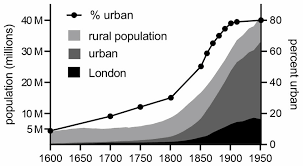
The point is this: for most of history cities weren't big enough to justify large public parks and there wasn't a serious need for them.
But then, in the 19th century, the Industrial Revolution arrived and urban populations soared.
But then, in the 19th century, the Industrial Revolution arrived and urban populations soared.
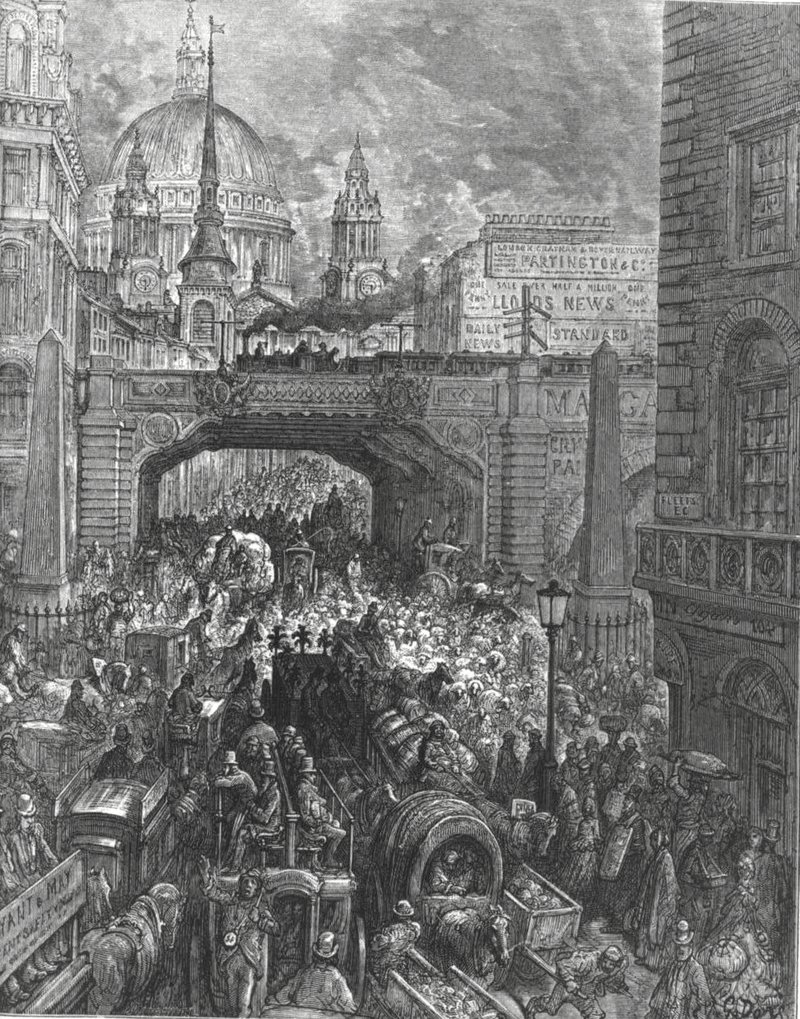
Cities became overcrowded and unhealthy; urban parks were no longer only a matter of leisure, amusement, and aesthetics.
Their presence became an urgent necessity for public health, especially that of working people, and how to create them was a new challenge of urban design.
Their presence became an urgent necessity for public health, especially that of working people, and how to create them was a new challenge of urban design.

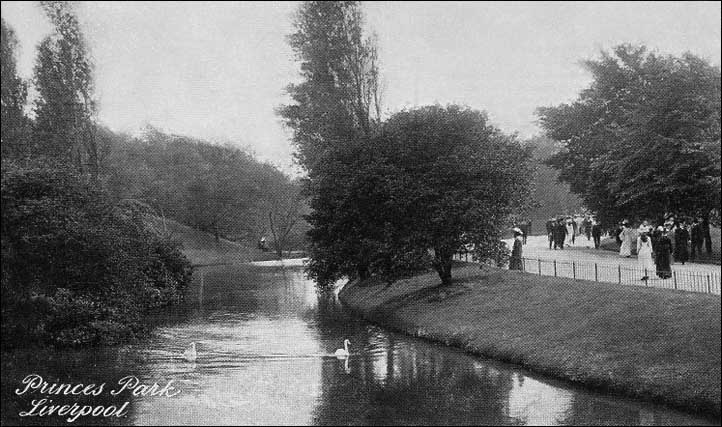
One of the earliest urban parks in this new industrial era, built purposively rather than adapted from royal or aristocratic gardens, was Prince's Park in Liverpool, created in 1843.
It started as a private development but was given to the city in 1849.
It started as a private development but was given to the city in 1849.
There was also an artistic element to all this, largely in the form of Romanticism, which had been partly inspired by the destruction of nature during the Industrial Revolution.
People were becoming more aware of the importance of nature right as they were losing it.
People were becoming more aware of the importance of nature right as they were losing it.
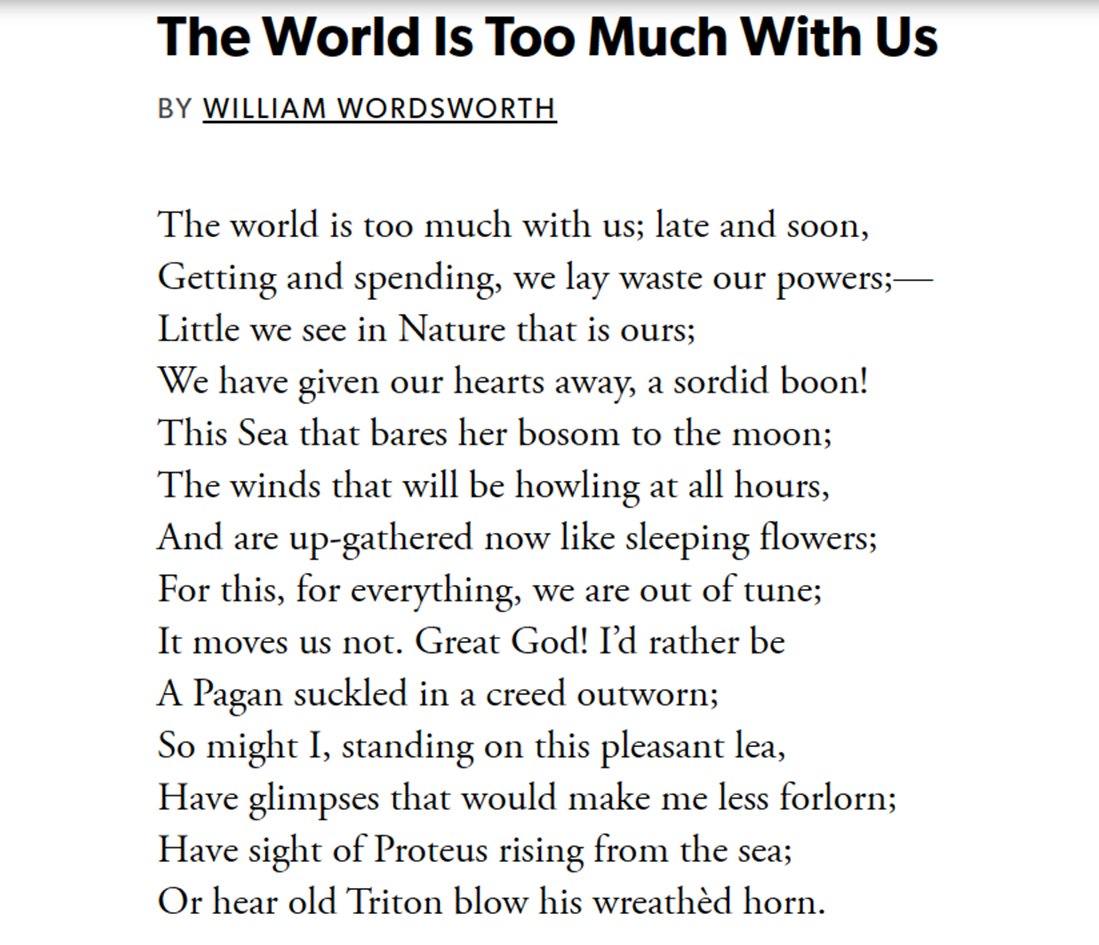
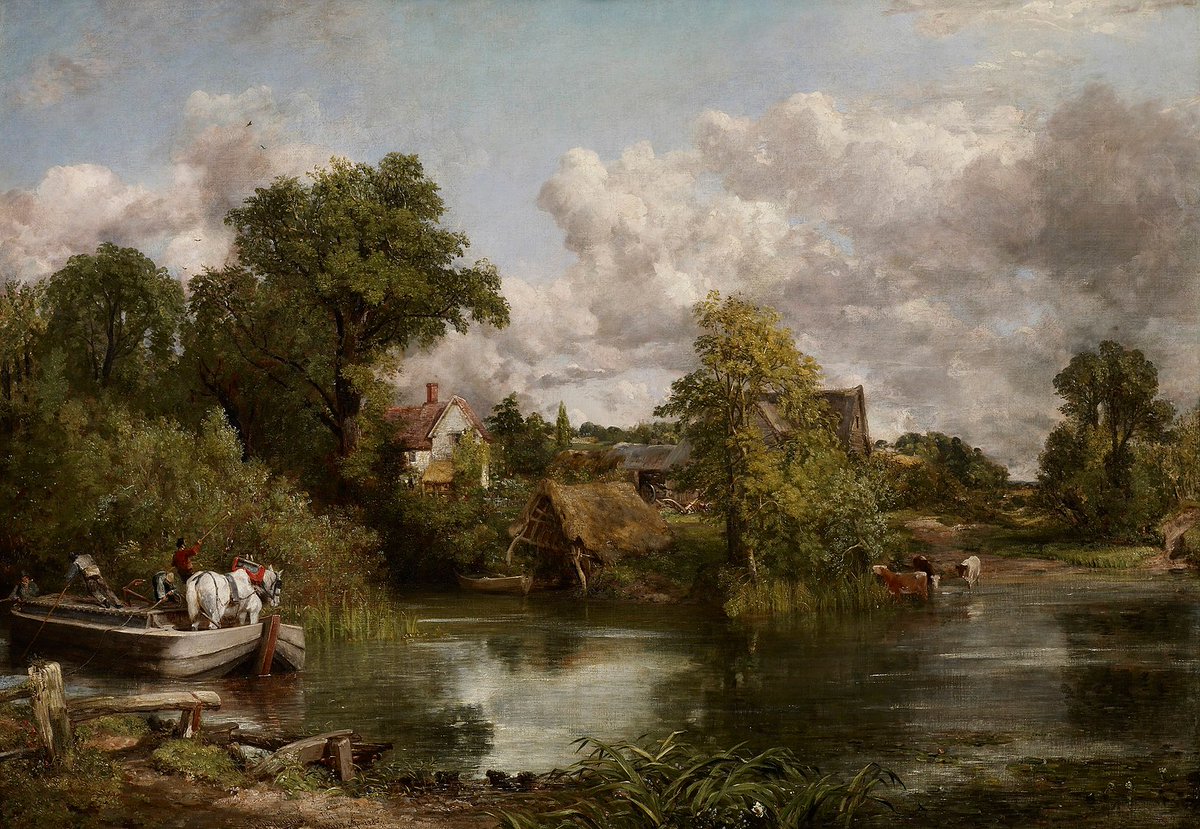
And so city parks started appearing throughout the world, whether adapted from old gardens or created afresh.
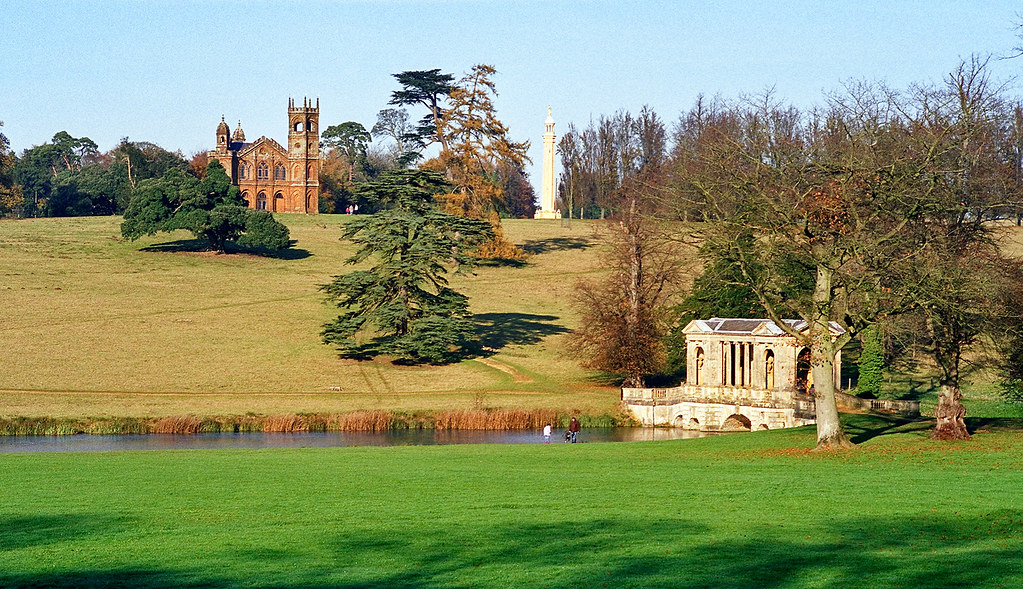
It was the "English Garden" style which became popular in Europe — an artificial environment carefully sculpted to look natural, scattered with temples and bridges.
It was the "English Garden" style which became popular in Europe — an artificial environment carefully sculpted to look natural, scattered with temples and bridges.
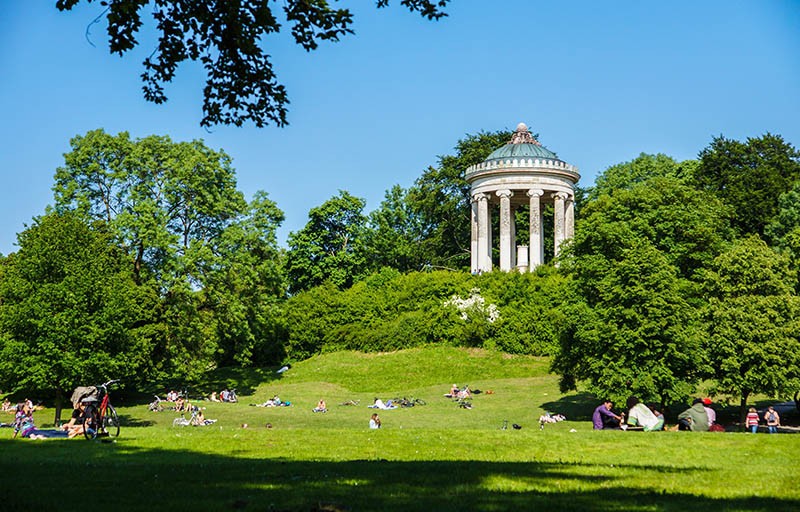
The Englischer Garten in Munich, created by English gardeners for the Elector of Bavaria in the late 18th century, is still one of the largest urban parks in the world.
Central Park in New York, undoubtedly the most famous of all urban parks, was started in 1857 — the city's population had more than tripled in just two decades — though a settlement called Seneca Village was demolished to make space for it.
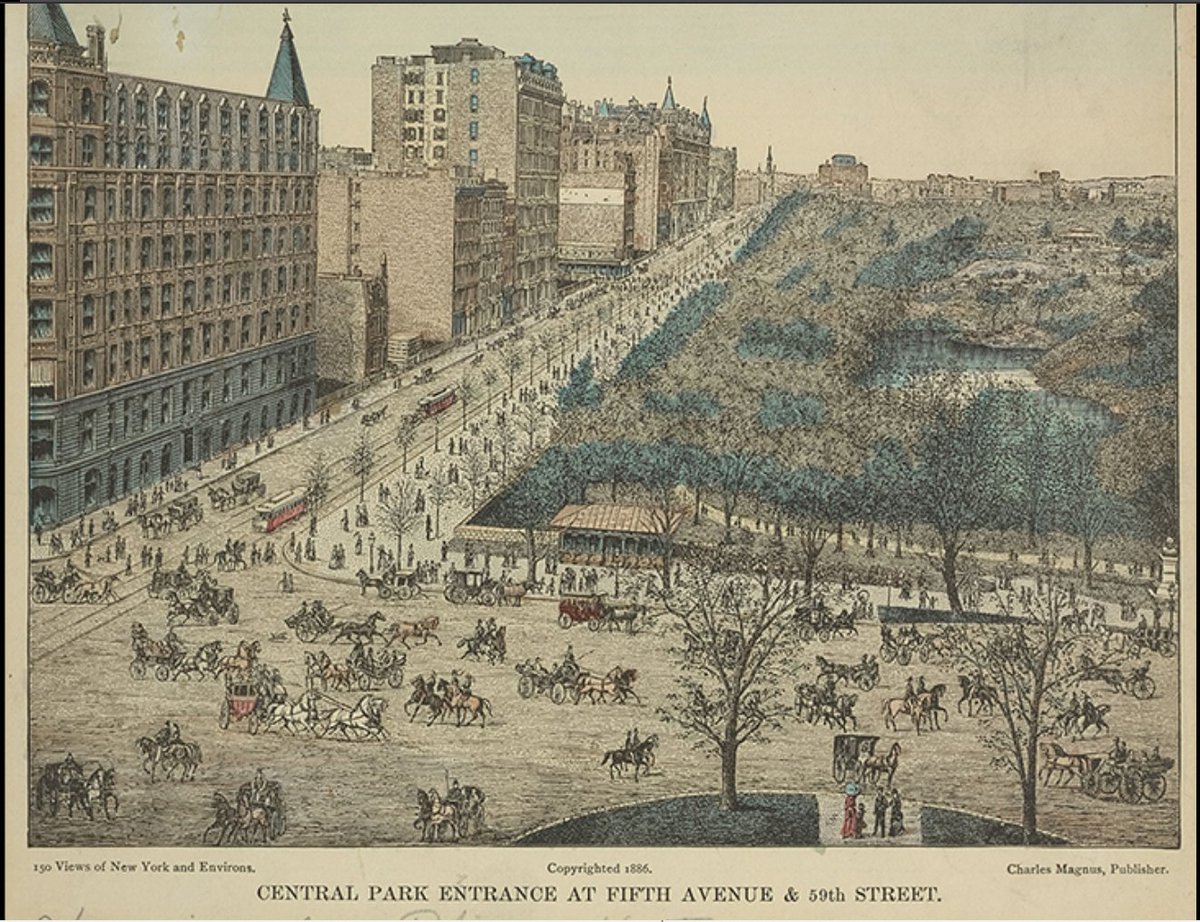
Interest in city parks continued through to the 20th century, and urban planners even came up with the idea of "Garden Cities".
This was partly inspired by thinkers like William Morris who had argued for the blending of countryside and city, bringing together the best of both.
This was partly inspired by thinkers like William Morris who had argued for the blending of countryside and city, bringing together the best of both.

And this was, originally, a central tenet of modernist architecture and city planning.
When the immensely influential Swiss architect Le Corbusier theorised a perfect city in the 1920s, he proposed a set of colossal, identical skyscrapers surrounded by forests and parklands.
When the immensely influential Swiss architect Le Corbusier theorised a perfect city in the 1920s, he proposed a set of colossal, identical skyscrapers surrounded by forests and parklands.
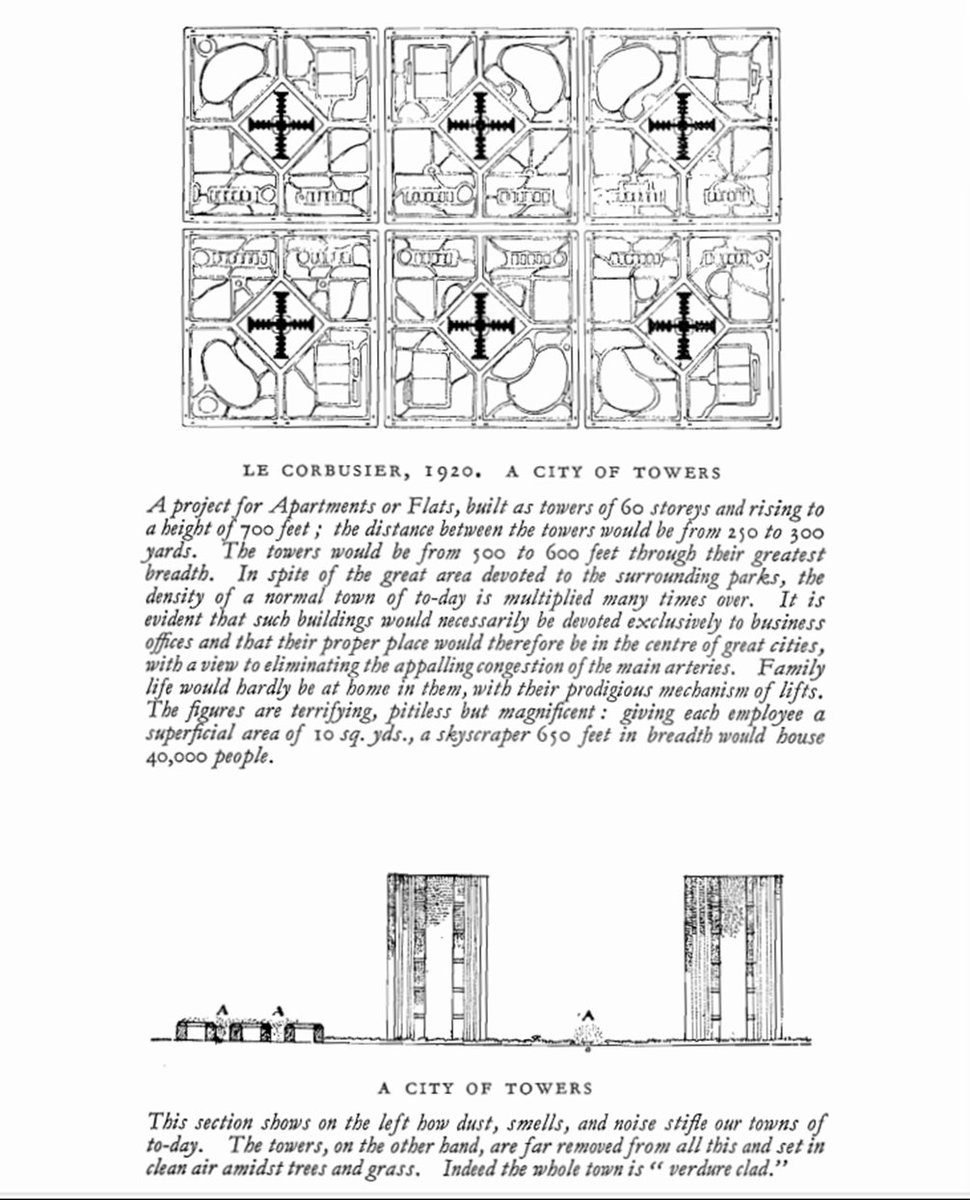
So this was something else entirely: not merely the creation of urban parks, but a form of city in which, as Morris said, it was gardens with houses rather than houses with gardens.
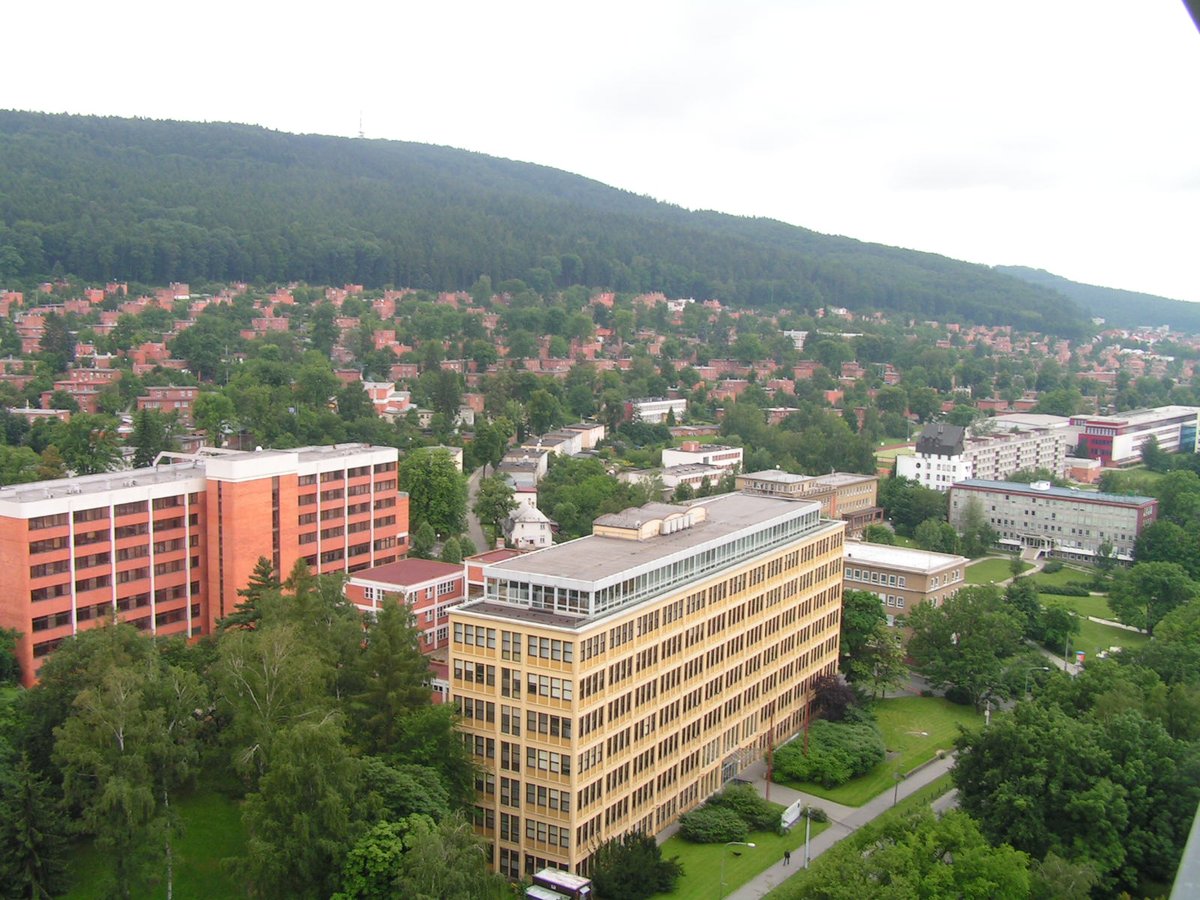
The city of Zlín in Czechia was one of many attempts around the world to achieve such a utopia.
The city of Zlín in Czechia was one of many attempts around the world to achieve such a utopia.
But city parks aren't, nor ever have been, only about large swathes of land with rivers, forests, and hills.
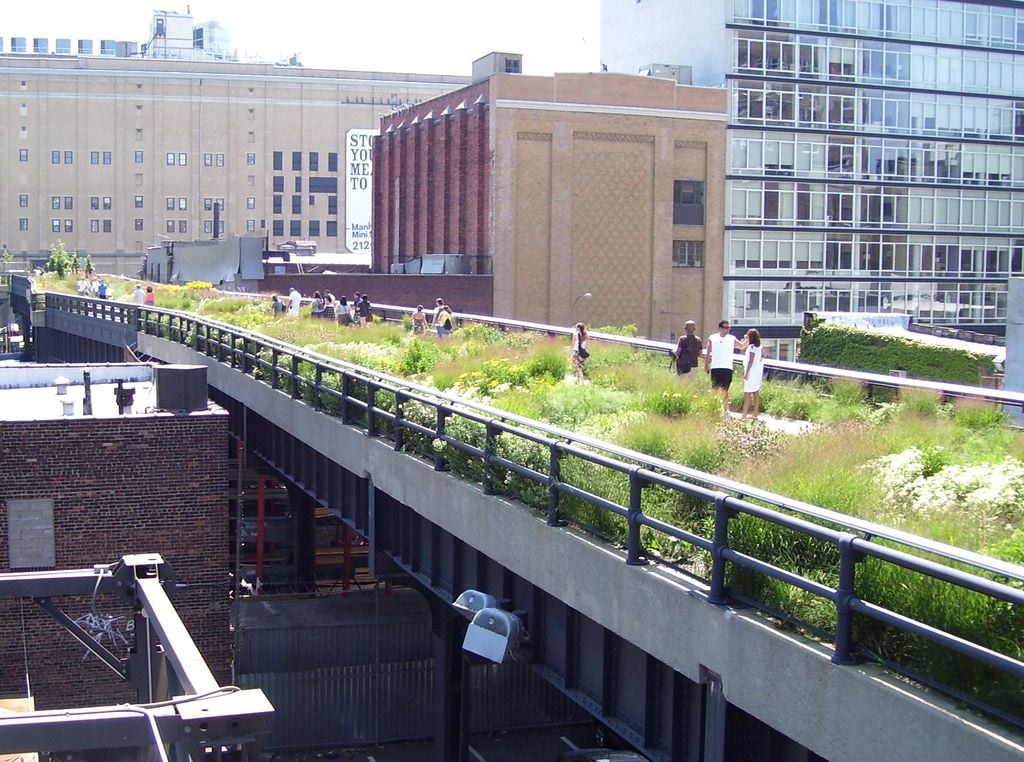
The urban environment presents many opportunities for green spaces, however small or oddly-placed, especially along former railways and around industrial sites.
The urban environment presents many opportunities for green spaces, however small or oddly-placed, especially along former railways and around industrial sites.
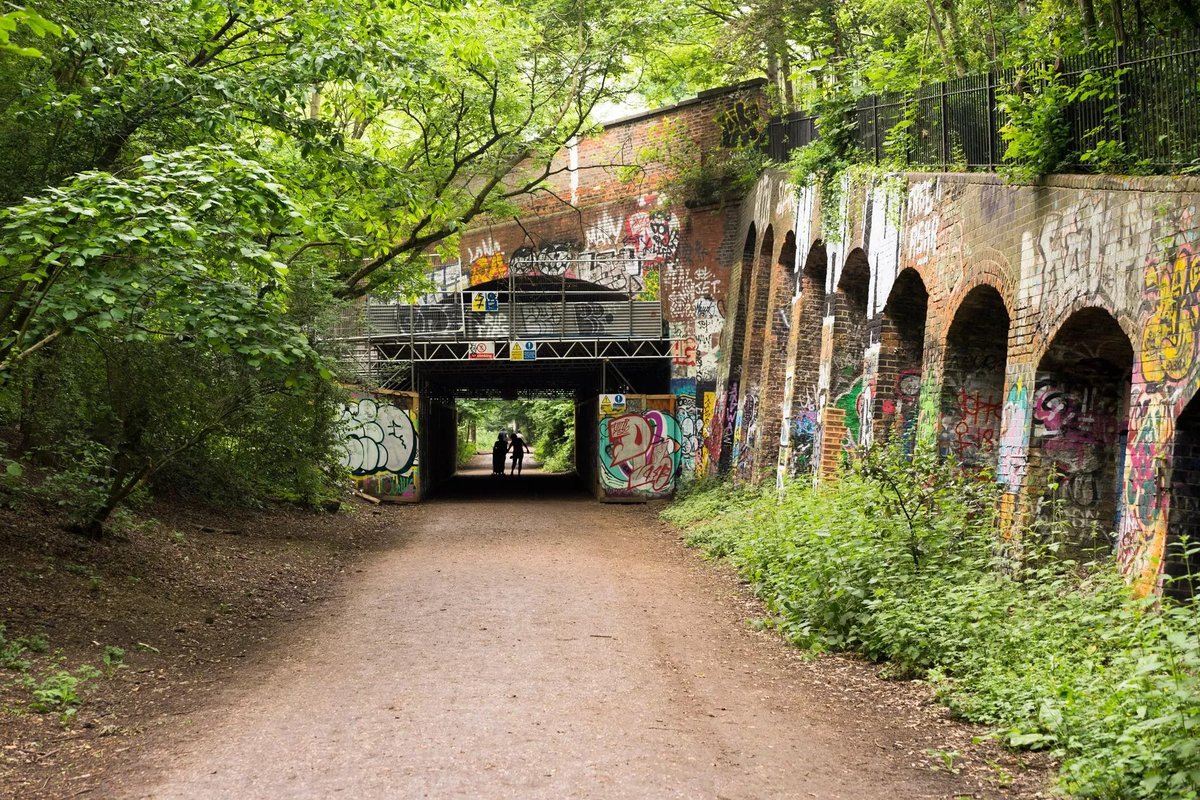
These "greenways" are a recent concept, their rise having coincided with industrial decline and subsequent freeing up of urban space.
New York's High Line is a famous example, but there are many more in existence and new opportunities for novel green spaces appear all the time.
New York's High Line is a famous example, but there are many more in existence and new opportunities for novel green spaces appear all the time.
And city parks are no less important now than they were two hundred years ago.
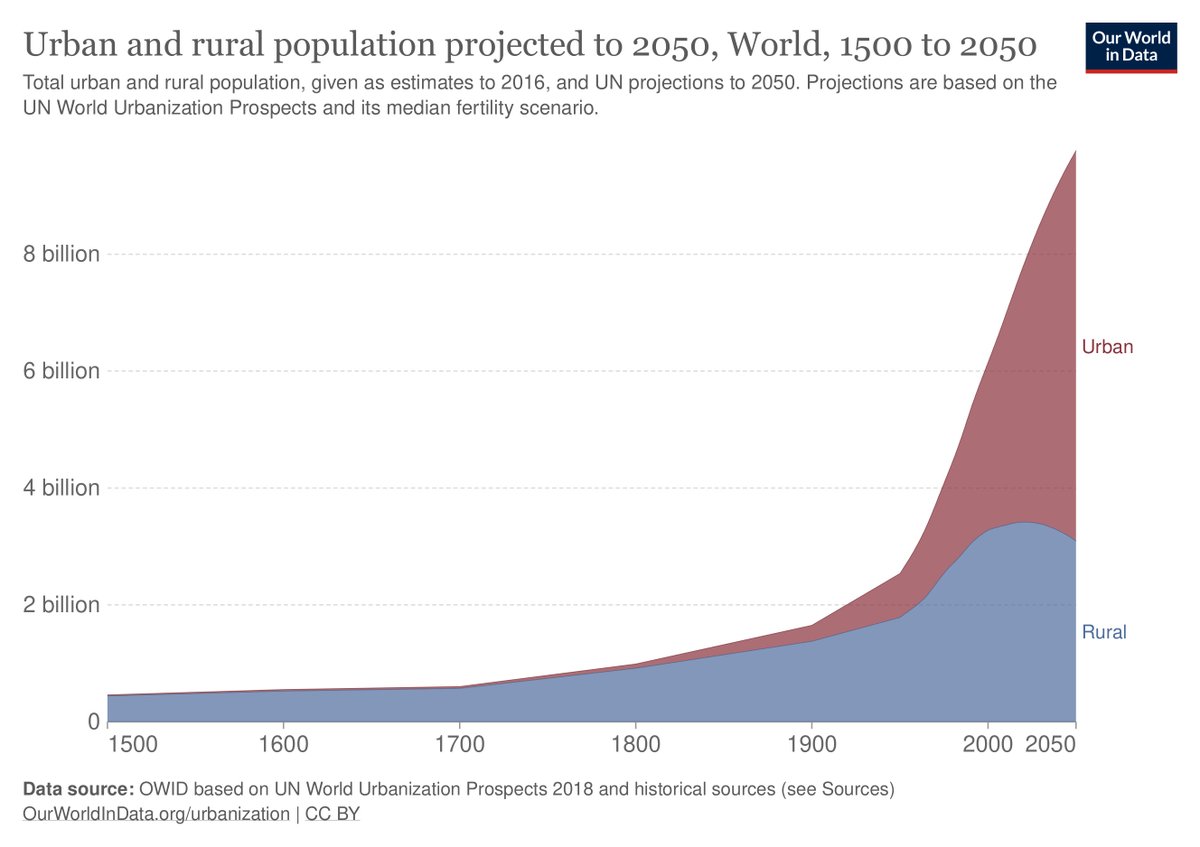
Projections suggest that the urban population will continue to rise; the need for green spaces in cities, then, will only become more important.
Projections suggest that the urban population will continue to rise; the need for green spaces in cities, then, will only become more important.
Studies have proven what we instinctively know: that people are happier in natural surroundings, that trees, flowers, rivers, & meadows are more soothing than tarmac and glass.
And this is an age when people, spending all their time online, are more stressed than ever.
And this is an age when people, spending all their time online, are more stressed than ever.
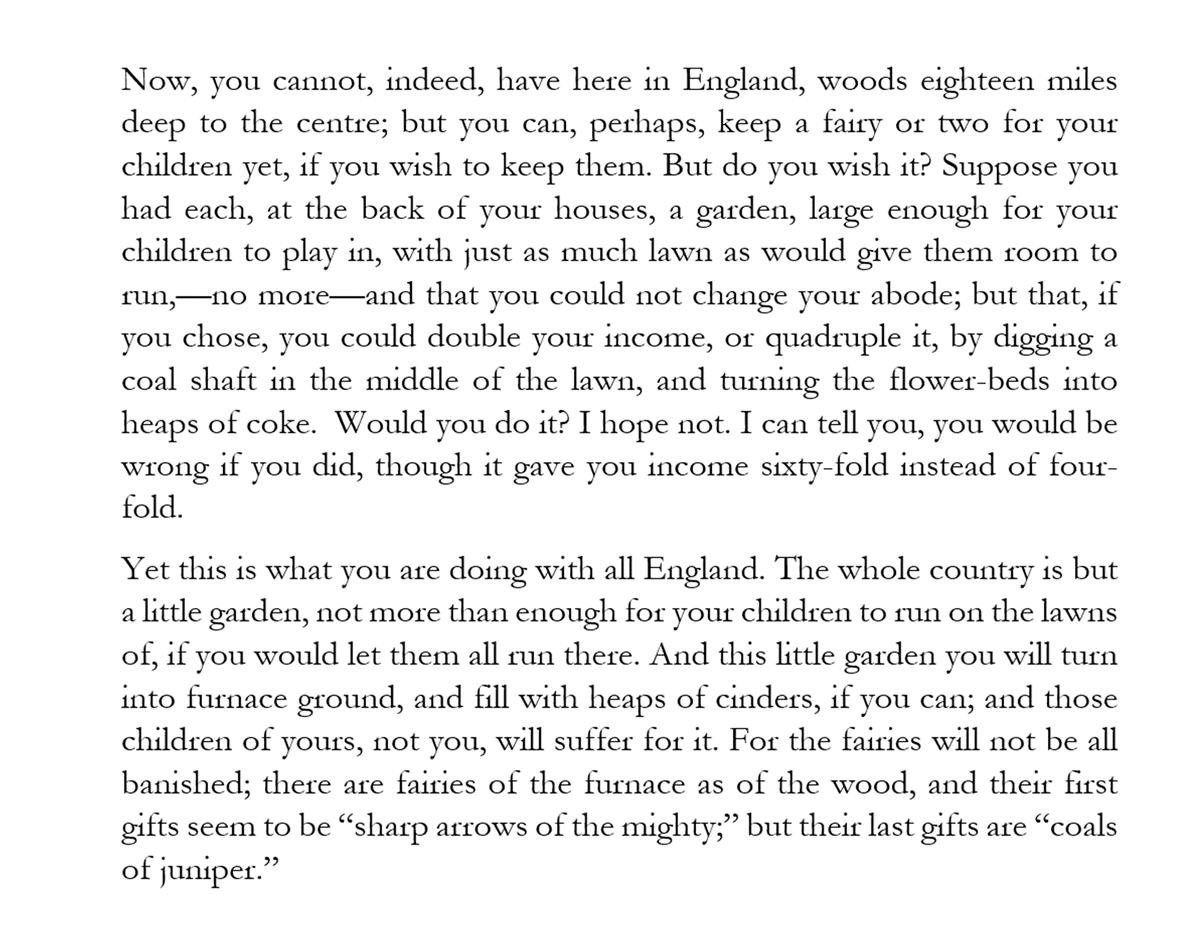
Perhaps we should, as John Ruskin once argued in the 1870s, lamenting how England had ruined its countryside and transformed its cities into miserable hellscapes, put public wellbeing above profit:
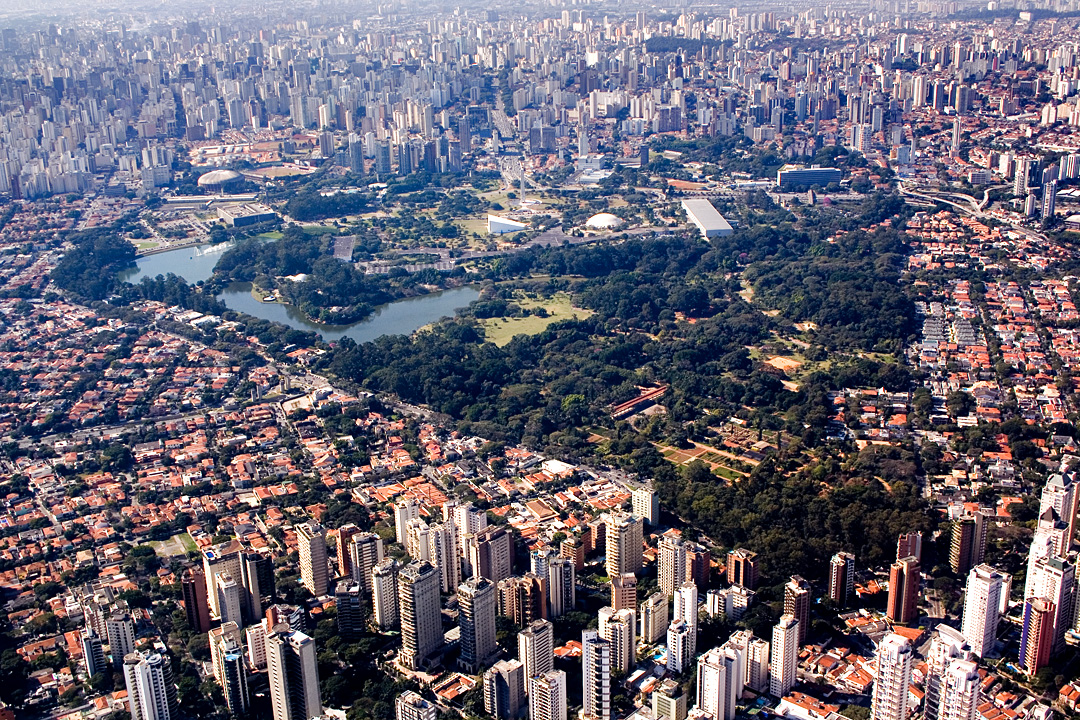
For is there any city in the world which has not been, or would not be, improved by the creation of more green spaces?
Not merely tree-lined streets, but areas devoid of buildings and dedicated entirely to grass, trees, flowers, meadows, fields, rivers, and... nature.
Not merely tree-lined streets, but areas devoid of buildings and dedicated entirely to grass, trees, flowers, meadows, fields, rivers, and... nature.
جاري تحميل الاقتراحات...