
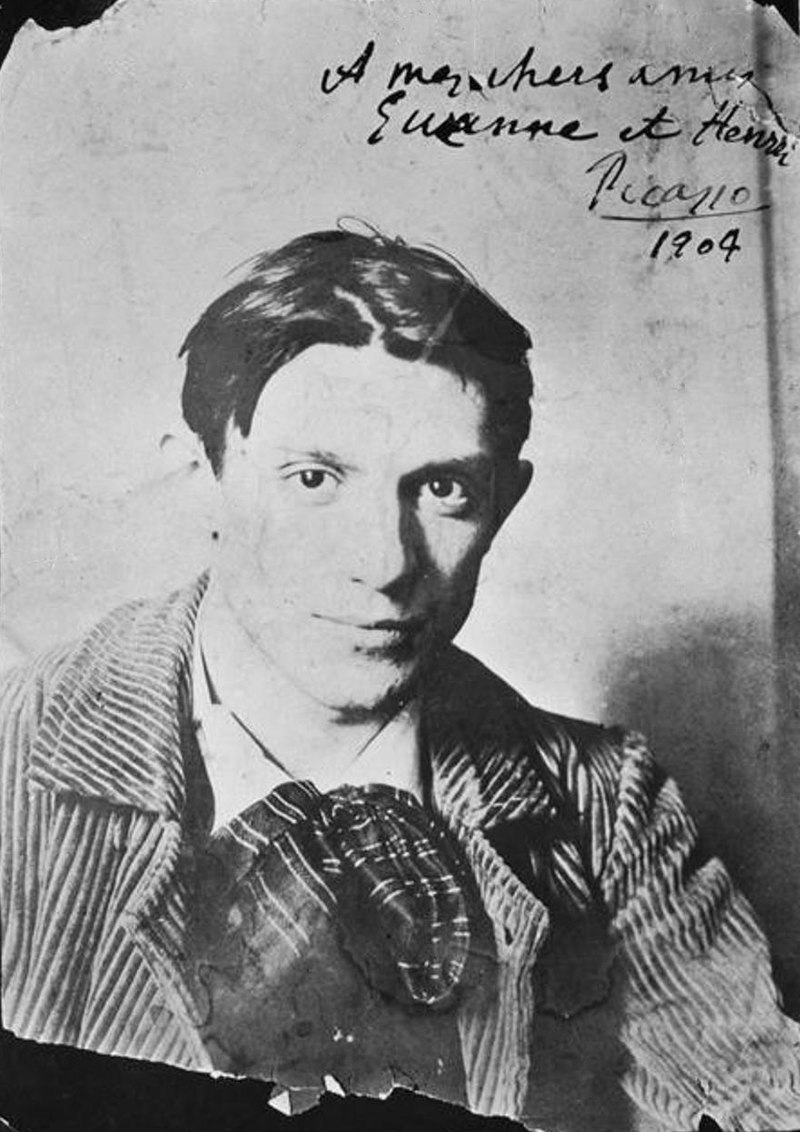
Pablo Picasso's art changed a lot. Here's why:

It wasn't just Pablo Picasso (born on this day 142 years ago!) who radically changed his style.
Between about 1870 and 1920 European art underwent a total transformation — from the idealised, naturalistic art of the Academies to movements like Cubism and Suprematism.
Between about 1870 and 1920 European art underwent a total transformation — from the idealised, naturalistic art of the Academies to movements like Cubism and Suprematism.

Well... why? There is no single reason, because there are never sole causes for anything, but here are three of the main ones, beginning with... photography.
The impact of photography on art is often misunderstood — we tend to assume that cameras simply replaced artists.
The impact of photography on art is often misunderstood — we tend to assume that cameras simply replaced artists.
That is true in some sense. Portraitists, for example, and those who painted souvenir landscapes or city-views, were certainly challenged by the invention of photography.
But art had never really been about making "realistic" images of things.
But art had never really been about making "realistic" images of things.
The real impact of photography on art was rather surprising.
Many artists found it fascinating; cameras created new ways of looking at the world and so they embraced it wholeheartedly.
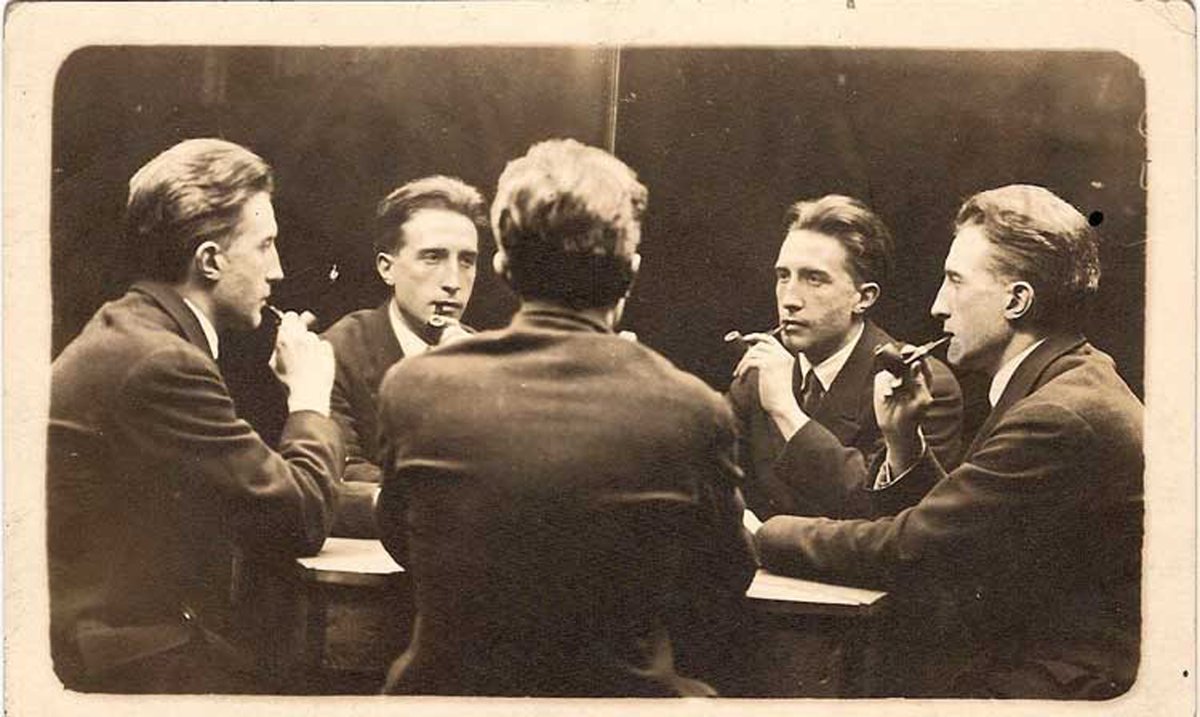
Like Marcel Duchamp, who created this five-part self-portait photograph:
Many artists found it fascinating; cameras created new ways of looking at the world and so they embraced it wholeheartedly.
Like Marcel Duchamp, who created this five-part self-portait photograph:
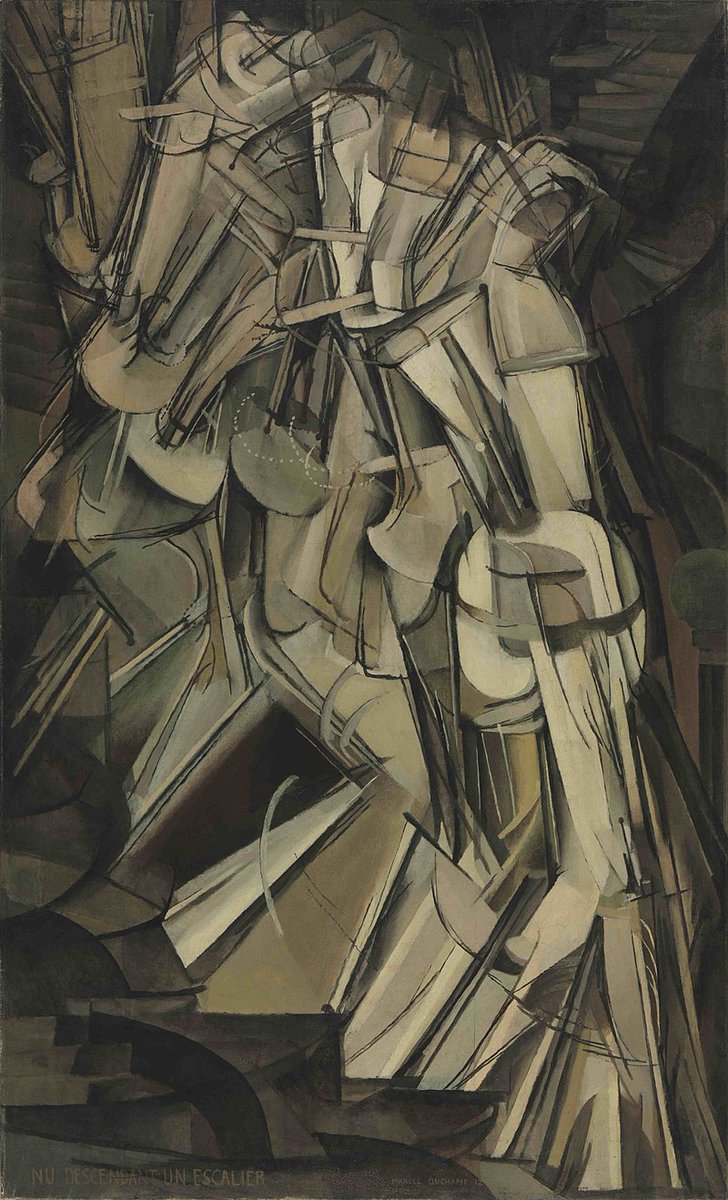
Cubism was itself partly inspired by the way photography could capture the movement of an object or person at so many different points in time and from different angles.
Cubism incorporated this idea; hence Duchamp's paintings feel like thousands of photos layered together.
Cubism incorporated this idea; hence Duchamp's paintings feel like thousands of photos layered together.
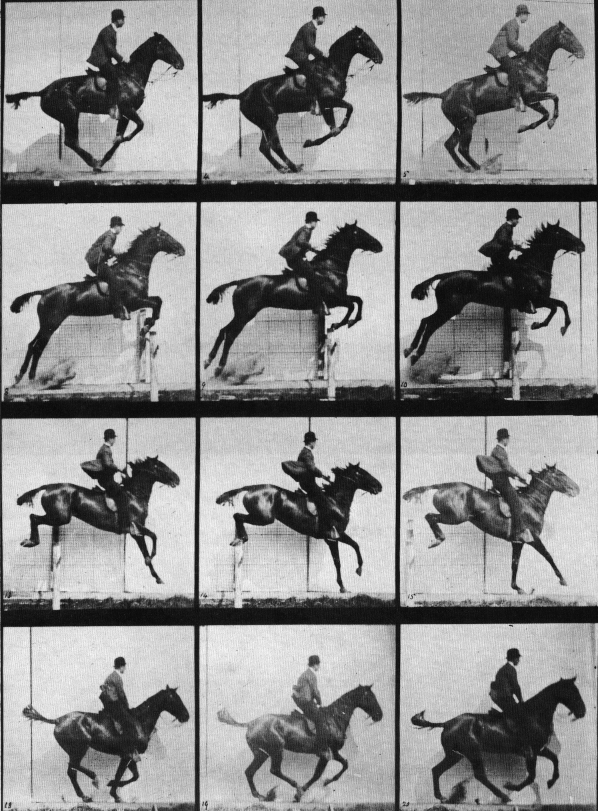
The impact of new technology on art is hard to underestimate. Something like Italian Futurism was a movement expressly inspired by this new Age of Machines.
The point is that artists weren't replaced by technology — they were inspired by it.
The point is that artists weren't replaced by technology — they were inspired by it.
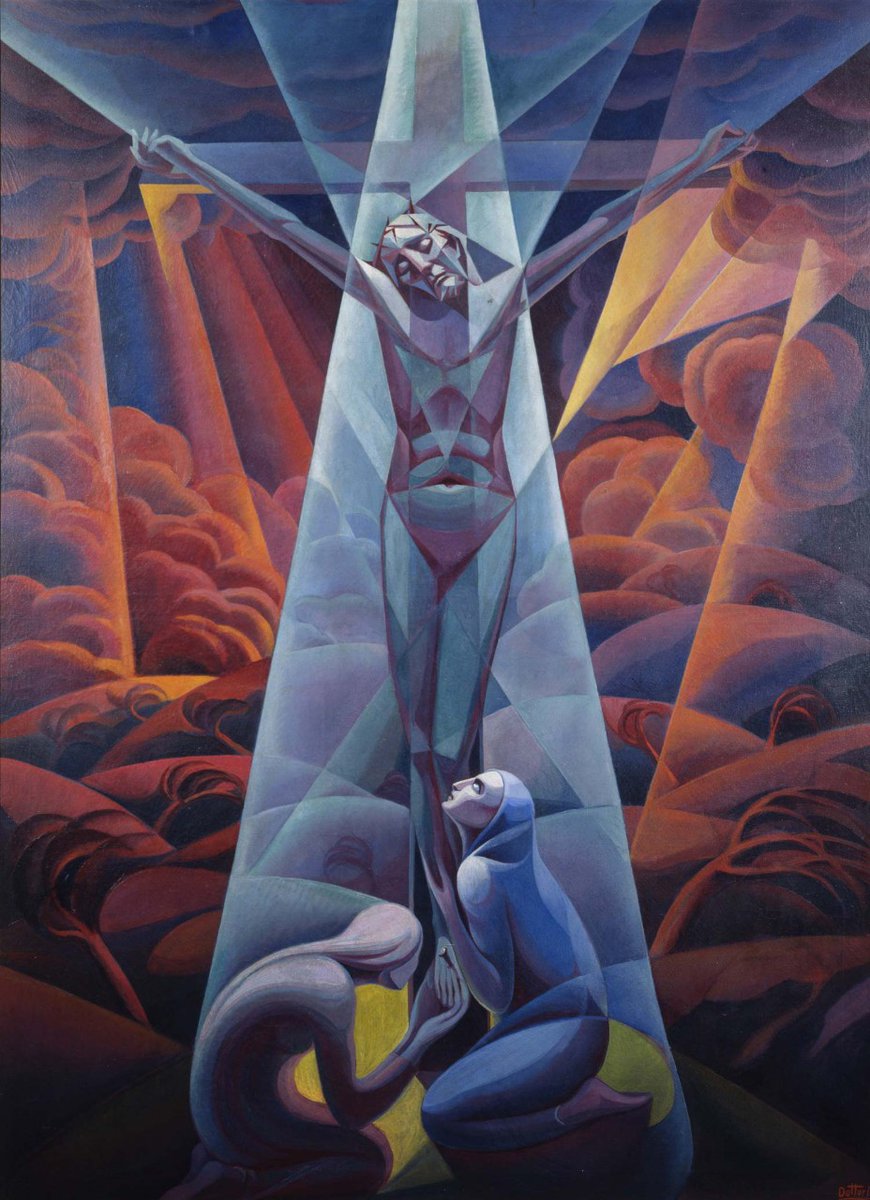
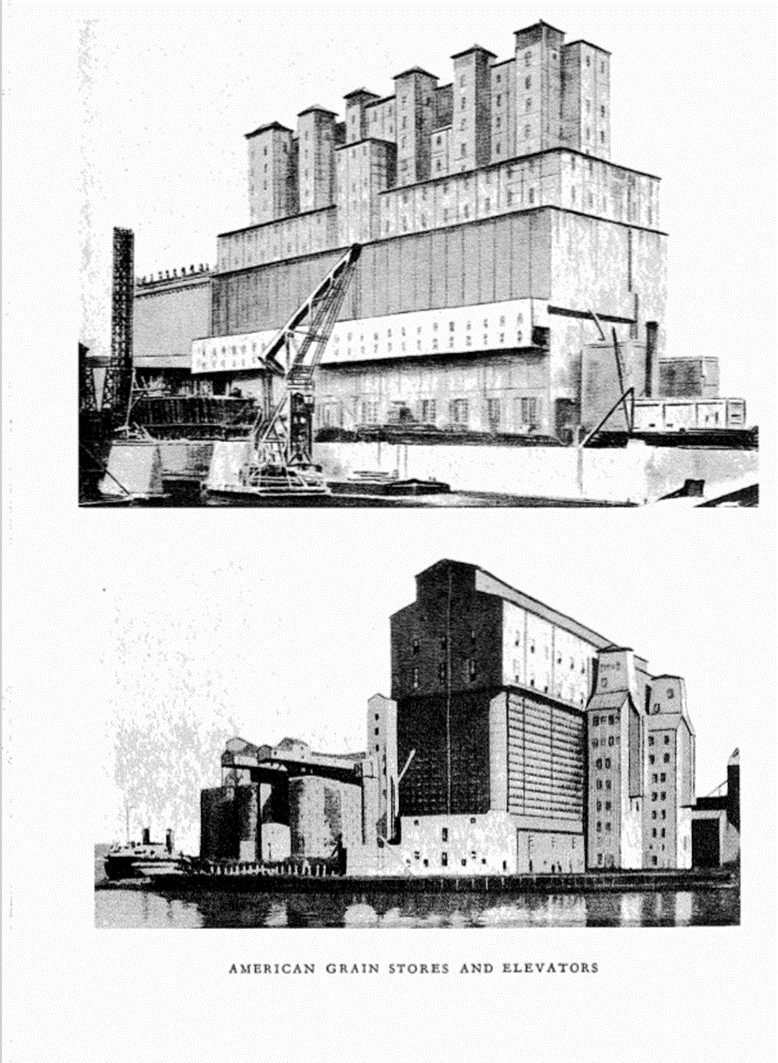
The same thing happened with architecture.
Although there are plenty of socio-economic and political reasons for the rise of modern architecture, influential theorists like Adolf Loos and Le Corbusier were inspired by cars, ships, factories, and grain silos.
Although there are plenty of socio-economic and political reasons for the rise of modern architecture, influential theorists like Adolf Loos and Le Corbusier were inspired by cars, ships, factories, and grain silos.

A second reason for the transformation of European art was the influence of non-Western art.
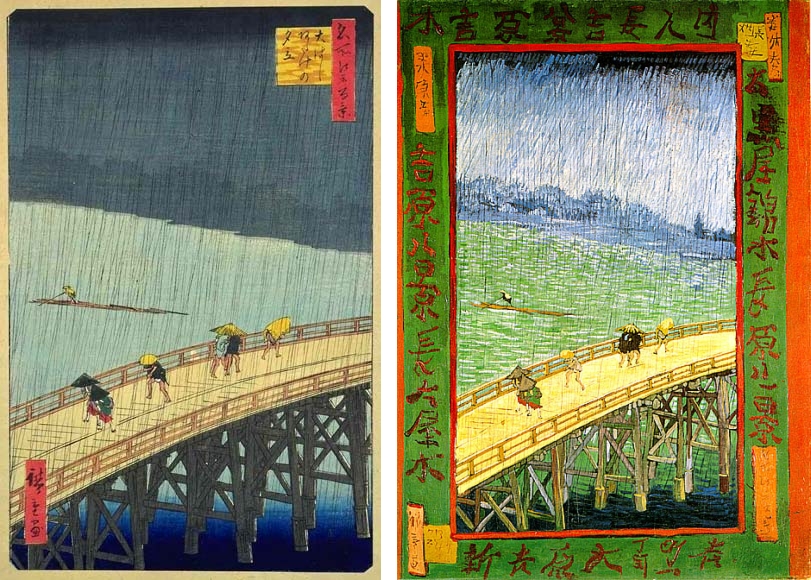
The Impressionists were inspired by the Japanese ukiyo-e prints that came flooding into Europe in the second half of the 19th century.
They had never seen anything like this before:
The Impressionists were inspired by the Japanese ukiyo-e prints that came flooding into Europe in the second half of the 19th century.
They had never seen anything like this before:
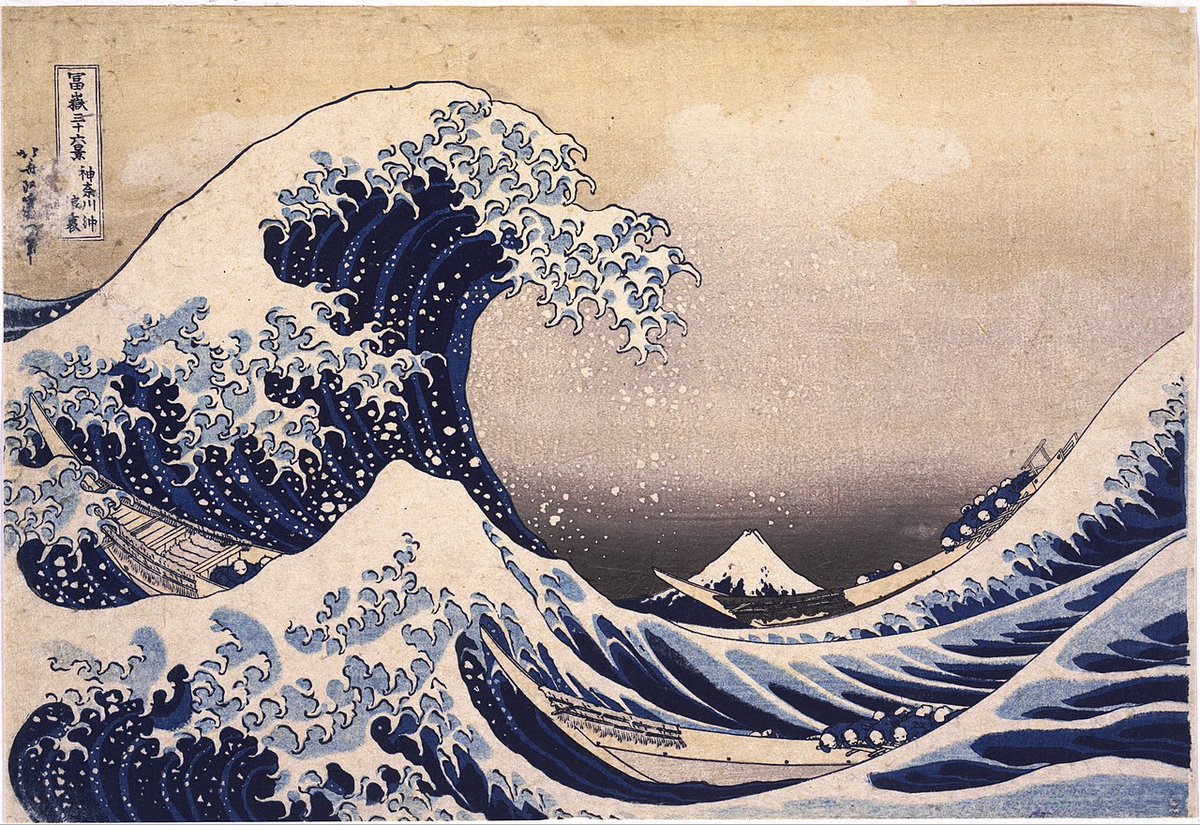
Vincent van Gogh was an avid collector of Japanese ukiyo-e; he, like the Impressionists and Post-Impressionists, admired their vivid colour, unusual perspectives, and ordinary subject matters.
Van Gogh even made his own versions of prints by his favourite artist, Hokusai.
Van Gogh even made his own versions of prints by his favourite artist, Hokusai.
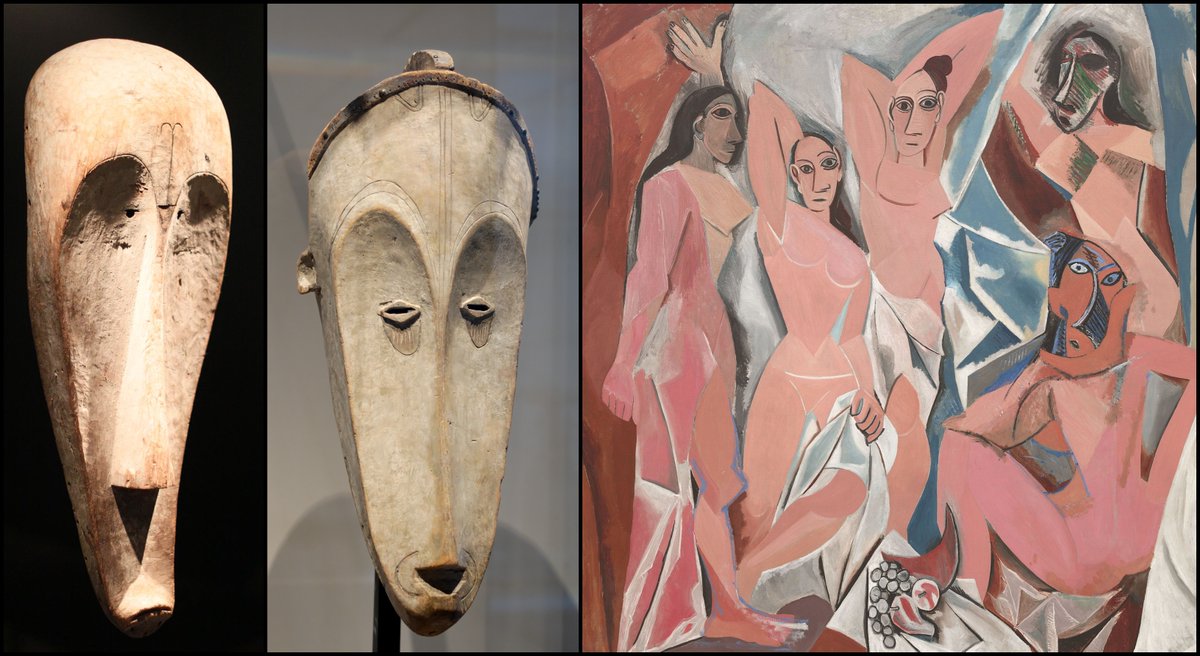
Toward the end of the 19th century European colonial powers also brought huge amounts of African art back to their museums.
Picasso's famous Demoiselles d'Avignon was based on traditional masks from West and Central Africa he had seen in the Musée du Trocadéro.
Picasso's famous Demoiselles d'Avignon was based on traditional masks from West and Central Africa he had seen in the Musée du Trocadéro.
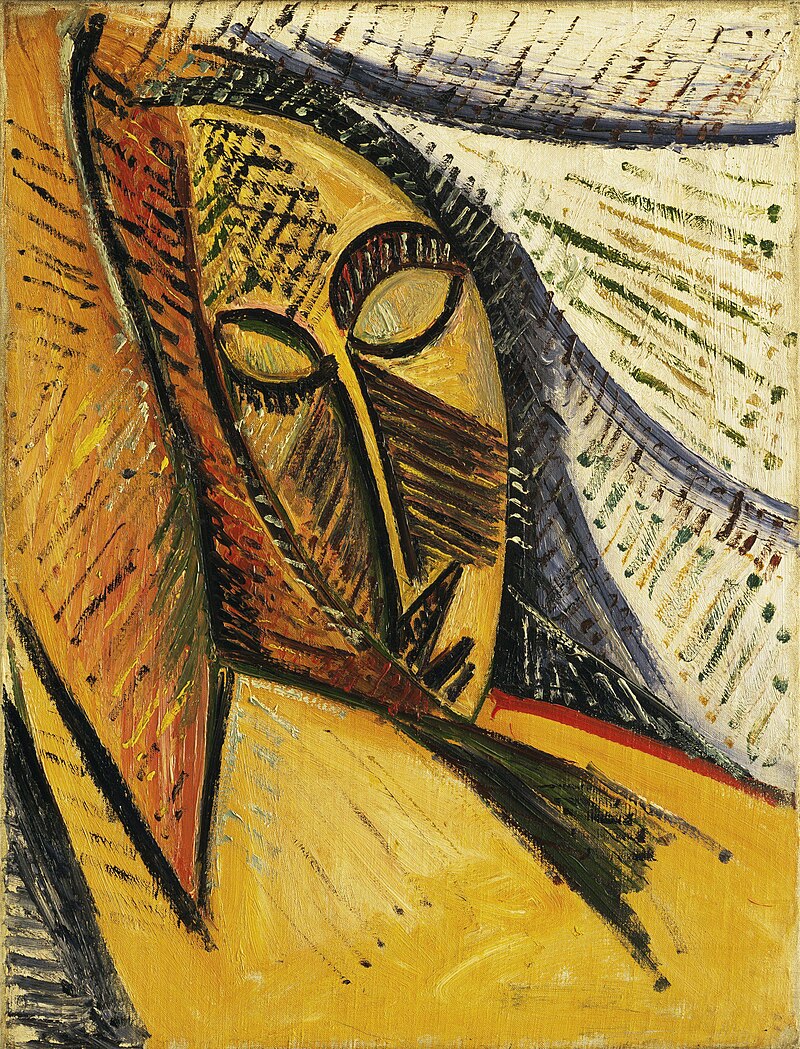
Gauguin, Rousseau, Picasso... these and other artists of their generation felt that European culture itself had become stale and artificial.
But, in the art of non-Western nations, they found the urgency, vibrancy, life, and symbolic power that was totally lacking in their own.
But, in the art of non-Western nations, they found the urgency, vibrancy, life, and symbolic power that was totally lacking in their own.
A third reason is the cultural, intellectual, philosophical, and even spiritual state of Europe.
Art always reflects how we see the world — and people were beginning to see the world in a fundamentally different way.
When society changes... so does art.
Art always reflects how we see the world — and people were beginning to see the world in a fundamentally different way.
When society changes... so does art.
And the 19th century was one of perpetual change and growth on a scale never known in Europe.
Art tracked this socio-cultural evolution closely: Romanticism, Realism, Impressionism, Post-Impressionism, Symbolism... all culminating in Picasso's Cubism and Malevich's Suprematism.
Art tracked this socio-cultural evolution closely: Romanticism, Realism, Impressionism, Post-Impressionism, Symbolism... all culminating in Picasso's Cubism and Malevich's Suprematism.
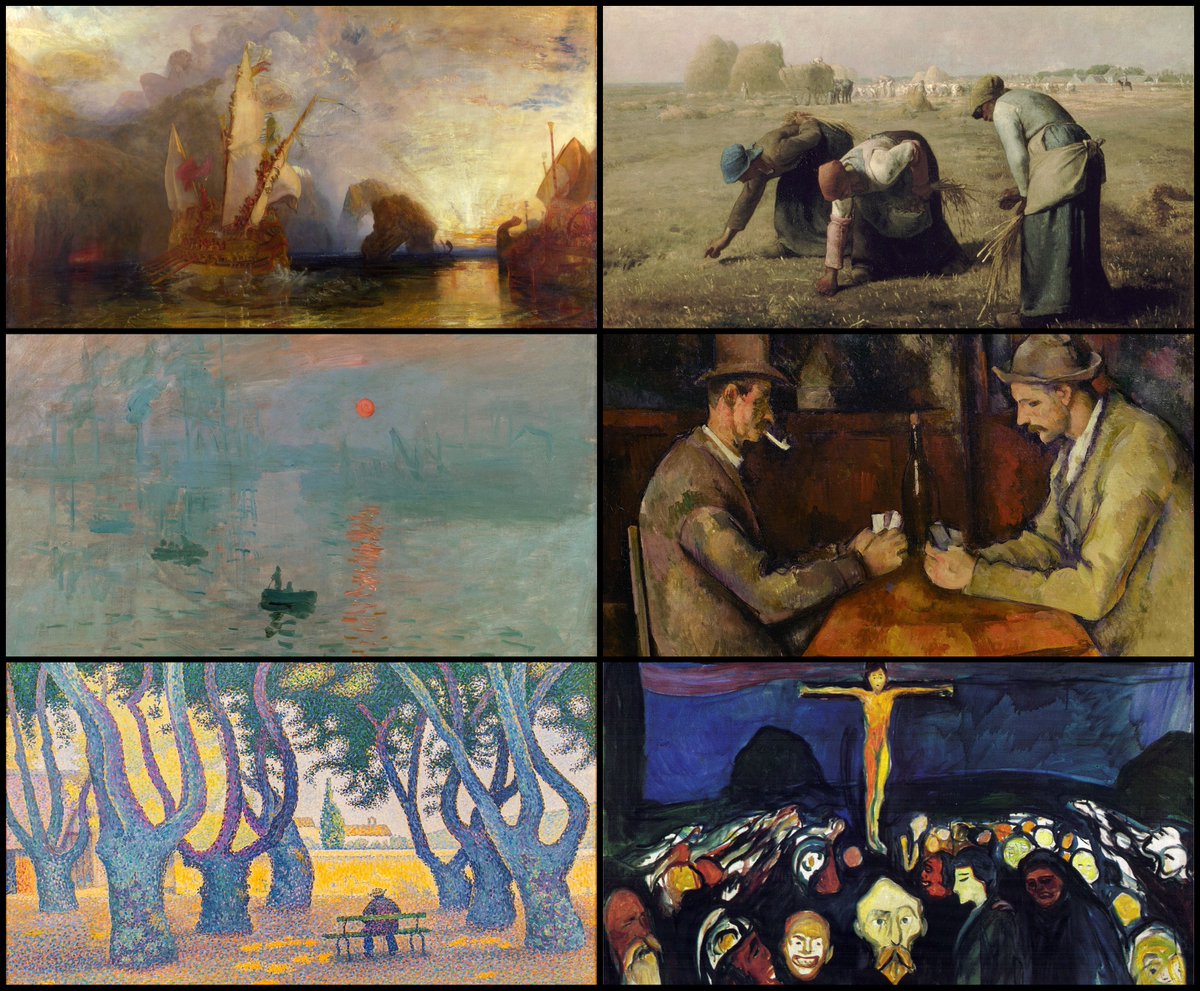
Europe had become a maelstrom of new ideas, and the first decade of the 20th century was one of increasing experimentation in all the arts.
And then came the First World War, a catastrophe of almost incomprehensible magnitude — nothing was ever the same again.
And then came the First World War, a catastrophe of almost incomprehensible magnitude — nothing was ever the same again.
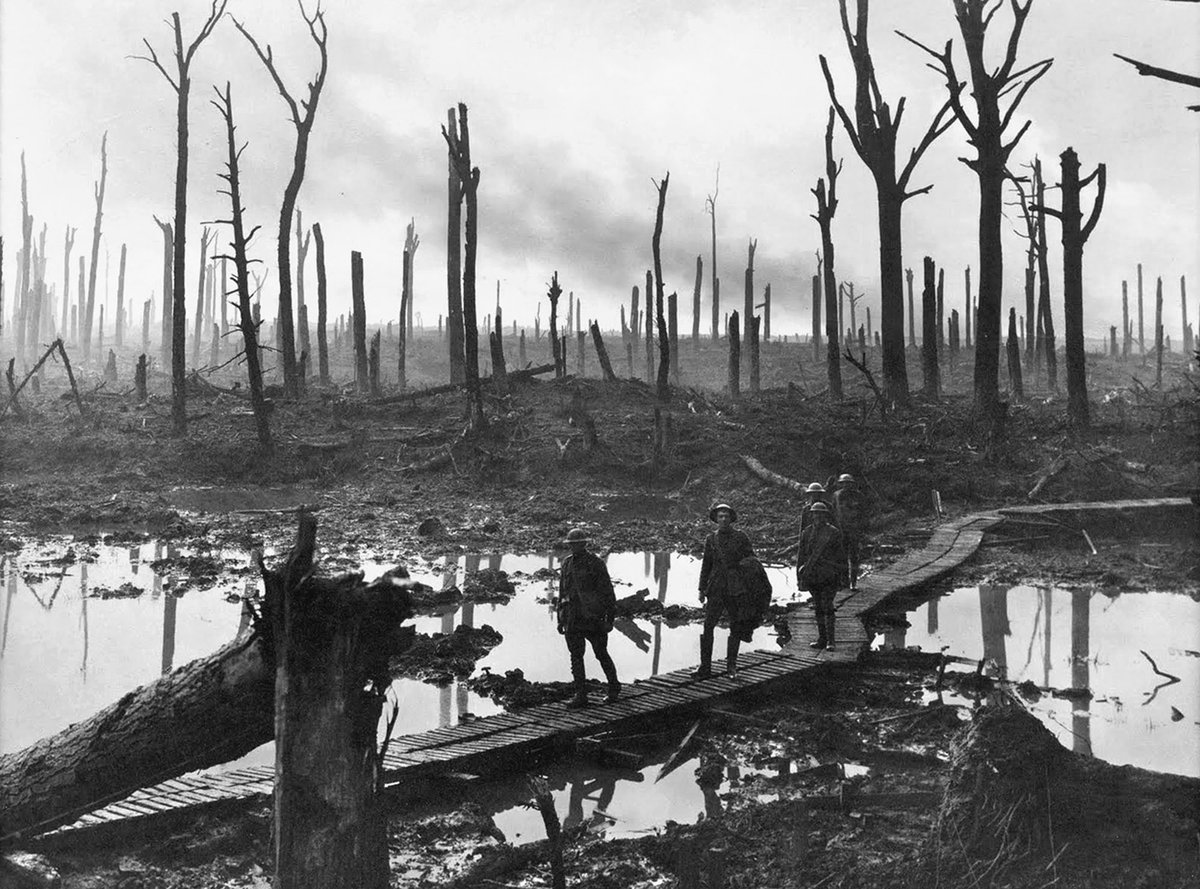
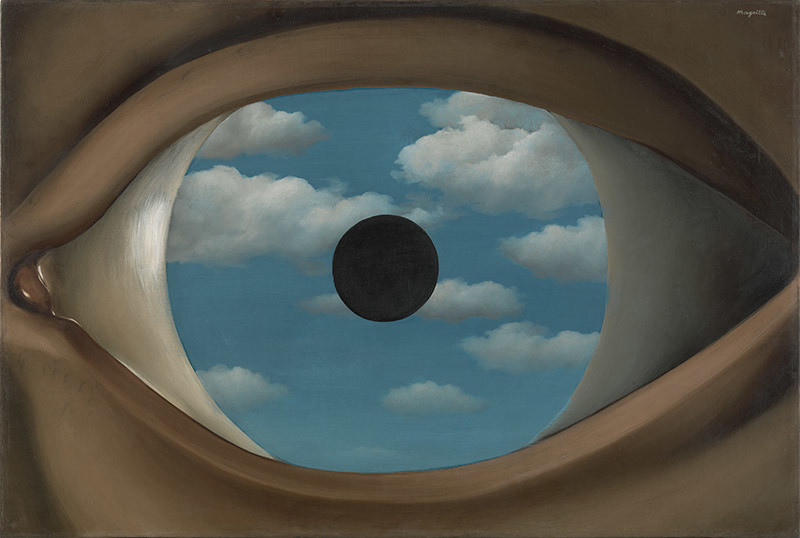
It's no coincidence that Surrealism, for example, only fully emerged in the years after WWI.
The likes of Magritte and Dalí were part of a generation which had been betrayed by the society they were born into.
Surrealism, turning inwards, was partly the art of disillusionment.
The likes of Magritte and Dalí were part of a generation which had been betrayed by the society they were born into.
Surrealism, turning inwards, was partly the art of disillusionment.
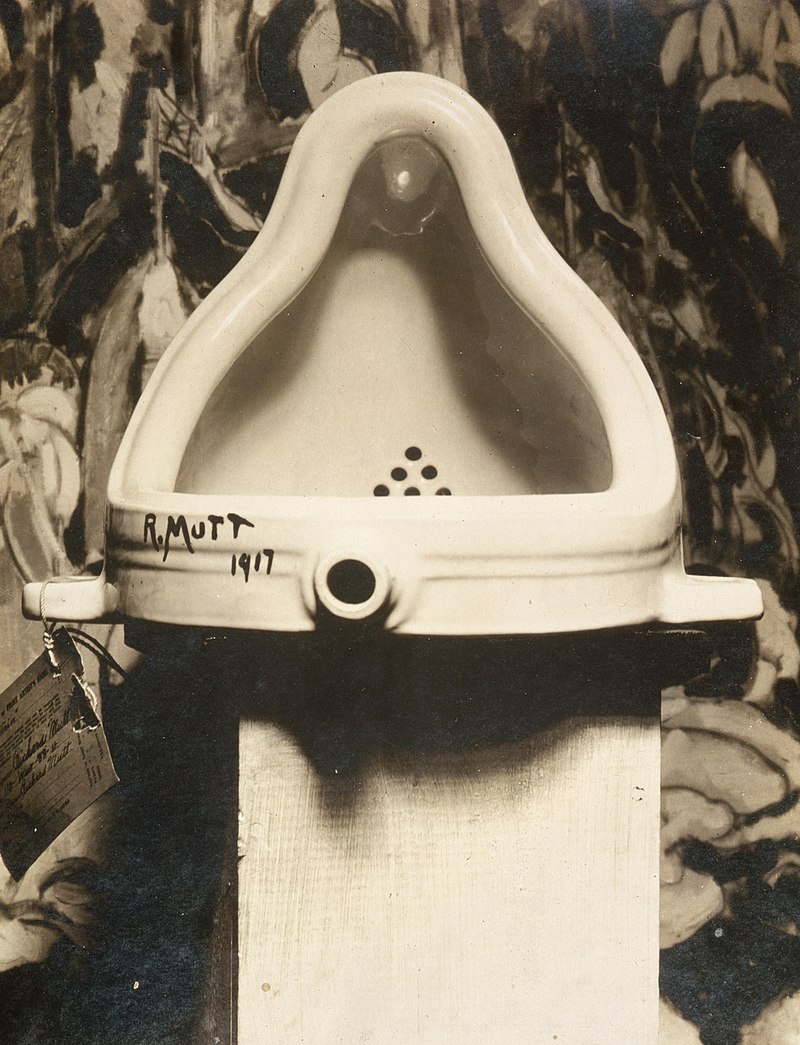
And it's strangely appropriate that Duchamp's infamous Fountain appeared at a New York exhibition in 1917, while war was raging in Europe.
It was the logical conclusion to four decades of artistic evolution; for good or bad, society had totally transformed — and art with it.
It was the logical conclusion to four decades of artistic evolution; for good or bad, society had totally transformed — and art with it.
These three reasons are not the only ones, of course, and far more has been excluded than included here. But, hopefully, it should help explain Pablo Picasso's total artistic transformation — and of European art more generally.
In any case... Feliz Cumpleaños Pablo!
In any case... Feliz Cumpleaños Pablo!
جاري تحميل الاقتراحات...