

Food for human consumption should be packaged and stored in the following cans:
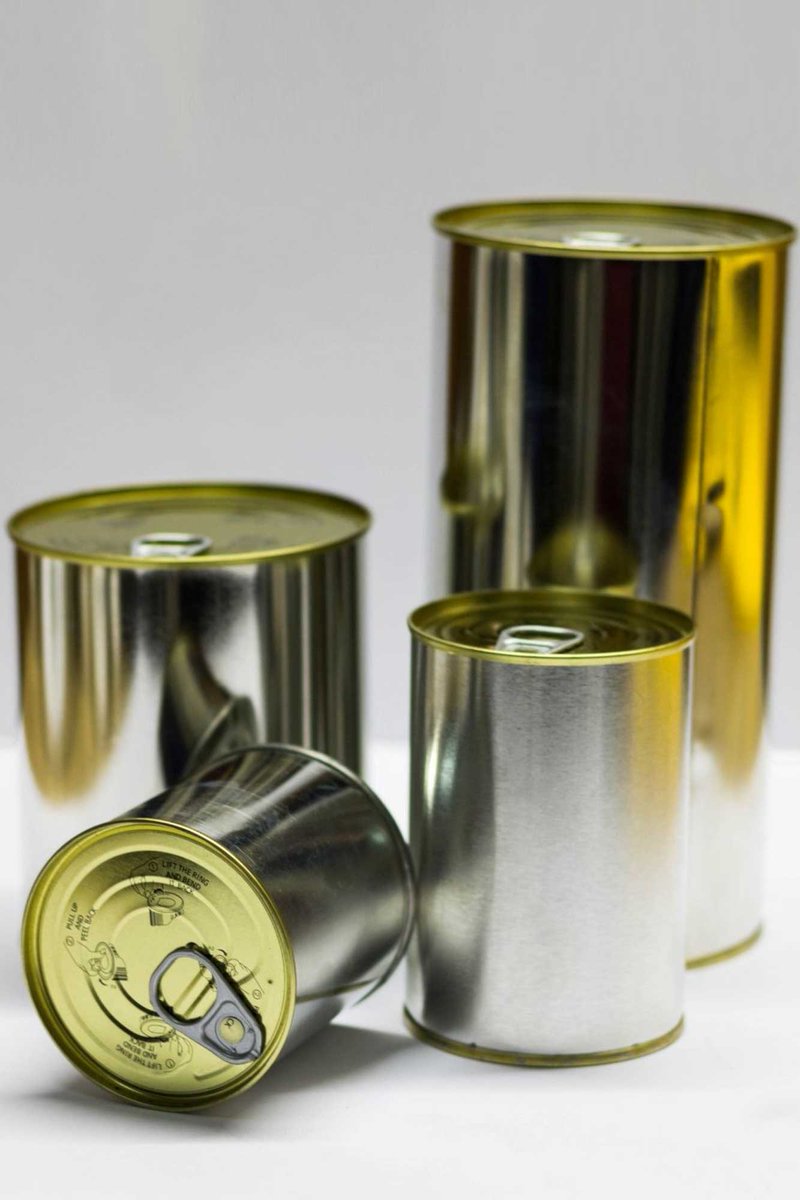
1. Tin cans
• Preserve nutrients, taste & aroma of food.
• No entry of air & moisture
• Improve shelf life of food.
• Don't react with food.
• Recyclable & safe.
#BetterTogether
1. Tin cans
• Preserve nutrients, taste & aroma of food.
• No entry of air & moisture
• Improve shelf life of food.
• Don't react with food.
• Recyclable & safe.
#BetterTogether
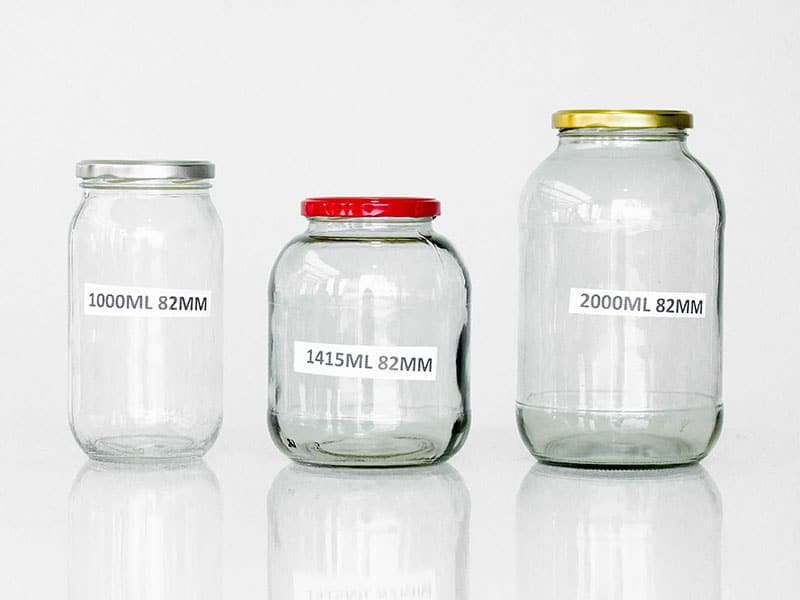
2. Glass Bottles:
• Natural & chemical-free.
• Non-porous & impermeable.
• Preserves taste, aroma & nutrients of food.
• Good for fermenting food.
• Doesn't corrode or react with food.
• Environmental friendly.
#BetterTogether
• Natural & chemical-free.
• Non-porous & impermeable.
• Preserves taste, aroma & nutrients of food.
• Good for fermenting food.
• Doesn't corrode or react with food.
• Environmental friendly.
#BetterTogether
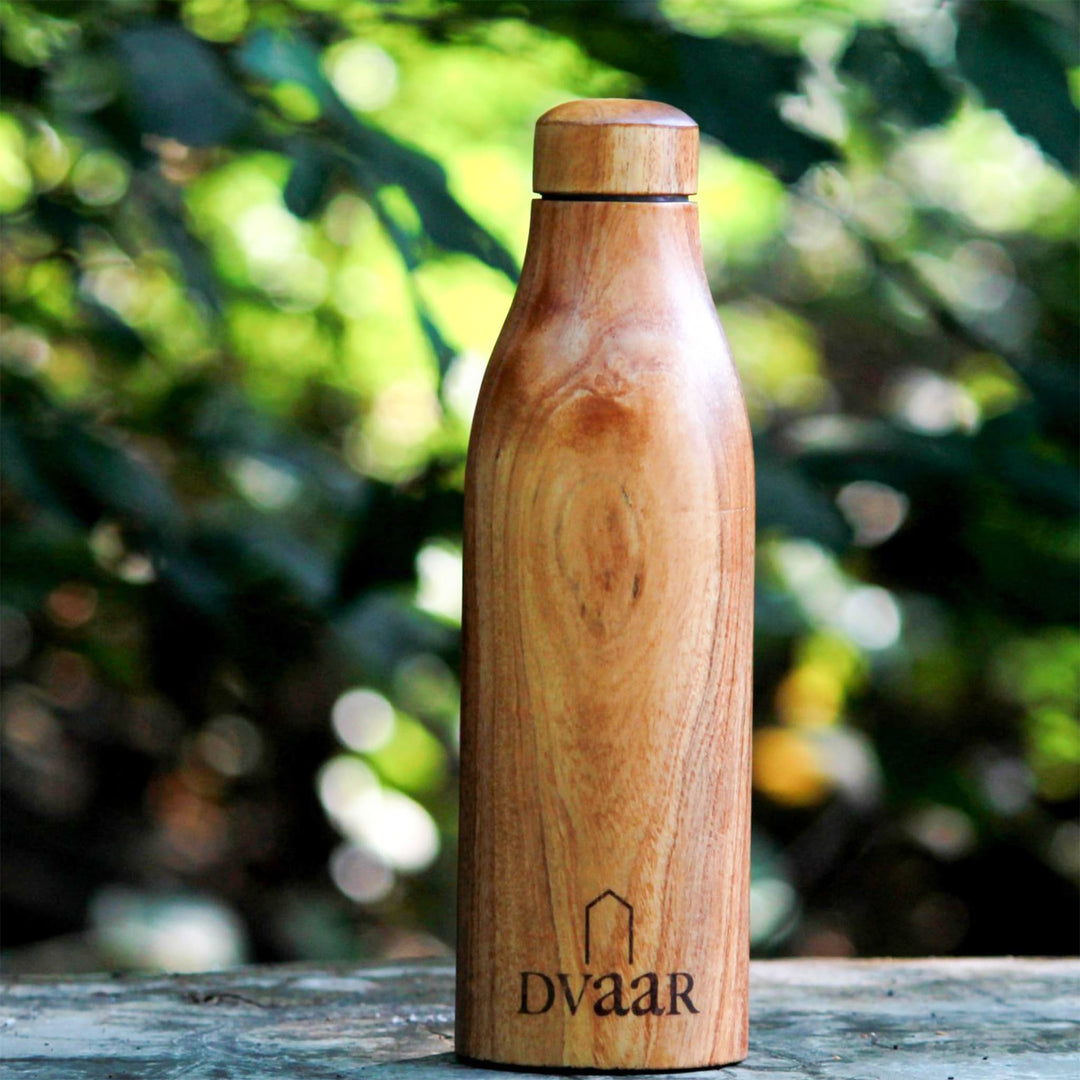
3. Wooden bottles:
• Natural & Chemical-free
• Resistant to mould
• Filters fluoride & other toxic compounds from water
• Environmental friendly
#BetterTogether
• Natural & Chemical-free
• Resistant to mould
• Filters fluoride & other toxic compounds from water
• Environmental friendly
#BetterTogether
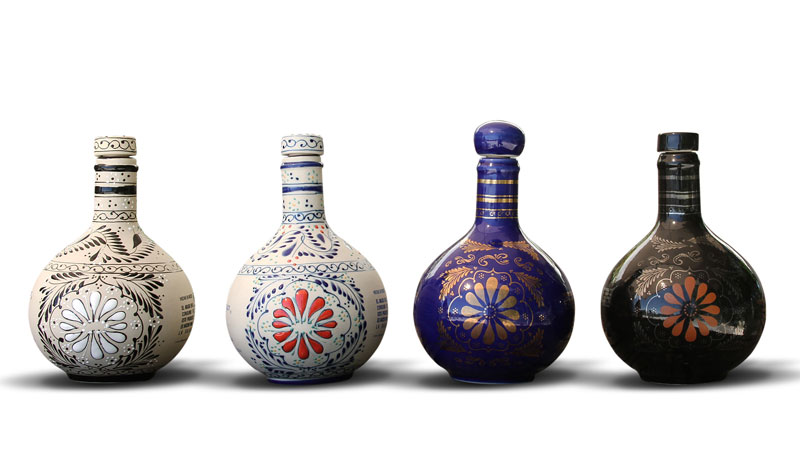
Ceramic containers:
• Natural & chemical-free.
• Durable.
• Resistant to heat.
• Preserves nutrients, taste & aroma of food.
• Preserves perishable food and prolongs the shelf life of food.
#BetterTogether
• Natural & chemical-free.
• Durable.
• Resistant to heat.
• Preserves nutrients, taste & aroma of food.
• Preserves perishable food and prolongs the shelf life of food.
#BetterTogether
Loading suggestions...