

On the left is the oldest statue ever discovered. Found in Germany and known as the Lion Man, it is more than 40,000 years old.
On the right are two major films released in 2023.
Here's why they have more in common than you might think...
On the right are two major films released in 2023.
Here's why they have more in common than you might think...

Much of the "oldest art" is disputed, and scholars disagree about whether something like the Venus of Tan Tan, dated to 500,000 BC, is actually "art".
It is a pebble which already looked somewhat like a human and was then modified with a stone tool to accentuate its features.
It is a pebble which already looked somewhat like a human and was then modified with a stone tool to accentuate its features.

The first undisputed works of art started appearing around 50,000 years ago, with cave paintings and statues and jewelry.
This mammoth tusk carving from the Geißenklösterle cave in Germany has been dated to about 40,000 BC.
This mammoth tusk carving from the Geißenklösterle cave in Germany has been dated to about 40,000 BC.

And then there are cave paintings, of course. The oldest ever discovered are those from South Sulawesi in Indonesia, which were made at a similar time to the Lion Man of Germany.
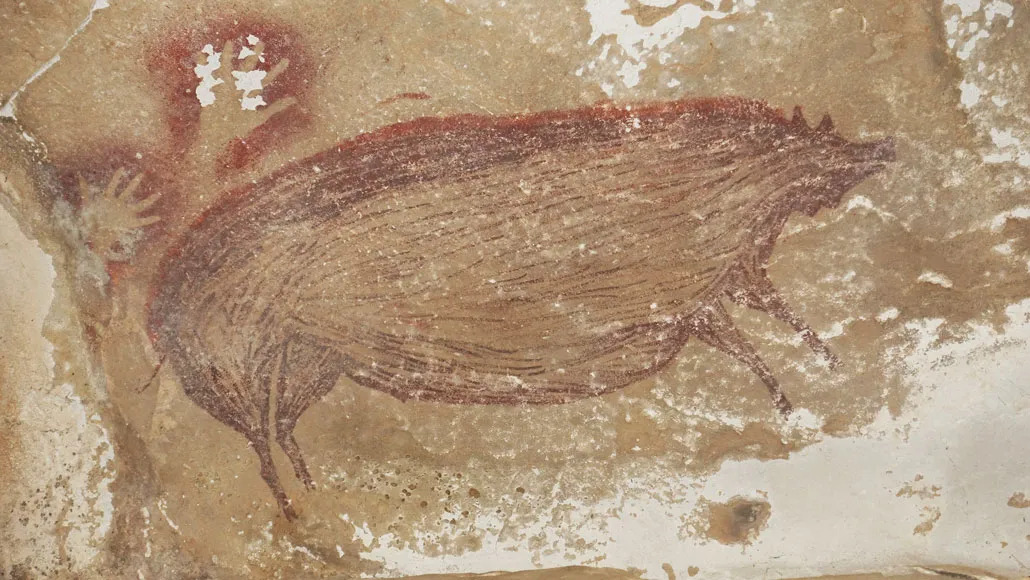
What all these prehistoric works of art have in common is that they are shrouded in mystery — research about how these people lived can only take us so far.
Why they made these paintings and statues and what they mean... such questions can only be answered through speculation.
Why they made these paintings and statues and what they mean... such questions can only be answered through speculation.
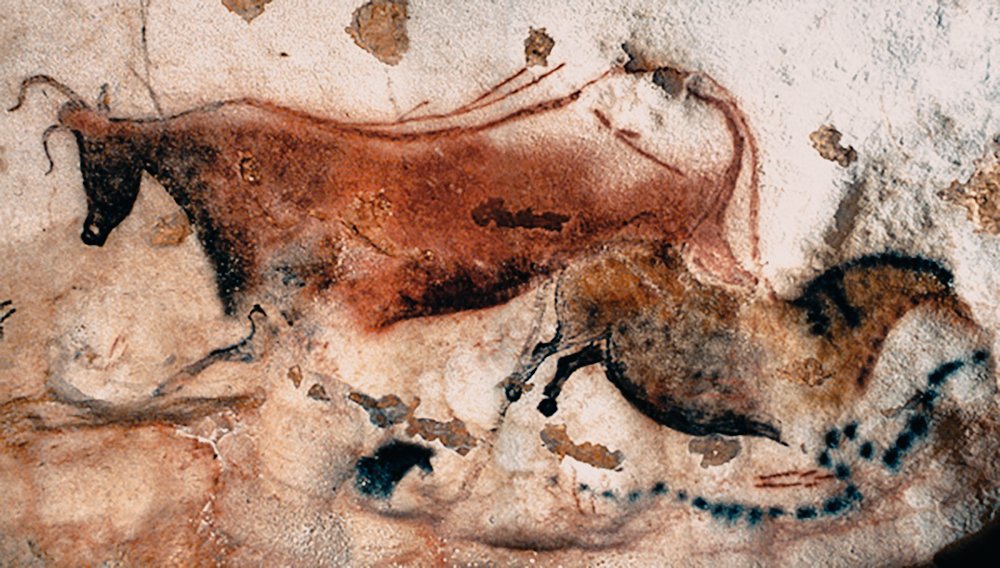
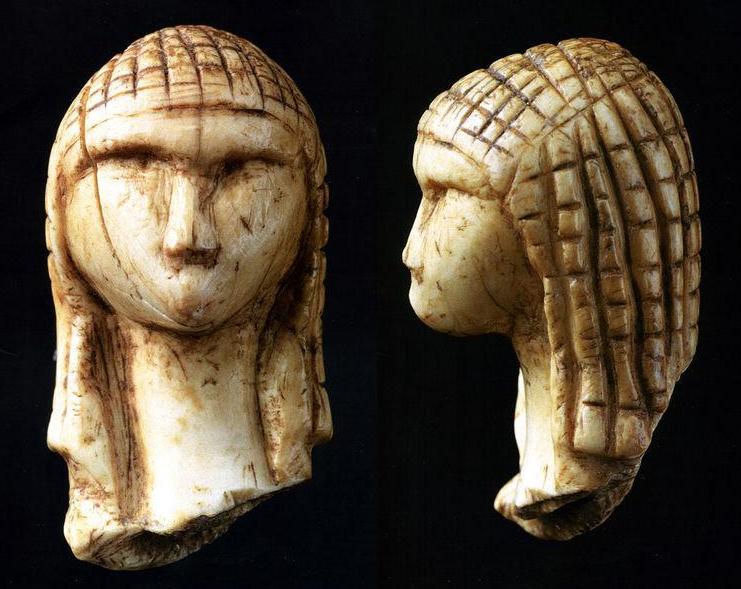
All sorts of hypothetical meanings have been attributed to prehistoric art, whether cave paintings or sculptures like the "Venus of Brassempouy", from 25,000 BC.
Was it religious, an item of worship? Did it have a role in ritual? Was it supposed to ward off evil spirits?
Was it religious, an item of worship? Did it have a role in ritual? Was it supposed to ward off evil spirits?
We also have to admit that there may not have been such grandiose intentions.
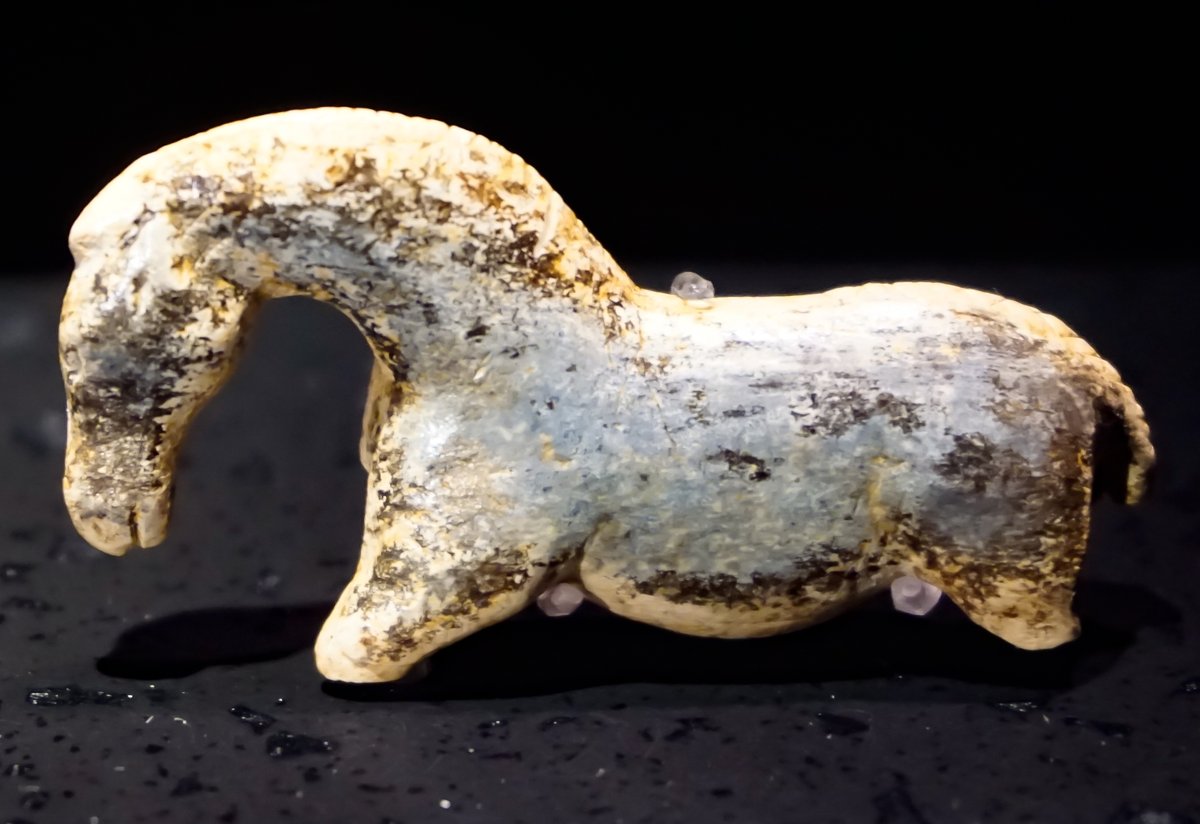
Perhaps works of art like the Vogelherd figurines, from 30,000 BC, were merely carved by a person in their spare time, to while away the hours, or to entertain their children, or as a gift.
Perhaps works of art like the Vogelherd figurines, from 30,000 BC, were merely carved by a person in their spare time, to while away the hours, or to entertain their children, or as a gift.
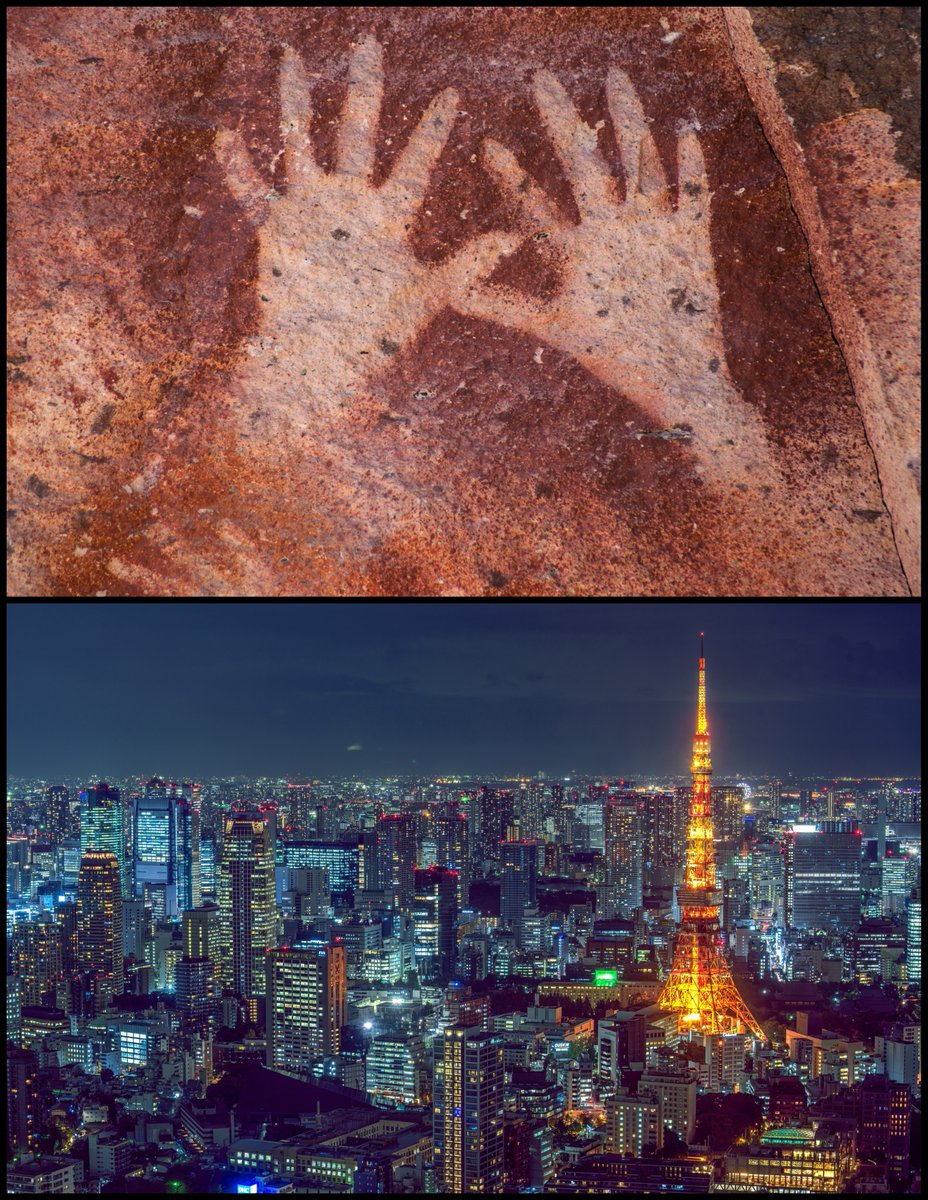
Among the most striking of all prehistoric art is the Cueva de las Manos in Argentina.
There are about two thousand hand prints here, ranging from 10,000 to 3,000 years old, made with bone pipes used for spraying paint.
Century after century, people went back and added more.
There are about two thousand hand prints here, ranging from 10,000 to 3,000 years old, made with bone pipes used for spraying paint.
Century after century, people went back and added more.
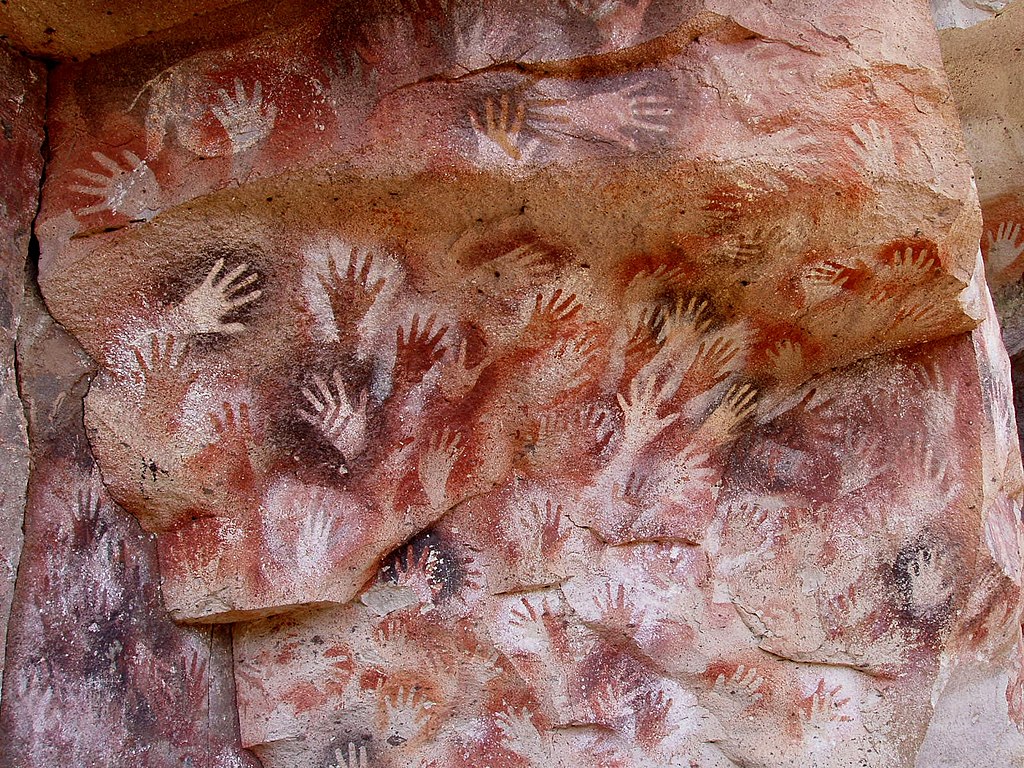
Wonderful about the Cueva de las Manos is that we have all have created similar prints at some point; and so we begin to understand something about our nameless ancestors.
Perhaps we can even find an answer to the perennial question of what this mysterious prehistoric art means.
Perhaps we can even find an answer to the perennial question of what this mysterious prehistoric art means.
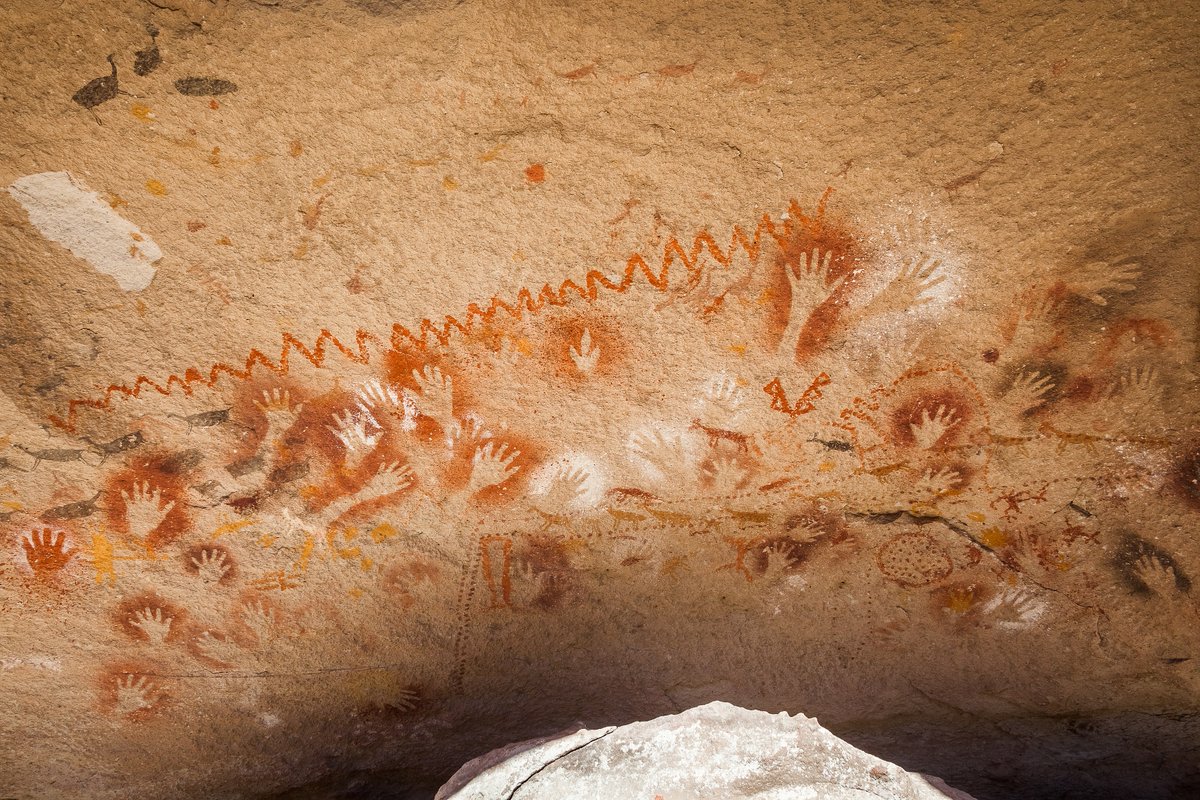
Because the answer doesn't lie in historical research, but in ourselves.
The same strange desire for expression that compelled our ancient ancestors to paint their caves is precisely the same compulsion that has been driving us to make art, of all kinds, ever since.
The same strange desire for expression that compelled our ancient ancestors to paint their caves is precisely the same compulsion that has been driving us to make art, of all kinds, ever since.
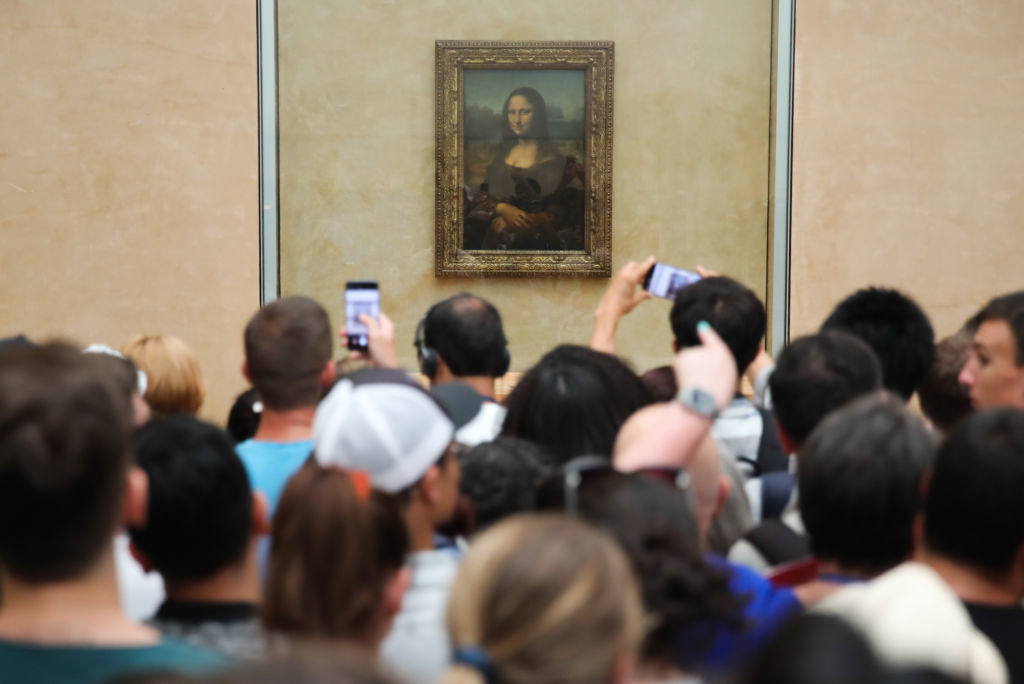
We will never know *exactly* why prehistoric humans did what they did.
But, even separated by that vast gulf of time and technology, when we decorate our homes it is for the same reason that our ancestors decorated theirs.
Caves or apartments, the urge is the same.
But, even separated by that vast gulf of time and technology, when we decorate our homes it is for the same reason that our ancestors decorated theirs.
Caves or apartments, the urge is the same.
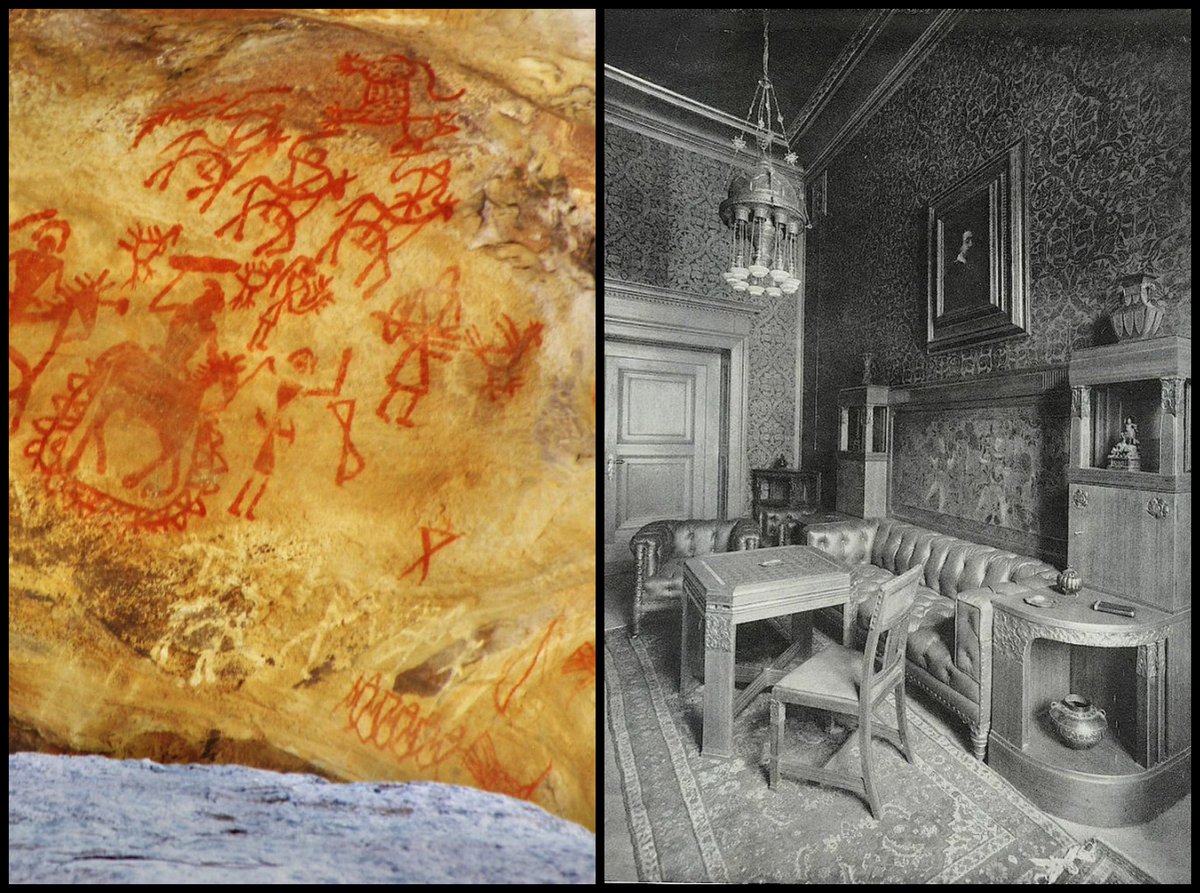
Or, more pointedly, films like Barbie and Oppenheimer are the direct descendants of the Löwenmensch and the Sulawesi paintings.
Whatever their precise purposes and meanings, the compulsion for creative expression remains an interminable element of the human condition.
Whatever their precise purposes and meanings, the compulsion for creative expression remains an interminable element of the human condition.
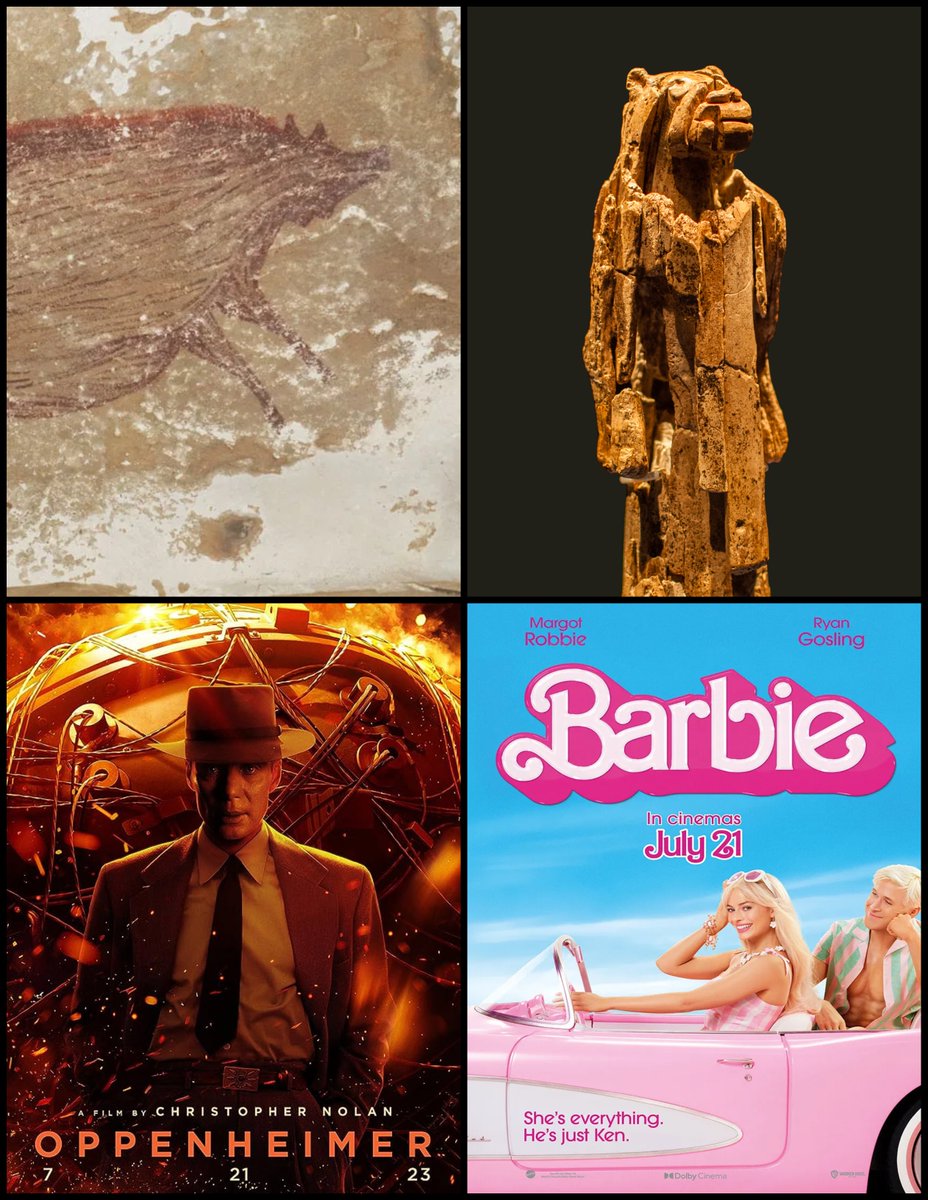
This prehistoric art represents the beginning of humankind's journey toward the present day.
The people who carved those bones and rocks are linked to us, living in 2023, by an unbroken chain of generations, of parents and children, stretching back tens of thousands of years.
The people who carved those bones and rocks are linked to us, living in 2023, by an unbroken chain of generations, of parents and children, stretching back tens of thousands of years.
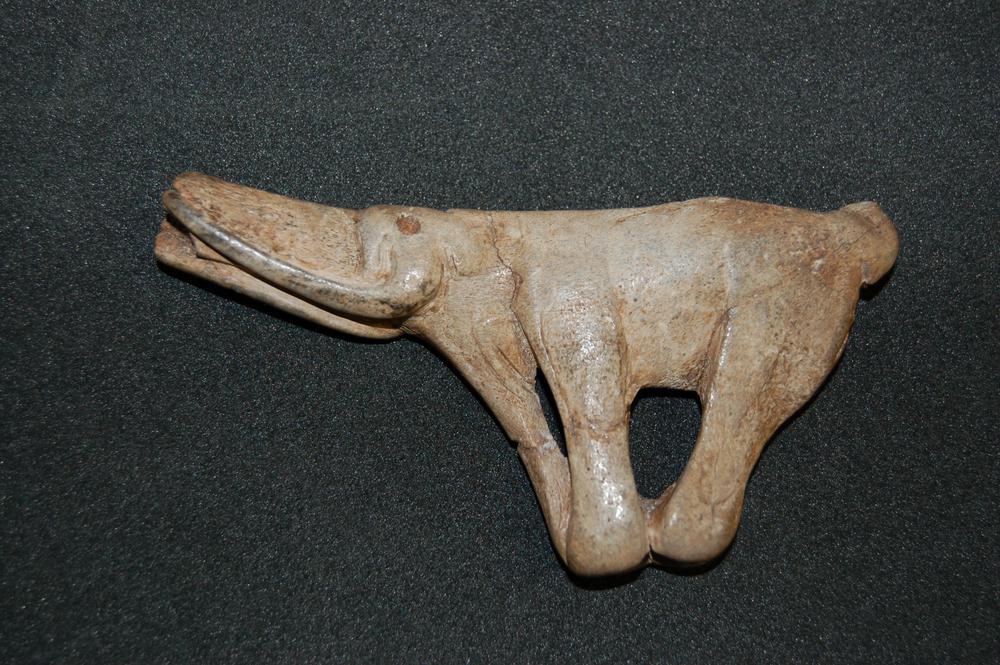
Our modern megacities, aeroplanes, mobile phones, rockets, and satellites all started with the carved mammoth tusks and daubs of red ochre on cave walls over 50,000 years ago.
That intellectual and emotional awakening has led to the 21st century, and continues every day...
That intellectual and emotional awakening has led to the 21st century, and continues every day...
جاري تحميل الاقتراحات...