

#upsc #IAS #Monetarypolicy
Q. What is Repo rate? Critically evaluate the possible causes and consequences of RBI not changing its benchmark rates.
Ans. #Reporate is the rate at which the #ReserveBankofIndia (#RBI) lends money to #commercialbanks. It is the #benchmark #interestrate in India, and all other interest rates in the economy are linked to it.
💥Possible causes for RBI not changing its benchmark rates on 6th October 2023 include:
👉Inflation: #Inflation is still elevated in India, and the RBI may want to keep interest rates high to help bring it down.
👉Economic growth: The Indian #economy is expected to grow at a healthy pace in 2023-24, and the RBI may want to keep interest rates high to prevent the economy from #overheating.
👉Global financial markets: Global financial markets have been volatile in recent months, and the RBI may want to keep interest rates unchanged to avoid any instability in the Indian economy.
💥Possible consequences of RBI not changing its benchmark rates include:
👉Higher borrowing costs: Businesses and individuals will have to pay higher interest rates on loans, which could dampen investment and consumption.
👉Slower economic growth: The higher borrowing costs could lead to slower economic growth.
👉Weaker rupee: The higher interest rates could make the rupee more attractive to foreign investors, which could lead to a stronger rupee. However, this could make Indian exports less competitive.
Critical evaluation:
👉The RBI's decision to keep interest rates unchanged is likely to be based on a careful assessment of the risks and benefits. The RBI is likely to be concerned about the high level of inflation, but it may also be concerned about the potential negative impact of higher interest rates on economic growth.
👉The RBI's decision is also likely to be influenced by the global economic environment. The global economy is facing a number of challenges, including the war in Ukraine and the rising cost of living. The RBI may be concerned that raising interest rates could make it more difficult for the Indian economy to withstand these challenges.
Overall, the RBI's decision to keep interest rates unchanged is a balanced one. It takes into account the risks and benefits of changing interest rates, as well as the global economic environment.
Additional comments:
👉Some economists have argued that the RBI should be more aggressive in raising interest rates in order to bring down inflation. They argue that the high level of inflation is a major risk to the Indian economy, and that the RBI should not be afraid to raise interest rates even if it means slowing economic growth.
👉Other economists have argued that the RBI should be more cautious in raising interest rates. They argue that the Indian economy is still recovering from the COVID-19 pandemic, and that raising interest rates too quickly could damage the recovery.
Ultimately, the decision of whether or not to change interest rates is a complex one that the RBI must make on a case-by-case basis.
@RBI @nsitharaman @FinMinIndia @DasShaktikanta
Q. What is Repo rate? Critically evaluate the possible causes and consequences of RBI not changing its benchmark rates.
Ans. #Reporate is the rate at which the #ReserveBankofIndia (#RBI) lends money to #commercialbanks. It is the #benchmark #interestrate in India, and all other interest rates in the economy are linked to it.
💥Possible causes for RBI not changing its benchmark rates on 6th October 2023 include:
👉Inflation: #Inflation is still elevated in India, and the RBI may want to keep interest rates high to help bring it down.
👉Economic growth: The Indian #economy is expected to grow at a healthy pace in 2023-24, and the RBI may want to keep interest rates high to prevent the economy from #overheating.
👉Global financial markets: Global financial markets have been volatile in recent months, and the RBI may want to keep interest rates unchanged to avoid any instability in the Indian economy.
💥Possible consequences of RBI not changing its benchmark rates include:
👉Higher borrowing costs: Businesses and individuals will have to pay higher interest rates on loans, which could dampen investment and consumption.
👉Slower economic growth: The higher borrowing costs could lead to slower economic growth.
👉Weaker rupee: The higher interest rates could make the rupee more attractive to foreign investors, which could lead to a stronger rupee. However, this could make Indian exports less competitive.
Critical evaluation:
👉The RBI's decision to keep interest rates unchanged is likely to be based on a careful assessment of the risks and benefits. The RBI is likely to be concerned about the high level of inflation, but it may also be concerned about the potential negative impact of higher interest rates on economic growth.
👉The RBI's decision is also likely to be influenced by the global economic environment. The global economy is facing a number of challenges, including the war in Ukraine and the rising cost of living. The RBI may be concerned that raising interest rates could make it more difficult for the Indian economy to withstand these challenges.
Overall, the RBI's decision to keep interest rates unchanged is a balanced one. It takes into account the risks and benefits of changing interest rates, as well as the global economic environment.
Additional comments:
👉Some economists have argued that the RBI should be more aggressive in raising interest rates in order to bring down inflation. They argue that the high level of inflation is a major risk to the Indian economy, and that the RBI should not be afraid to raise interest rates even if it means slowing economic growth.
👉Other economists have argued that the RBI should be more cautious in raising interest rates. They argue that the Indian economy is still recovering from the COVID-19 pandemic, and that raising interest rates too quickly could damage the recovery.
Ultimately, the decision of whether or not to change interest rates is a complex one that the RBI must make on a case-by-case basis.
@RBI @nsitharaman @FinMinIndia @DasShaktikanta
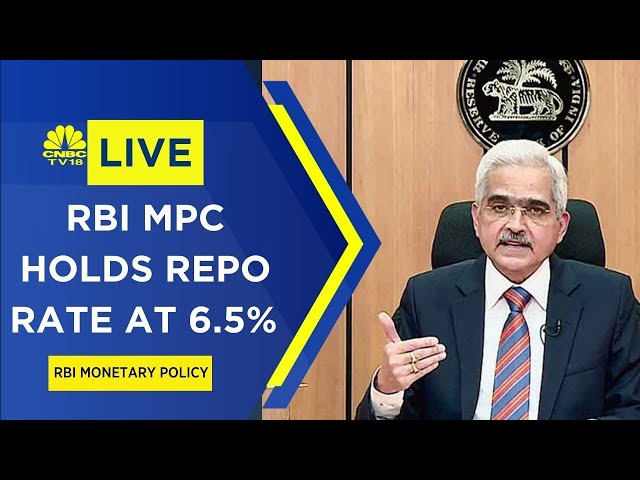
Q. रेपो रेट क्या है? RBI द्वारा अपनी बेंचमार्क दरों में बदलाव नहीं करने के संभावित कारणों और परिणामों का गंभीर रूप से मूल्यांकन करें। उत्तर। #Reporate वह दर है जिस पर #ReserveBankofIndia (#RBI) #commercialbanks को पैसा उधार देता है। यह भारत में #benchmark #interestrate है, और अर्थव्यवस्था में अन्य सभी ब्याज दरें इससे जुड़ी हैं। 💥 6 अक्टूबर 2023 को RBI द्वारा अपनी बेंचमार्क दरों में बदलाव नहीं करने के संभावित कारणों में शामिल हैं: 👉 मुद्रास्फीति: #Inflation अभी भी भारत में बढ़ा हुआ है, और RBI इसे नीचे लाने में मदद करने के लिए ब्याज दरों को ऊंचा रखना चाह सकता है। 👉 आर्थिक विकास: 2023-24 में भारतीय #economy के स्वस्थ गति से बढ़ने की उम्मीद है, और अर्थव्यवस्था को #overheating से रोकने के लिए RBI ब्याज दरों को ऊंचा रखना चाह सकता है। 👉 वैश्विक वित्तीय बाजार: हाल के महीनों में वैश्विक वित्तीय बाजार अस्थिर रहे हैं, और भारतीय अर्थव्यवस्था में किसी भी अस्थिरता से बचने के लिए RBI ब्याज दरों को अपरिवर्तित रखना चाह सकता है। 💥 RBI द्वारा अपनी बेंचमार्क दरों में बदलाव नहीं करने के संभावित परिणामों में शामिल हैं: 👉 उधार लेने की अधिक लागत: व्यवसायों और व्यक्तियों को लोन पर अधिक ब्याज दर का भुगतान करना होगा, जिससे निवेश और खपत में कमी आ सकती है। 👉 धीमी आर्थिक वृद्धि: अधिक उधार लेने की लागत से आर्थिक विकास धीमा हो सकता है। 👉 कमजोर रुपया: ऊंची ब्याज दरें विदेशी निवेशकों के लिए रुपये को अधिक आकर्षक बना सकती हैं, जिससे रुपया मजबूत हो सकता है। हालांकि, इससे भारतीय निर्यात कम प्रतिस्पर्धी हो सकता है। महत्वपूर्ण मूल्यांकन: 👉 ब्याज दरों को अपरिवर्तित रखने का RBI का निर्णय जोखिमों और लाभों के सावधानीपूर्वक मूल्यांकन पर आधारित होने की संभावना है। RBI को मुद्रास्फीति के उच्च स्तर के बारे में चिंतित होने की संभावना है, लेकिन यह आर्थिक विकास पर उच्च ब्याज दरों के संभावित नकारात्मक प्रभाव के बारे में भी चिंतित हो सकता है। 👉 RBI के फैसले के वैश्विक आर्थिक माहौल से भी प्रभावित होने की संभावना है। वैश्विक अर्थव्यवस्था कई चुनौतियों का सामना कर रही है, जिसमें यूक्रेन में युद्ध और जीवन यापन की बढ़ती लागत शामिल है। RBI इस बात को लेकर चिंतित हो सकता है कि ब्याज दरें बढ़ाने से भारतीय अर्थव्यवस्था के लिए इन चुनौतियों का सामना करना और मुश्किल हो सकता है। कुल मिलाकर, ब्याज दरों को अपरिवर्तित रखने का RBI का निर्णय संतुलित है। यह ब्याज दरों में बदलाव के जोखिमों और लाभों के साथ-साथ वैश्विक आर्थिक माहौल को भी ध्यान में रखता है। अतिरिक्त टिप्पणियां: 👉 कुछ अर्थशास्त्रियों ने तर्क दिया है कि मुद्रास्फीति को कम करने के लिए RBI को ब्याज दरें बढ़ाने में अधिक आक्रामक होना चाहिए। उनका तर्क है कि मुद्रास्फीति का उच्च स्तर भारतीय अर्थव्यवस्था के लिए एक बड़ा जोखिम है, और RBI को ब्याज दरें बढ़ाने से डरना नहीं चाहिए, भले ही इसका मतलब आर्थिक विकास धीमा हो। 👉 अन्य अर्थशास्त्रियों ने तर्क दिया है कि RBI को ब्याज दरें बढ़ाने में अधिक सतर्क रहना चाहिए। उनका तर्क है कि भारतीय अर्थव्यवस्था अभी भी COVID-19 महामारी से उबर रही है, और ब्याज दरों को बहुत तेज़ी से बढ़ाने से रिकवरी को नुकसान हो सकता है। आखिरकार, ब्याज दरों में बदलाव करने या न करने का निर्णय एक जटिल निर्णय है, जिसे RBI को मामला-दर-मामला आधार पर करना चाहिए।
جاري تحميل الاقتراحات...