

The Warrior Queen of the Seas, al-Sayidda al-Hurra nicknamed "The Pirate Queen of the Meditteranean" by the Spaniards and the Portuguese is perhaps one of the most intriguing figures in medieval history. A thread for #FolkloreThursday

The daughter of Moulay Ali ibn Rashid and Lala Zohra Fernandez, Andalusian Muslim nobility who fled to North Africa to escape Christian persecution, found herself married to the Chief of Tétouan in 1510, present-day Morocco.


She took on the role of co-regent for her city, governing as her husband's deputy during his diplomatic and military absences. After his death, she took on the title "al-Sayidda al-Hurra" - the woman sovereign who bows to no superior authority.
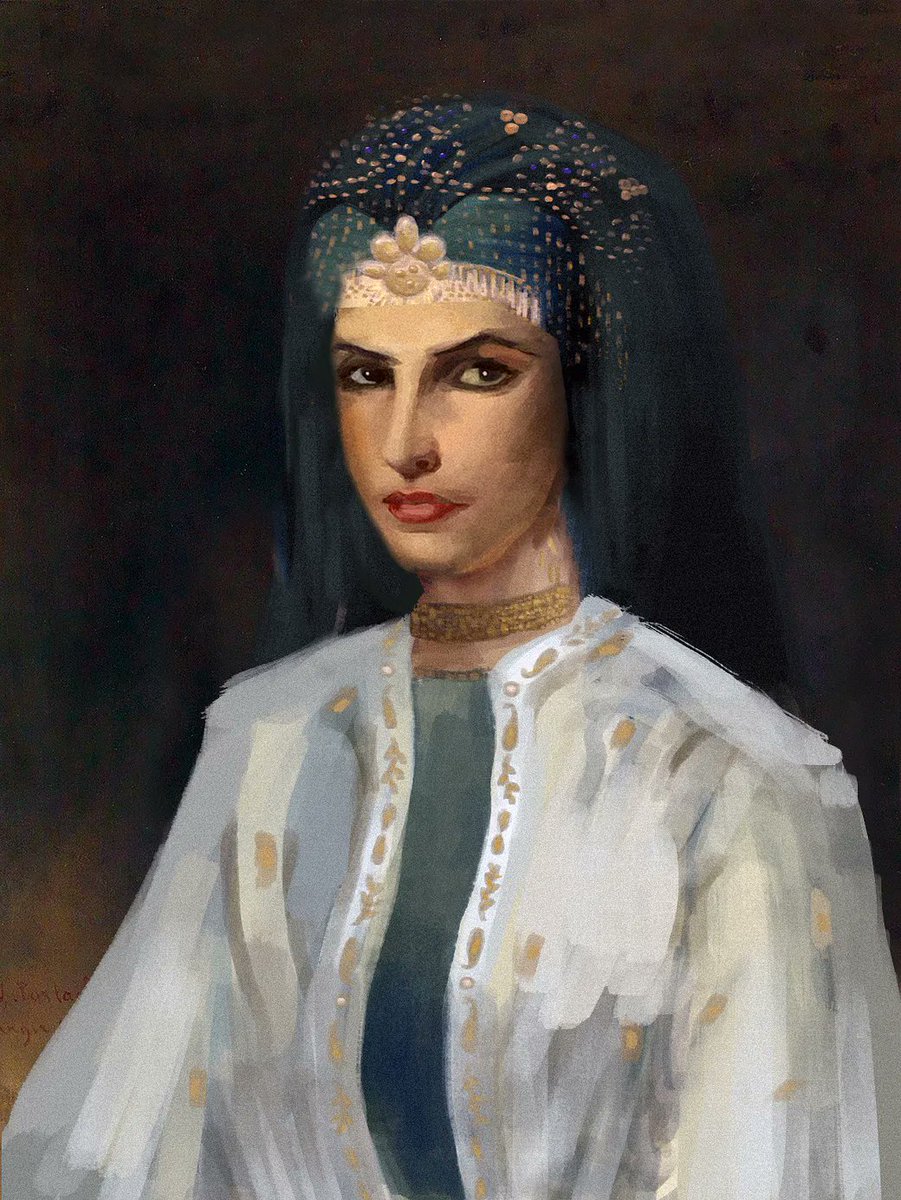
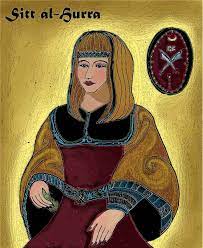
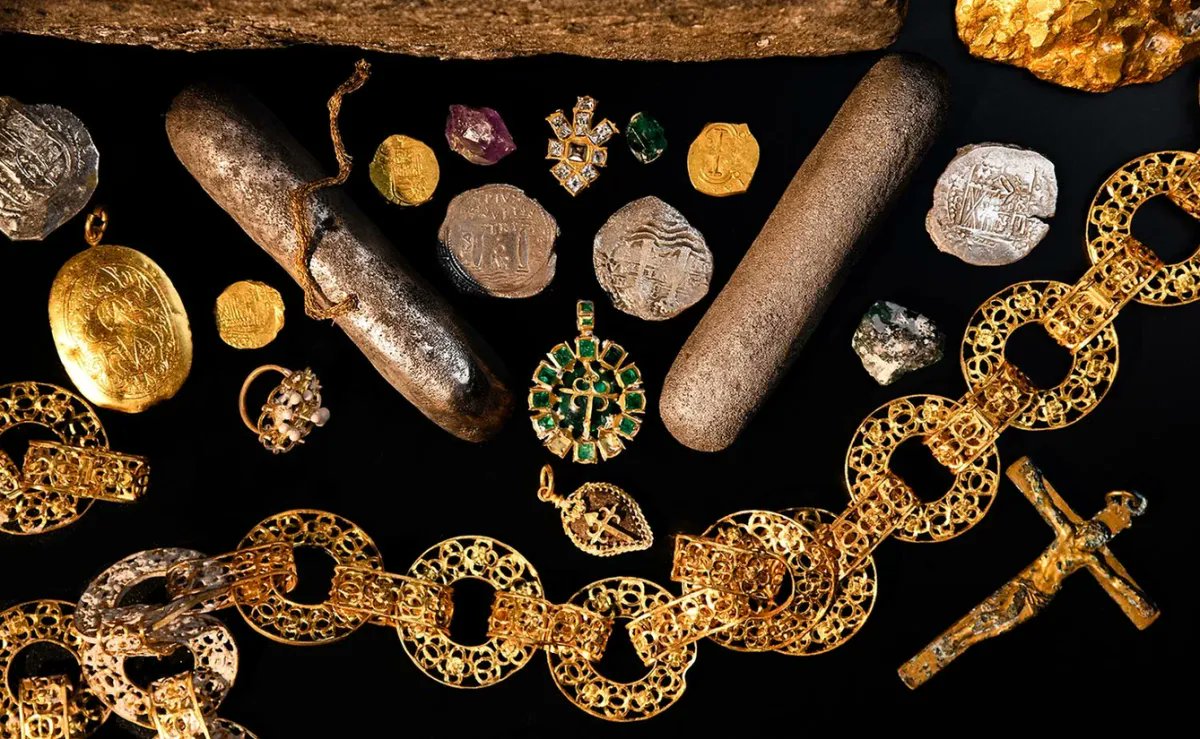
During her reign, Tétouan saw its wealth and prosperity grow. Much of the coin came from raids on enemy ships, Spanish and Portuguese, against the backdrop of Wattasid rulers lacking a naval fleet to defend Morocco, & thus relying on privateers and pirates from the coastlines.
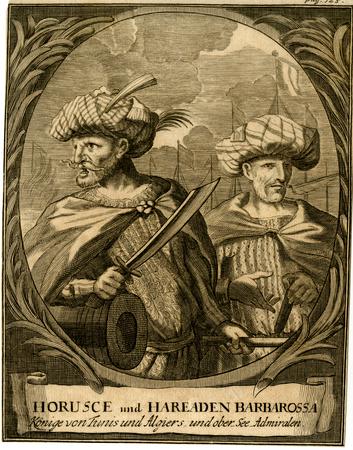
Whilst we don't know if she herself ever boarded a ship, we do know that the renowned privateers, Barbarossa and Oruç Reis, were amongst her friends - collaborations which resulted in their dominance over the Mediterranean.

It is important to note that the title of "pirate" attributed to her by European sources reflects bias - piracy during that era was not one-sided, thereby making it a legal act of war. For her people, she was a guardian angel against Spanish and Portuguese incursions.
In 1541, she married the Wattasid Sultan of the time. It was the only time a Moroccan sultan left his capital to wed. This union strengthened the alliance between Tétouan, Chefchaouen, and the Wattasids against Spain, & consolidated Wattasid authority in northern Morocco.
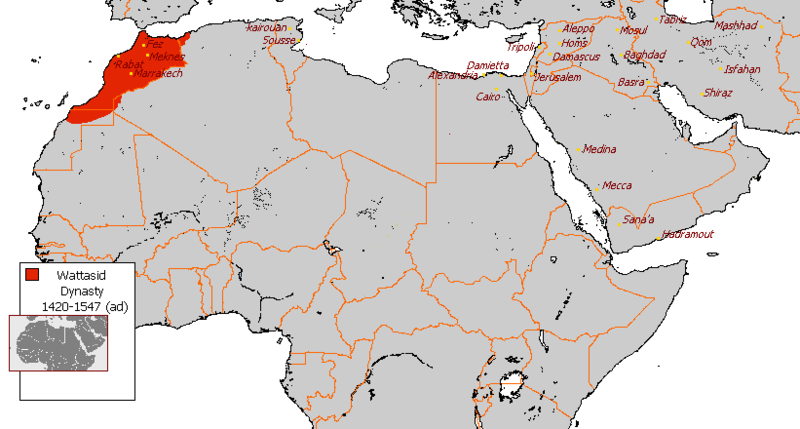
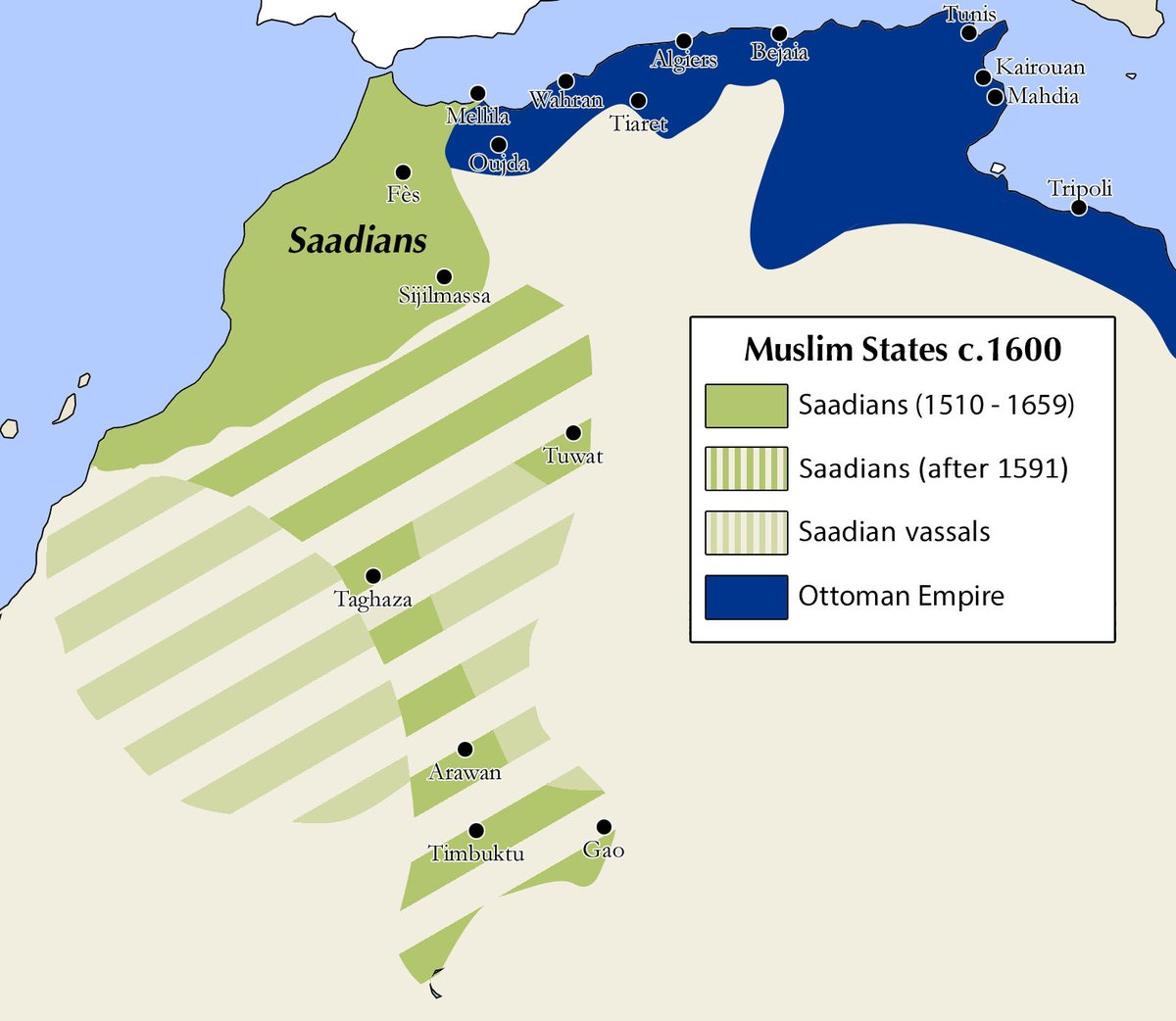
Her fall from power followed in 1542 when she was swiftly overthrown by her son-in-law or stepson, severing ties with the Wattasids as they faced pressure from the rival Sa‘di dynasty. She retired to Chefchaouen until her death in 1561.

Loading suggestions...