

FARMING LESSON:
IRRIGATION:
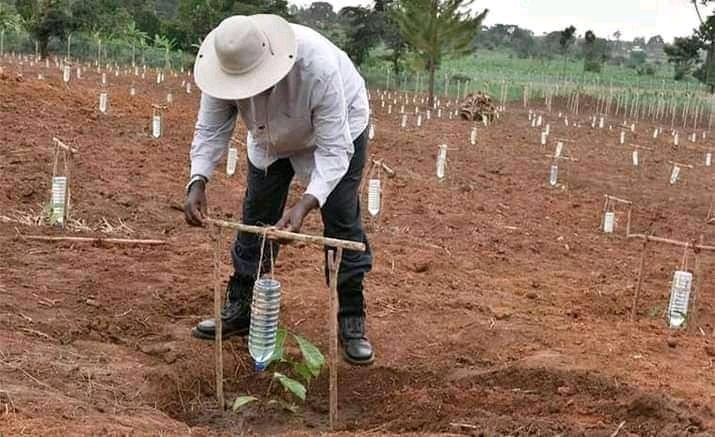
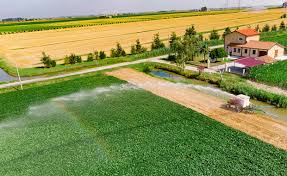
Irrigation is the process of watering crops, pasture & plants by supplying water through pipes, sprinklers, pumps, etc, especially in areas where rainfall is irregular.
In this THREAD, we are going to talk about IRRIGATION in details.
Thread: 1/16.
IRRIGATION:
Irrigation is the process of watering crops, pasture & plants by supplying water through pipes, sprinklers, pumps, etc, especially in areas where rainfall is irregular.
In this THREAD, we are going to talk about IRRIGATION in details.
Thread: 1/16.

TYPES OF IRRIGATION:
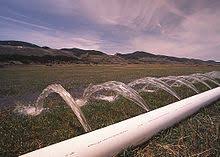
1. Surface Irrigation.
This uses gravity to distribute water over a field by following the contour of the land.
It is only applicable if the area has sufficient water, and is naturally sloped.
2/16.
1. Surface Irrigation.
This uses gravity to distribute water over a field by following the contour of the land.
It is only applicable if the area has sufficient water, and is naturally sloped.
2/16.
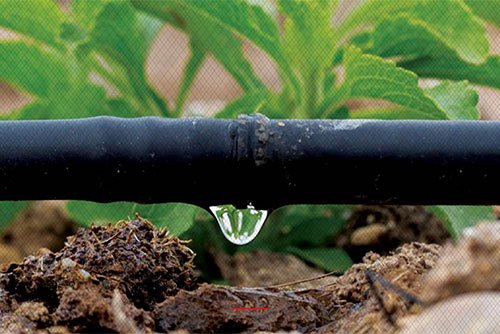
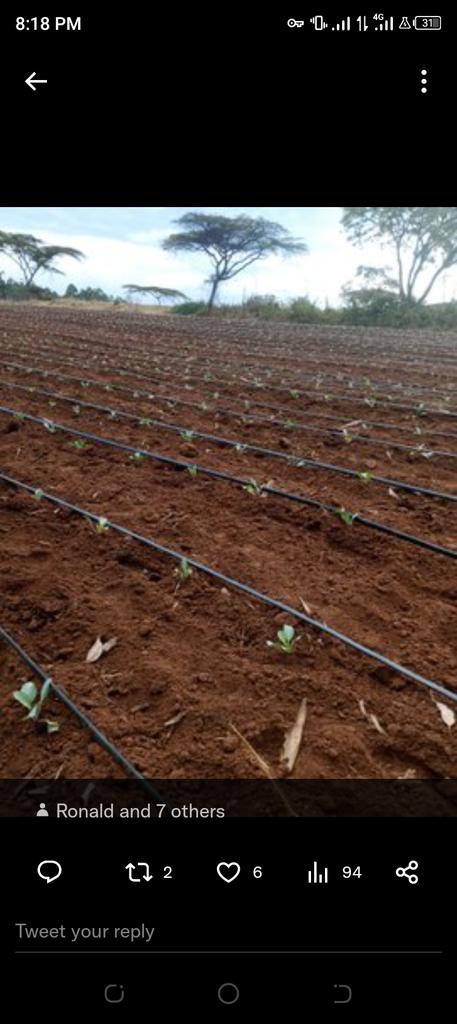
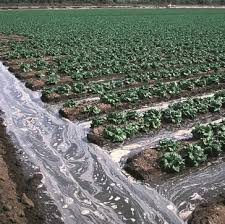
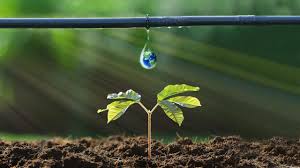
2. Drip Irrigation (Trickle Irrigation).
This is a type of irrigation, where droplets of water are delivered directly to or near the roots of a plant at a very low flow rate. It minimizes evaporation and water runoff.
3/16.
This is a type of irrigation, where droplets of water are delivered directly to or near the roots of a plant at a very low flow rate. It minimizes evaporation and water runoff.
3/16.
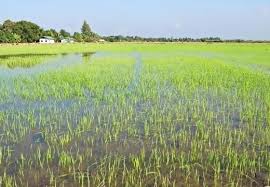
3. Flood Irrigation (Inundation irrigation).
This is a type of irrigation where flooded land conditions are intentionally created, thereby making the soil completely saturated. It's usually applied to crop fields with crops which require high amount of water like Rice.
4/16.
This is a type of irrigation where flooded land conditions are intentionally created, thereby making the soil completely saturated. It's usually applied to crop fields with crops which require high amount of water like Rice.
4/16.
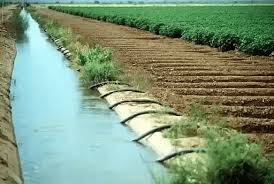
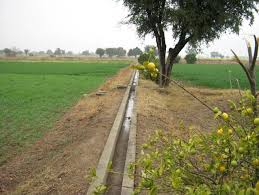
4. Perennial Irrigation.
This is a system of irrigation that relies on a continuous supply of water. A canal distribution system is created, taking off water from a reservoir to the crops.
5/16.
This is a system of irrigation that relies on a continuous supply of water. A canal distribution system is created, taking off water from a reservoir to the crops.
5/16.
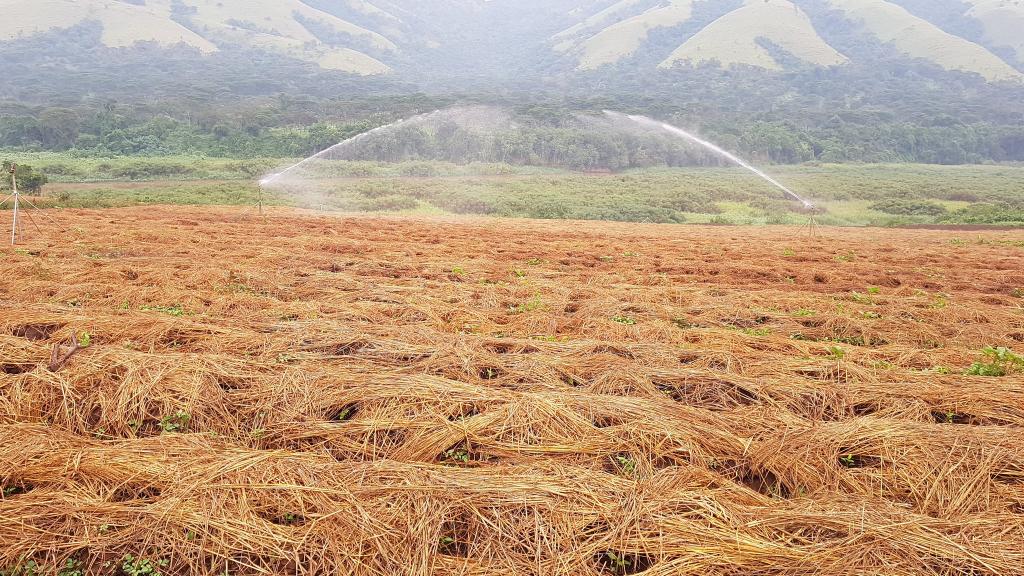
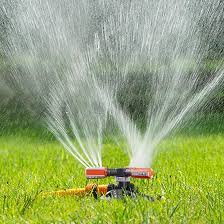
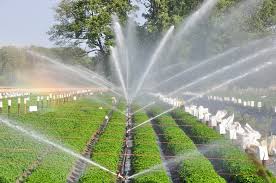
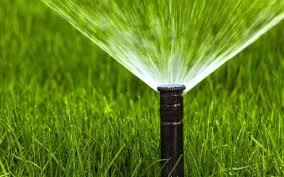
5. Sprinkler irrigation.
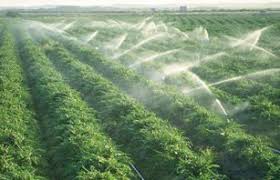
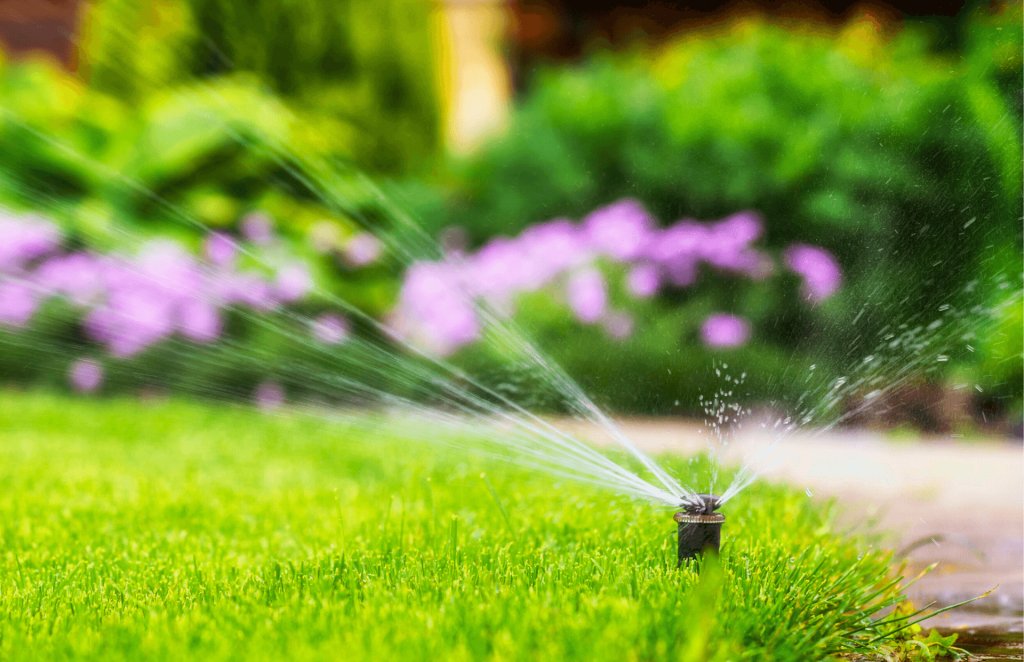
This is a system of applying irrigation water which is similar to natural rainfall. Water is distributed through a system of pipes by pumping and sprayed into the air through sprinklers to breaks up into small water drops which fall to the ground.
6/16.
This is a system of applying irrigation water which is similar to natural rainfall. Water is distributed through a system of pipes by pumping and sprayed into the air through sprinklers to breaks up into small water drops which fall to the ground.
6/16.
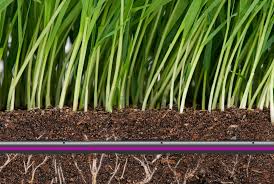
6. Subsurface Irrigation.
In this type of irrigation, the water is fed directly to the ground through capillarity to reduce airborne drift and lessen runoff. This raises the water table, making it easier for crops to access the water they require.
7/16.
In this type of irrigation, the water is fed directly to the ground through capillarity to reduce airborne drift and lessen runoff. This raises the water table, making it easier for crops to access the water they require.
7/16.
IMPORTANCE OF IRRIGATION:
1. Increasing the size of Agriculturally Productive Land. Irrigation turns lands that are naturally dry into productive lands.
2. Increased Productivity
Even if there is sufficient rainfall, it can be applied to boost crop productivity.
8/16.
1. Increasing the size of Agriculturally Productive Land. Irrigation turns lands that are naturally dry into productive lands.
2. Increased Productivity
Even if there is sufficient rainfall, it can be applied to boost crop productivity.
8/16.
3. Helps Meet Food Demands
The expansion of irrigated land has made desert ecosystems adopt farming to meet food demands without necessarily depending on rain.
4. Irrigation water dilutes salt in the soil that inhibits healthy crop growth.
9/16.
The expansion of irrigated land has made desert ecosystems adopt farming to meet food demands without necessarily depending on rain.
4. Irrigation water dilutes salt in the soil that inhibits healthy crop growth.
9/16.

5. Contributes to Economic Growth
Irrigation ensures food production continues, regardless of the season or climatic condition. This means there are continuous income and employment, thereby reducing poverty.
10/16.
Irrigation ensures food production continues, regardless of the season or climatic condition. This means there are continuous income and employment, thereby reducing poverty.
10/16.
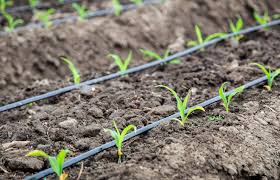
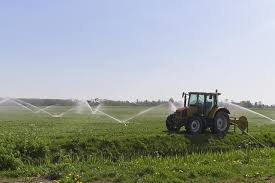
6. Irrigation helps in Water conservation. No more wasting water when you have an irrigation system. Overwatering and water wasted from runoff streaming down the street or sidewalk can be avoided with an irrigation system.
11/16.
11/16.
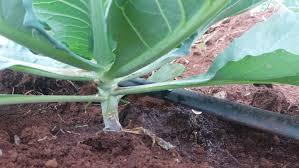
7. Balance & Consistency – Irrigation checks Inadequate water distribution which often leads to brown patches and dying plants. It ensures even distribution of water throughout the whole garden.
12/16.
12/16.
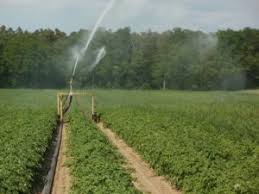
8. Saving Time & Energy – An irrigation system does the watering for you while you sleep early in the morning or if you’re away from home for a long stretch of time.
13/16.
13/16.
FACTORS TO CONSIDER WHEN CHOOSING THE TYPE OF IRRIGATION TO USE:
1. Climate. Knowing your climate is important to develop an accurate watering schedule.
2.Efficiency. Different types of systems will have different levels of efficiency due to evaporation and location.
14/16.
1. Climate. Knowing your climate is important to develop an accurate watering schedule.
2.Efficiency. Different types of systems will have different levels of efficiency due to evaporation and location.
14/16.
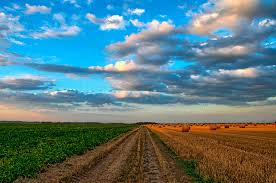
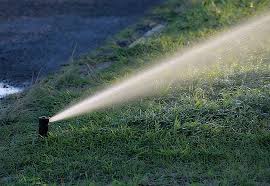
3. Your Landscaping. The types of grass, flowers, and plants in your landscape will determine how much and how often to water. For example, there are drought-resistant grasses that require less water.
15/16.
15/16.
Was this Tweet-thread helpful to you???
If yes;
1. Don't forget to #FOLLOW_ME for ADVANCED Agriculture Extension Services & Consultancy, Digital Marketing of Agricultural Inputs & Outputs and Farming Discussions/Lessons.
2. Like & Retweet.
#LetsFarmTogether
16/16.
If yes;
1. Don't forget to #FOLLOW_ME for ADVANCED Agriculture Extension Services & Consultancy, Digital Marketing of Agricultural Inputs & Outputs and Farming Discussions/Lessons.
2. Like & Retweet.
#LetsFarmTogether
16/16.

Loading suggestions...