
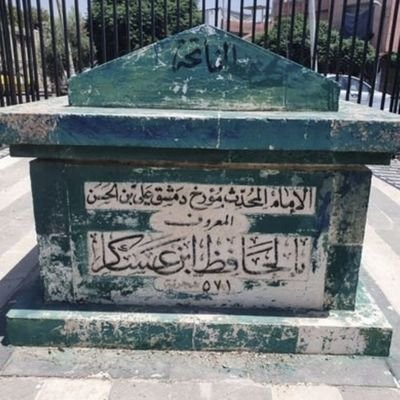
Early Wahhābī Sulaymān Ibn Sahmān vs. the prestigious Hanbalī scholarly family: Āl al-Shattī
#NeoHanbalis
He says:
“From what is obvious for us is: That Āl al-Shattī are from the leaders of misguidance.
They preach calling out to Prophets and Awliyā’, permitting Istighātha—
#NeoHanbalis
He says:
“From what is obvious for us is: That Āl al-Shattī are from the leaders of misguidance.
They preach calling out to Prophets and Awliyā’, permitting Istighātha—
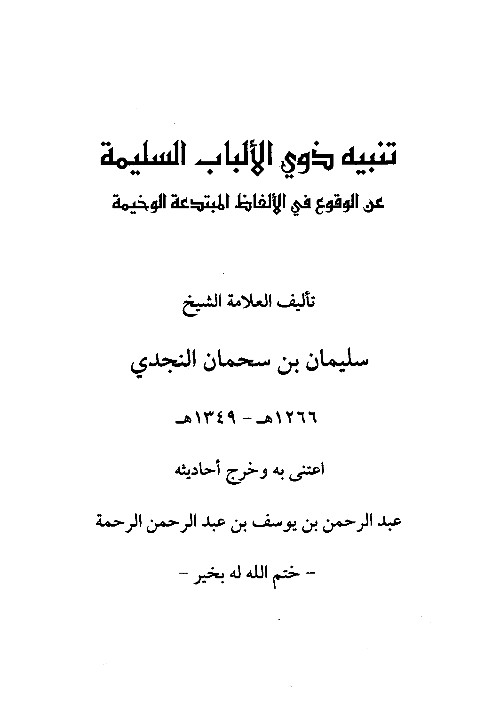
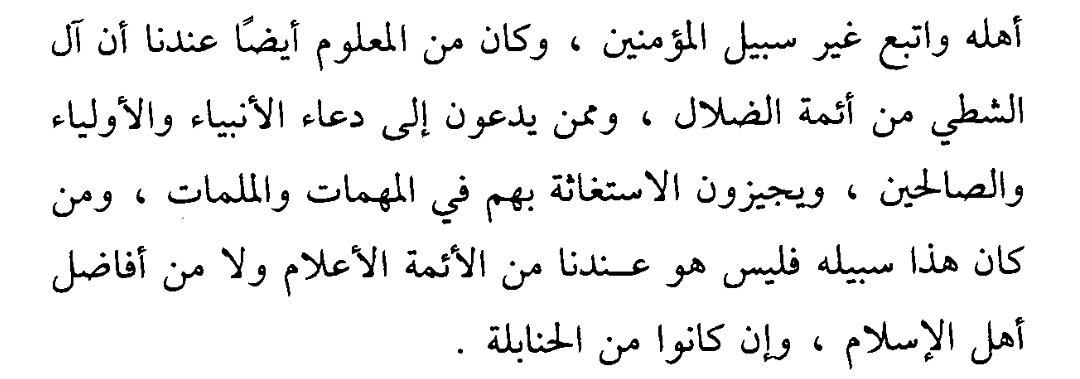
—With them for needs.
And whoever is like this, we do not considered to be virtuous scholars, nor of the great people of Islām, even if they are Hanābila.”
Tanbīh Dhawi-l Albāb al-Salīmah, 16
And whoever is like this, we do not considered to be virtuous scholars, nor of the great people of Islām, even if they are Hanābila.”
Tanbīh Dhawi-l Albāb al-Salīmah, 16
Notice the borderline Takfīr (if not explicitly) from the Wahhābī Ibn Sahmān to the great Damascene Hanbalī scholarly family, Āl al-Shattī
Shows you how accurate their claim to the Hanbalī school is
Shows you how accurate their claim to the Hanbalī school is
Āl al-Shattī were leading Hanābila for centuries
Muftīs and Qudāt in the Hanbalī school in cities like Dūma and Damascus
Many of them were titled “Shaykh al-Hanābila”
Some statements from the Shattī family that shows their orthodoxy, the reason this Wahhābī attacks them:
Muftīs and Qudāt in the Hanbalī school in cities like Dūma and Damascus
Many of them were titled “Shaykh al-Hanābila”
Some statements from the Shattī family that shows their orthodoxy, the reason this Wahhābī attacks them:
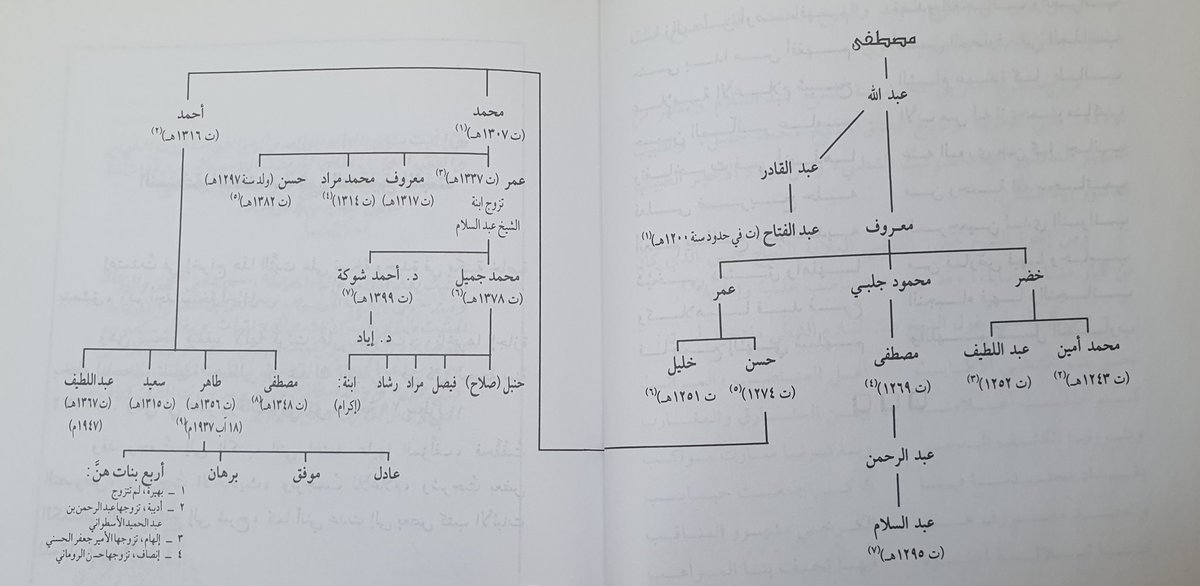
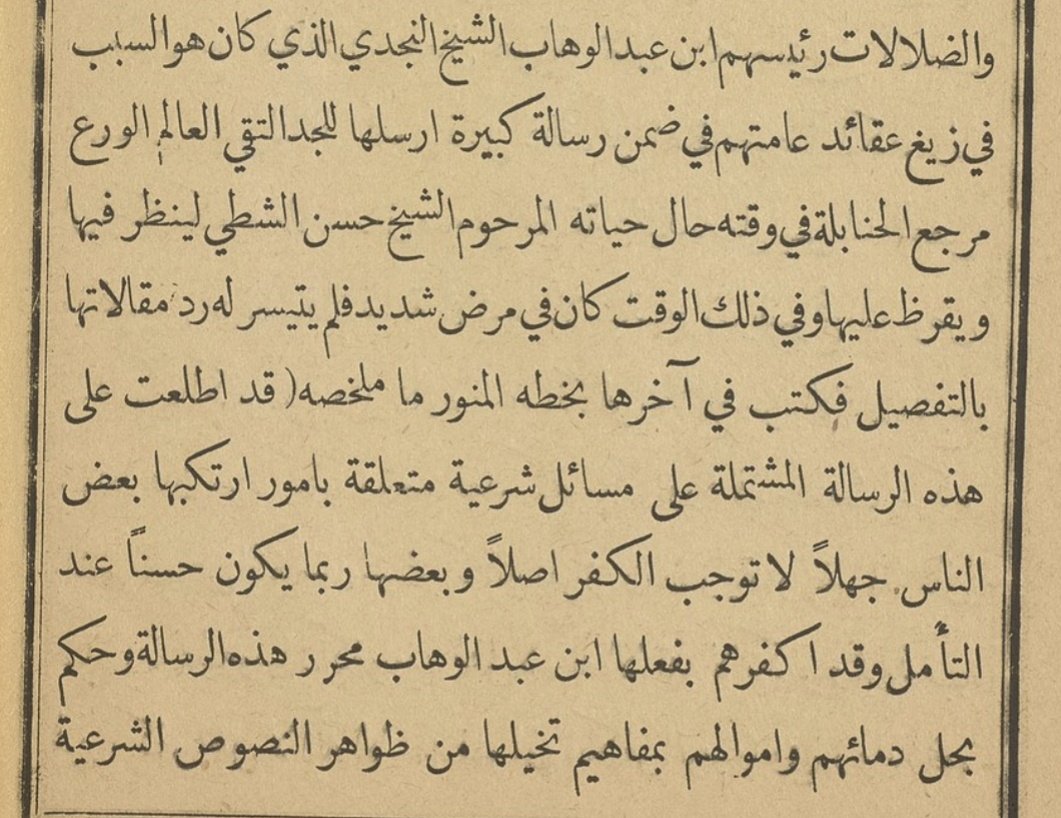
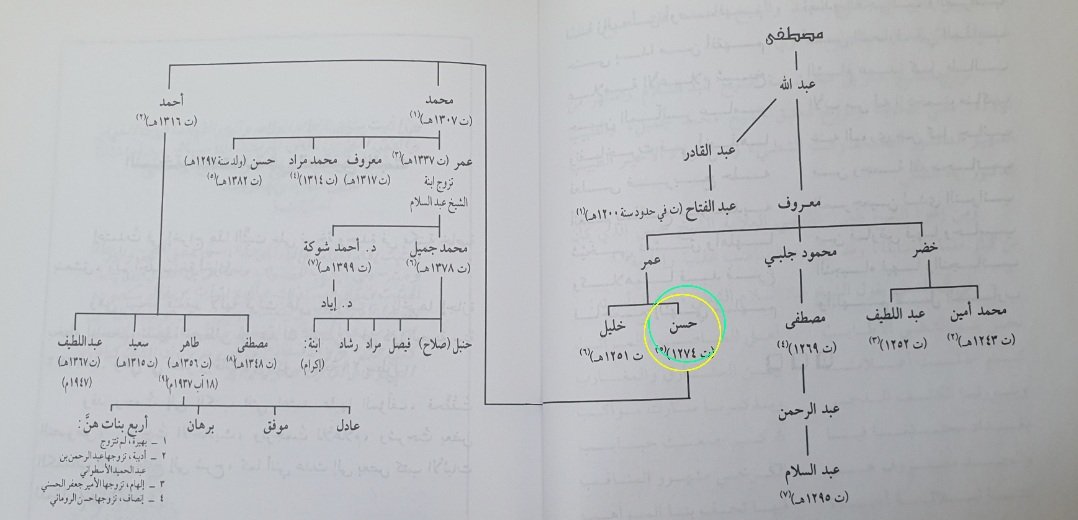
Ibn ‘Abd al-Wahhāb sent Shaykh al-Hanābila of his time Hasan al-Shattī (d. 1247 AH) a long letter containing his beliefs
al-Shattī wrote in response:
“May Allāh's curse be upon the one who believes in these beliefs”
He was bedridden at the time and was unable to fully respond
al-Shattī wrote in response:
“May Allāh's curse be upon the one who believes in these beliefs”
He was bedridden at the time and was unable to fully respond

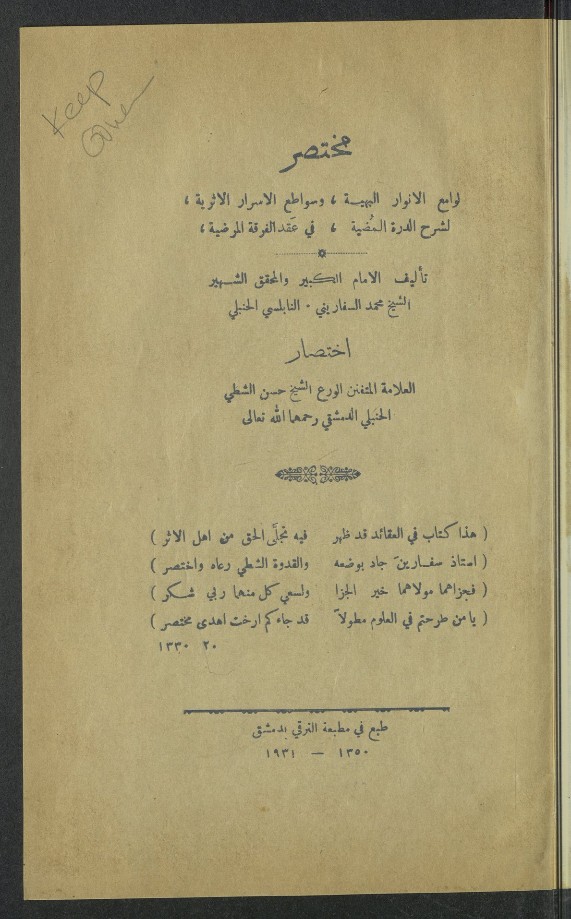
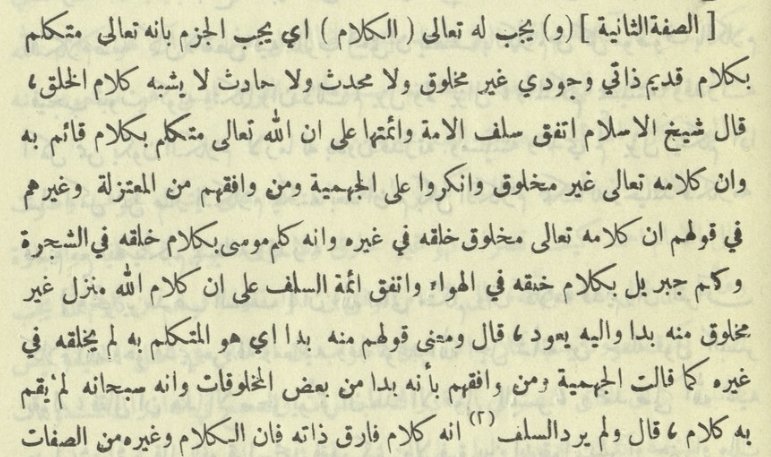
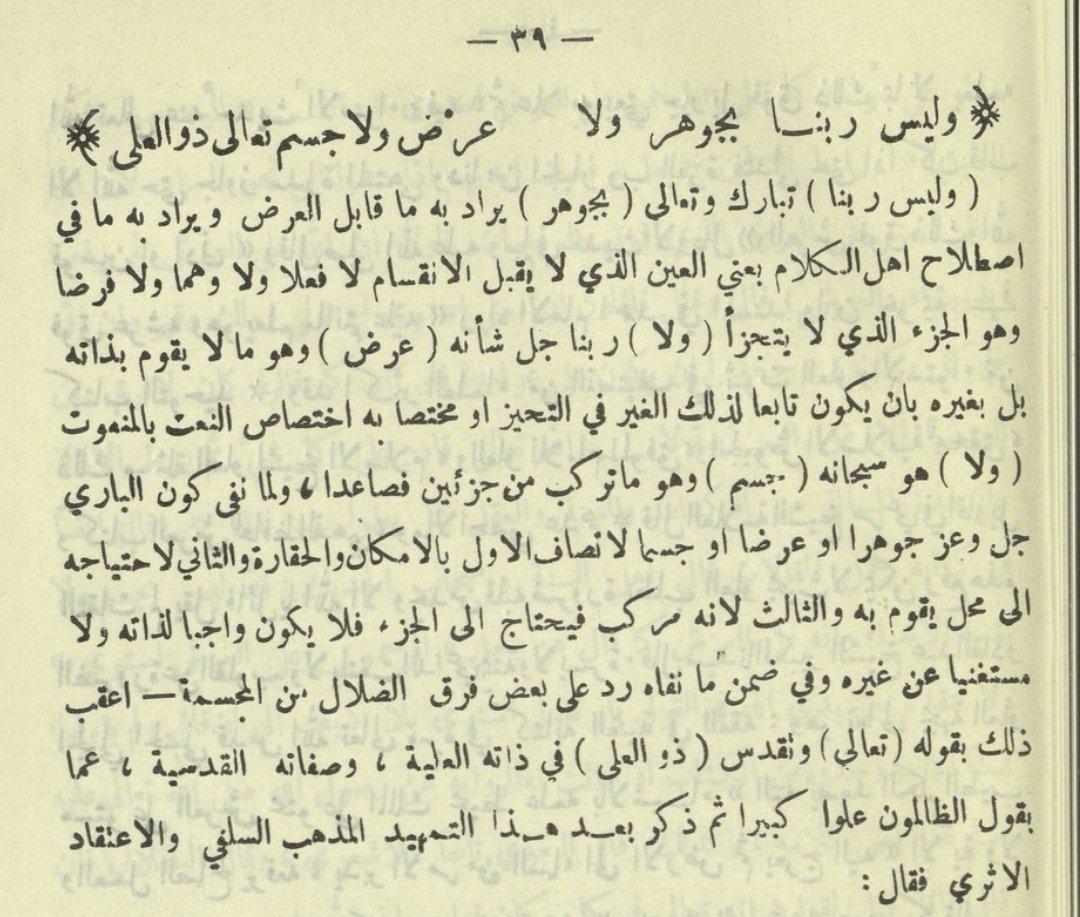
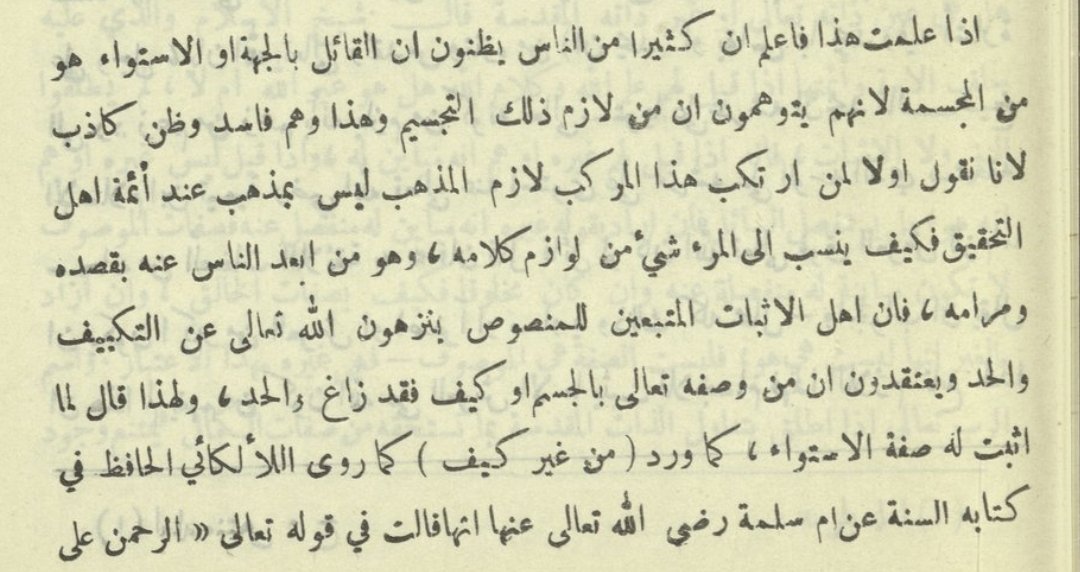
Shaykh Hasan authored an abridgement of al-Saffārīnī's Hanbalī creed work
And in this work he expressed the Hanbalī creed without the Wahhābī tampering of it including rejection of Hulūl al-Hawādith, Qidam al-Kalām, Tafwīd, etc.
And in this work he expressed the Hanbalī creed without the Wahhābī tampering of it including rejection of Hulūl al-Hawādith, Qidam al-Kalām, Tafwīd, etc.
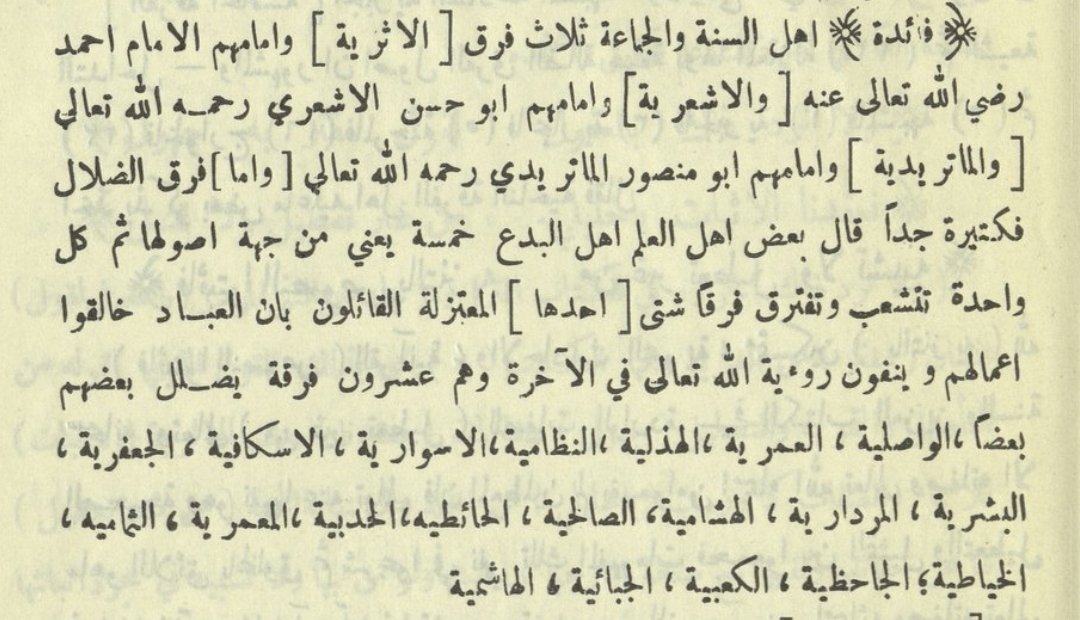
He also said:
“Ahl al-Sunnah are 3:
Hanābila, Ashā‘ira and Māturīdiyyah”
“Ahl al-Sunnah are 3:
Hanābila, Ashā‘ira and Māturīdiyyah”
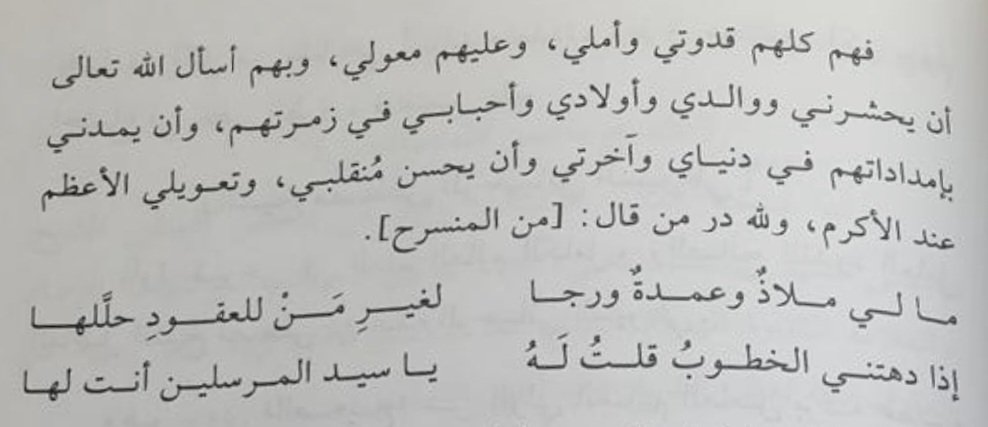
He cites poetry that contains Istighātha while praising the person who wrote it:
“I have no one to help me ... Except the one who solves the problems
If I am faced by issues I tell him ... O Master of the Messengers, you are for it!”
“I have no one to help me ... Except the one who solves the problems
If I am faced by issues I tell him ... O Master of the Messengers, you are for it!”
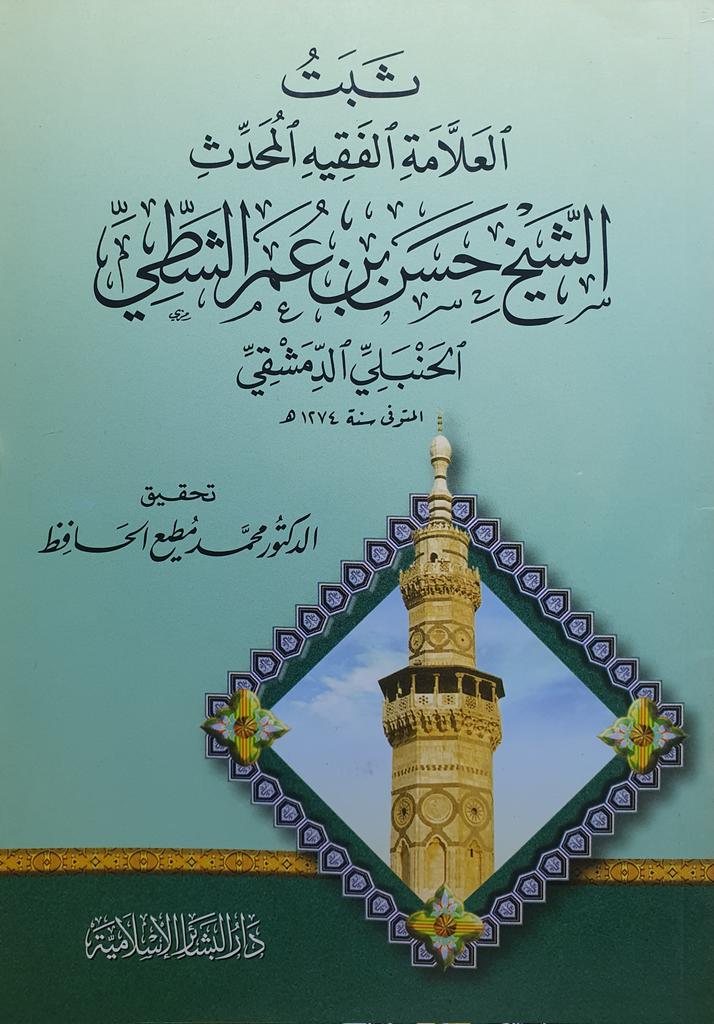
He also uses lines from the great Burdah of al-Būsīrī which the Wahhābīs have ignorantly waged war against
He uses the lines that Wahhābīs say is major Shirk!
He uses the lines that Wahhābīs say is major Shirk!
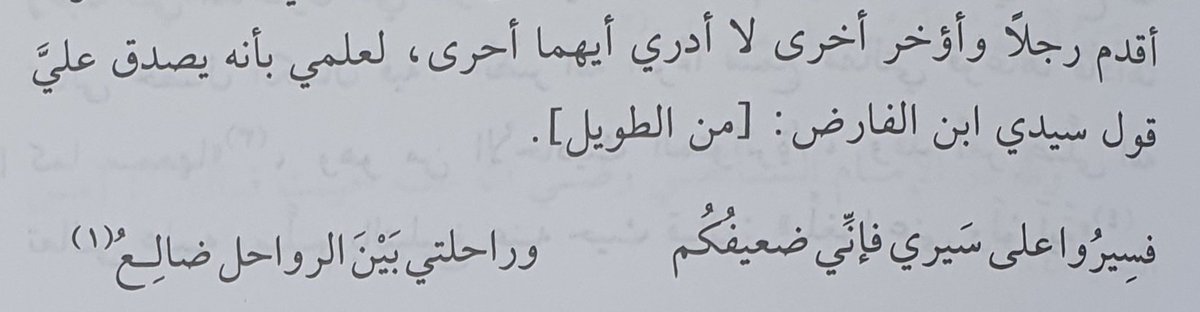
He cites Ibn al-Fāridh as well calling him “Sayyidī”: My master
He praises Shaykh ‘Abd al-Ghanī al-Nābulsī and calls him a Knower of God, when al-Nābulsī is a known supporter of al-Shaykh al-Akbar
He praises Shaykh ‘Abd al-Ghanī al-Nābulsī and calls him a Knower of God, when al-Nābulsī is a known supporter of al-Shaykh al-Akbar
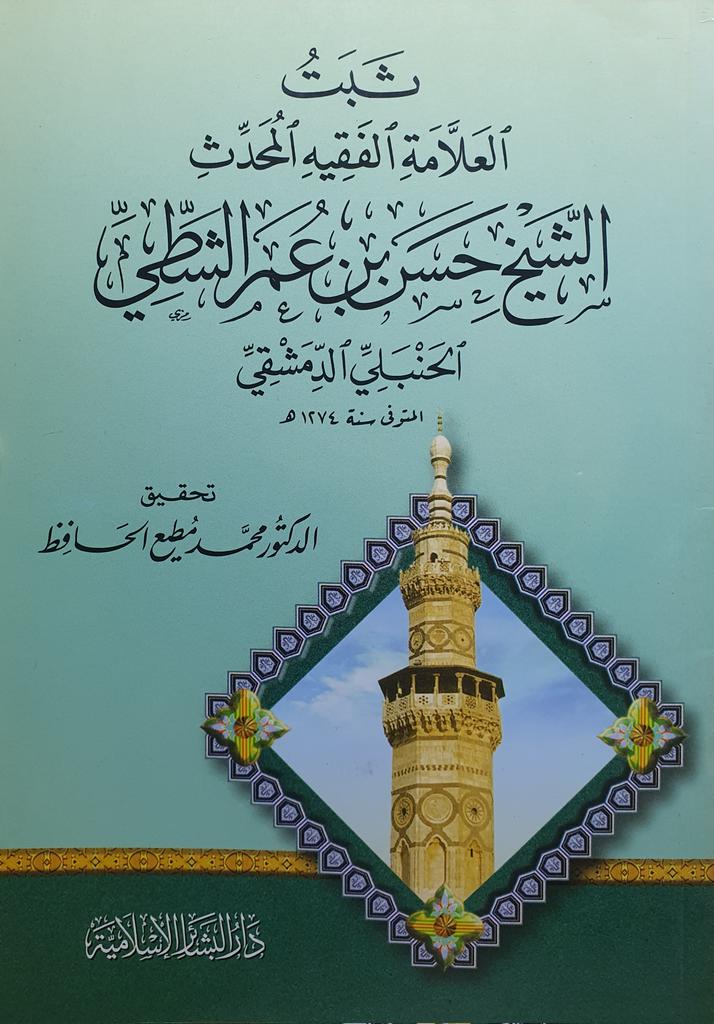
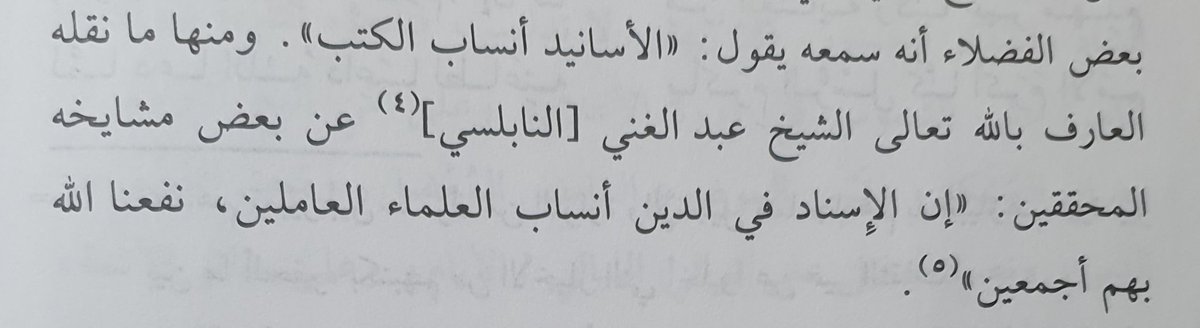
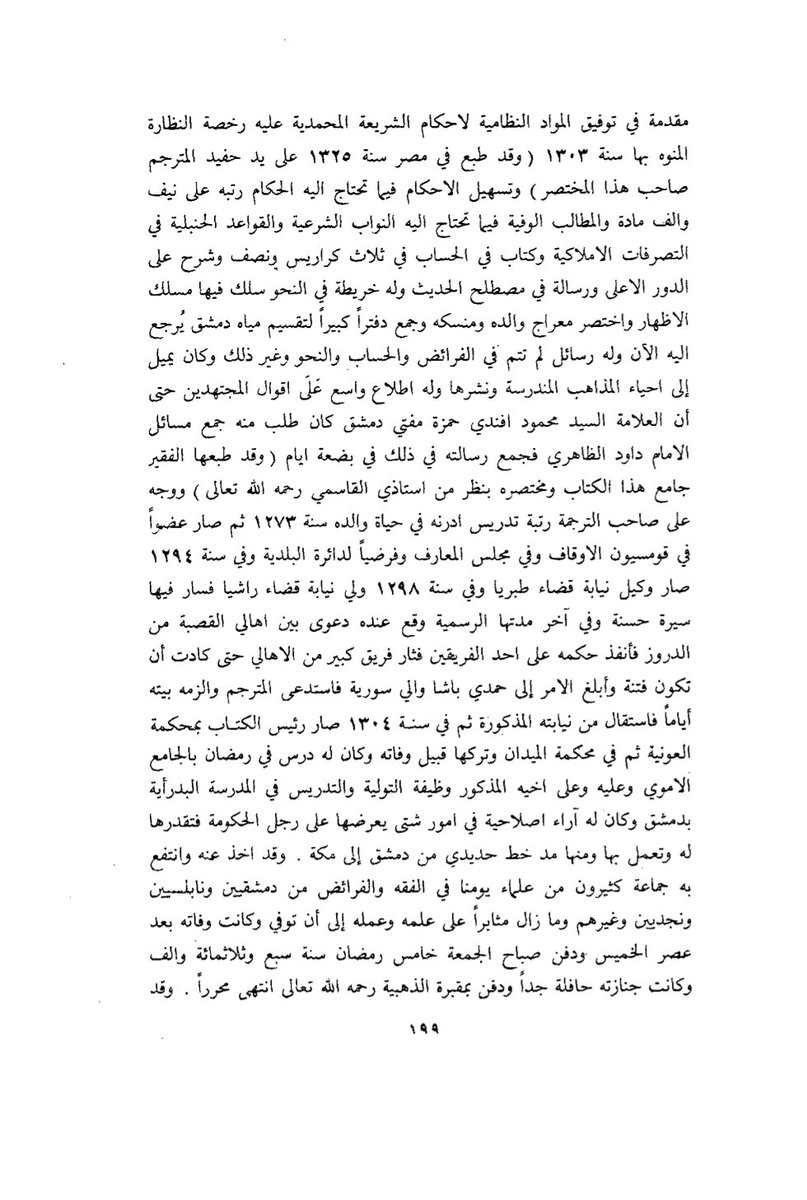
Shaykh Hasan's son and student, Shaykh Muhammad Ibn Hasan al-Shattī (d. 1316 AH), the Hanbalī Faqīh, wrote a Sharh on “al-Dawr al-‘Alā” by al-Shaykh al-Akbar Muhyī al-Dīn Ibn al-‘Arabī

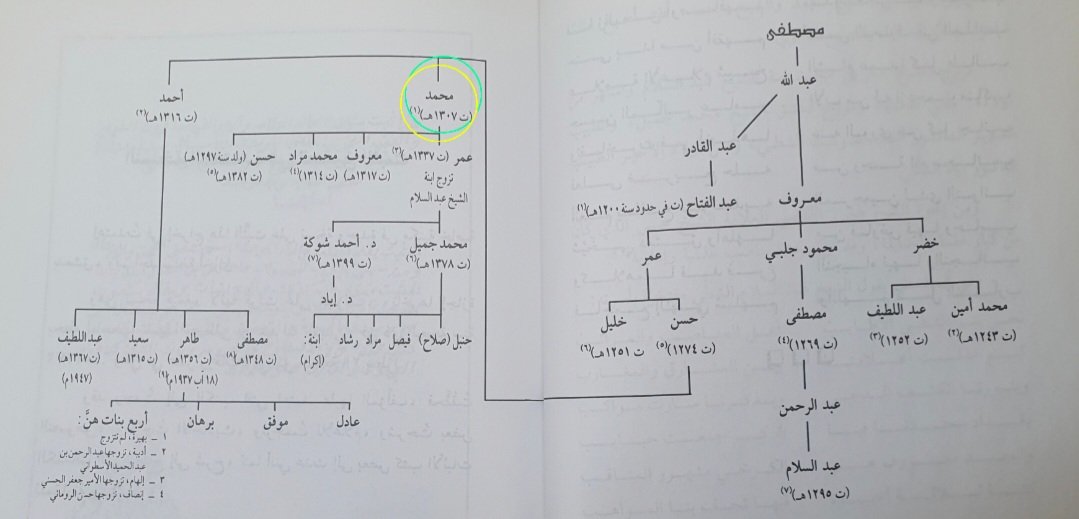
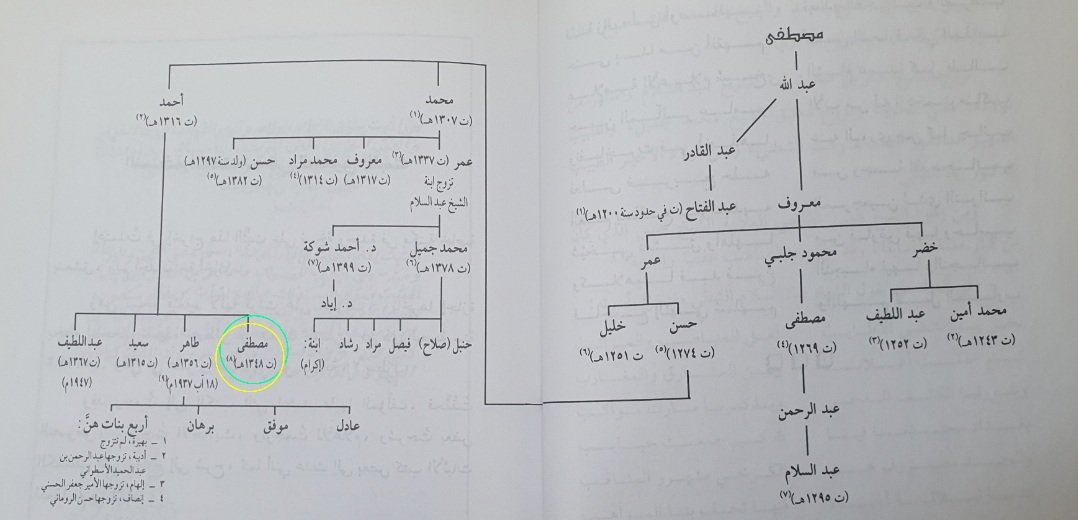
The Muftī of Dūma, Faqīh al-Hanābila, Mustafā al-Shattī (d. 1348 AH)
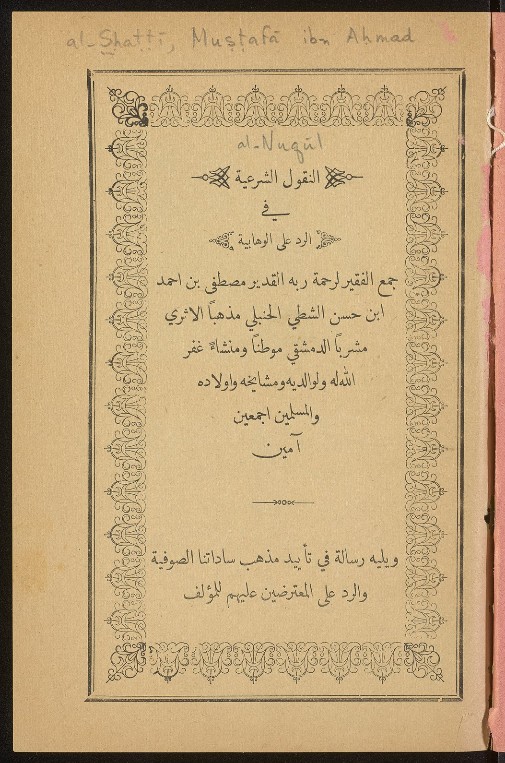
A Qādirī Sūfī who wrote: al-Nuqūl al-Shar‘iyyah fi-l Radd ‘alā al-Wahhābiyyah
And added after it a letter in defense of the Sūfiyyah
A Qādirī Sūfī who wrote: al-Nuqūl al-Shar‘iyyah fi-l Radd ‘alā al-Wahhābiyyah
And added after it a letter in defense of the Sūfiyyah
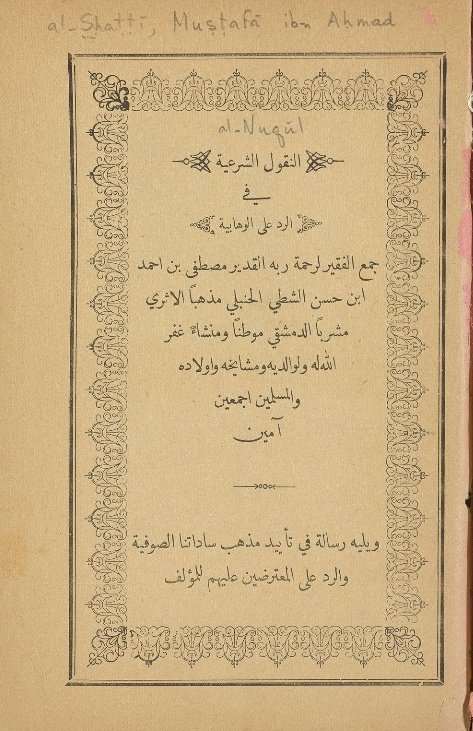
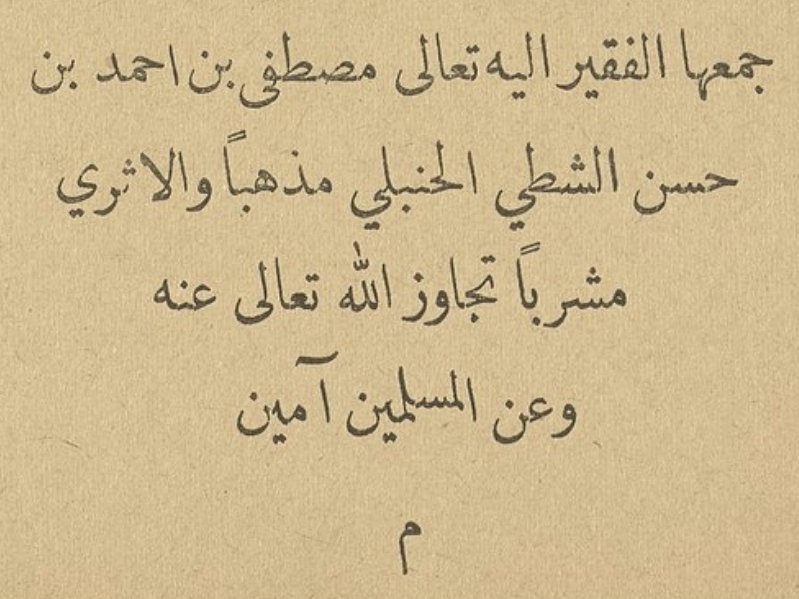
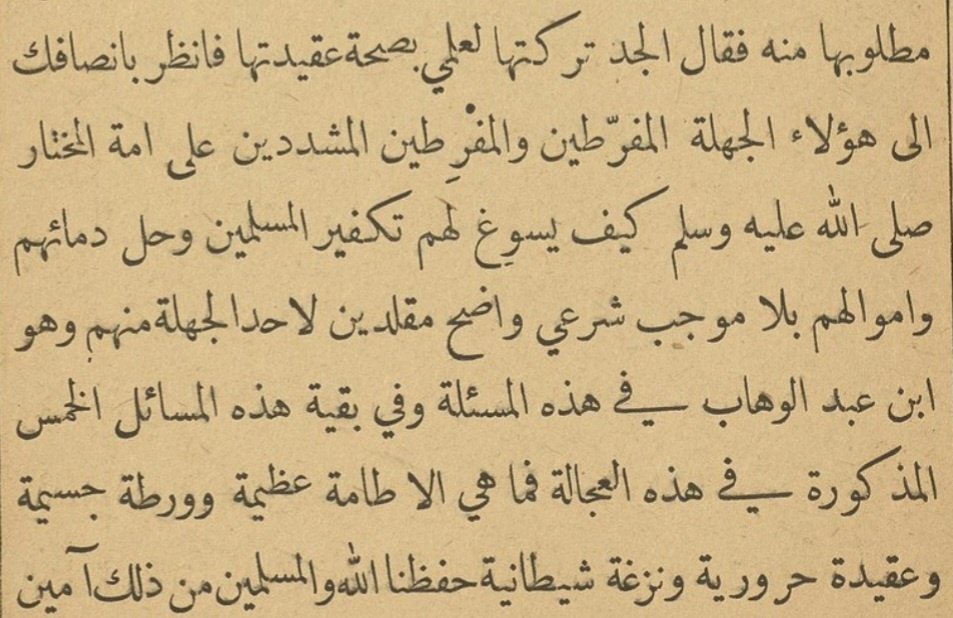
He says Wahhābīs are deviants and fake Hanābila who came from Najd from where Qarn al-Shaytān emerges
He says they Takfīr Muslims, making their blood and wealth permissible, following their ignorant leader Muhammad Ibn ‘Abd al-Wahhāb in these despicable beliefs
He says they Takfīr Muslims, making their blood and wealth permissible, following their ignorant leader Muhammad Ibn ‘Abd al-Wahhāb in these despicable beliefs
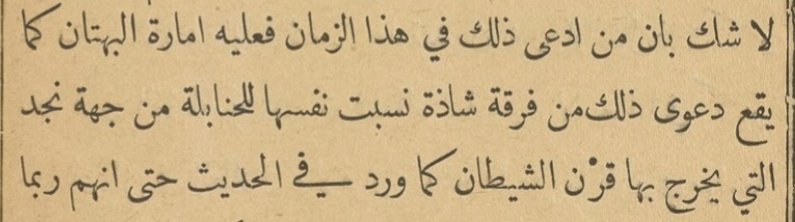
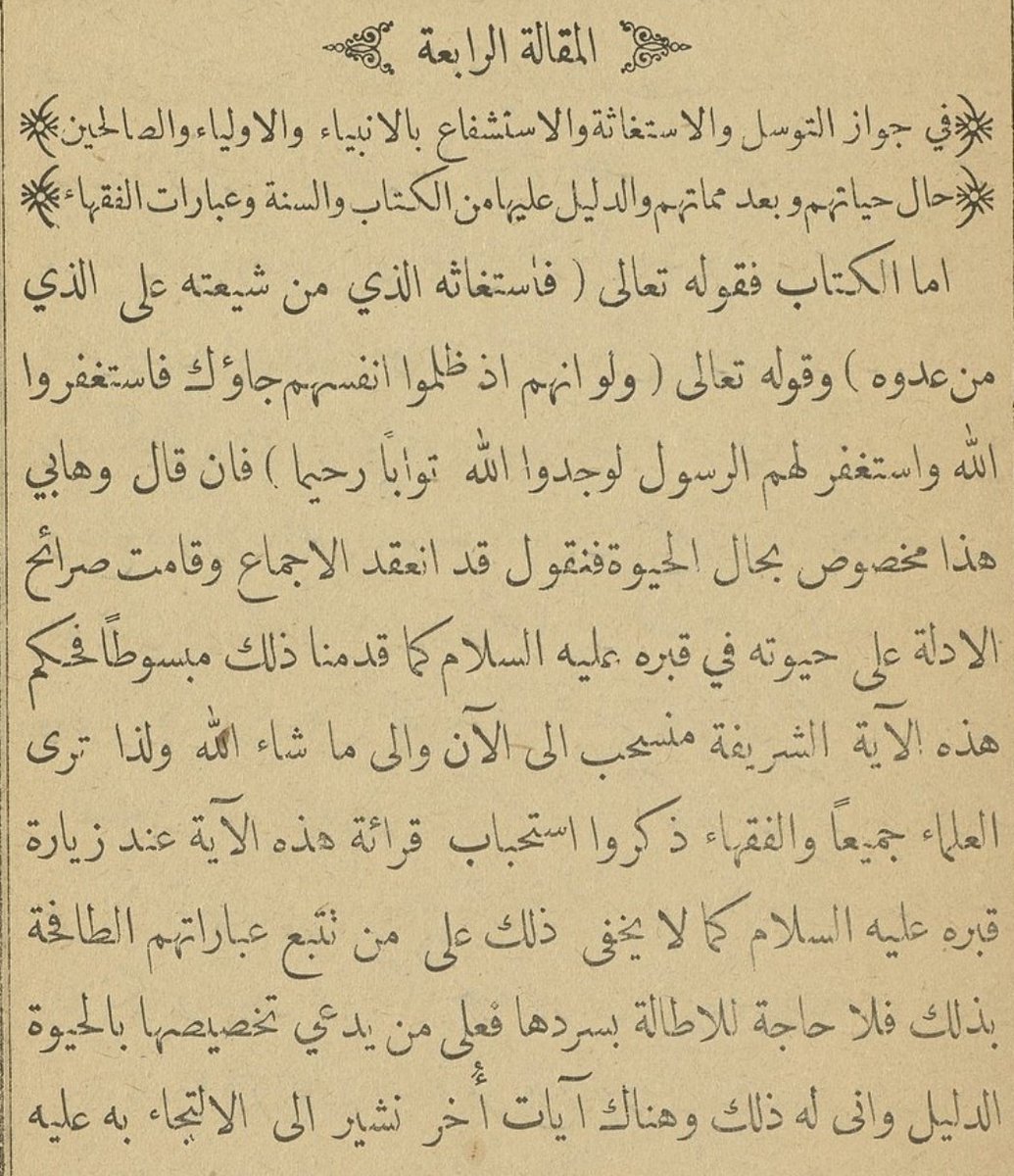
He dedicated a chapter to the permissibility of Tawassul, Istishfā‘ and Istighātha
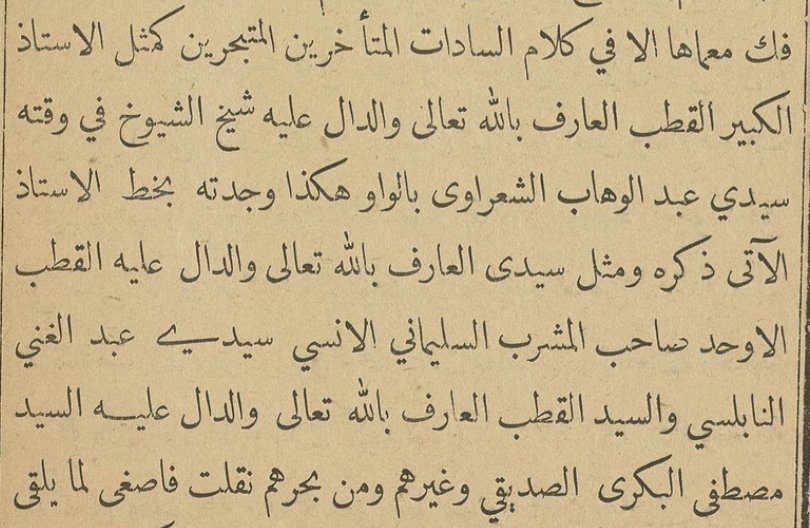
He praises the Sūfiyyah like al-Shaykh al-Akbar Muhyī al-Dīn Ibn al-‘Arabī, ‘Abd al-Ghanī al-Nabulsī and al-Sha‘rānī
He aids the belief of Wihdat al-Wujūd and says that al-Shaykh al-Akbar did not invent it rather it is agreed upon by those before him like al-Junayd, Abu Yazīd
He aids the belief of Wihdat al-Wujūd and says that al-Shaykh al-Akbar did not invent it rather it is agreed upon by those before him like al-Junayd, Abu Yazīd
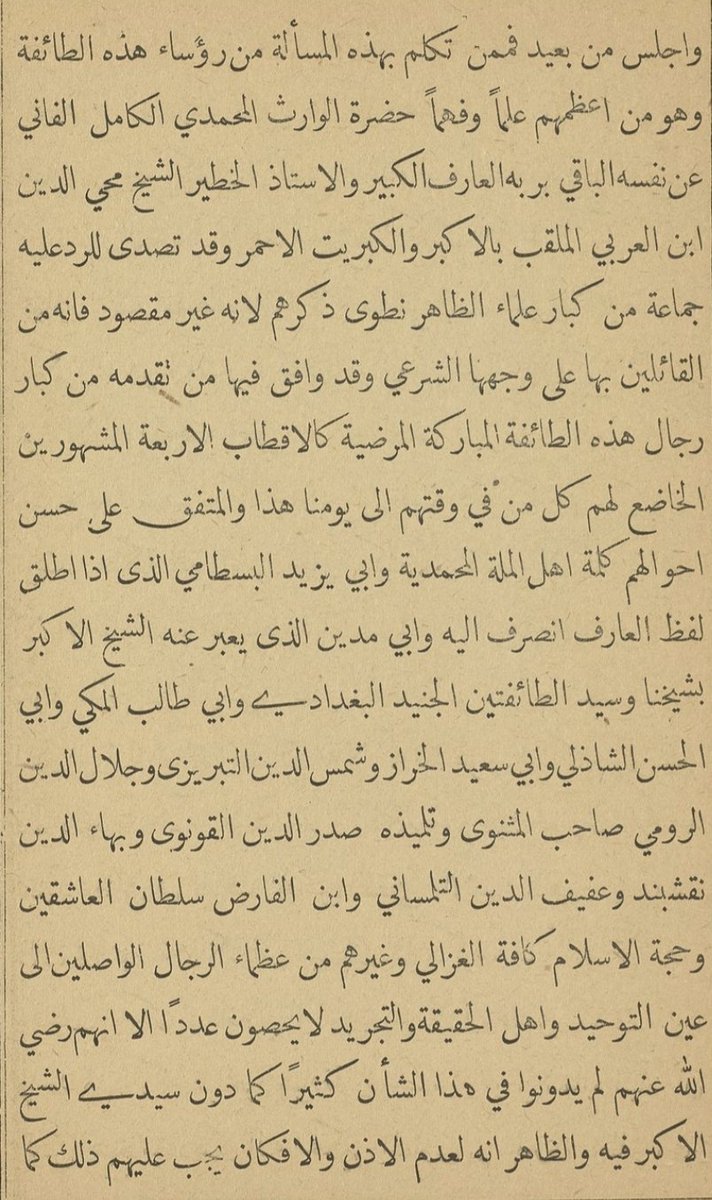
—al-Bastāmī, “Hujjat al-Islām” Abu Hāmid al-Ghazālī, Shāh Naqshband, Abu al-Hasan al-Shādhilī...
He also calls Ibn al-Fāridh: “Sultān al-‘Āshiqīn”
He also calls Ibn al-Fāridh: “Sultān al-‘Āshiqīn”
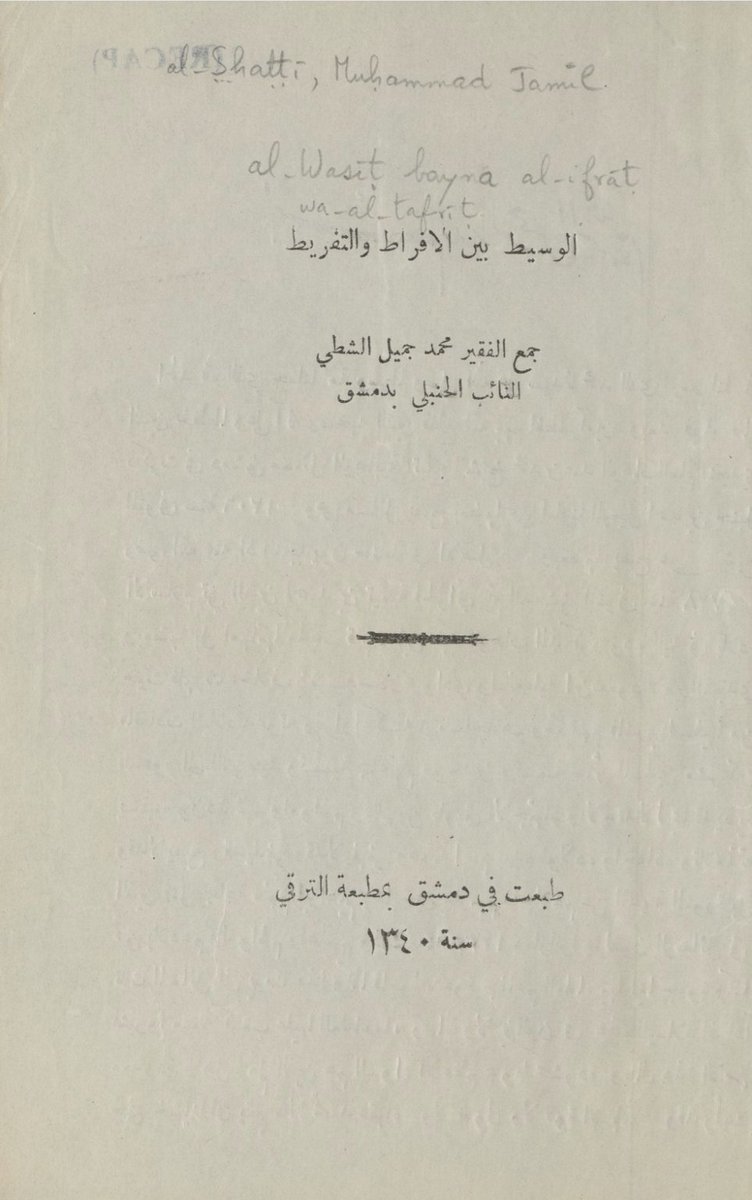
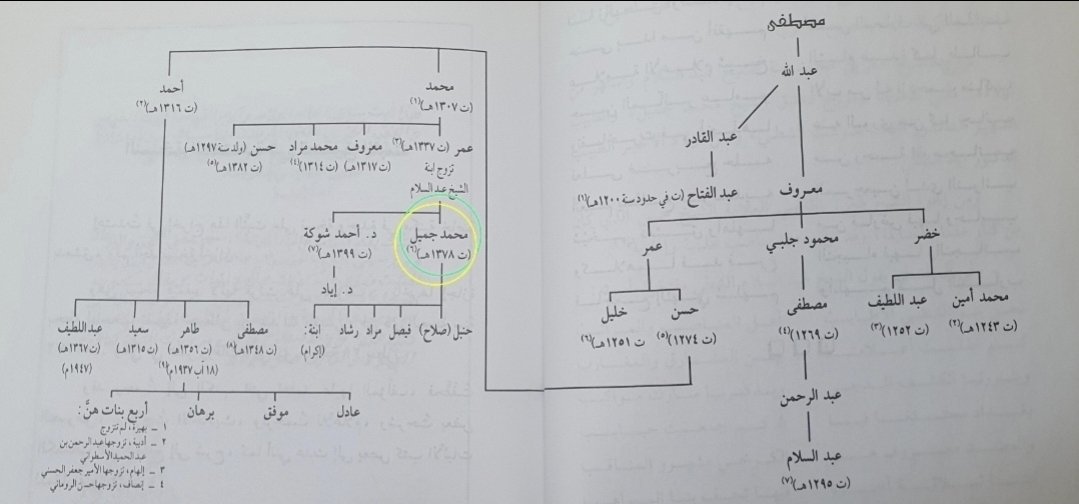
Muftī al-Hanābila Muhammad Jamīl al-Shattī (d. 1348 AH), a Shādhilī Sūfī, also dedicated a letter to refuting the Wahhābī sect:
“al-Wasīt Bayn al-Ifrāt wa-l Tafrīt”
“al-Wasīt Bayn al-Ifrāt wa-l Tafrīt”
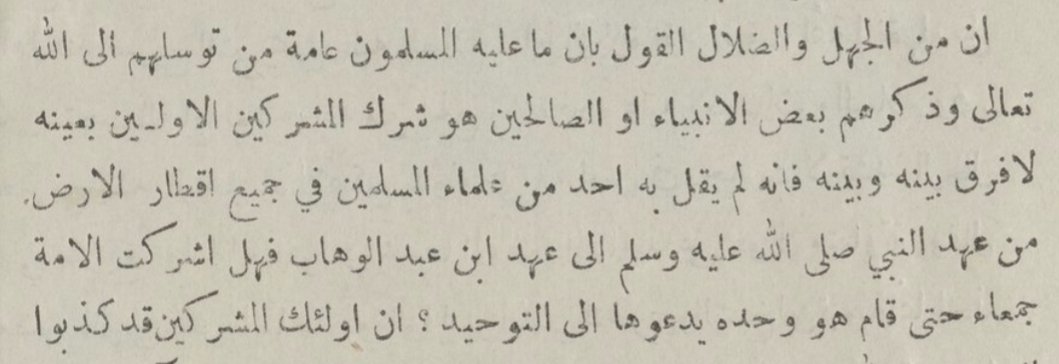
He says the Wahhābīs deviated in issues of Tawhīd and Shirk and it was upon this deviance that they declared Takfīr on all the Muslims and made their blood and wealth permissible

He says it is from ignorance and misguidance to claim that what the Muslims are upon is Shirk and Kufr when this wasn't denied from the time of the Messenger ﷺ until now
“Is it possible that the entire Ummah fell into Shirk until Ibn ‘Abd al-Wahhāb came to teach them Tawhīd!?”
“Is it possible that the entire Ummah fell into Shirk until Ibn ‘Abd al-Wahhāb came to teach them Tawhīd!?”
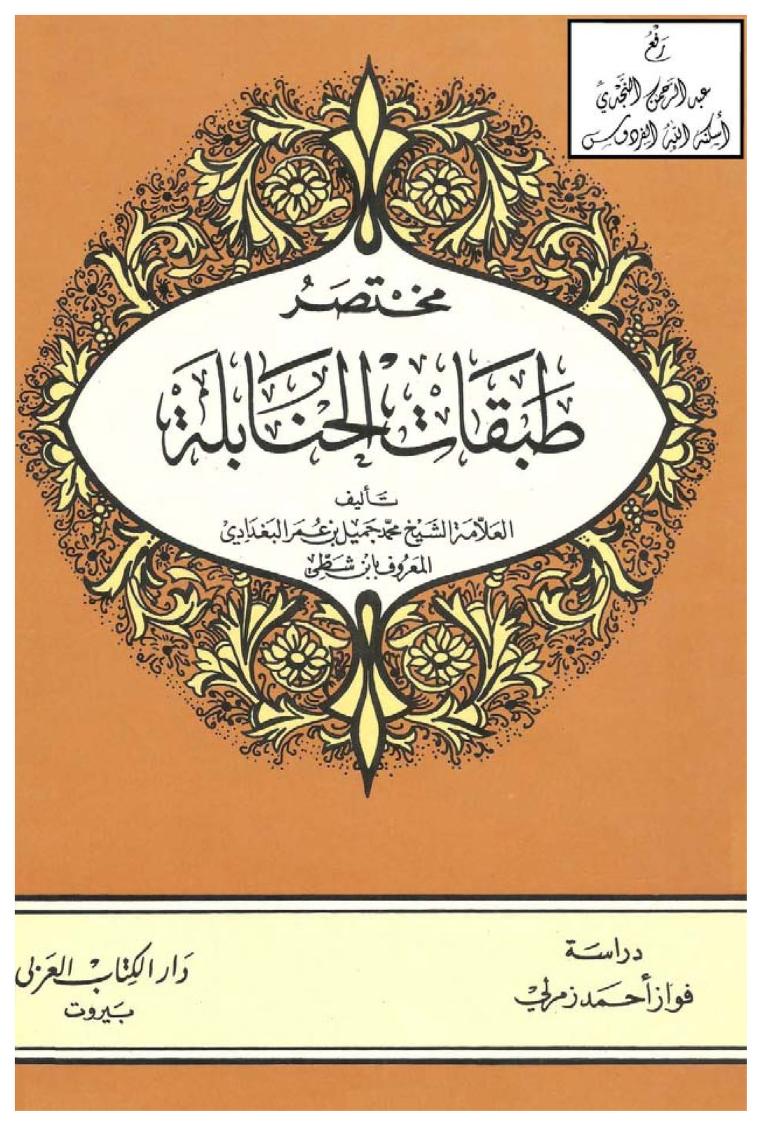
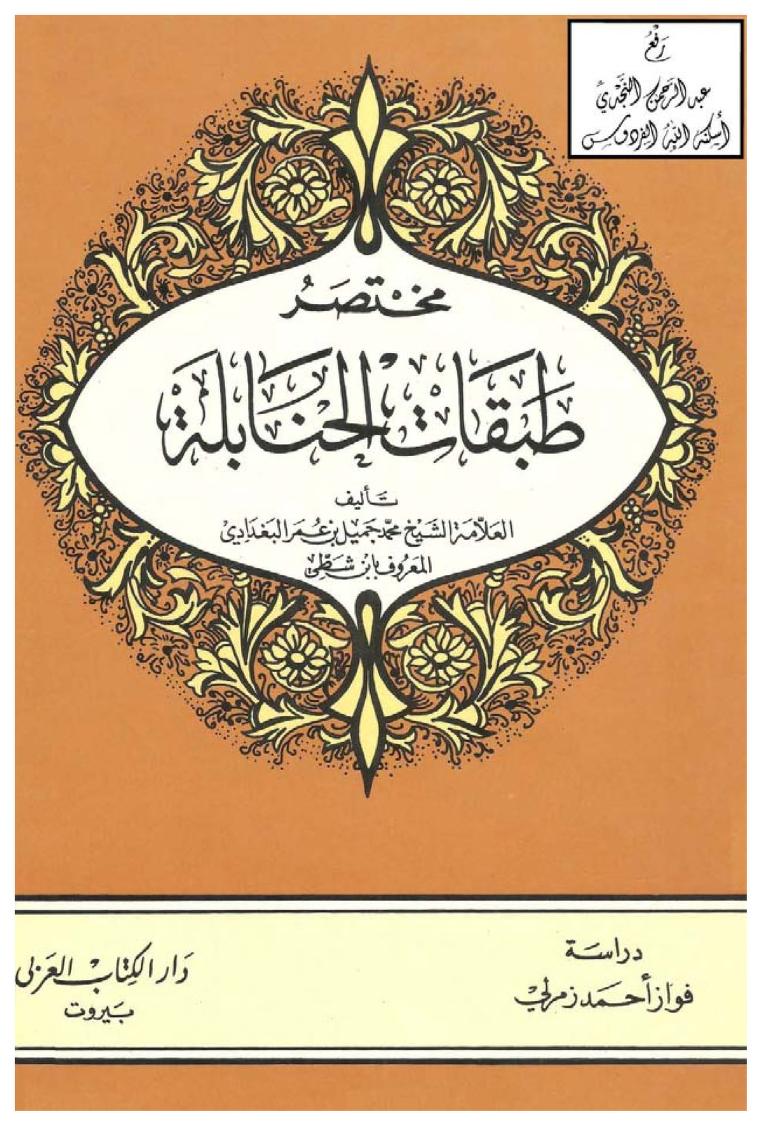
Muhammad Jamīl al-Shattī wrote “Mukhtasar Tabaqāt al-Hanābila” and intentionally left out Muhammad Ibn ‘Abd al-Wahhāb
Which caused the Wahhābī editors of the book to insert it into the book themselves!
The Hashwiyyah have always had a habit of tampering
Which caused the Wahhābī editors of the book to insert it into the book themselves!
The Hashwiyyah have always had a habit of tampering
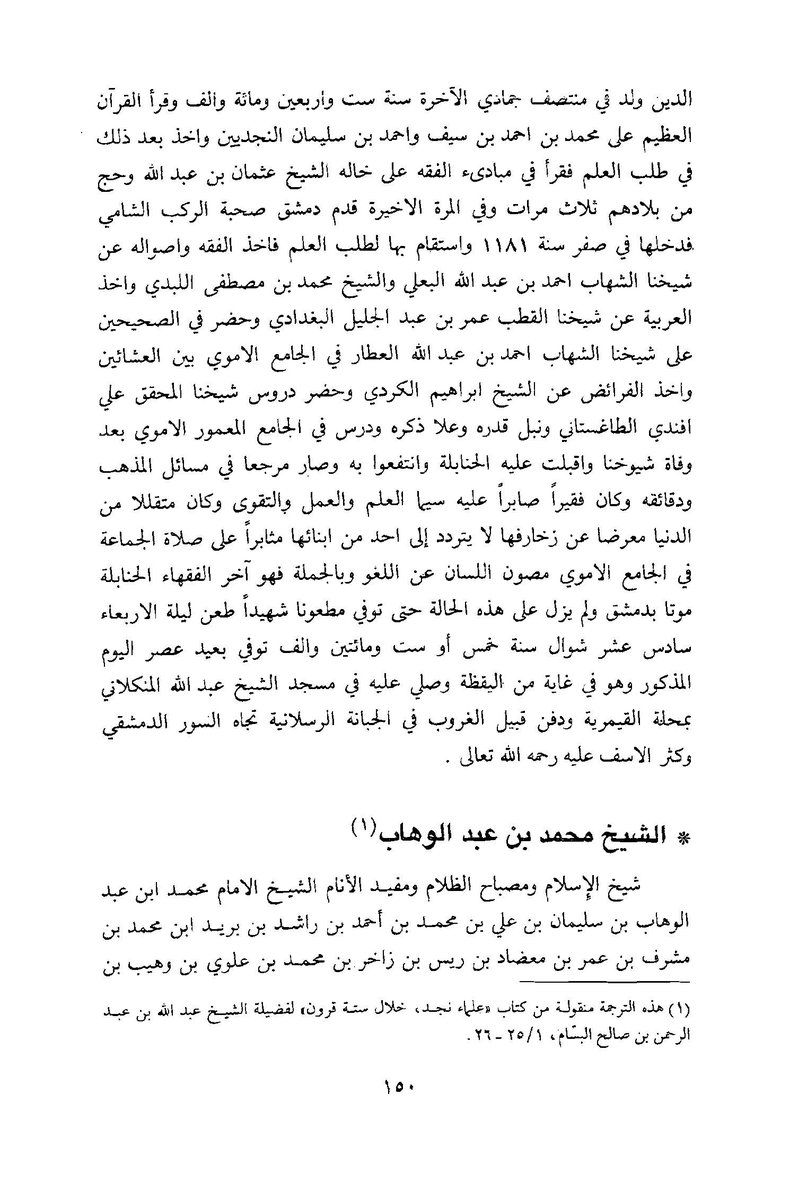
He narrates poetry of Istighātha while praising the author and without a single word of denial
His grandfather, ‘Abd al-Salām al-Shattī (d. 1295 AH), took Ijāzah in this poetry directly from the author
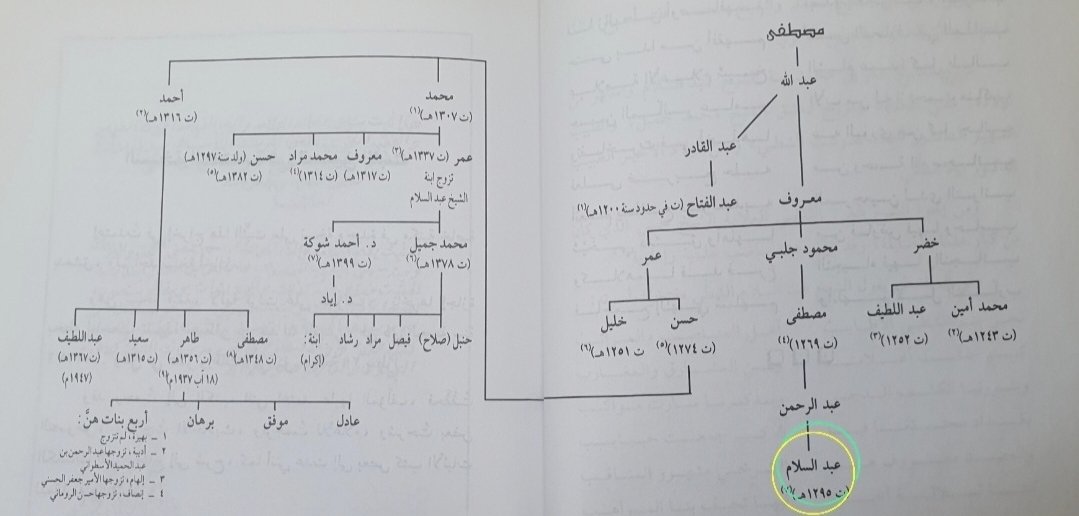
So it makes sense why Ibn Sahmān said what he said about this great scholarly family
This is what they think of the Hanābila
One only needs to look at the Hanābila of Dimashq to understand what's going on
This is what they think of the Hanābila
One only needs to look at the Hanābila of Dimashq to understand what's going on
al-Albānī describing the Hanābila around him:
Who should we trust?
The inheritors of the Hanābila or the 200 year old reformist movement?
The inheritors of the Hanābila or the 200 year old reformist movement?
Loading suggestions...