
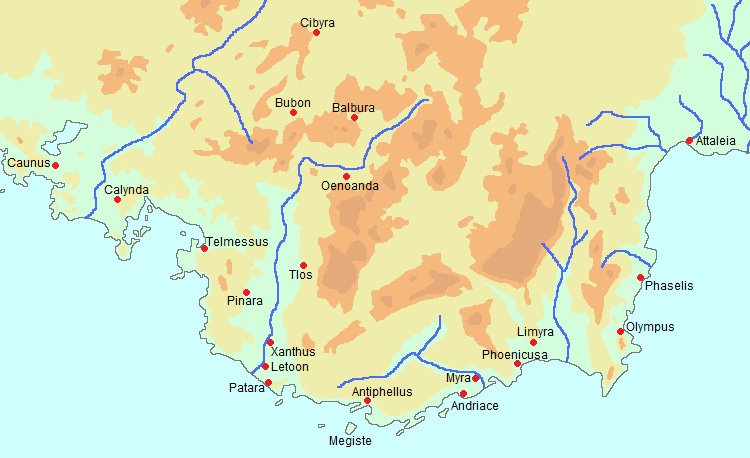
1/ Lycia: rugged with hard-to-reach mountain masses, which form fertile valleys and with a steep coastline that nevertheless has several sheltered bays. The morphology of the land gave its inhabitants a wildness and isolation, offering them an escape of survival towards the sea.
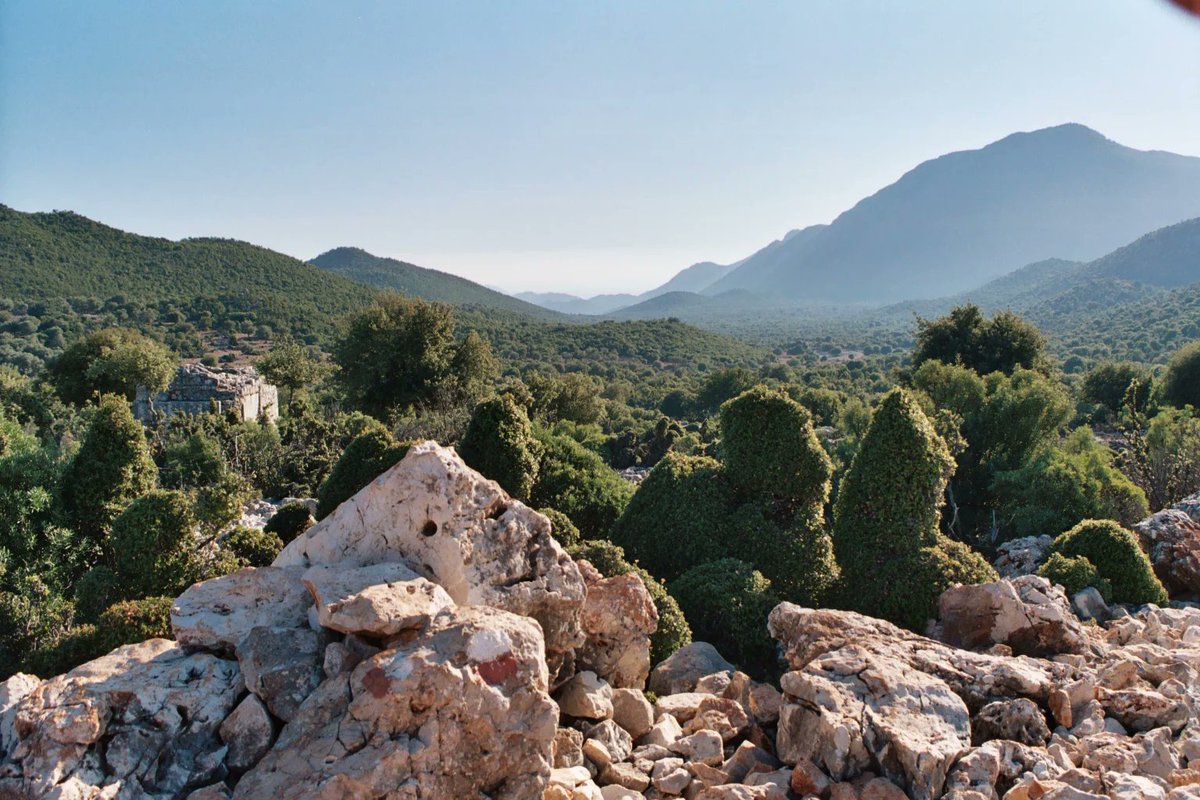
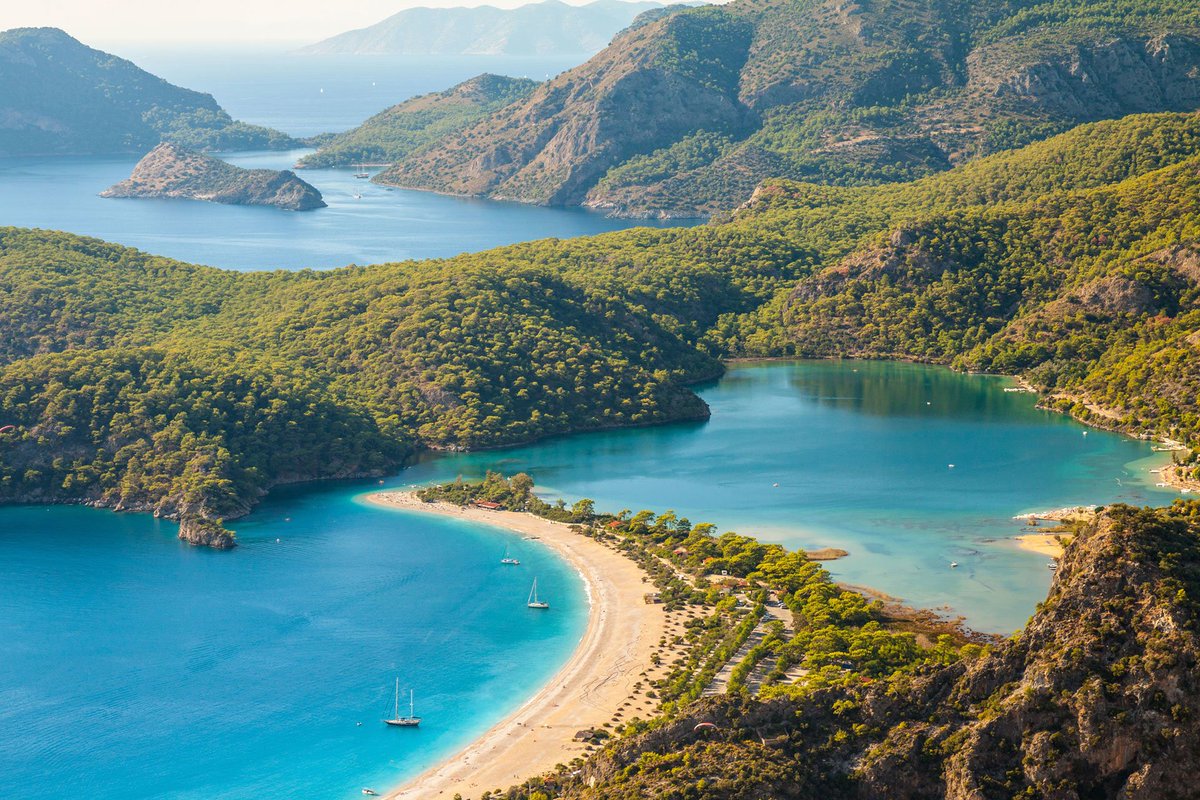
2/ Ideal homeland for the infamous Lukka. An impenetrable mountain defense wall that was deterring foreign threats and was surrounding the lairs of the most famous pirates of the ancient world. But who were actually the Lukka and what is their relationship with the Lycians?
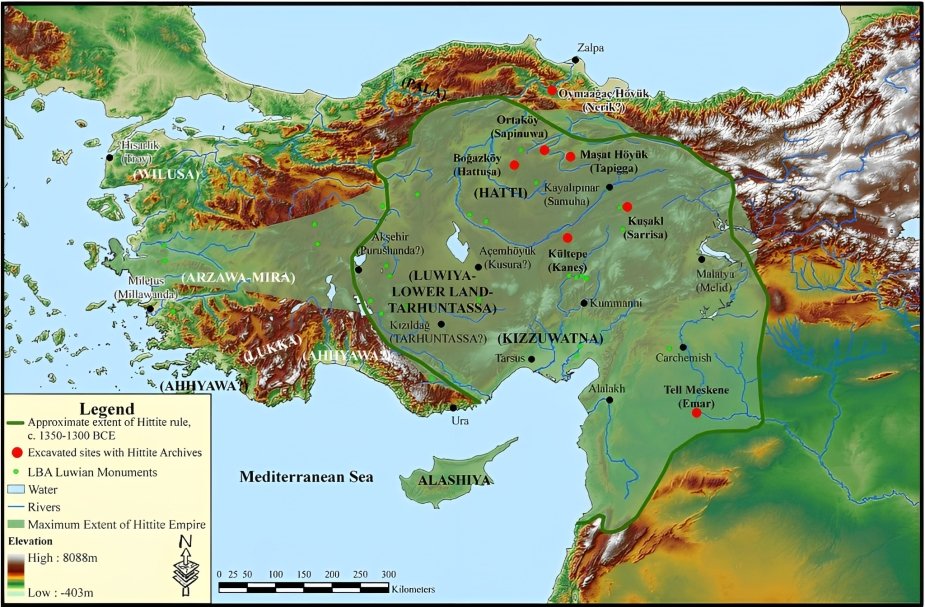
3/Archaeological,linguistic and epigraphic evidence demonstrate that the Lukka appear in SW Anatolia at the beginning of the 2nd mil BC, probably forming a loose confederation of local tribes without any central political authority (no ruler of the Lukka Lands is ever mentioned).
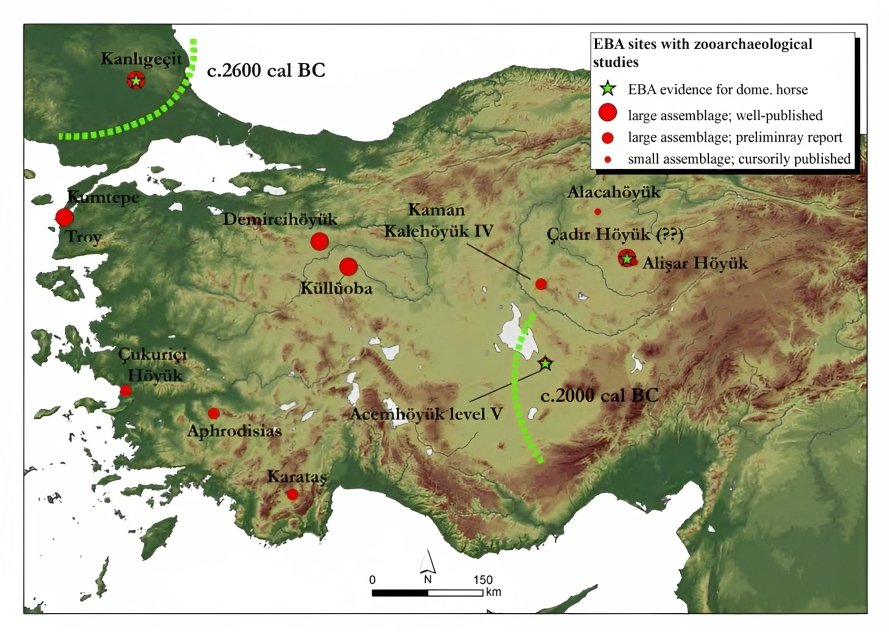
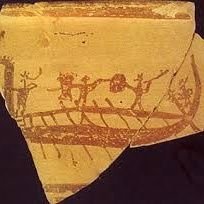
4/They spoke the Luwian language and avoided living in the rough interior with their settlements being mainly in the coastal zone,a fact linked to the flourishing of piracy. For the Great Powers of the time their presence was usually problematic,often referred to as troublemakers
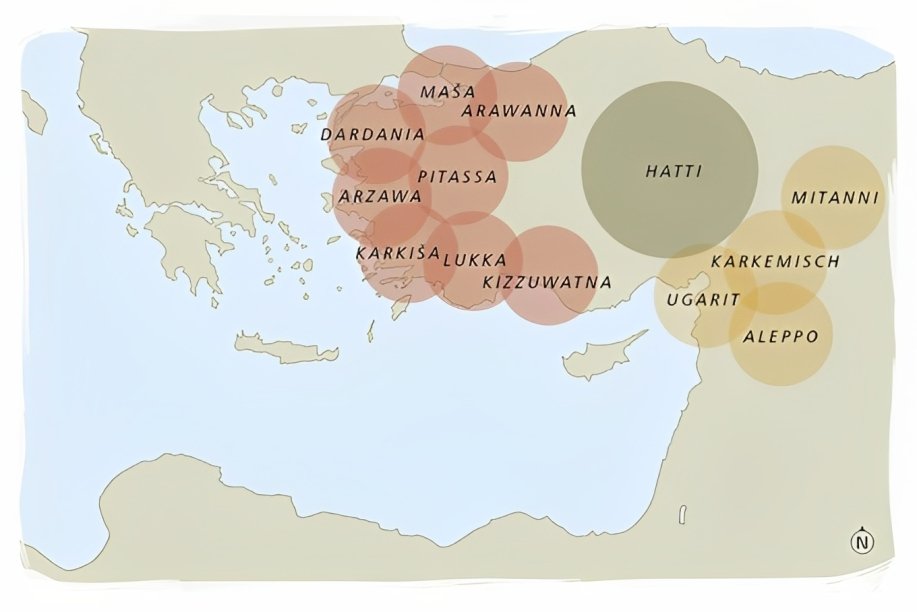
5/ The earliest reference to the Lukka is recorded in the hieroglyphic Abishemu obelisk of Byblos around 1800 BC, where the words Rwqq and Kwkwn appear, which are transliterated as the ethnonym Lukk- and the Lycian anthroponym Kuk(k)un (n)i, who was probably some mercenary.
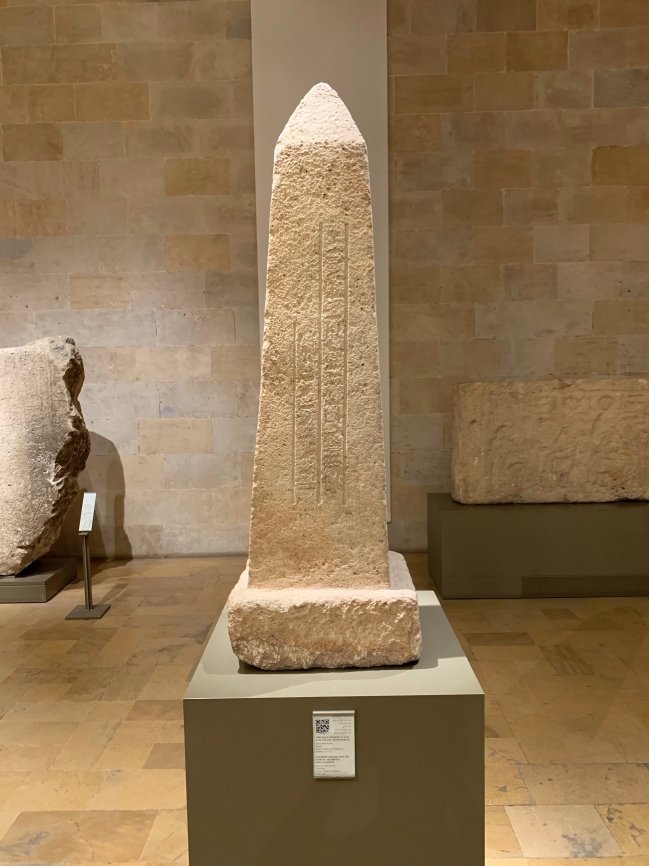
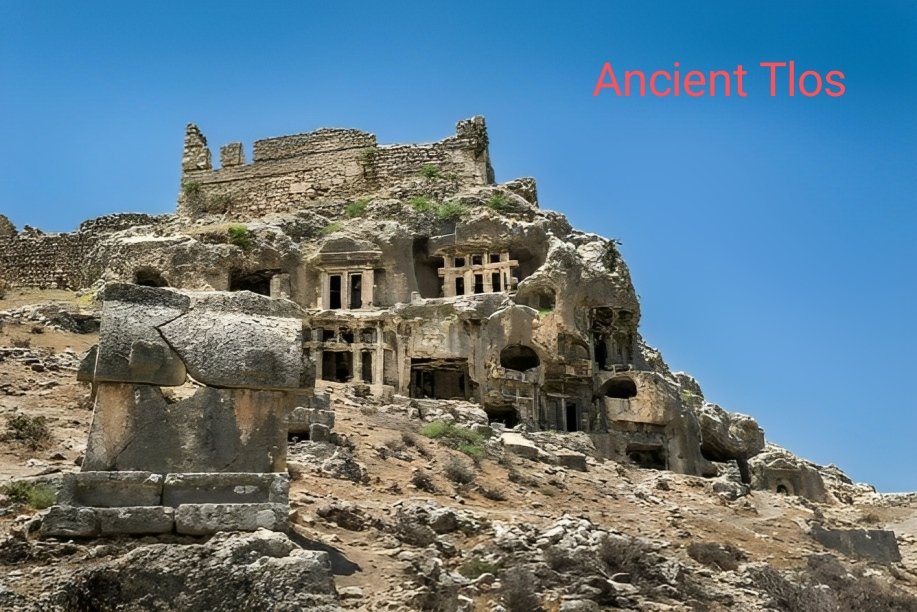
6/ In events that took place at the end of the 15th century BC and described in Indictment of Madduwatta the cities of Dalawa and Hinduwa are mentioned, which allied with the renegade ruler of Zippasla, Madduwatta, 👉
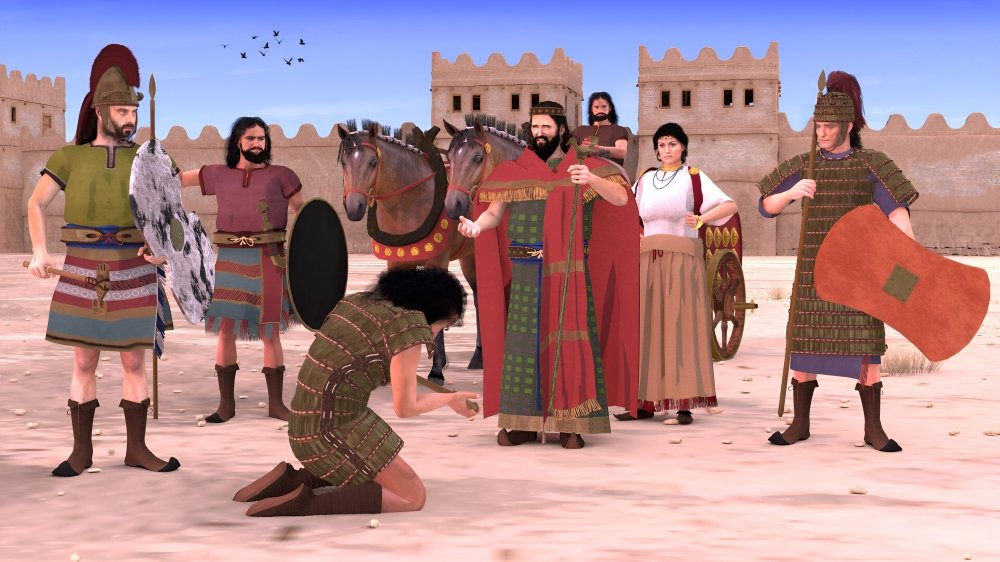
👉 against the Hittite army defeating the Hittites and killing two Hittite military commanders. Dalawa is identified with the important Lycian city of Tlawa < Tlos, while Hinduwa is identified with the Lycian city of Xãlbi < Candyba.
7/ In a letter from the Amarna tablets archive (first half of the 14th century BC) sent by the king of Alasiya (Cyprus) to the Egyptian pharaoh Akhenaten it is mentioned that a group of people called Lukki carried out a sea raid in the north Egyptian coast.
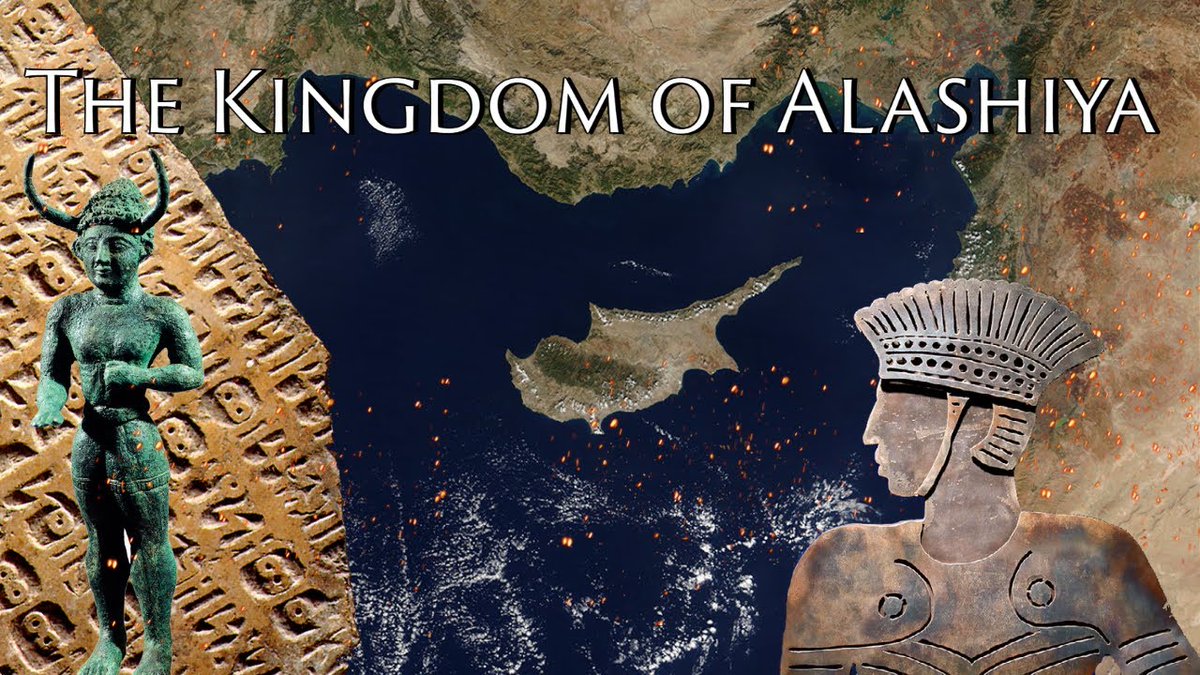
8/ It appears from the context that the Lukka made continuous seasonal sea raids on Cyprus and the activity on the Egyptian coast was an extension of these raids. The coast of SW Anatolia emerges as the most likely starting point for the Lukka.
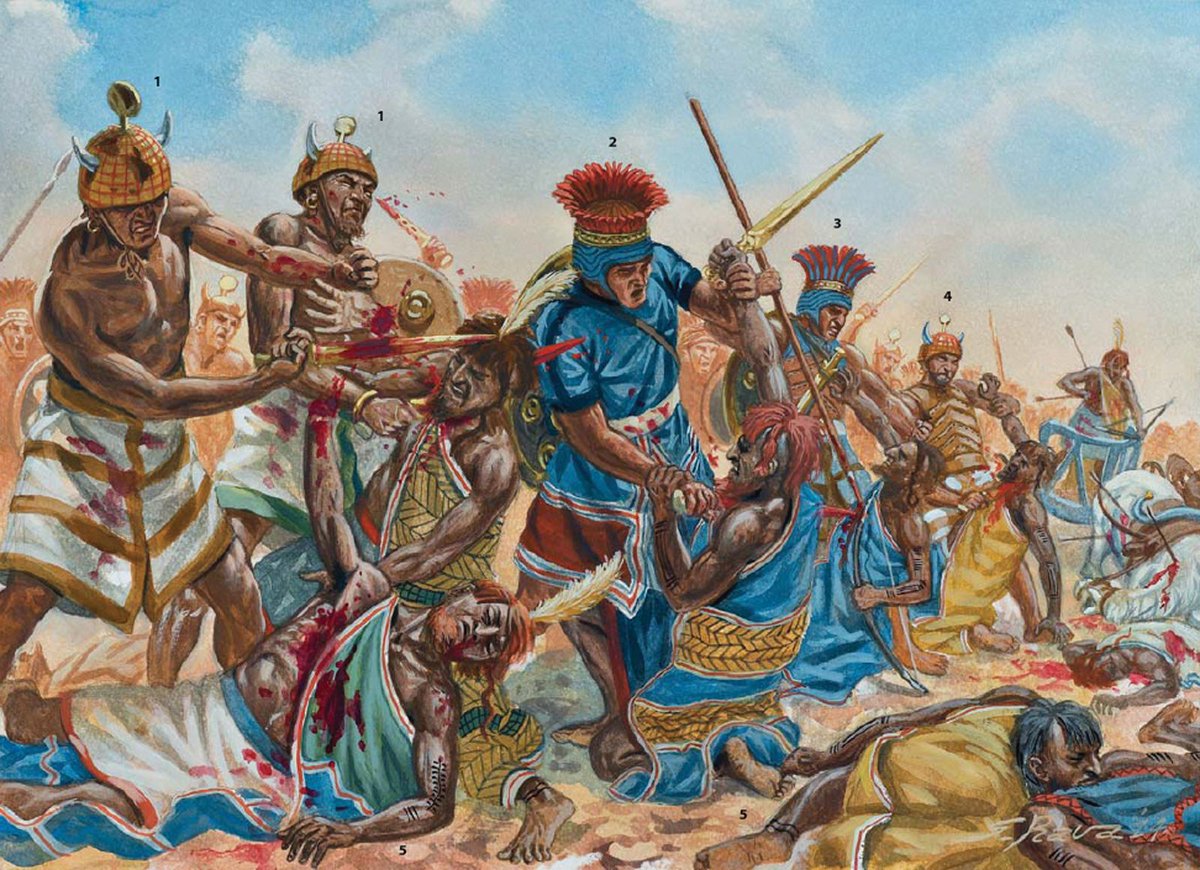
9/ Around the same time Hittite texts state that the Kaskians faced a severe famine due to the destruction of their grain by swarms of locusts and as a result they rebelled together with the Hayasa-Azzi, the Isuwa and the Lukka, eventually occupying Hattusa and plundering it.
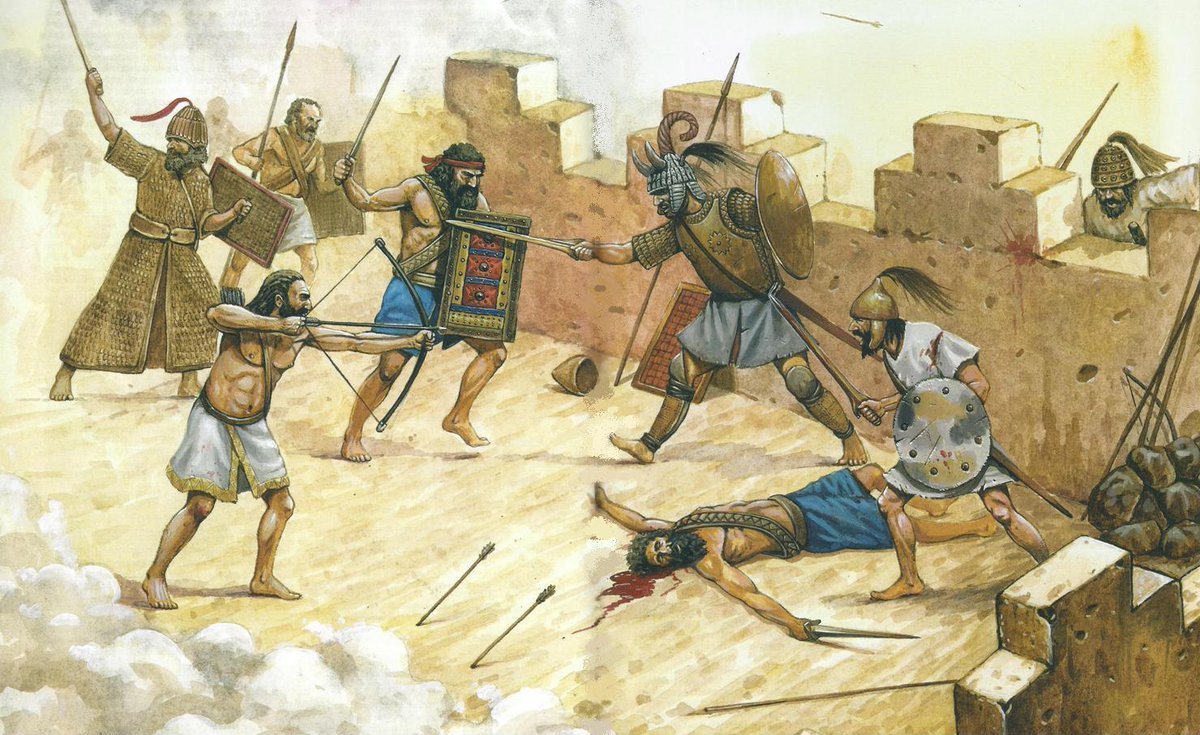
10/ Hittite texts referring to the Battle of Kadesh (1274 BC) mention the participation of the Lukka on the side of the Hittites along with fighters from neighboring vassal Hittite kingdoms such as Masa and Karkisa, indicating their presence in southern Asia Minor coast.
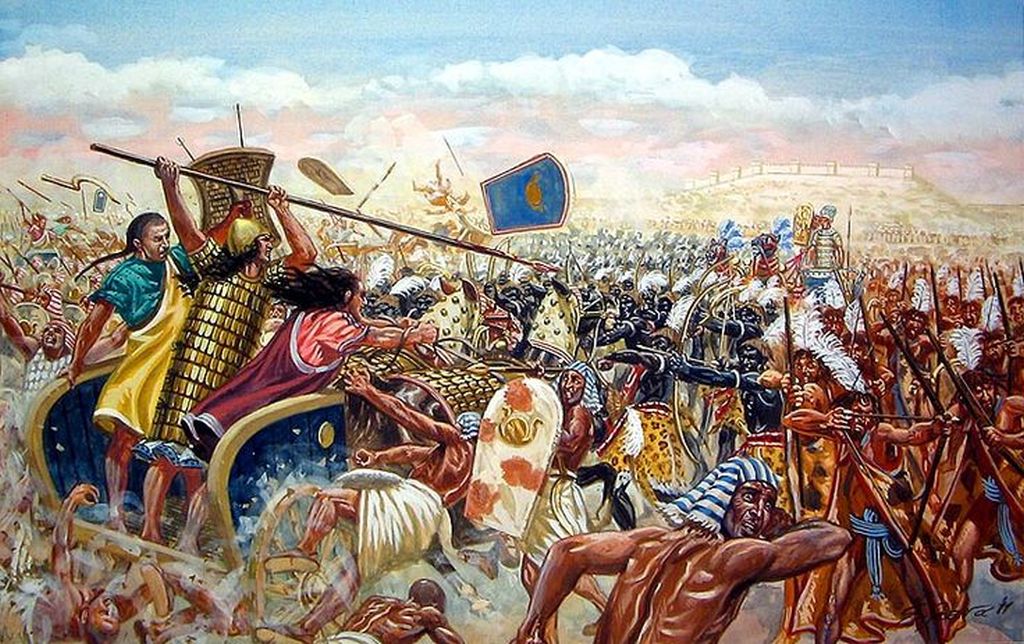
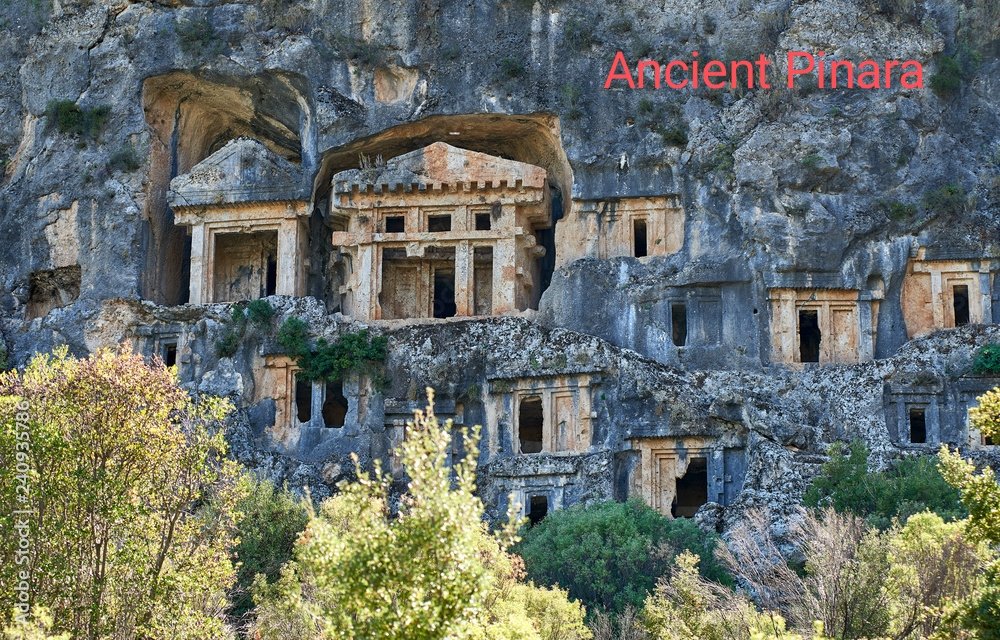
11/ During the reign of Tudhaliya IV (1237–1209 BC), the Hittite king carried out a successful (?) campaign in the land of Lukka, where they are mentioned 👉
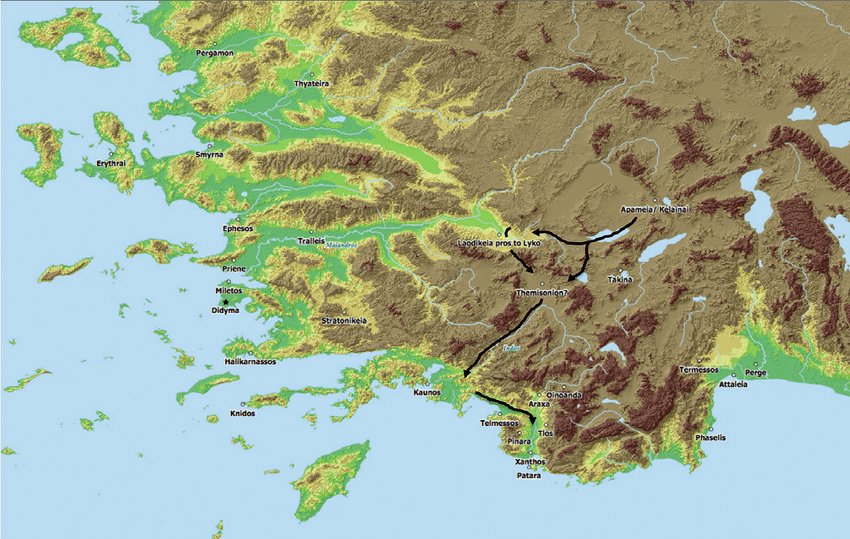
👉 the land of Wiyanawanda (= Lycian city of Oenoanda), the cities of Dalawa, Pinali (= Pinara), Awarna (= Arina / Xanthos) and Mount Patar (= Lycian city of Patara).
12/ During the Late Bronze Age Collapse the Lukka appear to have participated in a Sea Peoples attack against Egypt under Pharaoh Mernephtha along with other raiders groups, 👉
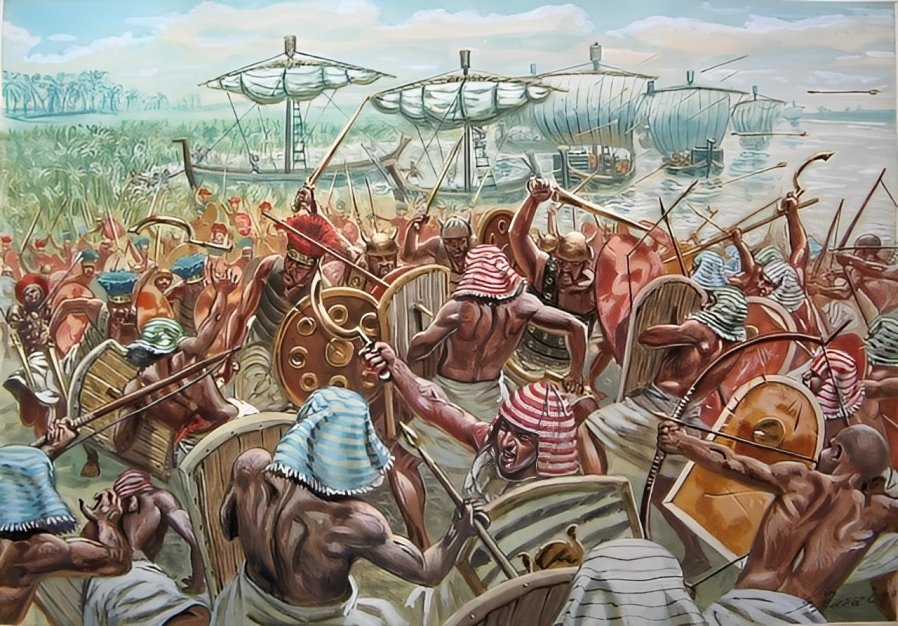
👉 and are identified as an important sea power in the late 13th century BC. It is implied that the Lukka had either Cyprus or Crete as their starting base.
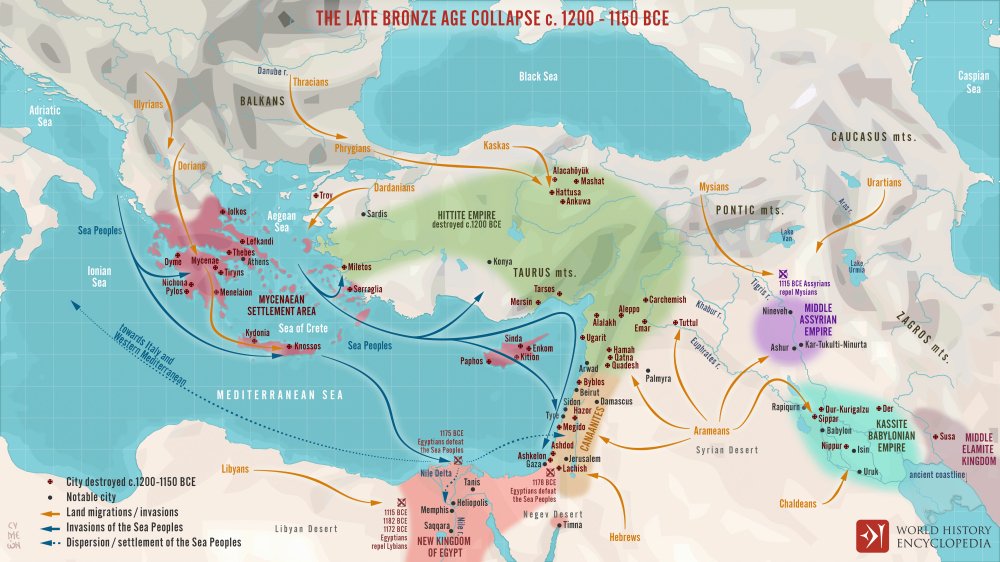
13/ At the same time it seems that they played a crucial role in the fall of the Hittite Empire. The last Hittite king Suppiluliuma II reports to the king of Ugarit that he used Achaean mercenaries in military operations carried out in the land of Lukka.
14/ In conclusion, we would say that the land of the Lukka was a permanent trouble for the Hittites, remaining almost unsubdued, while other areas of the Eastern Mediterranean, such as Cyprus and Egypt, also faced problems from the pirate activity of the Lukka.
15/ Another important element that must be emphasized is that despite the identification of Hittite toponyms that go back to cities of Lukka with later Lycian cities, the archaeological findings of the LBA in Lycia are limited, demonstrating in fact a population decrease.
16/ The transition to the Early Iron Age is accompanied by a habitation gap and only around the 8th century BC a population boom appears in the entire region of historical Lycia. They are the self-identify Trmmili, whom Herodotus calls Termilae.
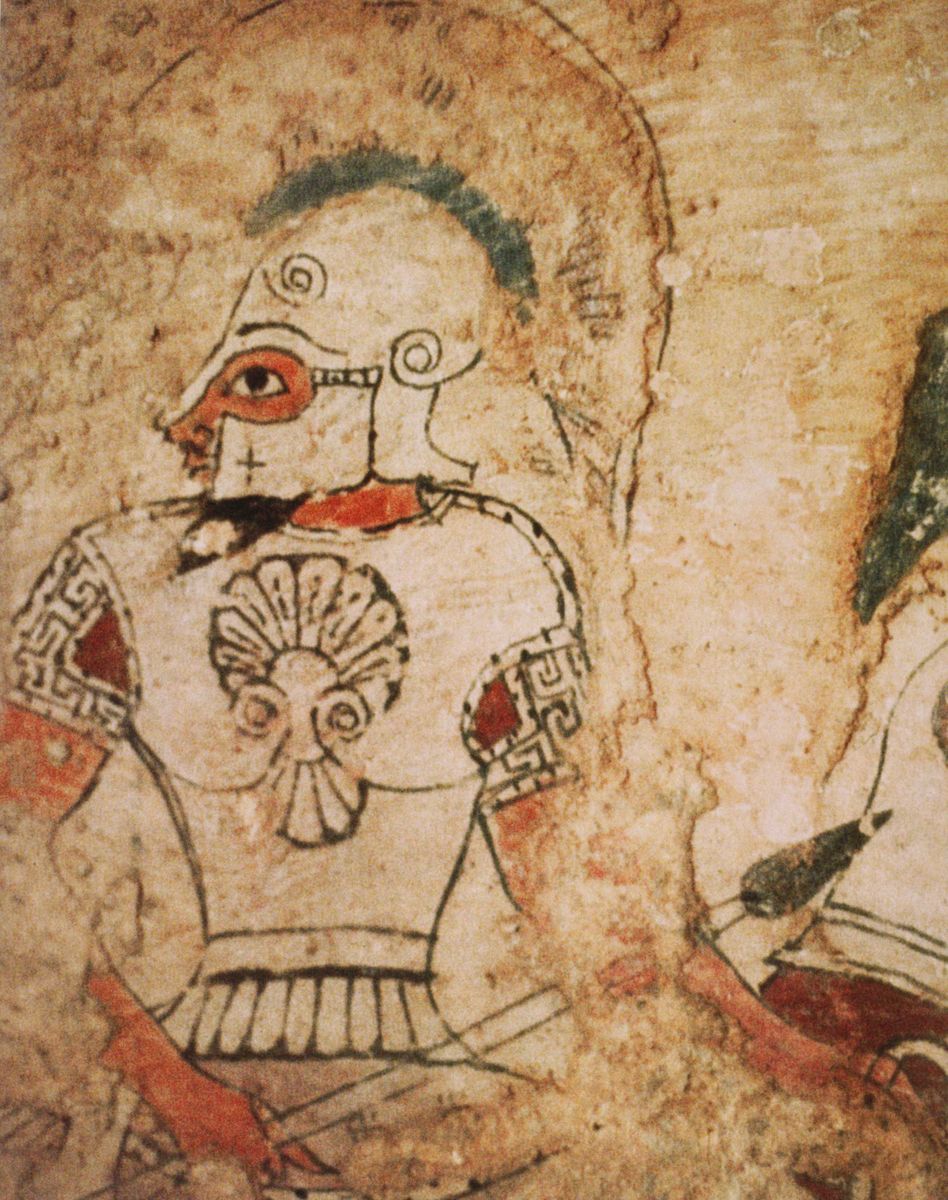
17/ My opinion is that the word Lukka was used by the Hittites to designate a group of unruly and piratical tribes living between Caria and Cilicia, one of which was calling Trmmili and was living in later historical Lycia. 👉
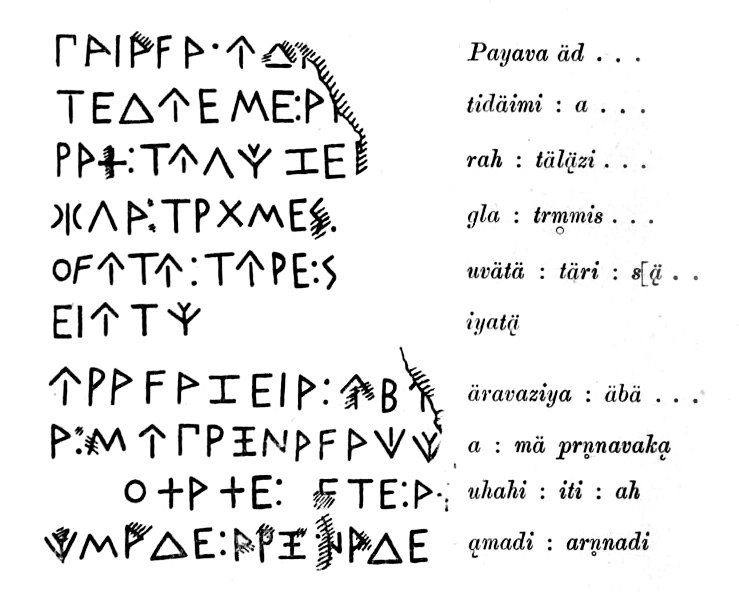
👉 The Ancient Greeks as direct descendants of the Mycenaeans retained the corruption of the term Lukka.
Loading suggestions...