

In 2003, Classmate had a late entry in the Indian stationery market
Everyone thought it’d FAIL since it’s expensive & India is price sensitive
To their utter SHOCK, Classmate became India’s No. 1 notebook brand in just 4 years!
Here’s how it became every kid’s best classmate:
Everyone thought it’d FAIL since it’s expensive & India is price sensitive
To their utter SHOCK, Classmate became India’s No. 1 notebook brand in just 4 years!
Here’s how it became every kid’s best classmate:

If there is one thing that not just the kids but also adults are crazy about is — stationary.
Tell us the last time you walked up to a stationary store and weren’t fascinated seeing all the vibrant colors.
Tell us the last time you walked up to a stationary store and weren’t fascinated seeing all the vibrant colors.
If you end up buying stationery that you know you might never use, you aren’t alone!
People are obsessed with buying stationery.
People are obsessed with buying stationery.
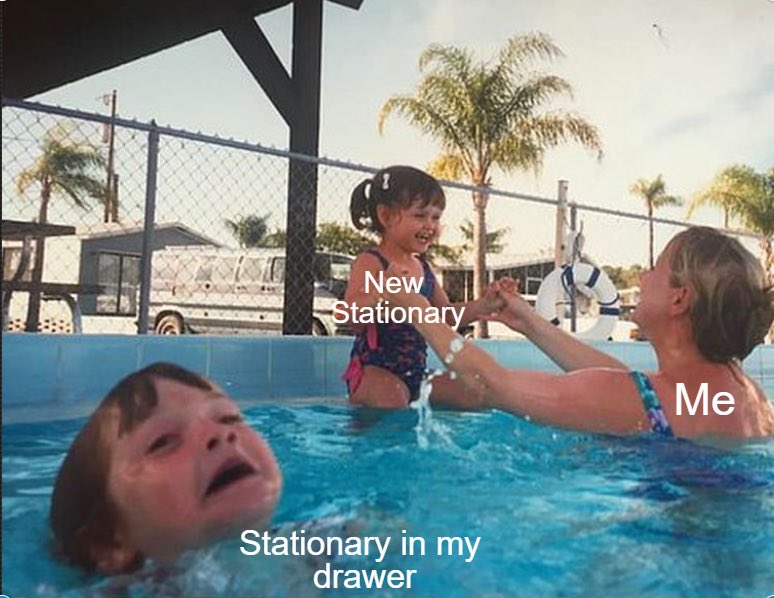
For children, it opens a new world of possibilities. It is a medium through which they unleash their creativity.
For adults, getting new stationery feels like a breath of fresh air.
There is something about a new pen, a notebook, or any stationery that gives them butterflies.
For adults, getting new stationery feels like a breath of fresh air.
There is something about a new pen, a notebook, or any stationery that gives them butterflies.
A lot of them end up buying it just because they have had some sort of connection with it in their childhood — a nostalgic recall.
And a lot of its credit goes to how stationary brands have marketed themselves throughout the years.
And a lot of its credit goes to how stationary brands have marketed themselves throughout the years.
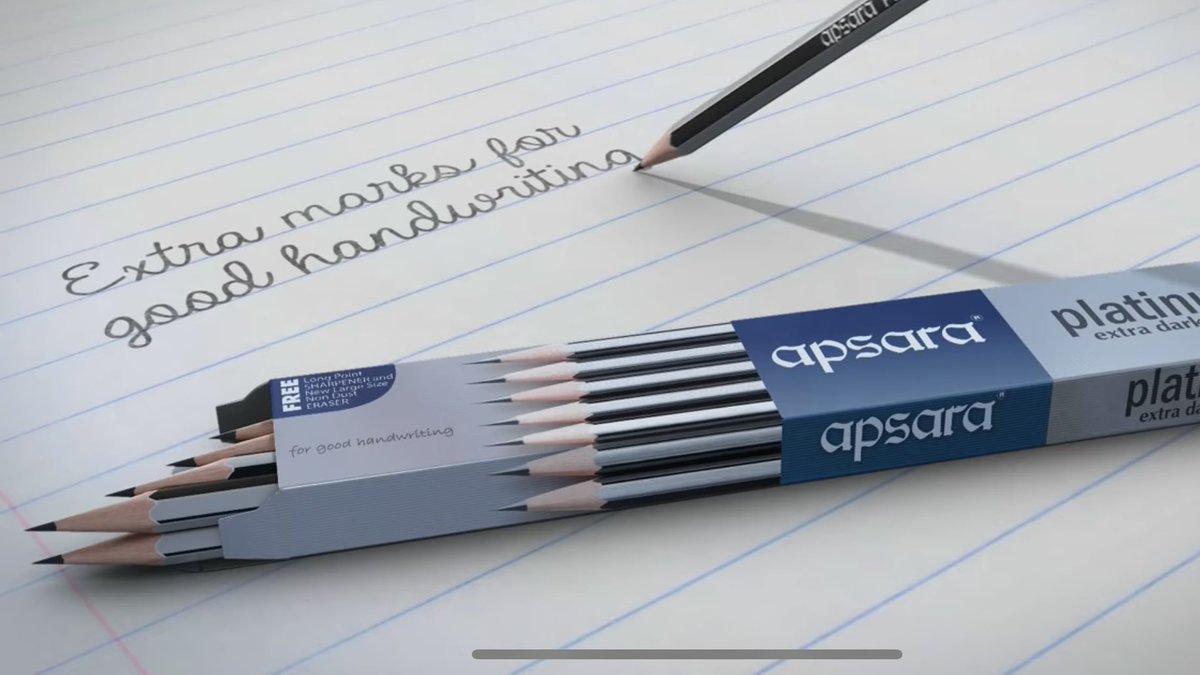

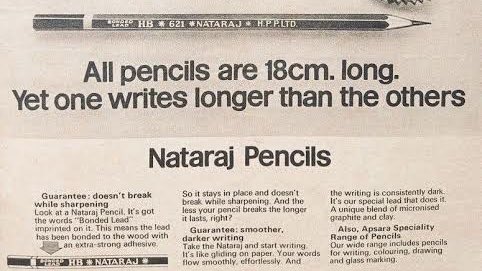

One of the brands that stands out is — ITC Classmate!
Classmate notebooks are loved by almost everyone.
Its USP is comfort, neatness, and design — making the brand unbeatable.
Classmate notebooks are loved by almost everyone.
Its USP is comfort, neatness, and design — making the brand unbeatable.
See, back in 2003, Classmate analyzed the market and identified that notebooks had an excellent potential for growth.
Until then, most notebook brands lacked any aspirational value and were of a cheaper quality to appeal to and be accessible to a wider audience.
Until then, most notebook brands lacked any aspirational value and were of a cheaper quality to appeal to and be accessible to a wider audience.
However, Classmate did the opposite. They didn't compromise on the quality.
The notebooks use ozone-treated, elemental chlorine-free paper, which has lesser use of chemicals in the bleaching stage.
The notebooks use ozone-treated, elemental chlorine-free paper, which has lesser use of chemicals in the bleaching stage.
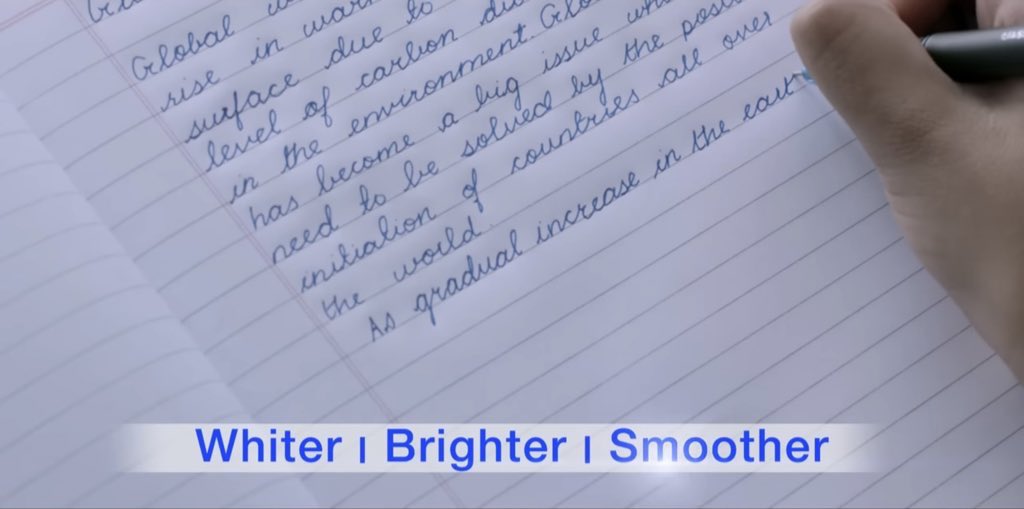
This process improves paper quality and shelf life, making these notebooks more expensive than conventional notebooks.
On top of that, they charge more for the branding.
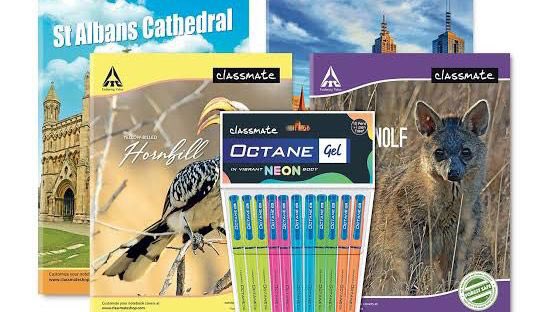
Classmate notebooks have a theme on the cover and related information inside.
On top of that, they charge more for the branding.
Classmate notebooks have a theme on the cover and related information inside.
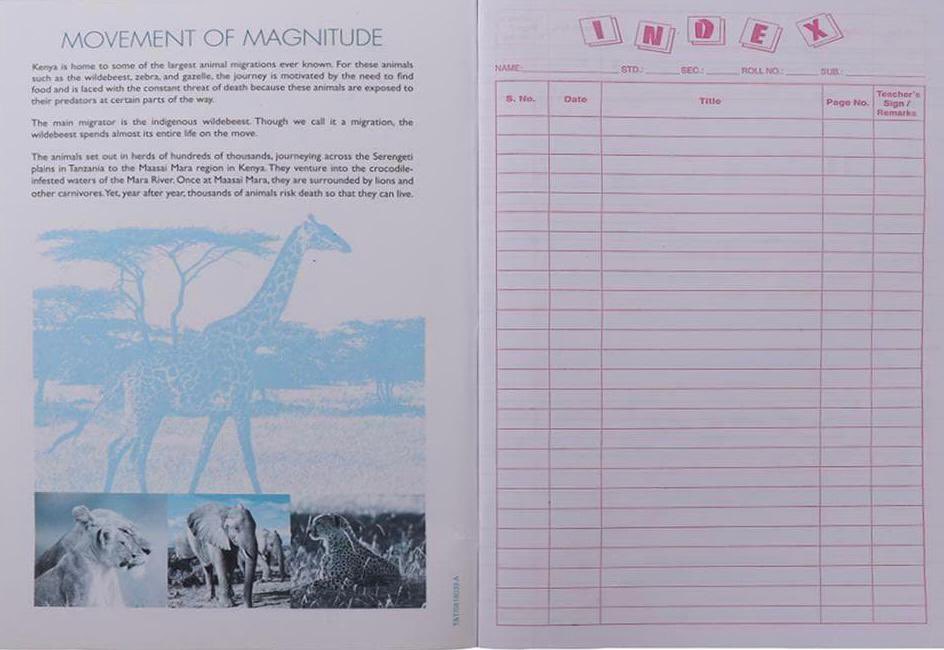
The cover designs are vibrant, stylish, quirky, and youthful.
So, even when the Classmate notebooks are more expensive, instead of buying from other brands, kids make their parents pay for them.
Because this also became a way for them to signal their status.
So, even when the Classmate notebooks are more expensive, instead of buying from other brands, kids make their parents pay for them.
Because this also became a way for them to signal their status.
Humans love signaling their status or wealth, especially children.
In fact, they signal more than others because they don’t have fully developed minds and are always testing their social boundaries.
In fact, they signal more than others because they don’t have fully developed minds and are always testing their social boundaries.
Schools work really hard to cut off this signaling/show-off element by introducing uniformity among students.
But not everything can be made uniform.
And that’s where students find an opportunity to signal their status.
But not everything can be made uniform.
And that’s where students find an opportunity to signal their status.
Imagine opening a low-grade bad quality notebook in front of your classmates who have high-end quality stuff
— this would make most 7-year-olds feel inferior.
— this would make most 7-year-olds feel inferior.
Now imagine opening a high-grade good quality notebook with a funky cover, fun facts, and games at the back of your notebook.
You will be in the spotlight — feeling like a movie star. JUST IMAGINE!
See, Classmate has a social currency attached to it.
You will be in the spotlight — feeling like a movie star. JUST IMAGINE!
See, Classmate has a social currency attached to it.
Social Currency is the first step in the STEPPS framework, which helps a product go viral.
What it basically means is you feel good to share about the product with others.
People only share anything with others if it makes them look “cool”.
What it basically means is you feel good to share about the product with others.
People only share anything with others if it makes them look “cool”.
An element of social currency is inner remarkability.
Every last page of the Classmate notebook is full of amazing facts.
The facts are so different and mind-blowing that it makes everyone talk about them.
Every last page of the Classmate notebook is full of amazing facts.
The facts are so different and mind-blowing that it makes everyone talk about them.
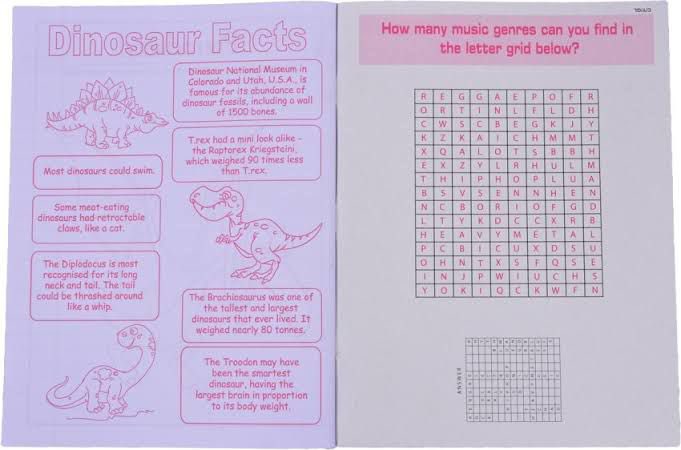
One kid learns about it and tells the other, then they tell others how they got to know about it, and it spreads like wildfire.
A lot of kids, in fact, go to the stationery shops just to read these facts.
A lot of kids, in fact, go to the stationery shops just to read these facts.
And that breeds inner remarkability — something even ‘Finance with Sharan’ wrote in his book ‘Zero to Viral’.
If there is something in the product that the consumers don’t expect, they tend to talk about it.
It’s that simple. Making kids talk about something is extremely easy.
If there is something in the product that the consumers don’t expect, they tend to talk about it.
It’s that simple. Making kids talk about something is extremely easy.
Because not only do they love sharing how superior they are in front of their friends, they love showing off their knowledge.
Classmate leveraged this concept of identity formation among students through its products.
Classmate leveraged this concept of identity formation among students through its products.
As of 2019, Classmate had a consumer spend of Rs 1,500 crore in the notebook segment and a share of about 25% in the Rs 6,500 crore organized market.
The Indian stationery market has witnessed steady growth over the years, and is expected to grow at a CAGR of 6-8% during 2023-2028.
Thanks to the contributions of — increasing literacy rates, growing population, and rising disposable incomes.
Thanks to the contributions of — increasing literacy rates, growing population, and rising disposable incomes.
But the share of the organized players in the industry is less than the unorganized players,
and ITC expects to expand its taking on the unorganized sector.
and ITC expects to expand its taking on the unorganized sector.
If you liked this read do ReTweet🔄the 1st tweet
and follow us @FinFloww for such threads every Monday, Wednesday and Friday!
and follow us @FinFloww for such threads every Monday, Wednesday and Friday!
Loading suggestions...