
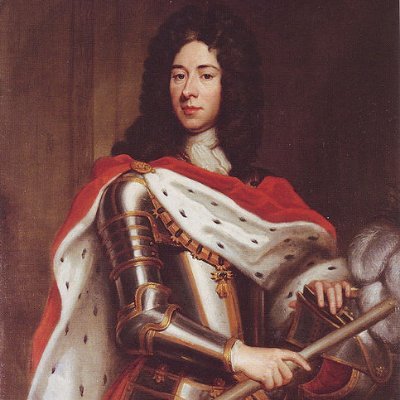
The Romans had quite a bad reputation in the Middle Ages.
Dante Alighieri wrote that they spoke the ugliest dialect in Italy and that "this should come as no surprise, for they also stand out among all Italians for the ugliness of their manners and their outward appearance."
Dante Alighieri wrote that they spoke the ugliest dialect in Italy and that "this should come as no surprise, for they also stand out among all Italians for the ugliness of their manners and their outward appearance."
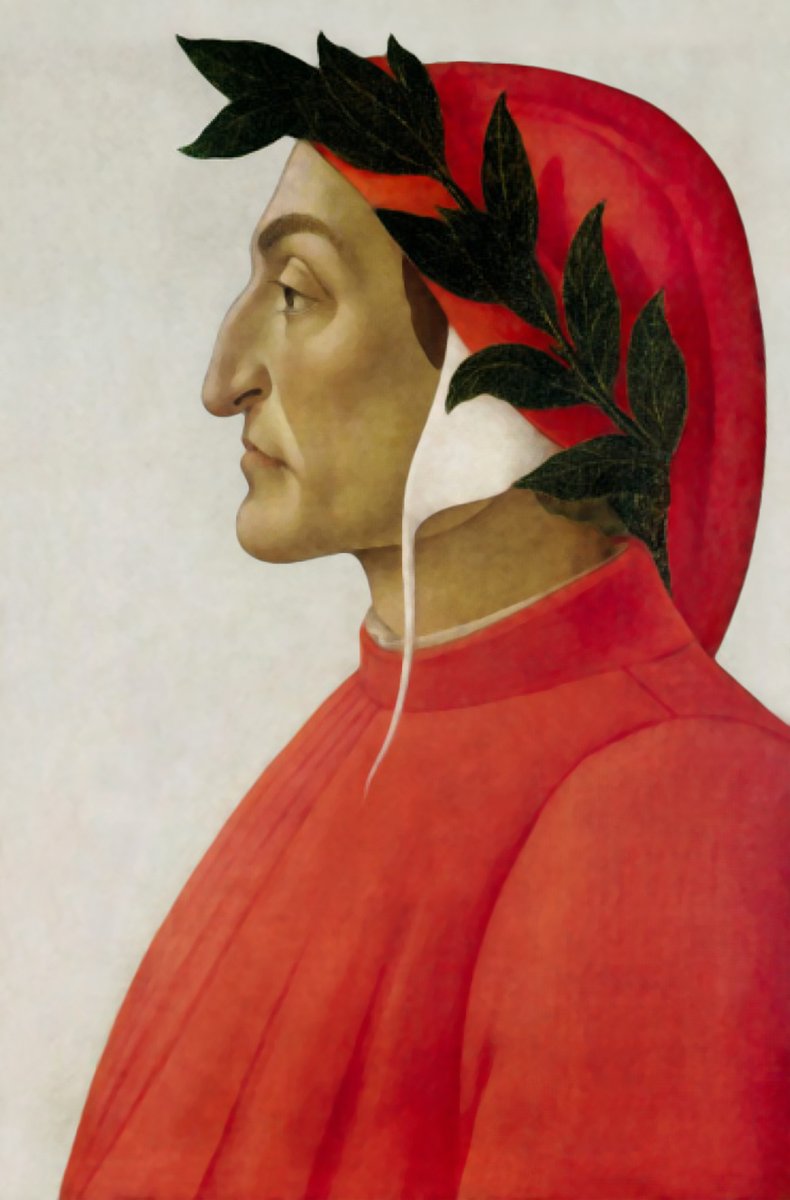
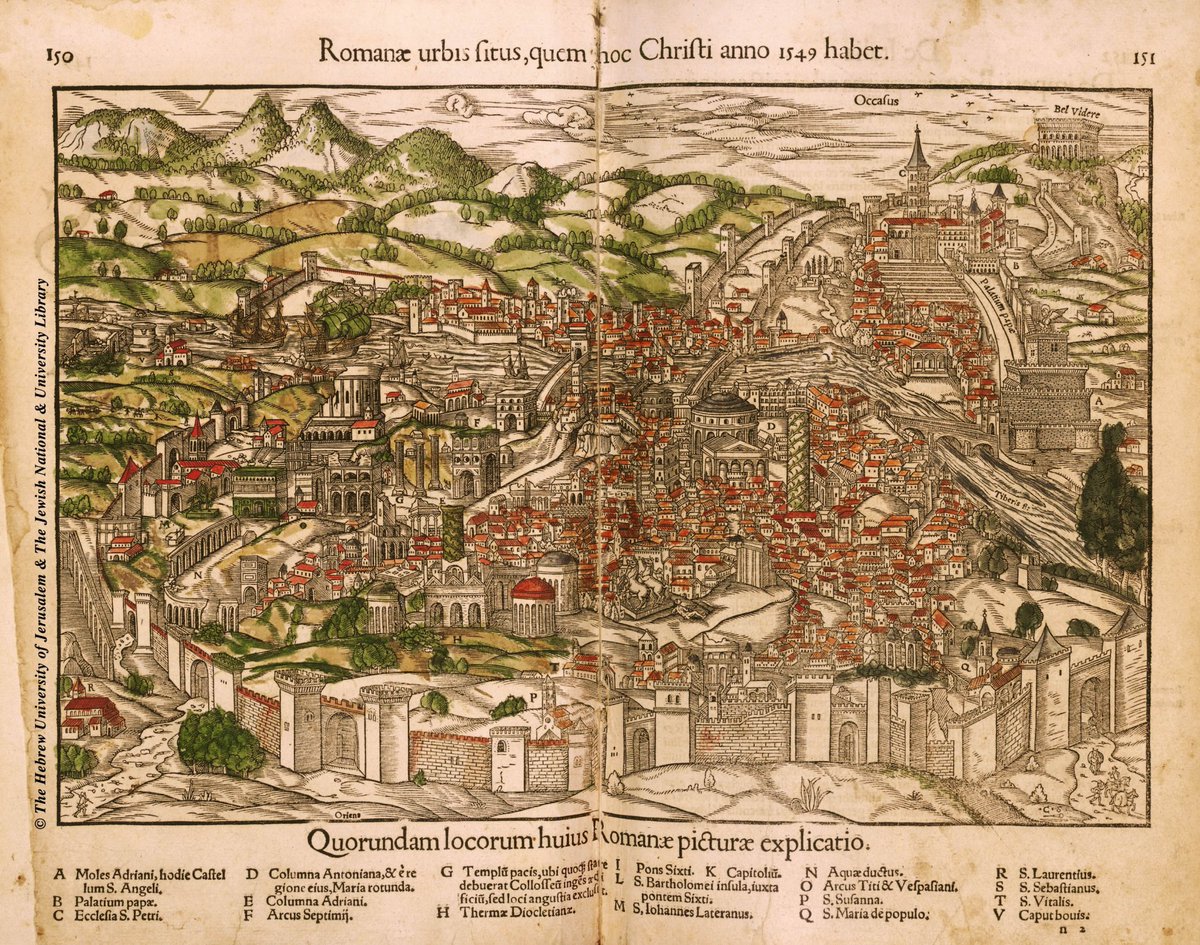
"For what the Romans speak is not so much a vernacular as a vile jargon, the ugliest of all the languages spoken in Italy."
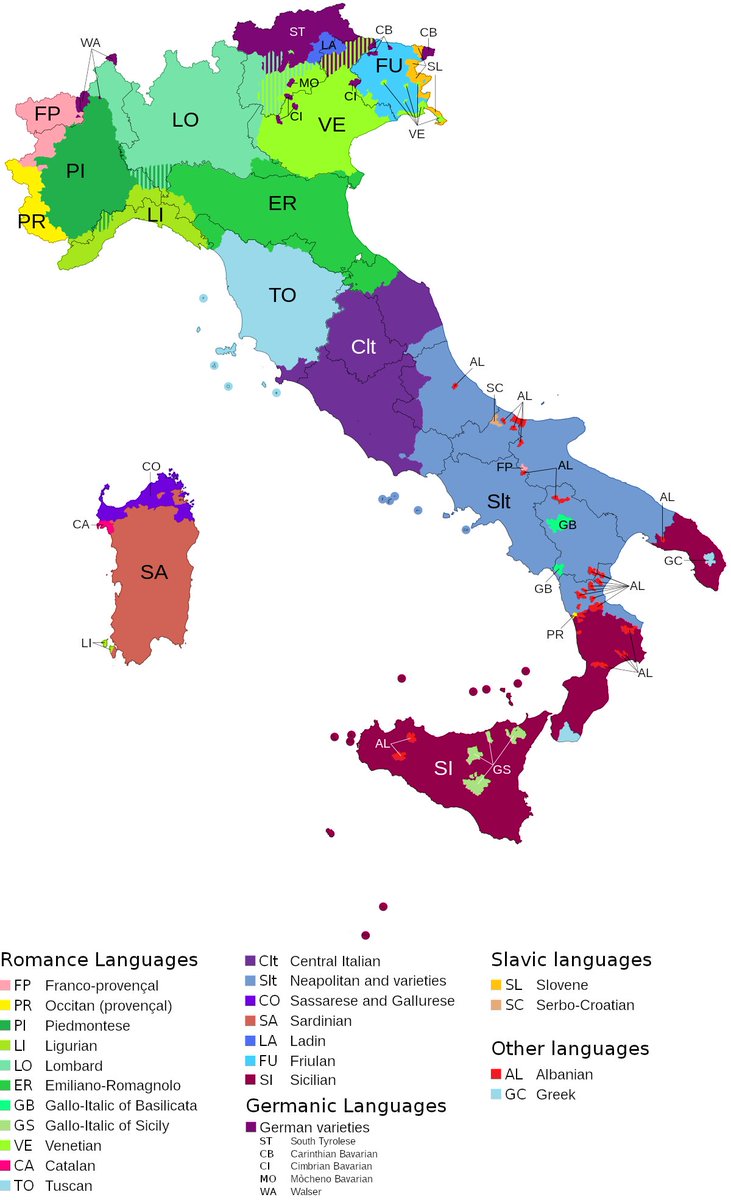
But it should also be noted that in the Middle Ages the Roman dialect was different to modern one and belonged to southern Italian group of dialects.
But it should also be noted that in the Middle Ages the Roman dialect was different to modern one and belonged to southern Italian group of dialects.
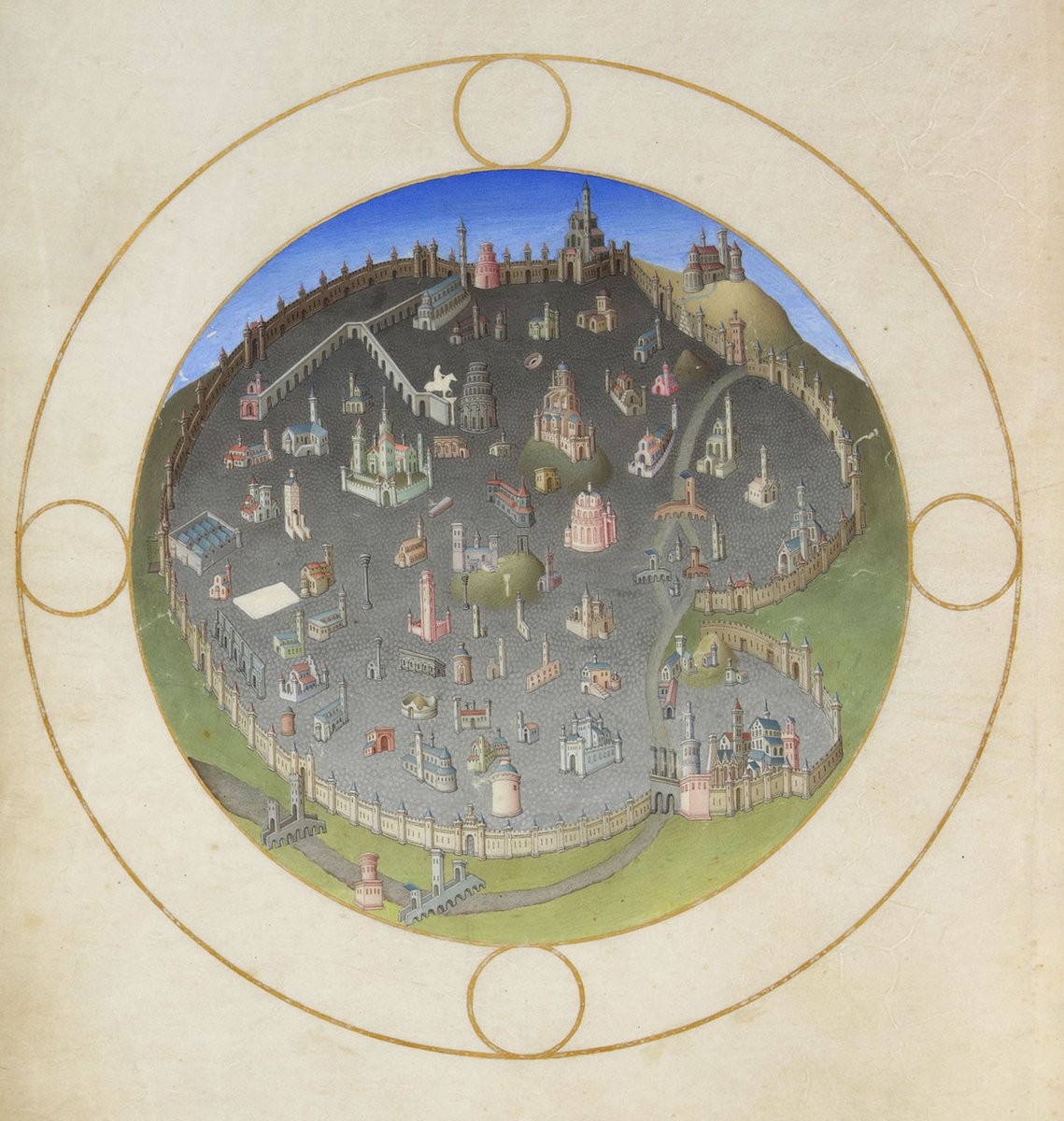
From 16th century on Roman dialect underwent a stronger influence from Tuscan dialects.
This started happening during the Medici popes and even more so after the sack of Rome in 1527 which caused a large immigration from Tuscany.
It now belongs to Central Italian dialects!
This started happening during the Medici popes and even more so after the sack of Rome in 1527 which caused a large immigration from Tuscany.
It now belongs to Central Italian dialects!
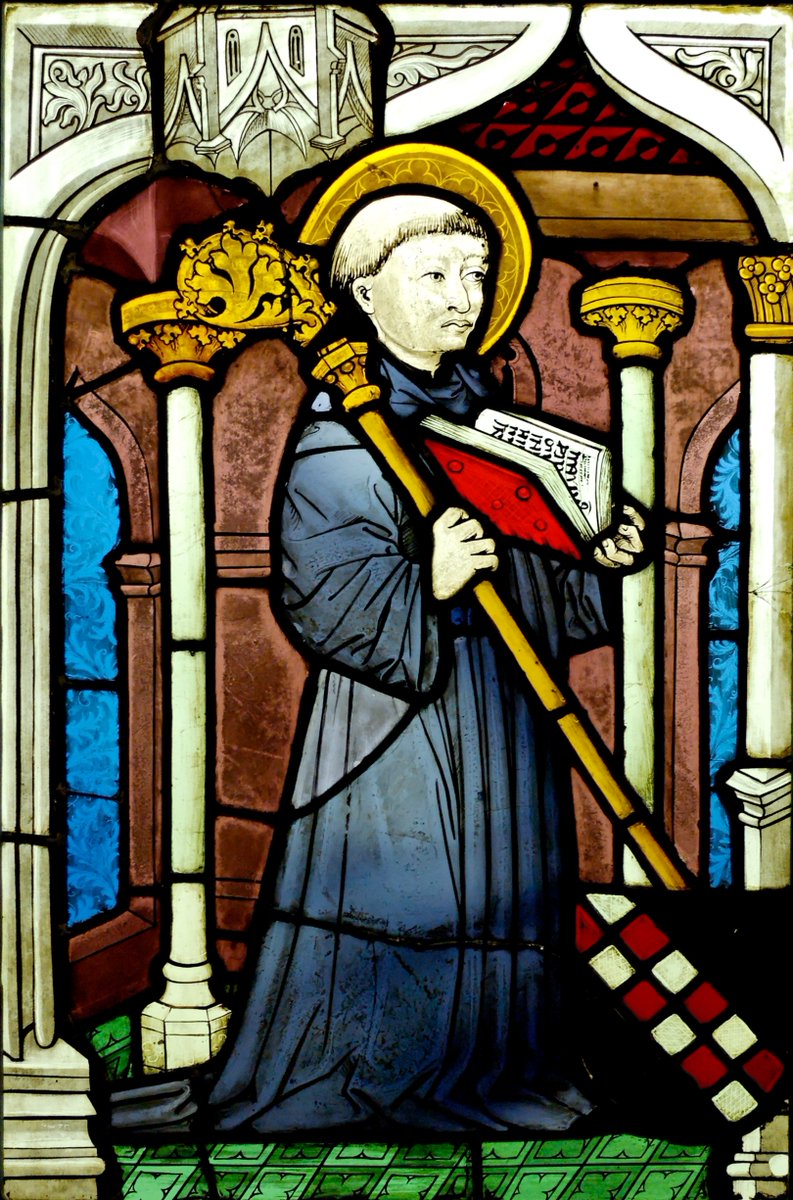
St Bernard of Clairvaux described Romans as "an uncouth and churlish people, who cannot be ordered unless they are forced; the greatest experts in doing evil, incapable of doing good. Obnoxious to the earth and to the heavens because they have used violence to both."
"Impious towards God, totally without respect for sacred things;quarrelsome even between themselves, intolerant of their neighbors, inhumane to foreigners. They like no one and are liked by nobody and while they try to be feared by everyone, in reality they should fear everyone."
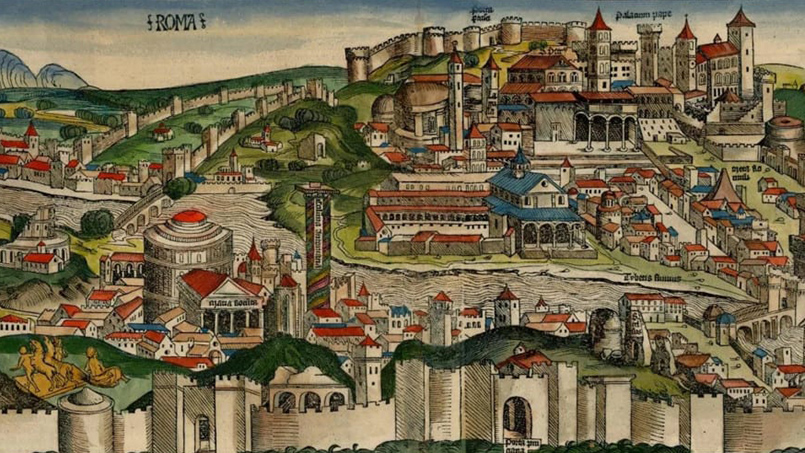
But why were the Romans so hated in the Middle Ages even though Rome had special importance in the West?
It was largely precisely because of that.
Due to its political situation Rome was in the middle of struggles between papacy and empire and the Romans were interfering in it.
It was largely precisely because of that.
Due to its political situation Rome was in the middle of struggles between papacy and empire and the Romans were interfering in it.
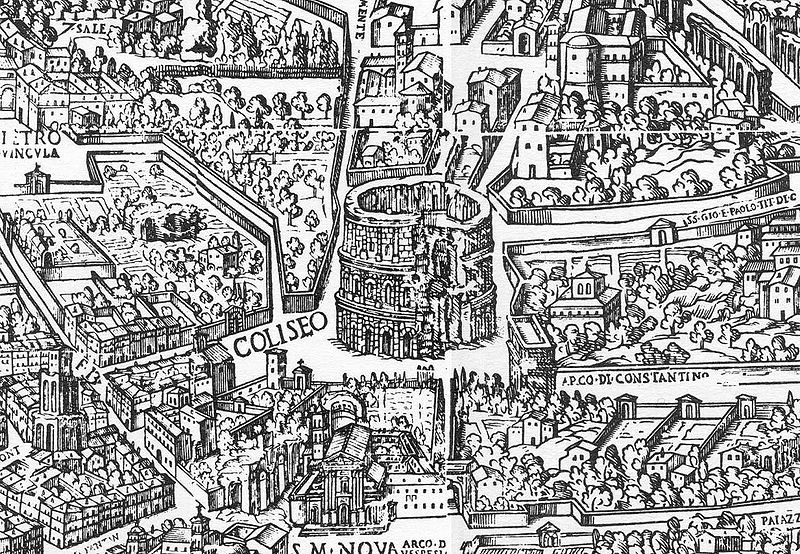
Outsiders did not like the Romans interfering in affairs of these two universal powers of medieval Europe.
They were seen as intruders and profiteers who tried to deal with questions that largely exceeded their competence and extended far beyond their importance!
They were seen as intruders and profiteers who tried to deal with questions that largely exceeded their competence and extended far beyond their importance!
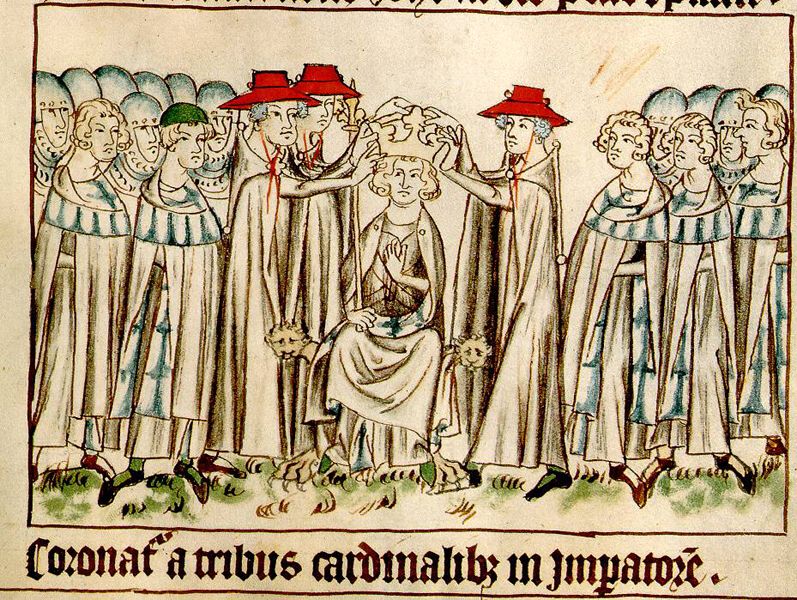
The Romans often tried to take an independent position towards the papacy and the empire.
St Bernard was very angry when the established the Commune of Rome in 1144 which kept the popes away.
This led to feelings of bitter irritation towards the Romans as revealed in the quote.
St Bernard was very angry when the established the Commune of Rome in 1144 which kept the popes away.
This led to feelings of bitter irritation towards the Romans as revealed in the quote.

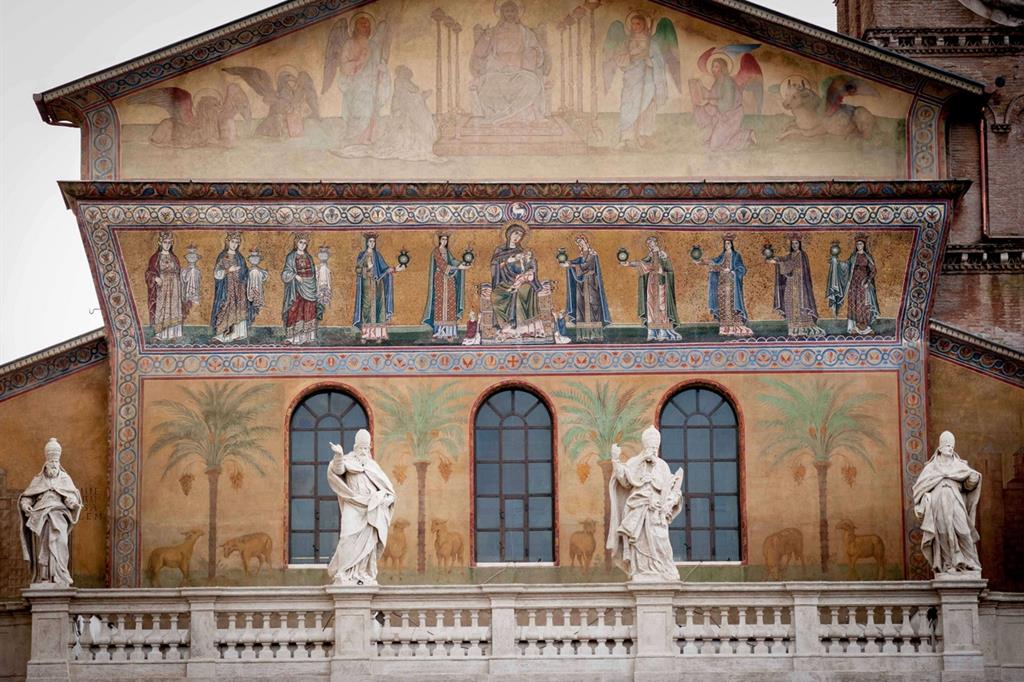
It's interesting that the Romans themselves did not try to build their identity on their glorious past, of which they were otherwise aware of, but were more focused on religious identity of the city, which was also more relevant for the world in which they lived in.
I'm going to post more about medieval Roman history as I find it very interesting.
This was just a short thread with some interesting quotes.
My source is Paolo Delogu "The post-imperial Romanness of the Romans" in Transformations of Romanness, page 157-171.
This was just a short thread with some interesting quotes.
My source is Paolo Delogu "The post-imperial Romanness of the Romans" in Transformations of Romanness, page 157-171.
Loading suggestions...