
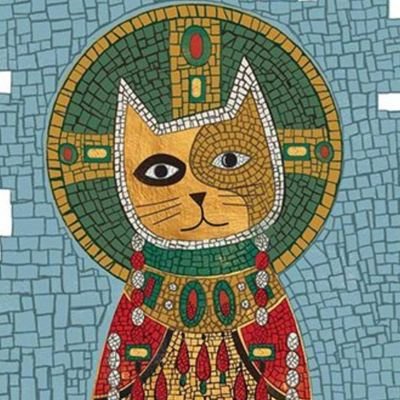
Heh, if anyone would dare to say it to the emperor in Constantinople, it would not end well. Once again, there was no Byzantium, and there was no Byzantine Empire. It is an invention made by a German historian almost a century after the #Roman Empire's fall in 1453.
A thread🧵
A thread🧵
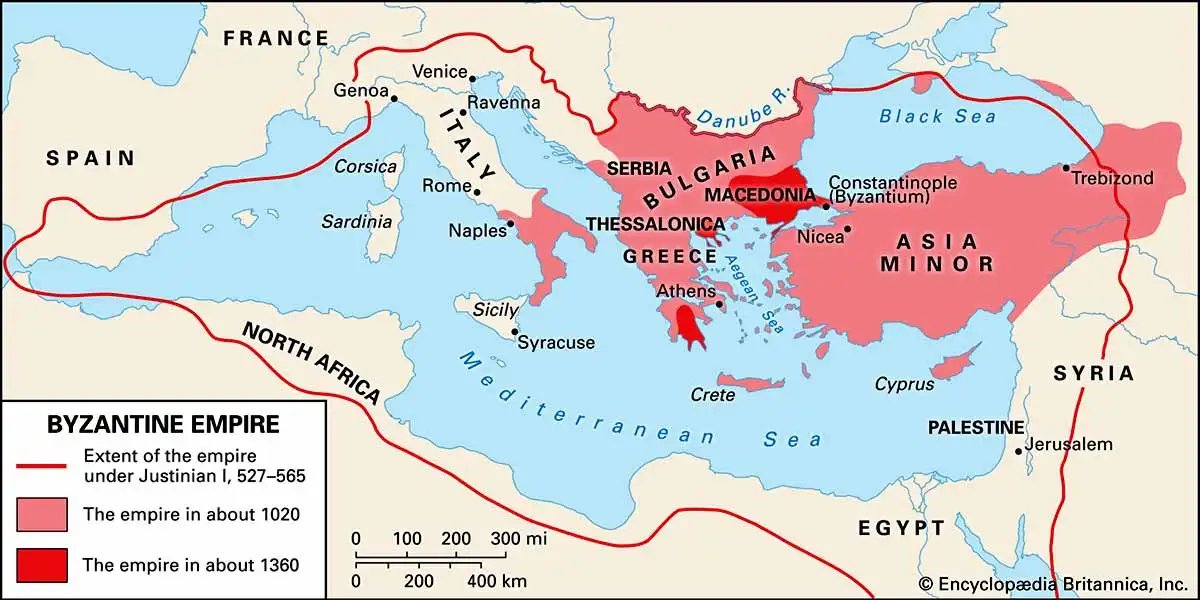
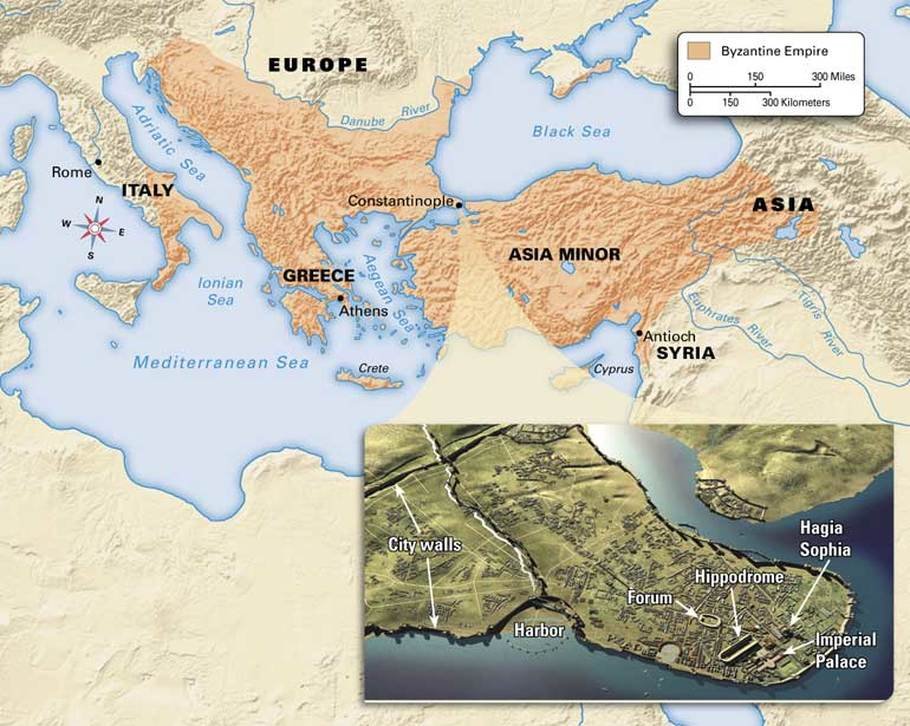
The inhabitants of the “Byzantine Empire” called themselves “Rhomaoi” – the #Romans. And their Empire was known as “Basilea ton Rhomaion” or “The Empire of the Romans.” For the Rhomaoi, the infamous “Fall of Rome” was a mere whisper. /1
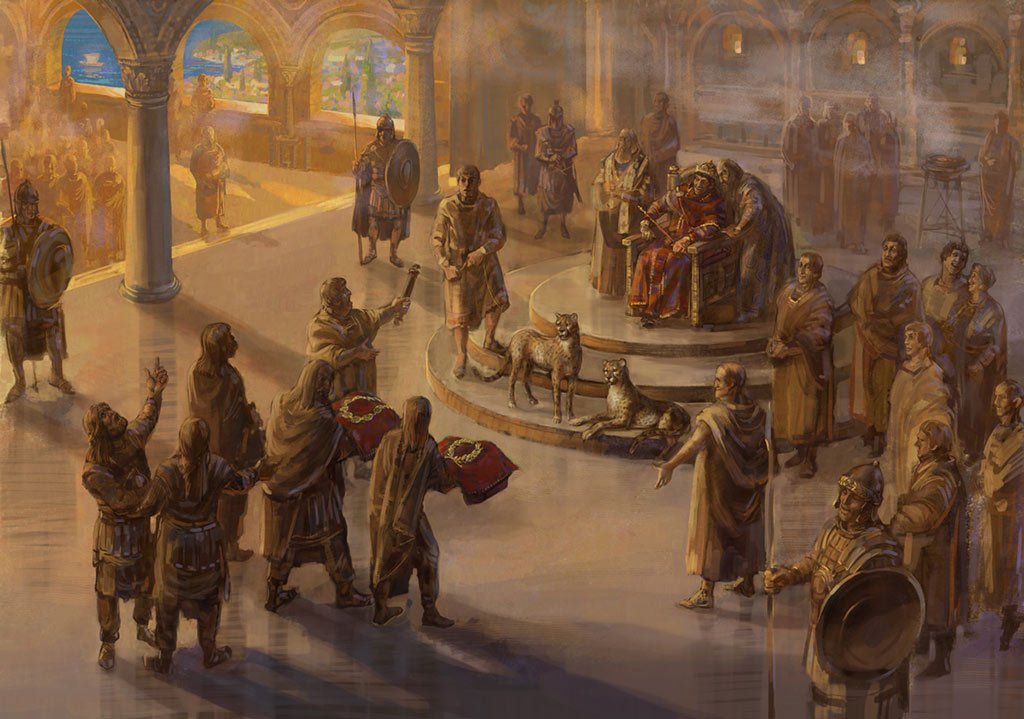
Already in the fourth century, the center of power shifted eastwards – to the newly built Constantinople. Rome remained a symbol but nothing more. The emperor in Constantinople maintained seniority over his Western peers, who held the court first in Milan and then Ravenna. /2
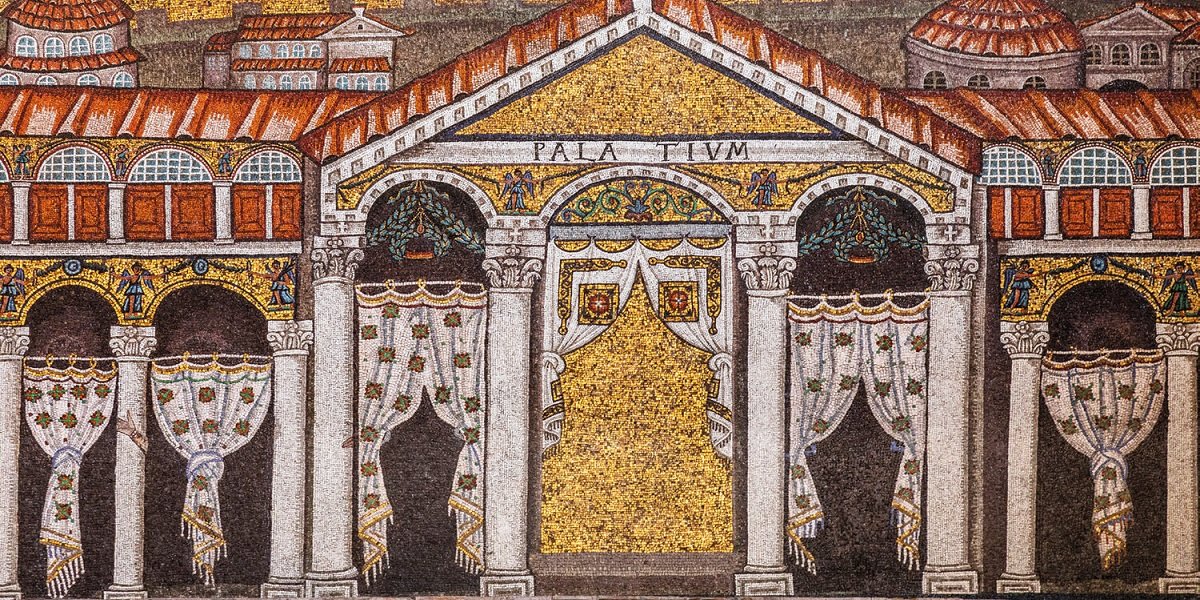
And when Rome “fell,” life continued as usual for the Romans. The emperor, the government, and the military, the main pillars of the state, continued their existence in the East, in Constantinople – the imperial capital. /2
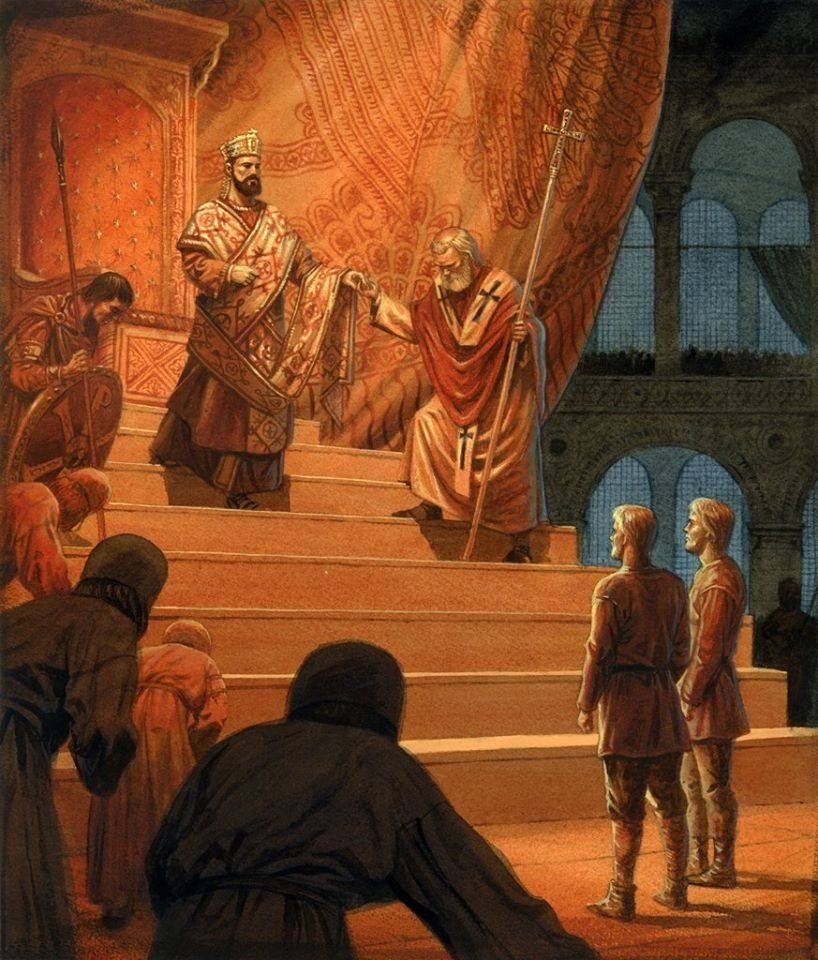
The emperor in Constantinople (who referred to himself first as augustus and then as basileus) considered himself the most important ruler in the Medieval world. For him, the western kings were nothing more than a bunch of barbarian pretenders. /3
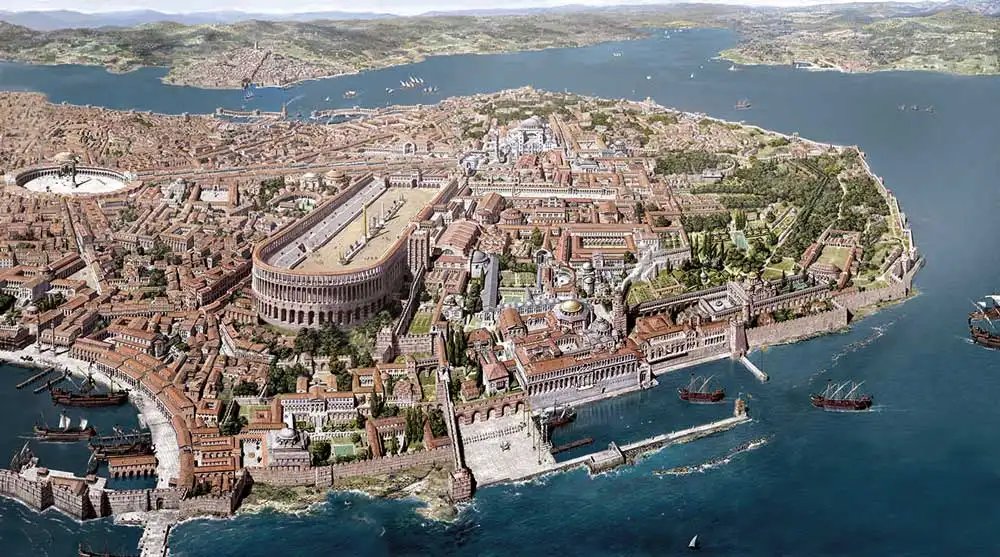
For centuries, Constantinople, the Empire’s capital, retained its status as the largest city in the world, a place that others looked upon with a mixture of awe and jealousy. /4
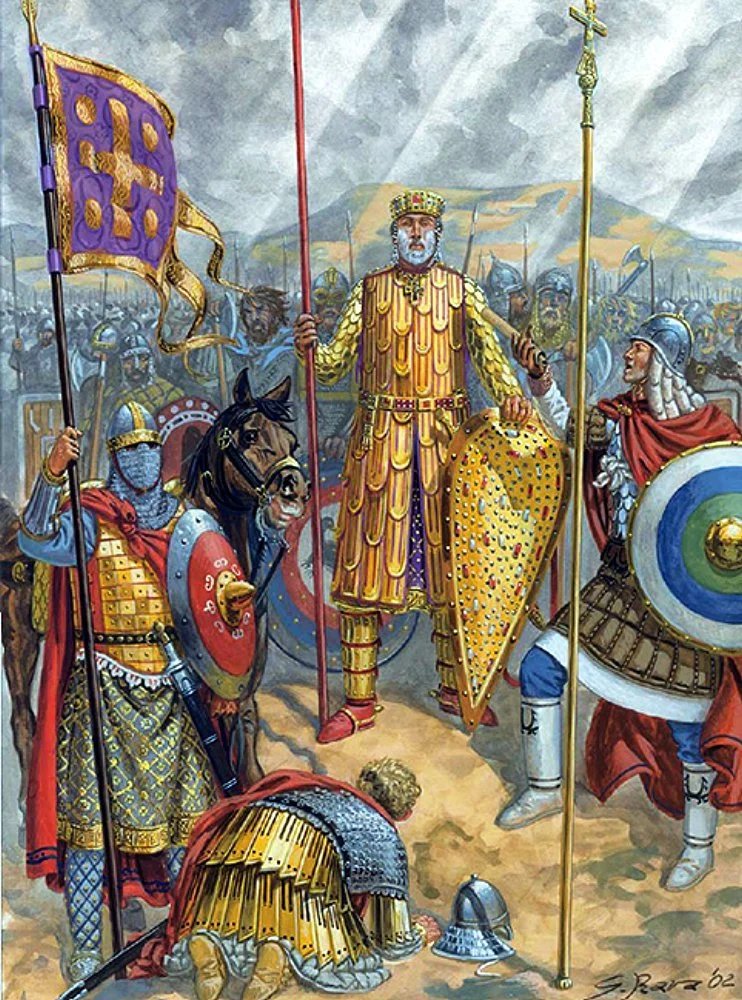
The imperial armies, although smaller than the iconic Roman legions, not only defended the Empire. They also extended its borders, and despite the numerous threats, the “#Byzantine Empire” remained the most powerful European state until the early 13th century. /5
Only in the last centuries had the Empire developed a distinctive, Greek-influenced identity and culture. This was largely due to the growing rift between Eastern and Western Christianity that culminated with the Fourth Crusade and the Sack of Constantinople in 1204. /6
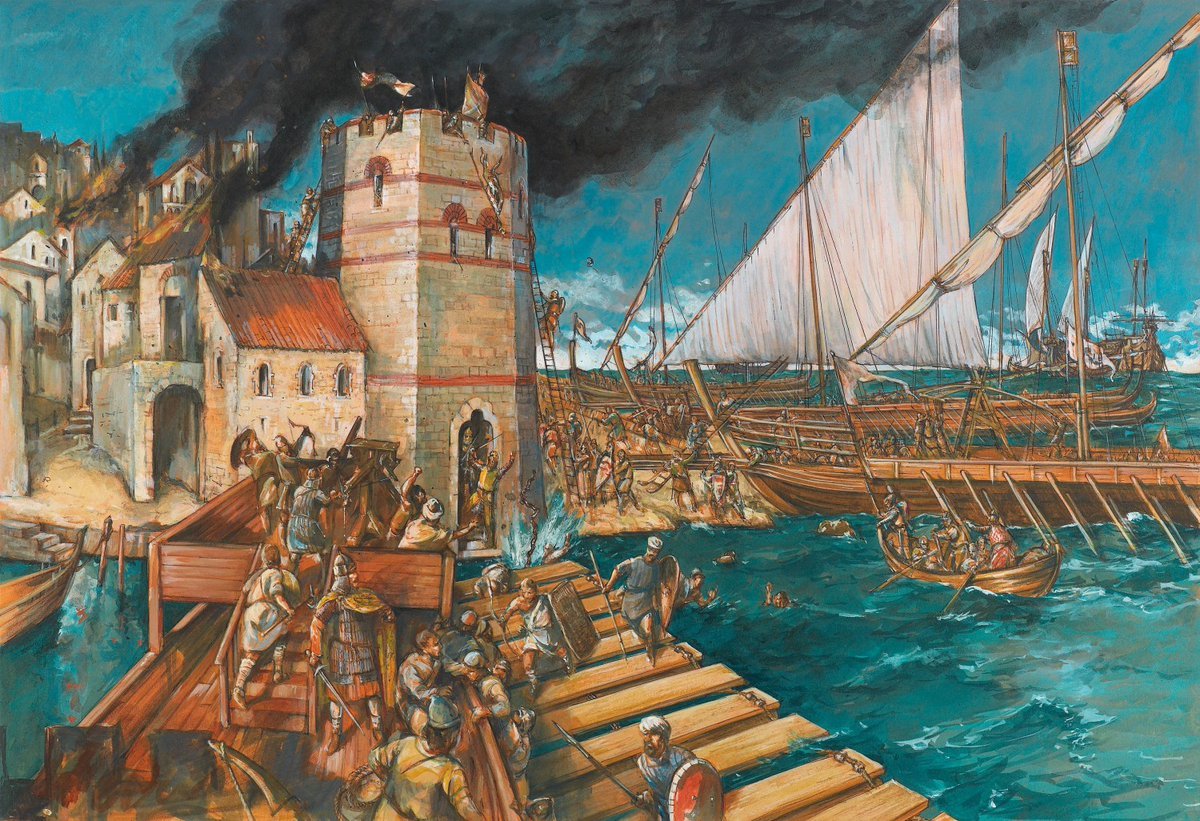
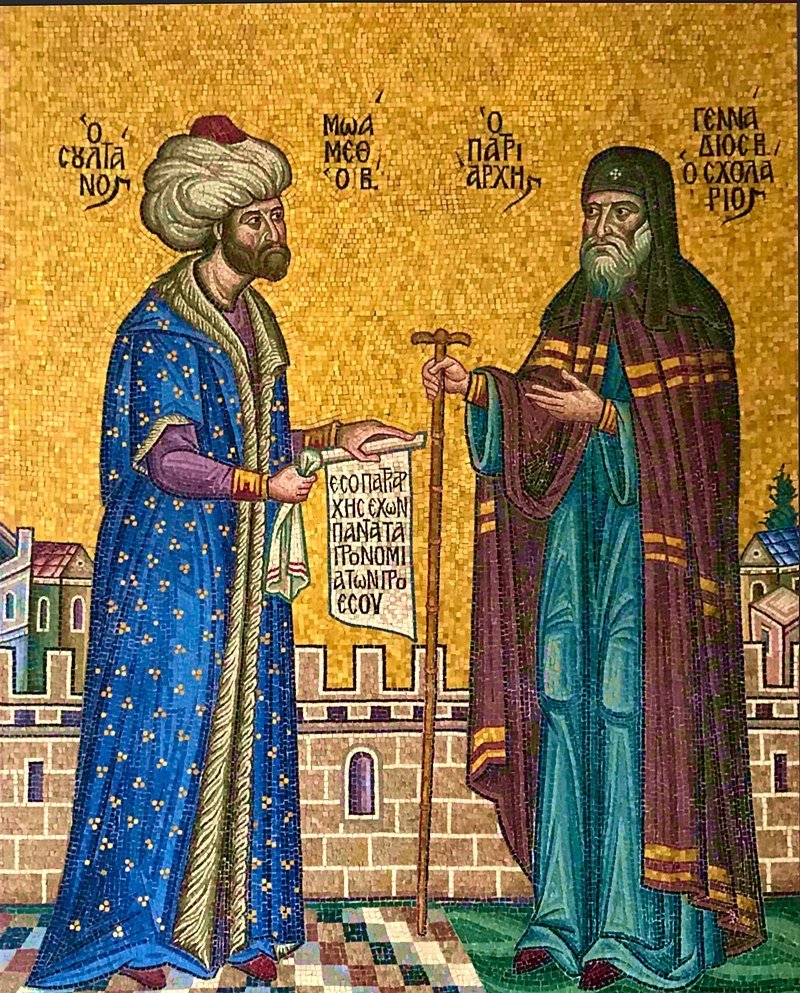
Yet, until the end, the emperor and his subjects continued to cherish their Roman roots. Even the great conqueror, Ottoman sultan Mehmed II claimed the title “Caesar of Rome” after taking Constantinople in 1453, ending the Roman Empire. Yet, Ottomans were not Romans/7
The first mention of the “Byzantine Empire” can be found more than a hundred years after the Empire’s demise. In the 16th century, a German scholar Hieronymus Wolf titled his collection of sources on the now-extinct empire “Corpus Historiae Byzantinae.” /8
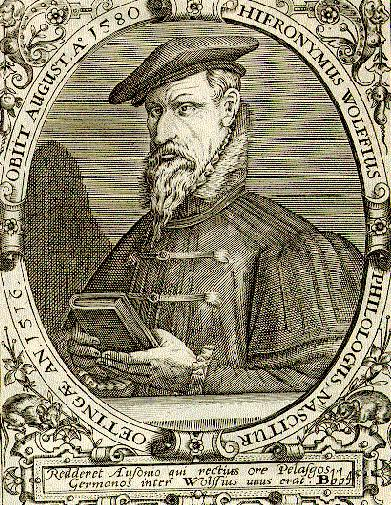
By this, he set in motion the long #history of misunderstanding, which would erase the Roman identity, supplanting it with an artificial one – the "Byzantine." /9

Yet, it was an 18th-century scholar who would solidify that hostility towards the Medieval Roman Empire. In his influential “The Decline and Fall of the Roman Empire,” the historian Edward Gibbon portrayed the Byzantines in the worst way possible. /10
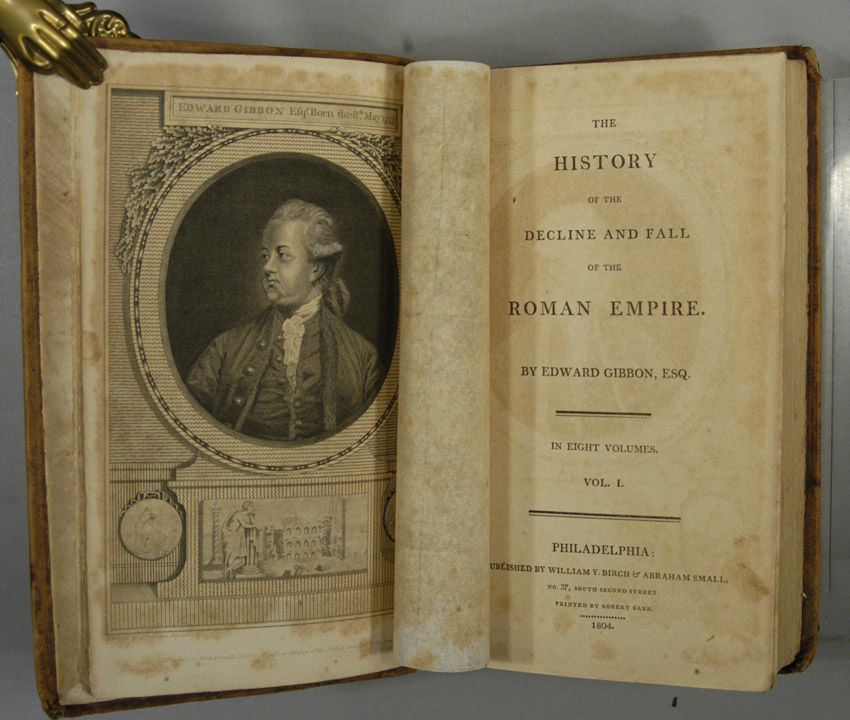
For Gibbon, the Eastern Romans were the opposite of the noble martial culture of ancient Rome. The Byzantines were incompetent cowards, embroiled in internal conspiracies, intrigues, and assassinations. /11
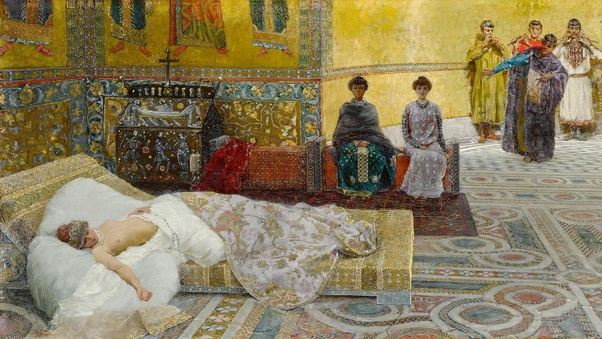
Their armies were awfully inadequate, paralyzed by the ambitions of their generals, inept emperors, and bad training and discipline. Christianity paralyzed cultural and artistic development, replacing classical progress with decadence and superstition. /12
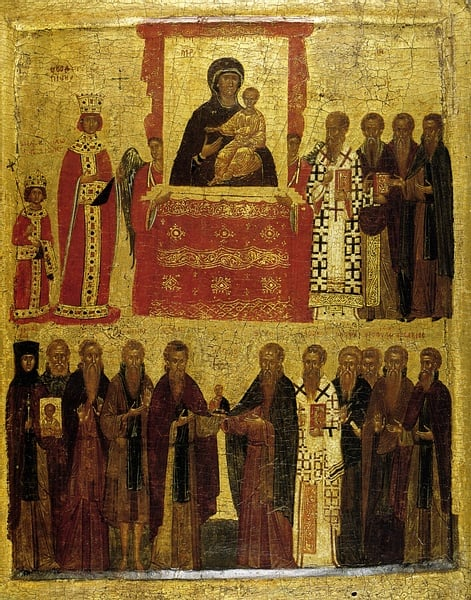
According to Gibbon, the Byzantine Empire survived only due to a series of miracles, and it was way overdue for its extinction, which finally put it out of its misery in 1453. /13
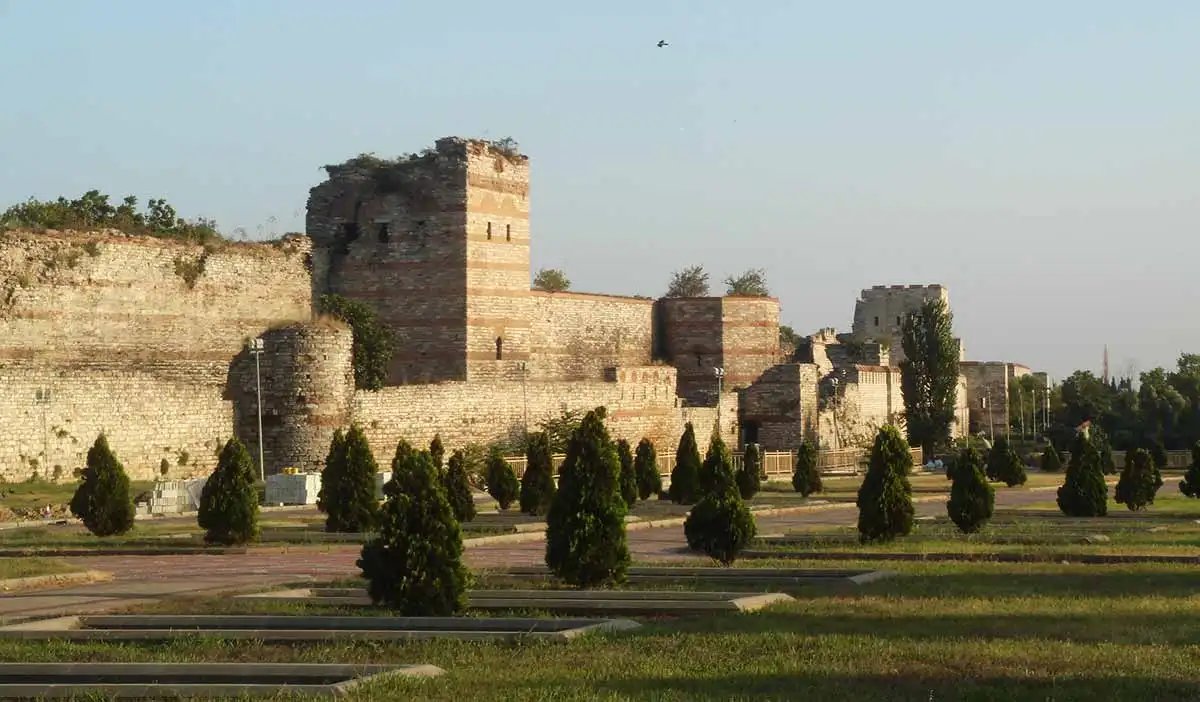
Gibbon’s view was so influential that it became the prevalent way of how scholars treated the Byzantine Empire in the following centuries. As a decadent "Empire of the Greeks." /14
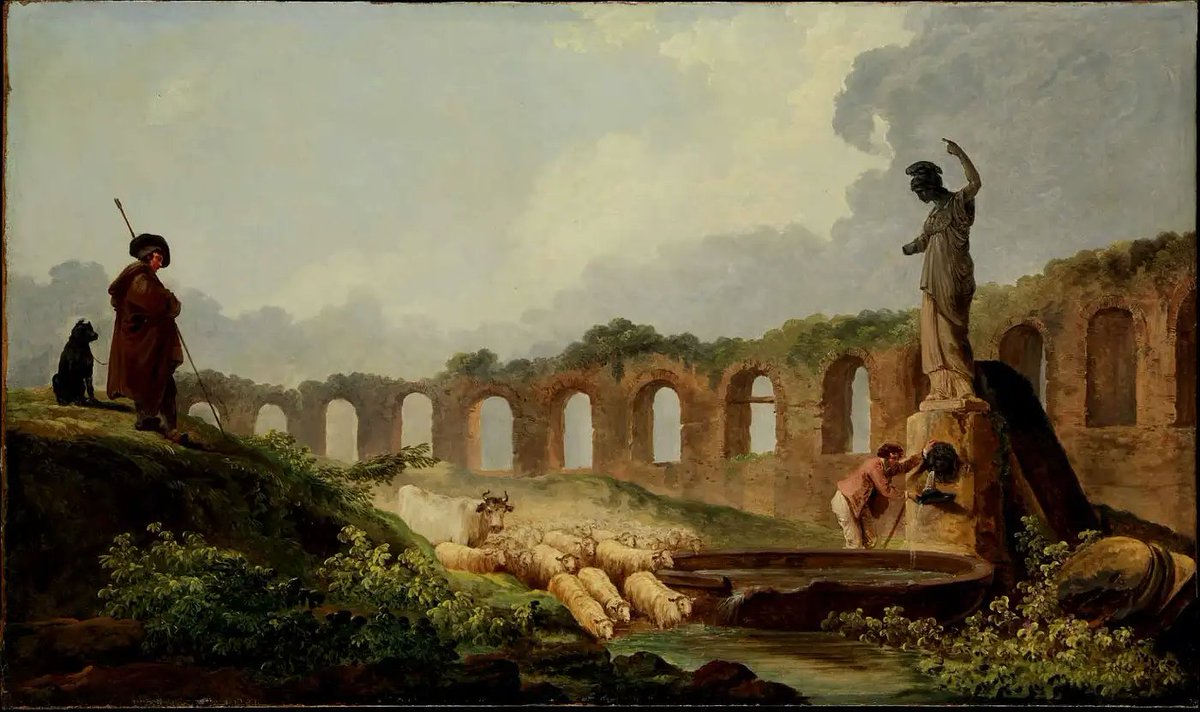
Thankfully, from the second half of the 20th century, the situation began to change. Nowadays, the Medieval Roman Empire is perceived as a resilient and powerful state, which adapted remarkably well to the acid test of history. /15
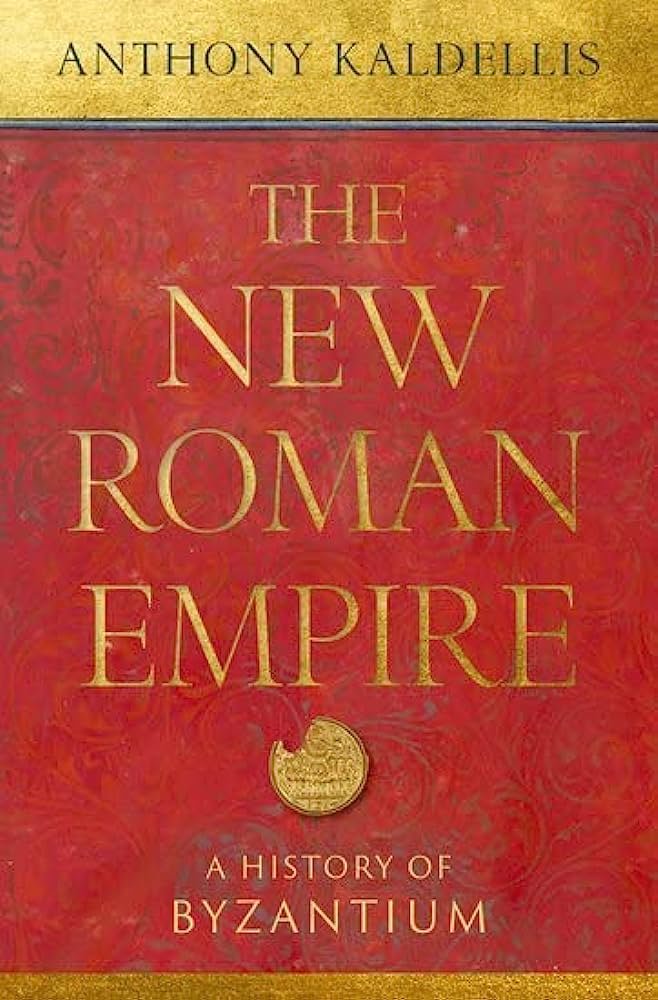
Unlike the illustrious predecessor, so much lauded by Gibbon, the “Byzantine Empire” or THE Roman Empire survived the numerous challenges, prospered, and left an indelible mark on #European and global history. /16
Loading suggestions...