

FARMING LESSON!
ORGANIC FARMING (Definition, Principles, Types, Examples and Advantages):
In this Tweet-thread, we shall discuss ORGANIC FARMING in details.
Don't forget to #FOLLOW_ME for All Farming News,Tips & Discussions.
Like & Retweet.
#LetsFarmTogether
THREAD: 1/14.
ORGANIC FARMING (Definition, Principles, Types, Examples and Advantages):
In this Tweet-thread, we shall discuss ORGANIC FARMING in details.
Don't forget to #FOLLOW_ME for All Farming News,Tips & Discussions.
Like & Retweet.
#LetsFarmTogether
THREAD: 1/14.
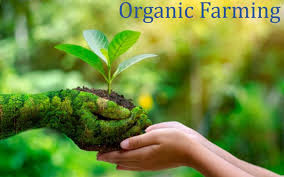
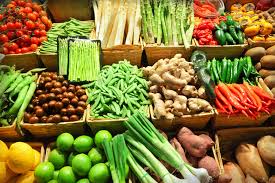
a). DEFINITION:
Organic farming is a sustainable agricultural system that uses ecological pest control and biological fertilizers derived mainly from animal & plant wastes and nitrogen-fixing cover crops.
It limits the use of chemical pesticides and Synthetic fertilizers.
2/14.
Organic farming is a sustainable agricultural system that uses ecological pest control and biological fertilizers derived mainly from animal & plant wastes and nitrogen-fixing cover crops.
It limits the use of chemical pesticides and Synthetic fertilizers.
2/14.
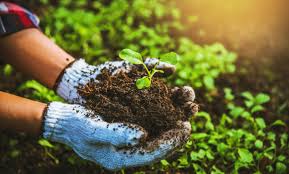
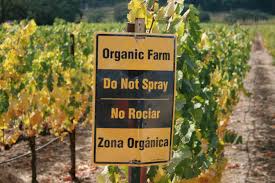
b). PRINCIPLES OF ORGANIC FARMING:
1. Health: Organic farming should improve soil health, thus sustaining plants, animals, humans as well as the planet.
2. Ecology: Organic farming should support natural cycles and living systems and help in sustaining them.
3/14.
1. Health: Organic farming should improve soil health, thus sustaining plants, animals, humans as well as the planet.
2. Ecology: Organic farming should support natural cycles and living systems and help in sustaining them.
3/14.
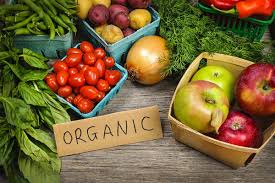
3. Fairness: It should be built on strong relationships that encourage fairness concerning the environment, social justice, and fair trade.
4. Care: Organic farming should be done with responsibility, considering the environment and future generations.
4/14.
4. Care: Organic farming should be done with responsibility, considering the environment and future generations.
4/14.
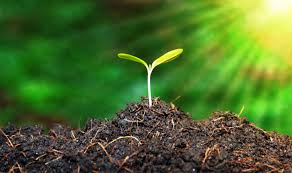
c). TYPES OF ORGANIC FARMING:
1. Pure Organic Farming (POF).
Pure organic farming completely avoids inorganic chemicals as these chemicals harm the crop, soil, crop, and people who consume it.
Organic fertilizers and bio-pesticides derived from natural sources are used.
5/14.
1. Pure Organic Farming (POF).
Pure organic farming completely avoids inorganic chemicals as these chemicals harm the crop, soil, crop, and people who consume it.
Organic fertilizers and bio-pesticides derived from natural sources are used.
5/14.
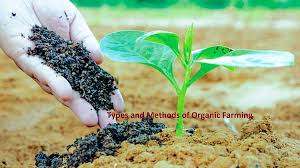
2. Integrated Organic Farming (IOF).
This is a cyclical, zero-waste procedure, where waste products from one process are cycled in as nutrients for other processes. This allows the maximum utilisation of resources and increases the efficiency of production.
6/14.
This is a cyclical, zero-waste procedure, where waste products from one process are cycled in as nutrients for other processes. This allows the maximum utilisation of resources and increases the efficiency of production.
6/14.
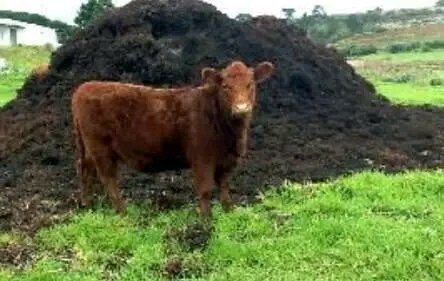
In IOF, there is no need to use chemical fertilisers for crops, as cattle excreta (dung) are used as manure. Crop waste is used to create compost, which can be used as a natural fertiliser or can be used to generate natural gas for satisfying the energy needs of the farm.
7/14.
7/14.
d). EXAMPLES OF ORGANIC FARMING PRACTICES:
1. Crop rotation. This is the practice of planting one crop, season after season, on the same piece of land.
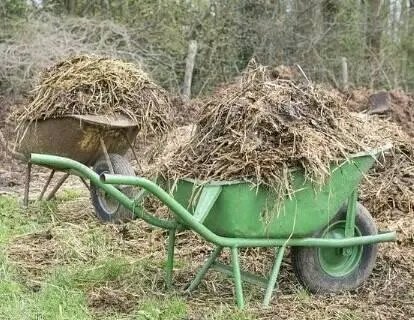
2. Use of organic manures such as compost, farmyard and green manure.
8/14.
1. Crop rotation. This is the practice of planting one crop, season after season, on the same piece of land.
2. Use of organic manures such as compost, farmyard and green manure.
8/14.
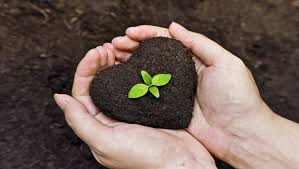
3. Use of local crop varieties and local animal breeds adapted to the particular area conditions.
4. Use of biological pest control methods such as use of natural enemies, trap crops and repellent crops.
9/14.
4. Use of biological pest control methods such as use of natural enemies, trap crops and repellent crops.
9/14.
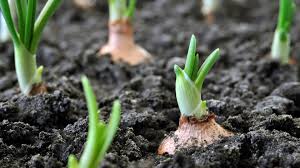
5. Avoiding any use of Genetically Modified Organisms (GMOs) as well as products produced by or with GMOs.
10/14.
10/14.
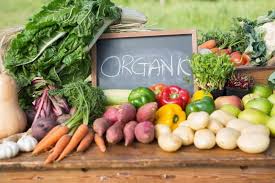
e). ADVANTAGES OF ORGANIC FARMING:
1. Organic foods are free of harmful pesticides, antibiotics, and additives.
2. Farmers can reduce their production costs since they don’t have to spend a lot of money on chemicals and fertilizers.
11/14.
1. Organic foods are free of harmful pesticides, antibiotics, and additives.
2. Farmers can reduce their production costs since they don’t have to spend a lot of money on chemicals and fertilizers.
11/14.
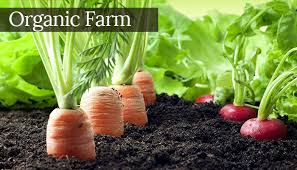
3. In the long term, organic farms save energy and protect the environment.
4. More animals and plant can be integrated in the same place in a natural way which increases biodiversity.
5. The nutritional value is higher in organic foods than in GMOs.
12/14.
4. More animals and plant can be integrated in the same place in a natural way which increases biodiversity.
5. The nutritional value is higher in organic foods than in GMOs.
12/14.
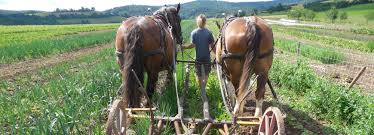
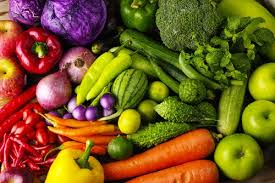
6. Organic foods have a high market value which increases the farmer's income thus improving the standards of living.
7. etc.
*PRACTICE ORGANIC FARMING TODAY. YOU WILL THANK ME TOMORROW.
13/14.
7. etc.
*PRACTICE ORGANIC FARMING TODAY. YOU WILL THANK ME TOMORROW.
13/14.
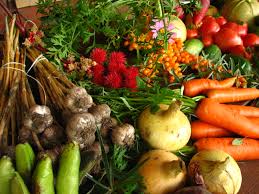
1. Don't forget to #FOLLOW_ME for ADVANCED Agriculture Extension Services & Consultancy, Digital Marketing of Agric Products and Farming Discussions/Lessons.
2. Like & Retweet this TWEET-THREAD to reach every farmer in the World.
#LetsFarmTogether
14/14.
2. Like & Retweet this TWEET-THREAD to reach every farmer in the World.
#LetsFarmTogether
14/14.
Loading suggestions...