

THE PHRYGIANS (1)
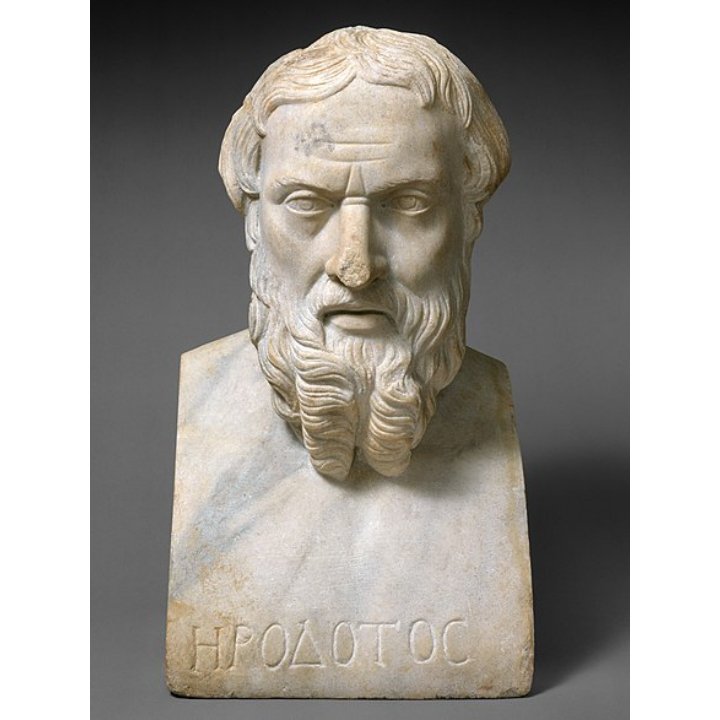
According to Herodotus (VII 73), the Phrygians, according to the Macedonians, would have been called Βµύγες as long as they cohabited with them and lived in Europe, then they would have changed their name to Φµύγες when they went to Asia.
According to Herodotus (VII 73), the Phrygians, according to the Macedonians, would have been called Βµύγες as long as they cohabited with them and lived in Europe, then they would have changed their name to Φµύγες when they went to Asia.
THE PHRYGIANS (2)
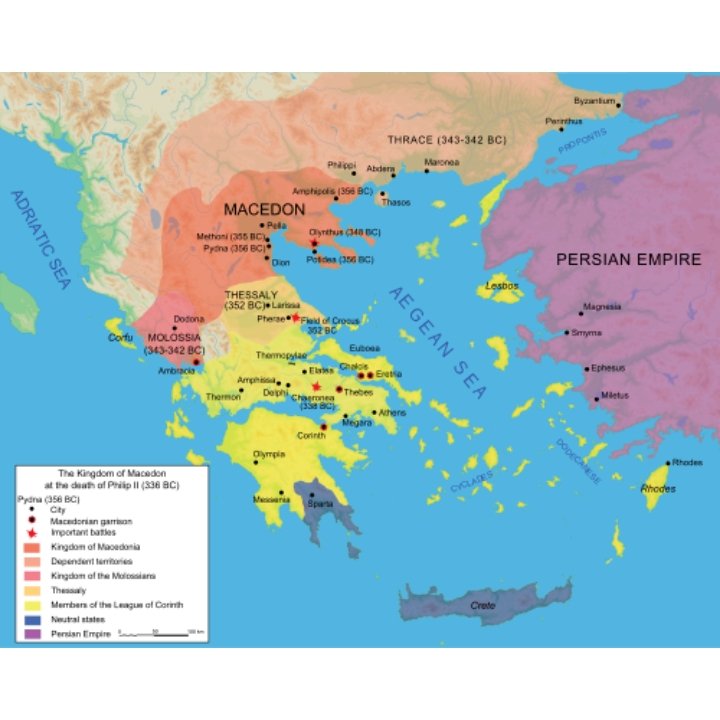
Φµύγες must therefore be the name of the #Phrygians in Greek and Βµίγες/Βµύγες could have been the one they gave themselves, but also the one given to them by the Thracians and at least one of the components of the Macedonian population.
Φµύγες must therefore be the name of the #Phrygians in Greek and Βµίγες/Βµύγες could have been the one they gave themselves, but also the one given to them by the Thracians and at least one of the components of the Macedonian population.
THE PHRYGIANS (3)
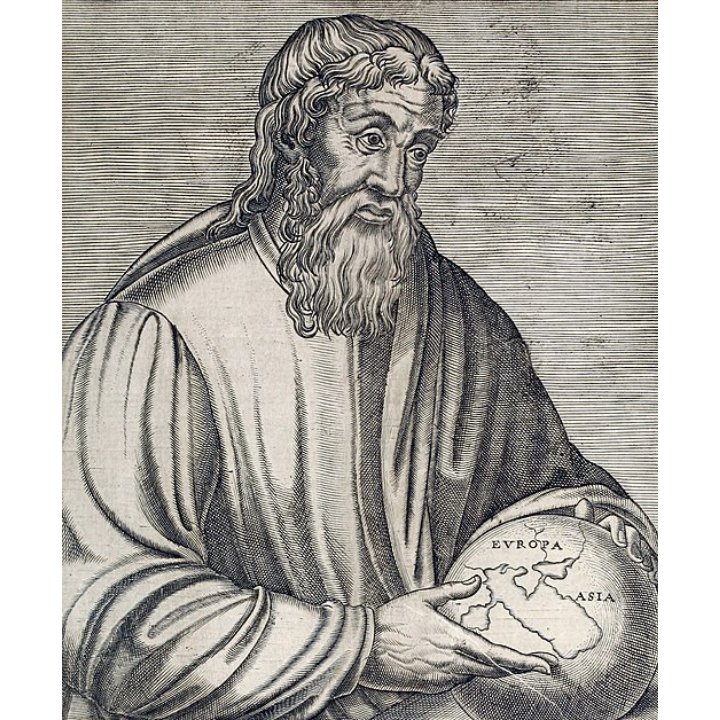
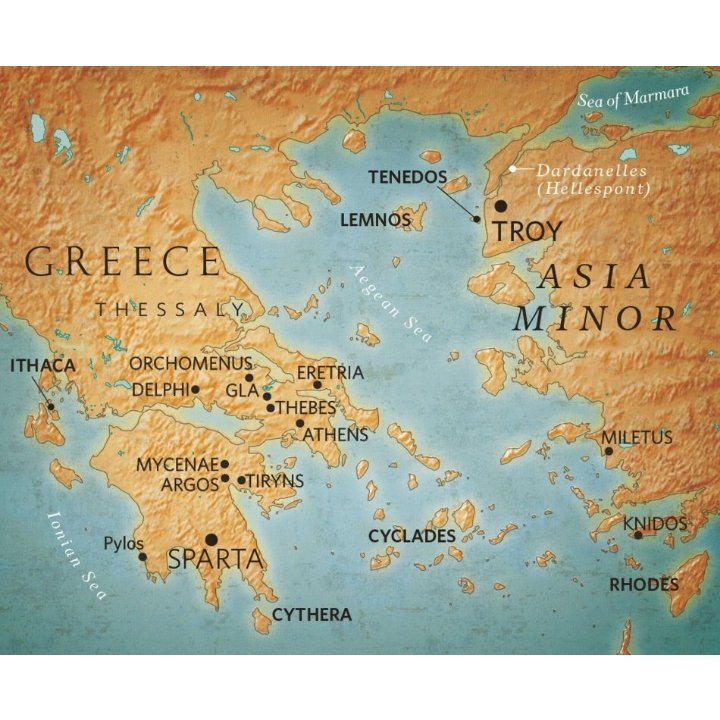
Herodotus is not the only one to bring the #Phrygians from the Balkan Peninsula, cf. again Strabo, VII 3.2 and XII 8.3, or Pliny, V. XLI 145. Moreover, certain mythical stories from Macedonia or Western Thrace recalled their stay in the region.
Herodotus is not the only one to bring the #Phrygians from the Balkan Peninsula, cf. again Strabo, VII 3.2 and XII 8.3, or Pliny, V. XLI 145. Moreover, certain mythical stories from Macedonia or Western Thrace recalled their stay in the region.
THE PHRYGIANS (4)
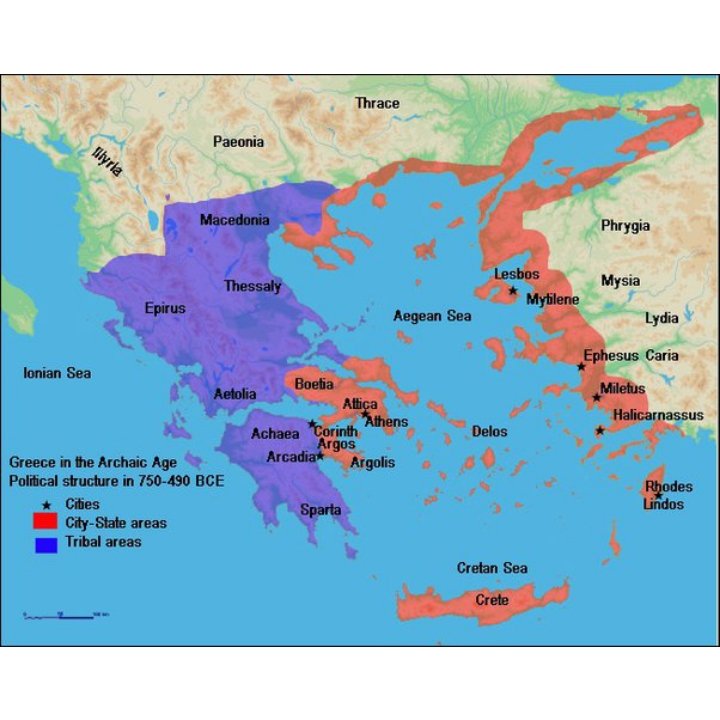
The Phrygians of Asia Minor or the residual populations of the Balkans are sometimes given as Thracians (Strabo, VII 3.2). The Phrygian migration has long been associated with the end of the Hittite empire, around –1200.
The Phrygians of Asia Minor or the residual populations of the Balkans are sometimes given as Thracians (Strabo, VII 3.2). The Phrygian migration has long been associated with the end of the Hittite empire, around –1200.
THE PHRYGIANS (5)
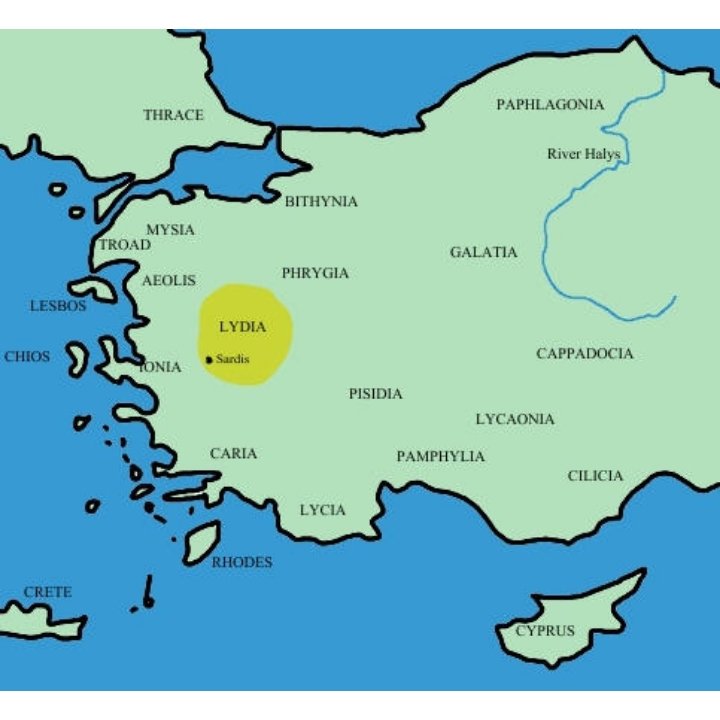
Today, in the light of archaeological data, we would tend to make it go down to the 10th and even the 9th century BC. They enter Greek literature from Homer (Iliad II 862, III 184, XXIV 545), where they appear as eastern neighbors and allies of the Trojans.
Today, in the light of archaeological data, we would tend to make it go down to the 10th and even the 9th century BC. They enter Greek literature from Homer (Iliad II 862, III 184, XXIV 545), where they appear as eastern neighbors and allies of the Trojans.
THE PHRYGIANS (6)
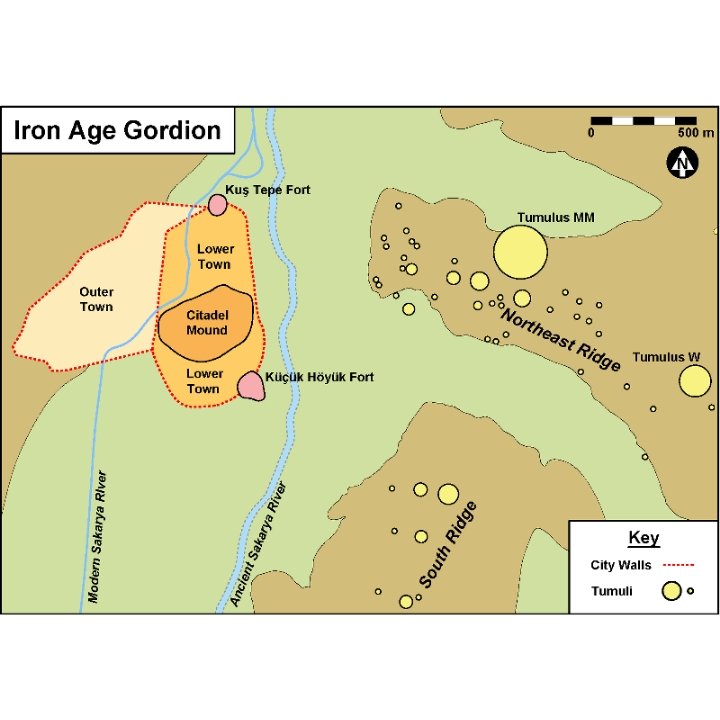
In the 9th and especially in the 8th century BC, they constituted a powerful empire. The excavations carried out in their capital, #Gordion, reveal a society which, by its culture, is not without analogies with that of the Homeric poems.
In the 9th and especially in the 8th century BC, they constituted a powerful empire. The excavations carried out in their capital, #Gordion, reveal a society which, by its culture, is not without analogies with that of the Homeric poems.
THE PHRYGIANS (7)
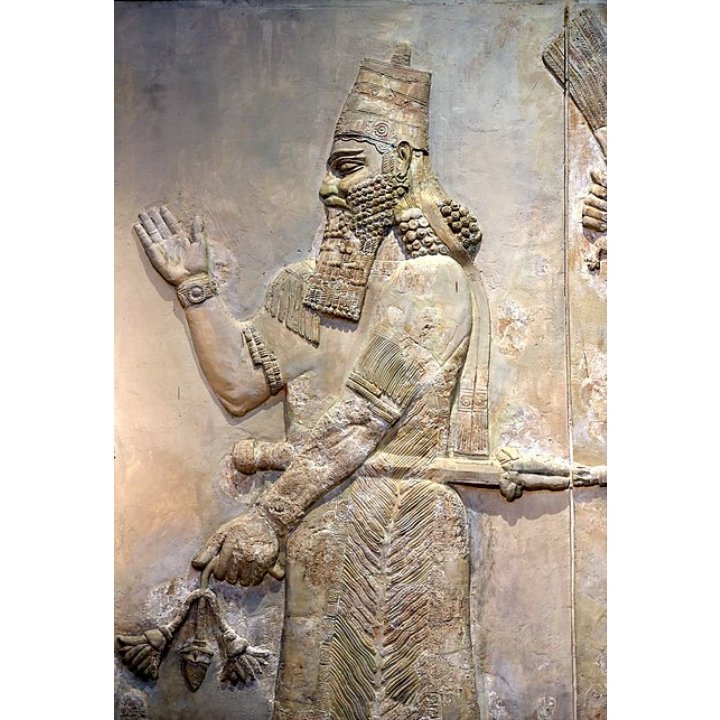
The Phrygians intervene in Cilicia and Cappadocia, where they clash with the Assyrians. They maintain religious and matrimonial relations with the Greek world. In –709, according to the Assyrian chronicle, Midas (Mita, king of the Muskis) submits to Sargon II.
The Phrygians intervene in Cilicia and Cappadocia, where they clash with the Assyrians. They maintain religious and matrimonial relations with the Greek world. In –709, according to the Assyrian chronicle, Midas (Mita, king of the Muskis) submits to Sargon II.
THE PHRYGIANS (8)
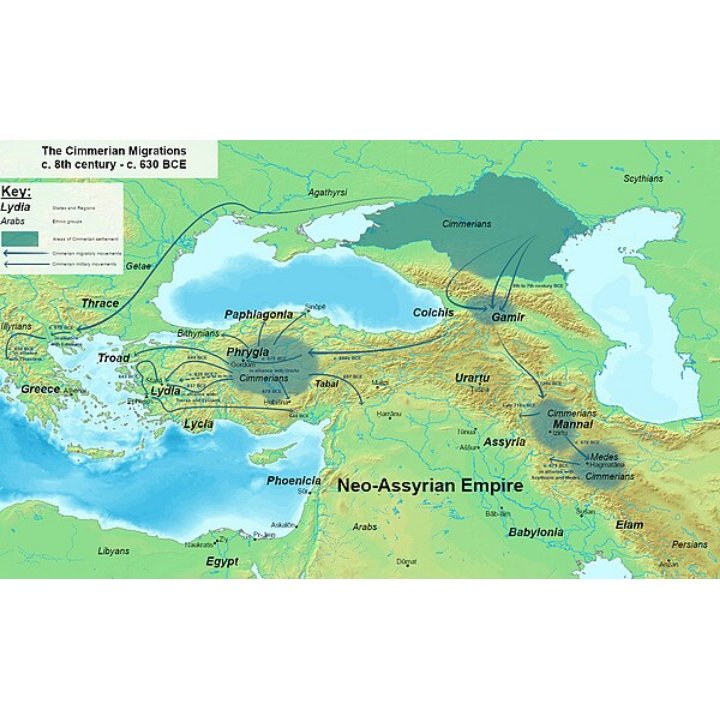
Then the arrival of the #Cimmerians, at the beginning of the 7th century, forced Midas to commit suicide according to legend, the Great Tumulus of Gordion perhaps corresponding to his tomb. Then, his empire could have broken up into small principalities.
Then the arrival of the #Cimmerians, at the beginning of the 7th century, forced Midas to commit suicide according to legend, the Great Tumulus of Gordion perhaps corresponding to his tomb. Then, his empire could have broken up into small principalities.
THE PHRYGIANS (9)
But the Phrygians, as shown by the extension of their inscribed monuments, continue to occupy a vast space and undoubtedly to have a strong cultural influence on Anatolia. At the end of the 7th C. BC, they fell under the Lydian yoke, relayed by the Persian yoke.
But the Phrygians, as shown by the extension of their inscribed monuments, continue to occupy a vast space and undoubtedly to have a strong cultural influence on Anatolia. At the end of the 7th C. BC, they fell under the Lydian yoke, relayed by the Persian yoke.
THE PHRYGIANS (10)
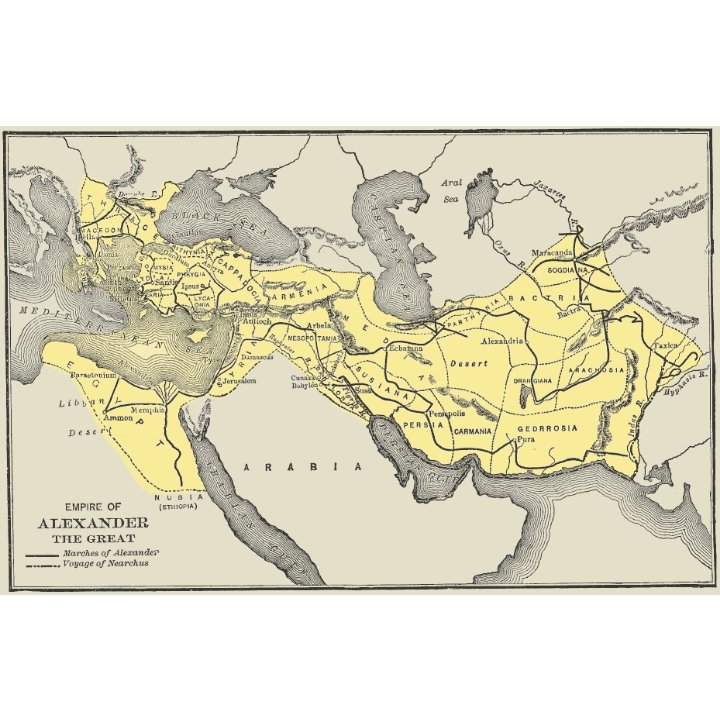
They remain under the Persian yoke until the arrival of Alexander in -333. The Roman presence, from the end of the 2nd century BC, will not alter the Greek cultural and linguistic environment in which they have evolved since the Macedonian conquest.
They remain under the Persian yoke until the arrival of Alexander in -333. The Roman presence, from the end of the 2nd century BC, will not alter the Greek cultural and linguistic environment in which they have evolved since the Macedonian conquest.
جاري تحميل الاقتراحات...