
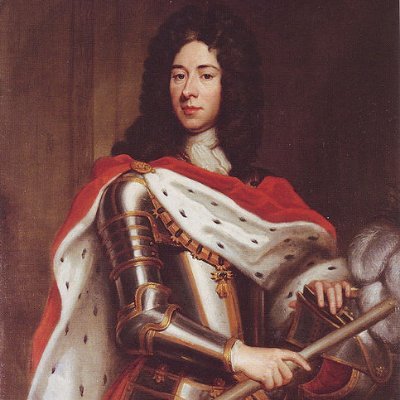
During Francis Drake's 1585-86 expedition to attack Spanish ports in the New World, his men began suffering from diseases.
In response Drake invented a cocktail drink to restore the health of his men.
He gave them the El Draque!
It is known as the world's first cocktail drink.
In response Drake invented a cocktail drink to restore the health of his men.
He gave them the El Draque!
It is known as the world's first cocktail drink.
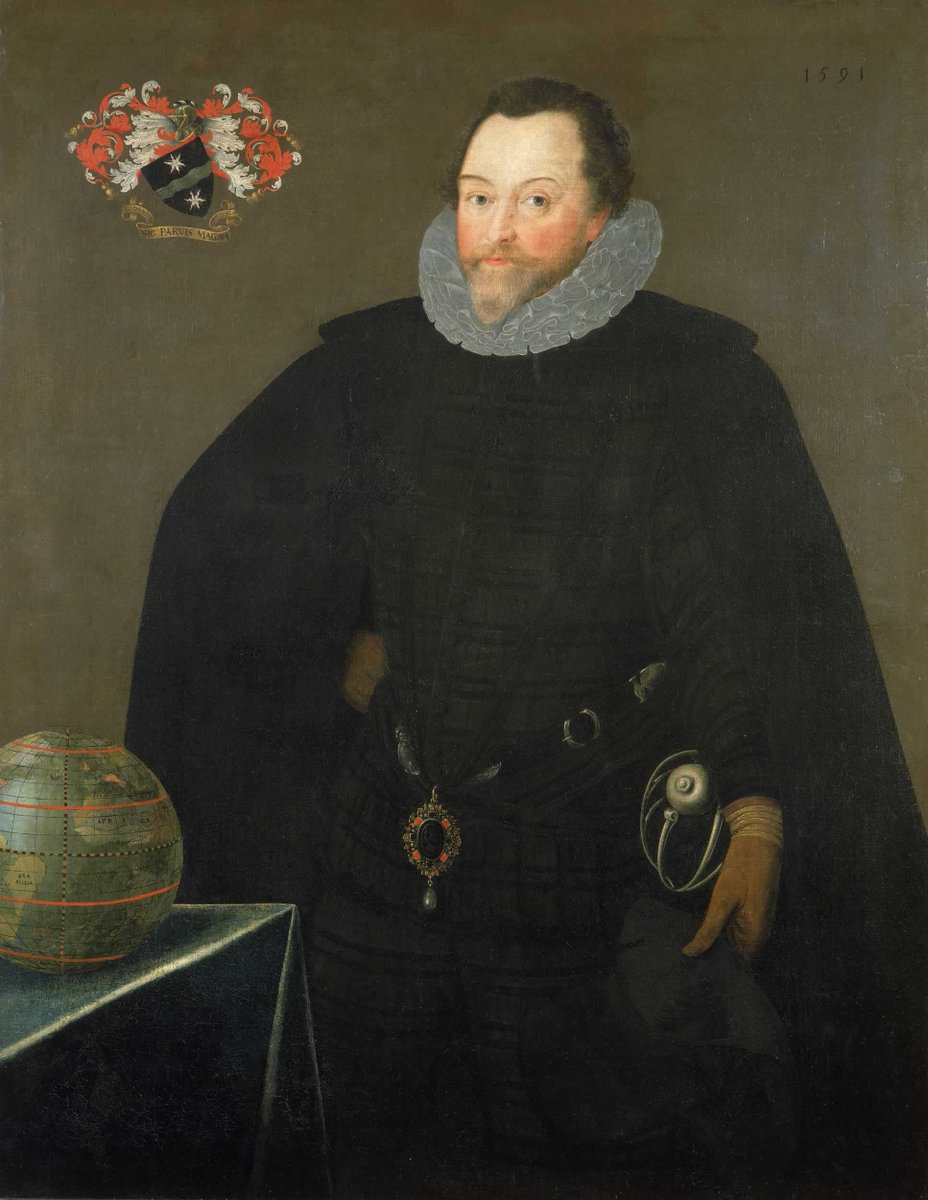

To combat the diseases (they likely had problems with dysentery and scurvy), Drake made a medicinal mix which included local ingredients guardiente de cana, lime, sugarcane juice and mint!
The drink became popular and the Spanish named it El Draque (their nickname for Drake).
The drink became popular and the Spanish named it El Draque (their nickname for Drake).
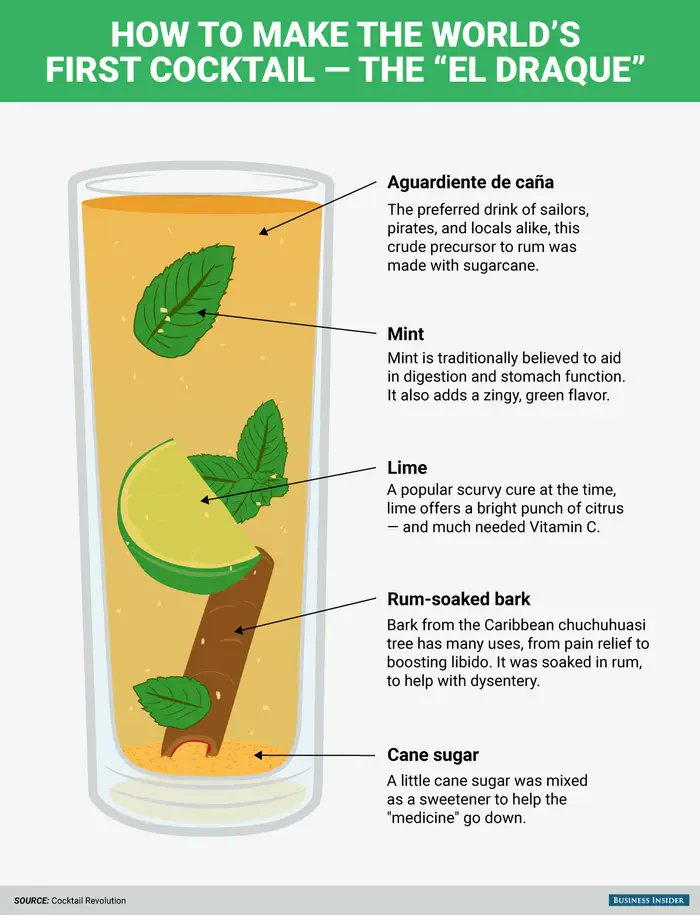
El Draque has remained popular to this day and is enjoyed by many!
But its origins are in the dark days of war between two powerful empires, Spain and England, which touched many corners of the world.
It is a story of violence, death, and destruction.
But its origins are in the dark days of war between two powerful empires, Spain and England, which touched many corners of the world.
It is a story of violence, death, and destruction.

Francis Drake was a very brutal and dangerous man!
His actions helped stir this war.
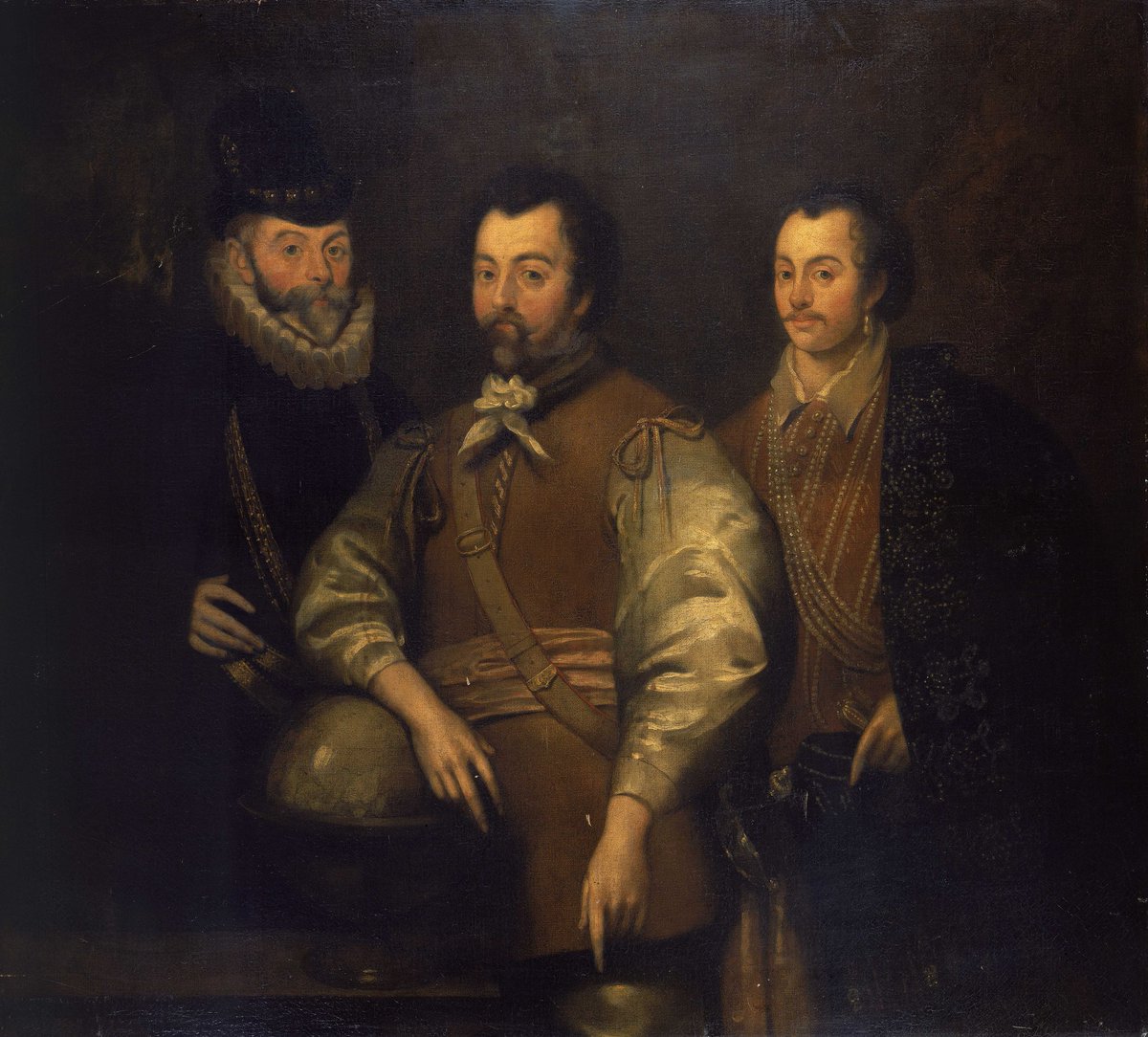
Drake was a slave trader and, together with another English sailor John Hawkins, engaged in what the Spanish saw as smuggling and illegal trade in the West Indies.
His actions helped stir this war.
Drake was a slave trader and, together with another English sailor John Hawkins, engaged in what the Spanish saw as smuggling and illegal trade in the West Indies.
At the time, West African slave trade was dominated by Spain and Portugal.
John Hawkins wanted to break this duopoly. In 1562 he seized Portuguese slave ships and sold the African slaves in the West Indies himself.
Queen of England Elizabeth I supported such actions.
John Hawkins wanted to break this duopoly. In 1562 he seized Portuguese slave ships and sold the African slaves in the West Indies himself.
Queen of England Elizabeth I supported such actions.
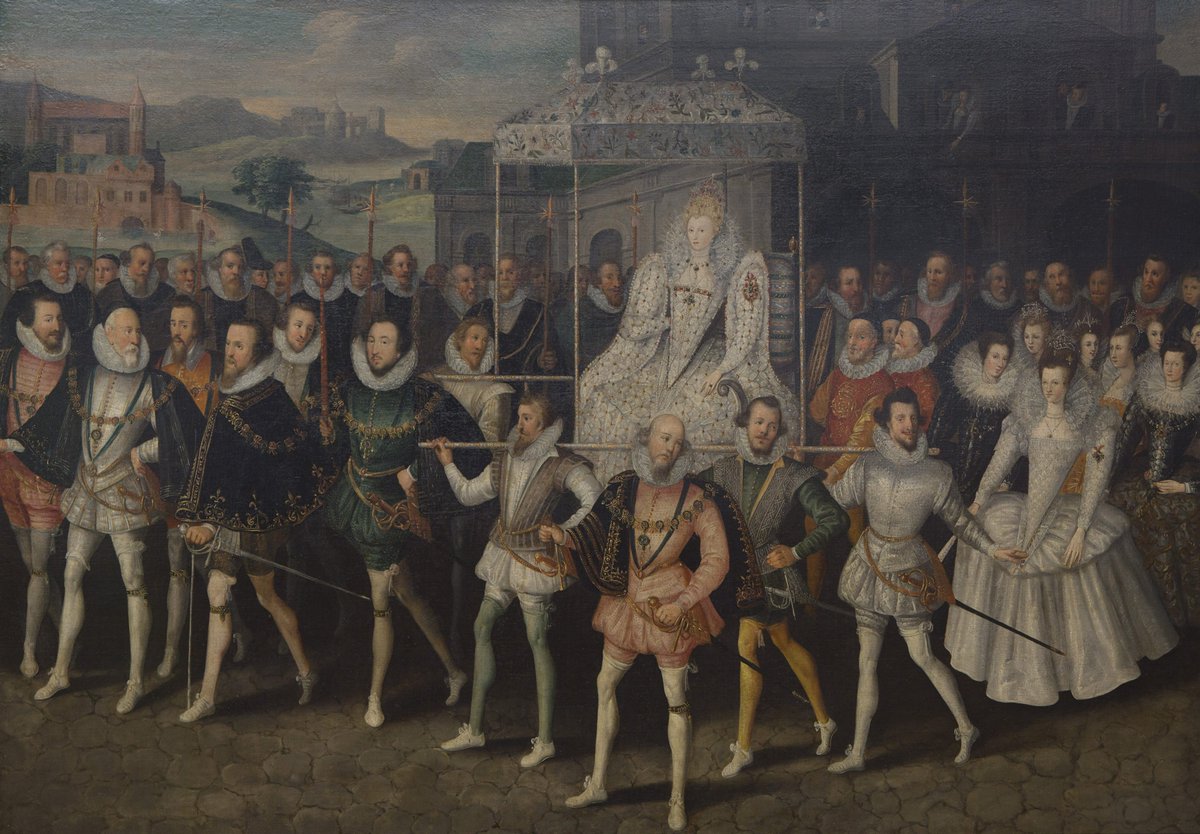
In 1564 Queen Elizabeth lent Hawkins one of her ships, Jesus of Lübeck.
Drake accompanied Hawkins on these journeys and they made a lot of money selling slaves in Spanish ports in West Indies.
But the Spanish were upset about English sailors illegally entering into slave trade.
Drake accompanied Hawkins on these journeys and they made a lot of money selling slaves in Spanish ports in West Indies.
But the Spanish were upset about English sailors illegally entering into slave trade.

In 1568 the Spanish attacked Hawkins and Drake at the battle of San Juan de Ulúa!
The English suffered a defeat and the Jesus of Lübeck was captured.
Hawkins and Drake were among less than 100 Englishmen that managed to save themselves by abandoning the battle in smaller ships.
The English suffered a defeat and the Jesus of Lübeck was captured.
Hawkins and Drake were among less than 100 Englishmen that managed to save themselves by abandoning the battle in smaller ships.

The English saw this battle as a result of Spanish treachery as the Spanish had first agreed to a truce before launching a surprise attack on the English fleet.
Francis Drake would never forget this and his future campaigns against the Spanish would also be motivated by revenge.
Francis Drake would never forget this and his future campaigns against the Spanish would also be motivated by revenge.
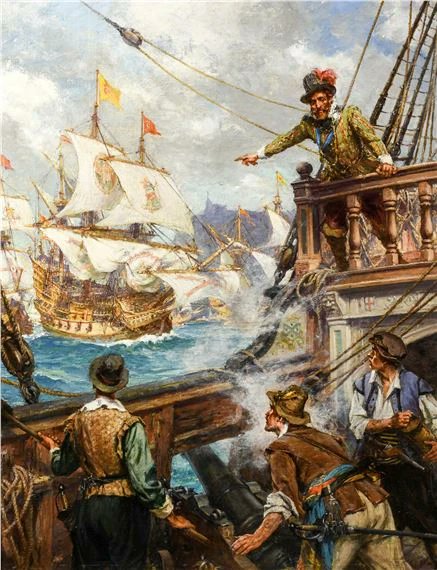
In the coming years, Hawkins and Drake increased their privateering activities against Spain.
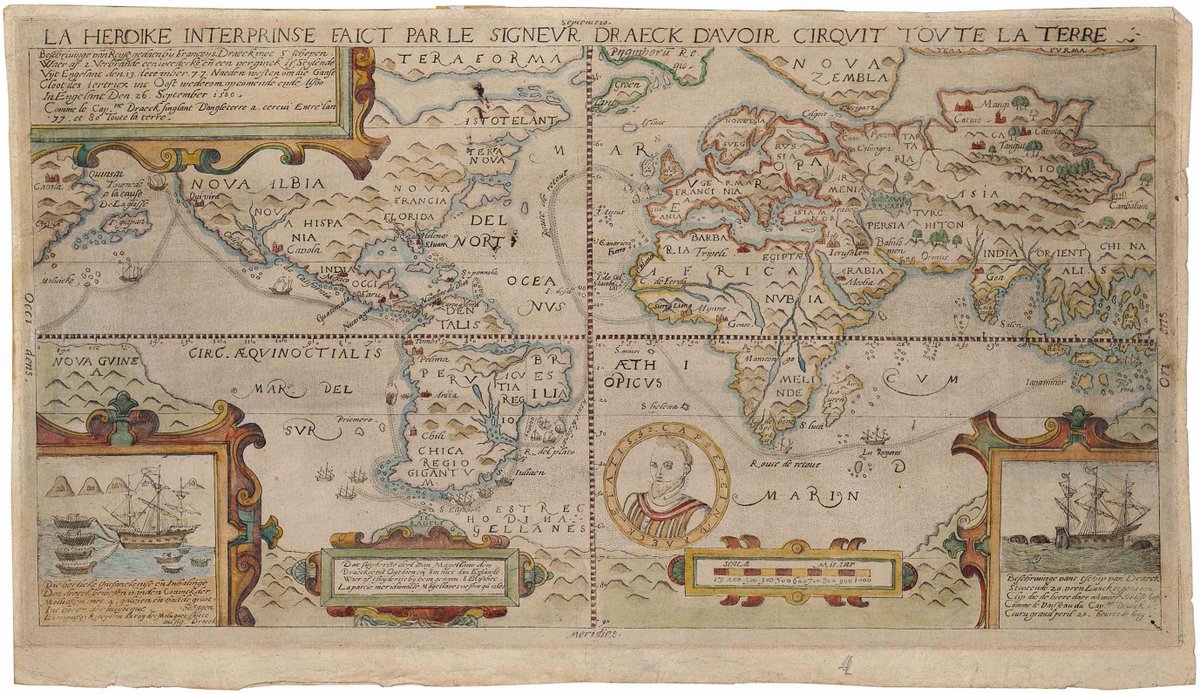
This included Francis Drake's famous circumnavigation of the world from 1577-80 which extended his raiding activities to the Pacific Ocean where he plundered Spanish ports and ships.
This included Francis Drake's famous circumnavigation of the world from 1577-80 which extended his raiding activities to the Pacific Ocean where he plundered Spanish ports and ships.
But how did privateering work?
Today it would be seen as piracy but back then it was technically a legitimate business where wealthy private individuals and states would invest money into capable sailors who would then repay them by looting ships and ports of hostile states.
Today it would be seen as piracy but back then it was technically a legitimate business where wealthy private individuals and states would invest money into capable sailors who would then repay them by looting ships and ports of hostile states.
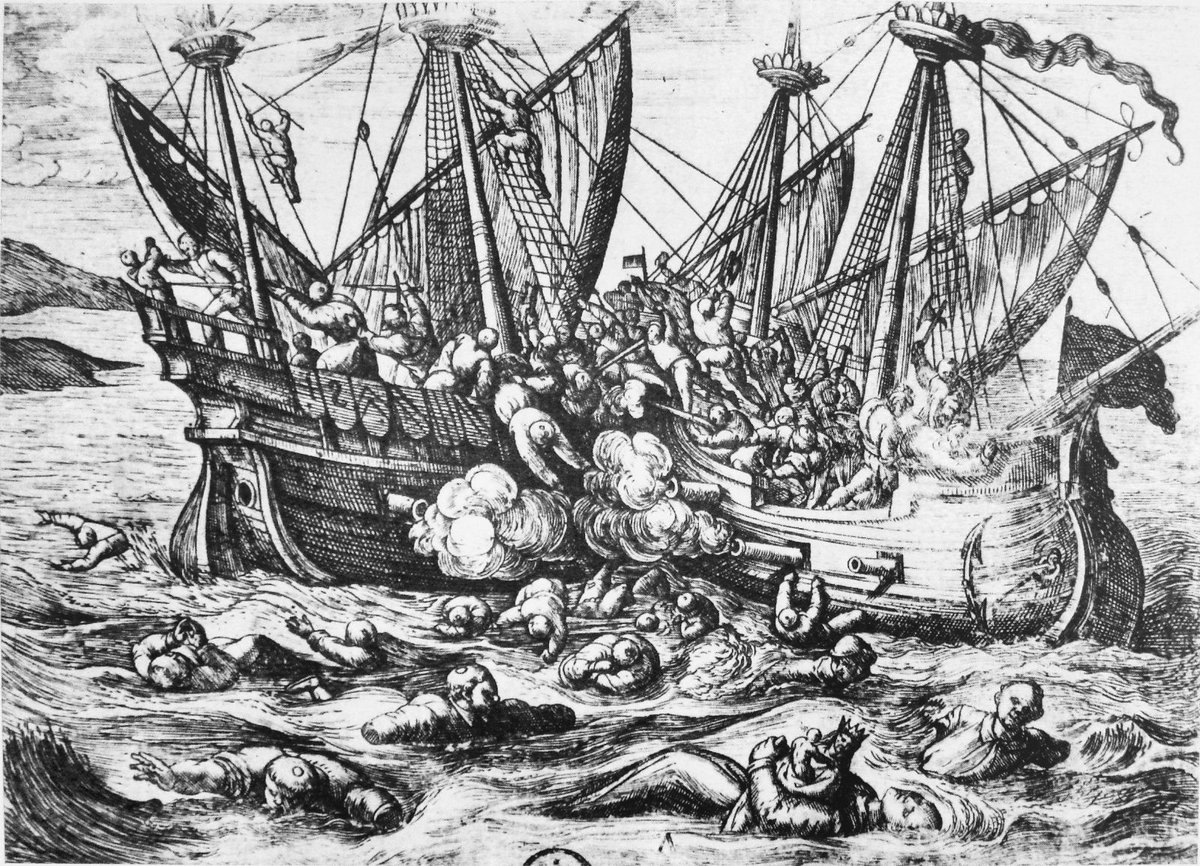
I explained 16th century privateering and how the French became pioneers in early modern deep sea piracy in the Atlantic here.
Spain and Portugal had an initial advantage so their rivals like France and England had to resort to privateering to catch up.
Spain and Portugal had an initial advantage so their rivals like France and England had to resort to privateering to catch up.
Needless to say, privateering was only seen as legitimate by entities that employed privateers and by themselves.
The victims and enemies of privateers would see them as nothing but pirates and would also treat them the same as pirates if they captured them.
No mercy was shown!
The victims and enemies of privateers would see them as nothing but pirates and would also treat them the same as pirates if they captured them.
No mercy was shown!
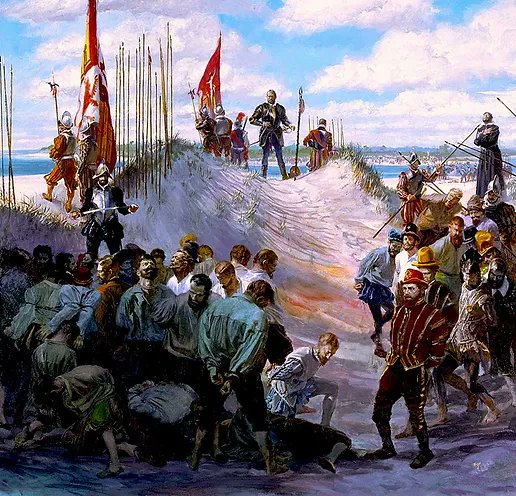
There were also other reasons why Spanish and English relations were strained at the time.
The English supported the Dutch rebels against Spain and there was the religious dimension to the conflict with the Protestant and Catholic rivalry.
But Drake's raids added fuel to fire.
The English supported the Dutch rebels against Spain and there was the religious dimension to the conflict with the Protestant and Catholic rivalry.
But Drake's raids added fuel to fire.

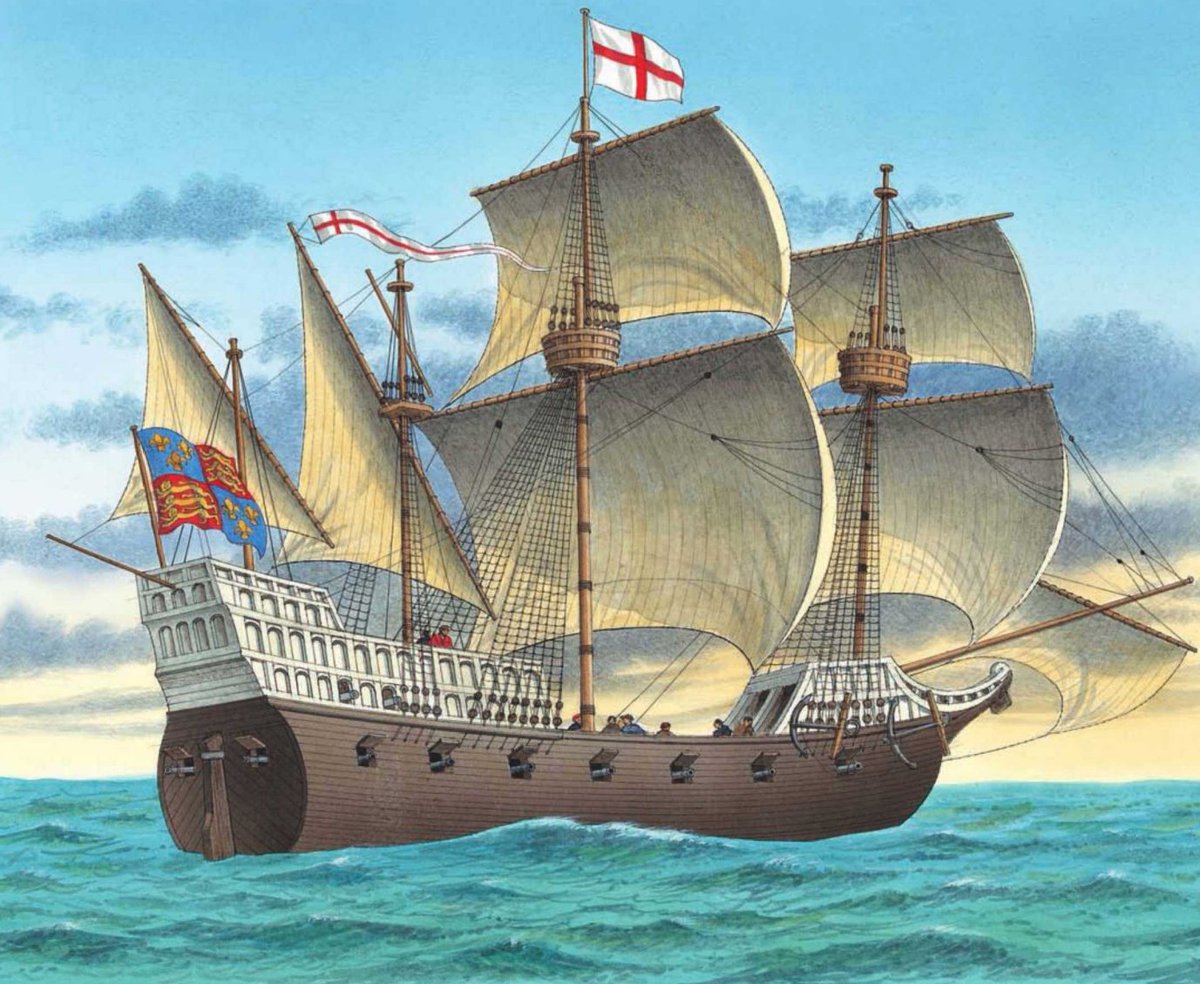
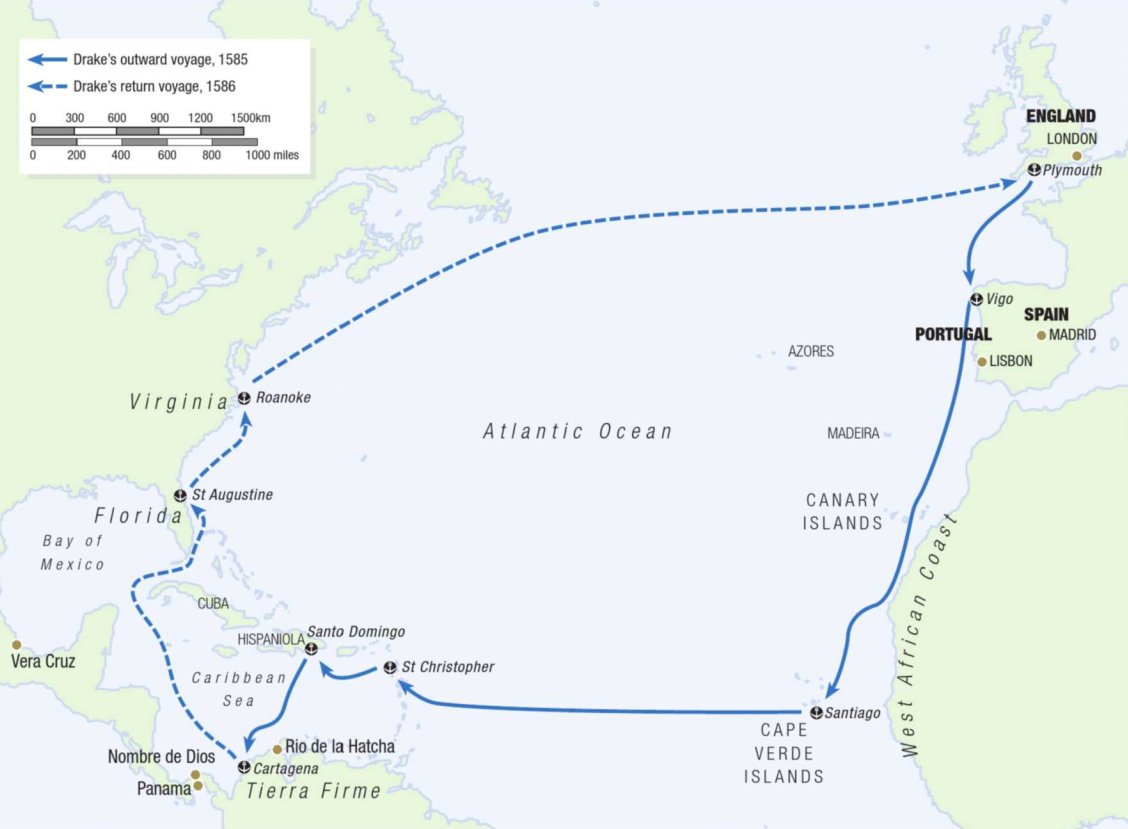
In 1585 Francis Drake embarked on the biggest expedition yet!
He left Plymouth with 21 ships.
The plan was to attack the Spanish ports in the New World.
Drake was already considered a hero in England at the time and he gained considerable support for this campaign.
He left Plymouth with 21 ships.
The plan was to attack the Spanish ports in the New World.
Drake was already considered a hero in England at the time and he gained considerable support for this campaign.
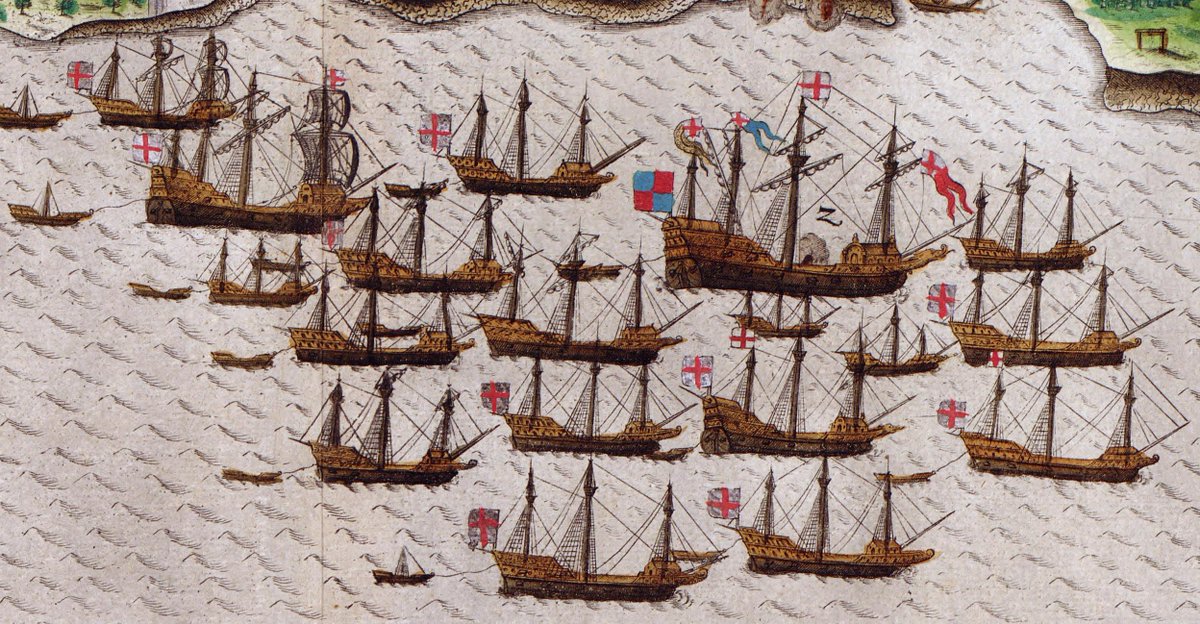
Drake first made a stop in Spain in Vigo and forced the Spanish city to give him supplies for the journey.
This also gave the Spanish a clear message...
The dreaded "El Draque" (archaic for dragon), as they nicknamed him, was coming for their ports in the New World!
This also gave the Spanish a clear message...
The dreaded "El Draque" (archaic for dragon), as they nicknamed him, was coming for their ports in the New World!
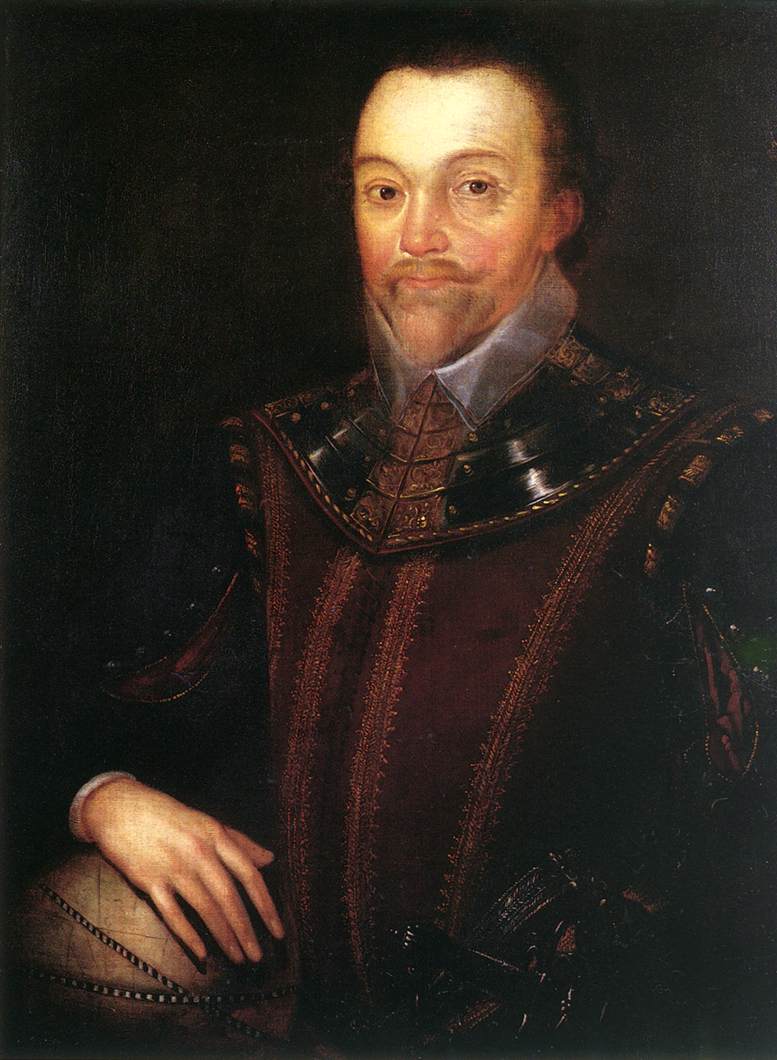
Drake knew the strengths and weaknesses of the Spanish empire very well.
The New World was a source of great wealth for Spain as every year silver and gold would arrive in well protected treasure fleets.
But Spanish ports in the New World itself were poorly protected.
The New World was a source of great wealth for Spain as every year silver and gold would arrive in well protected treasure fleets.
But Spanish ports in the New World itself were poorly protected.
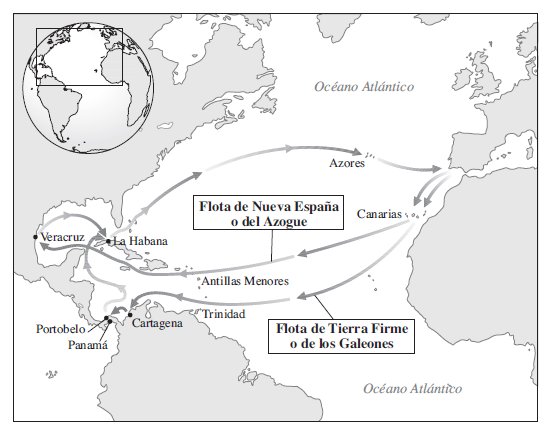
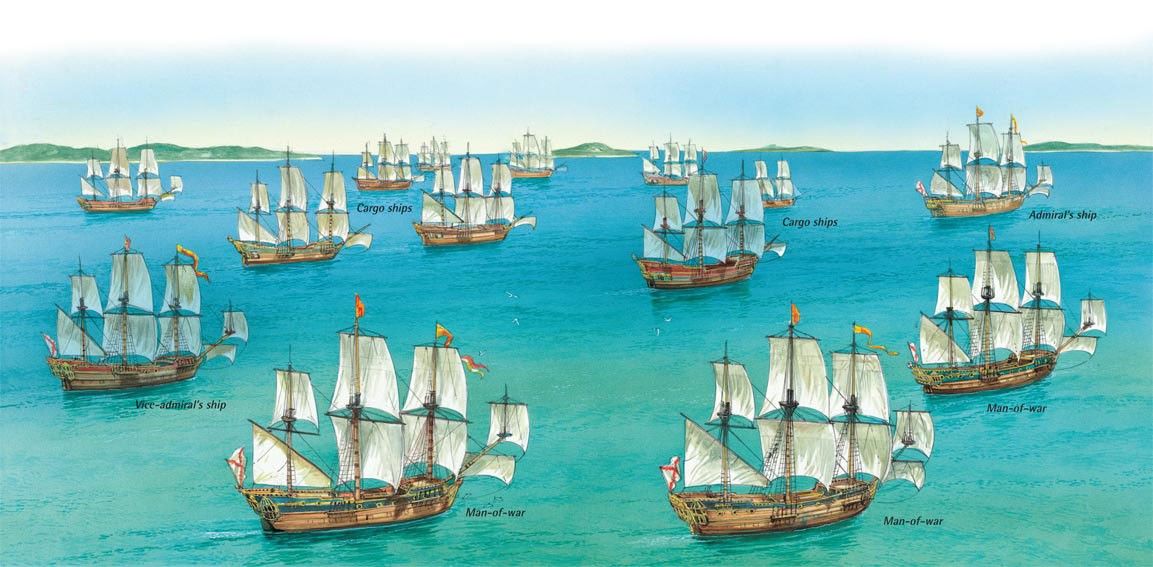
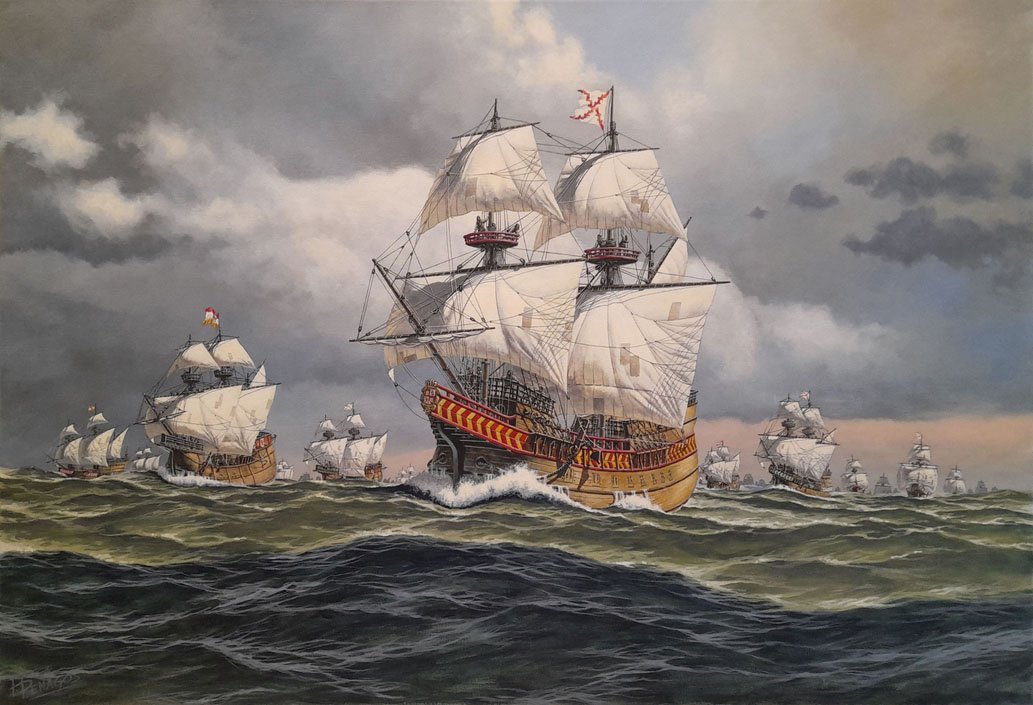
An overseas empire of this size was hard to maintain in 16th century and many Spanish cities in the New World had poorly maintained defenses with many guns not capable of firing and city walls barely preventing the animals from entering in, unable to stop a determined foe.
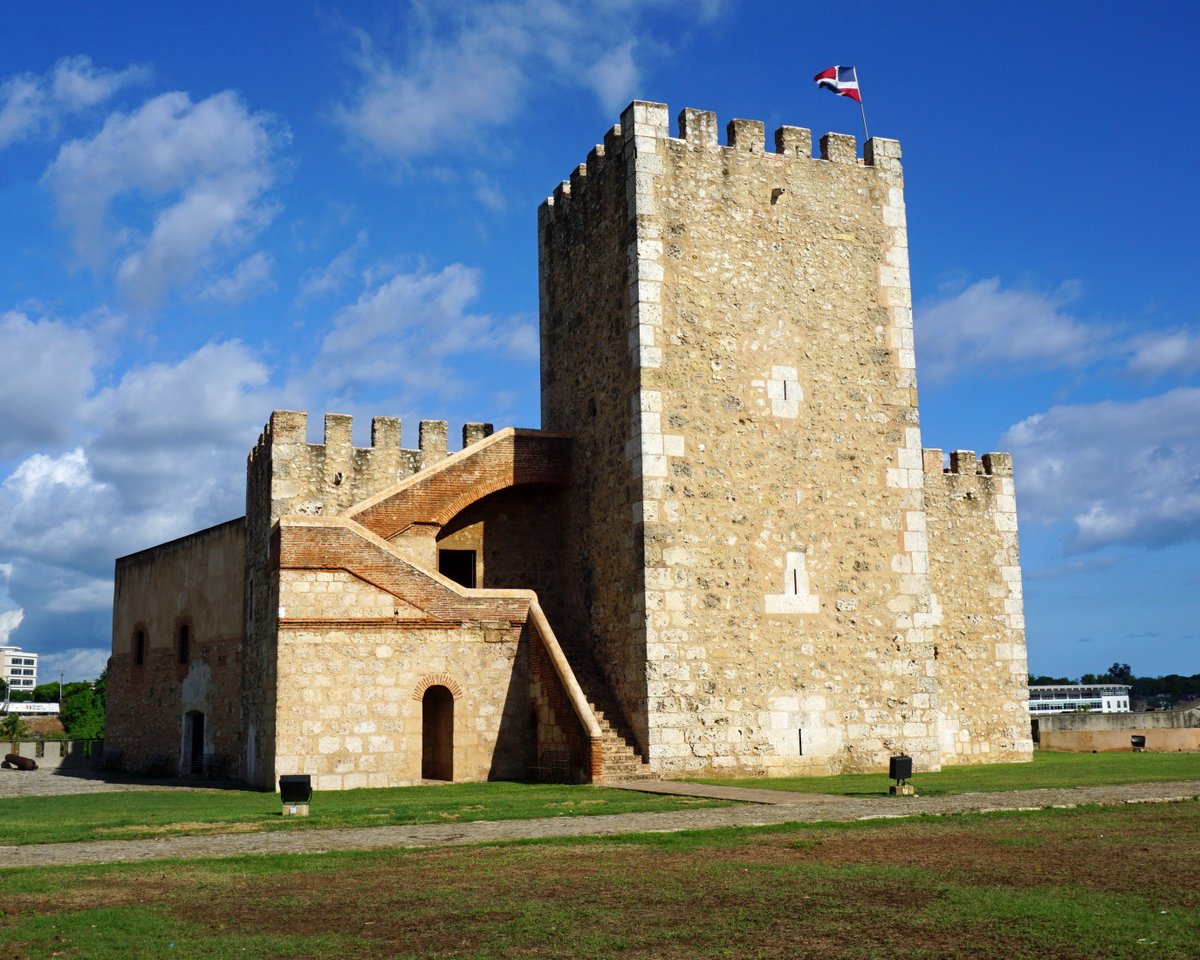
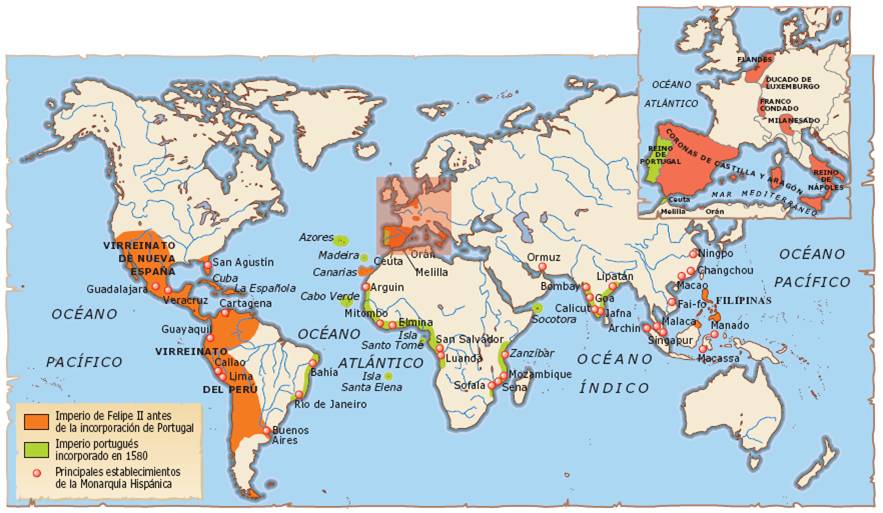
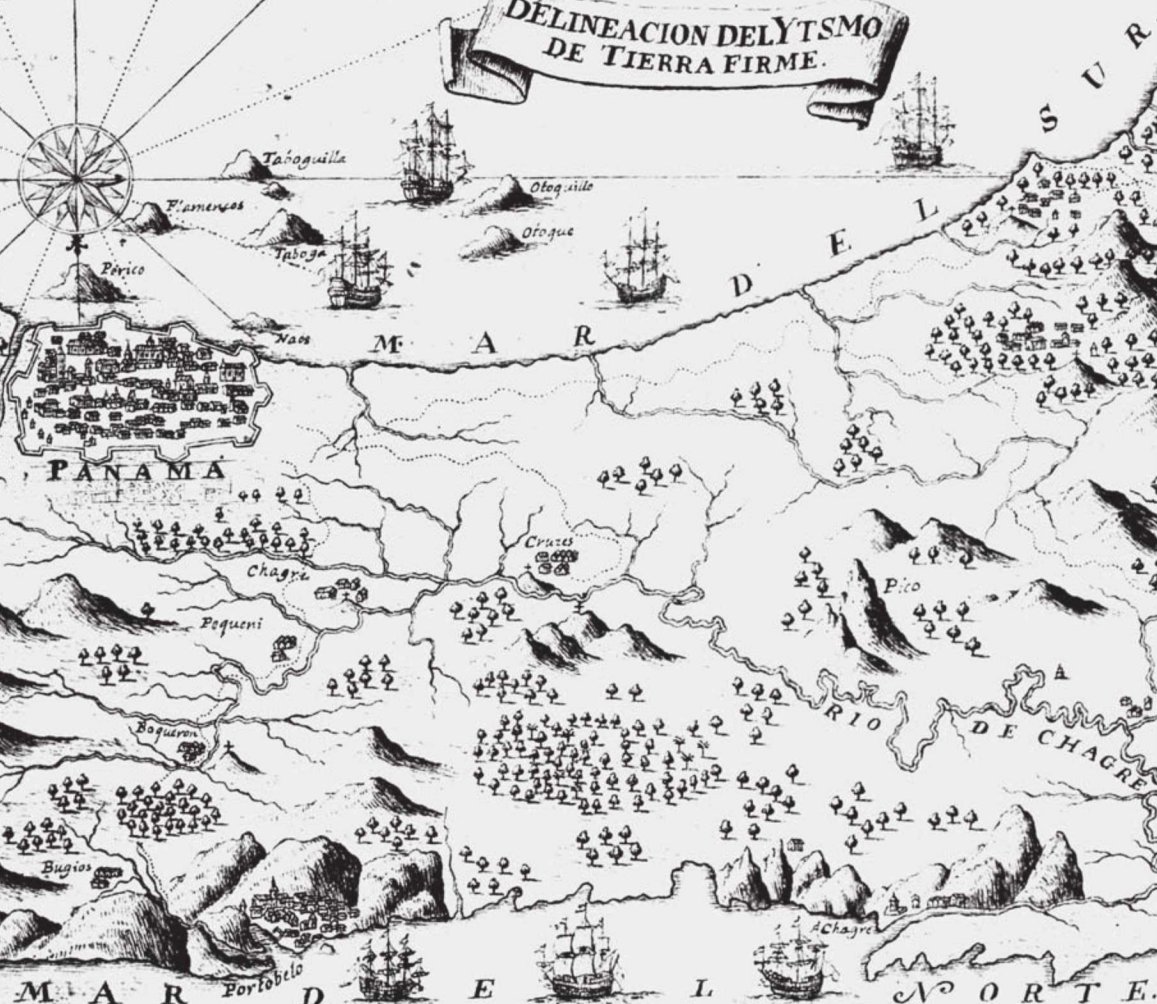
Furthermore local Spanish garrisons of these cities lacked equipment, training and martial spirit.
These were not like the early conquistadors.
They did not have the same martial valor and experience and, more often than not, didn't have the same determination to fight either.
These were not like the early conquistadors.
They did not have the same martial valor and experience and, more often than not, didn't have the same determination to fight either.
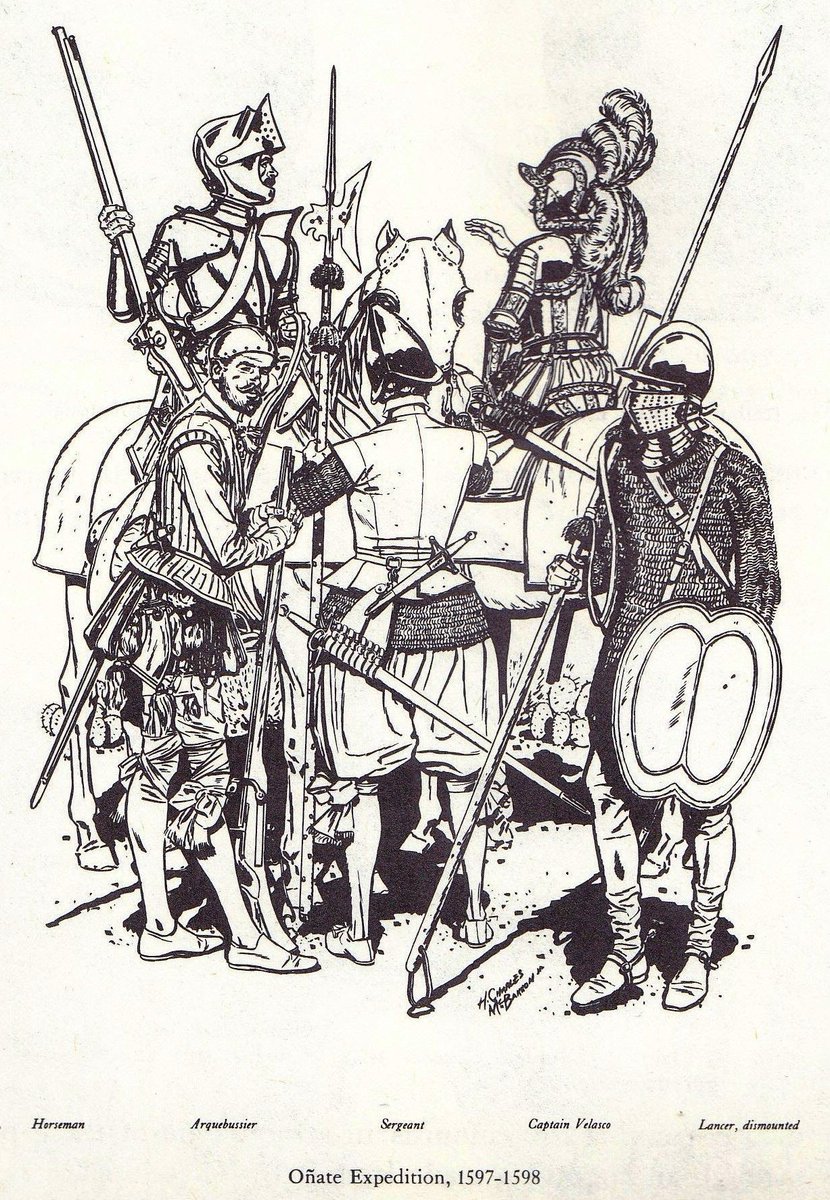
A description of the sorry state of Spanish defenders in Santo Domingo,
"A few residents with pikes and lances which they had inherited from their fathers or grandfathers, conquerors of the land, and a few harquebusiers, though without gunpowder, bullets or other ammunition."
"A few residents with pikes and lances which they had inherited from their fathers or grandfathers, conquerors of the land, and a few harquebusiers, though without gunpowder, bullets or other ammunition."
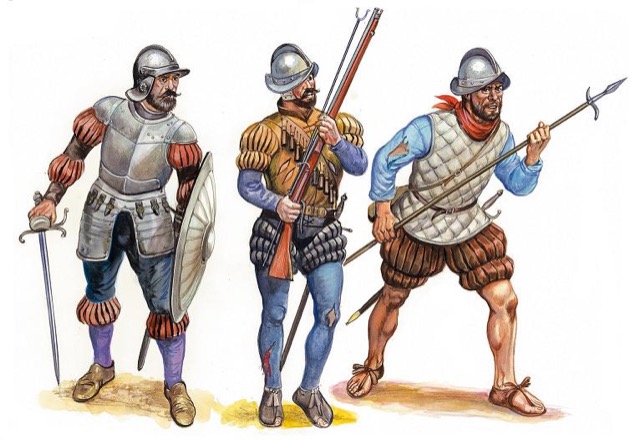
Drake knew that he could strike into Spanish territory in the Caribbean, which he knew well, and capture many cities.
These cities could then be held for ransom, forcing the Spanish to pay him to give them back unharmed. If the Spanish refused, cities would be brutally sacked.
These cities could then be held for ransom, forcing the Spanish to pay him to give them back unharmed. If the Spanish refused, cities would be brutally sacked.
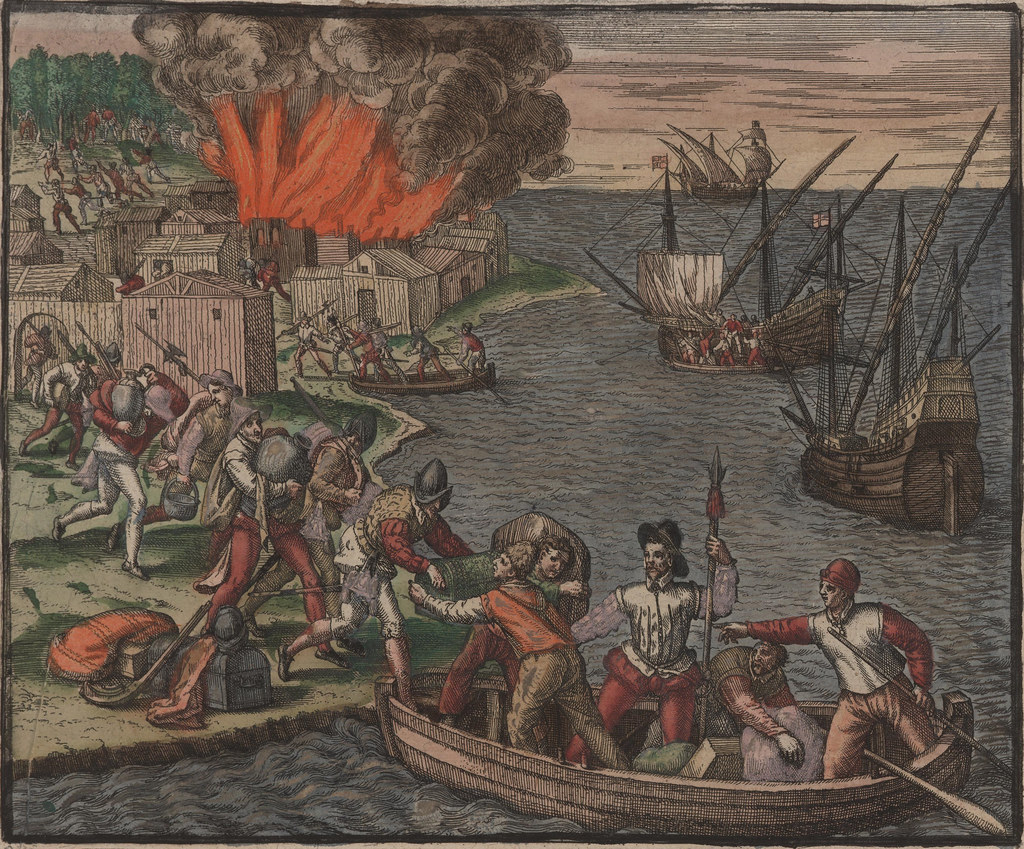
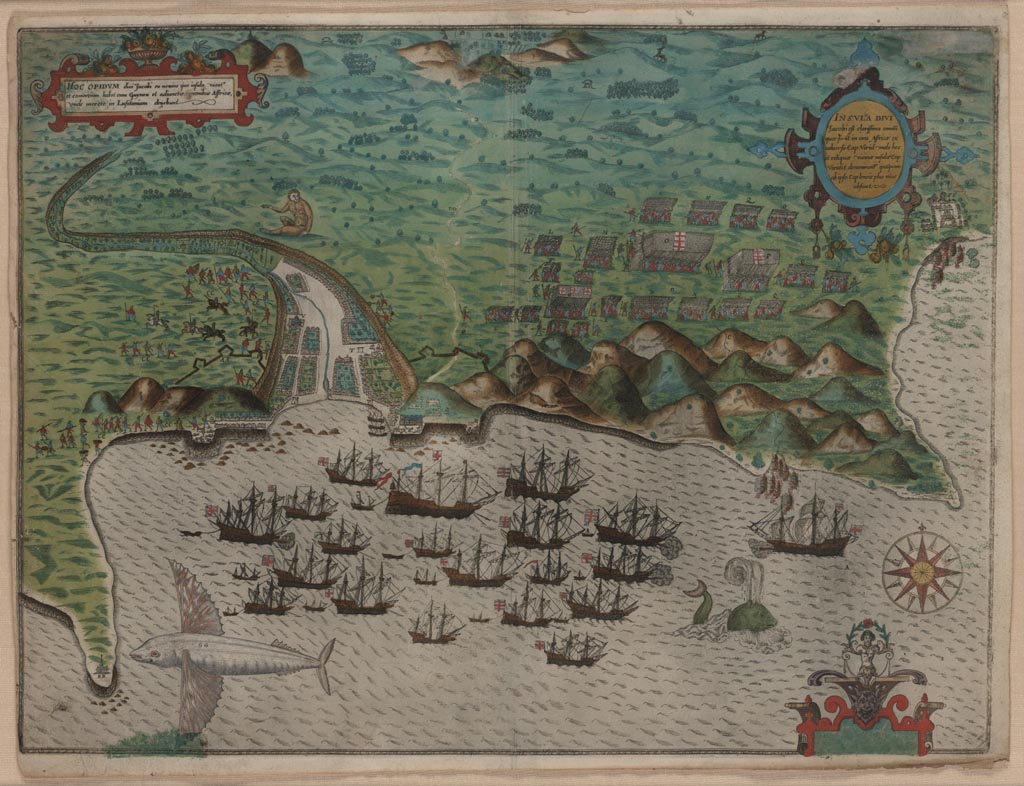
On his way, Drake first attacked the town of Santiago in the Cape Verde islands.
The local militia was no match for Drake's troops and fled together with all the inhabitants.
As Drake couldn't negotiate a ransom with the Spanish governor who fled, he mercilessly razed the town.
The local militia was no match for Drake's troops and fled together with all the inhabitants.
As Drake couldn't negotiate a ransom with the Spanish governor who fled, he mercilessly razed the town.
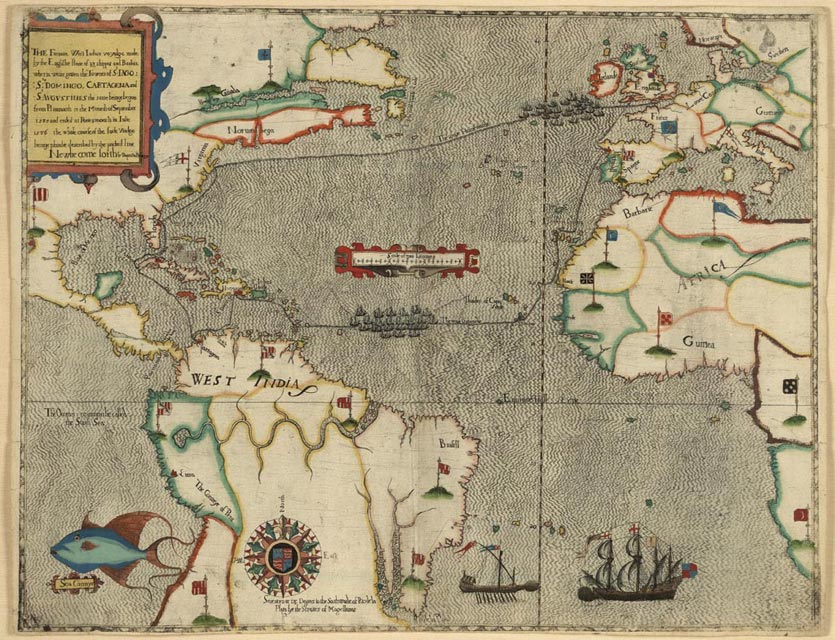
Drake then headed to Hispaniola in the Caribbean.
The target was Santo Domingo, the oldest Spanish city in the Americas!
This was a much more impressive city than Santiago, but the defenses were poorly maintained and the garrison was ill-equipped and poorly motivated to fight.
The target was Santo Domingo, the oldest Spanish city in the Americas!
This was a much more impressive city than Santiago, but the defenses were poorly maintained and the garrison was ill-equipped and poorly motivated to fight.
Drake also had very good tactics to conquer such cities.
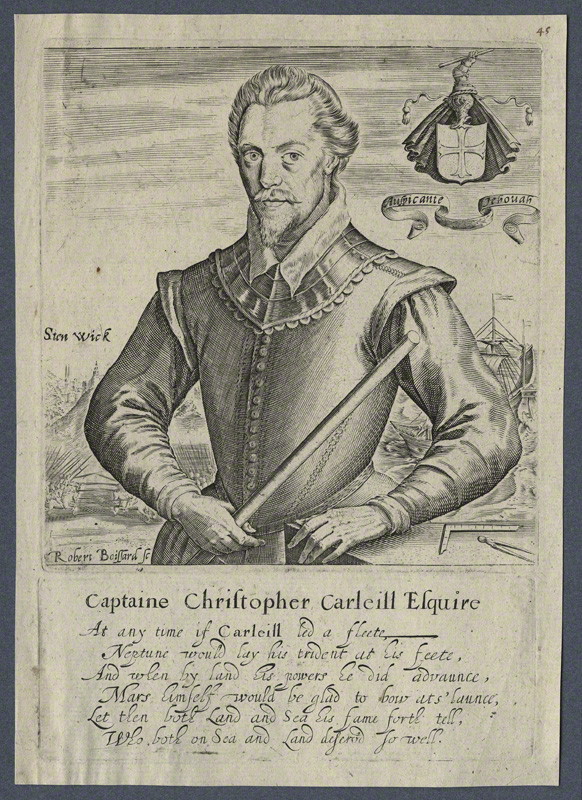
He landed part of his forces commanded by Christopher Carleill under cover of the night to attack the city from behind from the jungle at noon while he would stage an attempt of amphibious attack from sea as diversion.
He landed part of his forces commanded by Christopher Carleill under cover of the night to attack the city from behind from the jungle at noon while he would stage an attempt of amphibious attack from sea as diversion.
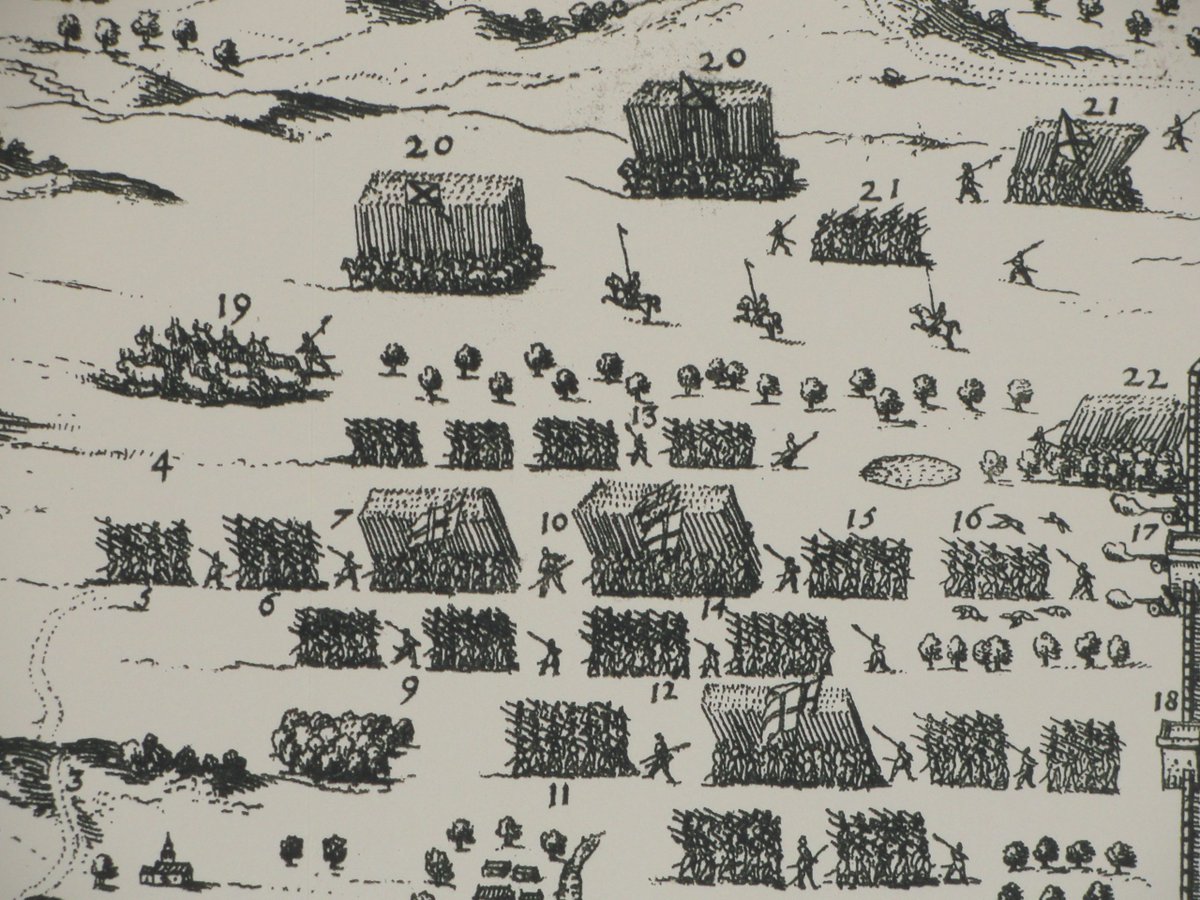
The tactics worked as intended.
As the Spanish were busy trying to defend from the sea attack, Carleill's men sneaked into the city and caused chaos.
The Spanish governor was the first to flee and the rest soon routed.
The English started plundering the conquered city.
As the Spanish were busy trying to defend from the sea attack, Carleill's men sneaked into the city and caused chaos.
The Spanish governor was the first to flee and the rest soon routed.
The English started plundering the conquered city.
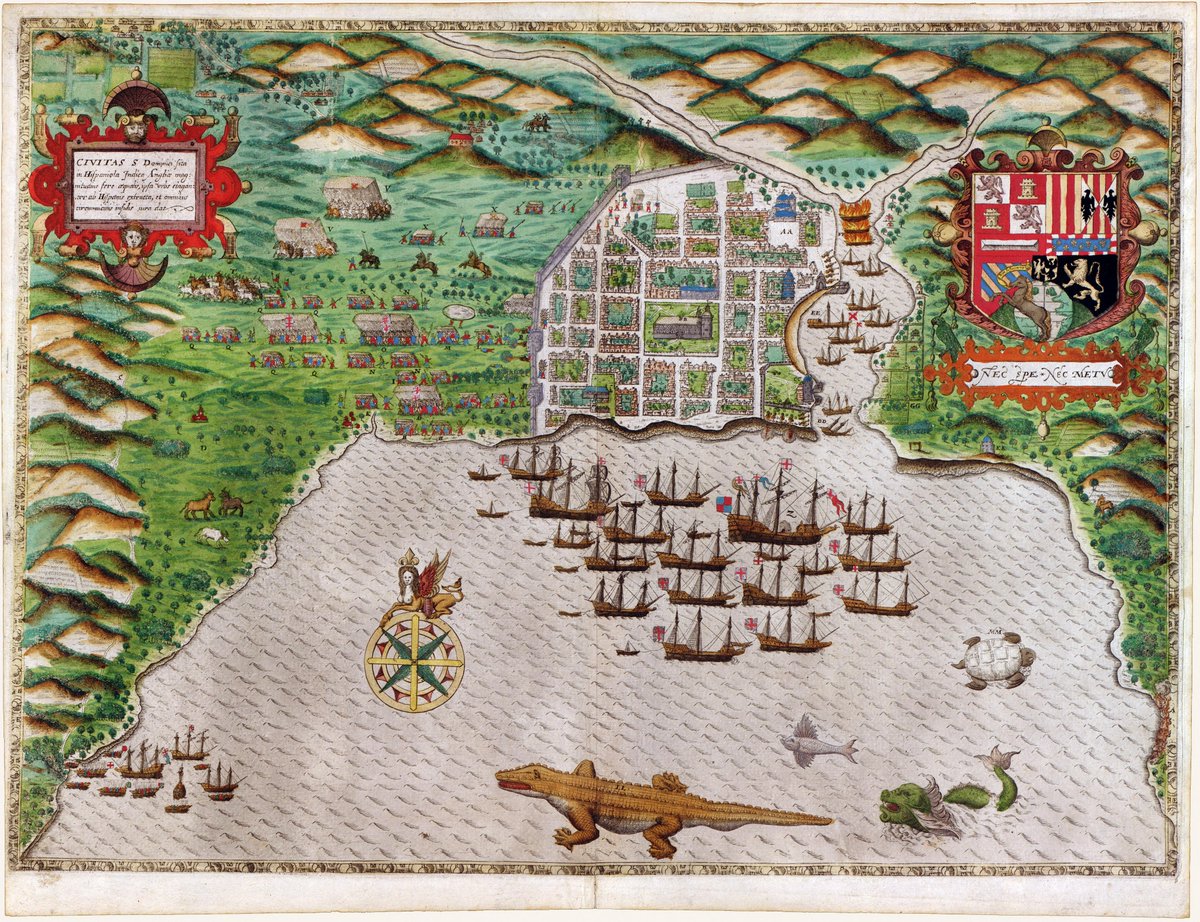
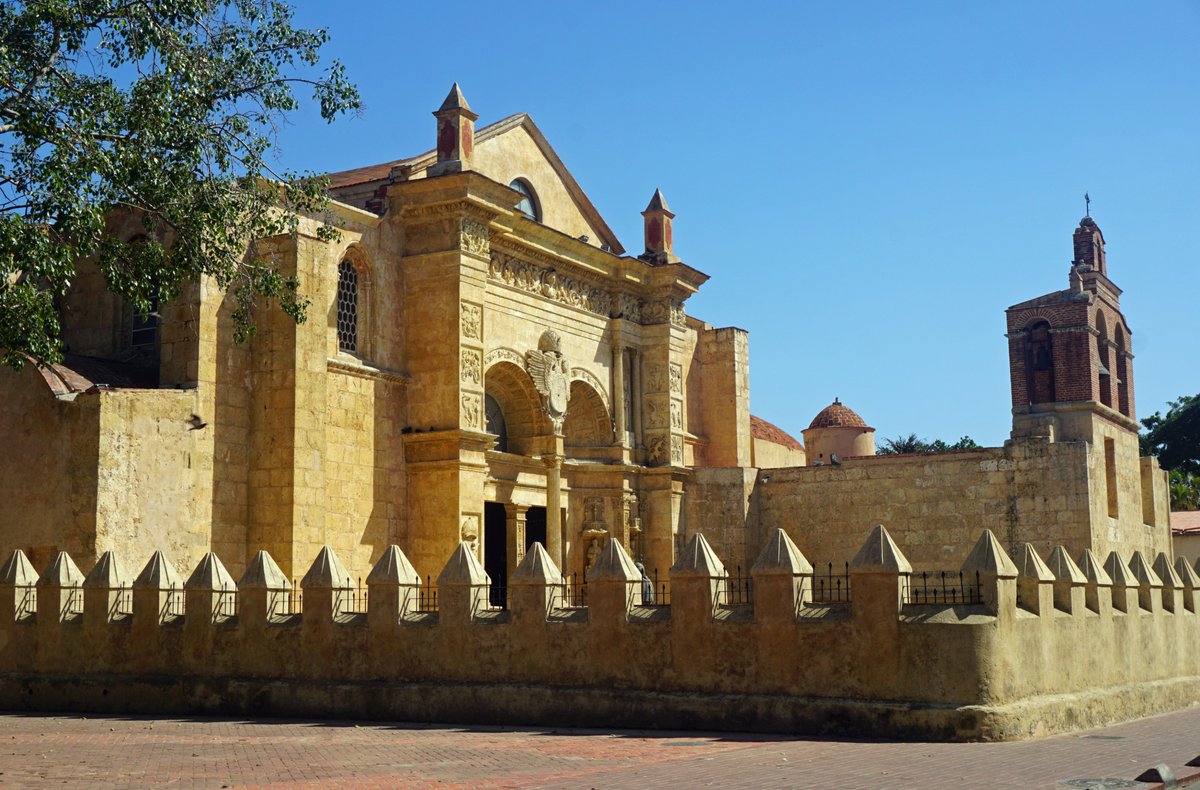
Drake's men destroyed many buildings in the city before he could finally extract ransom for what was left of Santo Domingo a month later.
Religious buildings were specifically targeted.
The city needed decades to recover from Drake's attack.
But he would not stop there.
Religious buildings were specifically targeted.
The city needed decades to recover from Drake's attack.
But he would not stop there.
Drake was determined to continue his campaign of destruction.
Nowhere was safe from him!
This was also the message he wanted to send to his Spanish enemies.
The Spanish ports in the Caribbean trembled, not knowing where he would strike next, which city he would sack!
Nowhere was safe from him!
This was also the message he wanted to send to his Spanish enemies.
The Spanish ports in the Caribbean trembled, not knowing where he would strike next, which city he would sack!
Drake went for the biggest Spanish city in the West Indies, Cartagena de Indias!
Once again he used the tested tactics of diversion with his navy while Carleill's men landed and prepared for an attack from the beach south of the city.
Once again he used the tested tactics of diversion with his navy while Carleill's men landed and prepared for an attack from the beach south of the city.
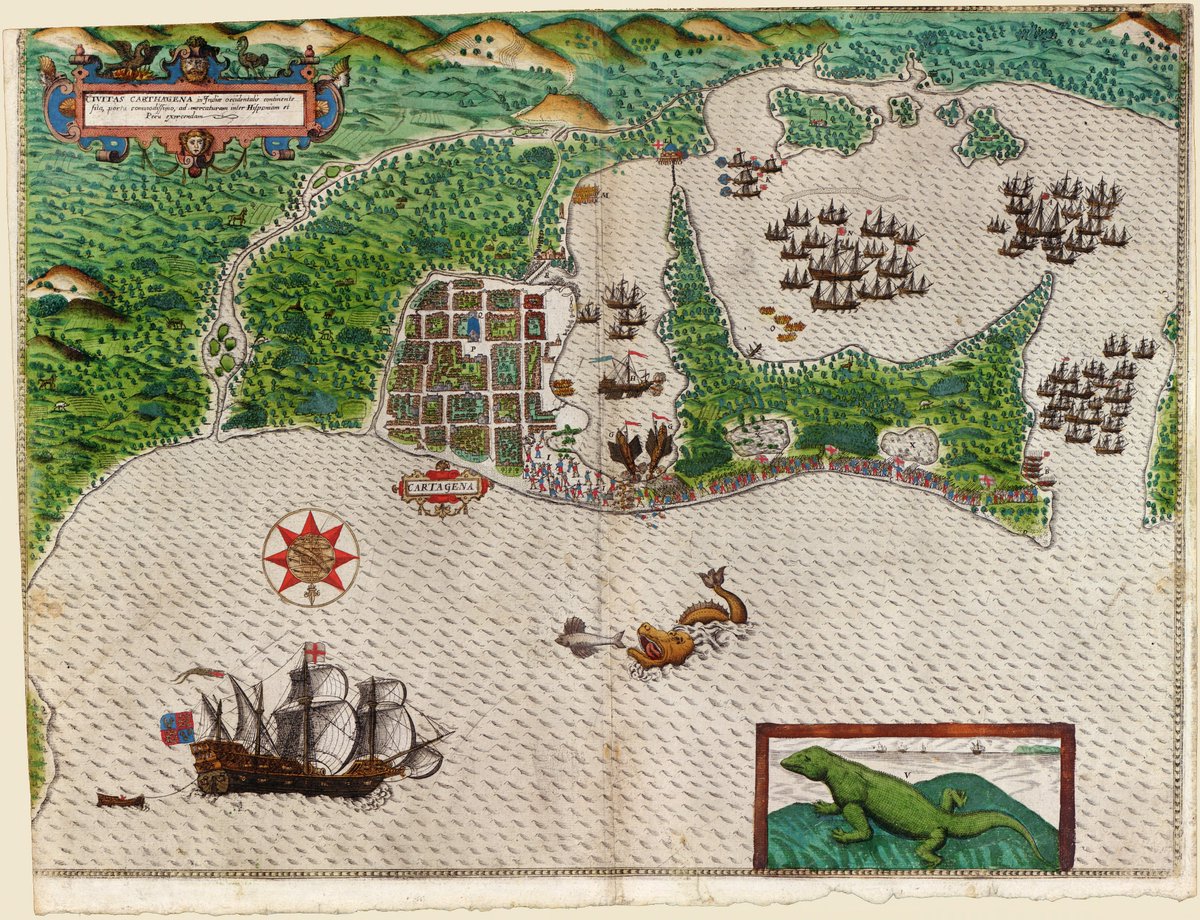
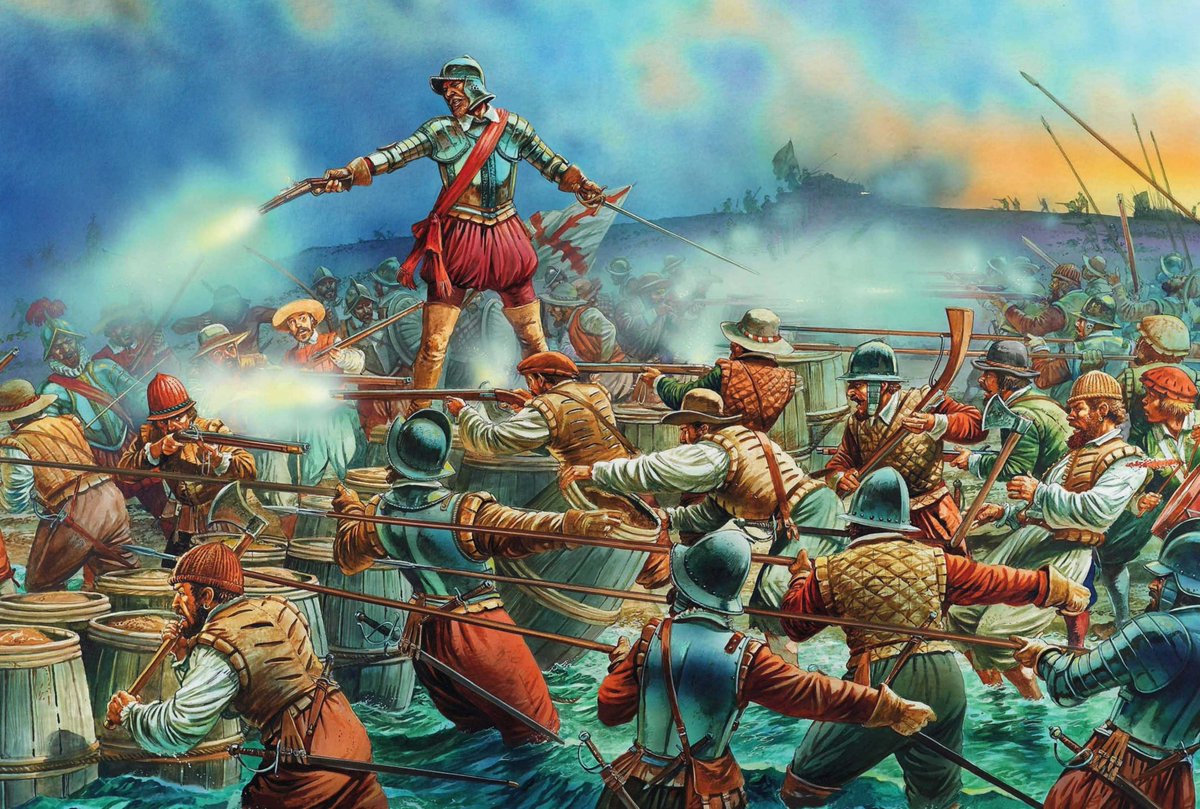
English pikemen overwhelm the poorly defended Spanish positions!
Carleill noticed the weak spot in the defense where a mere line of sand-filled barrels was defending the beach during the low tide.
He ordered the assault yelling "God and St George!"
Carleill noticed the weak spot in the defense where a mere line of sand-filled barrels was defending the beach during the low tide.
He ordered the assault yelling "God and St George!"

Once again the Spanish defenses were broken and Drake conquered Cartagena on 11 February 1586.
And once again destruction and extortion started as he demanded payments from the Spanish.
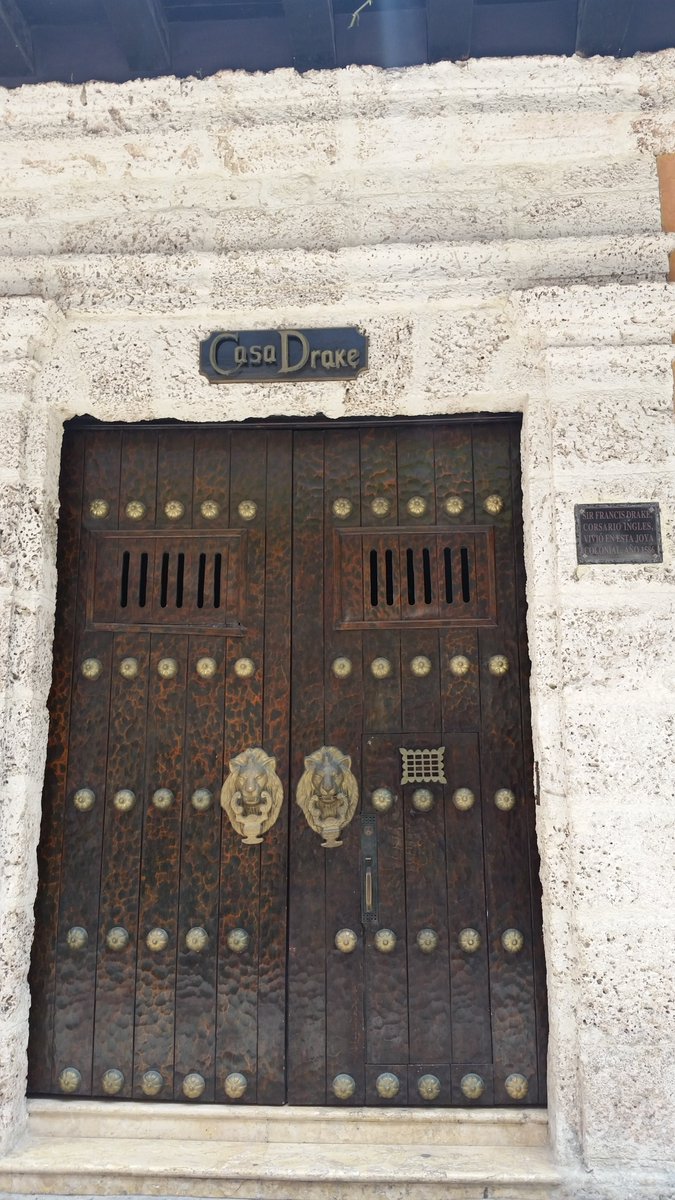
This is the Casa Drake in Cartagena which he used during his occupation of the city!
And once again destruction and extortion started as he demanded payments from the Spanish.
This is the Casa Drake in Cartagena which he used during his occupation of the city!
But this time the occupation lasted longer than a month.
It was only on 12 April that Drake left Cartagena.
By that time diseases started to spread in the city and some of Drake's men died.
It was after leaving Cartagena that Drake invented the El Draque cocktail! 🍹
It was only on 12 April that Drake left Cartagena.
By that time diseases started to spread in the city and some of Drake's men died.
It was after leaving Cartagena that Drake invented the El Draque cocktail! 🍹

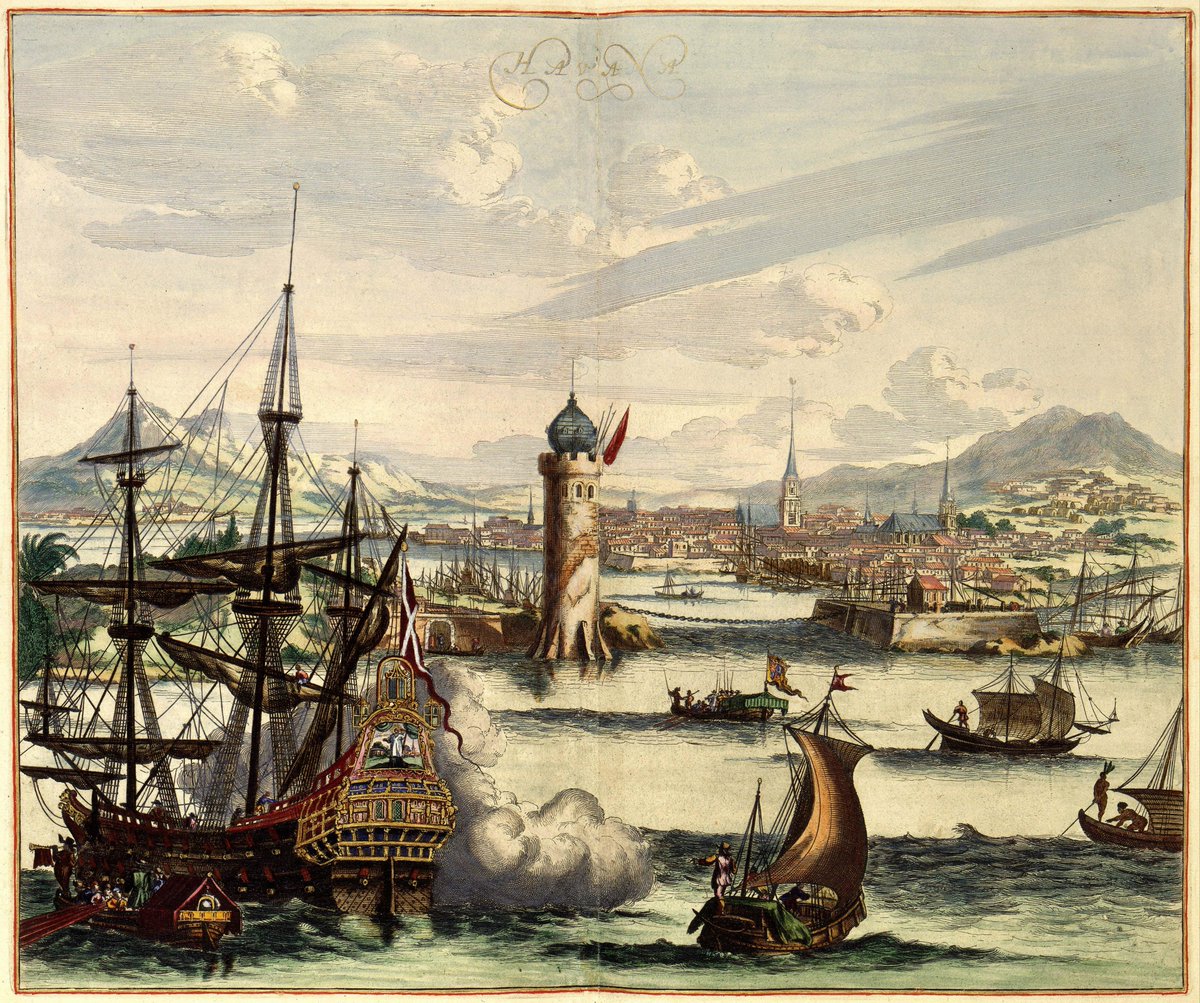
Drake intended to sack the Cuban capital of Havana next but strong winds made it impossible to sail there.
He attacked the Spanish fort San Agustín on Florida instead and then sailed home, visiting English colony of Roanoke along the way.
He attacked the Spanish fort San Agustín on Florida instead and then sailed home, visiting English colony of Roanoke along the way.
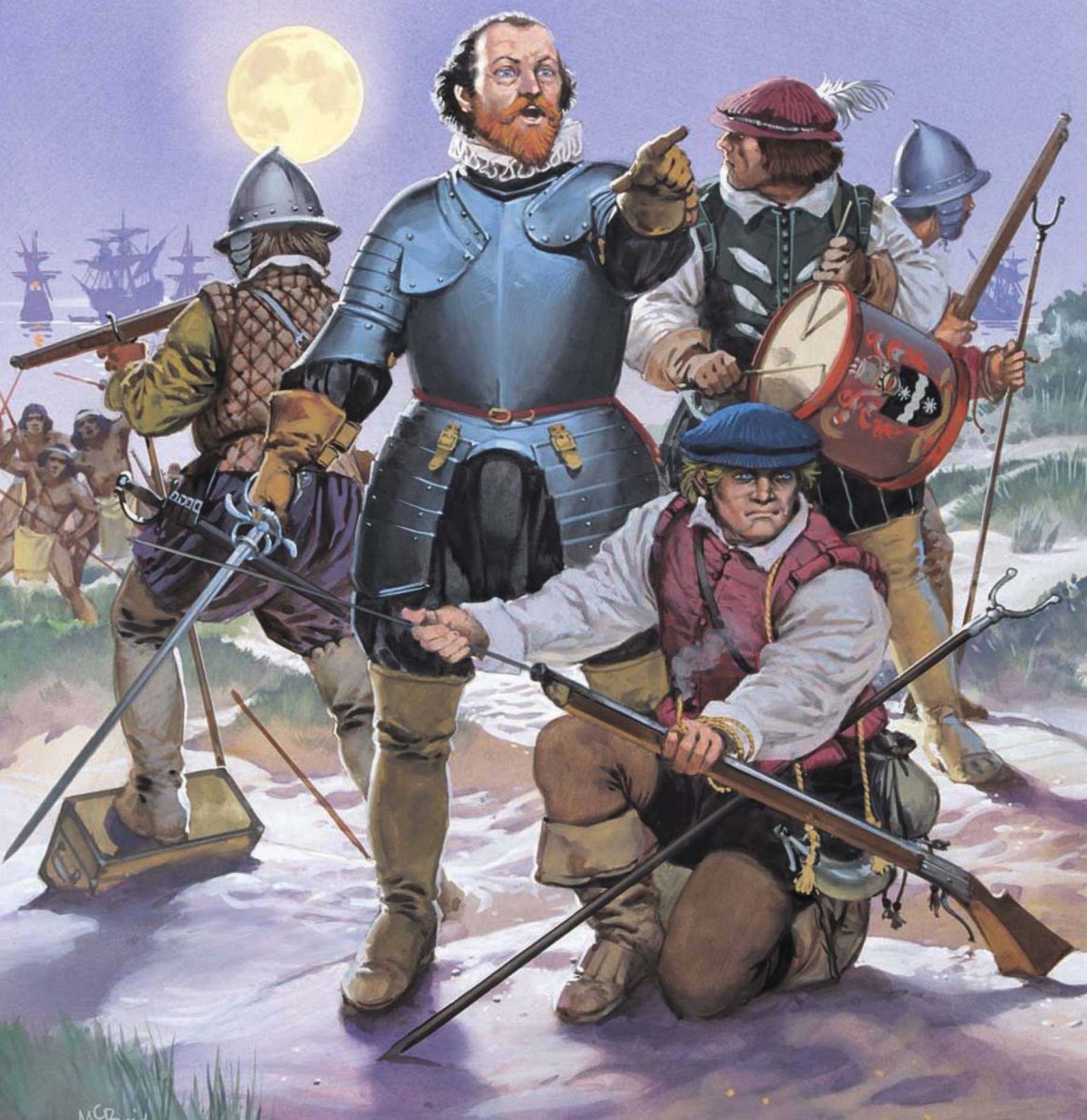
And this is how Drake's Great Expedition of 1585-86 ended.
It was a path of violence and destruction, but also a demonstration of Drake's abilities that made him greatly feared by his enemies.
However the war between Spain and England was only beginning.
It was a path of violence and destruction, but also a demonstration of Drake's abilities that made him greatly feared by his enemies.
However the war between Spain and England was only beginning.
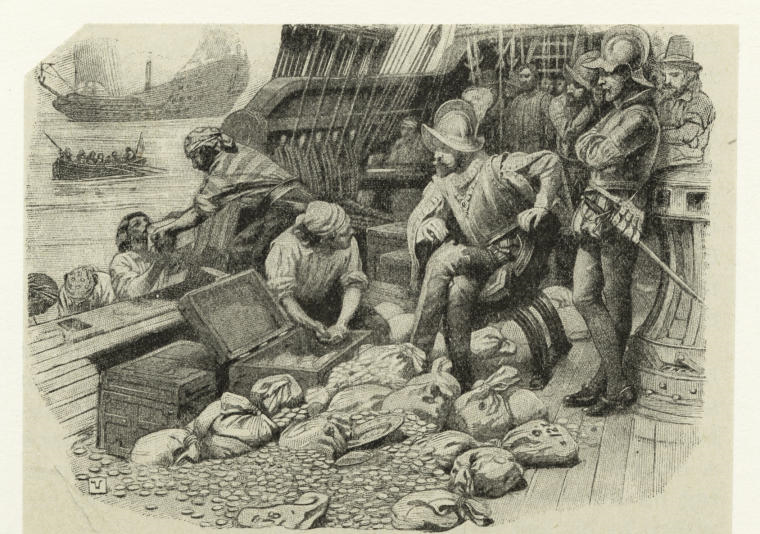
The loot that Drake obtained from this campaign was actually disappointing and it appears that it was not a financial success for his investors.
The gain was mostly political, damaging Spanish prestige, demonstrating how vulnerable parts of this global empire were.
The gain was mostly political, damaging Spanish prestige, demonstrating how vulnerable parts of this global empire were.
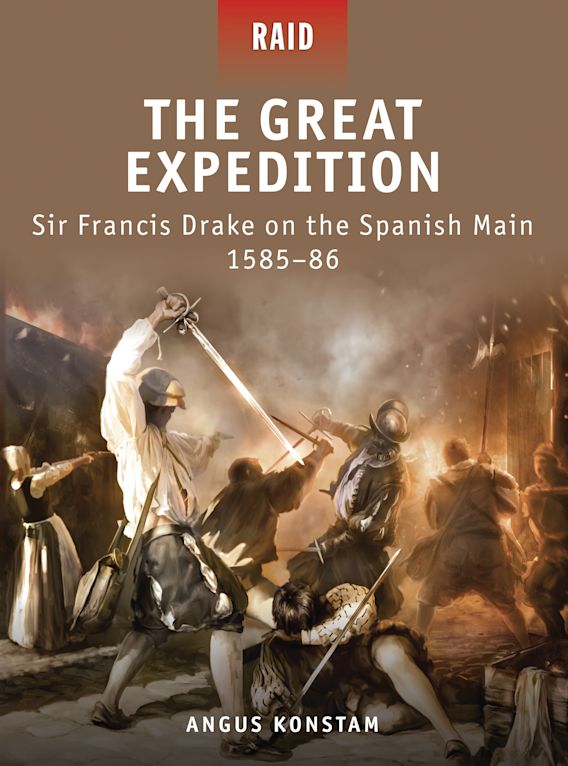
My main source for Drake's expedition is The Great Expedition: Sir Francis Drake on the Spanish Main 1585-86 by Angus Konstam published by Osprey Publishing.
Loading suggestions...