

Some rules of thumb that provide simplified guidelines for decision-making and understanding various phenomena: #Threads
1/ Zeigarnik Effect: “Unfinished tasks are remembered more easily than completed ones.”
1/ Zeigarnik Effect: “Unfinished tasks are remembered more easily than completed ones.”

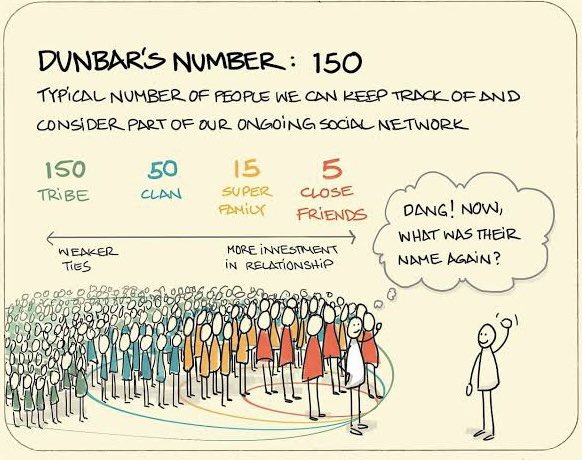
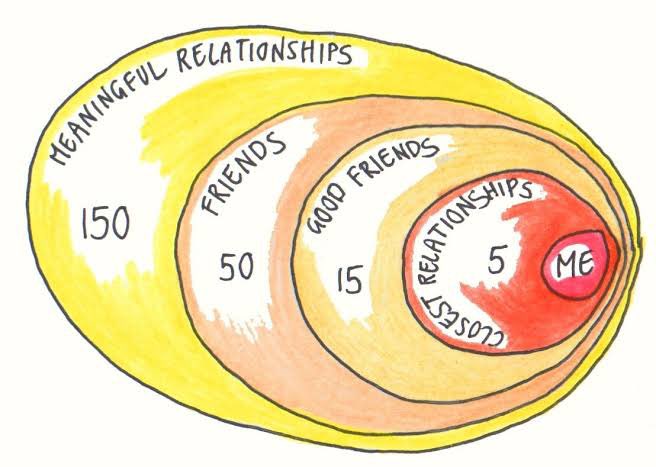
2/Dunbar's Number: “The average person can maintain stable social relationships with around 150 individuals.”
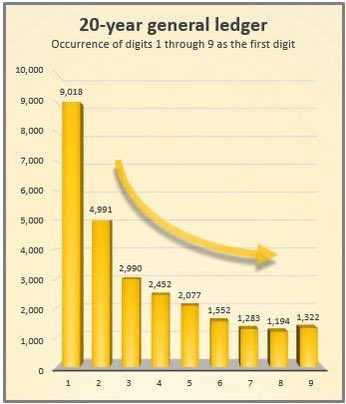
3/Benford's Law: “In many datasets, the leading digits are more likely to be smaller than larger digits.”
⏪In naturally occurring numerical data, the probability of the first digit being small (1, 2, 3) is higher than the probability of it being large (8, 9).
⏪The distribution of leading digits follows a specific pattern. The digit 1 appears as the leading digit about 30% of the time, followed by 2 at around 18%, and the frequency decreases progressively for higher digits, with 9 appearing as the leading digit only about 5% of the time.
⏪In naturally occurring numerical data, the probability of the first digit being small (1, 2, 3) is higher than the probability of it being large (8, 9).
⏪The distribution of leading digits follows a specific pattern. The digit 1 appears as the leading digit about 30% of the time, followed by 2 at around 18%, and the frequency decreases progressively for higher digits, with 9 appearing as the leading digit only about 5% of the time.
4/Sturgeon's Law: “90% of everything is crud(useless).”

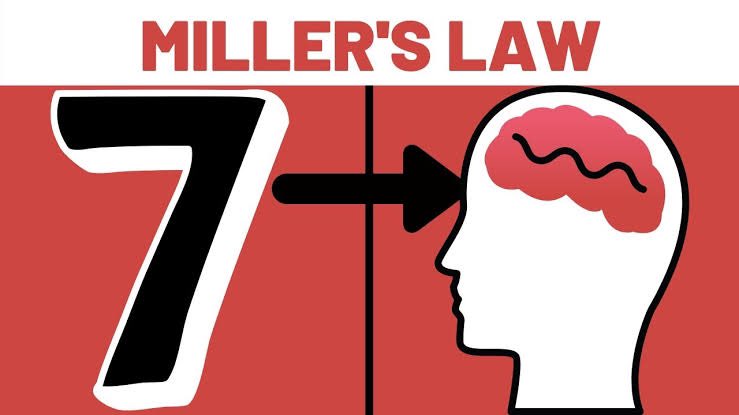
5/Miller's Law: “The average person can hold around 7 (plus or minus 2) items in their working memory.”
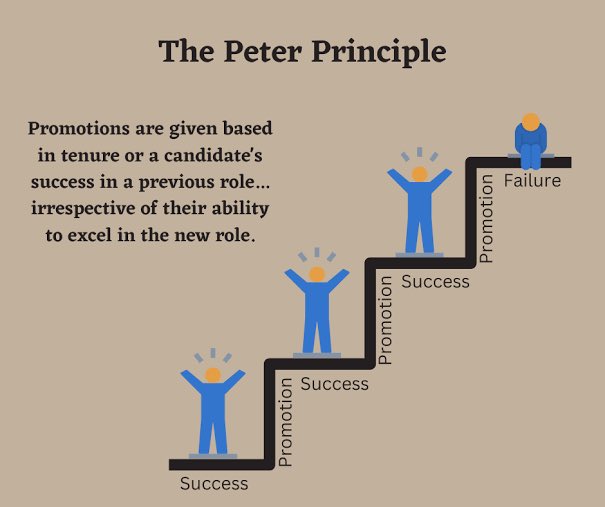
6/Peter Principle: “In a hierarchy, individuals tend to rise to their level of incompetence.”#PeterPrinciple
Occam’s Razor: “The simplest explanation is usually the correct one.”
#OccamsRazor
#SimplicityPrinciple
#SimpleExplanations
#OccamsRazor
#SimplicityPrinciple
#SimpleExplanations

8/Murphy’s Law: “Anything that can go wrong will go wrong.”
#MurphysLaw
#ExpectTheUnexpected
#LawOfUnforeseenEvents
#MurphysLaw
#ExpectTheUnexpected
#LawOfUnforeseenEvents

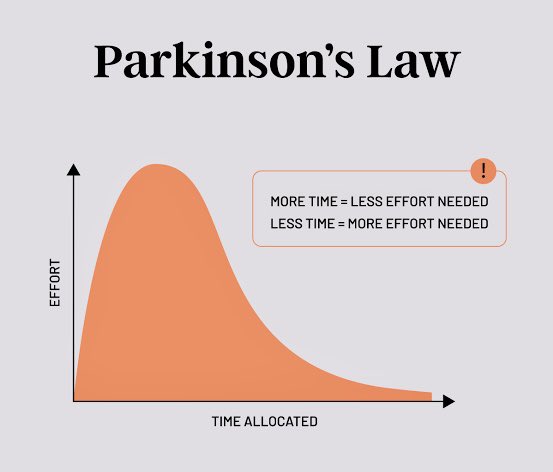
9/Parkinson’s Law: “Work expands to fill the time available for its completion.”
#ParkinsonsLaw
#WorkExpandsToFillTime
#TimeManagement
#ParkinsonsLaw
#WorkExpandsToFillTime
#TimeManagement
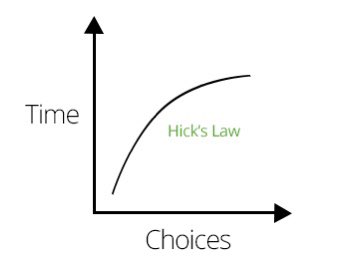
10/“The time it takes to make a decision increases as the number of alternatives increases.”
-Hick’s Law
#DecisionMaking
#HicksLaw
#InformationOverload
-Hick’s Law
#DecisionMaking
#HicksLaw
#InformationOverload
11/“Where you stand depends on where you sit.”
-Mile’s Law
#PerspectiveMatters
#MilesLaw
#InfluenceofPosition
-Mile’s Law
#PerspectiveMatters
#MilesLaw
#InfluenceofPosition

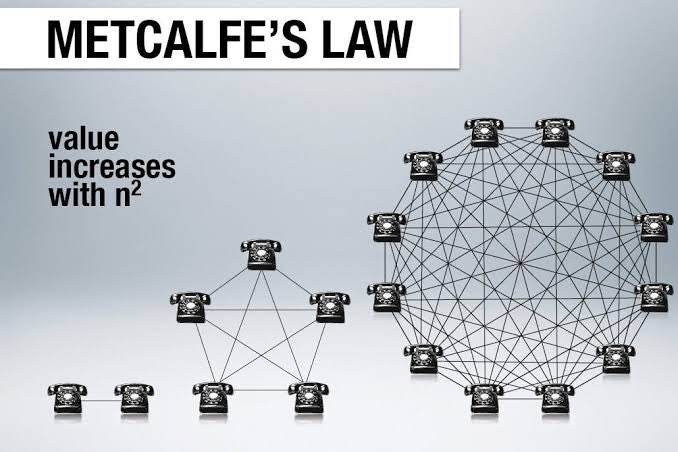
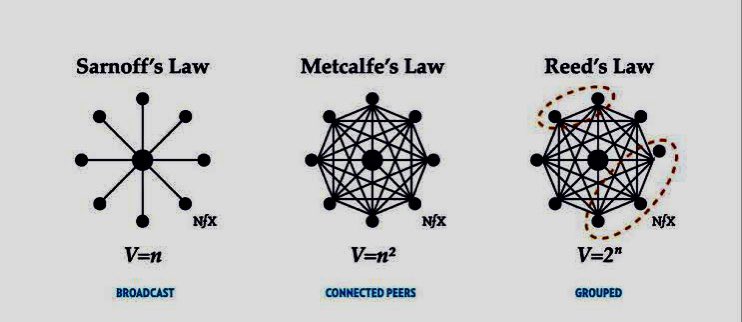
12/Metcalfe’s Law: “The value of a network is proportional to the square of the number of its users.”
#MetcalfesLaw
#NetworkValue
#NetworkEffect
#MetcalfesLaw
#NetworkValue
#NetworkEffect
13/Reed's Law: “The value of a network grows exponentially with the number of its users and the potential for forming subgroups or communities within the network.”
#ReedsLaw #NetworkValue #CommunityFormation
#ReedsLaw #NetworkValue #CommunityFormation
14/Sarnoff's Law: “The value of a broadcast network increases with the number of viewers.”
#SarnoffsLaw #BroadcastNetworkValue #AudienceImpact
#SarnoffsLaw #BroadcastNetworkValue #AudienceImpact
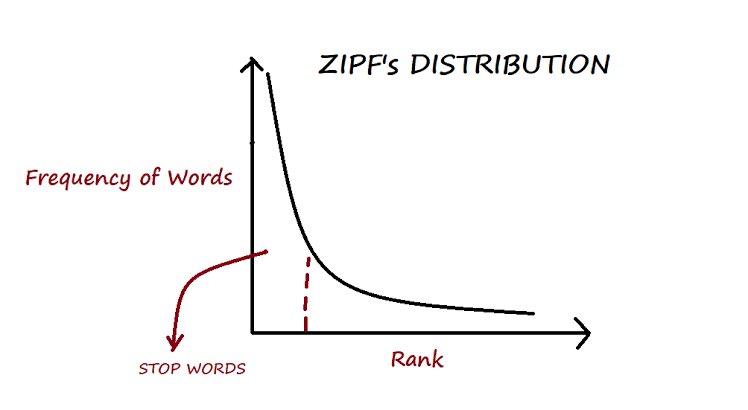
15/Zipf’s Law: “In any corpus of natural language, the frequency of any word is inversely proportional to its rank in the frequency table.”
#ZipfsLaw #WordFrequency #LanguageCorpus
#ZipfsLaw #WordFrequency #LanguageCorpus
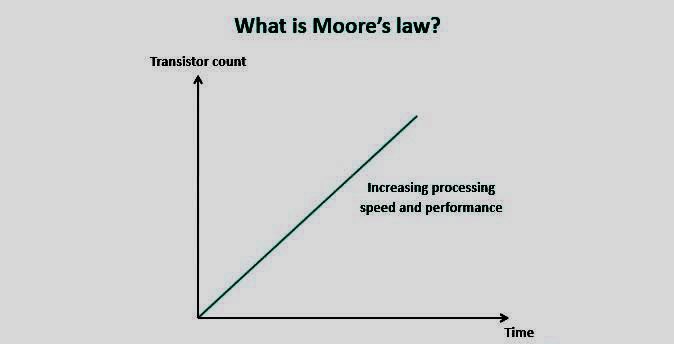
16/Moore’s Law: “The number of transistors on a microchip doubles approximately every two years.”
#MooresLaw #TransistorGrowth #TechnologicalAdvancement
#MooresLaw #TransistorGrowth #TechnologicalAdvancement
17/Amdahl's Law: “The speedup of a computing task is limited by the portion of the task that cannot be parallelized.”
#AmdahlsLaw #ParallelizationLimit #ComputingSpeedup
#AmdahlsLaw #ParallelizationLimit #ComputingSpeedup

18/Sayre's Law: “In any dispute, the intensity of feeling is inversely proportional to the value of the issues at stake.”
#SayresLaw #DisputeIntensity #ValueOfIssues
#EmotionalIntensity #ConflictResolution #PerceivedValue
#SayresLaw #DisputeIntensity #ValueOfIssues
#EmotionalIntensity #ConflictResolution #PerceivedValue

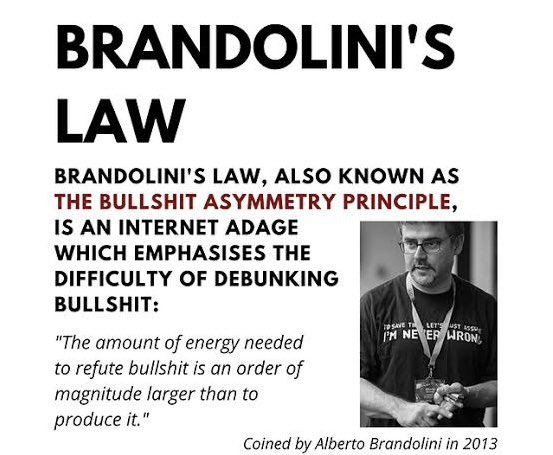
19/ Brandolini's Law (The Bullshit Asymmetry Principle): “The effort required to refute bullshit is an order of magnitude greater than that needed to produce it.”
#BrandolinisLaw #BullshitAsymmetry #RefutingEffort
#InformationVerification #CriticalThinking #Debunking
#BrandolinisLaw #BullshitAsymmetry #RefutingEffort
#InformationVerification #CriticalThinking #Debunking
20/ Cunningham's Law: “The best way to get the right answer on the internet is not to ask a question, but to post the wrong answer.”
#CunninghamsLaw #InternetWisdom #WrongAnswerRightSolution
#ReverseQuestioning #CreativeThinking #ProblemSolving
#CunninghamsLaw #InternetWisdom #WrongAnswerRightSolution
#ReverseQuestioning #CreativeThinking #ProblemSolving

21/ Hofstadter's Law: “It always takes longer than you expect, even when you take into account Hofstadter's Law.”
#HofstadtersLaw #TimeExpectations #Procrastination #TimeManagement
#HofstadtersLaw #TimeExpectations #Procrastination #TimeManagement

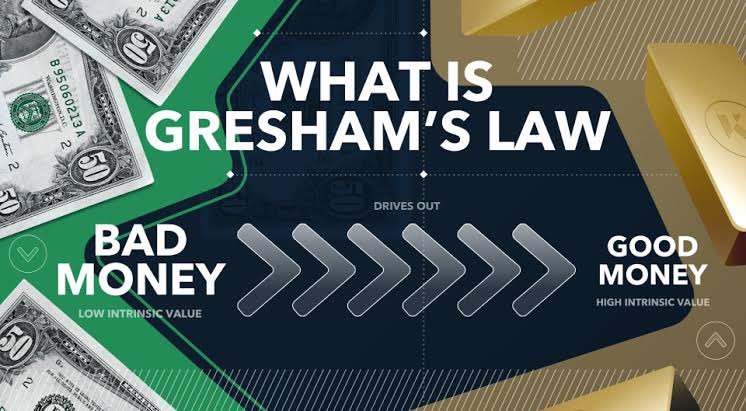
22/Gresham’s Law: “Bad money drives out good money from circulation.”
#GreshamsLaw #CurrencyTheory #MoneyCirculation #BadMoneyDrivesOutGood #MonetaryEconomics
#GreshamsLaw #CurrencyTheory #MoneyCirculation #BadMoneyDrivesOutGood #MonetaryEconomics
23/ ⏪20 laws from the field of psychology:
🪜Law of Effect: Behaviors followed by positive consequences are more likely to be repeated, while behaviors followed by negative consequences are less likely to be repeated.
🪜Law of Primacy: Information that is learned first is often better remembered and has a stronger impact than information learned later.
🪜Law of Recency: Information that is learned most recently is often better remembered and has a stronger impact than earlier information.
🪜Law of Exercise: Repeated practice or rehearsal of information improves learning and retention.
🪜Law of Readiness: People learn best when they are mentally and physically ready and motivated to learn.
🪜Law of Intensity: Stronger or more intense stimuli are more likely to be noticed and have a greater impact on behavior and perception.
🪜Law of Proximity: Elements that are close to each other in space or time are perceived as belonging together and are grouped together in our minds.
🪜Law of Similarity: Elements that are similar to each other in appearance are perceived as belonging together and are grouped together in our minds.
🪜Law of Closure: We tend to perceive incomplete or fragmented patterns as complete by mentally filling in missing information.
🪜Law of Contiguity: Stimuli that are experienced together or in close succession are more likely to be associated with each other.
🪜Law of Cognitive Load: The capacity of working memory is limited, and cognitive performance decreases as the cognitive load (amount of mental effort) increases.
🪜Law of Social Facilitation: The presence of others can enhance or inhibit individual performance depending on the nature of the task.
🪜Law of Social Proof: People are more likely to adopt a belief or engage in a behavior if they see others doing the same.
🪜Law of Cognitive Dissonance: People experience psychological discomfort when their beliefs, attitudes, or behaviors are inconsistent and are motivated to reduce this discomfort.
🪜Law of Reciprocity: People tend to feel obligated to return favors or acts of kindness they have received from others.
🪜Law of Anchoring and Adjustment: People tend to rely heavily on the first piece of information they receive (anchor) when making judgments or estimates and adjust from there.
🪜Law of Stereotypes: People often form generalized beliefs and expectations about individuals or groups based on limited information or social categorizations.
🪜Law of Emotional Contagion: Emotions can be contagious, and individuals can “catch” or be influenced by the emotions expressed by others.
🪜Law of Selective Attention: People selectively attend to and focus on certain stimuli or information while filtering out or ignoring others.
🪜Law of Confirmation Bias: People tend to seek, interpret, and remember information in a way that confirms their preexisting beliefs or hypotheses
🪜Law of Effect: Behaviors followed by positive consequences are more likely to be repeated, while behaviors followed by negative consequences are less likely to be repeated.
🪜Law of Primacy: Information that is learned first is often better remembered and has a stronger impact than information learned later.
🪜Law of Recency: Information that is learned most recently is often better remembered and has a stronger impact than earlier information.
🪜Law of Exercise: Repeated practice or rehearsal of information improves learning and retention.
🪜Law of Readiness: People learn best when they are mentally and physically ready and motivated to learn.
🪜Law of Intensity: Stronger or more intense stimuli are more likely to be noticed and have a greater impact on behavior and perception.
🪜Law of Proximity: Elements that are close to each other in space or time are perceived as belonging together and are grouped together in our minds.
🪜Law of Similarity: Elements that are similar to each other in appearance are perceived as belonging together and are grouped together in our minds.
🪜Law of Closure: We tend to perceive incomplete or fragmented patterns as complete by mentally filling in missing information.
🪜Law of Contiguity: Stimuli that are experienced together or in close succession are more likely to be associated with each other.
🪜Law of Cognitive Load: The capacity of working memory is limited, and cognitive performance decreases as the cognitive load (amount of mental effort) increases.
🪜Law of Social Facilitation: The presence of others can enhance or inhibit individual performance depending on the nature of the task.
🪜Law of Social Proof: People are more likely to adopt a belief or engage in a behavior if they see others doing the same.
🪜Law of Cognitive Dissonance: People experience psychological discomfort when their beliefs, attitudes, or behaviors are inconsistent and are motivated to reduce this discomfort.
🪜Law of Reciprocity: People tend to feel obligated to return favors or acts of kindness they have received from others.
🪜Law of Anchoring and Adjustment: People tend to rely heavily on the first piece of information they receive (anchor) when making judgments or estimates and adjust from there.
🪜Law of Stereotypes: People often form generalized beliefs and expectations about individuals or groups based on limited information or social categorizations.
🪜Law of Emotional Contagion: Emotions can be contagious, and individuals can “catch” or be influenced by the emotions expressed by others.
🪜Law of Selective Attention: People selectively attend to and focus on certain stimuli or information while filtering out or ignoring others.
🪜Law of Confirmation Bias: People tend to seek, interpret, and remember information in a way that confirms their preexisting beliefs or hypotheses

24/ ⏪ 20 laws from the field of philosophy:
🪜Law of Non-Contradiction: A statement cannot be both true and false at the same time and in the same sense.
🪜Law of Identity: Each thing is identical to itself, meaning that it has a unique identity.
🪜Law of Excluded Middle: A statement is either true or false, with no middle ground or third option.
🪜Law of Causality: Every event has a cause or causes that precede it.
🪜Law of Sufficient Reason: Everything must have a reason or explanation for its existence or occurrence.
🪜Law of Rationality: Humans possess the capacity for reasoning and rational thought.
🪜Law of Free Will: Individuals have the ability to make choices and act freely.
🪜Law of Morality: There are moral principles or standards that govern human behavior and actions.
🪜Law of Natural Rights: Humans have inherent rights that are derived from their nature or existence.
🪜Law of Justice: Fairness and equity should guide the distribution of benefits and burdens in society.
🪜Law of Universalizability: Moral principles should be applicable universally to all individuals.
🪜Law of Utility: Actions or decisions should maximize overall happiness or utility.
🪜Law of Good Will: Moral actions should be motivated by a sense of goodwill or benevolence.
🪜Law of Autonomy: Individuals have the right to make decisions and govern their own lives.
🪜Law of Aesthetics: Beauty and aesthetic value are subjective and culturally influenced.
🪜Law of Objectivity: There is an objective reality that exists independently of our perceptions or interpretations.
🪜Law of Dualism: There are two fundamental substances or aspects of existence, such as mind and matter.
🪜Law of Necessity and Contingency: Some things or events are necessary and cannot be otherwise, while others are contingent and could have been different.
🪜Law of Personal Identity: Each person has a unique identity that persists over time, despite changes in their physical or mental states.
🪜Law of Discourse: Rational and meaningful communication requires adherence to logical principles and rules.
🪜Law of Non-Contradiction: A statement cannot be both true and false at the same time and in the same sense.
🪜Law of Identity: Each thing is identical to itself, meaning that it has a unique identity.
🪜Law of Excluded Middle: A statement is either true or false, with no middle ground or third option.
🪜Law of Causality: Every event has a cause or causes that precede it.
🪜Law of Sufficient Reason: Everything must have a reason or explanation for its existence or occurrence.
🪜Law of Rationality: Humans possess the capacity for reasoning and rational thought.
🪜Law of Free Will: Individuals have the ability to make choices and act freely.
🪜Law of Morality: There are moral principles or standards that govern human behavior and actions.
🪜Law of Natural Rights: Humans have inherent rights that are derived from their nature or existence.
🪜Law of Justice: Fairness and equity should guide the distribution of benefits and burdens in society.
🪜Law of Universalizability: Moral principles should be applicable universally to all individuals.
🪜Law of Utility: Actions or decisions should maximize overall happiness or utility.
🪜Law of Good Will: Moral actions should be motivated by a sense of goodwill or benevolence.
🪜Law of Autonomy: Individuals have the right to make decisions and govern their own lives.
🪜Law of Aesthetics: Beauty and aesthetic value are subjective and culturally influenced.
🪜Law of Objectivity: There is an objective reality that exists independently of our perceptions or interpretations.
🪜Law of Dualism: There are two fundamental substances or aspects of existence, such as mind and matter.
🪜Law of Necessity and Contingency: Some things or events are necessary and cannot be otherwise, while others are contingent and could have been different.
🪜Law of Personal Identity: Each person has a unique identity that persists over time, despite changes in their physical or mental states.
🪜Law of Discourse: Rational and meaningful communication requires adherence to logical principles and rules.

25/ ⏪10 important laws in forensic science
🪜Locard’s Exchange Principle: Every contact leaves a trace, meaning that whenever two objects come into contact, there will be a transfer of materials.
🪜Frye’s Standard: Scientific evidence must be generally accepted within the scientific community in order to be admissible in court.
🪜Daubert Standard: Criteria used to determine the admissibility of scientific evidence in federal courts in the United States.
🪜Principle of Individuality: Every person and object can be distinguished from others based on unique characteristics or traits.
🪜Principle of Reconstruction: Through careful analysis of evidence, forensic scientists can reconstruct events and circumstances surrounding a crime.
🪜Principle of Class Characteristics: Objects or evidence can be grouped into classes based on similar characteristics, providing potential links to suspects or crime scenes.
🪜Principle of Identification: Forensic experts can determine the identity of a person or object through scientific analysis of physical or biological evidence.
🪜Principle of Chain of Custody: The proper documentation and handling of evidence to maintain its integrity and ensure it can be used in court.
🪜Principle of Preservation: Proper preservation techniques must be employed to prevent contamination or deterioration of evidence.
🪜Principle of Transfer: Traces left behind at a crime scene can be transferred to suspects or their belongings, providing potential evidence of their involvement.
🪜Locard’s Exchange Principle: Every contact leaves a trace, meaning that whenever two objects come into contact, there will be a transfer of materials.
🪜Frye’s Standard: Scientific evidence must be generally accepted within the scientific community in order to be admissible in court.
🪜Daubert Standard: Criteria used to determine the admissibility of scientific evidence in federal courts in the United States.
🪜Principle of Individuality: Every person and object can be distinguished from others based on unique characteristics or traits.
🪜Principle of Reconstruction: Through careful analysis of evidence, forensic scientists can reconstruct events and circumstances surrounding a crime.
🪜Principle of Class Characteristics: Objects or evidence can be grouped into classes based on similar characteristics, providing potential links to suspects or crime scenes.
🪜Principle of Identification: Forensic experts can determine the identity of a person or object through scientific analysis of physical or biological evidence.
🪜Principle of Chain of Custody: The proper documentation and handling of evidence to maintain its integrity and ensure it can be used in court.
🪜Principle of Preservation: Proper preservation techniques must be employed to prevent contamination or deterioration of evidence.
🪜Principle of Transfer: Traces left behind at a crime scene can be transferred to suspects or their belongings, providing potential evidence of their involvement.

26/⏪20 Laws of Photography:
📸 "The Rule of Thirds": This rule is about dividing the frame into a 3x3 grid and placing the subject along those lines or at their intersections for a balanced composition.
📸"The Golden Ratio": This rule is based on a mathematical principle and creates a sense of aesthetic balance and harmony in the image.
📸"Leading Lines": This law encourages photographers to use natural lines to draw the viewer’s attention towards a certain point in the image.
📸"Framing": This rule involves using natural frames like windows, arches, or branches to isolate and highlight the main subject.
📸"Fill the Frame": This rule encourages getting close to the subject to capture details and eliminate distractions.
📸"Simplicity and Minimalism": This rule focuses on having a clean, uncluttered frame with a clear point of interest.
📸"The Rule of Space": This law involves including extra space in the direction that a subject is moving or looking towards.
📸"Depth": Utilizing depth can give a three-dimensional feel to a two-dimensional image.
📸"Color Theory": Understanding colors and their relationships can help create a certain mood or harmony in your images.
📸"Balance": This involves arranging elements so that no one part of the image overpowers another.
📸"Symmetry": Symmetry can be very pleasing to the eye and is often used in architectural and abstract photography.
📸"Texture": Including texture can add a tangible quality to an image.
📸"Pattern and Repetition": Patterns are aesthetically pleasing, but the best photos often break them.
📸"Backgrounds": A poorly chosen background can ruin an otherwise good image.
📸"Juxtaposition": Placing contrasting elements together can be very impactful.
📸"Timing": Often the difference between a good photo and a great one is a matter of seconds.
📸"Perspective": Changing your perspective can dramatically alter the look of an image.
📸"The Rule of Odds": An image is more visually appealing if there are an odd number of subjects.
📸"Experimentation": There are rules, but they should be understood so they can be broken. Don’t be afraid to try something new.
📸"The Decisive Moment": This term, coined by Henri Cartier-Bresson, refers to capturing an event that is ephemeral and spontaneous, where the image represents the essence of the event itself.
📸 "The Rule of Thirds": This rule is about dividing the frame into a 3x3 grid and placing the subject along those lines or at their intersections for a balanced composition.
📸"The Golden Ratio": This rule is based on a mathematical principle and creates a sense of aesthetic balance and harmony in the image.
📸"Leading Lines": This law encourages photographers to use natural lines to draw the viewer’s attention towards a certain point in the image.
📸"Framing": This rule involves using natural frames like windows, arches, or branches to isolate and highlight the main subject.
📸"Fill the Frame": This rule encourages getting close to the subject to capture details and eliminate distractions.
📸"Simplicity and Minimalism": This rule focuses on having a clean, uncluttered frame with a clear point of interest.
📸"The Rule of Space": This law involves including extra space in the direction that a subject is moving or looking towards.
📸"Depth": Utilizing depth can give a three-dimensional feel to a two-dimensional image.
📸"Color Theory": Understanding colors and their relationships can help create a certain mood or harmony in your images.
📸"Balance": This involves arranging elements so that no one part of the image overpowers another.
📸"Symmetry": Symmetry can be very pleasing to the eye and is often used in architectural and abstract photography.
📸"Texture": Including texture can add a tangible quality to an image.
📸"Pattern and Repetition": Patterns are aesthetically pleasing, but the best photos often break them.
📸"Backgrounds": A poorly chosen background can ruin an otherwise good image.
📸"Juxtaposition": Placing contrasting elements together can be very impactful.
📸"Timing": Often the difference between a good photo and a great one is a matter of seconds.
📸"Perspective": Changing your perspective can dramatically alter the look of an image.
📸"The Rule of Odds": An image is more visually appealing if there are an odd number of subjects.
📸"Experimentation": There are rules, but they should be understood so they can be broken. Don’t be afraid to try something new.
📸"The Decisive Moment": This term, coined by Henri Cartier-Bresson, refers to capturing an event that is ephemeral and spontaneous, where the image represents the essence of the event itself.

27/⏪10 Most Important Laws of Communication:
🏺1. "Law of Clarity": Clear and concise messages are more likely to be understood and acted upon. Ensure your intent matches the message delivered.
🏺2. "Law of Listening": Effective communication requires active listening. Understanding and acknowledging the speaker fosters positive communication.
🏺3. "Law of Respect": Treat every communication exchange with respect. All parties have a right to voice their perspectives.
🏺4. "Law of Non-Verbal Communication": Body language, facial expressions, and tone often communicate more information than words. Be mindful of your non-verbal cues.
🏺5. "Law of Feedback": Constructive feedback helps ensure the message sent is the message received. Always provide a chance for response and clarification.
🏺6. "Law of Context": Consider the context in which communication occurs. The same message can have different meanings in different contexts.
🏺7. "Law of Consistency": Regular and consistent communication builds trust and understanding, fostering stronger relationships.
🏺8. "Law of Adaptation": Tailor your message to your audience. The better you understand them, the more effective your communication will be.
🏺9. "Law of Honesty": Authentic and honest communication builds trust and integrity, which are fundamental to effective communication.
🏺10. "Law of Empathy": Putting yourself in the other person's shoes enhances understanding and connection. Empathy promotes open and honest communication.
#ClearCommunication #ActiveListening #RespectfulDialogue #NonVerbalCues #ConstructiveFeedback #ContextMatters #ConsistentMessaging #AudienceAdaptation #HonestDialogue #EmpatheticUnderstanding
🏺1. "Law of Clarity": Clear and concise messages are more likely to be understood and acted upon. Ensure your intent matches the message delivered.
🏺2. "Law of Listening": Effective communication requires active listening. Understanding and acknowledging the speaker fosters positive communication.
🏺3. "Law of Respect": Treat every communication exchange with respect. All parties have a right to voice their perspectives.
🏺4. "Law of Non-Verbal Communication": Body language, facial expressions, and tone often communicate more information than words. Be mindful of your non-verbal cues.
🏺5. "Law of Feedback": Constructive feedback helps ensure the message sent is the message received. Always provide a chance for response and clarification.
🏺6. "Law of Context": Consider the context in which communication occurs. The same message can have different meanings in different contexts.
🏺7. "Law of Consistency": Regular and consistent communication builds trust and understanding, fostering stronger relationships.
🏺8. "Law of Adaptation": Tailor your message to your audience. The better you understand them, the more effective your communication will be.
🏺9. "Law of Honesty": Authentic and honest communication builds trust and integrity, which are fundamental to effective communication.
🏺10. "Law of Empathy": Putting yourself in the other person's shoes enhances understanding and connection. Empathy promotes open and honest communication.
#ClearCommunication #ActiveListening #RespectfulDialogue #NonVerbalCues #ConstructiveFeedback #ContextMatters #ConsistentMessaging #AudienceAdaptation #HonestDialogue #EmpatheticUnderstanding

28/⏪20 Laws of Time Management:
🕰️ "Law of Prioritization": Not all tasks are equally important. Prioritize based on the value tasks add to your goals.
🕰️ "Law of Planning": Invest time in planning your tasks. A well-structured plan boosts efficiency.
🕰️ "Law of Time Boxing": Dedicate specific time slots for similar tasks to improve focus and efficiency.
🕰️ "Law of Delegation": Delegate tasks that others can do. This frees up your time for higher-level tasks.
🕰️ "Law of Concentration": Quality over quantity. Focusing on one task at a time often leads to better results.
🕰️ "Law of Rest": Regular breaks are crucial. They help maintain productivity and prevent burnout.
🕰️ "Law of Flexibility": Build flexibility into your schedule. Unexpected tasks or delays are inevitable.
🕰️ "Law of Balance": Work-life balance is key. Dedicating time to relaxation and personal activities can rejuvenate your mind.
🕰️ "Law of Routine and Habit Development": Developing routines and habits can help automate tasks and improve efficiency.
🕰️ "Law of ‘No’": Learning to say 'no' to non-critical requests is vital to protect your time.
🕰️ "Law of Urgency": Distinguish between what is urgent and what is important. Urgent tasks are not always the most important.
🕰️ "Law of Deadlines": Set deadlines. They provide a clear end point and help maintain focus.
🕰️ "Law of Pareto Principle": 80% of results often come from 20% of efforts. Identify and focus on that 20%.
🕰️ "Law of Procrastination": Delaying tasks can lead to piled-up work. Tackle difficult tasks first to avoid this.
🕰️ "Law of Uninterrupted Blocks": Schedule large blocks of uninterrupted time for high-concentration tasks.
🕰️ "Law of Tools and Technology": Leverage tools and technology to save time and increase productivity.
🕰️ "Law of Clutter-free Environment": A tidy and organized work environment can enhance focus and productivity.
🕰️ "Law of Preparation": Spend time preparing for tasks or events in advance to ensure smooth execution.
🕰️ "Law of Reflection": Regularly review and reflect on how you spend your time to identify areas for improvement.
🕰️ "Law of Value": Time is a non-renewable resource. Treat it as such and spend it on activities that add value to your life or work.
🕰️ "Law of Prioritization": Not all tasks are equally important. Prioritize based on the value tasks add to your goals.
🕰️ "Law of Planning": Invest time in planning your tasks. A well-structured plan boosts efficiency.
🕰️ "Law of Time Boxing": Dedicate specific time slots for similar tasks to improve focus and efficiency.
🕰️ "Law of Delegation": Delegate tasks that others can do. This frees up your time for higher-level tasks.
🕰️ "Law of Concentration": Quality over quantity. Focusing on one task at a time often leads to better results.
🕰️ "Law of Rest": Regular breaks are crucial. They help maintain productivity and prevent burnout.
🕰️ "Law of Flexibility": Build flexibility into your schedule. Unexpected tasks or delays are inevitable.
🕰️ "Law of Balance": Work-life balance is key. Dedicating time to relaxation and personal activities can rejuvenate your mind.
🕰️ "Law of Routine and Habit Development": Developing routines and habits can help automate tasks and improve efficiency.
🕰️ "Law of ‘No’": Learning to say 'no' to non-critical requests is vital to protect your time.
🕰️ "Law of Urgency": Distinguish between what is urgent and what is important. Urgent tasks are not always the most important.
🕰️ "Law of Deadlines": Set deadlines. They provide a clear end point and help maintain focus.
🕰️ "Law of Pareto Principle": 80% of results often come from 20% of efforts. Identify and focus on that 20%.
🕰️ "Law of Procrastination": Delaying tasks can lead to piled-up work. Tackle difficult tasks first to avoid this.
🕰️ "Law of Uninterrupted Blocks": Schedule large blocks of uninterrupted time for high-concentration tasks.
🕰️ "Law of Tools and Technology": Leverage tools and technology to save time and increase productivity.
🕰️ "Law of Clutter-free Environment": A tidy and organized work environment can enhance focus and productivity.
🕰️ "Law of Preparation": Spend time preparing for tasks or events in advance to ensure smooth execution.
🕰️ "Law of Reflection": Regularly review and reflect on how you spend your time to identify areas for improvement.
🕰️ "Law of Value": Time is a non-renewable resource. Treat it as such and spend it on activities that add value to your life or work.

29/⏪10 Important Properties of Time:
⏰ "Irreversibility": Time only moves forward, never backward. We always move from the past towards the future.
⏰ "Continuity": Time is continuous. It doesn’t jump or skip but flows smoothly.
⏰ "One-dimensionality": Time has only one dimension, which is often referred to as ‘duration’.
⏰ "Infinity": Time is believed to be infinite. It had no beginning and will have no end.
⏰ "Non-spatial": Time does not occupy space. It is not a physical object.
⏰ "Relativity": According to Einstein’s Theory of Relativity, time can be affected by speed and gravity.
⏰ "Immutability": The rate of time, at least in any given inertial reference frame, remains constant.
⏰ "Directionality": Often referred to as the “arrow of time,” physical processes have a direction and are not reversible.
⏰ "Asymmetry": The future and the past are not the same, showing the asymmetry of time.
⏰ "Quantizability": Some theories suggest time may be quantized, meaning it might be composed of discrete moments rather than a continuous flow.
#TimeProperties #Irreversibility #TimeContinuity #OneDimensionality #TimeInfinity #NonSpatial #TimeRelativity #TimeImmutability #TimeDirectionality #TimeAsymmetry #TimeQuantizability
⏰ "Irreversibility": Time only moves forward, never backward. We always move from the past towards the future.
⏰ "Continuity": Time is continuous. It doesn’t jump or skip but flows smoothly.
⏰ "One-dimensionality": Time has only one dimension, which is often referred to as ‘duration’.
⏰ "Infinity": Time is believed to be infinite. It had no beginning and will have no end.
⏰ "Non-spatial": Time does not occupy space. It is not a physical object.
⏰ "Relativity": According to Einstein’s Theory of Relativity, time can be affected by speed and gravity.
⏰ "Immutability": The rate of time, at least in any given inertial reference frame, remains constant.
⏰ "Directionality": Often referred to as the “arrow of time,” physical processes have a direction and are not reversible.
⏰ "Asymmetry": The future and the past are not the same, showing the asymmetry of time.
⏰ "Quantizability": Some theories suggest time may be quantized, meaning it might be composed of discrete moments rather than a continuous flow.
#TimeProperties #Irreversibility #TimeContinuity #OneDimensionality #TimeInfinity #NonSpatial #TimeRelativity #TimeImmutability #TimeDirectionality #TimeAsymmetry #TimeQuantizability

30/⏪10 Laws of Time:
🐈 "Second Law of Thermodynamics": Time's direction is tied to the increase in entropy or disorder in the universe.
🐈 "Einstein's Theory of Relativity": Time dilation occurs when one object moves relative to another object, meaning time can slow down or speed up depending on the speed of the object and the strength of gravity.
🐈 "Quantum Entanglement": In quantum physics, particles can become entangled and affect each other's states instantly, seemingly bypassing time.
🐈 "Causality Principle": Causes must always precede their effects. The cause-effect relationship defines the forward direction of time.
🐈 "Time's Uncertainty Principle": In quantum mechanics, the energy of a system and the time over which the system persists cannot both be known exactly.
🐈 "Cosmological Arrow of Time": The universe is expanding and not contracting, determining the direction of time.
🐈 "Psychological Arrow of Time": Humans perceive time as always moving forward.
🐈 "Radiative Arrow of Time": Electromagnetic radiation like light only travels in one direction - from the source to the observer.
🐈 "Quantum Arrow of Time": In quantum mechanics, wave functions evolve over time but the process is not reversible.
🐈 "Relativity of Simultaneity": According to the Theory of Relativity, simultaneous events for one observer may not be simultaneous for another observer, depending on their relative motion.
#LawsOfTime #Thermodynamics #TheoryOfRelativity #QuantumEntanglement #CausalityPrinciple #TimeUncertainty #CosmologicalArrow #PsychologicalArrow #RadiativeArrow #QuantumArrow #RelativityOfSimultaneity
🐈 "Second Law of Thermodynamics": Time's direction is tied to the increase in entropy or disorder in the universe.
🐈 "Einstein's Theory of Relativity": Time dilation occurs when one object moves relative to another object, meaning time can slow down or speed up depending on the speed of the object and the strength of gravity.
🐈 "Quantum Entanglement": In quantum physics, particles can become entangled and affect each other's states instantly, seemingly bypassing time.
🐈 "Causality Principle": Causes must always precede their effects. The cause-effect relationship defines the forward direction of time.
🐈 "Time's Uncertainty Principle": In quantum mechanics, the energy of a system and the time over which the system persists cannot both be known exactly.
🐈 "Cosmological Arrow of Time": The universe is expanding and not contracting, determining the direction of time.
🐈 "Psychological Arrow of Time": Humans perceive time as always moving forward.
🐈 "Radiative Arrow of Time": Electromagnetic radiation like light only travels in one direction - from the source to the observer.
🐈 "Quantum Arrow of Time": In quantum mechanics, wave functions evolve over time but the process is not reversible.
🐈 "Relativity of Simultaneity": According to the Theory of Relativity, simultaneous events for one observer may not be simultaneous for another observer, depending on their relative motion.
#LawsOfTime #Thermodynamics #TheoryOfRelativity #QuantumEntanglement #CausalityPrinciple #TimeUncertainty #CosmologicalArrow #PsychologicalArrow #RadiativeArrow #QuantumArrow #RelativityOfSimultaneity

31/🏺20 Laws of Wealth:
🎏 "Law of Value": Your wealth is a reflection of the value you provide. The more value you offer, the more wealth you can generate.
🎏 "Law of Saving": Save and invest a portion of your earnings regularly. Compound interest is a powerful wealth-building tool.
🎏 "Law of Diversification": Don't put all your eggs in one basket. Diversify your investments to mitigate risks.
🎏 "Law of Risk and Reward": Higher potential rewards often come with higher risk. Understand and manage this balance effectively.
🎏 "Law of Education": Continually educate yourself about finance and investments. Knowledge is the foundation of wealth.
🎏 "Law of Persistence": Building wealth usually takes time. Persistence and patience are crucial.
🎏 "Law of Income Streams": Don't rely on a single income source. Multiple streams of income can lead to financial stability and wealth.
🎏 "Law of Spending": Spend less than you earn. Financial discipline is fundamental to wealth accumulation.
🎏 "Law of Leverage": Utilize other people's time, skills, and money whenever possible to scale your wealth.
🎏 "Law of Giving": The more you give, the more you receive. Contributing to others and to your community can often lead to opportunities for wealth.
🎏 "Law of Attraction": Your mindset and beliefs about wealth can influence your financial reality. Positive attitudes can attract prosperity.
🎏 "Law of Consistency": Regular and consistent actions toward wealth building often yield better results than sporadic efforts.
🎏 "Law of Networking": Building strong professional and personal networks can open doors to opportunities and amplify your wealth.
🎏 "Law of Delayed Gratification": Sacrificing immediate pleasures for long-term gains is key to accumulating wealth.
🎏 "Law of Market Understanding": To invest wisely, understanding market trends and dynamics is crucial.
🎏 "Law of Debt Management": Avoid bad debt that doesn't generate income. Use good debt that can be leveraged to increase your wealth.
🎏 "Law of Financial Planning": A clear financial plan serves as a roadmap for wealth accumulation and ensures you stay on track.
🎏 "Law of Self Investment": Investing in your skills and health is one of the best investments. It enhances your capacity to earn and accumulate wealth.
🎏 "Law of Accountability": Take responsibility for your financial situation. Your wealth depends on the decisions you make.
🎏 "Law of Estate Planning": Proper planning of your estate ensures that your wealth benefits those you care about and isn't lost to taxes and legal complications.
#WealthLaws #LawOfAttraction #ConsistencyInWealth #Networking #DelayedGratification #MarketUnderstanding #DebtManagement #FinancialPlanning #SelfInvestment #Accountability #EstatePlanning
🎏 "Law of Value": Your wealth is a reflection of the value you provide. The more value you offer, the more wealth you can generate.
🎏 "Law of Saving": Save and invest a portion of your earnings regularly. Compound interest is a powerful wealth-building tool.
🎏 "Law of Diversification": Don't put all your eggs in one basket. Diversify your investments to mitigate risks.
🎏 "Law of Risk and Reward": Higher potential rewards often come with higher risk. Understand and manage this balance effectively.
🎏 "Law of Education": Continually educate yourself about finance and investments. Knowledge is the foundation of wealth.
🎏 "Law of Persistence": Building wealth usually takes time. Persistence and patience are crucial.
🎏 "Law of Income Streams": Don't rely on a single income source. Multiple streams of income can lead to financial stability and wealth.
🎏 "Law of Spending": Spend less than you earn. Financial discipline is fundamental to wealth accumulation.
🎏 "Law of Leverage": Utilize other people's time, skills, and money whenever possible to scale your wealth.
🎏 "Law of Giving": The more you give, the more you receive. Contributing to others and to your community can often lead to opportunities for wealth.
🎏 "Law of Attraction": Your mindset and beliefs about wealth can influence your financial reality. Positive attitudes can attract prosperity.
🎏 "Law of Consistency": Regular and consistent actions toward wealth building often yield better results than sporadic efforts.
🎏 "Law of Networking": Building strong professional and personal networks can open doors to opportunities and amplify your wealth.
🎏 "Law of Delayed Gratification": Sacrificing immediate pleasures for long-term gains is key to accumulating wealth.
🎏 "Law of Market Understanding": To invest wisely, understanding market trends and dynamics is crucial.
🎏 "Law of Debt Management": Avoid bad debt that doesn't generate income. Use good debt that can be leveraged to increase your wealth.
🎏 "Law of Financial Planning": A clear financial plan serves as a roadmap for wealth accumulation and ensures you stay on track.
🎏 "Law of Self Investment": Investing in your skills and health is one of the best investments. It enhances your capacity to earn and accumulate wealth.
🎏 "Law of Accountability": Take responsibility for your financial situation. Your wealth depends on the decisions you make.
🎏 "Law of Estate Planning": Proper planning of your estate ensures that your wealth benefits those you care about and isn't lost to taxes and legal complications.
#WealthLaws #LawOfAttraction #ConsistencyInWealth #Networking #DelayedGratification #MarketUnderstanding #DebtManagement #FinancialPlanning #SelfInvestment #Accountability #EstatePlanning

32/⏪10 Laws of Leverage:
🎡 "Law of Leverage Efficiency": Efficient use of leverage optimizes your ability to use less to gain more, whether it be resources, time, or money.
🎡 "Law of Risk and Reward": With leverage, the potential for reward increases, but so does risk. Use…
🎡 "Law of Leverage Efficiency": Efficient use of leverage optimizes your ability to use less to gain more, whether it be resources, time, or money.
🎡 "Law of Risk and Reward": With leverage, the potential for reward increases, but so does risk. Use…

33/⏪20 Laws of Book 📚 Reading :
1. 📕 "Law of Purpose": Understand your purpose for reading. Are you reading for entertainment, knowledge, or for a specific task?
2. 📕 "Law of Selectivity": Not every book needs to be read cover-to-cover. Be selective based on your interests…
1. 📕 "Law of Purpose": Understand your purpose for reading. Are you reading for entertainment, knowledge, or for a specific task?
2. 📕 "Law of Selectivity": Not every book needs to be read cover-to-cover. Be selective based on your interests…

34/⏪20 Laws of Internet 🛜 Engagement:
🗿 "Rule of Respect": Treat others online as you would like to be treated. Respect different opinions and experiences.
🗿 "Rule of Privacy": Protect your personal information and respect the privacy of others.
🗿 "Rule of Clarity":…
🗿 "Rule of Respect": Treat others online as you would like to be treated. Respect different opinions and experiences.
🗿 "Rule of Privacy": Protect your personal information and respect the privacy of others.
🗿 "Rule of Clarity":…

35/⏪20 Laws of Randomness & Uncertainty:
⌛️ "Law of Probability": In any random event, there is a set of possible outcomes and each has a certain probability of occurrence.
⌛️ "Law of Large Numbers": As the size of a sample increases, its mean gets closer to the average of the…
⌛️ "Law of Probability": In any random event, there is a set of possible outcomes and each has a certain probability of occurrence.
⌛️ "Law of Large Numbers": As the size of a sample increases, its mean gets closer to the average of the…

36/⏪10 Laws of Zero:
🪬 "Law of Zero Identity": Zero is the only number which, when added to a number, does not change that number.
🪬 "Law of Zero Multiplication": Any number multiplied by zero is zero.
🪬 "Law of Zero Division": Division by zero is undefined in the realm of…
🪬 "Law of Zero Identity": Zero is the only number which, when added to a number, does not change that number.
🪬 "Law of Zero Multiplication": Any number multiplied by zero is zero.
🪬 "Law of Zero Division": Division by zero is undefined in the realm of…

37/⏪10 Laws of Negotiation:
🗻 "Law of Preparation": The better prepared you are before a negotiation, the better the outcome will likely be.
🗻 "Law of Clear Objectives": Before you start negotiating, know what you want to achieve.
🗻 "Law of Patience": Negotiation takes time.…
🗻 "Law of Preparation": The better prepared you are before a negotiation, the better the outcome will likely be.
🗻 "Law of Clear Objectives": Before you start negotiating, know what you want to achieve.
🗻 "Law of Patience": Negotiation takes time.…

38/⏪Sherlock Holmes, the famous detective created by Arthur Conan Doyle, is known for his wit and wisdom.20 pieces of wisdom as interpreted from the Sherlock Holmes stories:
1. 🕵️♂️ "There is nothing more deceptive than an obvious fact."
2. 🕵️♂️ "When you have eliminated the…
1. 🕵️♂️ "There is nothing more deceptive than an obvious fact."
2. 🕵️♂️ "When you have eliminated the…

39/ ⏪️20 Laws of Business Profitability:
1. 📊 "Understand Your Market": Profitability starts with understanding the needs and wants of your market.
2. 📊 "Know Your Costs": You must understand where every dollar goes in your business to increase profitability.
3. 📊 "Increase…
1. 📊 "Understand Your Market": Profitability starts with understanding the needs and wants of your market.
2. 📊 "Know Your Costs": You must understand where every dollar goes in your business to increase profitability.
3. 📊 "Increase…

40/⏪20 Laws of Cash Flow:
1. 💰 "Sales Revenue is Not Cash Flow": Recognize the difference between revenue and cash flow. Sales on credit do not immediately impact cash flow.
2. 💰 "Maintain a Cash Buffer": Always keep a reserve of cash for unexpected expenses.
3. 💰 "Forecast…
1. 💰 "Sales Revenue is Not Cash Flow": Recognize the difference between revenue and cash flow. Sales on credit do not immediately impact cash flow.
2. 💰 "Maintain a Cash Buffer": Always keep a reserve of cash for unexpected expenses.
3. 💰 "Forecast…

41/⏪20 Laws of Corporate Governance:
1. 🏢 "Accountability": Board members are accountable to shareholders for the company's performance.
2. 🏢 "Transparency": Transparent practices build trust with stakeholders.
3. 🏢 "Fairness": Equitable treatment of all shareholders is…
1. 🏢 "Accountability": Board members are accountable to shareholders for the company's performance.
2. 🏢 "Transparency": Transparent practices build trust with stakeholders.
3. 🏢 "Fairness": Equitable treatment of all shareholders is…

42/⏪20 mental models to help navigate the world’s complexity and understand reality:
1. 🧠 "Occam's Razor": The simplest explanation is often the best.
2. 🧠 "Hanlon's Razor": Never attribute to malice that which is adequately explained by stupidity.
3. 🧠 "Dunning-Kruger…
1. 🧠 "Occam's Razor": The simplest explanation is often the best.
2. 🧠 "Hanlon's Razor": Never attribute to malice that which is adequately explained by stupidity.
3. 🧠 "Dunning-Kruger…

43/ 20 Laws of Branding:
1. 🎯 "Law of Identity": Every brand must establish a unique identity that distinguishes it from its competitors.
2. 🎯 "Law of Consistency": Consistency in the brand's message, visual identity, and experience is key for building trust and recognition.…
1. 🎯 "Law of Identity": Every brand must establish a unique identity that distinguishes it from its competitors.
2. 🎯 "Law of Consistency": Consistency in the brand's message, visual identity, and experience is key for building trust and recognition.…

44/ 20 Laws of Marketing:
1. 🎯 "Law of Leadership": Being first in the market often allows you to shape perceptions and demand.
2. 🎯 "Law of Category": If you can't be the first in a market, create a new category where you can be first.
3. 🎯 "Law of Perception": Marketing…
1. 🎯 "Law of Leadership": Being first in the market often allows you to shape perceptions and demand.
2. 🎯 "Law of Category": If you can't be the first in a market, create a new category where you can be first.
3. 🎯 "Law of Perception": Marketing…

45/🪬20 Laws of Behavioural Finance:
1. 🎯 "Law of Overconfidence": Investors often overestimate their knowledge, underestimating risks.
2. 🎯 "Law of Mental Accounting": Investors categorize money and investments in ways that may be irrational.
3. 🎯 "Law of Herd Behavior":…
1. 🎯 "Law of Overconfidence": Investors often overestimate their knowledge, underestimating risks.
2. 🎯 "Law of Mental Accounting": Investors categorize money and investments in ways that may be irrational.
3. 🎯 "Law of Herd Behavior":…

46/🏺20 Laws of Beating Competition:
1. 🎯 "Law of Differentiation": Companies must offer a unique product or service that sets them apart from competitors.
2. 🎯 "Law of Value": Provide superior value to customers to gain their loyalty and win over competitors.
3. 🎯 "Law of…
1. 🎯 "Law of Differentiation": Companies must offer a unique product or service that sets them apart from competitors.
2. 🎯 "Law of Value": Provide superior value to customers to gain their loyalty and win over competitors.
3. 🎯 "Law of…

47/🪜20 Laws of Persuasion:
🪬🎯 "Law of Reciprocity": People feel obligated to give back when they receive something.
🪬🎯 "Law of Scarcity": People want things that are scarce or exclusive.
🪬🎯 "Law of Authority": People respect and listen to recognized authorities.
🪬🎯 "Law…
🪬🎯 "Law of Reciprocity": People feel obligated to give back when they receive something.
🪬🎯 "Law of Scarcity": People want things that are scarce or exclusive.
🪬🎯 "Law of Authority": People respect and listen to recognized authorities.
🪬🎯 "Law…

48/🪬20 Laws of Passive Income:
1. 🏞️ "Law of Diversification": Don't put all your eggs in one basket. Diversify your income streams to mitigate risks.
2. 🏞️ "Law of Compounding": The sooner you start, the more your passive income can grow over time due to the power of…
1. 🏞️ "Law of Diversification": Don't put all your eggs in one basket. Diversify your income streams to mitigate risks.
2. 🏞️ "Law of Compounding": The sooner you start, the more your passive income can grow over time due to the power of…

49/🪬20 Laws of Disruption:
1. 🌀 "Law of the Start": The initial conditions of a disruption are critical.
2. 🌀 "Law of the Vision": A clear vision helps in aligning all disruptive efforts.
3. 🌀 "Law of the Market": Disruption often occurs in overlooked or underestimated…
1. 🌀 "Law of the Start": The initial conditions of a disruption are critical.
2. 🌀 "Law of the Vision": A clear vision helps in aligning all disruptive efforts.
3. 🌀 "Law of the Market": Disruption often occurs in overlooked or underestimated…

50/🪬20 Laws of Teamwork:
1. 🧩 "Law of Common Purpose": A team must share a common purpose or goal.
2. 🧩 "Law of Trust": Trust is foundational to successful teamwork.
3. 🧩 "Law of Communication": Effective communication is crucial for team functioning.
4. 🧩 "Law of Roles and…
1. 🧩 "Law of Common Purpose": A team must share a common purpose or goal.
2. 🧩 "Law of Trust": Trust is foundational to successful teamwork.
3. 🧩 "Law of Communication": Effective communication is crucial for team functioning.
4. 🧩 "Law of Roles and…

51/🪜20 Laws of Cost Reduction:
🪬 "Law of Prioritization": Always prioritize cost-cutting measures that won't impact quality or customer satisfaction.
🪬 "Law of Efficiency": Improve processes and operations to minimize waste and reduce costs.
🪬 "Law of Negotiation":…
🪬 "Law of Prioritization": Always prioritize cost-cutting measures that won't impact quality or customer satisfaction.
🪬 "Law of Efficiency": Improve processes and operations to minimize waste and reduce costs.
🪬 "Law of Negotiation":…

52/🏺20 Laws of Risk:
🎏 "Law of Probability": All risks are not equal; some are more likely to happen than others.
🎏 "Law of Impact": Risks have varying levels of impact on an organization's objectives.
🎏 "Law of Uncertainty": Risk comes from uncertainty; where there's…
🎏 "Law of Probability": All risks are not equal; some are more likely to happen than others.
🎏 "Law of Impact": Risks have varying levels of impact on an organization's objectives.
🎏 "Law of Uncertainty": Risk comes from uncertainty; where there's…

53/🪬20 Laws of Artificial Intelligence:
1. 🎏 "Law of Learning": AI systems improve over time through machine learning.
2. 🎏 "Law of Large Numbers": The more data, the better the AI performs.
3. 🎏 "Law of Transparency": AI systems should be explainable and interpretable.
4.…
1. 🎏 "Law of Learning": AI systems improve over time through machine learning.
2. 🎏 "Law of Large Numbers": The more data, the better the AI performs.
3. 🎏 "Law of Transparency": AI systems should be explainable and interpretable.
4.…

54/🪬20 Emerging Careers of This Century:
🎏 Sustainability Consultant: As companies aim to reduce their environmental impact, specialists who can guide them through the process are in demand.
🎏 Climate Change Analyst: Professionals who can study and predict climate patterns…
🎏 Sustainability Consultant: As companies aim to reduce their environmental impact, specialists who can guide them through the process are in demand.
🎏 Climate Change Analyst: Professionals who can study and predict climate patterns…

55/🪜20 Laws of Creativity:
🎏 "Law of Curiosity": Creativity often begins with curiosity. Ask questions, be inquisitive, and explore the world around you.
🎏 "Law of Observation": The more you see, the more you can create. Keep your eyes open for inspiration.
🎏 "Law of…
🎏 "Law of Curiosity": Creativity often begins with curiosity. Ask questions, be inquisitive, and explore the world around you.
🎏 "Law of Observation": The more you see, the more you can create. Keep your eyes open for inspiration.
🎏 "Law of…

56/🎏20 Laws of Design:
1. 🎏 "Law of Function": Design should prioritize usefulness and functionality above all.
2. 🎏 "Law of Simplicity": The best design is the simplest one that works.
3. 🎏 "Law of Consistency": Consistency in design allows for intuitive usage.
4. 🎏…
1. 🎏 "Law of Function": Design should prioritize usefulness and functionality above all.
2. 🎏 "Law of Simplicity": The best design is the simplest one that works.
3. 🎏 "Law of Consistency": Consistency in design allows for intuitive usage.
4. 🎏…

57/🪜20 Laws of Decluttering:
1. 🎏 "Law of One in, One out": Whenever you bring a new item into your space, make sure to remove another.
2. 🎏 "Law of Usage": If you haven't used an item in the past year, it's likely you don't need it.
3. 🎏 "Law of Value": Keep items that…
1. 🎏 "Law of One in, One out": Whenever you bring a new item into your space, make sure to remove another.
2. 🎏 "Law of Usage": If you haven't used an item in the past year, it's likely you don't need it.
3. 🎏 "Law of Value": Keep items that…


58/🪬20 Investing Philosophies of Mohinis Pabrai
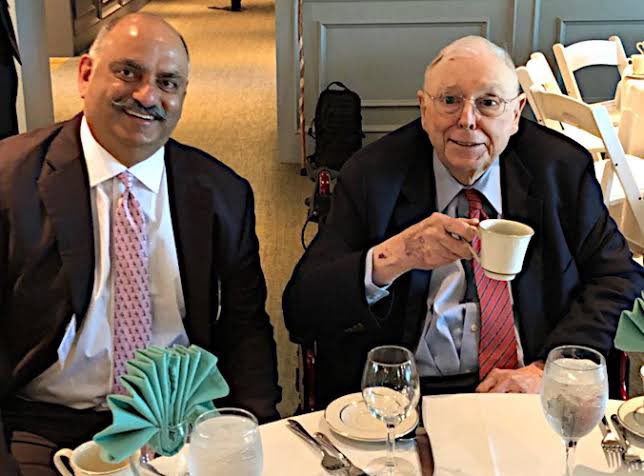
Mohnish Pabrai is a highly respected value investor, who has adopted and adapted Warren Buffett's and Charlie Munger's investing principles. While Pabrai hasn't explicitly laid out 20 investment principles, the following distills…
Mohnish Pabrai is a highly respected value investor, who has adopted and adapted Warren Buffett's and Charlie Munger's investing principles. While Pabrai hasn't explicitly laid out 20 investment principles, the following distills…
59/🪜20 Investing Principles of Rakesh Jhunjhunwala:
1. 🎏 "Invest in Businesses, not Stocks": Understand the underlying business, its fundamentals, and growth prospects.
2. 🎏 "Invest in What You Understand": Don't put your money into businesses you don't understand.
3. 🎏…
1. 🎏 "Invest in Businesses, not Stocks": Understand the underlying business, its fundamentals, and growth prospects.
2. 🎏 "Invest in What You Understand": Don't put your money into businesses you don't understand.
3. 🎏…

60/🪬20 Investing Wisdoms of Charlie Munger:
1. 🎏 "Always Invest for the Long Term": Avoid short-term speculation. Real wealth is built over many years.
2. 🎏 "Choose Quality Over Quantity": It's better to own a few high-quality businesses than many mediocre ones.
3. 🎏 "Stay…
1. 🎏 "Always Invest for the Long Term": Avoid short-term speculation. Real wealth is built over many years.
2. 🎏 "Choose Quality Over Quantity": It's better to own a few high-quality businesses than many mediocre ones.
3. 🎏 "Stay…

61/🪜20 Investing Wisdoms of Ramdeo Agarwal:
1. 🎏 "Focus on Quality": Always invest in high-quality businesses that are able to sustain high returns on capital.
2. 🎏 "Think Long Term": Short-term market movements are unpredictable, but in the long term, the market rewards…
1. 🎏 "Focus on Quality": Always invest in high-quality businesses that are able to sustain high returns on capital.
2. 🎏 "Think Long Term": Short-term market movements are unpredictable, but in the long term, the market rewards…

62/🎏20 Investing Wisdoms of Motilal Oswal:
1. 🎏 "Research is the cornerstone": Rigorous research lays the foundation for successful investing.
2. 🎏 "Invest in quality businesses": Good businesses are those with a sustainable competitive advantage.
3. 🎏 "Value investing is…
1. 🎏 "Research is the cornerstone": Rigorous research lays the foundation for successful investing.
2. 🎏 "Invest in quality businesses": Good businesses are those with a sustainable competitive advantage.
3. 🎏 "Value investing is…

63/🪬20 Investing Principles of Morgan Housel:
1. 🎏 "Be humble": No one can predict the market with absolute certainty. Recognize the limits of your knowledge.
2. 🎏 "Investing is a psychology game": Controlling your emotions often matters more than your financial acumen.
3.…
1. 🎏 "Be humble": No one can predict the market with absolute certainty. Recognize the limits of your knowledge.
2. 🎏 "Investing is a psychology game": Controlling your emotions often matters more than your financial acumen.
3.…

64/🪬20 Investing Principles of Howard Marks:
🪜 "First-level thinking is simplistic and superficial, and just about everyone can do it. All the complexity and depth lie in the second-level thinking."
🪜 "Price is what you pay, value is what you get."
🪜 "There's a solid basis…
🪜 "First-level thinking is simplistic and superficial, and just about everyone can do it. All the complexity and depth lie in the second-level thinking."
🪜 "Price is what you pay, value is what you get."
🪜 "There's a solid basis…

65/🎏20 Laws of Platform Business:
1. 🪜 "Law of Network Effects": A platform's value increases with each new user that joins, creating a positive feedback loop.
2. 🪜 "Law of Ecosystem": Platform businesses succeed by cultivating a balanced ecosystem of producers and…
1. 🪜 "Law of Network Effects": A platform's value increases with each new user that joins, creating a positive feedback loop.
2. 🪜 "Law of Ecosystem": Platform businesses succeed by cultivating a balanced ecosystem of producers and…

66/🪬20 ways to lie with statistics 📊
1. 🎯 "Using Biased Samples": Drawing conclusions from a sample that does not accurately represent the population.
2. 🎯 "Ignoring the Margin of Error": Neglecting to mention the uncertainty inherent in any statistical analysis.
3. 🎯…
1. 🎯 "Using Biased Samples": Drawing conclusions from a sample that does not accurately represent the population.
2. 🎯 "Ignoring the Margin of Error": Neglecting to mention the uncertainty inherent in any statistical analysis.
3. 🎯…

67/🪜20 Laws of Inventory Management:
🎏 "Law of Demand Forecasting": Accurate forecasting is critical to prevent overstock or stockouts.
🎏 "Law of Safety Stock": Maintain a safety stock to compensate for unexpected demand or supply delays.
🎏 "Law of Lead Time": The longer…
🎏 "Law of Demand Forecasting": Accurate forecasting is critical to prevent overstock or stockouts.
🎏 "Law of Safety Stock": Maintain a safety stock to compensate for unexpected demand or supply delays.
🎏 "Law of Lead Time": The longer…

68/🪬20 Laws of Data:
⏪️ "Law of Accuracy": Data must be accurate for it to be reliable and useful.
⏪️ "Law of Consistency": Consistent data collection and storage practices enable better analysis and decision-making.
⏪️ "Law of Relevance": Collect and focus on data…
⏪️ "Law of Accuracy": Data must be accurate for it to be reliable and useful.
⏪️ "Law of Consistency": Consistent data collection and storage practices enable better analysis and decision-making.
⏪️ "Law of Relevance": Collect and focus on data…

69/🪜20 Investing Principles of Seth Klarman:
1. ⏪️ "Margin of Safety": Always invest with a margin of safety to limit downside risk.
2. ⏪️ "Value Investing": Focus on absolute performance, not relative performance.
3. ⏪️ "Long-Term Perspective": Maintain a long-term…
1. ⏪️ "Margin of Safety": Always invest with a margin of safety to limit downside risk.
2. ⏪️ "Value Investing": Focus on absolute performance, not relative performance.
3. ⏪️ "Long-Term Perspective": Maintain a long-term…

70/🎏20 Laws of A Healthy Lifestyle:
1. 🌱 Law of Balanced Nutrition: Ensure your diet includes a variety of food from all food groups for balanced nutrition.
2. 🌱 Law of Regular Exercise: Regular physical activity helps to maintain a healthy weight and reduce the risk of…
1. 🌱 Law of Balanced Nutrition: Ensure your diet includes a variety of food from all food groups for balanced nutrition.
2. 🌱 Law of Regular Exercise: Regular physical activity helps to maintain a healthy weight and reduce the risk of…

71/🪬20 Laws of Retirement Planning:
1. 🏡 Law of Early Start: The sooner you start saving, the more time your money has to grow.
2. 🏡 Law of Diversification: Don't put all your eggs in one basket. Diversify your retirement portfolio across different asset classes.
3. 🏡 Law…
1. 🏡 Law of Early Start: The sooner you start saving, the more time your money has to grow.
2. 🏡 Law of Diversification: Don't put all your eggs in one basket. Diversify your retirement portfolio across different asset classes.
3. 🏡 Law…

72/🎏20 Laws of Graceful Aging:
1. 🎭 Law of Acceptance: Accept the reality of aging and embrace it with grace. Aging is a natural process, not something to dread.
2. 🎭 Law of Lifelong Learning: Continue to learn new things to keep your mind sharp and engaged.
3. 🎭 Law of…
1. 🎭 Law of Acceptance: Accept the reality of aging and embrace it with grace. Aging is a natural process, not something to dread.
2. 🎭 Law of Lifelong Learning: Continue to learn new things to keep your mind sharp and engaged.
3. 🎭 Law of…

73/🏺20 Laws of Contagion:
1. ⏪️ "Law of Contact": Diseases spread through contact between an infected and a susceptible person.
2. ⏪️ "Law of Immunity": An individual’s immunity affects their susceptibility to infection.
3. ⏪️ "Law of Transmission": The method of…
1. ⏪️ "Law of Contact": Diseases spread through contact between an infected and a susceptible person.
2. ⏪️ "Law of Immunity": An individual’s immunity affects their susceptibility to infection.
3. ⏪️ "Law of Transmission": The method of…

74/🎏20 Investing Principles of Saurabh Mukherjea:
🎏 "Invest in Market Leaders": Saurabh Mukherjee believes in investing in dominant players in sectors, as they're often better equipped to handle market volatility and generate consistent growth.
🎏 "Look for Consistent…
🎏 "Invest in Market Leaders": Saurabh Mukherjee believes in investing in dominant players in sectors, as they're often better equipped to handle market volatility and generate consistent growth.
🎏 "Look for Consistent…

75/🪬20 Investing Principles of Bill Ackman:
1. 🎏 "Value Investing": Ackman is a well-known value investor. He looks for companies that he believes are undervalued by the market.
2. 🎏 "Long-Term Horizon": Ackman is known for holding his investments over a long period of time.…
1. 🎏 "Value Investing": Ackman is a well-known value investor. He looks for companies that he believes are undervalued by the market.
2. 🎏 "Long-Term Horizon": Ackman is known for holding his investments over a long period of time.…

76/🪬20 Investing Principles of Adam Khoo:
🎏 "Value Investing": Adam Khoo is a proponent of value investing, looking for undervalued companies with strong fundamentals.
🎏 "Long-term Investing": Khoo believes in buying and holding stocks for the long term rather than engaging…
🎏 "Value Investing": Adam Khoo is a proponent of value investing, looking for undervalued companies with strong fundamentals.
🎏 "Long-term Investing": Khoo believes in buying and holding stocks for the long term rather than engaging…

77/🎏 20 Mathematical Principles that Every Investor should Know:
1. 🎏 "Law of Compounding": Understand the power of compound interest, as it can significantly increase your returns over time.
2. 🎏 "Law of Exponential Growth": Investments can grow exponentially over time,…
1. 🎏 "Law of Compounding": Understand the power of compound interest, as it can significantly increase your returns over time.
2. 🎏 "Law of Exponential Growth": Investments can grow exponentially over time,…

78/🪬20 Things A Company Must Do During Conference Call or Concall:
1. 🎏 "Present Key Financials": Discuss the key financial metrics for the quarter/year and how they compare to expectations.
2. 🎏 "Explain Variations": If results deviate significantly from predictions,…
1. 🎏 "Present Key Financials": Discuss the key financial metrics for the quarter/year and how they compare to expectations.
2. 🎏 "Explain Variations": If results deviate significantly from predictions,…

79/🪬 20 Important parts of annual report of a company that an investor must read :
1. 🎏 "Letter from the Chairman/CEO": This letter often gives an overview of the year's performance and future outlook.
2. 🎏 "Company Profile": Provides a general overview of the company's…
1. 🎏 "Letter from the Chairman/CEO": This letter often gives an overview of the year's performance and future outlook.
2. 🎏 "Company Profile": Provides a general overview of the company's…

80/🪬20 Laws of Customer Retention:
1. 🎏 "Law of Satisfaction": Ensure customers are consistently satisfied with the products or services provided.
2. 🎏 "Law of Engagement": Regularly engage with customers through various channels to foster a strong relationship.
3. 🎏 "Law…
1. 🎏 "Law of Satisfaction": Ensure customers are consistently satisfied with the products or services provided.
2. 🎏 "Law of Engagement": Regularly engage with customers through various channels to foster a strong relationship.
3. 🎏 "Law…

81/🪬 20 Laws of Competitive Edge:
1. 🎏 "Law of Innovation": Continual innovation is crucial for maintaining a competitive edge.
2. 🎏 "Law of Quality": Delivering superior quality consistently can differentiate you from competitors.
3. 🎏 "Law of Customer Centricity":…
1. 🎏 "Law of Innovation": Continual innovation is crucial for maintaining a competitive edge.
2. 🎏 "Law of Quality": Delivering superior quality consistently can differentiate you from competitors.
3. 🎏 "Law of Customer Centricity":…

82/🪜 20 Laws of Agility :
1. 🎏 "Law of Responsiveness": Agility requires quick and effective responses to changes or new information.
2. 🎏 "Law of Flexibility": Flexibility is key in adjusting strategies, plans, and execution quickly as per the changing situations.
3. 🎏…
1. 🎏 "Law of Responsiveness": Agility requires quick and effective responses to changes or new information.
2. 🎏 "Law of Flexibility": Flexibility is key in adjusting strategies, plans, and execution quickly as per the changing situations.
3. 🎏…

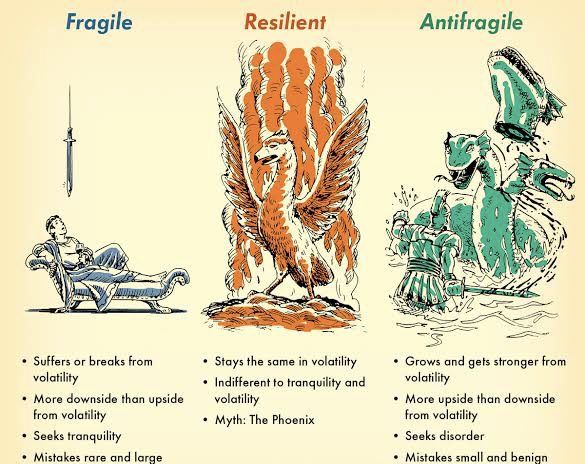
83/🪬20 Laws of Anti-Fragility:
1. 🎏 "Law of Disorder": Anti-fragility thrives in volatility and disorder, unlike fragility, which thrives in stability and predictability.
2. 🎏 "Law of Stressors": Anti-fragile systems need stressors and challenges to grow and improve.
3. 🎏…
1. 🎏 "Law of Disorder": Anti-fragility thrives in volatility and disorder, unlike fragility, which thrives in stability and predictability.
2. 🎏 "Law of Stressors": Anti-fragile systems need stressors and challenges to grow and improve.
3. 🎏…
Loading suggestions...