

What should you know if you want to successfully grow carrots?
#Thread
#Thread



1. Soil Preparation
Carrots grow well in loose, well-drained soil. Remove rocks, sticks, and other debris that may inhibit root development. Break down any clumps of soil and remove weeds. Incorporate compost or well-rotted manure to improve fertility and soil structure.
Carrots grow well in loose, well-drained soil. Remove rocks, sticks, and other debris that may inhibit root development. Break down any clumps of soil and remove weeds. Incorporate compost or well-rotted manure to improve fertility and soil structure.
2. Sowing Seeds
Carrot seeds can be sowed directly into the prepared soil or transplanted from nursery. Plant them not too deep, spaced according to the seed packet instructions mainly 5 to 8 cm apart. Ensure proper spacing to allow room for the carrots to develop their roots.
Carrot seeds can be sowed directly into the prepared soil or transplanted from nursery. Plant them not too deep, spaced according to the seed packet instructions mainly 5 to 8 cm apart. Ensure proper spacing to allow room for the carrots to develop their roots.
3. Watering
Keep the soil consistently moist during early growth stages. Water gently to avoid displacing the seeds or causing them to cluster together. Once the carrots start to develop, avoid overwatering them, as it can lead to rotting or splitting.
Keep the soil consistently moist during early growth stages. Water gently to avoid displacing the seeds or causing them to cluster together. Once the carrots start to develop, avoid overwatering them, as it can lead to rotting or splitting.
4. Thinning if necessary
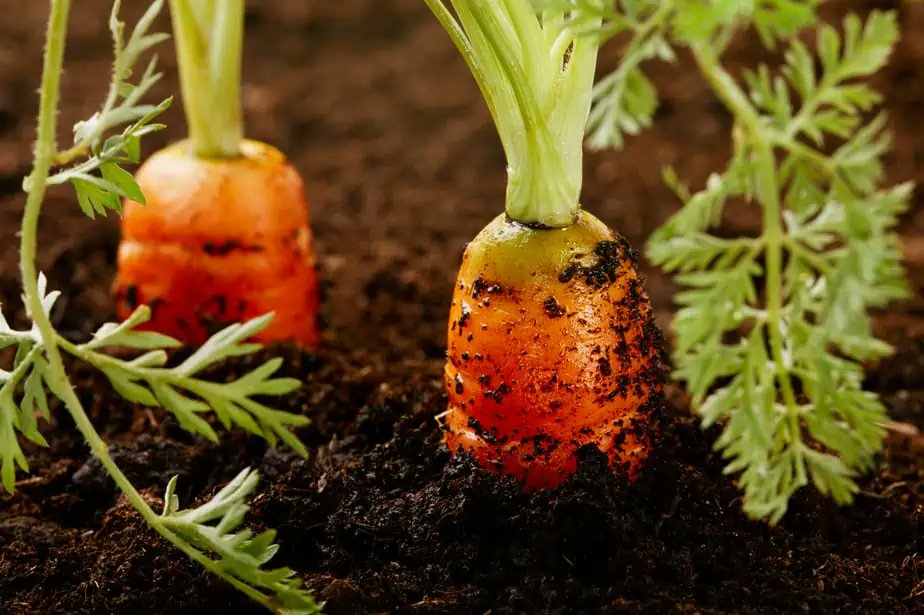
Once the carrot seedlings are a few cm tall, thin them to allow sufficient space for the remaining carrots to grow. Thinning involves removing excess seedlings, usually leaving about 5 to 8 cm of space between plants for proper growth.
Once the carrot seedlings are a few cm tall, thin them to allow sufficient space for the remaining carrots to grow. Thinning involves removing excess seedlings, usually leaving about 5 to 8 cm of space between plants for proper growth.
5. Mulching
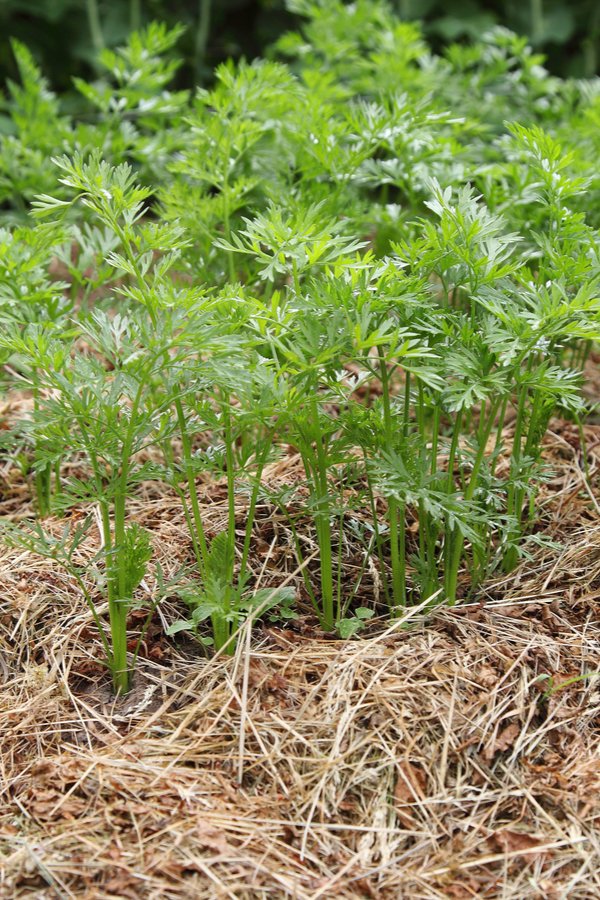
Apply a layer of organic mulch such as straw around the carrot plants to help retain soil moisture, suppress weed growth, and regulate soil temperature. Mulching also protects the carrot shoulders from turning green when exposed to sunlight.
Apply a layer of organic mulch such as straw around the carrot plants to help retain soil moisture, suppress weed growth, and regulate soil temperature. Mulching also protects the carrot shoulders from turning green when exposed to sunlight.
6. Weed Control
Regularly scout and remove weeds around the carrot plants, as they can compete for nutrients, water, and space. Make sure you do not disturb the shallow root system of the carrots while weeding.
Regularly scout and remove weeds around the carrot plants, as they can compete for nutrients, water, and space. Make sure you do not disturb the shallow root system of the carrots while weeding.
7. Fertilization
Carrots are not heavy feeders but incorporating compost or well-decomposed manure into the soil prior to planting can supply them with necessary nutrients for growth. Avoid using fresh manure, inorganic fertilizers and foliar sprays can also be used.
Carrots are not heavy feeders but incorporating compost or well-decomposed manure into the soil prior to planting can supply them with necessary nutrients for growth. Avoid using fresh manure, inorganic fertilizers and foliar sprays can also be used.
8. Pests and Diseases Management
Carrots are generally less prone to pests and diseases, but issues such as carrot rust flies or root rot can be faced. To control carrot rust flies, keep insects in control. For root rot, practice crop rotation and avoid overwatering.
Carrots are generally less prone to pests and diseases, but issues such as carrot rust flies or root rot can be faced. To control carrot rust flies, keep insects in control. For root rot, practice crop rotation and avoid overwatering.
9. Harvesting
Carrots maturity takes around 60-80 days after sowing, depending on the variety (check the seed packet for specific maturity times). Carefully loosen the soil around the carrots and gently pull them out by the leaves, taking care not to break or damage the roots.
Carrots maturity takes around 60-80 days after sowing, depending on the variety (check the seed packet for specific maturity times). Carefully loosen the soil around the carrots and gently pull them out by the leaves, taking care not to break or damage the roots.
Finally, make sure you keep the records of important inputs in your farm including labor, pest management costs, and others to track the profitability of your farm. Carrots can be profitable venture but pay attention to marketing them prior to harvesting.
Want to know more?
Want to know more?
Loading suggestions...