

Never invest in stocks without doing your own research, if you want to become a smarter investor always look at these 10 things:
$10,000 invested into these stocks 10 years ago would be:
$1,142,000 $NVDA Nvidia
$345,000 $TSLA Tesla
$132,000 $AAPL Apple
$114,000 $META Facebook
$109,000 $MSFT Microsoft
$91,000 $UNH United Health
$90,000 $AMZN Amazon
Here is what to look at when researching a stock:
$1,142,000 $NVDA Nvidia
$345,000 $TSLA Tesla
$132,000 $AAPL Apple
$114,000 $META Facebook
$109,000 $MSFT Microsoft
$91,000 $UNH United Health
$90,000 $AMZN Amazon
Here is what to look at when researching a stock:
1) Understand the business model & how they will make money, know:
• What they do
• Their products
• How they make money
• Why are they important
• Opportunities/ Growth/ Catalysts
• MOAT/ Strengths/ Positives/ Advantages
• Downside/ Negatives/ Weaknesses/ Threats/ Risks
• What they do
• Their products
• How they make money
• Why are they important
• Opportunities/ Growth/ Catalysts
• MOAT/ Strengths/ Positives/ Advantages
• Downside/ Negatives/ Weaknesses/ Threats/ Risks

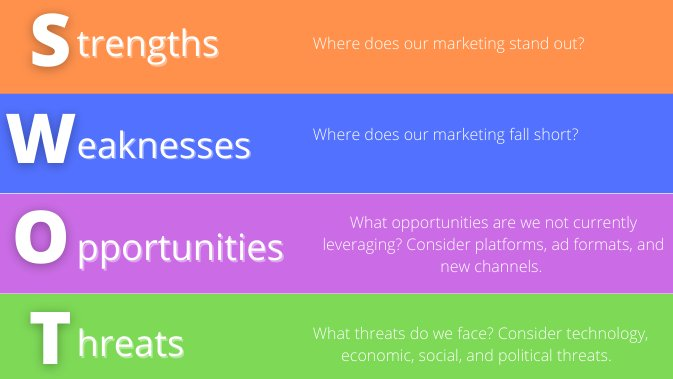
2) Know their peers, competition & competitive landscape:
• Is there a MOAT?
• How do the products compare?
• How do the financials compare?
• Strengths & advantages over peers/ competitors?
• How does this company stack up against its competitors & peers?
• Is there a MOAT?
• How do the products compare?
• How do the financials compare?
• Strengths & advantages over peers/ competitors?
• How does this company stack up against its competitors & peers?
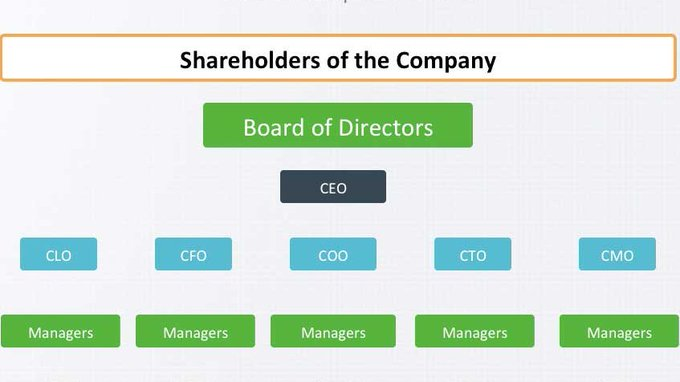
3) CEO, Management Team & Leadership:
• Look into the LinkedIn profiles or management
• Google the CEO (A CEO with low/ bad rating is a bad sign)
• Check Glassdoor & Indeed to learn about the management
• Look at the 10-K annual report for the bios of executive management
• Look into the LinkedIn profiles or management
• Google the CEO (A CEO with low/ bad rating is a bad sign)
• Check Glassdoor & Indeed to learn about the management
• Look at the 10-K annual report for the bios of executive management
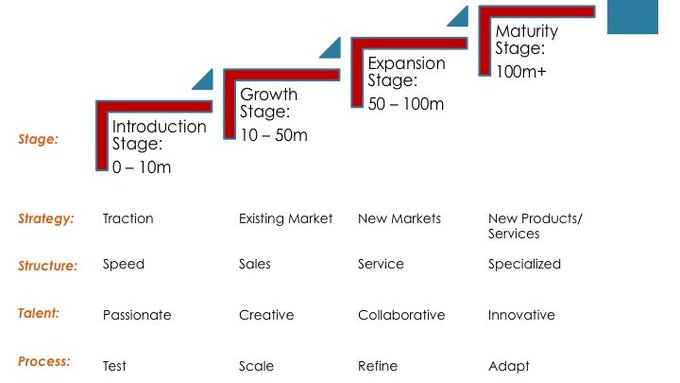
4) Future Growth Potential:
• Will the company scale?
• Look at past growth trends in financials
• Know about new products or a changing landscape
• Look at recent news, 10Qs, 10Ks, investor presentations, and statements to look for future growth news
• Will the company scale?
• Look at past growth trends in financials
• Know about new products or a changing landscape
• Look at recent news, 10Qs, 10Ks, investor presentations, and statements to look for future growth news
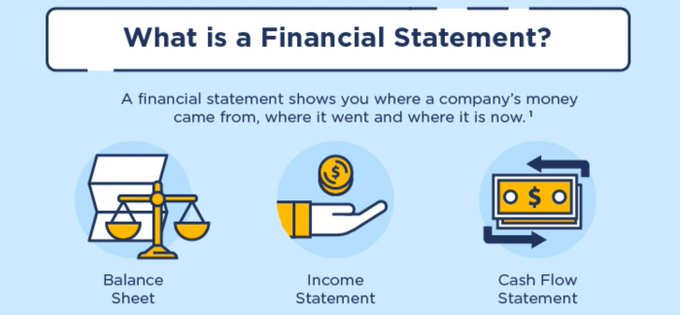
5) Financial health:
• Positive cash flows from operations
• Quick ratio > 2 to sustain operations
• Healthy Investing & Financing Cashflows
• Growing Balance Sheet & Income Statement
• Growth in revenue, net income, EPS & profit margins
• Positive cash flows from operations
• Quick ratio > 2 to sustain operations
• Healthy Investing & Financing Cashflows
• Growing Balance Sheet & Income Statement
• Growth in revenue, net income, EPS & profit margins
6) Earnings & revenue history. Look at financials and projections:
• Was there growth?
• Is there growth potential?
• Have they beaten earnings?
• Have they missed earnings?
• Has earnings remained flat or grown consistently?
• Was there growth?
• Is there growth potential?
• Have they beaten earnings?
• Have they missed earnings?
• Has earnings remained flat or grown consistently?
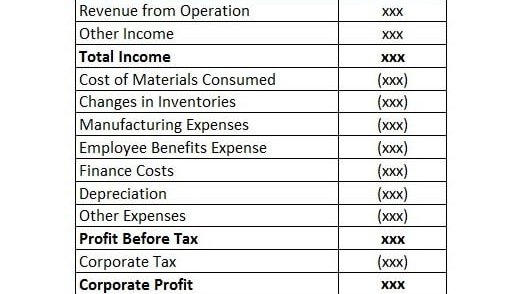
7) Valuations
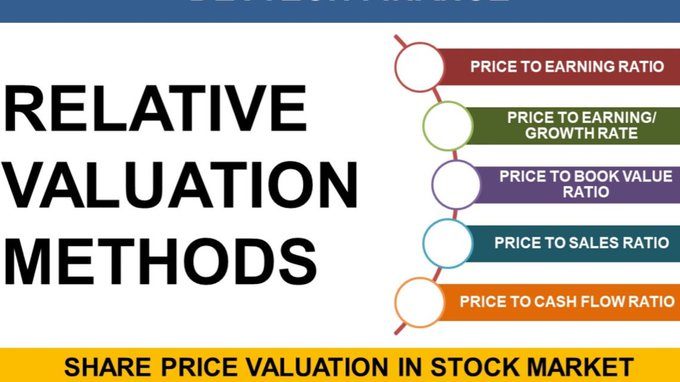
• Overvalued or Undervalued?
• Look at R/E ratio, PEG ratio, P/S ratio, P/CF ratio
• How do valuations compare to peers & competitors in the industry?
• Overvalued or Undervalued?
• Look at R/E ratio, PEG ratio, P/S ratio, P/CF ratio
• How do valuations compare to peers & competitors in the industry?
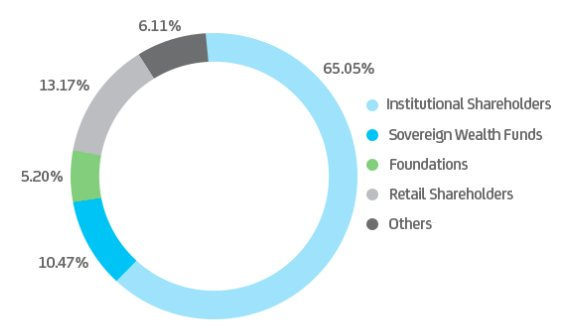
8) Institutional Sponsorship:
• Are big banks and hedge funds buying or holding?
• How much of this company's stock is held by institutions?
• Are Wall St. institutions increasing or decreasing their position?
• Are big banks and hedge funds buying or holding?
• How much of this company's stock is held by institutions?
• Are Wall St. institutions increasing or decreasing their position?
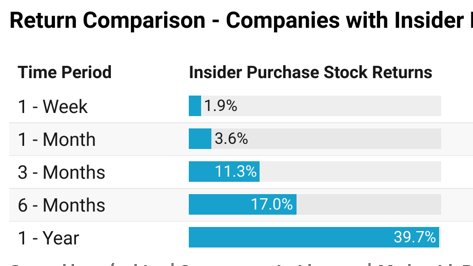
9) Insider Trading:
• Is the CEO buying or selling shares?
• Is management buying or selling shares?
• Is the CEO buying or selling shares?
• Is management buying or selling shares?
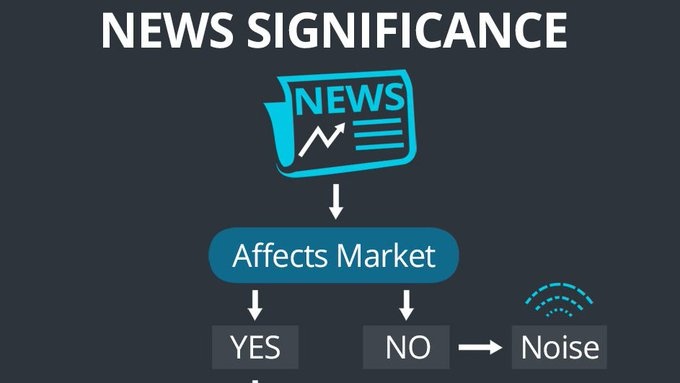
10) Recent News. Google the company and look at recent articles:
• What are bloggers saying?
• Is recent news good or bad?
• What are news outlets saying?
• What are people on social media saying?
• Reasons for recent movement in recent stock price?
• What are bloggers saying?
• Is recent news good or bad?
• What are news outlets saying?
• What are people on social media saying?
• Reasons for recent movement in recent stock price?
For new investors, I recommend buying and holding an S&P 500 Index Fund, instead of picking individual stocks.
It's a simple and low-cost way to get exposure to 500 of the biggest & most successful companies in the U.S.
Historically, the S&P 500 returns ~11% per year on average
It's a simple and low-cost way to get exposure to 500 of the biggest & most successful companies in the U.S.
Historically, the S&P 500 returns ~11% per year on average
$100,000 invested into the S&P 500 over the last:
30 Years = $1.6 Million
20 Years = $660,000
15 Years = $390,000
10 Years = $300,000
5 Years = $168,000
3 Years = $150,000
Compound growth + long-term investing = one of the best tools in wealth creation!
30 Years = $1.6 Million
20 Years = $660,000
15 Years = $390,000
10 Years = $300,000
5 Years = $168,000
3 Years = $150,000
Compound growth + long-term investing = one of the best tools in wealth creation!
The stock market is a device for transferring money to the patient from the impatient! If you found this thread helpful, please:
• RT the FIRST tweet to share🔁
• Follow me @FluentInFinance
• Sign-up for my FREE newsletter to learn about investing: TheInvestingNewsletter.com!
• RT the FIRST tweet to share🔁
• Follow me @FluentInFinance
• Sign-up for my FREE newsletter to learn about investing: TheInvestingNewsletter.com!

Loading suggestions...