

Dissection and Preservation techniques for dead bodies in Ayurveda.
#Thread
#Thread
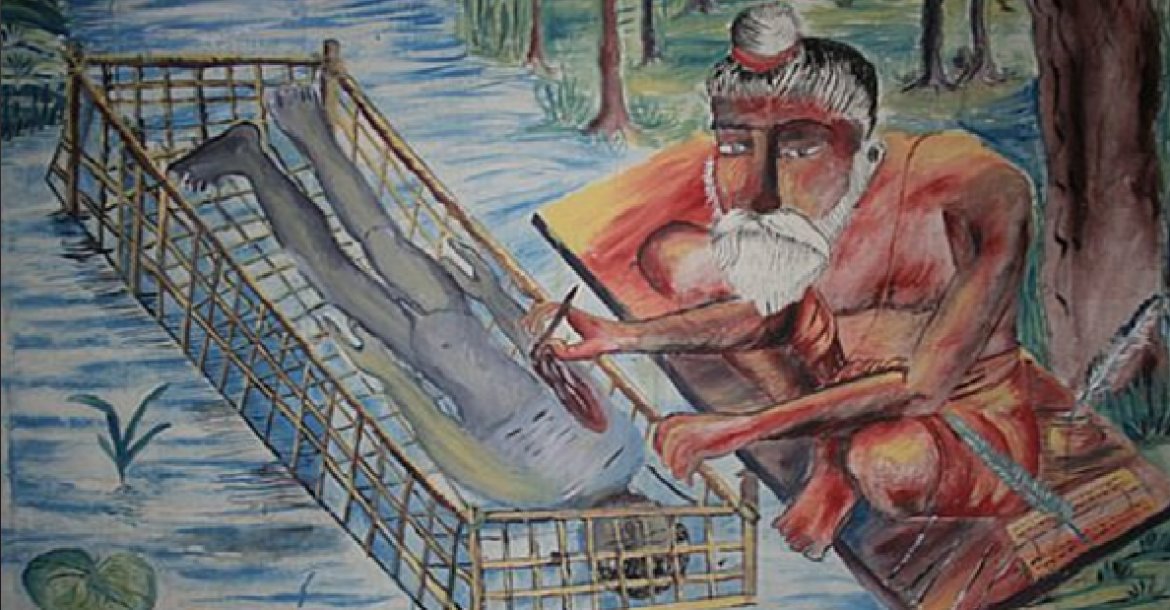
Sushrutha was one of the earliest known medical teachers in the world to advocate that the dissection and study of dead bodies was a must for any successful student of surgery.
The students of Sushruta began by practicing incisions and excisions on vegetables and fruits and also leather bags filled with mud or liquids of different densities. This was then followed by practice on corpses of animals and then human beings.
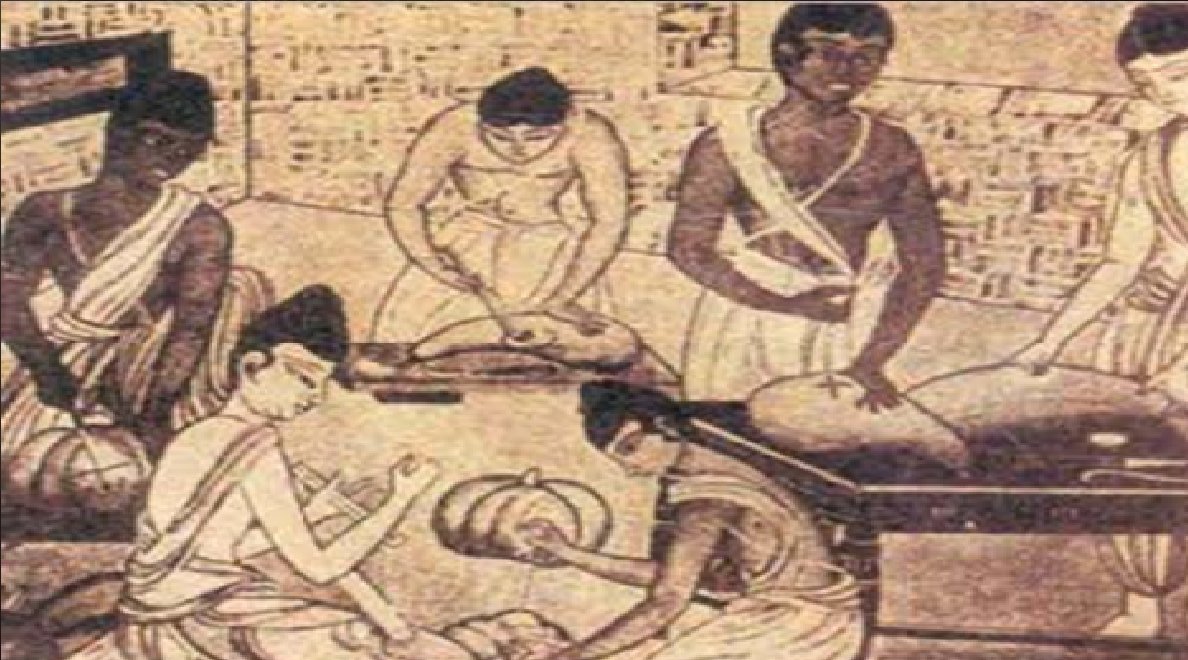
Dissection of cadaver:
While obtaining a dead body the following points were considered. Sushrutha says
• That all the limbs are intact
• Death is not due to poison
• The diseased must not have suffered from a pro-longed illness
• The cadaver is not of a very old person
While obtaining a dead body the following points were considered. Sushrutha says
• That all the limbs are intact
• Death is not due to poison
• The diseased must not have suffered from a pro-longed illness
• The cadaver is not of a very old person
Preparing the body for dissection:
• After removing the intestines and the fecal matter place the body in a stout cage covered with mattresses of grass, flax or similar material.
• After removing the intestines and the fecal matter place the body in a stout cage covered with mattresses of grass, flax or similar material.
• The cage is then immersed in a running stream where the current is not very strong where there is no interference from the public. The body Was allowed to decompose in this water for 7 days.
When every part is loose, it is taken out from water and dissection starting from the skin,Every organ was examined and peeled off with a brush of bamboo bark.
• Every internal and external part and organ were minutely observed & studied.
• Every internal and external part and organ were minutely observed & studied.
Preservation of the dead body:
Extreme cold water of Himalayan River were ideal. Himalayan rivers are very clean water as good as sterile; contain less number of bacteria, even though mechanical washing action of the river water is the main factor to keep the cadaver sterile.
Extreme cold water of Himalayan River were ideal. Himalayan rivers are very clean water as good as sterile; contain less number of bacteria, even though mechanical washing action of the river water is the main factor to keep the cadaver sterile.
The extreme cold water would stop the decomposition further.
Removing the gastrointestinal tract and the adnexa clearly indicates the awareness that if these are allowed to remain in cadaver, the purification of the body is uncontrollably quick.
Removing the gastrointestinal tract and the adnexa clearly indicates the awareness that if these are allowed to remain in cadaver, the purification of the body is uncontrollably quick.
The knowledge about “Antras(Intestines),” “Amashayas”(Stomach) and “Pakwashaya” (Large Intestine) etc was first gained and then attention was given to the rest of the parts.
The lividity(decomposition) begins from caecum with the bacteria which spreads to rest of the body parts.
This indicates the superior knowledge our ancestors possessed.
After collecting the body the body is wrapped with Munja(Saccharum munja) and Kusha or Darbha (Desmotachya bipinnata).
After collecting the body the body is wrapped with Munja(Saccharum munja) and Kusha or Darbha (Desmotachya bipinnata).
The recent researches have found that these act as preservatives. The covering of the body will delay the decomposition.
Whenever needed the wrapped grass was removed and body was dissected.
Whenever needed the wrapped grass was removed and body was dissected.
Findings which were spot on:
Dissection of Skin layers by Sushrutha speaks of 7 layers of skin. He says the last layer continues as the fascia covering muscles.
Dissection of Skin layers by Sushrutha speaks of 7 layers of skin. He says the last layer continues as the fascia covering muscles.
Skin anatomy of today which was done with aid of electronic microscopes shows 6 layers of skin and beneath that exists a fascia which covers the muscle. Which usually seen adhered to the skin.
• During the first 7 days of the dissection all seven layers of the skin were studied.
• Muscles were studied in the next 7 days or so and
• by a fortnight the ligaments of the various joints separated.
• Muscles were studied in the next 7 days or so and
• by a fortnight the ligaments of the various joints separated.
Instruments used for the dissection:
Instruments were prepared from Bamboo or wood.
Instruments were prepared from Bamboo or wood.
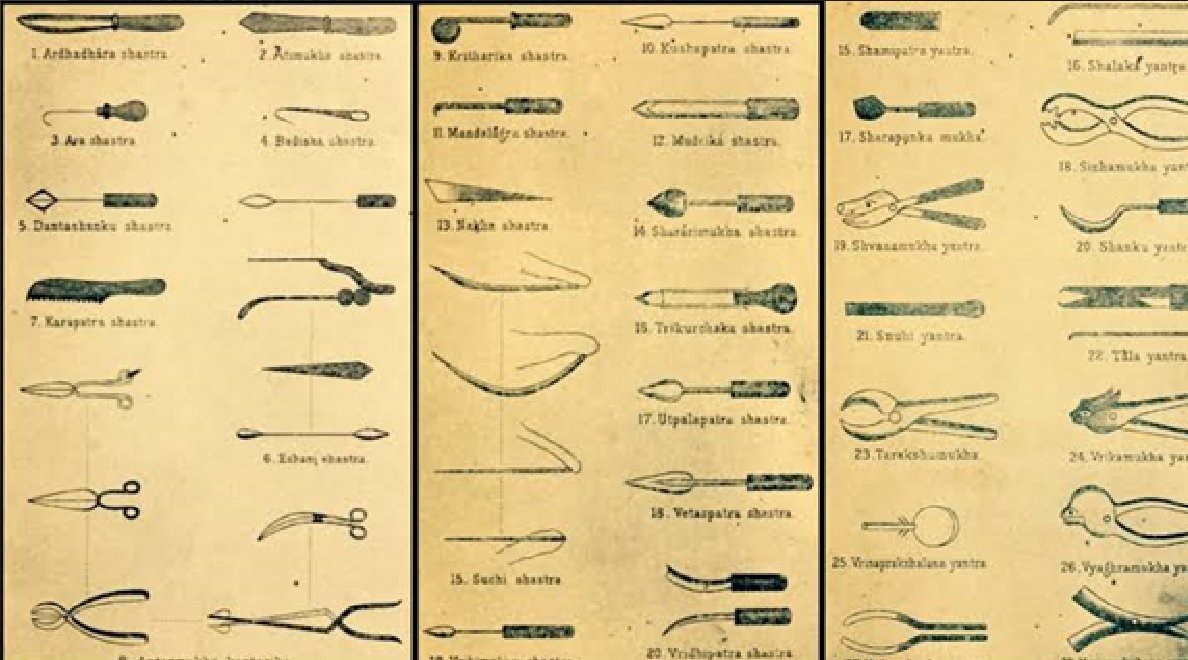
Sushrutha speaks of ‘Moodagarbha’– fetus anomalies and list 300 bones in the body.
A new born is born with 300 bones later bones ossify and in adult human body we can find 206 bones.
A new born is born with 300 bones later bones ossify and in adult human body we can find 206 bones.
Loading suggestions...