

This gentleman woke up to realise he cannot read the newspaper
He is able to write, but unable to read. What’s more fascinating?! He is unable to read even what he has written himself! Previously he was able to read and write ! What’s happening?
#MedTwiter #neurotwitter
He is able to write, but unable to read. What’s more fascinating?! He is unable to read even what he has written himself! Previously he was able to read and write ! What’s happening?
#MedTwiter #neurotwitter

Here, he is unable to read even what he has written himself!

Language is one of the most fascinating domain of cognition, and goes beyond simply spoken words. Reading and writing are often neglected during examination. Truly, your assessment of Language is incomplete without it.
Reading is simply decoding symbols (words, maybe pictures like emoticons!) First the Visual System needs to “See” these. Then they have to recognised as words. Then a meaning has to be attached to these words.

Simplified, Visual information reaches the Occipital Lobes. From here it goes to the LEFT FUSIFORM GYRUS. The left occipital fibres directly and the right via the corpus callosum (remember this!)
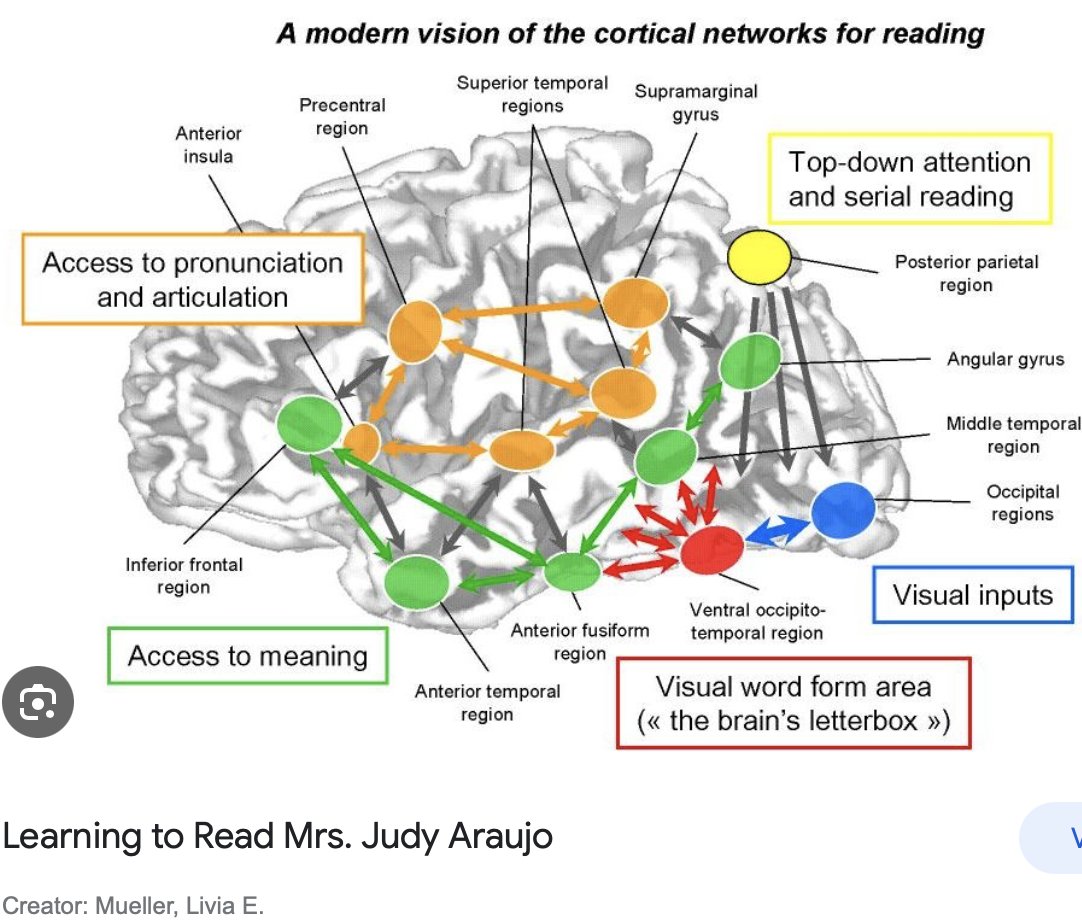
The fusiform gyrus is believed to be the seat of “Word Recognition” From here, complex cognitive processing is needed to attach. Meaning and comprehension of what the WORD really means.
The angular gyrus plays a role in this along with various other structures
The angular gyrus plays a role in this along with various other structures
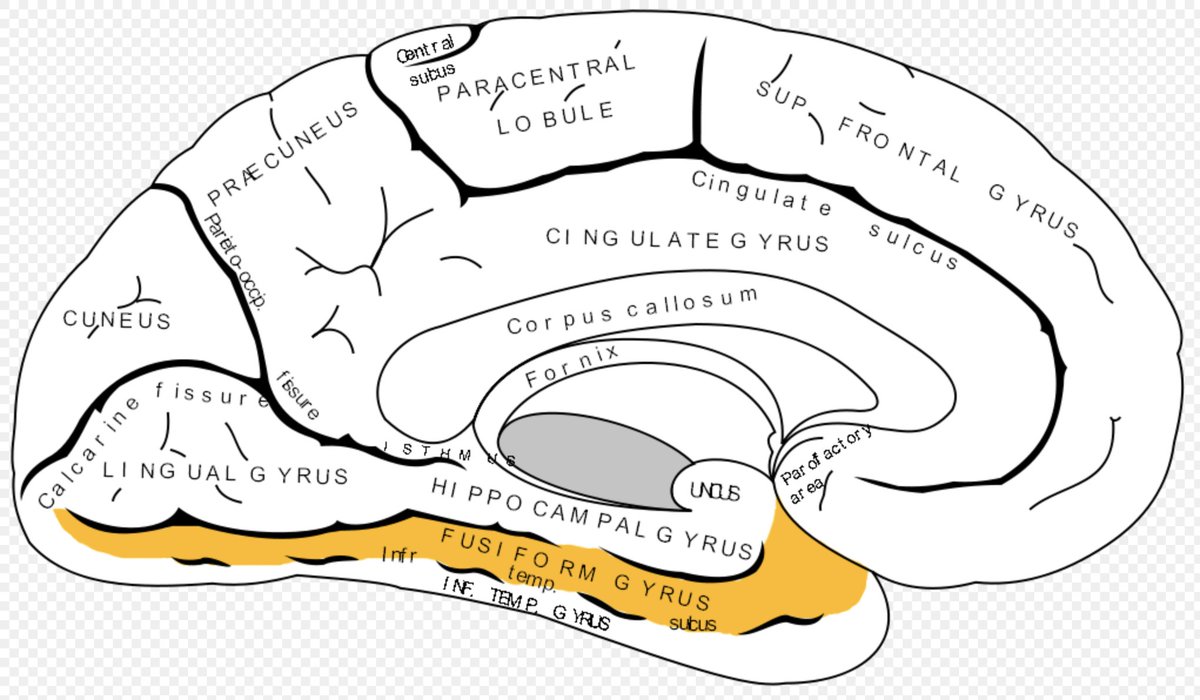
Reading is broadly of two types. Reading with Comprehension and Reading Aloud
Reading with Comprehension impairment is Alexia
Reading Aloud impairment Is Paralexia (analogous to testing repetition, in a sense)
Reading with Comprehension impairment is Alexia
Reading Aloud impairment Is Paralexia (analogous to testing repetition, in a sense)
Alexia is defined as inability to read without comprehension
(You may now appreciate how cool it is that in the TV Show Castle, the author’s daughter’s name is ALEXIS!)
(You may now appreciate how cool it is that in the TV Show Castle, the author’s daughter’s name is ALEXIS!)


3 types of Alexias
-Alexia without Agraphia
-Alexia with Agraphia
-Third Alexia
Coming to our patient. He cannot read (Alexia)
But he can Write (No Agraphia)
-Alexia without Agraphia
-Alexia with Agraphia
-Third Alexia
Coming to our patient. He cannot read (Alexia)
But he can Write (No Agraphia)
Alexia Without Agraphia: Our patient
Lesions of the fibres occipital lobe conveying visual information to the left angular gyrus (basically a lesion in the fibres that make symbols/words—> words with meaning)
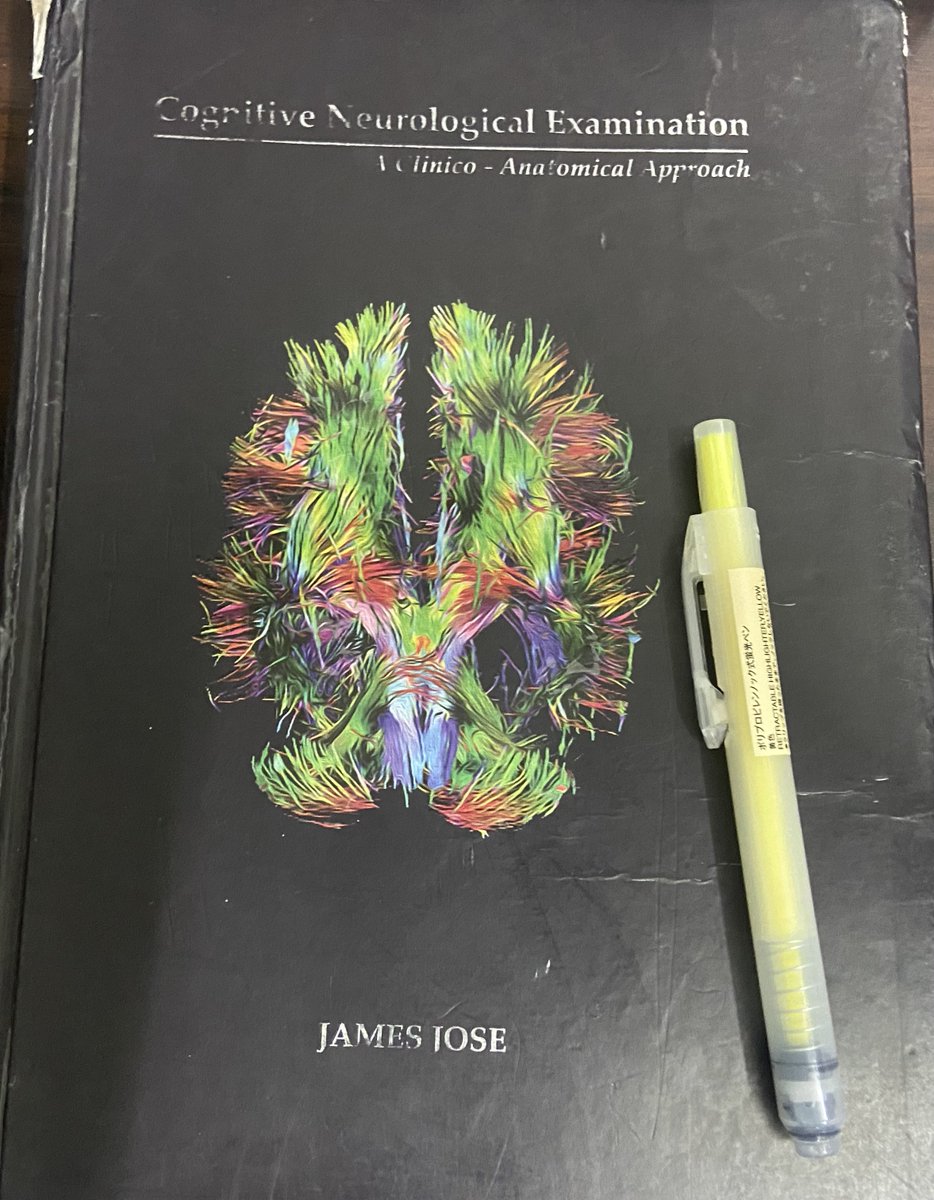
(This image is by Prof James Jose, who's book I highly recommend!)
Lesions of the fibres occipital lobe conveying visual information to the left angular gyrus (basically a lesion in the fibres that make symbols/words—> words with meaning)
(This image is by Prof James Jose, who's book I highly recommend!)
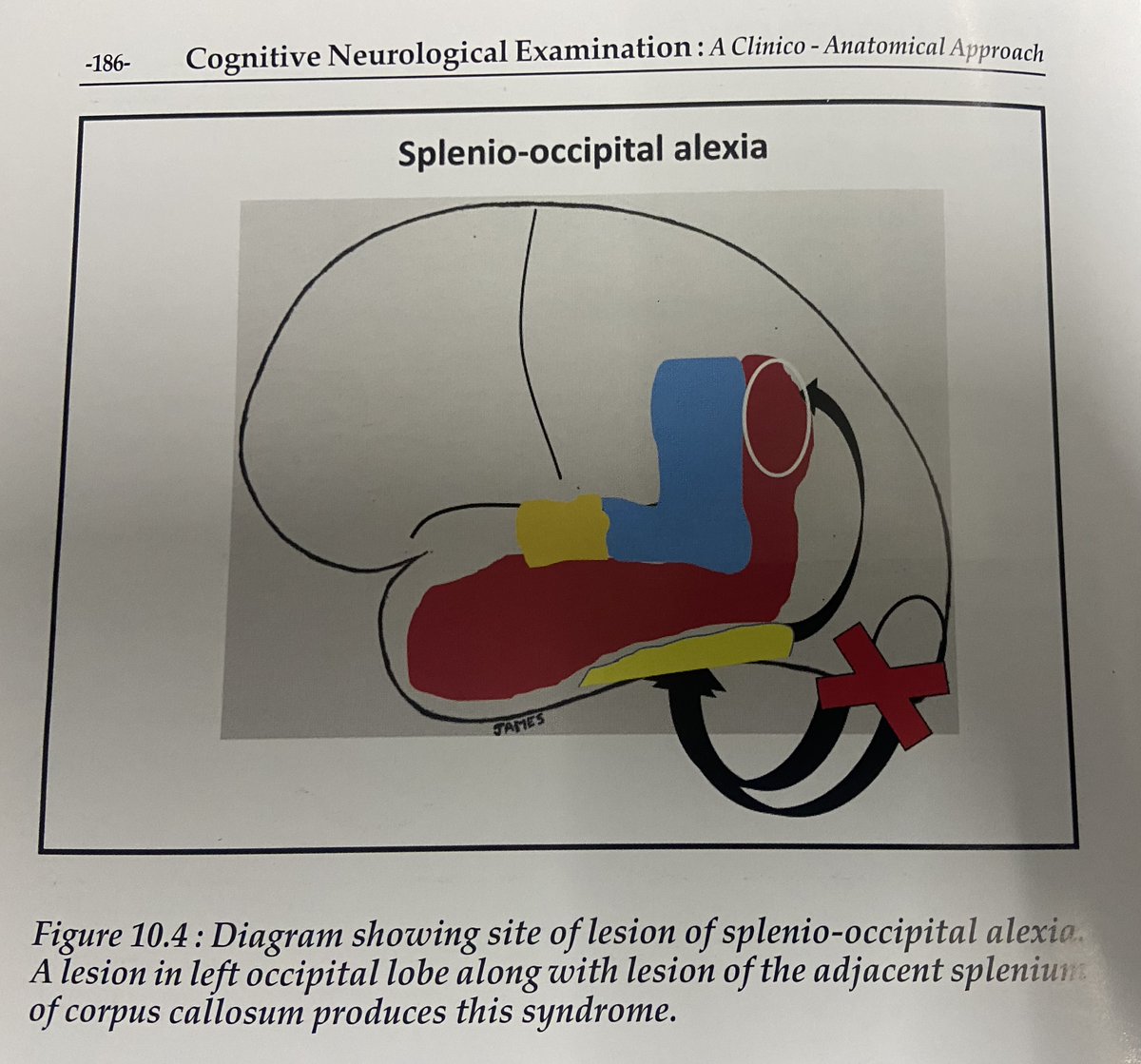
Commonly: Left occipital infarcts with involvement of the selenium of corpus callosum.
The left occipital lesion prevents that side from reading
The corpus callous lesion prevents the normal right occipital lobe from sending signals to the left!
The left occipital lesion prevents that side from reading
The corpus callous lesion prevents the normal right occipital lobe from sending signals to the left!
These patients also have right homonymous hemianopia ( which our patient also has)
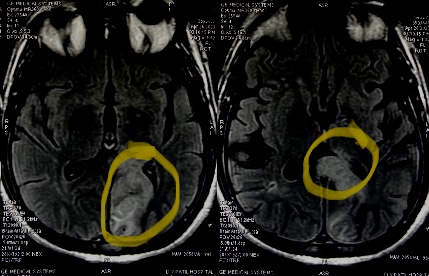
Now see his MRI! Acute Onset of Alexia without Agraphia -> Posterior Circulation Stroke (Left PCA usually)
Left Occipital. Infarct with involvement of Corpus Callosum!
Now see his MRI! Acute Onset of Alexia without Agraphia -> Posterior Circulation Stroke (Left PCA usually)
Left Occipital. Infarct with involvement of Corpus Callosum!
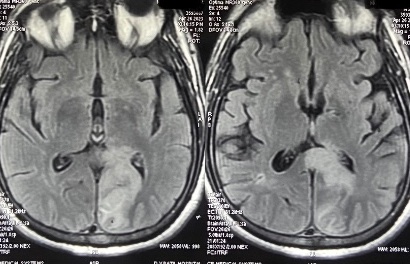
Edited the image so the uninitiated can easily identify the lesions
2 more localisations for Alexia without agraphia
Visual word from area. That is the part of the brain that. Gives meaning to a word
Disconnection of letter recognition system from higher cognitive processing (these patents can read letter’s!)
Visual word from area. That is the part of the brain that. Gives meaning to a word
Disconnection of letter recognition system from higher cognitive processing (these patents can read letter’s!)
If you notice, our patient also is identify a letter now and then!
These patients will be able to read “P” “E” “N” for example but may not be able to say “pen” or understand what it means
These patients will be able to read “P” “E” “N” for example but may not be able to say “pen” or understand what it means

Alexia with Agraphia
“Acquired Illiteracy”
It occurs due to lesions in the dominant angular gyrus
“Acquired Illiteracy”
It occurs due to lesions in the dominant angular gyrus
Third Alexia
Usually associated with Broca’s Aphasia. The have difficulty comprehending sentences with complex structure. For instance they may understand “The tiger ate the deer” but not. “The deer was eaten by the tiger”
Usually associated with Broca’s Aphasia. The have difficulty comprehending sentences with complex structure. For instance they may understand “The tiger ate the deer” but not. “The deer was eaten by the tiger”
Reading is such a fascinating cognitive function! While you are reading this post on reading, your brain is doing incredible acrobatics to seamlessly convert these squiggly symbols into meaningful (I hope) information!
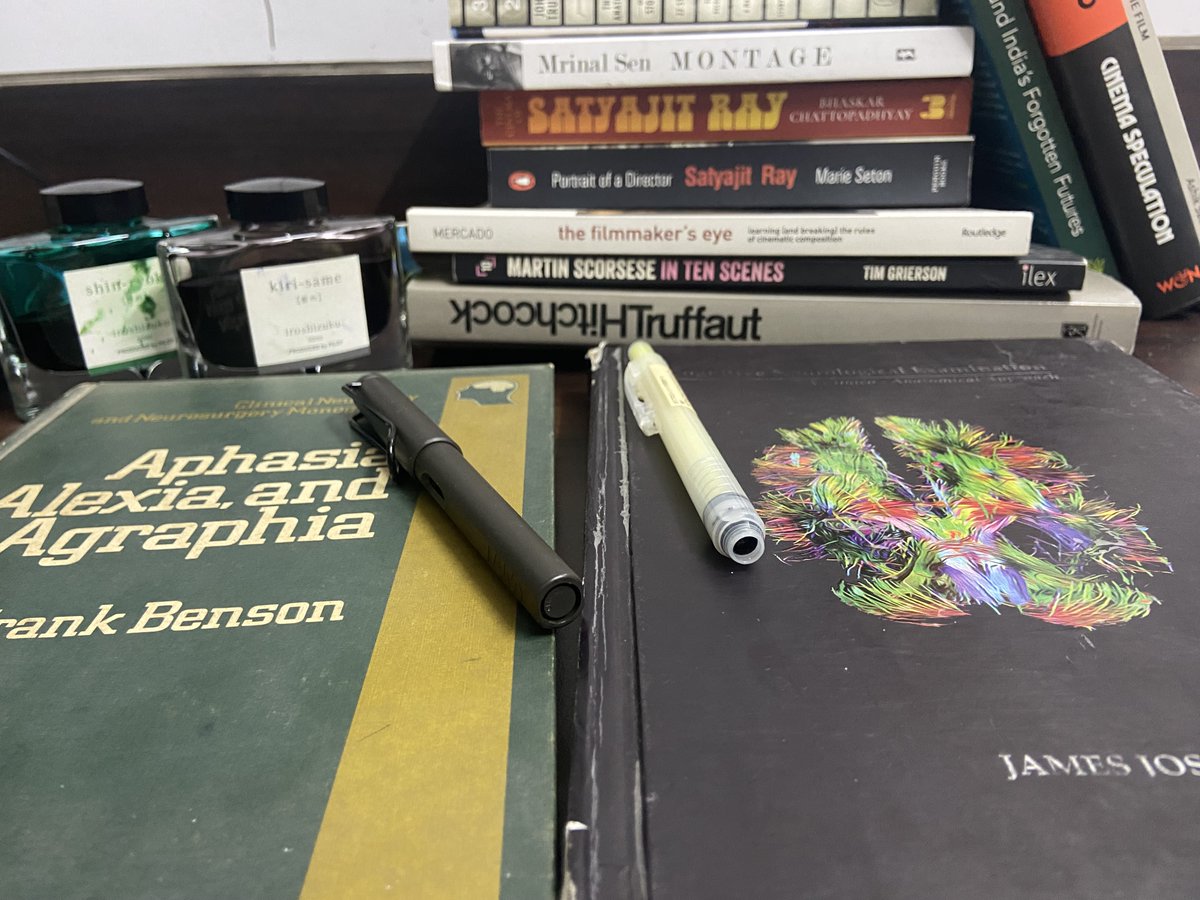
This is my go-to book to understand Cognition. A must read for all Neurology Residents (and also anyone interested in Dementia and Cognition).
Simply explains complex and profound ideas in a few sentences. Brilliant!
(Cognitive Neurological Examination by Prof James Jose)
Simply explains complex and profound ideas in a few sentences. Brilliant!
(Cognitive Neurological Examination by Prof James Jose)
(Disc: this is a simplified understanding of the subject)
If you got to the end of this, your brain has understood how it reads, ironically by reading!
#MedTwitter #NeuroTwitter
If you got to the end of this, your brain has understood how it reads, ironically by reading!
#MedTwitter #NeuroTwitter
Loading suggestions...