

"Human-Wildlife Conflict" refers to negative interaction between humans & wild animals, leading to adverse impacts: crop loss, livestock kill, property damage, human injury/death on one hand, & retaliation against wildlife on the other hand.
Img Credit: Current Conservation
1/n
Img Credit: Current Conservation
1/n
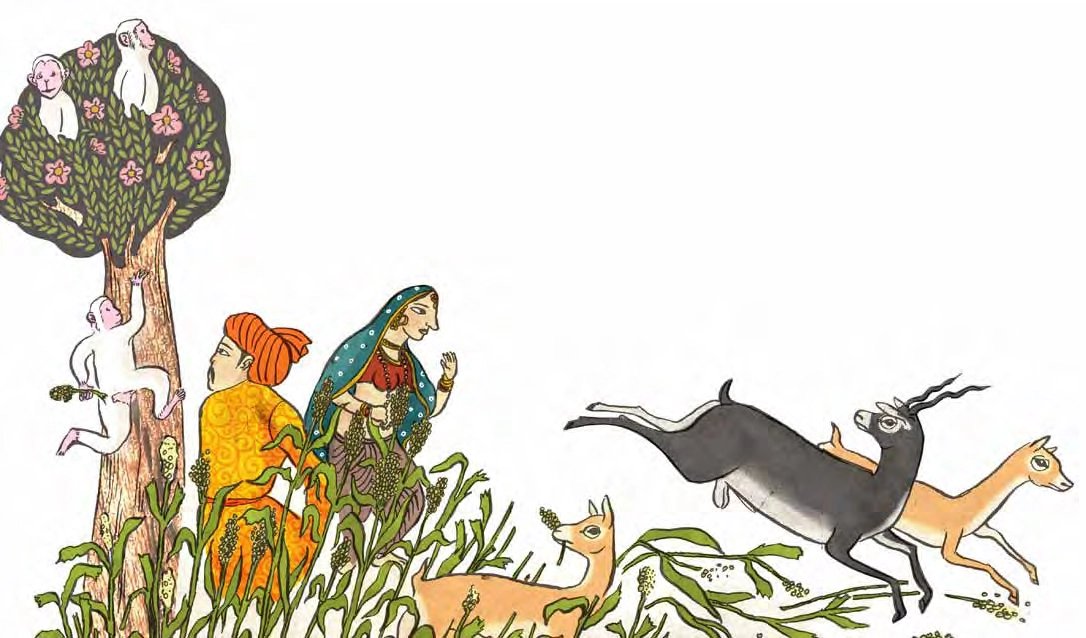
Human-Wildlife Conflicts (HWC) are becoming more frequent, serious and widespread due to expansion of human populations, development aspirations, climate change and Habitat loss & fragmentation.
2/n
2/n
HWC Management strategies:
* Prevention: Wildlife Movement Tracking (by Patrolling teams, Drones, Camera Traps, Sensors) & Warning Systems, Community Awareness & Training
* Mitigation: timely & adequate Compensation, Capturing & Translocation of wild animal, Culling, etc
3/n
* Prevention: Wildlife Movement Tracking (by Patrolling teams, Drones, Camera Traps, Sensors) & Warning Systems, Community Awareness & Training
* Mitigation: timely & adequate Compensation, Capturing & Translocation of wild animal, Culling, etc
3/n
My Experiences (1):
In late Feb'23, a Tiger (from Maharashtra) entered Burhanpur & killed a Farmer, while he was present in his field in the night.
Tiger movement is rare in Burhanpur, & human-kill by Tiger had NEVER happened in Burhanpur before. So it was shocking for us.
4/n
In late Feb'23, a Tiger (from Maharashtra) entered Burhanpur & killed a Farmer, while he was present in his field in the night.
Tiger movement is rare in Burhanpur, & human-kill by Tiger had NEVER happened in Burhanpur before. So it was shocking for us.
4/n
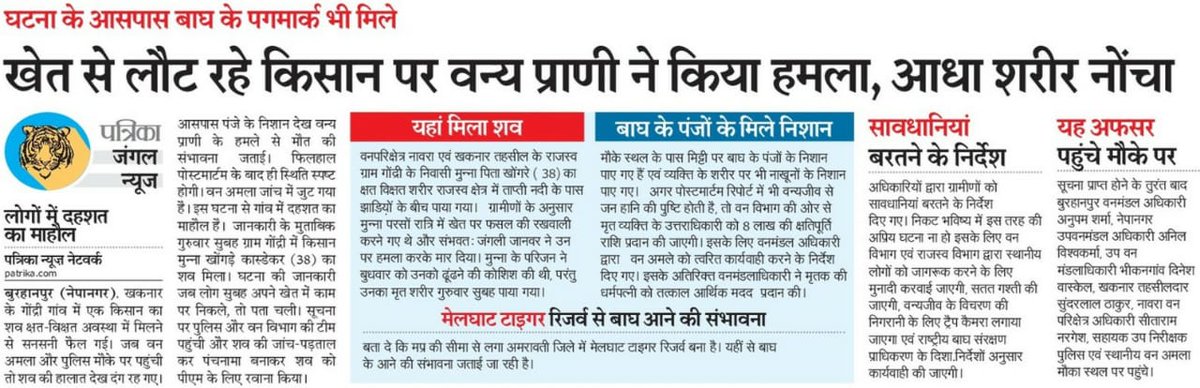
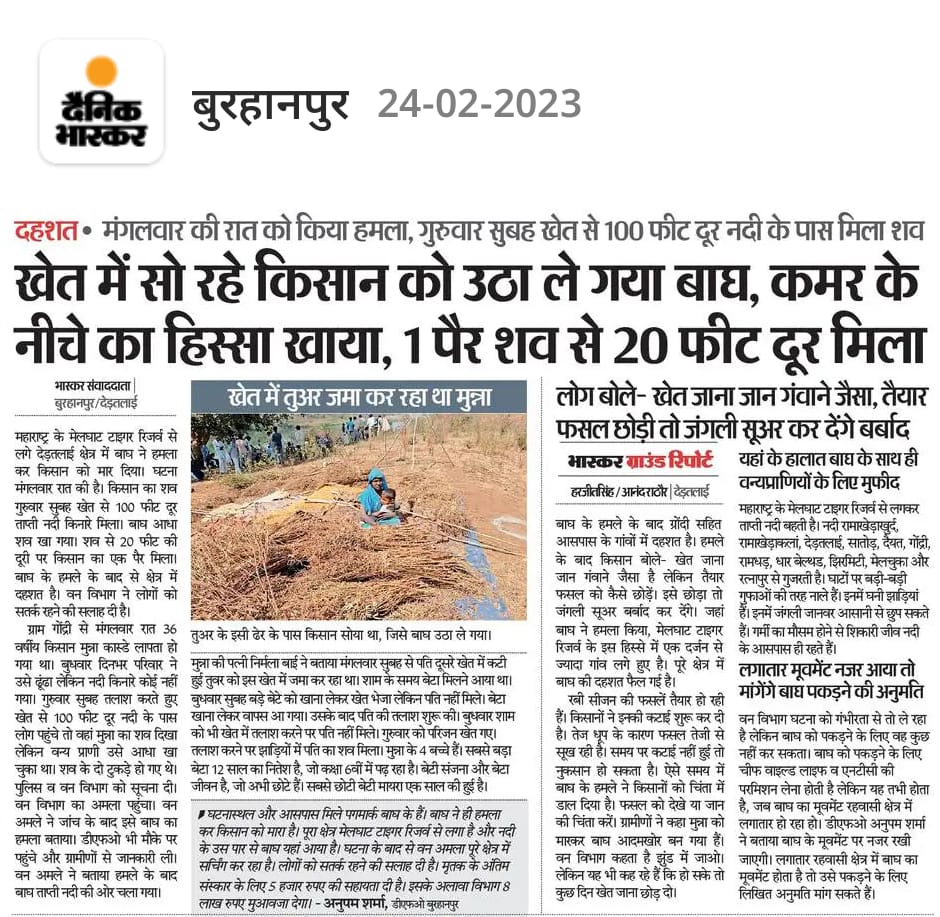
Burhanpur Forest Dept officials rushed to the spot without any delay. It took us ~1 hour to reach the village.
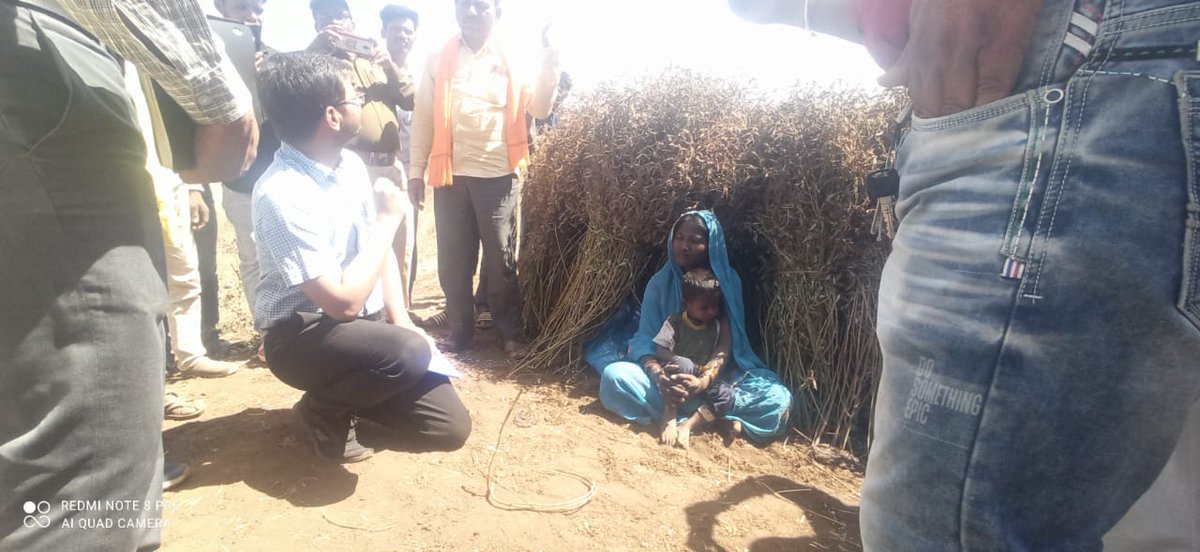
Mutilated body of the farmer was lying near bushes. His wife, along with their child, was crying silently some distance away. It was heart wrenching.
5/n
Mutilated body of the farmer was lying near bushes. His wife, along with their child, was crying silently some distance away. It was heart wrenching.
5/n
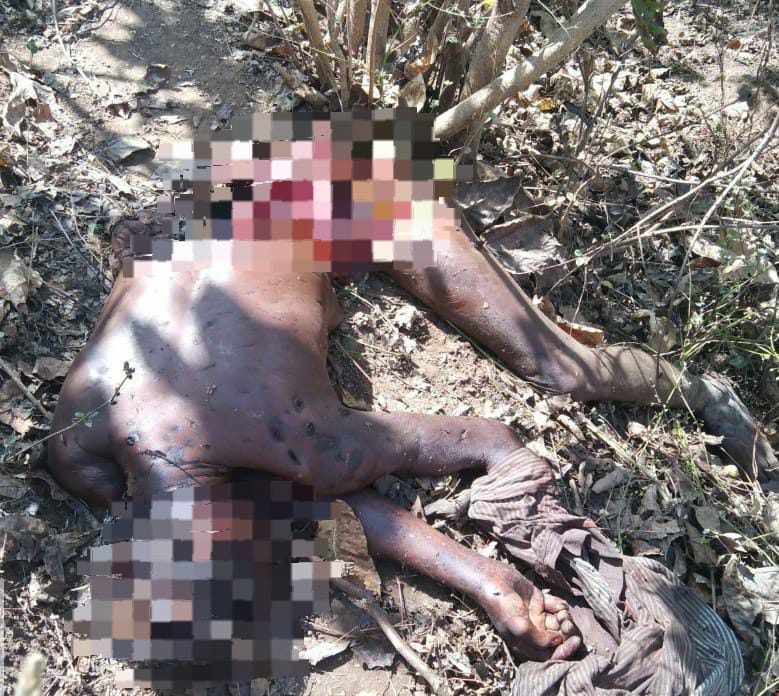
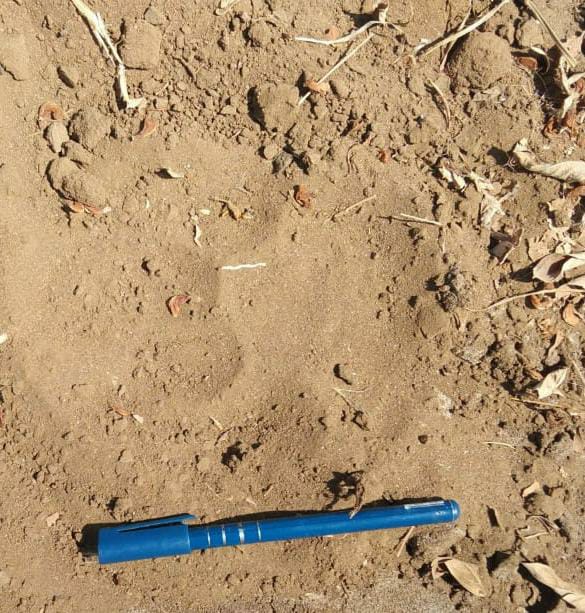
We searched the area, & found fresh pug-marks. Also, we examined the injury marks on the body.
By all probability, it was concluded that the wild animal which killed the farmer could be a Tiger (not Leopard). To be certain, the dead body was sent for Autopsy.
6/n
By all probability, it was concluded that the wild animal which killed the farmer could be a Tiger (not Leopard). To be certain, the dead body was sent for Autopsy.
6/n

Course of action by Forest Dept was :
* Handing over Immediate Relief (whatever cash I had in wallet)
* instructing villagers about DOs & DONTs
* formed Patrolling team
* installed Camera Traps
* initiated the process for payment of ex-gratia ₹8 Lakh to the kin of deceased
7/n
* Handing over Immediate Relief (whatever cash I had in wallet)
* instructing villagers about DOs & DONTs
* formed Patrolling team
* installed Camera Traps
* initiated the process for payment of ex-gratia ₹8 Lakh to the kin of deceased
7/n
Loading suggestions...