
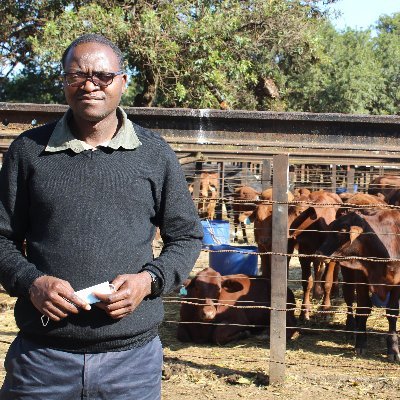
Greetings, my fellow farmers. Today, I'd like to share some thoughts on best practices for cattle production businesses #CattleFattening #Agriculture
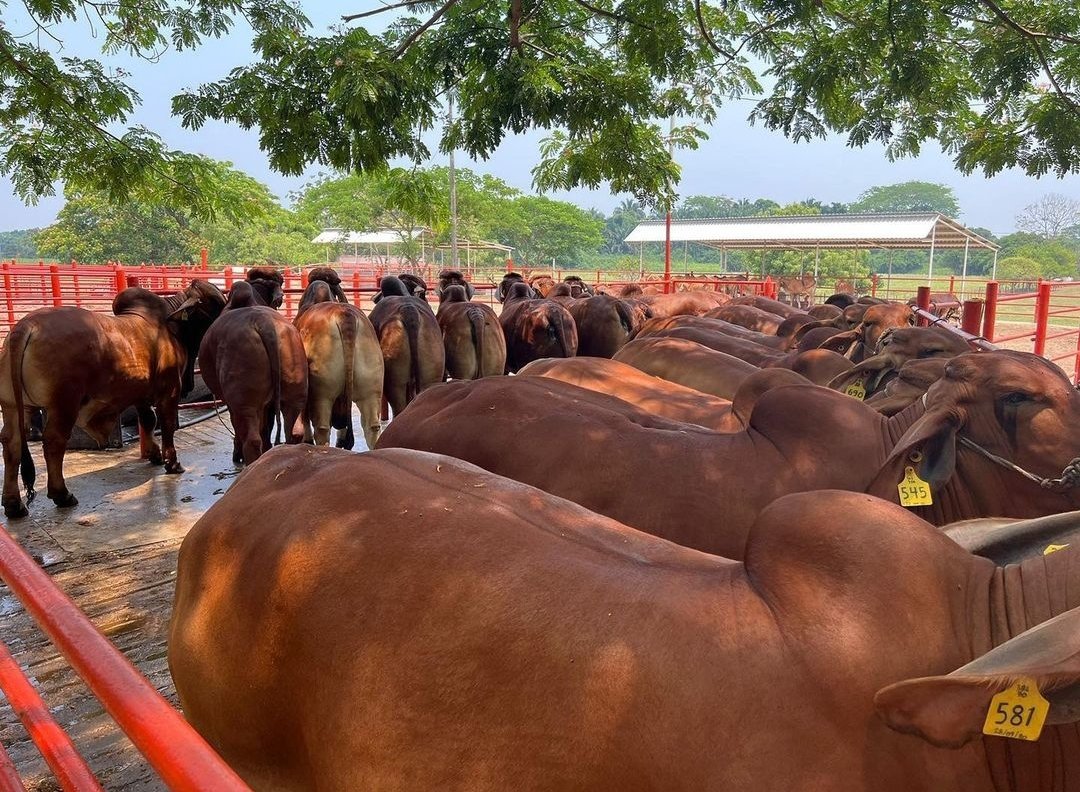
1/ Adequate Nutrition: Providing a well-balanced diet is crucial for the healthy growth and development of cattle. Ensure that their nutritional needs are met through a combination of forage, grains, and supplements. #NutritionMatters
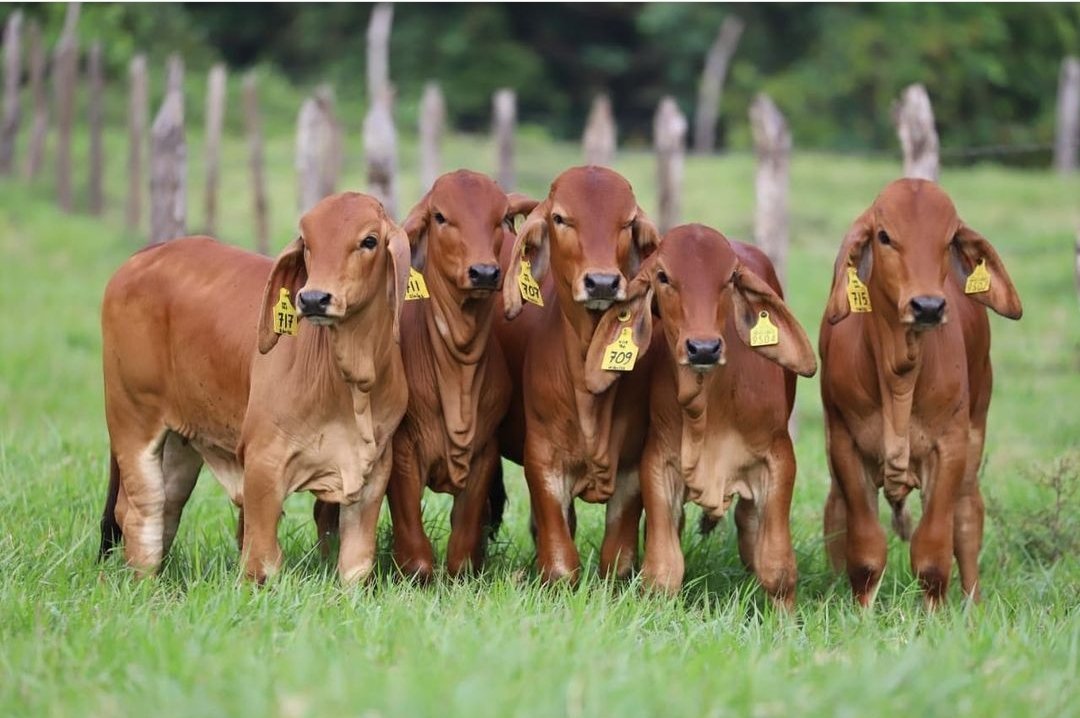
2/ Proper Feeding: Establish a consistent feeding schedule and monitor intake to prevent overfeeding or underfeeding. This will help maintain optimal weight gain and overall health. #FeedingManagement
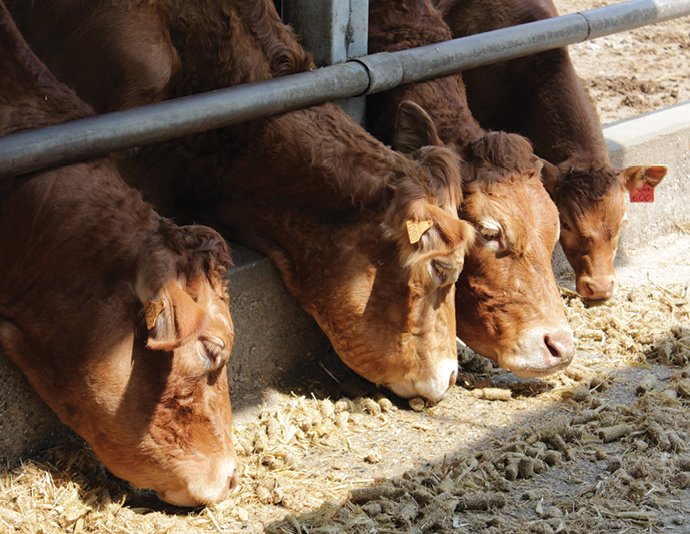
3/ Health: Regular health check-ups and vaccinations are essential to prevent diseases and maintain the well-being of your cattle. Consult with a veterinarian to establish a proper health care plan. #AnimalHealth
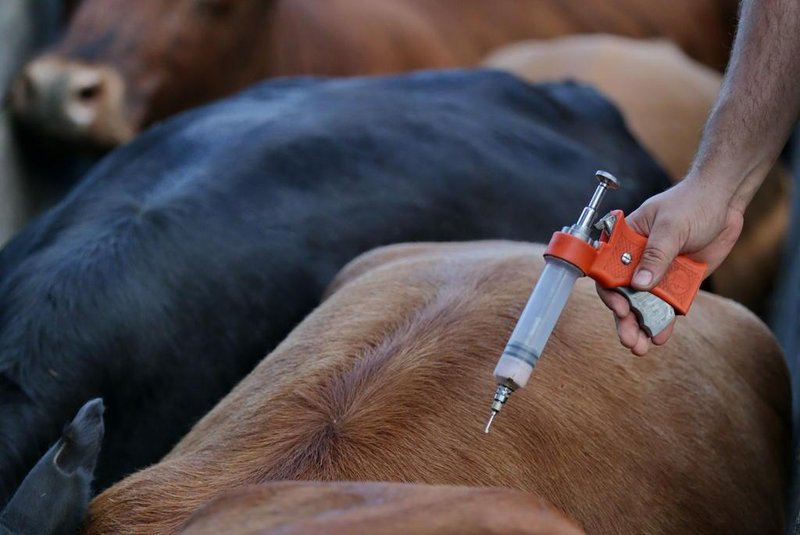
4/ Good Genetics: Selecting cattle with desirable traits, such as efficient feed conversion and high growth rates, will contribute to a successful fattening program. Research and choose breeds that align with your goals. #Genetics
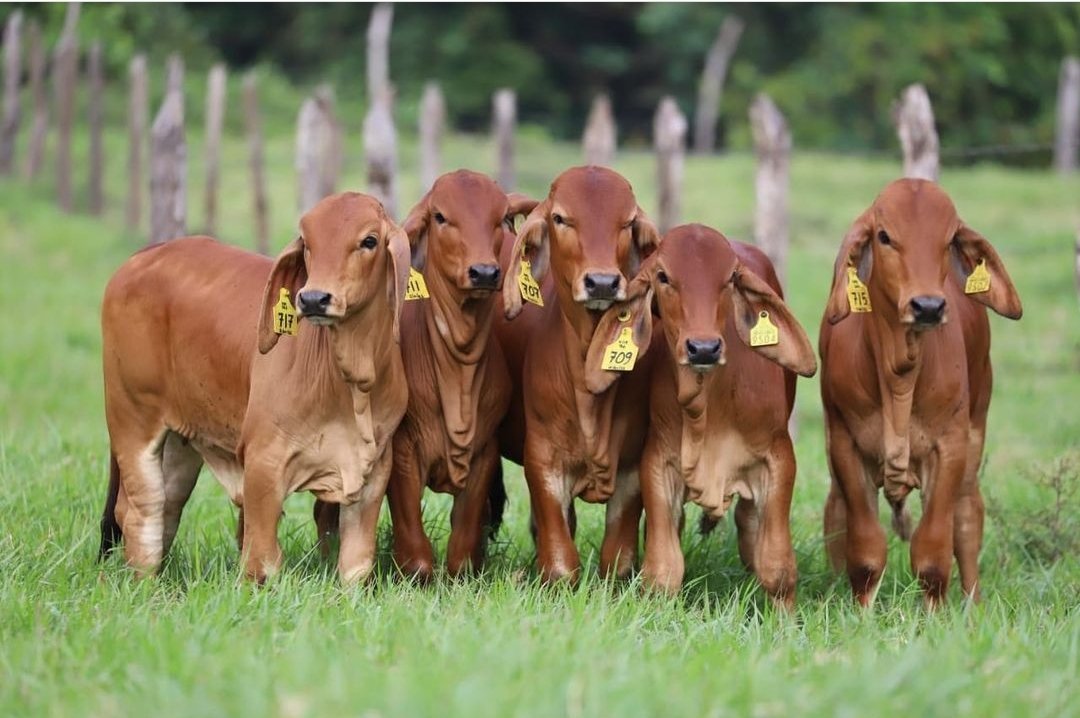
5/ Reputable Breeders: Source your cattle from reputable breeders to ensure quality genetics and healthy animals. This will lay the foundation for a successful cattle fattening operation. #ChooseWisely
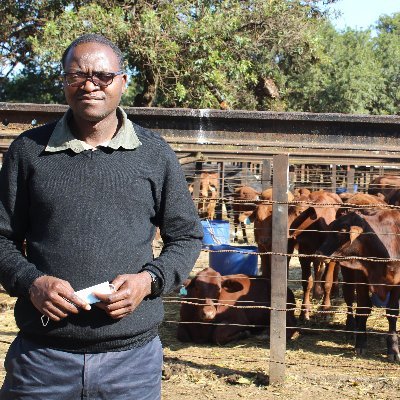
6/ Getting Trained: Educate yourself on best practices in cattle management, including business management, nutrition, health, and breeding. Seek guidance from experienced professionals and attend workshops or courses to enhance your knowledge. #Education
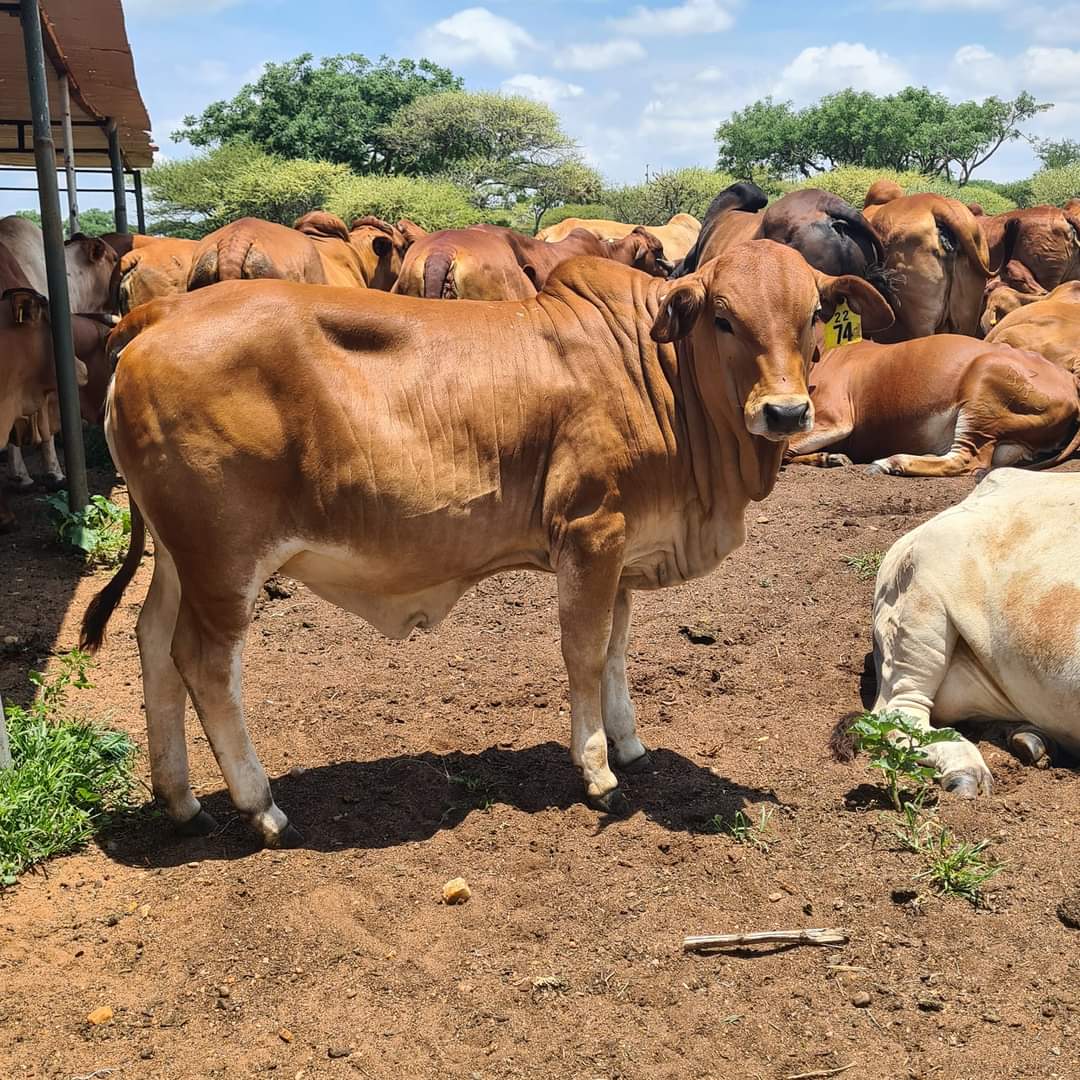
7/ Measuring What Matters: Regularly monitor key performance indicators, such as weight gain, feed efficiency, and overall health. This will help you make informed decisions and optimize your cattle fattening program. #DataDriven

8/ Investing in Technology: Embrace modern technology to improve efficiency and productivity. Consider using tools such as monitoring devices, and data analysis software. #TechInAgriculture
9/ Training Workers: Ensure that your team is well-trained and knowledgeable in cattle management. Provide ongoing education and support to maintain high standards of care. #Teamwork
10/ Studying the Market: Keep abreast of market trends and fluctuations to make informed decisions about when to buy, fatten and sell cattle. Understanding the market will help you maximize profits and minimize risks. #MarketInsights
11/ Value Addition: Explore opportunities to add value to your cattle products, such as processing meat or producing dairy products. This can help diversify your income streams and increase profitability. #ValueAddition
In conclusion, good cattle fattening management practices require a holistic approach that encompasses nutrition, health, genetics, and more. By following these guidelines, you can contribute to a sustainable and prosperous agricultural future. #SustainableAgriculture
Loading suggestions...