

ChatGPT, Bing Chat, Google's Bard—AI is infiltrating the lives of billions.
The 1% who understand it will run the world.
Here's a list of key terms to jumpstart your learning:
The 1% who understand it will run the world.
Here's a list of key terms to jumpstart your learning:
Artificial Intelligence (AI)
A machine’s ability to make decisions and perform tasks that simulate human intelligence and behavior.
Example: Siri can answer your questions and follow voice commands.
A machine’s ability to make decisions and perform tasks that simulate human intelligence and behavior.
Example: Siri can answer your questions and follow voice commands.

Algorithm
A set of rules or instructions given to an AI to help it learn on its own.
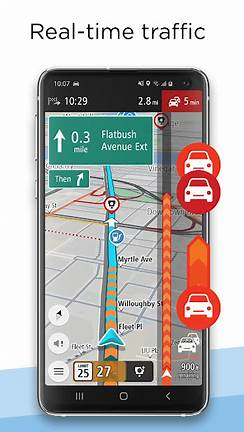
Example: A navigation app uses an algorithm to find the quickest route from one place to another by considering traffic, distance, and road conditions.
A set of rules or instructions given to an AI to help it learn on its own.
Example: A navigation app uses an algorithm to find the quickest route from one place to another by considering traffic, distance, and road conditions.
Chatbot
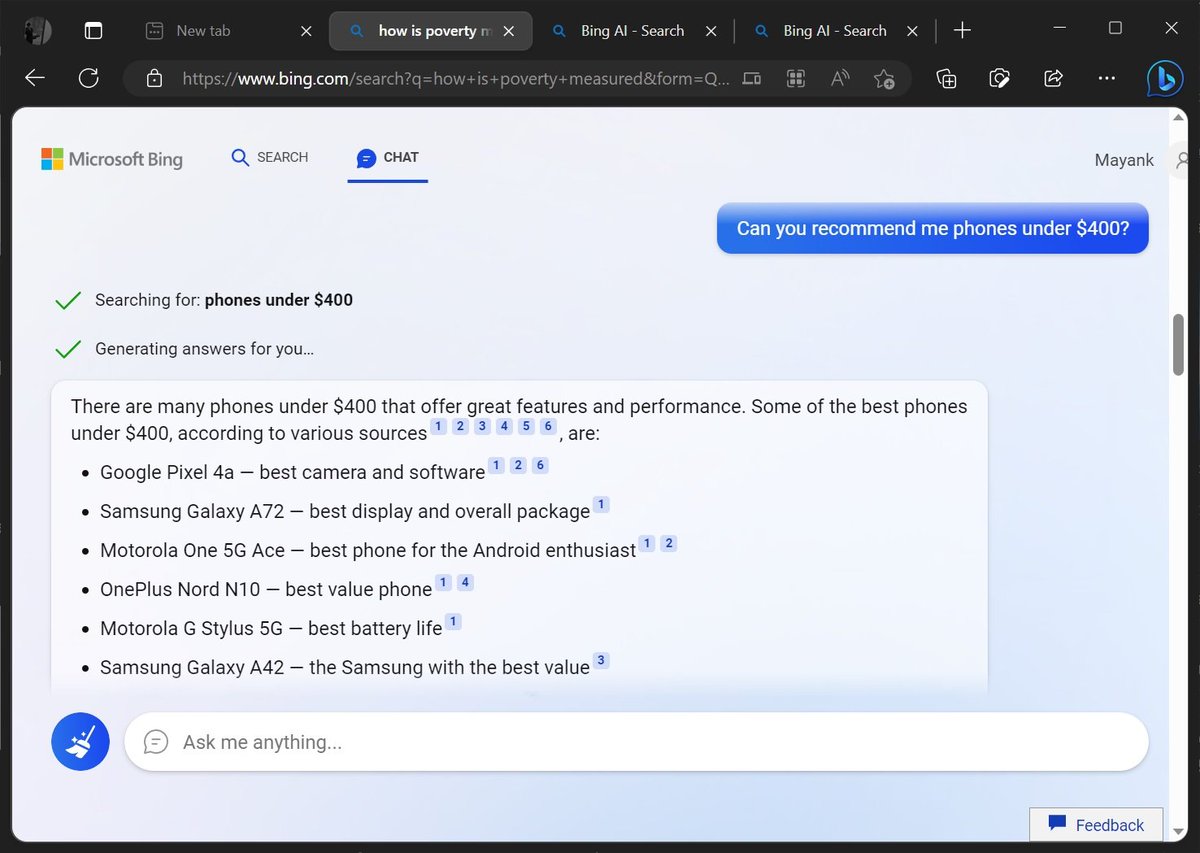
A computer program that can chat through text messages or by listening and speaking.
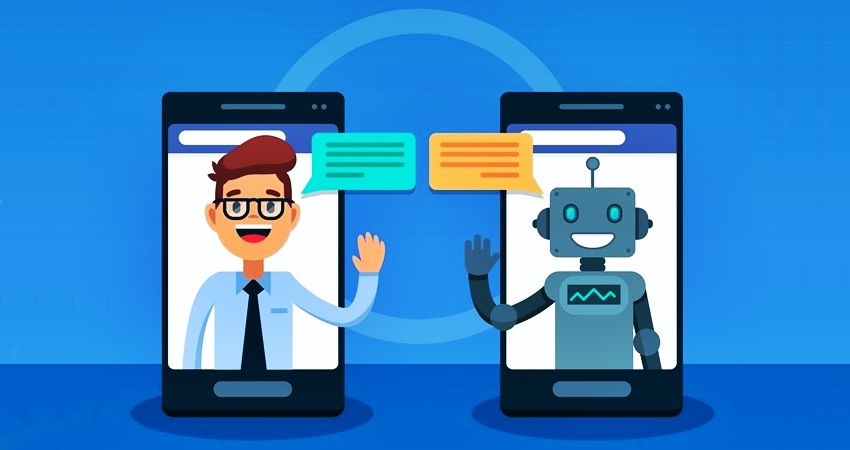
Example: Bing Chat can understand your questions and provide helpful responses.
A computer program that can chat through text messages or by listening and speaking.
Example: Bing Chat can understand your questions and provide helpful responses.
Data Science
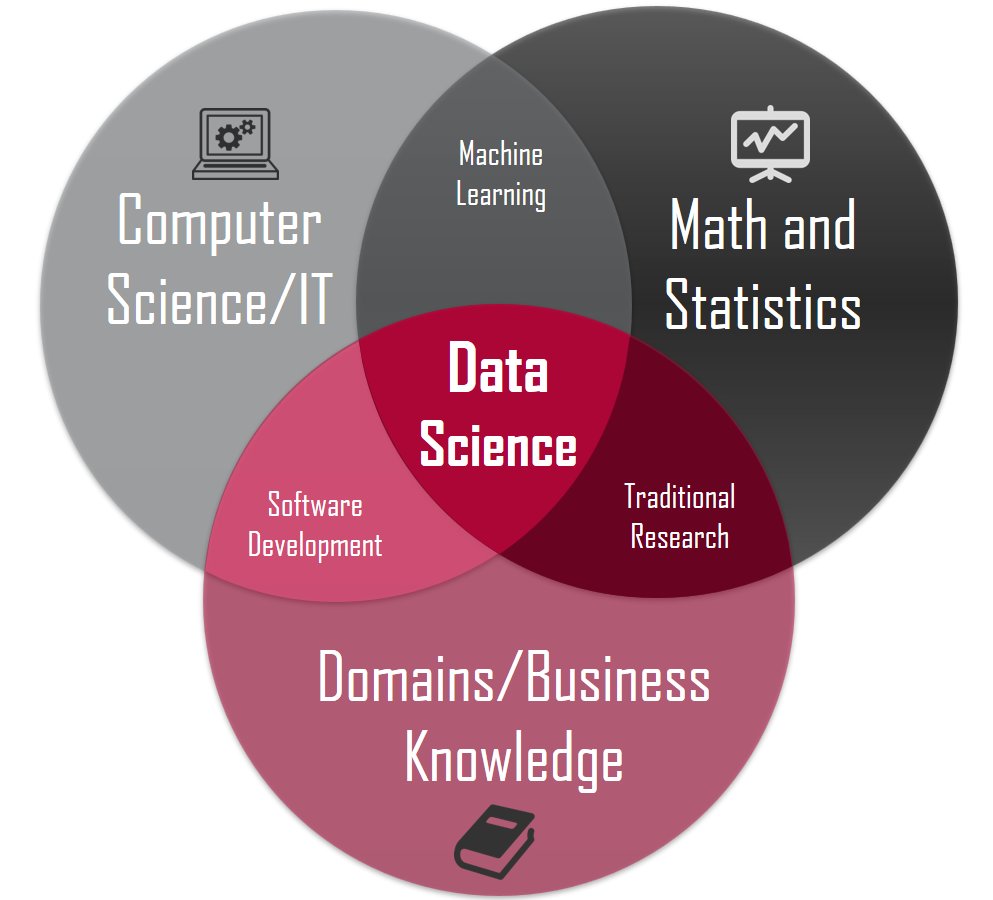
A field that combines math, computers, and information to study and make sense of different kinds of data.
Example: Figuring out what's popular on social media by looking at lots of posts and finding patterns.
A field that combines math, computers, and information to study and make sense of different kinds of data.
Example: Figuring out what's popular on social media by looking at lots of posts and finding patterns.
Decision Tree
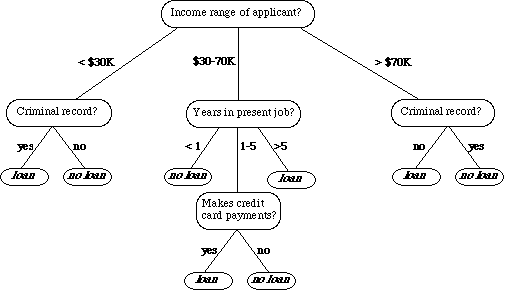
AI model that helps make decisions by following a hierarchy of choices and their possible outcomes.
Example: A bank uses a decision tree to decide if someone qualifies for a loan based on their income and credit score.
AI model that helps make decisions by following a hierarchy of choices and their possible outcomes.
Example: A bank uses a decision tree to decide if someone qualifies for a loan based on their income and credit score.
Game AI
AI made for games that makes non-player characters act smart and react to what the player does.
Example: In a video game, Game AI helps enemies chase and attack the player based on their actions and strategy.
AI made for games that makes non-player characters act smart and react to what the player does.
Example: In a video game, Game AI helps enemies chase and attack the player based on their actions and strategy.
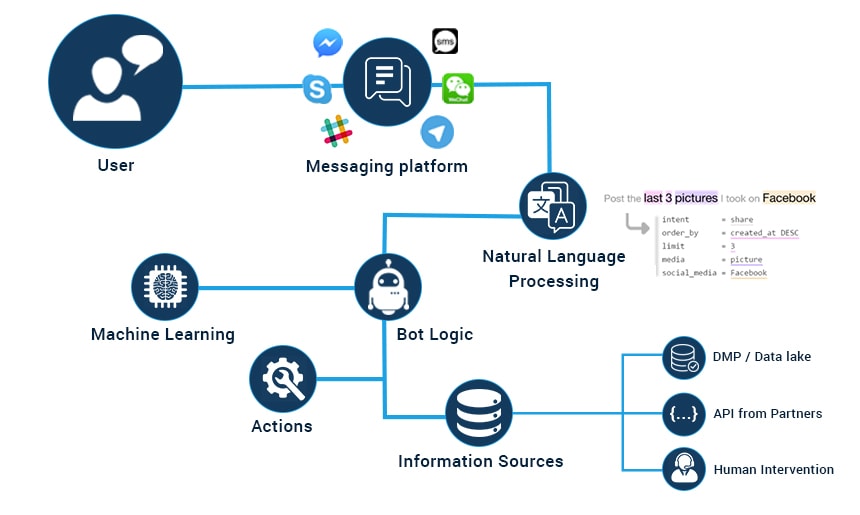
Natural Language Processing (NLP)
Teaching computers to understand and use human language.
Example: A chatbot that can answer questions and help you with homework.
Teaching computers to understand and use human language.
Example: A chatbot that can answer questions and help you with homework.
Large Language Model (LLM)
A smart computer program that understands and creates text.
Example: GPT-4 can understand and generate text, answering questions, and providing information on various topics.
A smart computer program that understands and creates text.
Example: GPT-4 can understand and generate text, answering questions, and providing information on various topics.
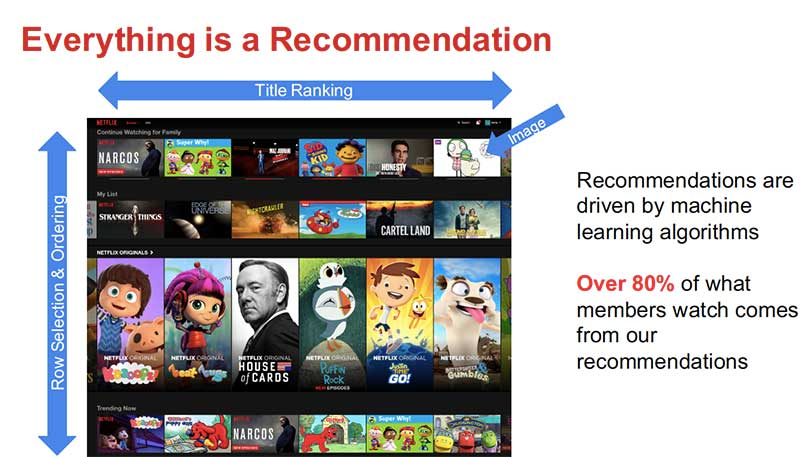
Machine Learning (ML)
Teaching computers to learn from experience.
Example: Netflix recommends movies you might like based on what you've watched before.
Teaching computers to learn from experience.
Example: Netflix recommends movies you might like based on what you've watched before.
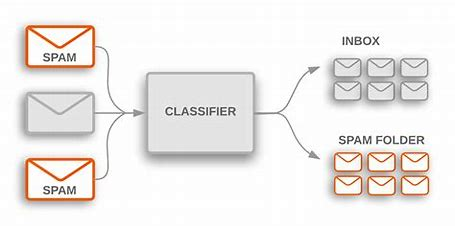
Supervised Learning
Teaching computers using examples with the right answers.
Example: Teaching a computer program to tell if an email is spam or not.
Teaching computers using examples with the right answers.
Example: Teaching a computer program to tell if an email is spam or not.
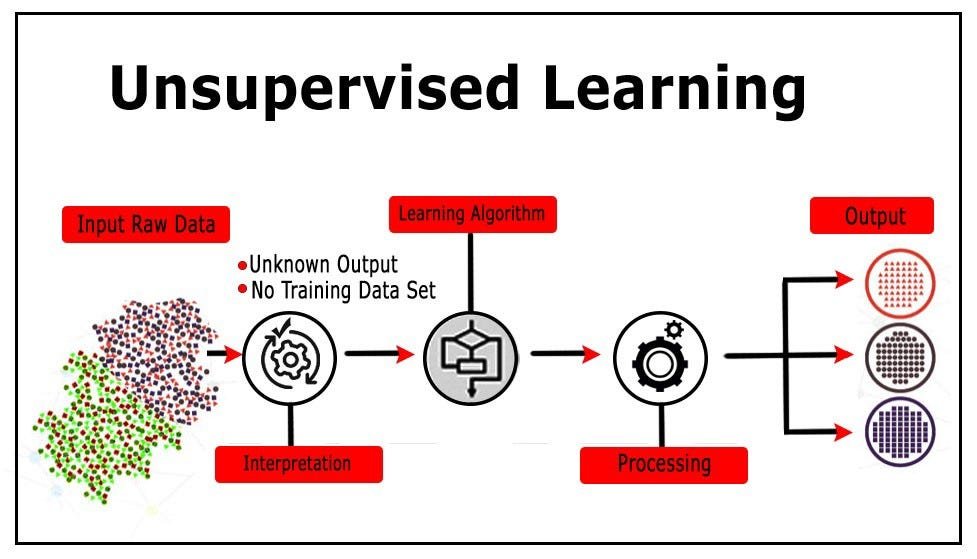
Unsupervised Learning
Computers learn by finding patterns in data without being told what to look for.
Example: Grouping news articles by topic without being told what the topics are
Computers learn by finding patterns in data without being told what to look for.
Example: Grouping news articles by topic without being told what the topics are
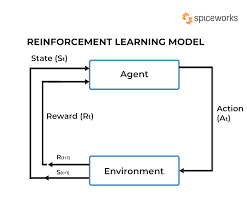
Reinforcement Learning
Computers learn by trying things out and getting rewards or penalties.
Example: Teaching a robot to navigate a room by rewarding it for reaching the destination.
Computers learn by trying things out and getting rewards or penalties.
Example: Teaching a robot to navigate a room by rewarding it for reaching the destination.
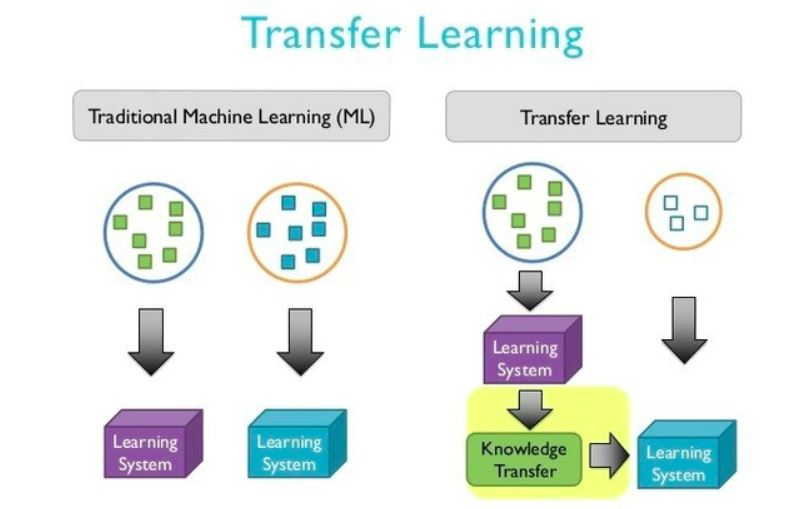
Transfer Learning
Using knowledge from one task to help with a different but related task.
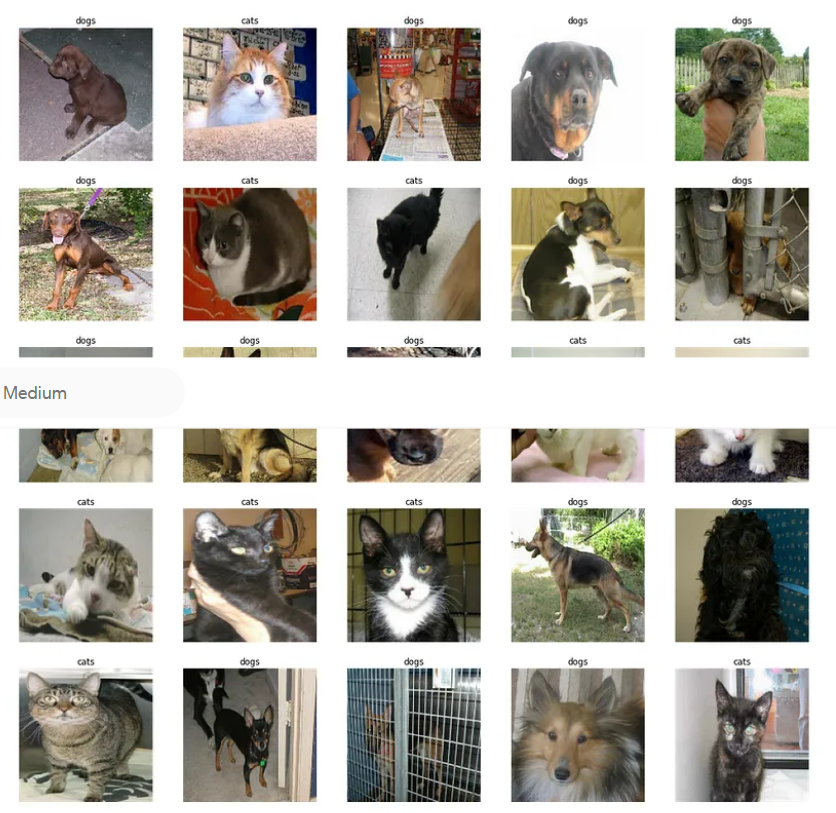
Example: A program that can identify cats and is quickly taught to identify dogs too.
Using knowledge from one task to help with a different but related task.
Example: A program that can identify cats and is quickly taught to identify dogs too.
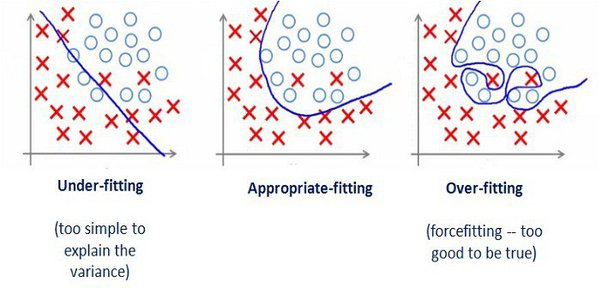
Overfitting
When a computer learns too much from training and doesn't work well in real life.
Example: A weather predictor that only works for past weather data but not for future forecasts.
When a computer learns too much from training and doesn't work well in real life.
Example: A weather predictor that only works for past weather data but not for future forecasts.
Deep Learning (DL)
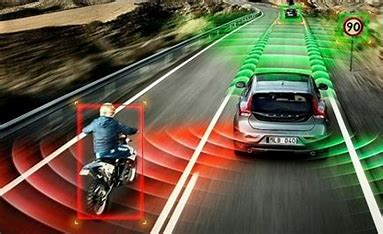
Computers learn from lots of data using layers of brain-like connections.
Example: Self-driving cars learn to recognize traffic signs and avoid obstacles.
Computers learn from lots of data using layers of brain-like connections.
Example: Self-driving cars learn to recognize traffic signs and avoid obstacles.
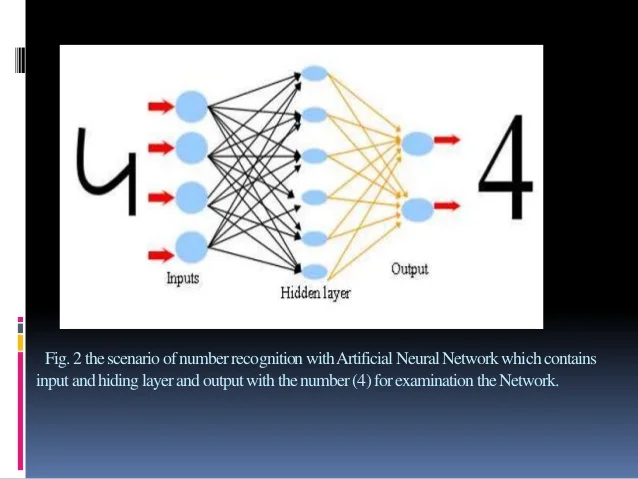
Artificial Neural Network (ANN)
Computers copy how the human brain works to process information.
Example: A program that can recognize handwritten numbers.
Computers copy how the human brain works to process information.
Example: A program that can recognize handwritten numbers.
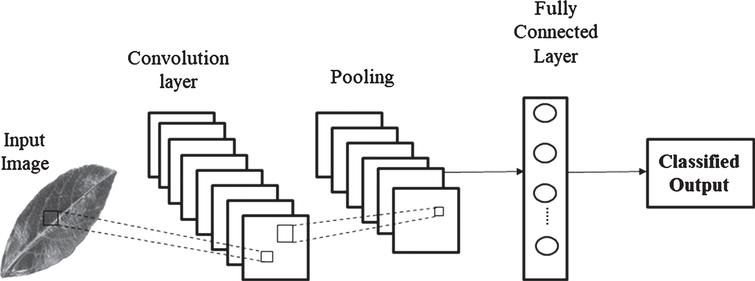
Convolutional Neural Network (CNN)
A special brain-like computer for understanding images.
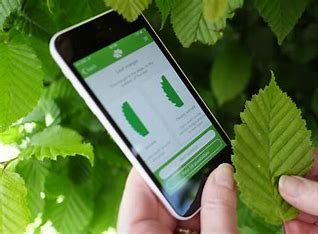
Example: A smartphone app that can tell what kind of plant you're looking at.
A special brain-like computer for understanding images.
Example: A smartphone app that can tell what kind of plant you're looking at.
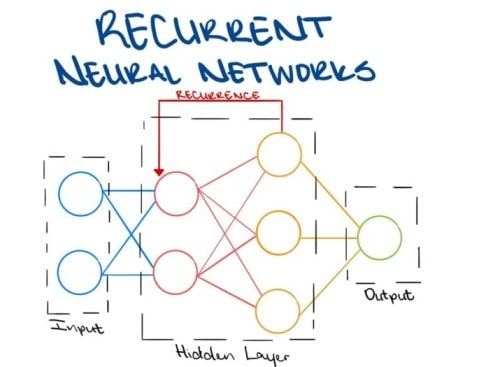
Recurrent Neural Network (RNN)
A brain-like computer that can remember past information.
Example: Predicting what word comes next in a sentence.
A brain-like computer that can remember past information.
Example: Predicting what word comes next in a sentence.
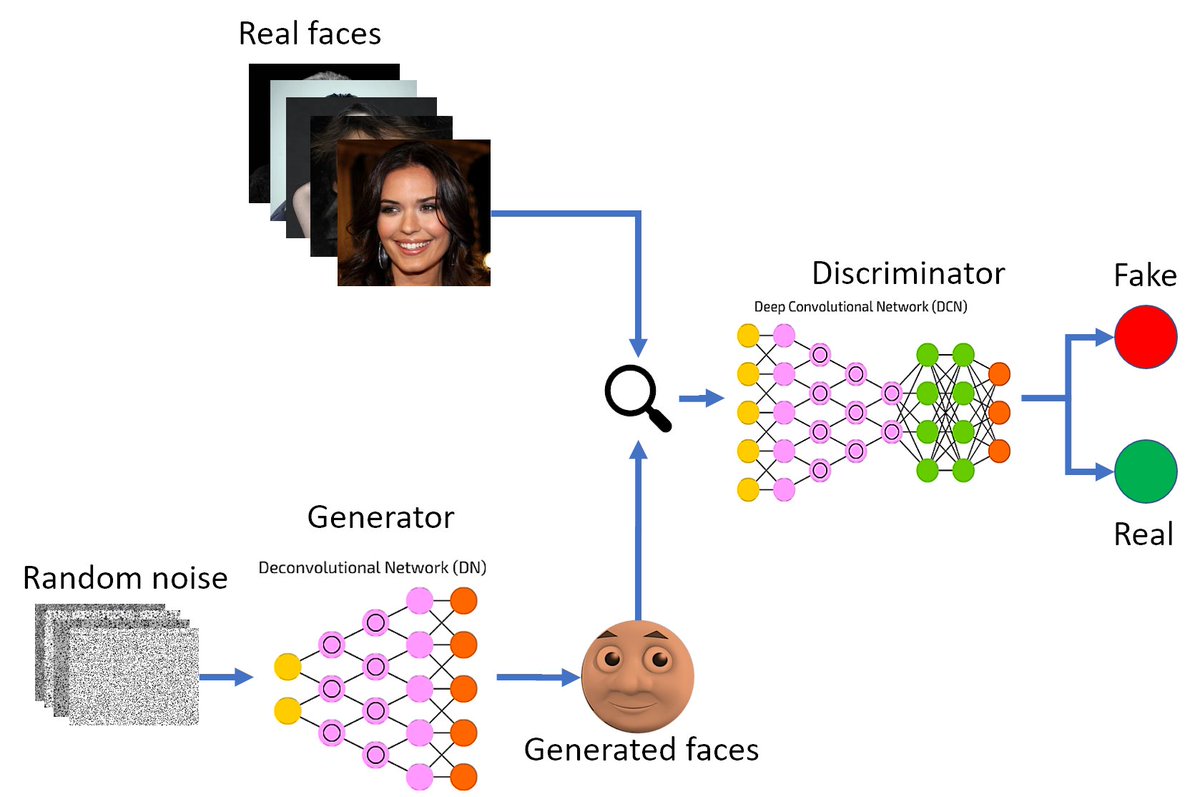
Generative Adversarial Networks (GANs)
Two computer programs competing to create realistic fake data.
Example: Making new artwork or video game characters by combining existing styles.
Two computer programs competing to create realistic fake data.
Example: Making new artwork or video game characters by combining existing styles.
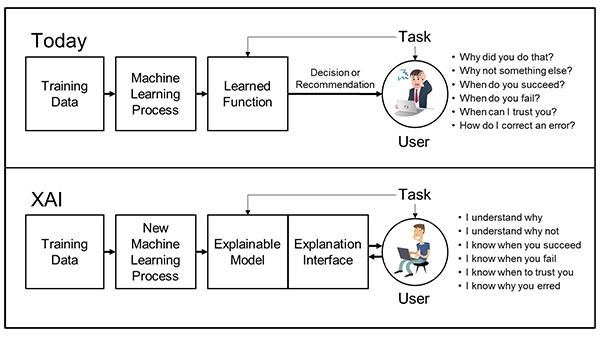
Explainable AI (XAI)
Making it easier for people to understand how computers make decisions.
Example: A doctor using a computer program to help diagnose a patient can see why the program made its decision.
Making it easier for people to understand how computers make decisions.
Example: A doctor using a computer program to help diagnose a patient can see why the program made its decision.
TDLR:
Ready to learn AI?
Here's a list of top resources👇
Here's a list of top resources👇
SOURCES:
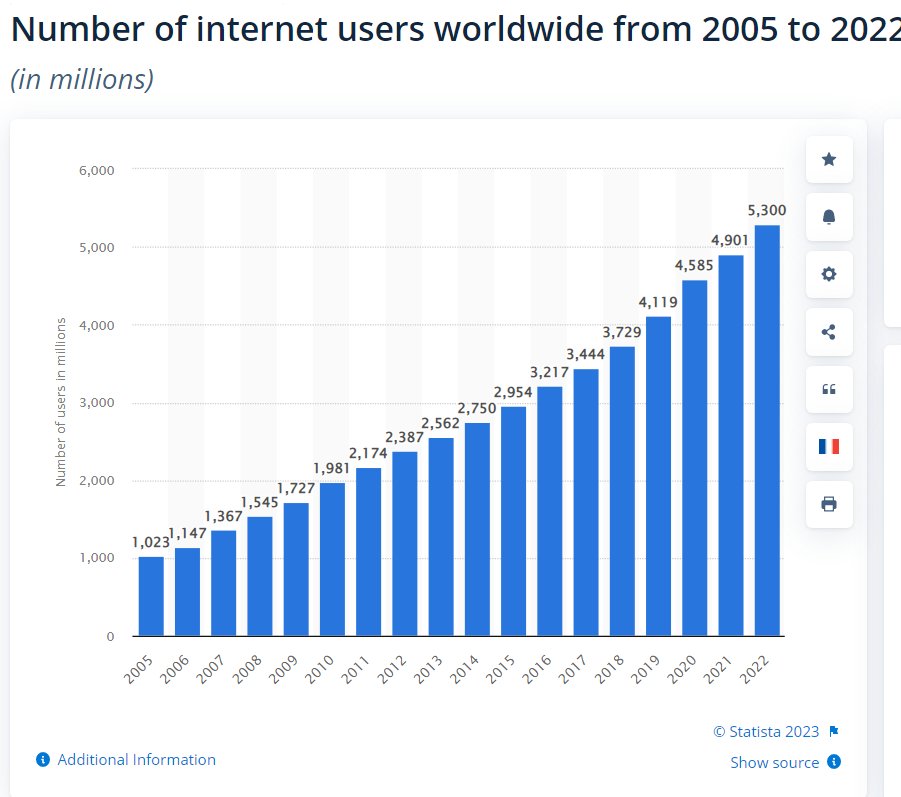
The 5+ billion people on the internet are already using AI to some degree.
This AI usage will massively intensify as internet search shifts to GPT-4 and a chatbot interface.
The 5+ billion people on the internet are already using AI to some degree.
This AI usage will massively intensify as internet search shifts to GPT-4 and a chatbot interface.
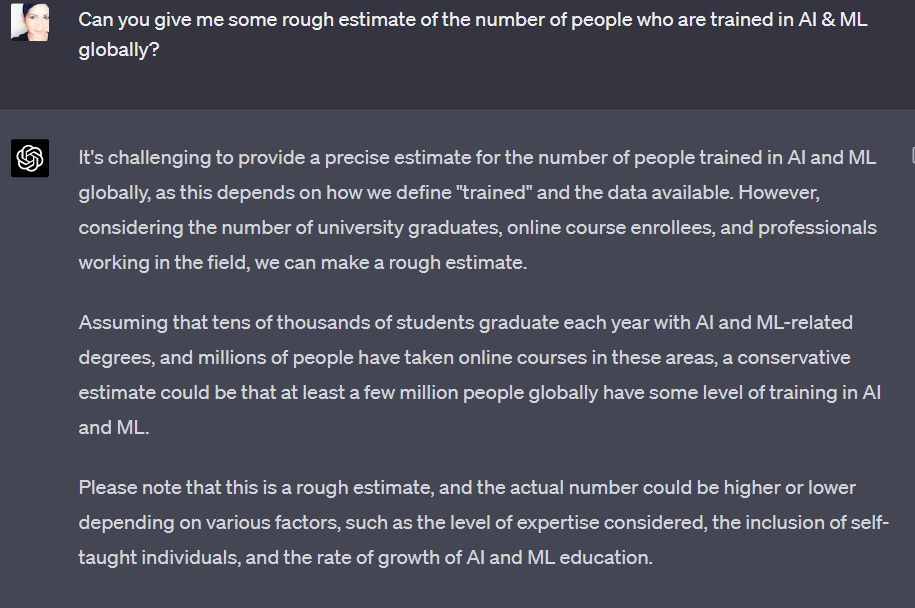
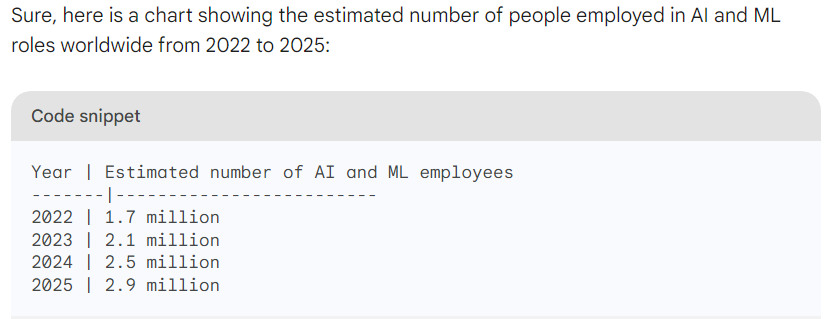
According to a report by O'Reilly, there were only an estimated 1.7 million people employed in AI and ML roles worldwide in 2022.
That's all for today, folks.
If this was useful, please share by retweeting the first tweet.
I write regularly about web3, AI, & the future. You can follow me @mishadavinci.
If this was useful, please share by retweeting the first tweet.
I write regularly about web3, AI, & the future. You can follow me @mishadavinci.
My weekly newsletter helps you keep up with the technologies that are re-shaping the future.
You can check it out and subscribe here:
open.substack.com
You can check it out and subscribe here:
open.substack.com
Loading suggestions...