

The Grand National annually provokes debate about horse racing and its equine participants. This year is no different with a minority branding the sport cruel; planning to protest & wanting it banned. Here’s a thread that non-racing folk may find helpful. #GrandNational (1)

There are hundreds of horse breeds (400+) around the world. The thoroughbred has been around since the 17th century. They are known for their speed (45mph) and spirit. A foal will be charging around hours after being born. (2)
About 100,000 thoroughbred foals are born worldwide every year, contributing to millions of racehorses who are either racing, at stud, in another vocation or retired. The average age of a thoroughbred is about 25. Below, National winner Neptune Collonges, now 22. (3)

Activists wanting racing banned focus on injury and deaths. But they make no reference to the life - and wonderful lives - that the sport gives so many. Those wanting horse racing banned would effectively be exterminating the breed. (4)
Between them, the 50 horses still entered in the Grand National (40 can run) have enjoyed 442 years of life and run in 1192 races. No horse younger than 7 is allowed to run with inexperienced horses/riders barred from taking part. (5)
The life of a thoroughbred? I’ve been fortunate to visit a huge number of racing yards/horsey places over the past 35 years & the level of care, attention and ❤️ they receive is overwhelming. Most are 5-star health farms. Regardless of ability, the horses lack for nothing. (6)
Do the horses enjoy racing? Watch them on the gallops every day or at the racecourse and the only conclusion you can draw is that they do (although I doubt they view it as racing - more just running). Davy Russell even believes Tiger Roll knew his own name & was proud of it! (7)

The whip. Be assured the “sticks” of old days are long gone. These days jockeys have a Procush, which has a padded end that does not inflict pain. And nowadays theycan only use the Procush a maximum of 7 times over jumps without risking a ban or possible disqualification. (8)

So why have the whip at all? It's a vital steering aid and still helps a jockey communicate that they want a horse to focus; or encourage them to run as fast as they can, having earlier tried to preserve energy and curb their instinct to go at maximum pace. (9)
There may yet come a day when there is no Procush in Britain as the number of strikes allowed keeps dwindling. But my belief is that would be detrimental, causing huge integrity issues for the sport. (10)
Racing professionals/fans do not see the horse as a “commodity”. It’s the complete opposite. They are adored & cherished. The death of a horse at the racecourse leaves us all numb. Has the loss of a horse made me cry? Yes. Many times. Below, Darley Stud remembers its heroes (11)
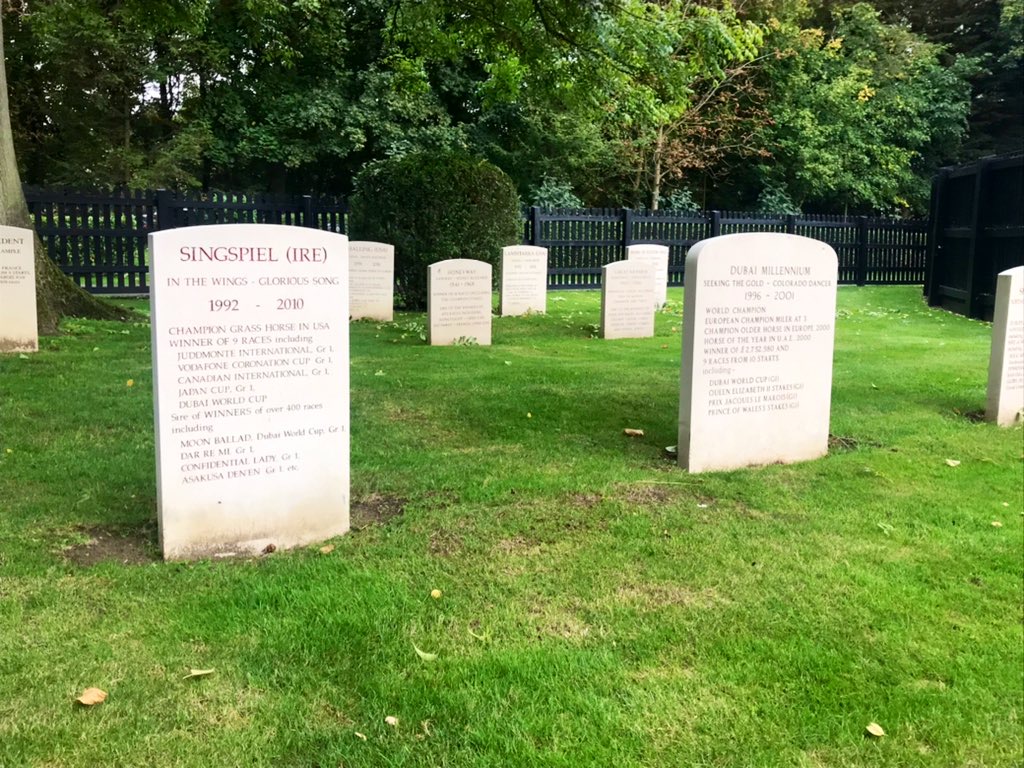
A few facts. Within the last 20 years or so, the equine fatality rate in British racing has fallen from 0.3% to just over 0.2% of runners. In recent years the average number of runners per annum has been around 90,000. (12)
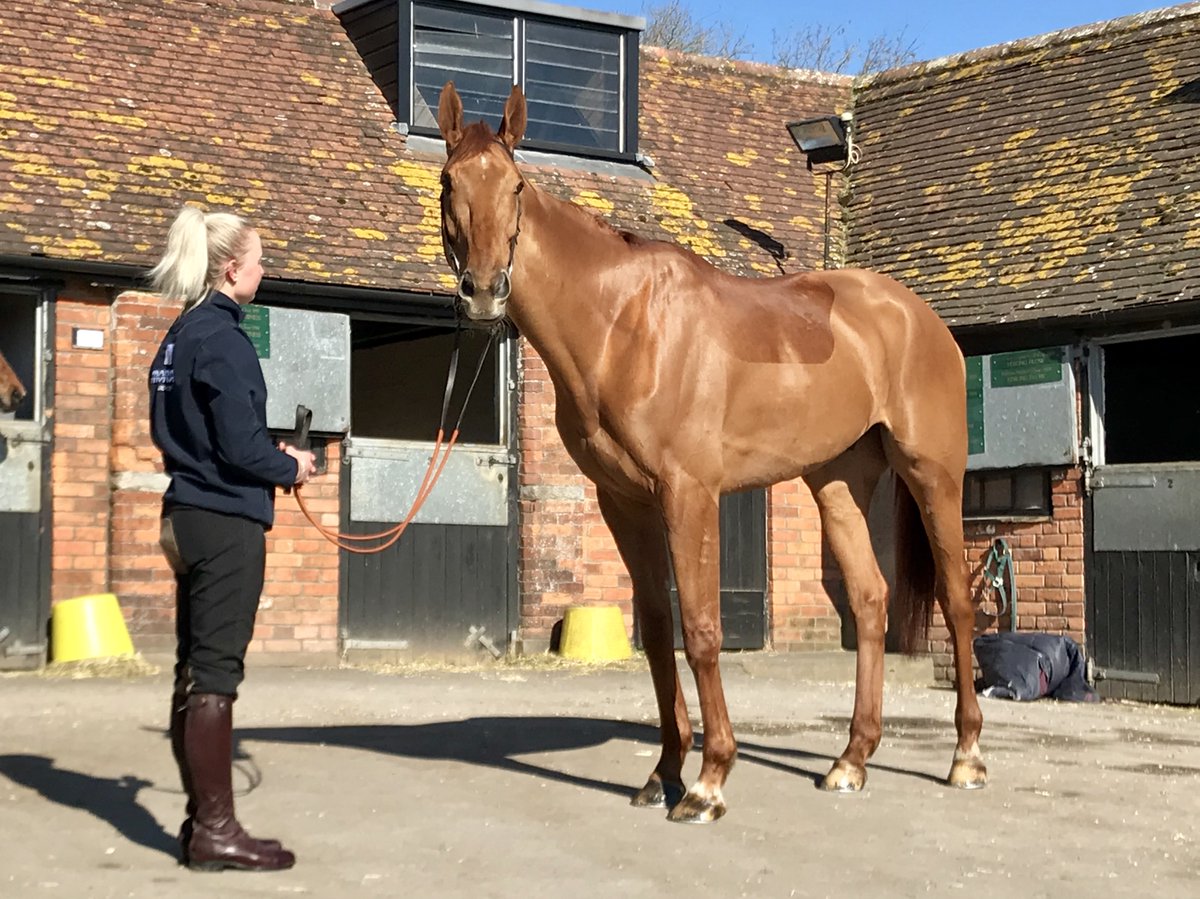
In 2017, for instance, there were 91,360 runners in Britain & 167 fatalities. Horses are beautiful, majestic and bewitching but being a half-ton animal with spindly legs brings inevitable problems. Below, all 17 hands+ of the gorgeous Topofthegame (13)
Off piste for a moment. Every year in the UK, there are apparently 1.2 billion land animals slaughtered for human consumption. (14)
Back to the horses. The most serious type of injury sustained are bone fractures. Complicated, unstable fractures cannot withstand immediate weight-bearing & this means many fractures cannot be mended. In such circumstances, the most humane measure is to put the horse down. (15)
Horse & human fractures are not comparable. There are post-surgical complications & horses do not adapt well to sustained periods of inactivity. They are also not capable of spending large periods of time ‘lying down’ or having a limb put in a sling. (16)
The Grand National. In recent years, the race has been shortened and fences modified, plus there is a strict qualification criterion - age/races run/distance raced over/rating etc. A lot of boxes must be ticked, all of them with the welfare of the horse in mind. (17)

Saturday's runners are allotted weights to reflect their ability. The lowest weighted will carry 10st 2lb (that’s the jockey, saddle & all equipment) and none will be burdened with more than 11st 12lb. On the Flat, horses rarely carry more than 10st & often under 8st. (18)
A lot of stones are thrown at racing without being challenged. I hope you may have found some of the above helpful/educational. Good luck to all human and equine participants on Saturday. May the best horse win. (19 - the end!)
Loading suggestions...