
To our eyes, the world is made up of a dazzling array of colours.
Yet colours themselves are completely intangible. As a property of the material world, they do not exist.
What is it that makes the sky blue, and grass green? What else is out there that we cannot see? A thread.
Yet colours themselves are completely intangible. As a property of the material world, they do not exist.
What is it that makes the sky blue, and grass green? What else is out there that we cannot see? A thread.

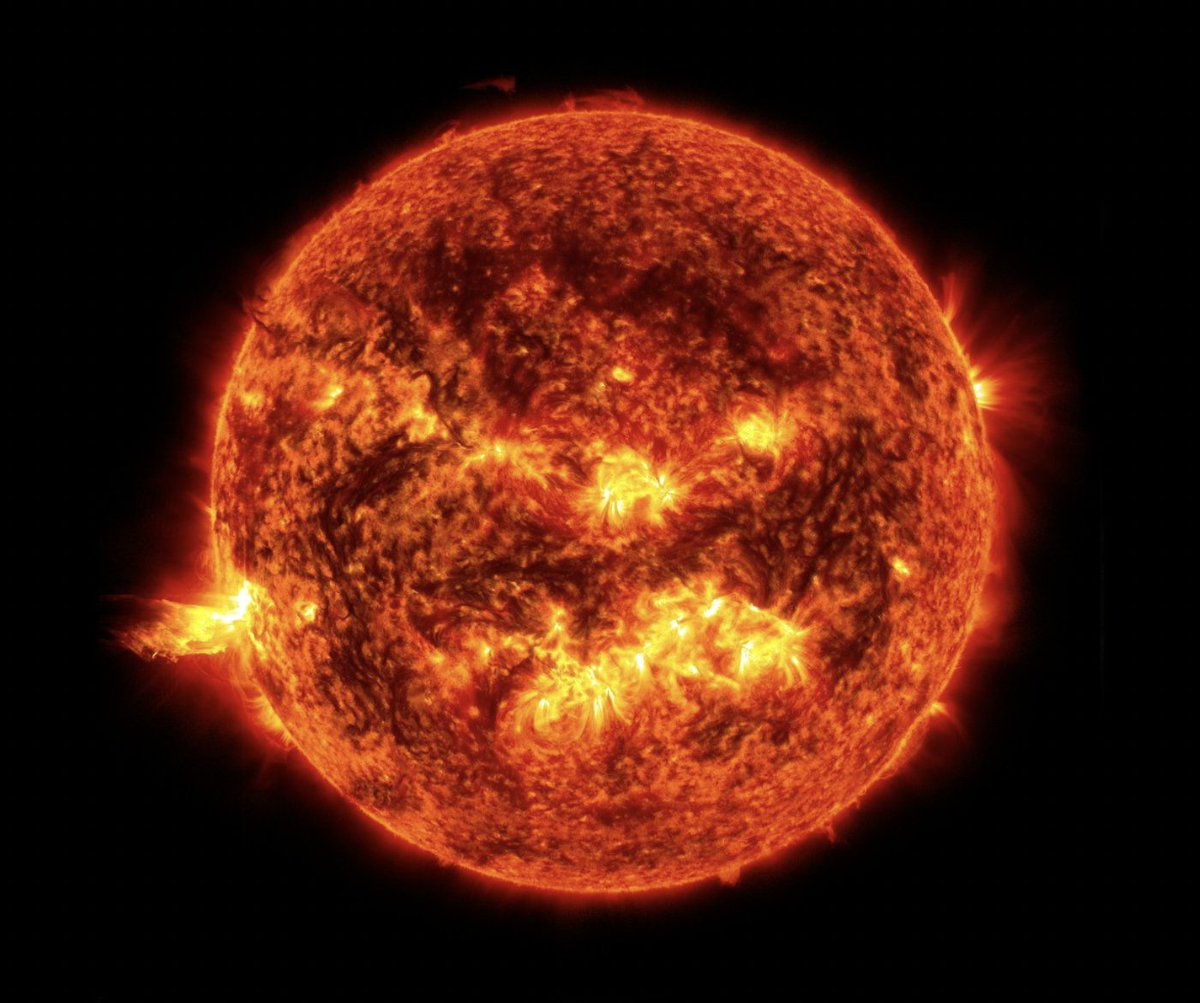
147 million km away, nuclear fusion reactions in the sun radiate waves of electromagnetic energy that travel towards earth at the speed of light — because they ARE light. Right in the middle of this broad spectrum is the tiny wavelength range that is visible to the human eye.
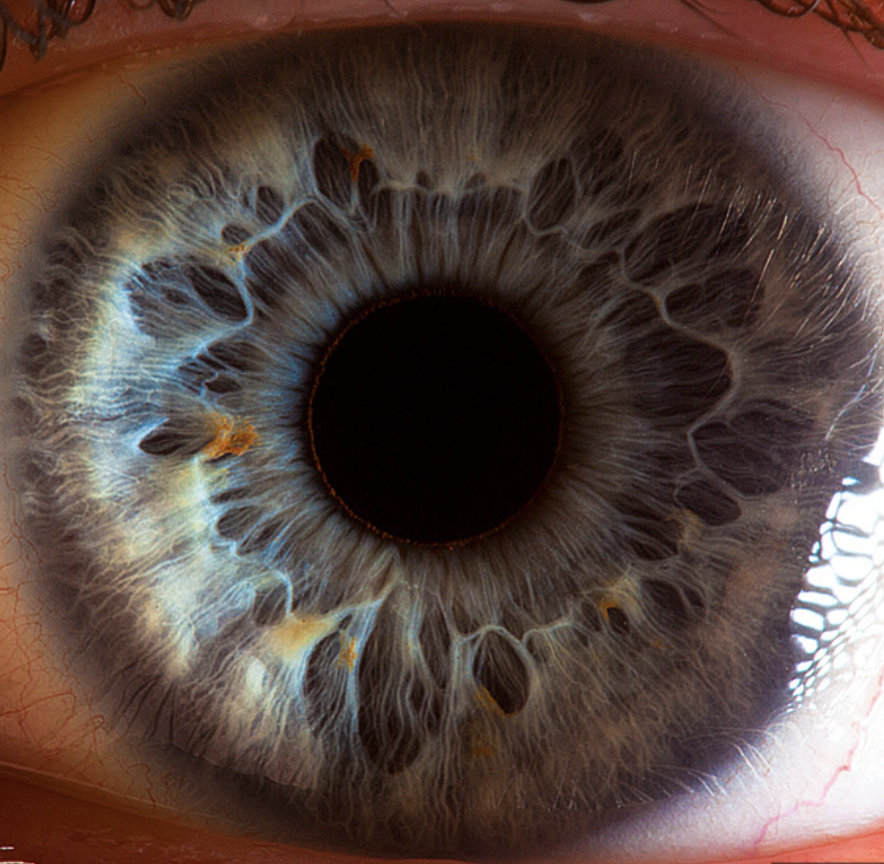
The human eye can typically interpret waves of light that have a distance of 380 to 750 nanometers between each crest of the wave form. This is only 0.0035% of the electromagnetic spectrum, but it contains the whole range of colours that we can see.
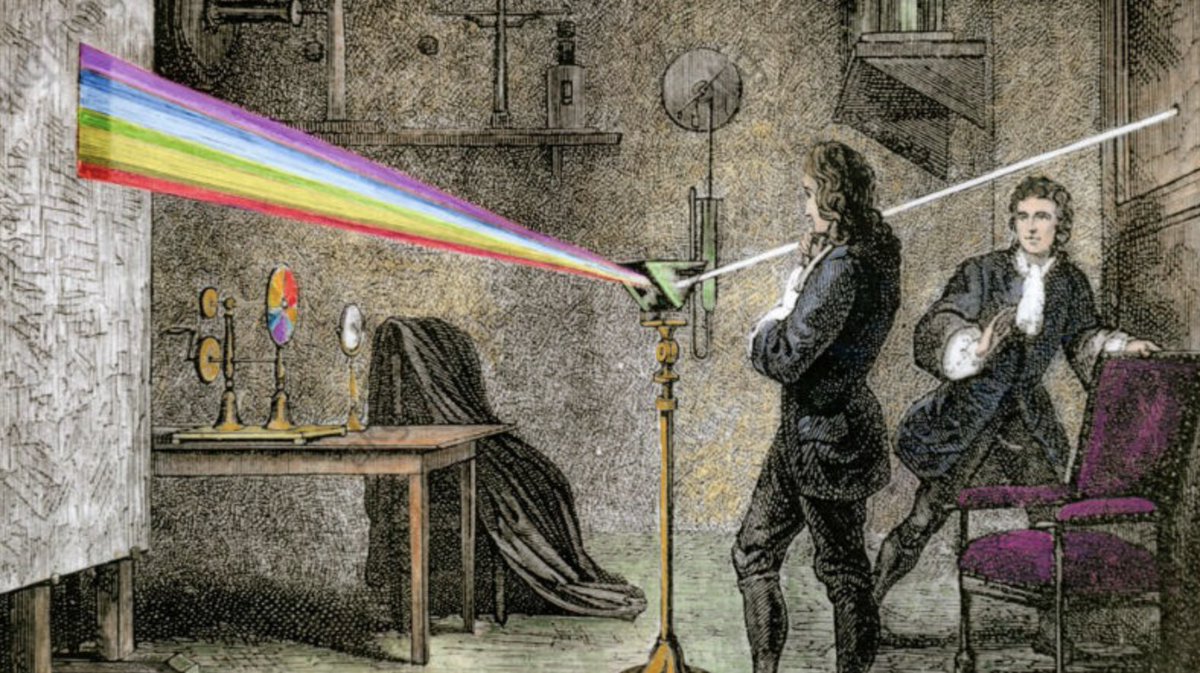
In the 1660s, Sir Isaac Newton used a glass prism to separate all colours visible to the human eye from a single beam of white light. When passing through the prism, the direction of each wavelength within the beam is diverted to a different degree, isolating each colour.
There is no property of white light that means one could not, in theory, see it as individual colours. We have simply evolved not to. If our optical receptors were appropriately different, the air that we perceive as empty would in fact be a dense mass of colour.
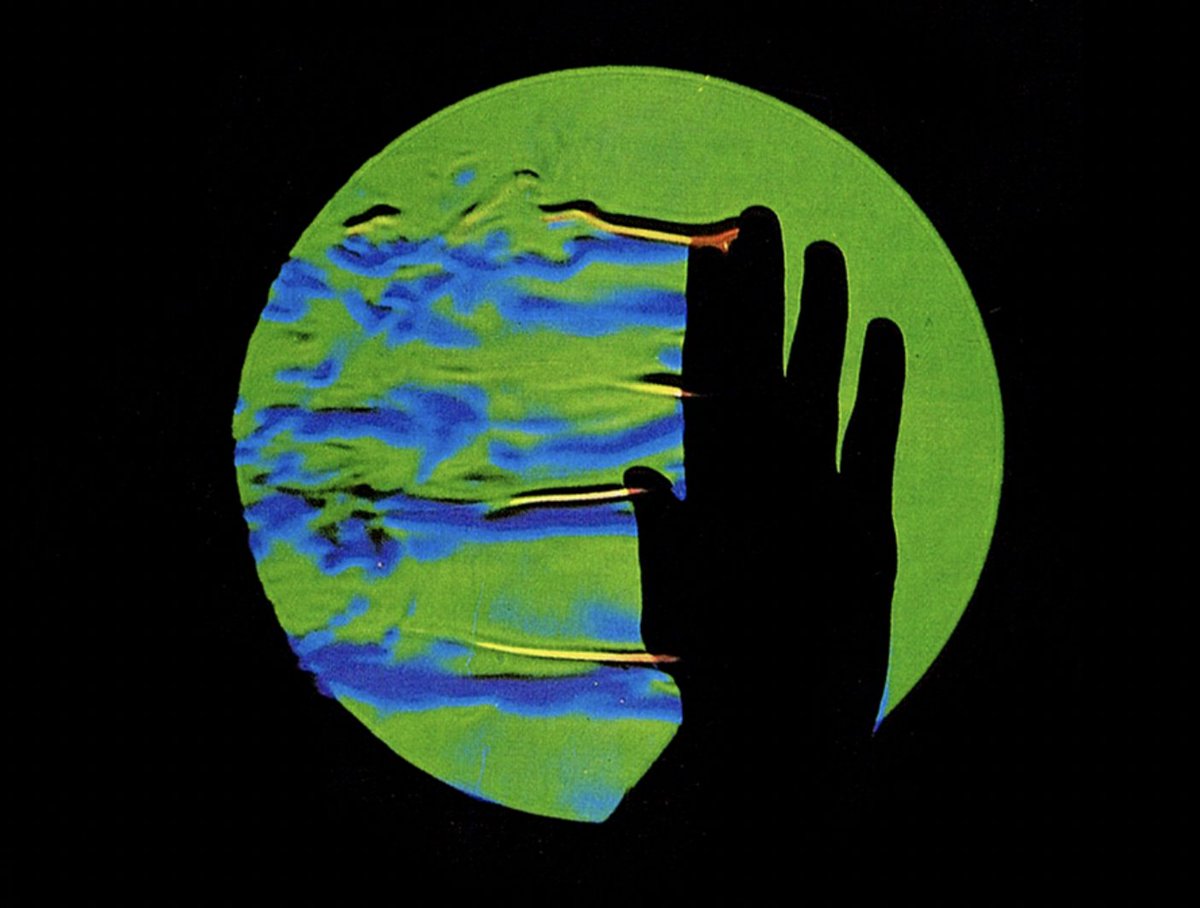
Like a tuning fork, all atoms have a natural resonance: the frequency at which their electrons vibrate. When a light wave oscillates at the same frequency as this resonance, the atoms become excited and vibrate, causing that frequency of light to be absorbed by the object.
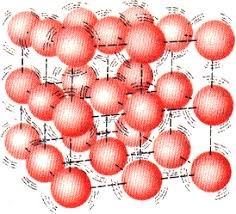
Grass appears to us as green partly because red light resonates with it at an atomic level and is absorbed, in this case enabling photosynthesis. The frequencies of the two remaining primary colours - yellow and blue - do not resonate and are reflected to appear as green.
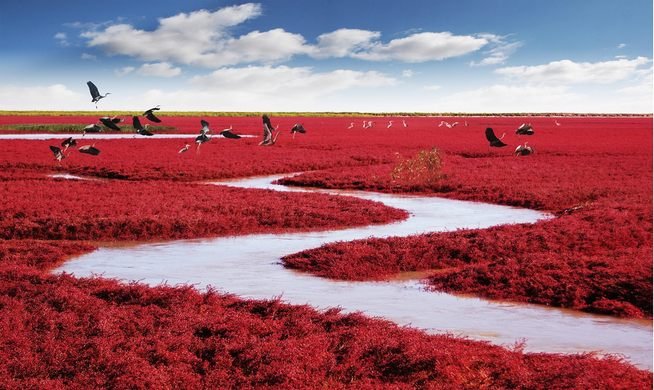
The sky appears blue because the shorter blue waves within white light are more easily deflected by the tiny molecules of gas throughout the atmosphere. Light at the horizon is a paler blue because it travels further through the atmosphere to reach our eyes, scattering more.

Most things that we experience as coloured contain pigments. Molecules of pigment are sensitive to resonant light waves, absorbing the frequencies that we do not see and reflecting the rest of the spectrum. Our eyes then interpret this mixture as a single colour.
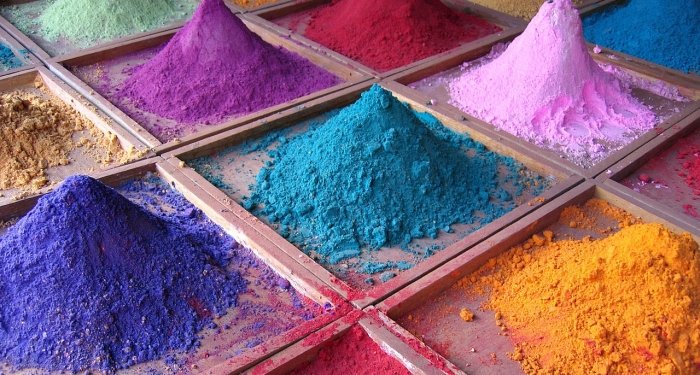
So, not only do objects lack colour in themselves, but most colours we perceive do not independently exist. Since our brains are responsible for combining the reflected light waves to form an impression of a colour, there is no objective form of any single colour.

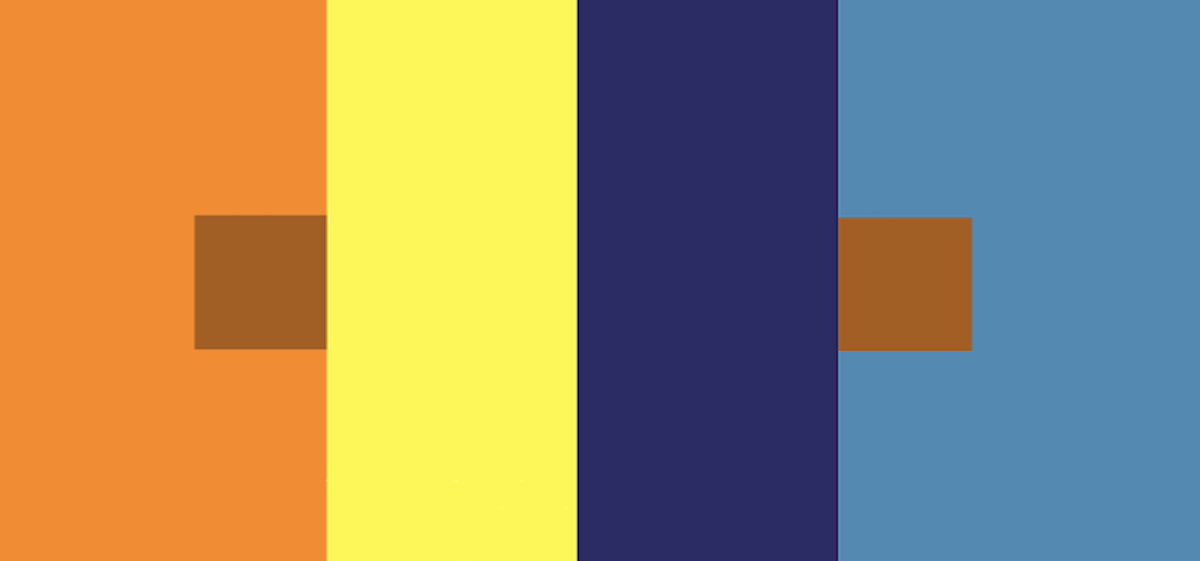
Understanding this mental process helps to explain the relativity of colour. In 1963, the artist Josef Albers published this famous image. Both squares are the exact same pigment, but their appearance is altered dramatically by the colours around them.
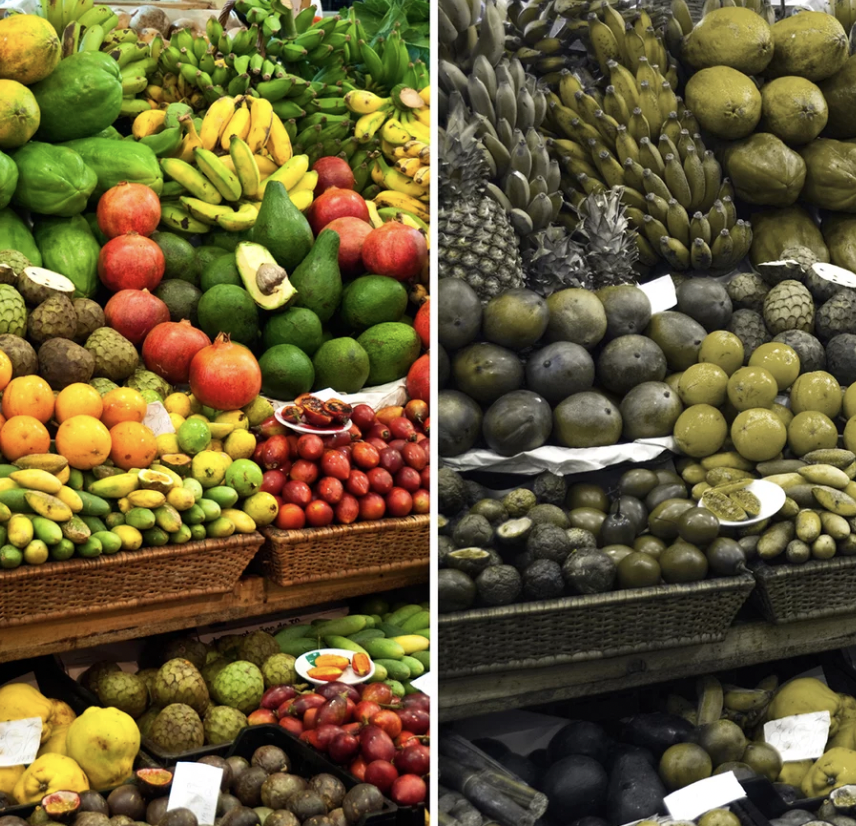
This means that colour blind vision is not “wrong” by an objective standard of colour, but simply atypical. Even those with 20/20 vision can only interpret colours in the limited way that humans have evolved to do so and still miss out on most of the electromagnetic spectrum.
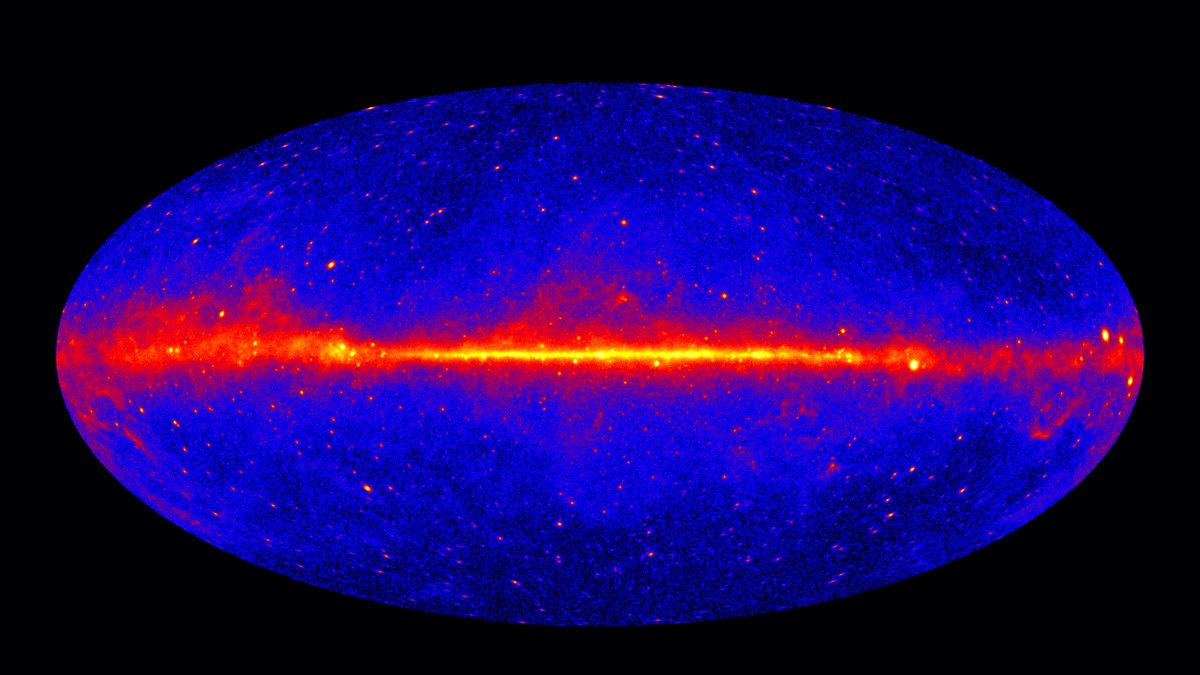
If we could see microwaves, we would observe the faint echo of the big bang all around us in cosmic microwave background radiation. If we could see gamma rays we would witness matter falling into black holes, billions of miles away.
Colours teach us an important lesson. They expose the fundamental gap between objective reality and how we — as humans — perceive it.
The world we experience as 'real' may be very far from the one that actually exists — especially on bad days...
End of thread.
The world we experience as 'real' may be very far from the one that actually exists — especially on bad days...
End of thread.
Loading suggestions...