

📌DKA
موضوع مهم لأي احد مجاله صحي او اذا عندك بالبيت احد مريض سكري
ممكن بمجرد معرفتك بالاعراض الي يجي فيها تنقض شخص قريب عليك
تابعو الثريد⬇️⬇️
موضوع مهم لأي احد مجاله صحي او اذا عندك بالبيت احد مريض سكري
ممكن بمجرد معرفتك بالاعراض الي يجي فيها تنقض شخص قريب عليك
تابعو الثريد⬇️⬇️

DKA is a medical emergency that occurs when the body produces high levels of ketones and blood glucose levels are extremely high, leading to a severe insulin deficiency. This condition most commonly affects people with type 1 diabetes but can also occur in people with type 2 DM.
Symptoms of DKA include frequent urination, excessive thirst, dry mouth and skin, nausea and vomiting, abdominal pain, Kussmaul breathing , confusion, and fatigue. If left untreated, DKA can lead to coma and death.
Kussmaul breathing is a type of deep, rapid breathing that is characterized by slow, deep breaths taken in succession.
is a sign of severe acidosis and is a medical emergency that requires prompt treatment.
is a sign of severe acidosis and is a medical emergency that requires prompt treatment.
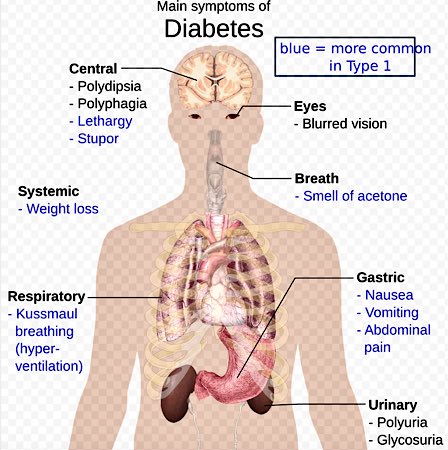
DKA is caused by a lack of insulin in the body, which leads to a buildup of glucose and ketones in the bloodstream. When there's not enough insulin to move glucose into the cells, the body starts breaking down fat for energy instead, leading to the production of ketones.
To diagnose DKA, a healthcare provider will perform a physical examination, check vital signs, and order laboratory tests, including:
• Blood glucose test: High levels of glucose in the blood
• Blood ketone test: High levels of ketones in the urine
• Electrolyte test: Electrolyte imbalances such as high Na, low K levels, and high Hco3 levels
• acid-base balance test:low PH indicating acidosis in the body
• Blood ketone test: High levels of ketones in the urine
• Electrolyte test: Electrolyte imbalances such as high Na, low K levels, and high Hco3 levels
• acid-base balance test:low PH indicating acidosis in the body
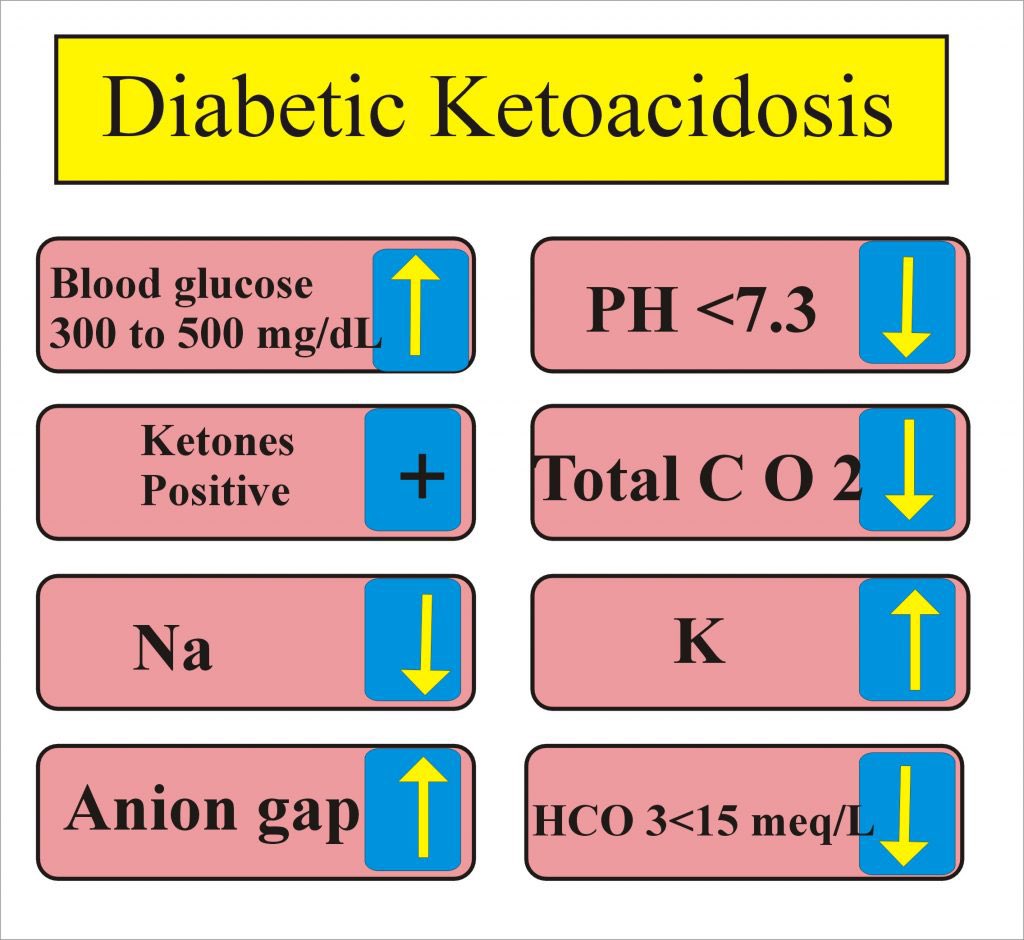
The goal of treatment for DKA is to correct the fluid, electrolyte, and acid-base imbalances, and bring glucose levels under control with insulin therapy. The treatment steps include:
• Insulin therapy: Insulin is given intravenously (IV) to lower blood glucose levels and stop the production of ketones.
• Fluid replacement: To correct dehydration, fluid replacement is done through IV fluids, which may also include electrolyte-rich solutions.
• Fluid replacement: To correct dehydration, fluid replacement is done through IV fluids, which may also include electrolyte-rich solutions.
• Electrolyte replacement: Electrolyte imbalances are corrected by replenishing lost electrolytes through IV fluids or oral supplements.
• Monitoring and adjustment: Vital signs, blood glucose levels, and electrolyte levels are closely monitored,
• Monitoring and adjustment: Vital signs, blood glucose levels, and electrolyte levels are closely monitored,
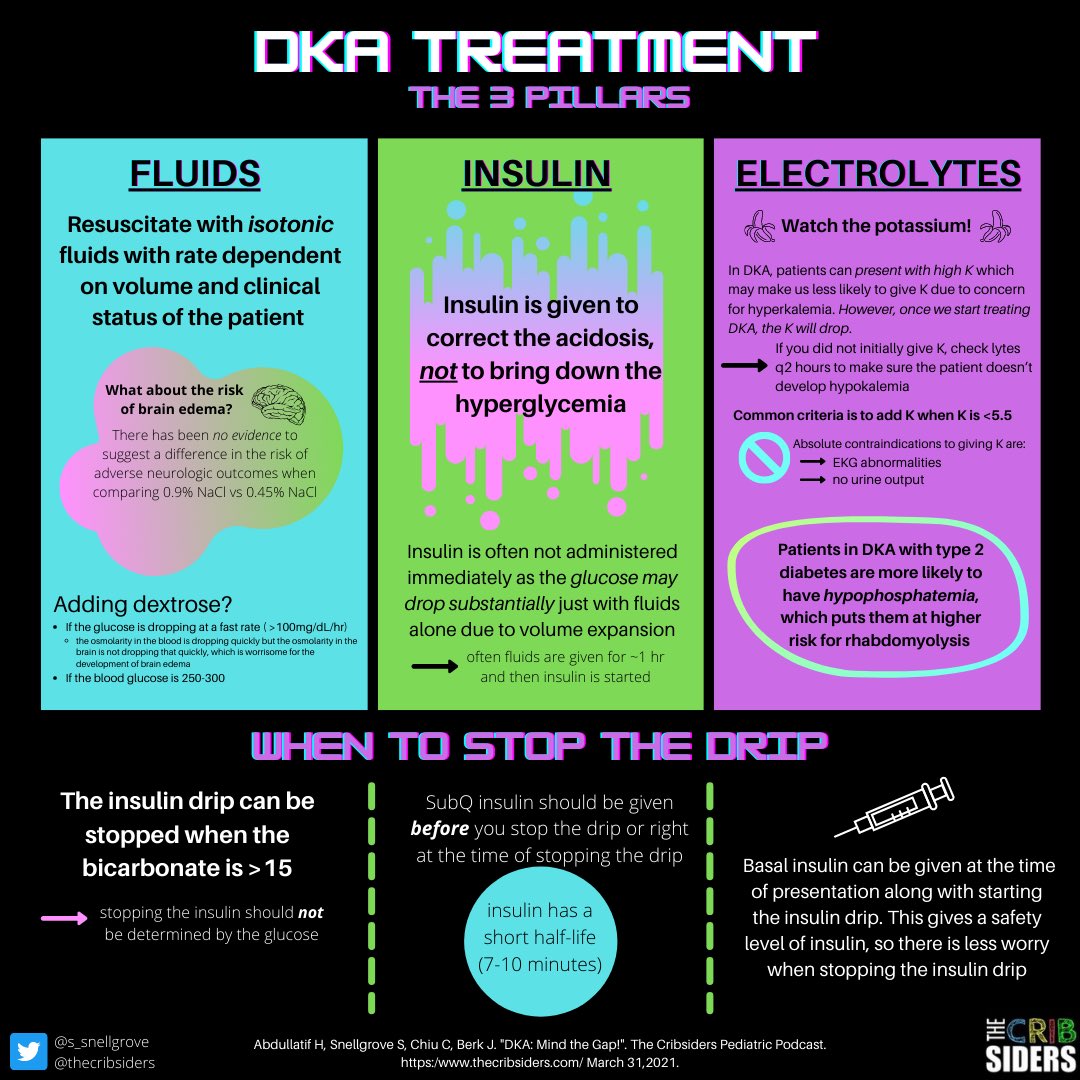
هذي الصوره تبين طريقة العلاج بالتفصيل
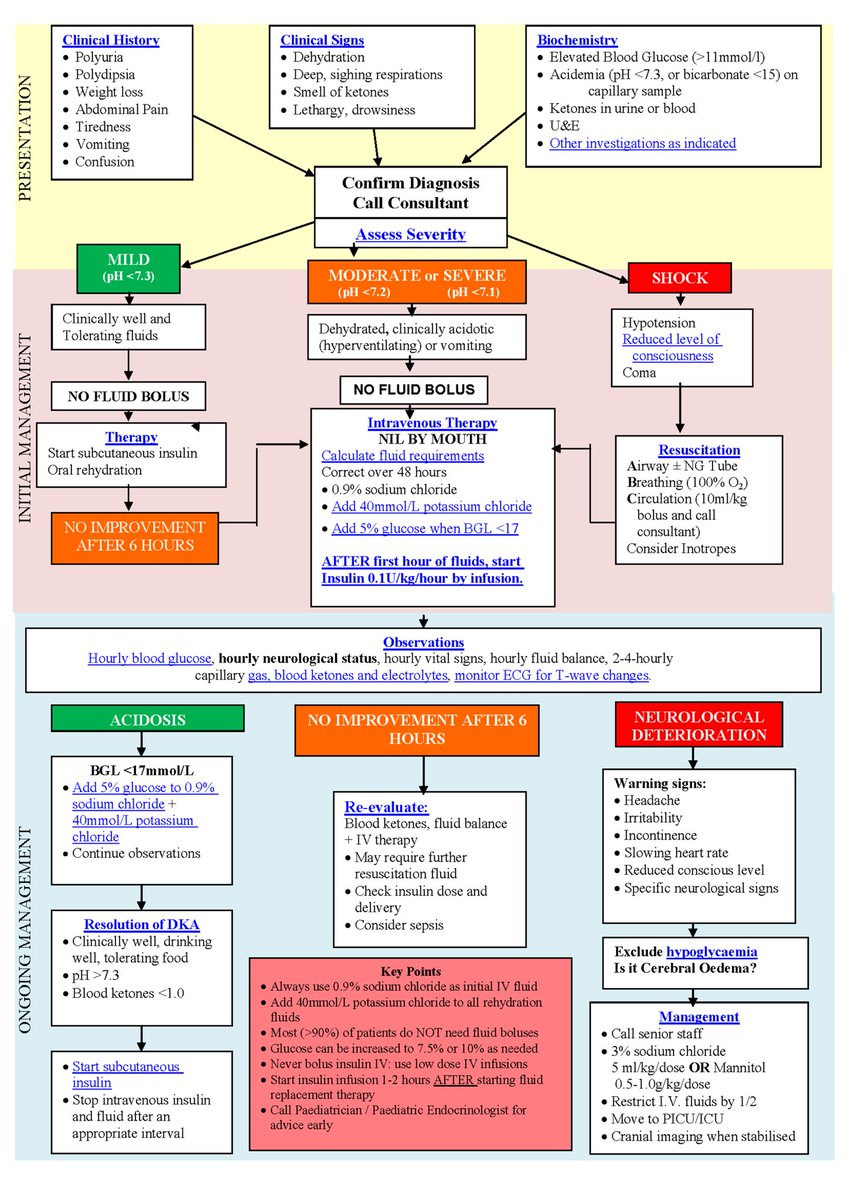
To prevent DKA, people with diabetes should monitor their blood glucose levels regularly, take insulin as prescribed, eat a balanced diet, exercise regularly, and seek prompt medical attention for any signs of illness or infection.
DKA is a serious condition that requires prompt medical attention. With proper management and treatment, people with diabetes can prevent and effectively manage DKA.
Thank you 🙏🏻
Thank you 🙏🏻

جاري تحميل الاقتراحات...