

The 2023 Formula 1 calendar is insane:
• 23 races
• 20 countries
• 5 continents
• 240 hours of flights
Teams will travel 75,000 miles & transport 1,500 tons of equipment.
This makes it a logistical nightmare, so here's a breakdown of how Formula 1 pulls it off.
THREAD 👇
• 23 races
• 20 countries
• 5 continents
• 240 hours of flights
Teams will travel 75,000 miles & transport 1,500 tons of equipment.
This makes it a logistical nightmare, so here's a breakdown of how Formula 1 pulls it off.
THREAD 👇
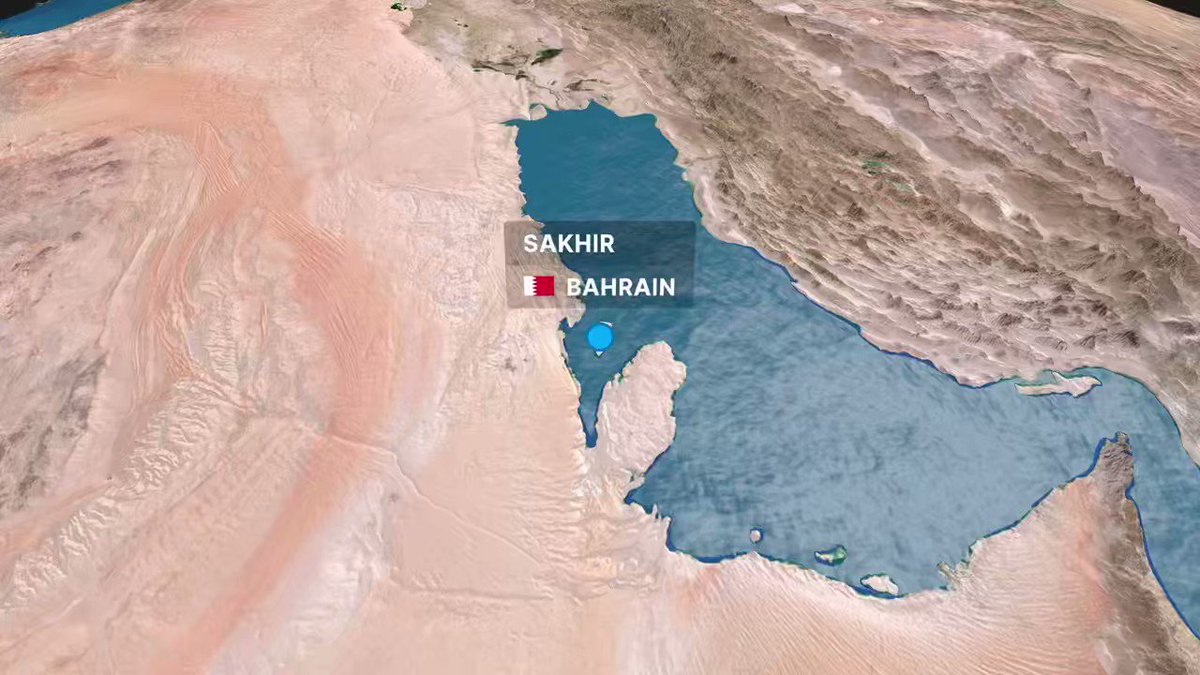
1) The simplest way to explain Formula 1 logistics is by breaking the calendar into two parts:
• European Races
• Flyaway Races
Let's start with European Races.
• European Races
• Flyaway Races
Let's start with European Races.
2) European races are self-explanatory — these are races that take place in Europe.
Examples:
• Monaco
• Monza
• Zandvoort
• Silverstone
• Spa
These races are easier and cheaper logistically because everything is transported by trucks rather than planes and boats.
Examples:
• Monaco
• Monza
• Zandvoort
• Silverstone
• Spa
These races are easier and cheaper logistically because everything is transported by trucks rather than planes and boats.

3) Teams arrive about a week before the circuit opens to ticket holders.
Transportation crews then unload 27 trucks over 5 days to ensure the paddock is finished by Wednesday.
And since trucking is so much cheaper than planes, teams bring entire buildings with them.
Transportation crews then unload 27 trucks over 5 days to ensure the paddock is finished by Wednesday.
And since trucking is so much cheaper than planes, teams bring entire buildings with them.
4) For example, Red Bull's motorhome is three stories tall and 13,000 square feet.
• Offices
• Outdoor deck
• Private chef
• Espresso bar
It takes 25 crew members 36 hours to assemble, but just one day to take it down.
And they even put it on a barge and tow it to Monaco.
• Offices
• Outdoor deck
• Private chef
• Espresso bar
It takes 25 crew members 36 hours to assemble, but just one day to take it down.
And they even put it on a barge and tow it to Monaco.

5) But the harder part of the European schedule comes with back-to-back races.
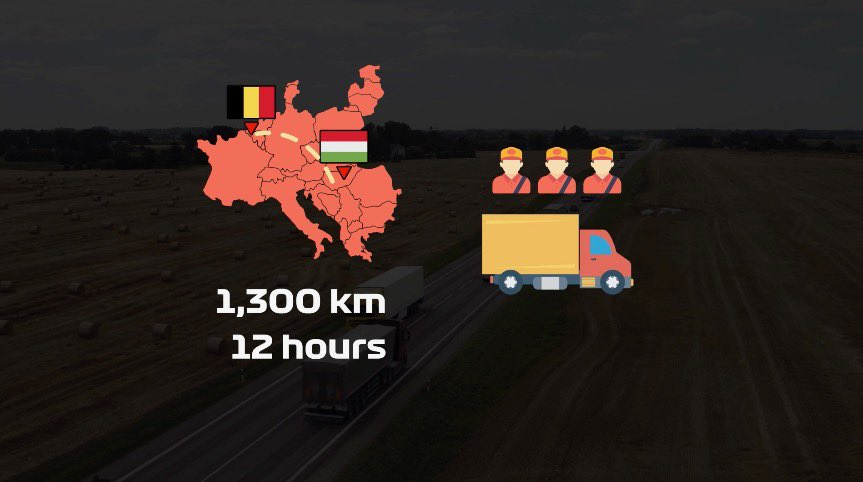
These races take place on two consecutive weekends, and transportation crews are given just 3 days to break down, travel & rebuild their base.
Let's use the Hungarian GP & Belgian GP as an example.
These races take place on two consecutive weekends, and transportation crews are given just 3 days to break down, travel & rebuild their base.
Let's use the Hungarian GP & Belgian GP as an example.
6) Crews will work through the night after the Hungarian GP and have everything packed by 6 am the next morning.
That's when each team's truck drivers head out.
There are usually 2-3 drivers in each truck, and they take shifts driving so they only have to stop for gas.
That's when each team's truck drivers head out.
There are usually 2-3 drivers in each truck, and they take shifts driving so they only have to stop for gas.
7) The remaining 50+ crew members will meet them at the track and immediately start unloading.
They'll only have 2 days and work 15+ hour shifts to ensure everything is set up on Wednesday.
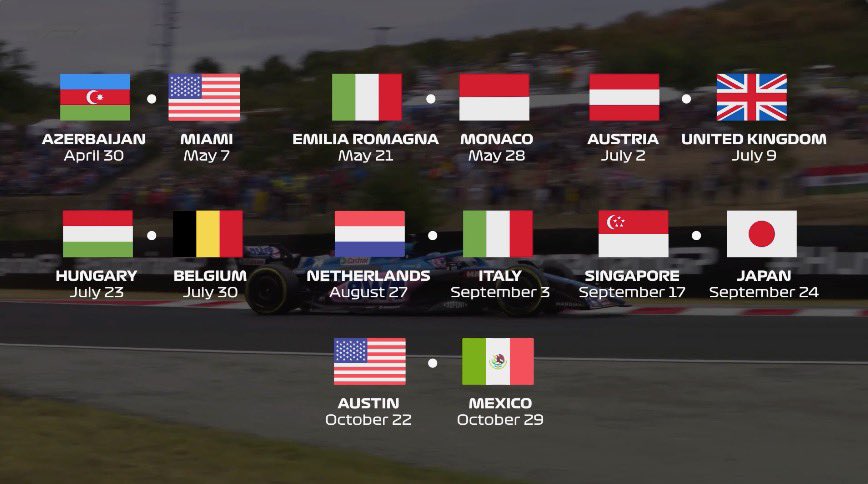
And this doesn't just happen once a year — there are 7 back-to-back races in 2023 alone.
They'll only have 2 days and work 15+ hour shifts to ensure everything is set up on Wednesday.
And this doesn't just happen once a year — there are 7 back-to-back races in 2023 alone.
8) But flyaway races (or races outside of Europe) are an entirely different logistical beast.
Examples:
• Bahrain
• Saudi Arabia
• Australia
• Miami
• Mexico
• Canada
• Brazil
Planning starts months before the F1 season even starts, and teams utilize a leapfrog approach.
Examples:
• Bahrain
• Saudi Arabia
• Australia
• Miami
• Mexico
• Canada
• Brazil
Planning starts months before the F1 season even starts, and teams utilize a leapfrog approach.
9) Teams pack 4-5 kits of shipping containers at the beginning of each season.
A kit includes three 40-ft shipping containers & it's packed with jacks, trolleys, chairs, tables, etc.
These kits travel by boat in a leapfrog pattern from each flyaway race destination to the next.
A kit includes three 40-ft shipping containers & it's packed with jacks, trolleys, chairs, tables, etc.
These kits travel by boat in a leapfrog pattern from each flyaway race destination to the next.
10) So the 2023 season might look like this:
The first kits are shipped to Bahrain, Australia, Azerbaijan & Miami.
• Bahrain is used in Saudi, Singapore & Brazil
• Australia goes to Japan
• Azerbaijan heads to Qatar & Abu Dhabi
• Miami handles Canada, Austin, Mexico & Vegas
The first kits are shipped to Bahrain, Australia, Azerbaijan & Miami.
• Bahrain is used in Saudi, Singapore & Brazil
• Australia goes to Japan
• Azerbaijan heads to Qatar & Abu Dhabi
• Miami handles Canada, Austin, Mexico & Vegas

11) This 5-kit leapfrog approach gives teams more leeway with time & saves them a ton of money by shipping with boats instead of airplanes.
But the most challenging part of the F1 season is undoubtedly back-to-back flyaway races.
Let's use Las Vegas & Abu Dhabi as an example.
But the most challenging part of the F1 season is undoubtedly back-to-back flyaway races.
Let's use Las Vegas & Abu Dhabi as an example.
12) The Las Vegas GP and Abu Dhabi GP are just one week apart.
Teams will need to travel 8,200 miles.
They'll be on a plane for 20+ hours and have to deal with an 11-hour time difference when they arrive.
And the schedule will look something like this:
Teams will need to travel 8,200 miles.
They'll be on a plane for 20+ hours and have to deal with an 11-hour time difference when they arrive.
And the schedule will look something like this:

13) This schedule is also difficult for drivers.
They typically experience jet lag for 3-5 days & try everything to adapt as quick as possible — limiting light exposure, workouts, etc.
And for night races like Singapore, they'll even shift their entire schedule from 1pm to 6am.
They typically experience jet lag for 3-5 days & try everything to adapt as quick as possible — limiting light exposure, workouts, etc.
And for night races like Singapore, they'll even shift their entire schedule from 1pm to 6am.
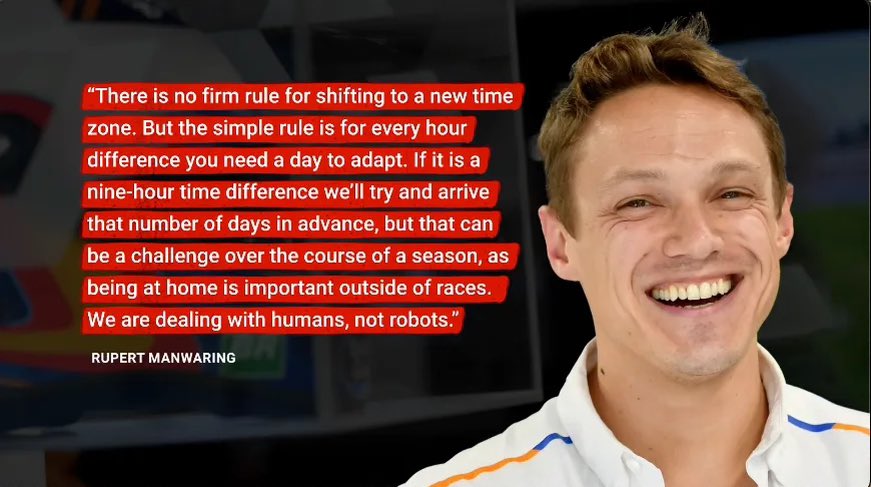
14) Ultimately, the Formula 1 season is a grind — mentally & physically.
Teams spend thousands of hours & millions of dollars on logistics, and the difference between winning and losing can come down to milliseconds.
But that's why F1 is one of the world's most popular sports.
Teams spend thousands of hours & millions of dollars on logistics, and the difference between winning and losing can come down to milliseconds.
But that's why F1 is one of the world's most popular sports.
15) If you enjoyed this thread, make sure to follow me — I tweet interesting threads like this all the time.
And if you want a deeper dive into the money and business behind sports, join 81,000+ others & sign up for my free newsletter.
Sign up: huddleup.substack.com
And if you want a deeper dive into the money and business behind sports, join 81,000+ others & sign up for my free newsletter.
Sign up: huddleup.substack.com
Loading suggestions...