

12 tips to boost your organic traffic 🏆
These tactics helped us increase our organic traffic at Ahrefs over the years.
Let's get to it 👀
These tactics helped us increase our organic traffic at Ahrefs over the years.
Let's get to it 👀
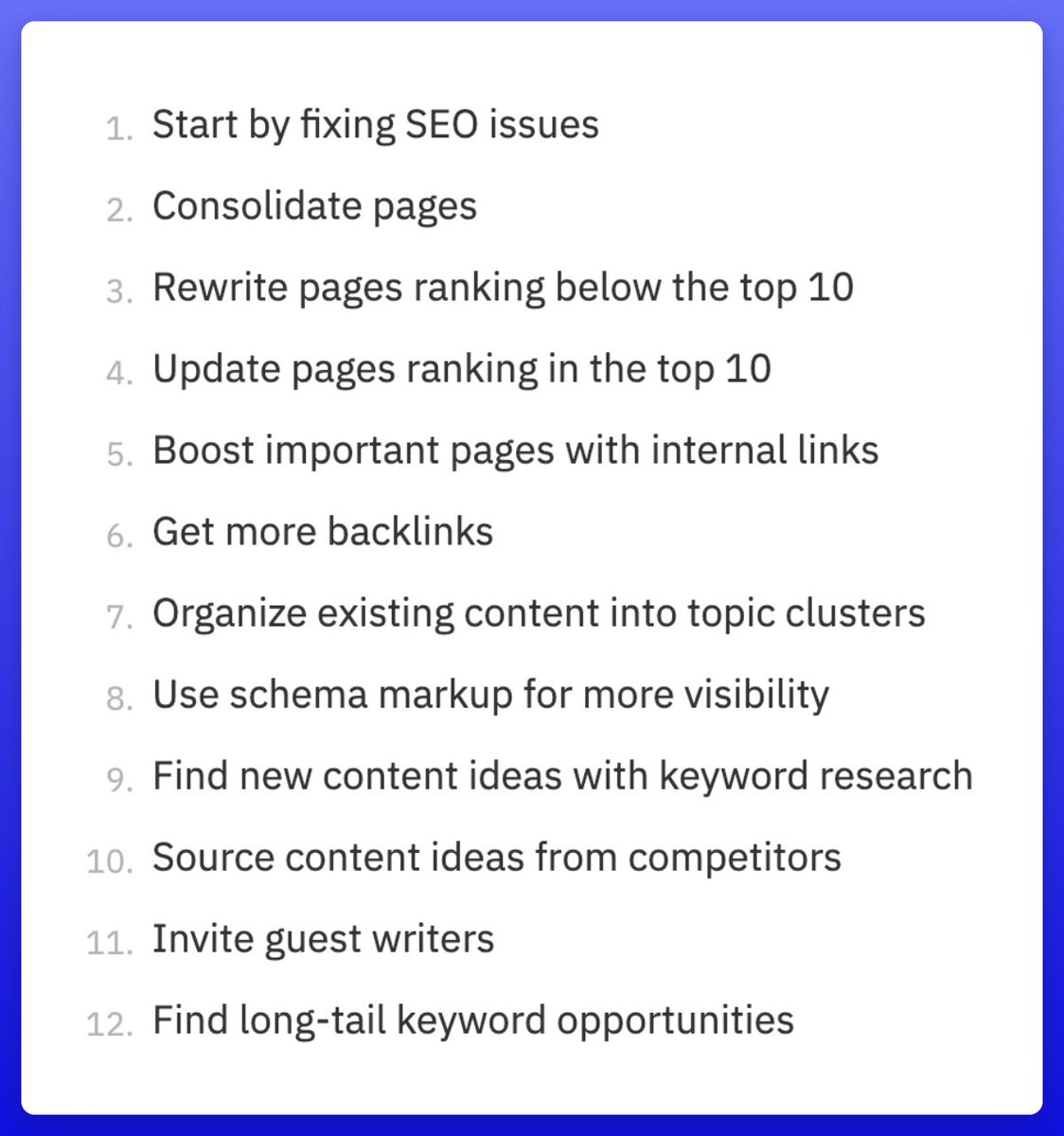
1. Start by fixing SEO issues
This is fundamental to ensure your site remains in good health and can rank in Google.
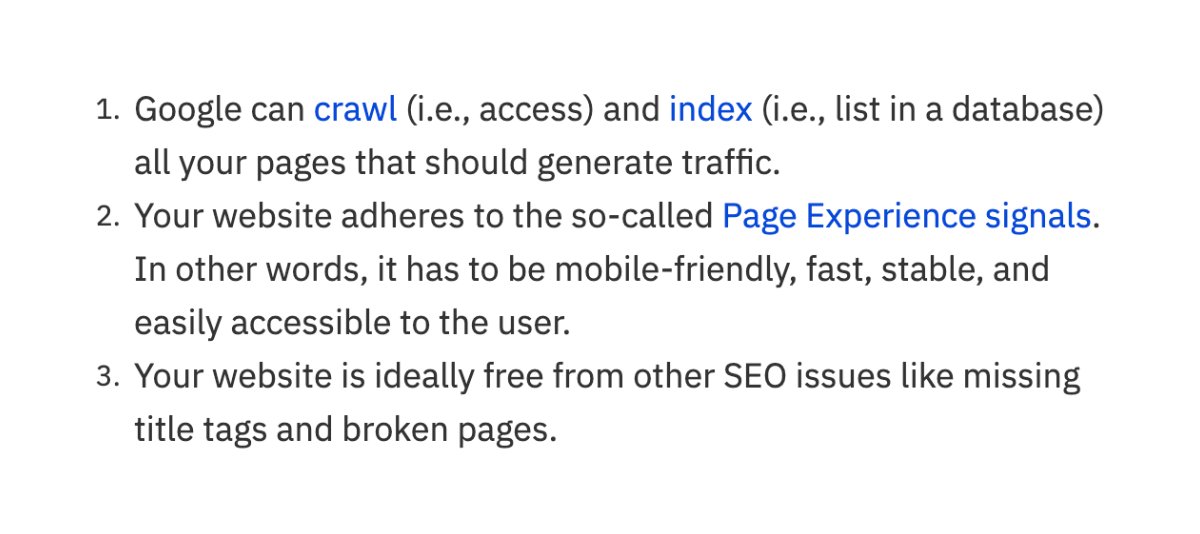
Make sure that:
This is fundamental to ensure your site remains in good health and can rank in Google.
Make sure that:
1. Start by fixing SEO issues (cont'd)
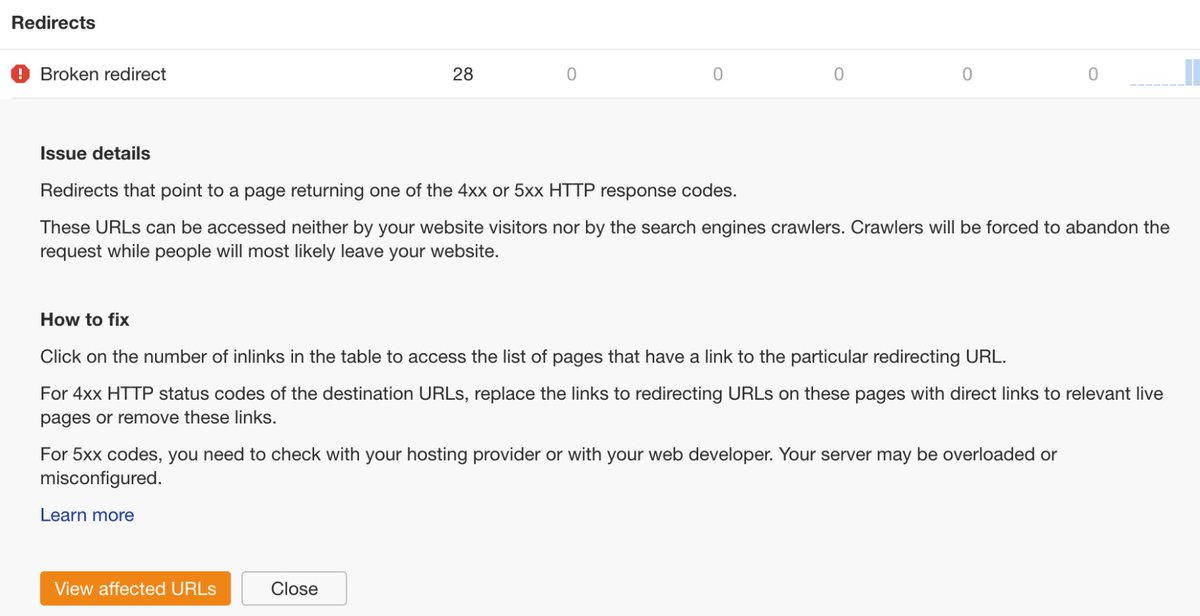
To do the above, use Google Search Console + Ahrefs' Site Audit to find + fix issues with your site 👇
(Tip: Fixing broken pages? Study their backlinks profile. It's often worth reinstating/redirecting those pages to preserve link equity.)
To do the above, use Google Search Console + Ahrefs' Site Audit to find + fix issues with your site 👇
(Tip: Fixing broken pages? Study their backlinks profile. It's often worth reinstating/redirecting those pages to preserve link equity.)
2. Consolidate pages with the same target keyword + intent
Pages that target the same keyword + have the same search intent could hurt each other's organic performance.
This is known as keyword cannibalization.
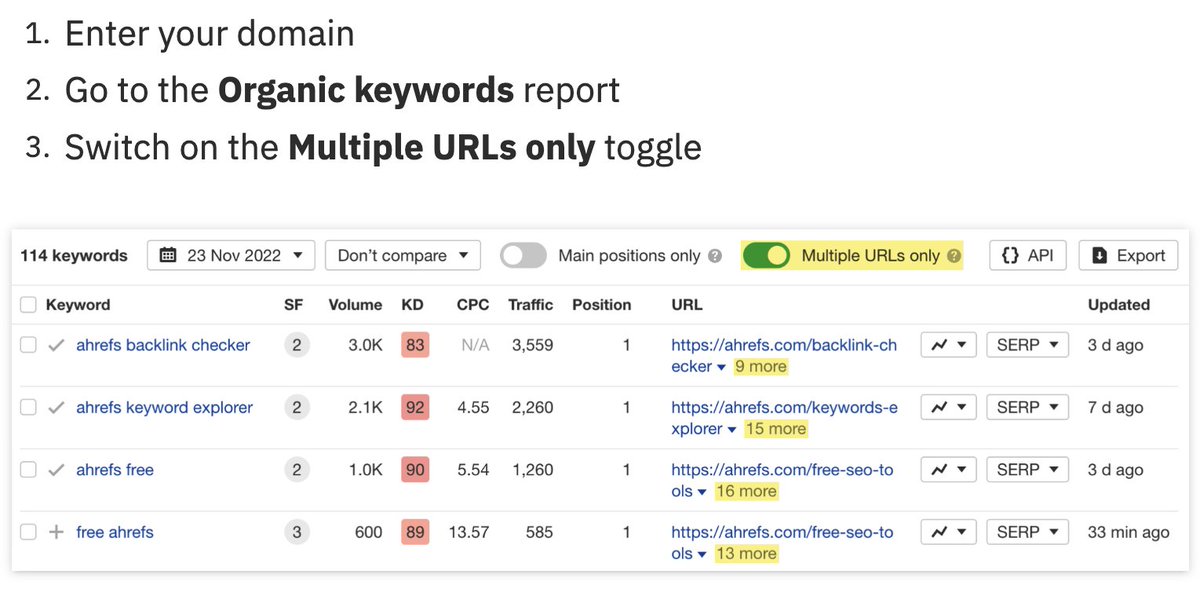
To uncover such issues, go to Ahrefs' Site Explorer and:
Pages that target the same keyword + have the same search intent could hurt each other's organic performance.
This is known as keyword cannibalization.
To uncover such issues, go to Ahrefs' Site Explorer and:
2. Consolidate pages with the same target keyword + intent (cont'd)
Next, investigate the results further.
Study each keyword to find pages that are:
- At least 6 months old
- Intended to rank
- Rank 4-20
- Not targeting a unique keyword *or* unique search intent
👇
Next, investigate the results further.
Study each keyword to find pages that are:
- At least 6 months old
- Intended to rank
- Rank 4-20
- Not targeting a unique keyword *or* unique search intent
👇
2. Consolidate pages with the same target keyword + intent (cont'd)
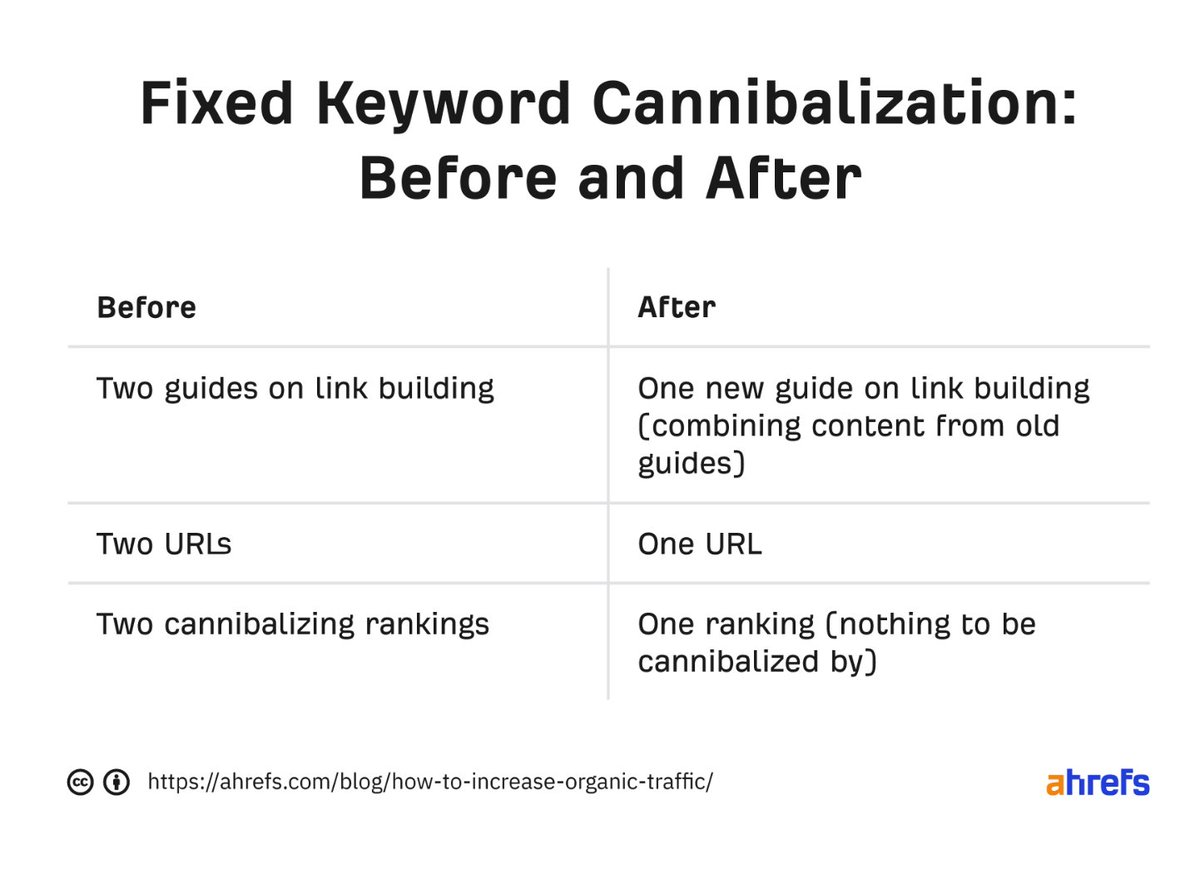
Pages that meet the above criteria should be combined with your better-performing content.
Then delete the poorer-performing content and redirect it to the better-performing one.
Here's how we did it:
Pages that meet the above criteria should be combined with your better-performing content.
Then delete the poorer-performing content and redirect it to the better-performing one.
Here's how we did it:
3. Rewrite pages ranking below the top 10
Sometimes, pages that aren't ranking on the first page of Google might just need a rewrite.
If you're using WordPress, our free SEO plugin can find those opportunities 👀
ahrefs.com
Sometimes, pages that aren't ranking on the first page of Google might just need a rewrite.
If you're using WordPress, our free SEO plugin can find those opportunities 👀
ahrefs.com
3. Rewrite pages ranking below the top 10 (cont'd)
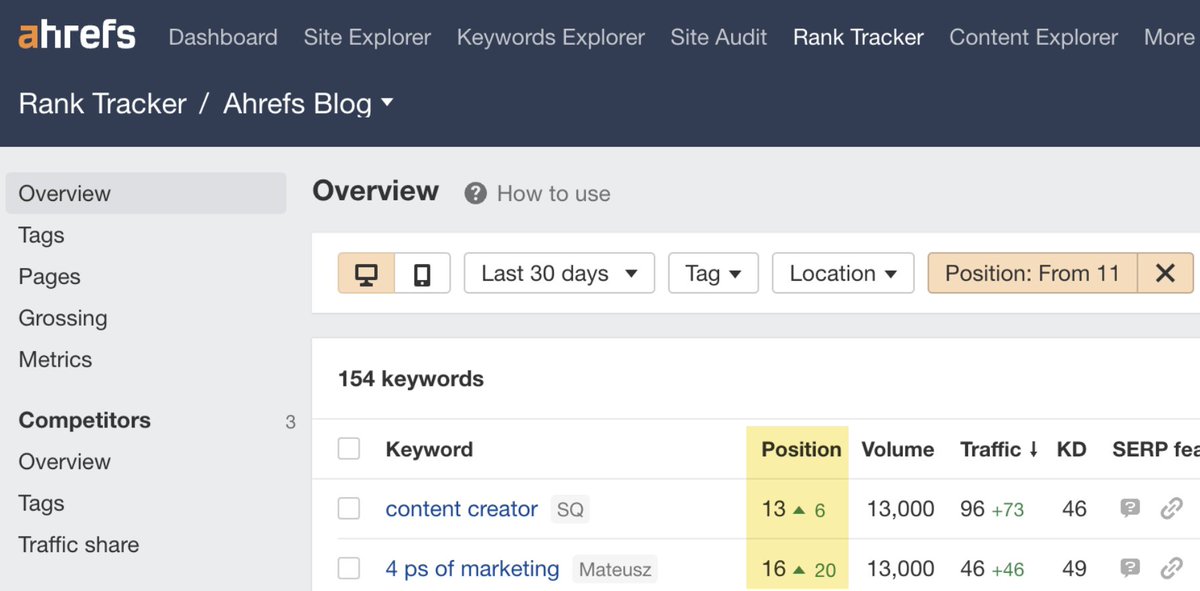
Alternatively, track your keyword targets in Ahrefs' Rank Tracker—then filter for pages in positions 11+.
Alternatively, track your keyword targets in Ahrefs' Rank Tracker—then filter for pages in positions 11+.
4. Update pages ranking in the top 10
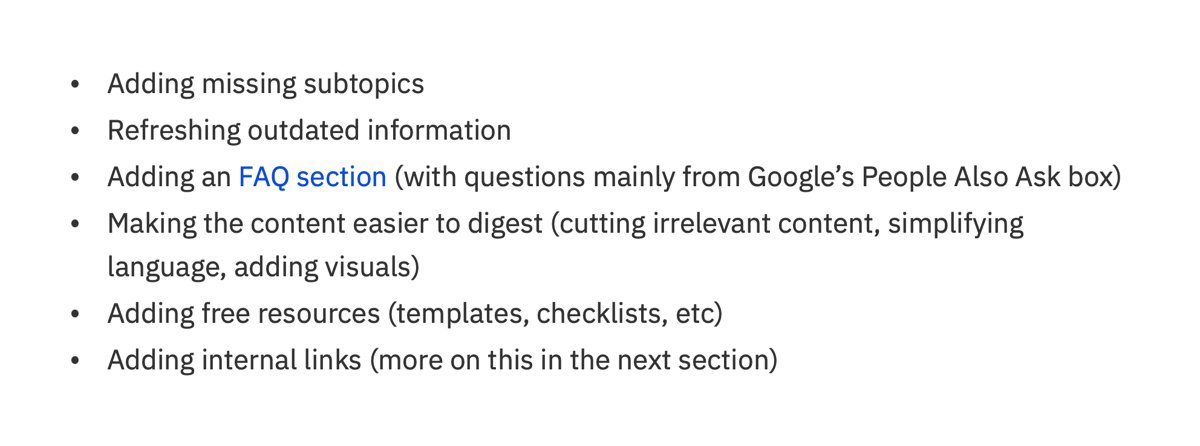
If your content is ranking in the top 10, don't rewrite it. Instead, focus on incremental changes.
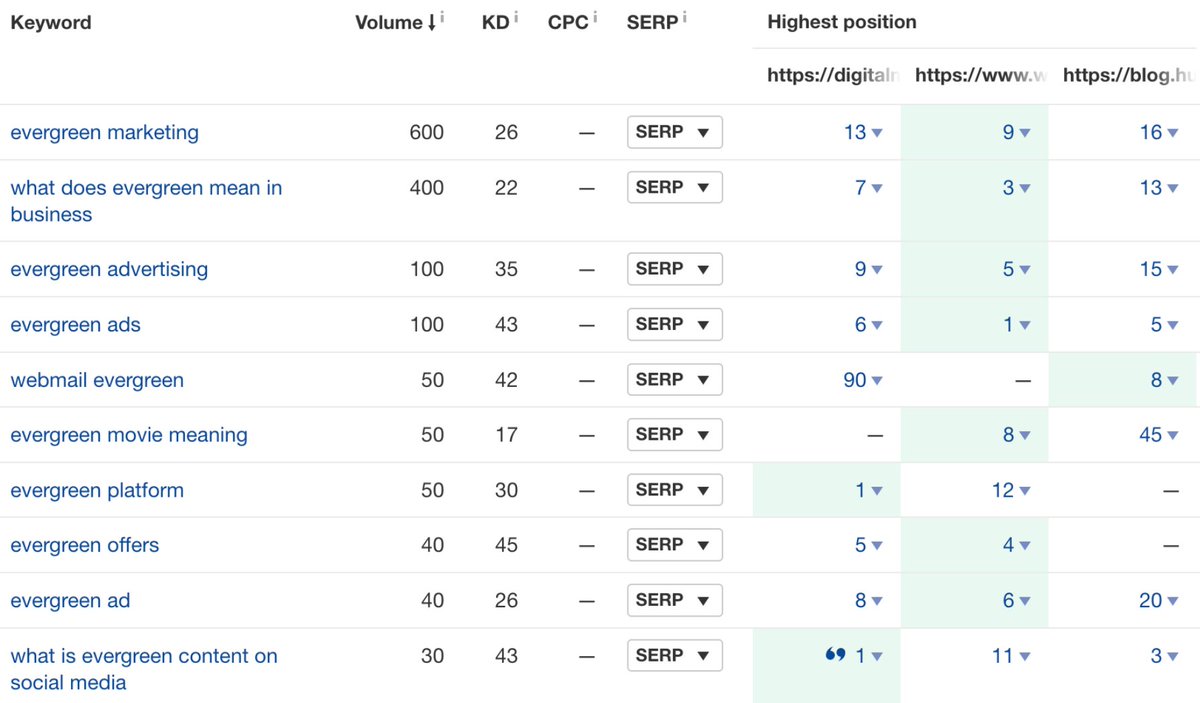
We usually start by comparing our content with competitors' in Ahrefs' Content Gap. This shows us keywords they rank for, but we don't.
Try:
If your content is ranking in the top 10, don't rewrite it. Instead, focus on incremental changes.
We usually start by comparing our content with competitors' in Ahrefs' Content Gap. This shows us keywords they rank for, but we don't.
Try:
5. Boost important pages with internal links
Internal links can pass link equity from stronger pages to weaker pages + boost them in the SERPs.
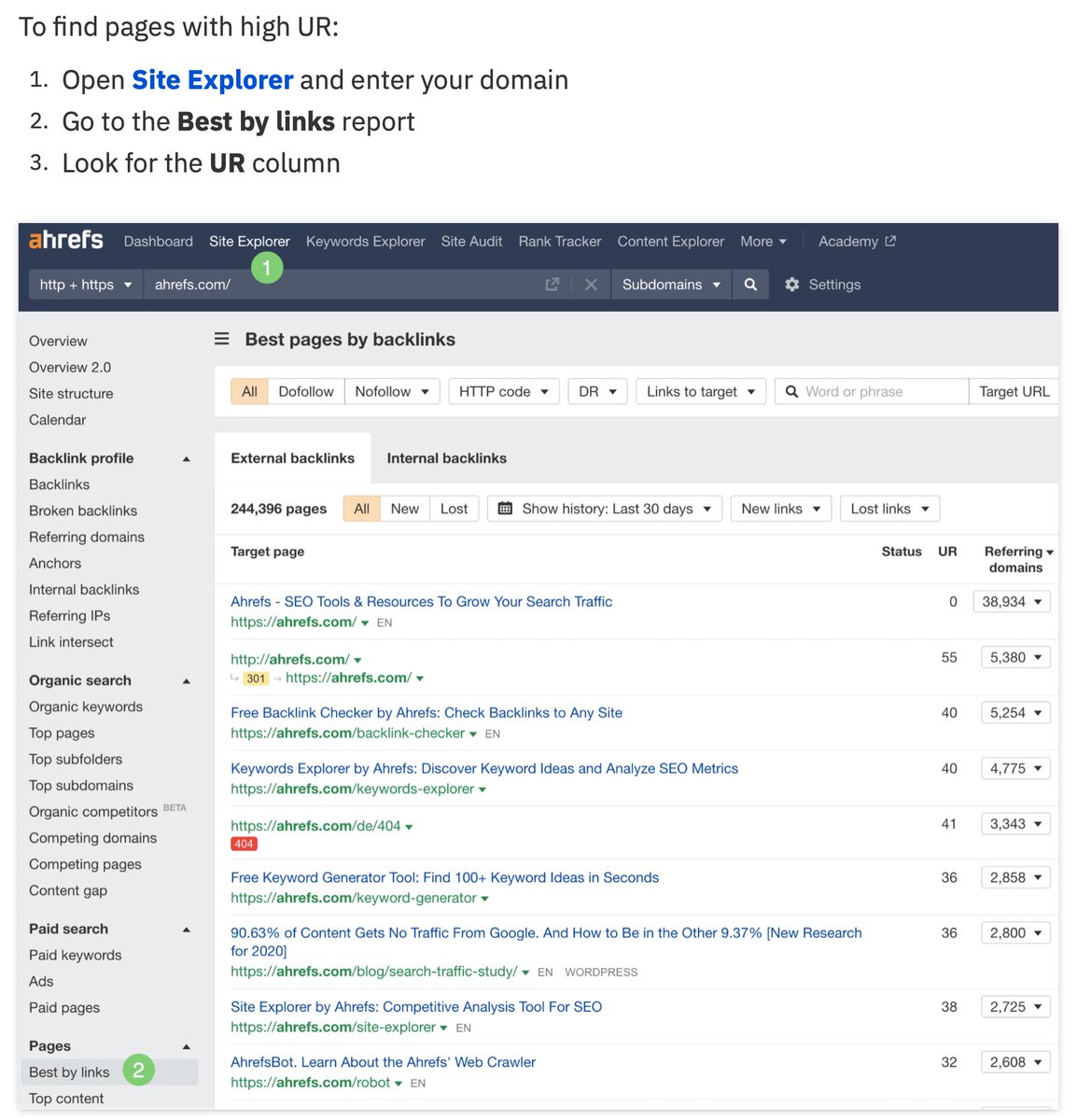
To find out which of your pages have strong link profiles, look at your URL Rating (UR) score in Ahrefs' Site Explorer:
Internal links can pass link equity from stronger pages to weaker pages + boost them in the SERPs.
To find out which of your pages have strong link profiles, look at your URL Rating (UR) score in Ahrefs' Site Explorer:
5. Boost important pages with internal links (cont'd)
From here, skim the list for pages that have similar topics to the one you want to boost.
For instance, we linked our free backlink checker tool (UR 40) to some of our content on link building:
From here, skim the list for pages that have similar topics to the one you want to boost.
For instance, we linked our free backlink checker tool (UR 40) to some of our content on link building:

6. Get more backlinks
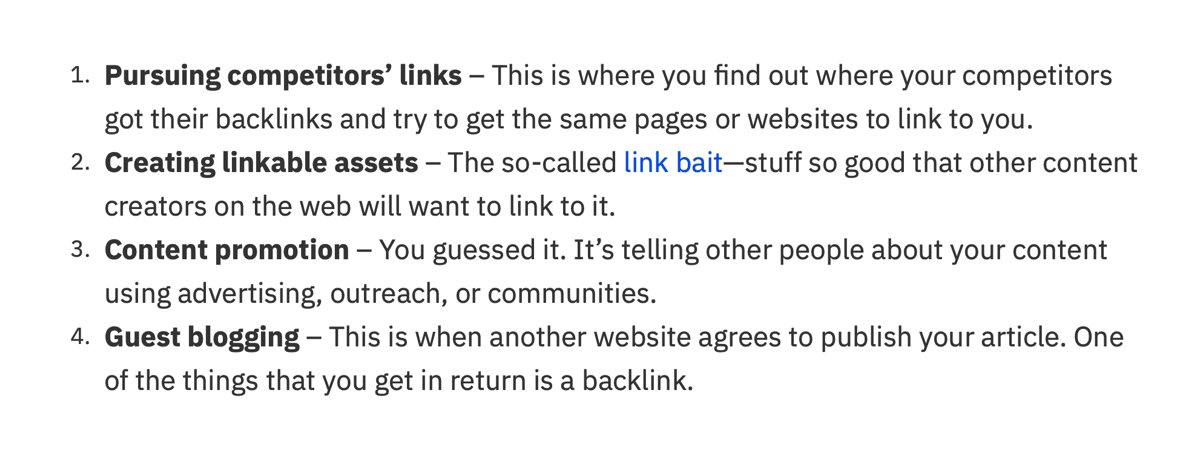
Backlinks remain one of the most important ranking factors for Google.
We'd recommend trying out these four (white-hat!) techniques:
Backlinks remain one of the most important ranking factors for Google.
We'd recommend trying out these four (white-hat!) techniques:
7. Organize content into topic clusters
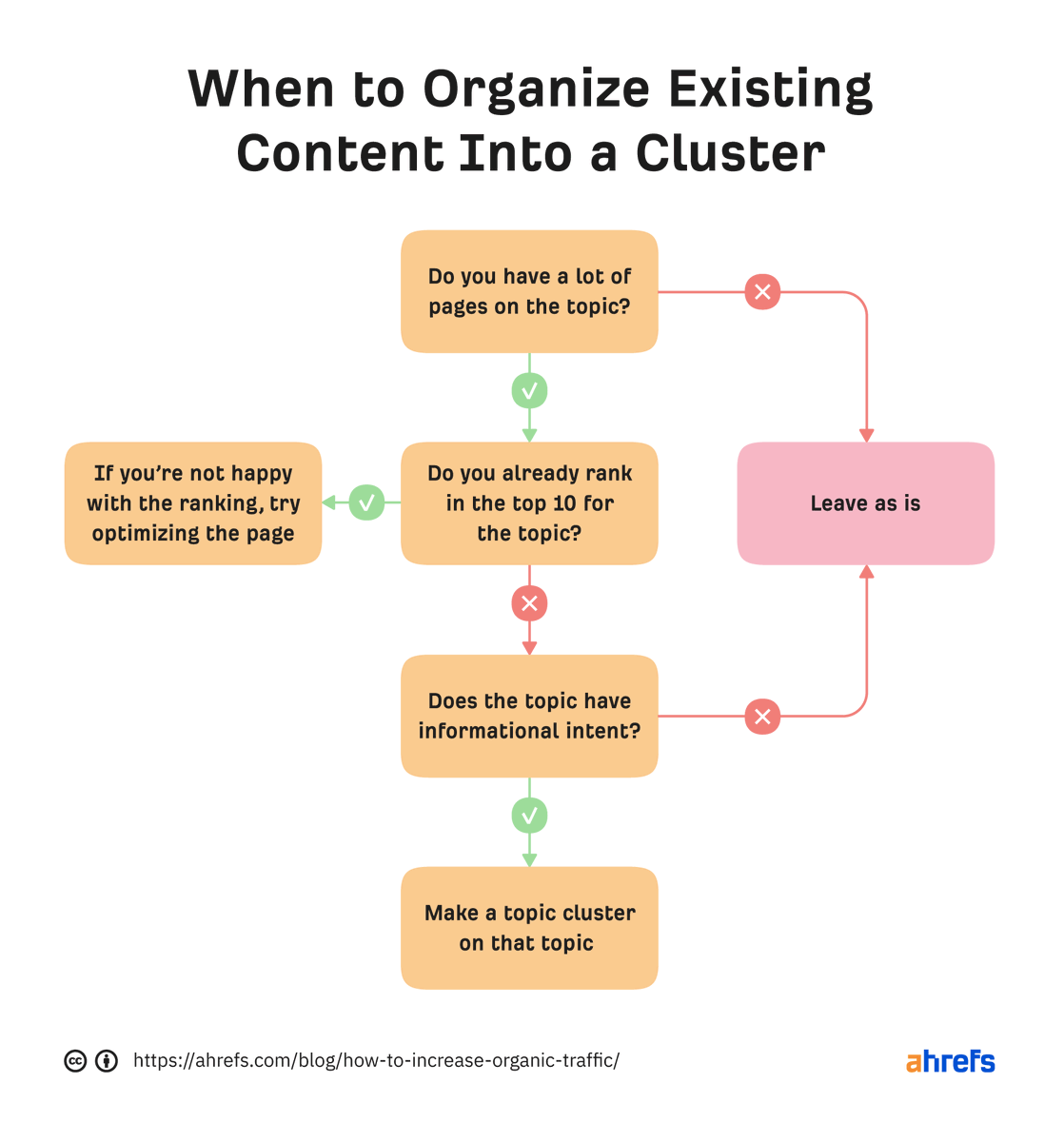
Topic clusters are interlinked pages on a topic, and they're great for SEO.
- Grouping content = Easier for crawlers to find
- Could build topical authority
- Creates relevant internal links
Here's an example: ahrefs.com
Topic clusters are interlinked pages on a topic, and they're great for SEO.
- Grouping content = Easier for crawlers to find
- Could build topical authority
- Creates relevant internal links
Here's an example: ahrefs.com
7. Organize content into topic clusters (cont'd)
To start, review your existing content and link them together via a new page (your pillar page).
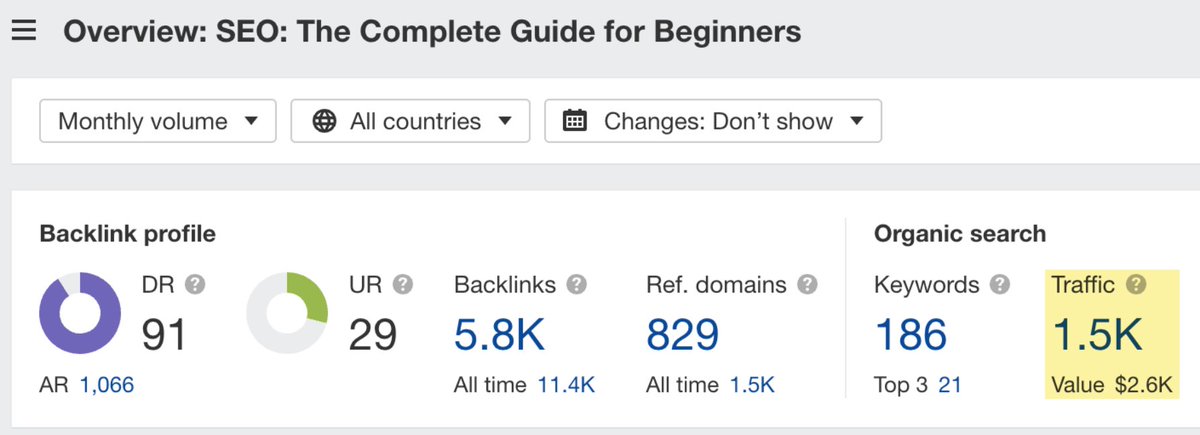
We did this for our SEO guide and attracted more traffic with mostly old content. 👇
Here's how to do it:
To start, review your existing content and link them together via a new page (your pillar page).
We did this for our SEO guide and attracted more traffic with mostly old content. 👇
Here's how to do it:
8. Use schema markup for more visibility
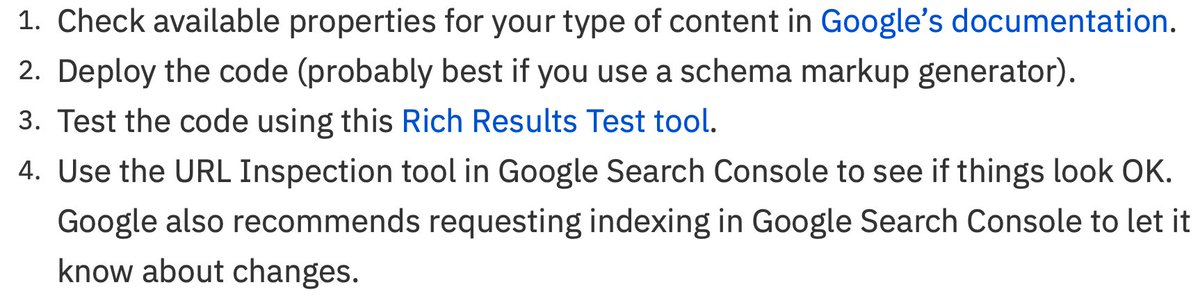
Schema markup is code you add to your pages to make them eligible for rich results in Google.
While not a ranking factor, they can help your pages stand out. This is what the process looks like:
Schema markup is code you add to your pages to make them eligible for rich results in Google.
While not a ranking factor, they can help your pages stand out. This is what the process looks like:

9. Find new content ideas with keyword research
Use Ahrefs' Keywords Explorer to look for ideas that:
- Have search traffic potential + search intent you can match
- Are relevant to your business
- Aren't too hard for you to rank for
Use Ahrefs' Keywords Explorer to look for ideas that:
- Have search traffic potential + search intent you can match
- Are relevant to your business
- Aren't too hard for you to rank for
10. Source content ideas from competitors
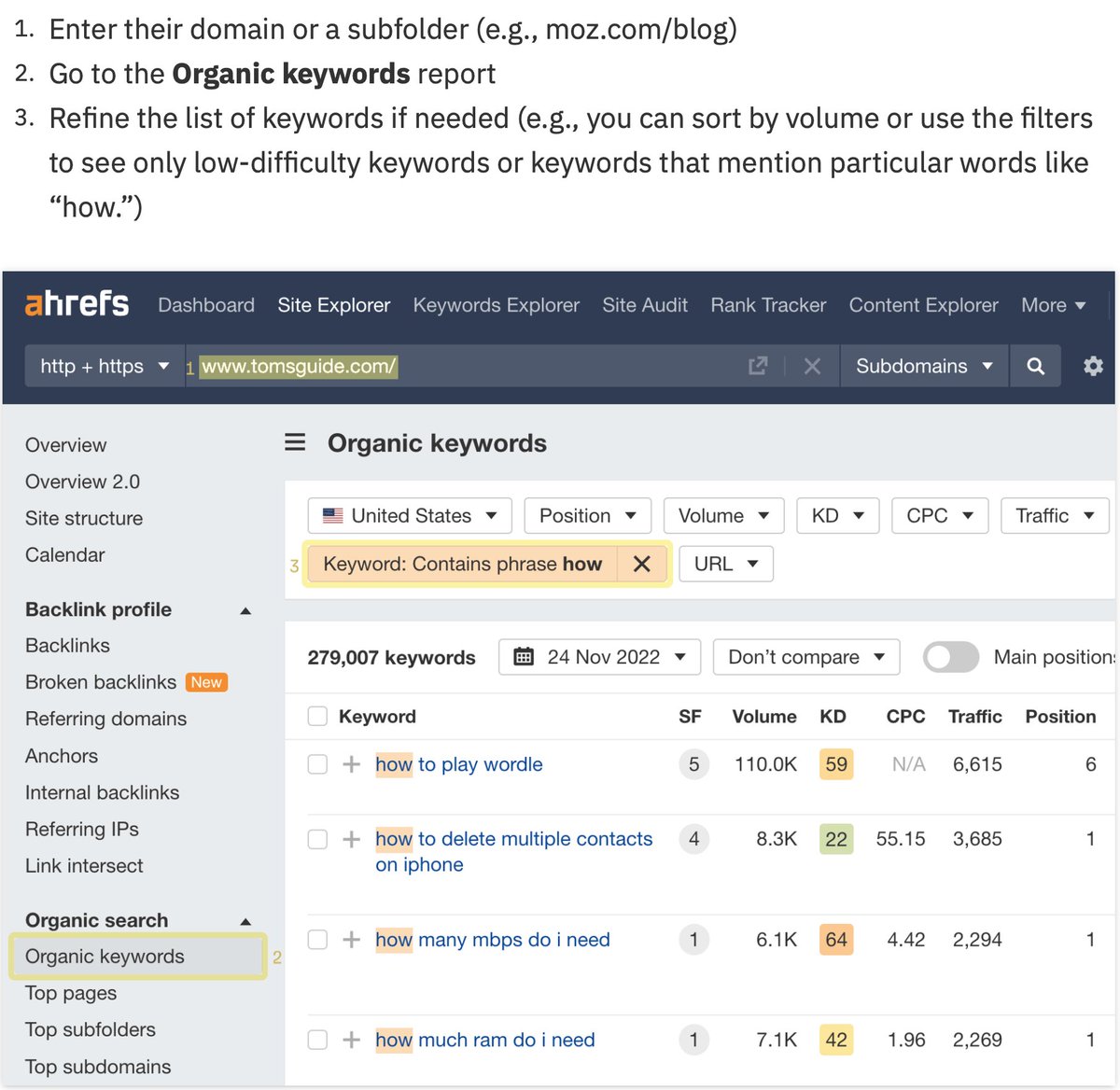
You *can* target the same/similar keywords to your competitors and potentially rank better.
To find your competitors' organic keywords, go to Ahrefs' Site Explorer and:
You *can* target the same/similar keywords to your competitors and potentially rank better.
To find your competitors' organic keywords, go to Ahrefs' Site Explorer and:
10. Source content ideas from competitors (cont'd)
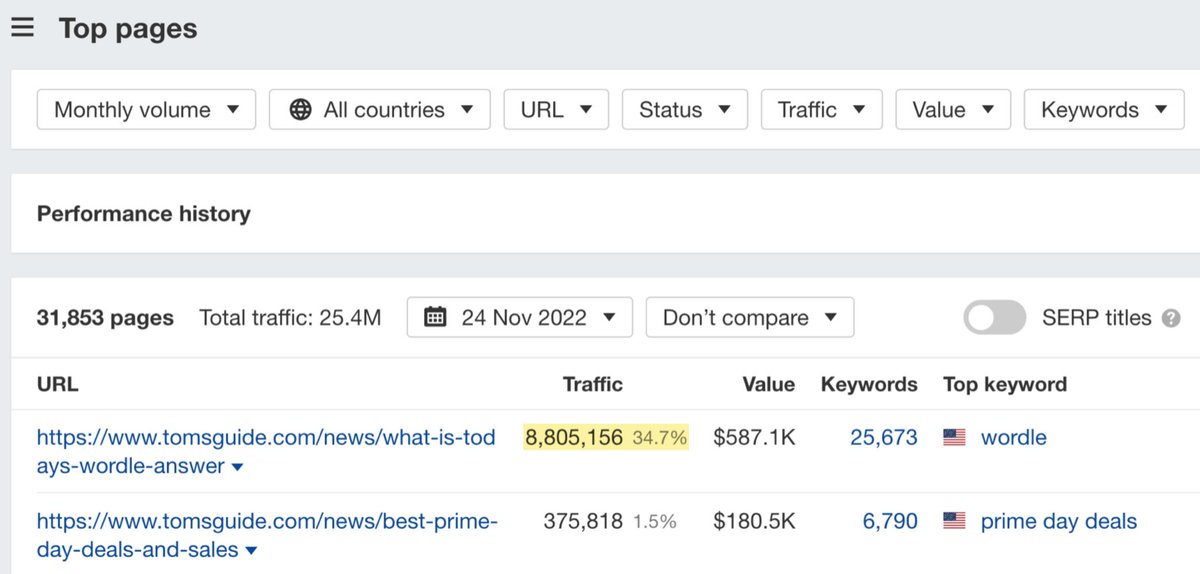
You can also glean more about your competitors' best content using two Ahrefs reports:
- Best by links: Shows which content attracted the most backlinks
- Top pages: Shows which pages bring them the most traffic 👇
You can also glean more about your competitors' best content using two Ahrefs reports:
- Best by links: Shows which content attracted the most backlinks
- Top pages: Shows which pages bring them the most traffic 👇
11. Invite guest writers
Run a blog? Invite guests to publish on it. It's a win-win:
✅ They get exposure on your channels, referral traffic + a backlink from your site
✅ You get exposure from the author's promotion, organic traffic + potential backlinks from other sites
Run a blog? Invite guests to publish on it. It's a win-win:
✅ They get exposure on your channels, referral traffic + a backlink from your site
✅ You get exposure from the author's promotion, organic traffic + potential backlinks from other sites
11. Invite guest writers (cont'd)
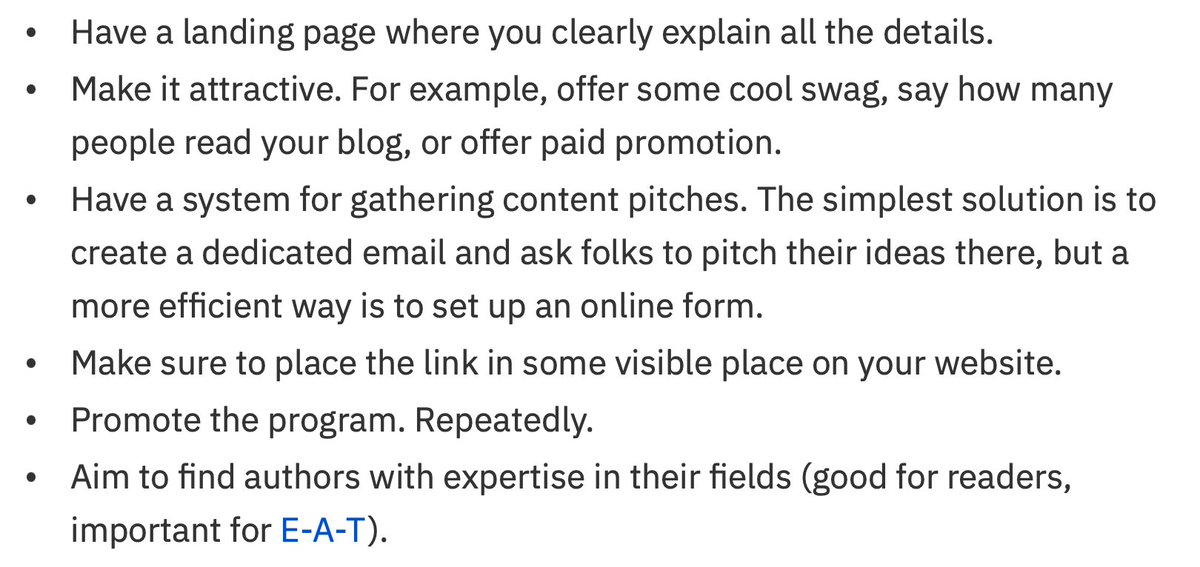
Before inviting people to write for your blog, set up some steps. We'd recommend that you:
Before inviting people to write for your blog, set up some steps. We'd recommend that you:
12. Find long-tail keywords that need dedicated pages
Long-tail keywords are search queries that get a small number of monthly searches. They tend to be longer and more specific.
For e.g.:
Short-tail—headphones
Long-tail—Best headphones for skiing
To find them:
Long-tail keywords are search queries that get a small number of monthly searches. They tend to be longer and more specific.
For e.g.:
Short-tail—headphones
Long-tail—Best headphones for skiing
To find them:
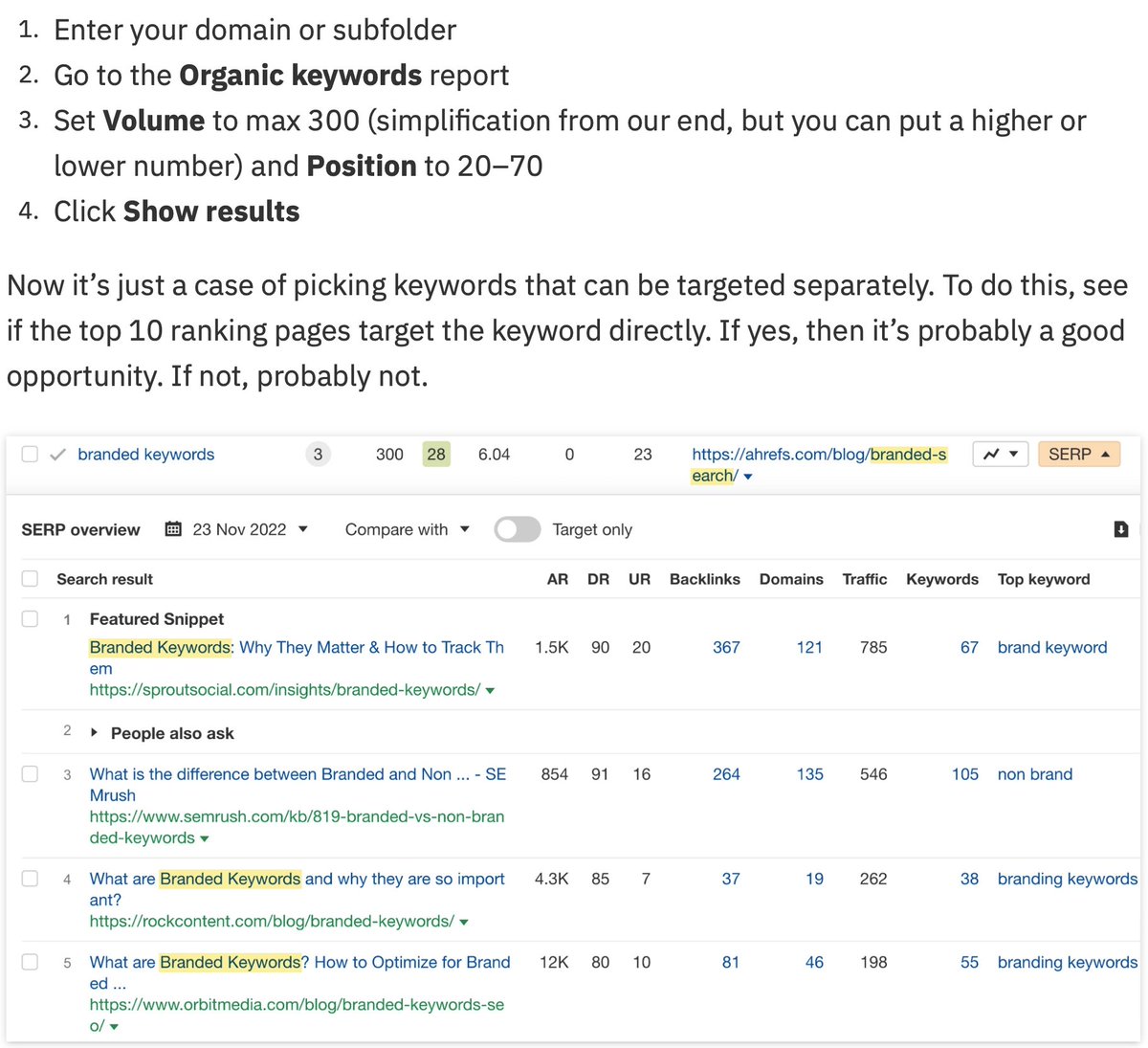
12. Find long-tail keywords that need dedicated pages (cont'd)
- Plug your domain/subfolder in Ahrefs' Site Explorer
- Organic keywords report > Set Volume to max 300; Position to 20-70
- Show results, then follow these final tips:
- Plug your domain/subfolder in Ahrefs' Site Explorer
- Organic keywords report > Set Volume to max 300; Position to 20-70
- Show results, then follow these final tips:
And there you have it!
After applying your tactics of choice, you can track your rankings in Google and/or Ahrefs' Rank Tracker.
Remember, SEO takes time for results to show—on average, that's about three to six months. 🌟
After applying your tactics of choice, you can track your rankings in Google and/or Ahrefs' Rank Tracker.
Remember, SEO takes time for results to show—on average, that's about three to six months. 🌟
Loading suggestions...