

National Divorce: Q and A
In this thread I am going to cover some of the more common misconceptions about the current state of affairs in Russia and potential scenarios of its breakup. I am going to start with the most common objection:
"Isn't Russia like 80% ethnic Russian?"🧵
In this thread I am going to cover some of the more common misconceptions about the current state of affairs in Russia and potential scenarios of its breakup. I am going to start with the most common objection:
"Isn't Russia like 80% ethnic Russian?"🧵

Both honest sceptics (mostly foreigners) and more biased critics (mostly Moscow literati) love pointing to the official census results. Indeed, official censuses picture Russia as almost homogenous country with 77% pop being ethnic Russian
How reliable are these results though?
How reliable are these results though?

Much of aggregate data from Russia/China etc. looks very appealing. That's until we start disaggregating it. Aggregate figures can be just as reliable as the raw data they're based upon. Therefore, Russian/Chinese statistics too often have the "Garbage in, Garbage out" problem
Let me give some personal experience of how ethnic data is being collected. During my lifetime Russia has two official censuses - in 2002, 2010. Both times they tried to designate me as "Russian" (despite my obviously Tatar name) and backed off only after I initiated the conflict
In 2002 I was a primary school student. They distributed questionnaires in a class and instructed us how to fill them
"Национальность - русский, русская" (Ethnicity - Russian (f/m)
- I'm a Tatar actually
- Are you SURE about that?
- Yes
Everyone else in a class just complied
"Национальность - русский, русская" (Ethnicity - Russian (f/m)
- I'm a Tatar actually
- Are you SURE about that?
- Yes
Everyone else in a class just complied
That's understandable. The class consisted of 9-10 year old students and nobody was asking them how they would describe themselves. The teacher just instructed them to write "Russian", so they naturally submitted to the authority figure
Nobody is asking. It's an order, actually
Nobody is asking. It's an order, actually
Next census happened in 2010. This time a pollster came to our home. He asked lots of questions - names, ages, occupations. Regarding ethnicity though, he started filling "Russian" WITHOUT EVEN ASKING. We noticed it, forced him to through out the questionaires and fill them anew
In both cases being described as "Russian" was avoidable. In the first case I could just refuse to write it, in the second case, we could notice it and destroy the papers. In both cases we had to escalate the conflict though
"Russian" is a default option forced by state machine
"Russian" is a default option forced by state machine
Interestingly enough, neither I, nor my family members, nor a number of my classmates could be designated as "Russian" judging by our names. Still, all were described as "Russian" by default. Why? Doesn't the Russian state want to see objective data? If so, what does it want?
Well, they want to produce this map. The goal of census is not to produce some "objective results" for the world to see. The goal of census is to produce the map that would legitimise the current state of affairs
"It's all Russians" map should legitimise the rule of Moscow
"It's all Russians" map should legitimise the rule of Moscow
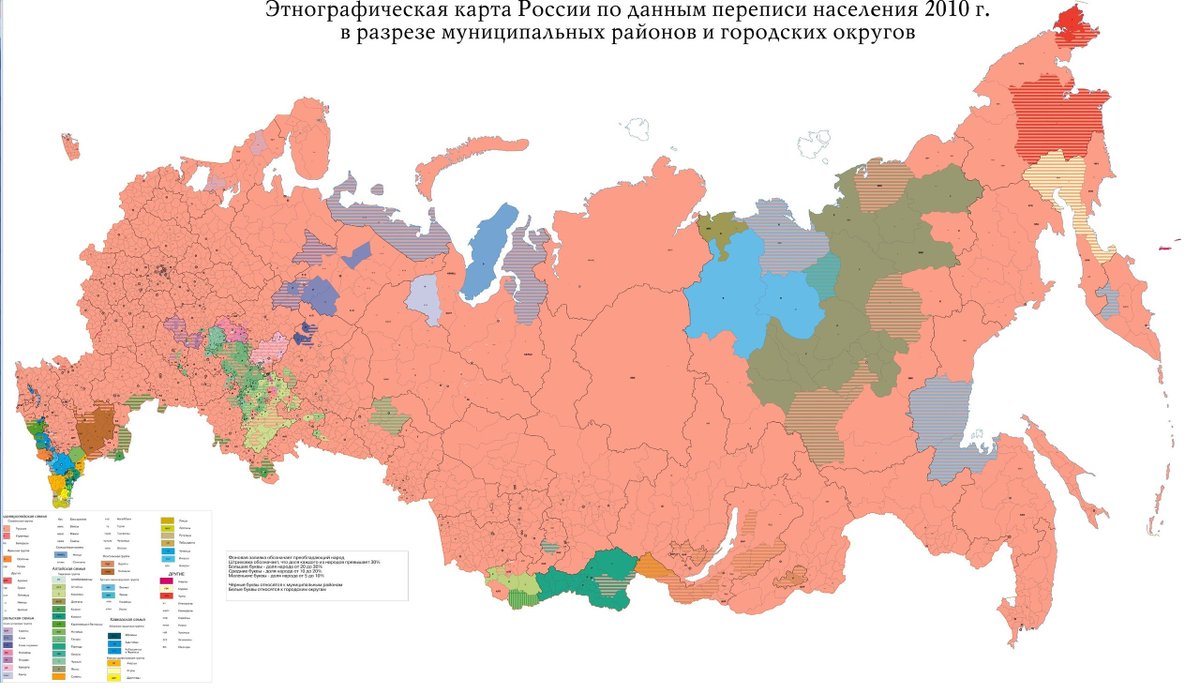
Now why does "it's all Russians" map legitimise the rule of Moscow? Well, because of the hive mind assumption. If all "Russians" comprise a hivemind that can't see themselves outside of Russia and 77% pop are Russians, then yes, the empire is very robust
It's a legitimising myth
It's a legitimising myth

Even more importantly, homogeneity + hivemind theory legitimises the autocratic rule. Quasirepresentation of a homogenous hivemind, is the best legitimising tool of an autocracy or a wannabe autocracy
That's why both Putin and the "liberal opposition" share this theory
That's why both Putin and the "liberal opposition" share this theory

As "Homogeneity + Hivemind" theory legitimises the autocracy, liberal opposition would defend it fervently
"It is absolutely the same culture"
"It is a very homogenous space"
They defend the homogeneity thesis because that's their license to speak on behalf of the hivemind
"It is absolutely the same culture"
"It is a very homogenous space"
They defend the homogeneity thesis because that's their license to speak on behalf of the hivemind
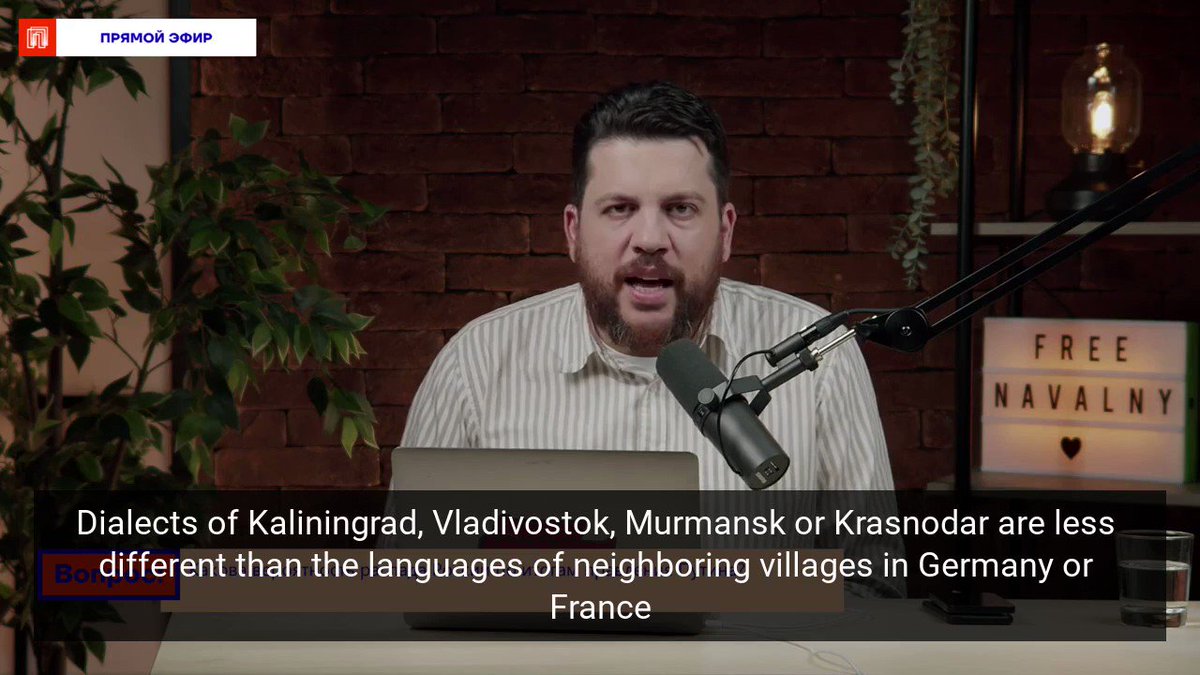
That's a good litmus test for the wannabe autocrats. They are going to legitimise their rule speaking on behalf of the homogenous hivemind. If empire is so homogenous, then it can be perfectly represented by a bunch of courtiers in Moscow
Homogeneity + Hivemind -> Autocracy
Homogeneity + Hivemind -> Autocracy

Census data is highly unreliable even by Russian standards. Kremlin has much less incentive to forge rando socioeconomic data no one is looking up (beef production by region)
The incentive to forge ethnic data is enormous. People *will* look it up and make political conclusions
The incentive to forge ethnic data is enormous. People *will* look it up and make political conclusions

So the first thing to understand about Russian ethnic statistics is its extreme unreliability. Results are being forged on the very first stage - collection. As the gov forces "Russian" option as a default down people's throats, the input is fake. So the output will be fake, too

Secondly, identities aren't necessarily exclusive. It's normal to have a number of identities simultaneously - ethnic, regional, religious - some of which can be activated/deactivated depending on circumstances
Russian gov works hard to suppress & deactivate regional identities
Russian gov works hard to suppress & deactivate regional identities
NB I'm not talking about the racial/religious identities that could be easily framed in terms of American identity politics. I am talking specifically about regional ones, that are seldom seen otherwise than as a part of a homogenous "Russian" hivemind. Consider just one
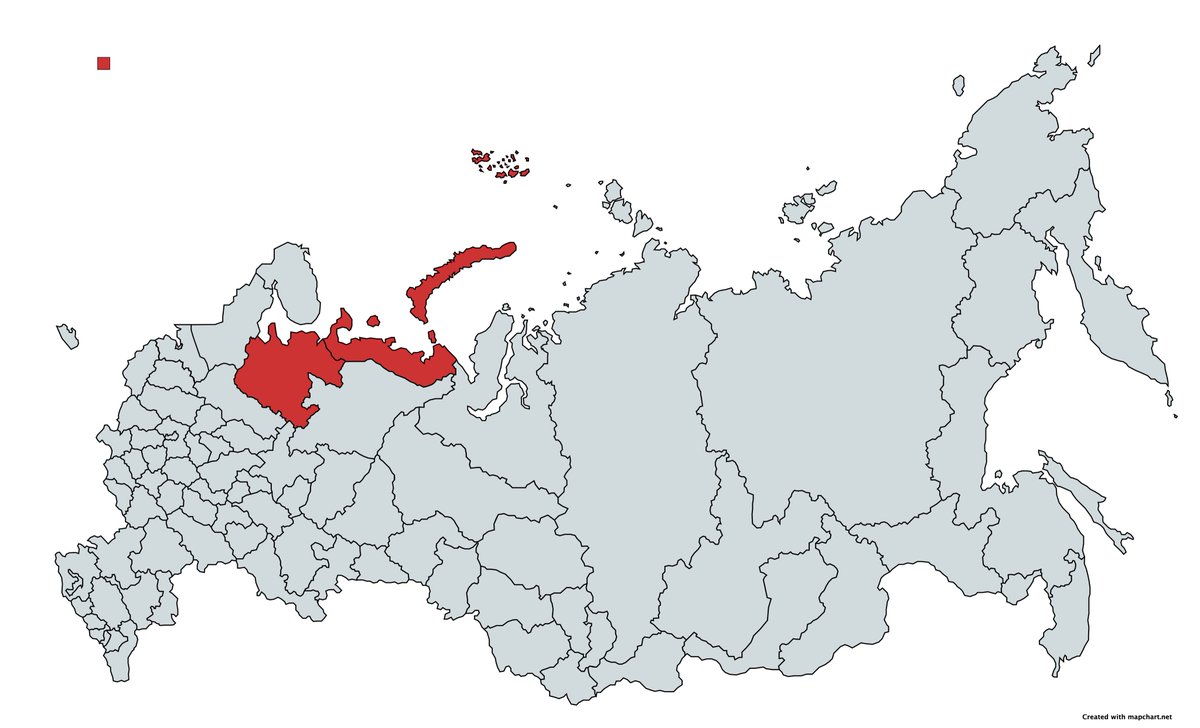
"Pomorye" literally "The Land by the Sea" is centred around the sub-Arctic White Sea region and the northern rivers flowing into it. It has been historically very different from the southern lands around Moscow, with a very different socioeconomic structure and culture

To start with, it was the only originally seafaring culture under the power of Moscow. It was very much integrated into the maritime European world, economy and culture-wise. Economy was largely based on international commerce and culture influenced by the nearby Scandinavia
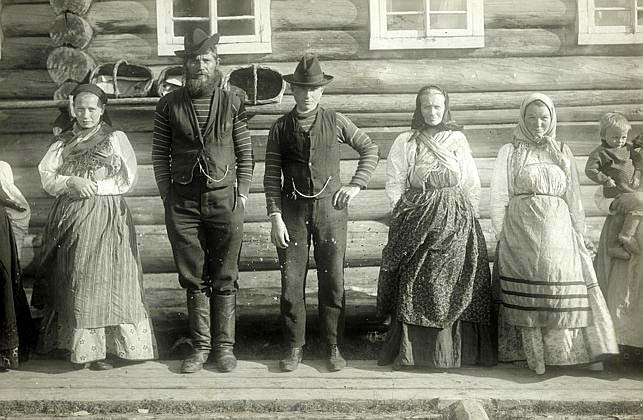
It was the region least affected by serfdom. In the course of the Romanov revolution 1610-1620s most of the previously free Muscovite peasantry was distributed between nobility and reduced to chattel slavery by around 1700. Pomorye had no nobility -> Was almost unaffacted
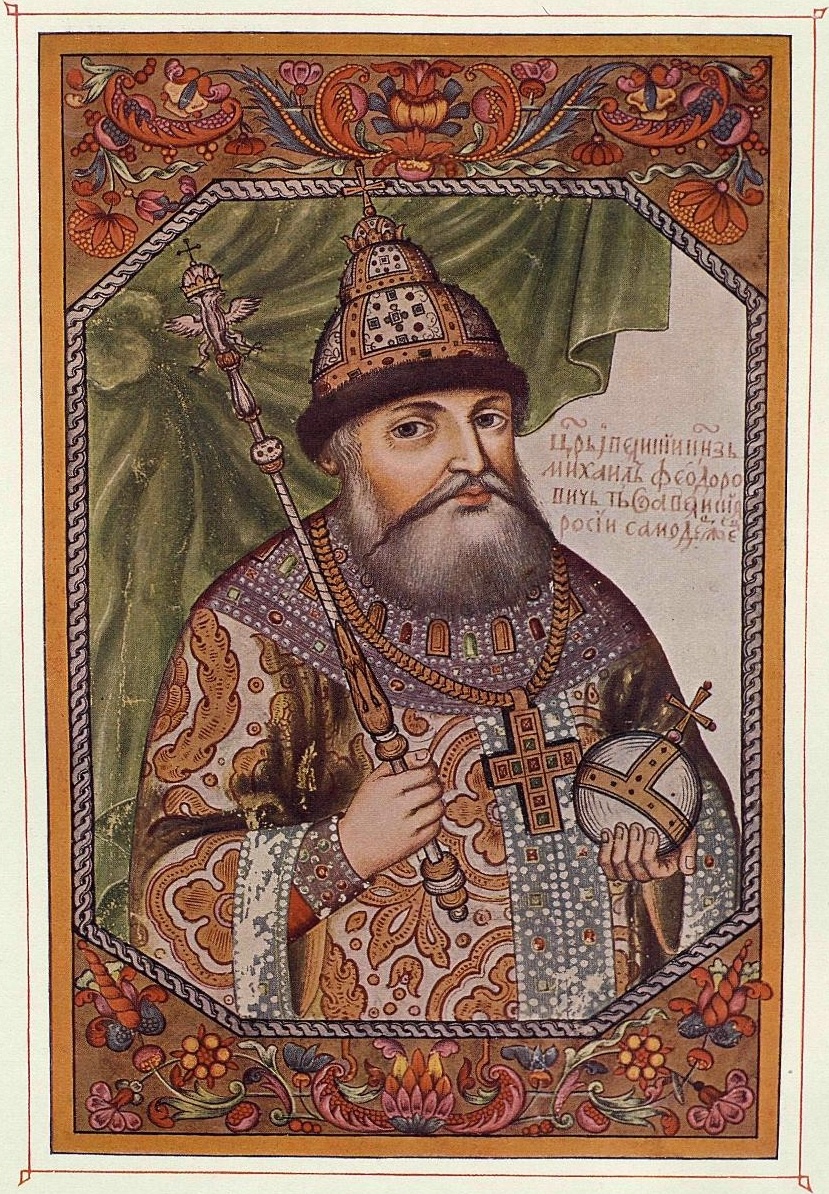
Being commercially active and serfdom unaffected, Pomorye used to be the richest region of Muscovy. Counting the entire tax burden is difficult, but here is one rando indicator - number of households paying the musketeers tax in 1682-1683
Main taxpayers = Great Pomorye region
Main taxpayers = Great Pomorye region

At this point Pomor identity is seen as highly undesirable. Every distinct identity is viewed through the lenses of potential separatism -> frowned upon. For this reason Kremlin puts great effort into deactivating it. It can be activated anytime though in case of political crisis
For the past decades this has been of the most FDI-oriented regions in Russia. As a result, 2022 affected it badly with Arkhangelsk being of the main losers employment-wise. Too much of the local economy depended on foreign employers

When we discuss potential separatism in Russia, we should pay less focus on "identity", which we don't understand anyway and more on the following question:
Who has a reason to think they would be better off without Moscow than with it? Cost/benefit analysis
(Arkhangelsk today)
Who has a reason to think they would be better off without Moscow than with it? Cost/benefit analysis
(Arkhangelsk today)

Thirdly, when discussing ethnic balance in Russia we should keep in mind that much of population is heavily mixed. So self-identification (which by no means is reflected adequately in gov censuses) becomes very much a matter of choice. You can choose which identity to activate
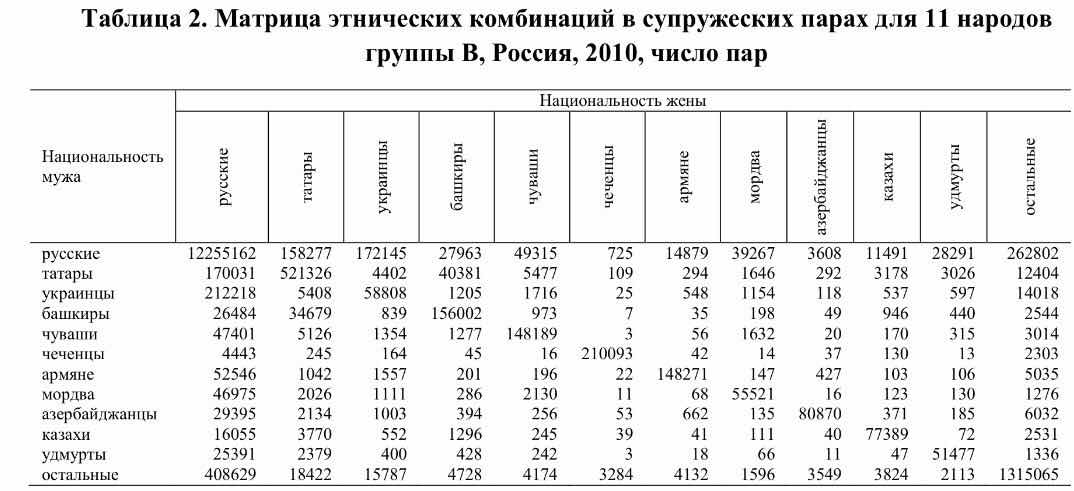
Consider my native region of Tatarstan. Soviet era was characterised by the hardline Russian supremacy. Russian community was dominant and largely viewed Tatars as inferiors. So until 1991 most children in mixed families would be given Russian names and then identify as Russians

In 1989-1991 ethnic hierarchy was renegotiated - and very quickly:
- Russian supremacy was based on the power of Moscow. Which weakened
- Weakening of Moscow -> National movement emerged almost out of nothing and very quickly
- Region turned to have out efficient institutions
- Russian supremacy was based on the power of Moscow. Which weakened
- Weakening of Moscow -> National movement emerged almost out of nothing and very quickly
- Region turned to have out efficient institutions

It's nearly impossible to overestimate the importance of third factor which is all but ignored in much of political pseudo analysis. The efficiency of your institutions affects everything, starting from ethnic hierarchy and finishing with ethnic balance
Until 1991 Tatarstan was a relatively poor region. In 1990s it quickly turned into a relatively rich one. Not because of some brilliant economic successes, but because most others fared very much worse economically speaking
You don't even need to grow. You just need to fall less
You don't even need to grow. You just need to fall less
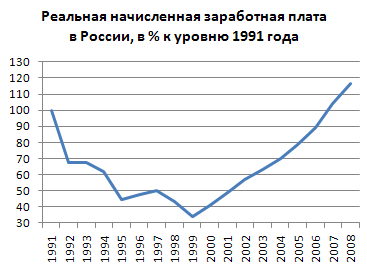
Comparison with neighbouring Bashkortostan is very telling. In Soviet times Bashkortostan generally fared better. After 1991 it fared much worse
One reason is that in Bashkortostan they allowed Moscow companies to privatise local industry, while in Tatarstan they chose not to
One reason is that in Bashkortostan they allowed Moscow companies to privatise local industry, while in Tatarstan they chose not to

In Tatarstan a few ruling families divided pretty much all of Soviet industry among themselves. No Moscow business was allowed to privatise anything. For this reason people in neighbouring regions envy Tatarstan very much
I tell this without irony and not as a joke
I tell this without irony and not as a joke
Reforms of the 1990s could not result in some "fair" Sweden-style system. They were not designed this way. They could result only in landlordism. So the real choice was between:
Presentee landlordism vs Absentee landlordism
If you lived under any, you'll know the difference
Presentee landlordism vs Absentee landlordism
If you lived under any, you'll know the difference
Absentee landlordism = company registered in Moscow (paying taxes there) and owners living in Geneva (spending their rent there). That's the golden standard of Russian governance and that's how most of the Russian regions are run. Locals get the poisoned air, and that's it
Presentee landlordism is somewhat different. Once in DC I met a former N. company employee who dissuaded his higher-ups from investing to Tatneft. Unlike his superiors, he had travelled around Russia extensively. Specifically, he spent many hours driving through Tatarstan
First thing he noticed is that infrastructure was obviously better than in any of the proximities. When asking his companions how it's paid for, they'd usually say it's paid by Tatneft (local oil company). Hence, he deduce Tatneft is not really a private company, but more of a...
Local government's wallet to finance public spending. Shareholders just can't get too high dividends. Any "surplus" would be taken out for public spending - from road repairments to research grants
Kremlin-controlled oil companies are run *more* in the interest of shareholders
Kremlin-controlled oil companies are run *more* in the interest of shareholders
That illustrates the difference between presentee landlordism (local elite appropriates everything) and the absentee landlordism (Moscow elite appropriates everything). Unlike most other regions, Tatarstan elites were able to implement presentee landlordism scenario
One major consequence was the renegotiation of ethnic hierarchy. Until 1989 Russian community was indisputably dominant and the Tatar one certainly inferior one. After 1991 this balance started to crumble
Once Tatarstan got richer neighbours started looking at them up, that's it
Once Tatarstan got richer neighbours started looking at them up, that's it
Public spending was a major tool for renegotiating the hierarchy. I strongly recommend this book: this author got that the Beautification of Kazan was not simply urbanist policy. It was political and it changed the hierarchy books.openedition.org

Until 1989 most Russians looked down upon Tatars. After 1991 though most neighbouring cities (and especially towns) which got under other governments fall into complete desolation. The simple fact that Tatarstan institutions were well-run changed the balance of status & power
That doesn't mean that *all* Russian supremacist agenda in Tatarstan and beyond disappeared. It just means it got more silent and became very much more bitter & defensive. It got the ressentiment overtones it had never had before
The hierarchy was renegotiated
The hierarchy was renegotiated
As a result, the ethic balance started shifting too. Until 1989 most mixed heritage children were given Russian names and adopted Russian identity. Since 1991 the number of those who adopted Tatar one increased quickly
Ethnic hierarchy -> Ethnic balance
Ethnic hierarchy -> Ethnic balance
Case of Tatarstan is very illustrative. People see ethnic balance as primordial. That's not necessarily true. Ethnic balance depends upon ethnic hierarchy. And ethnic hierarchy can be renegotiated by as little as having a well-run city amidst the post-Soviet desert
And that is exactly why the Kremlin aims *not* to allow any well-run cities to emerge amidst the post-Soviet desert. Any city, any region that becomes noticeably richer & better-run there others will inevitably get prouder, its identity will grow stronger. It'll become a danger
*Any* region living obviously better than others -> The rise of regionalism -> Activation (or invention?) of regional identity -> Neighbours may start emulating it
That's why Moscow should keep everyone in poverty and would not allow any regional economy to blossom
That's why Moscow should keep everyone in poverty and would not allow any regional economy to blossom
Russia must be desolate to remain united. Any region growing too much might threaten the power of Moscow. So Moscow must keep everyone poor to maintain integrity of the empire. This is the major reason for the national divorce: so that *some* colonies could get a chance
The end
The end

Loading suggestions...