

Whether we notice it or not, the air we breathe indoors can make us sick.
For most of us, it’s not industrial equipment that’s contaminating the air: It could be the pollution from our ovens or even the chemicals off-gassed from everyday household cleaners.
For most of us, it’s not industrial equipment that’s contaminating the air: It could be the pollution from our ovens or even the chemicals off-gassed from everyday household cleaners.
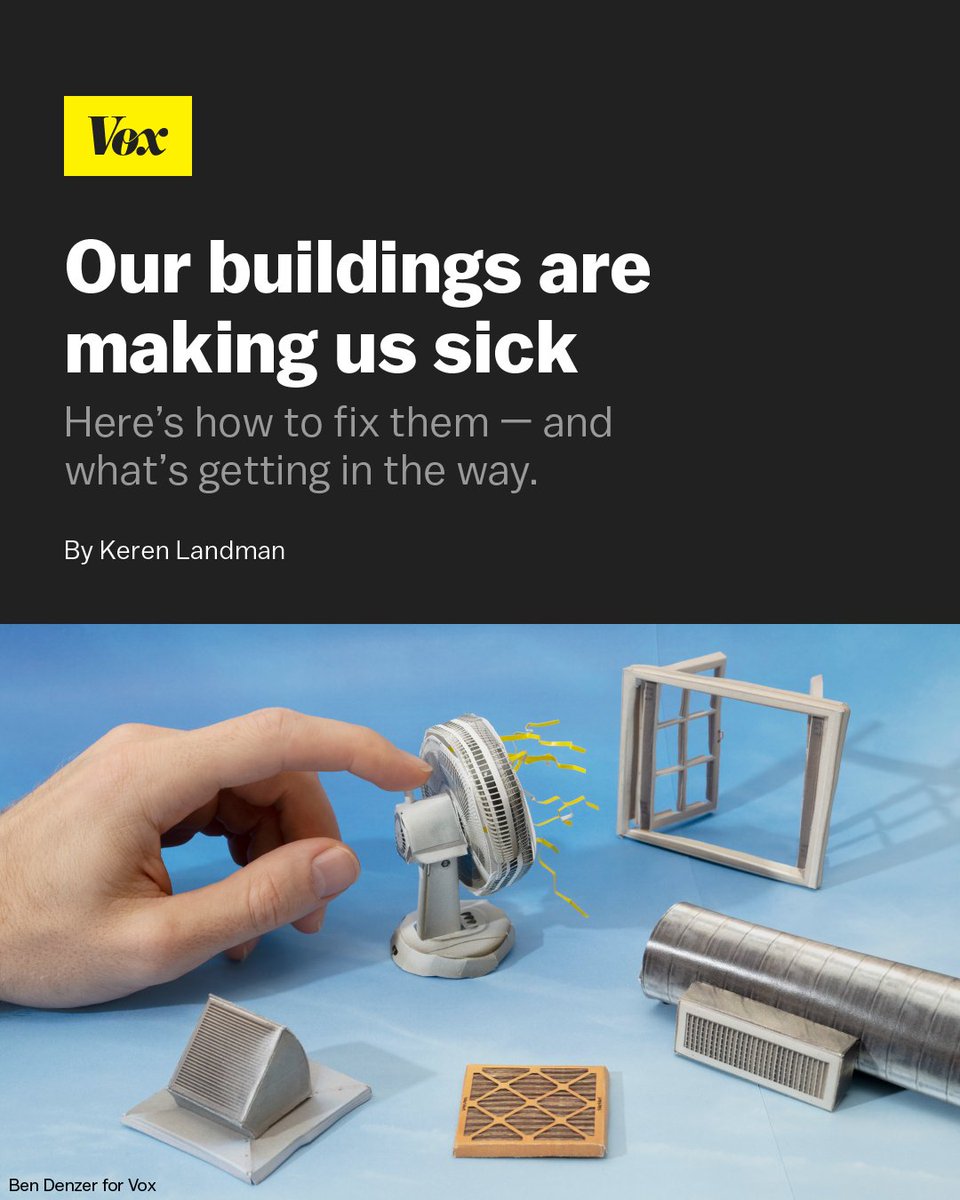
The technology and the knowledge necessary to improve indoor air exist. But despite decades’ worth of science linking dirty indoor air with threats to human health, the public has simply learned to tolerate poor indoor air quality. vox.com
We’re not very likely to notice if the air we’re breathing has high levels of carbon dioxide, or contains dangerous volatile organic compounds (gaseous and sometimes odorless chemicals found in everything from compressed wood to body lotion). vox.com
The people who design, maintain, and manage the air inside America’s buildings now have a chance to make things right.
The Covid-19 pandemic prompted demands for a paradigm shift in the way we think about air quality. vox.com
The Covid-19 pandemic prompted demands for a paradigm shift in the way we think about air quality. vox.com
Now more than ever, it’s clear what we have to gain from improving indoor air quality: Not only could doing so help mitigate the next pandemic, but it could also lead to other large-scale improvements in health and productivity. vox.com
Improving indoor air quality could help build a more equitable society, as rural and low-income Americans are most vulnerable to the negative health effects of air quality and crumbling infrastructure. vox.com
So what’s a building operator to do? The tools available for managing indoor air quality generally fall into three categories, each with its own pros and cons.
- Ventilation
- Air cleaning
- Source control
vox.com
- Ventilation
- Air cleaning
- Source control
vox.com
Can the US finally overcome the inertia that has put clean indoor air out of reach for so many Americans? A lot is still standing in the way. Learn more from @landmanspeaking. vox.com
Loading suggestions...