

1/ Talk about dangerous liaisons! Abnormal brain vascular connections can be dangerous
A #tweetorial about an important abnormal connection: dural arteriovenous fistulas (dural AVF) in collaboration w/ @SVINJournal!
Featuring this 🆓#openaccess article: ahajournals.org
A #tweetorial about an important abnormal connection: dural arteriovenous fistulas (dural AVF) in collaboration w/ @SVINJournal!
Featuring this 🆓#openaccess article: ahajournals.org

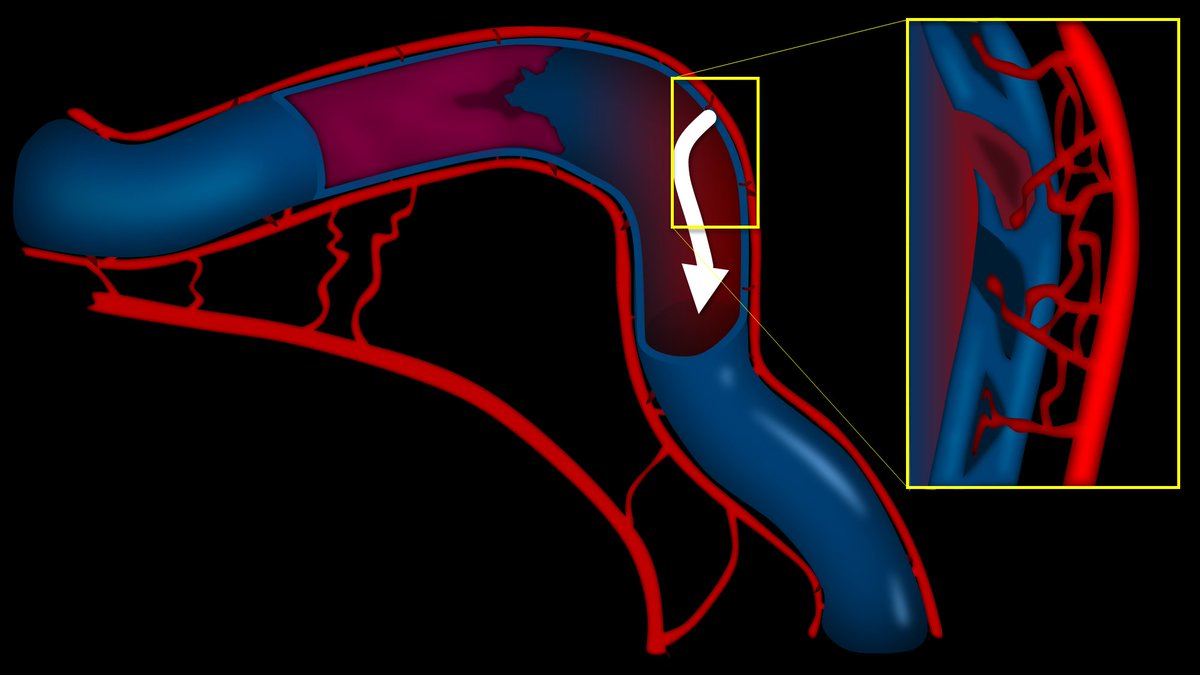
2/Dural sinuses sit inside dural leaflets. Arteries that feed the dura also feed the walls of sinuses, like vasa vasorum. Arteries in the walls of veins are a natural connection between the veins and arteries—but these connections are usually closed in normal pts.

3/Whether these connections are open depends on pressure. Like a hose w/a hole in it, at normal pressures, abnormal connections are not open. But if pressure is increased w/thrombosis or stenosis, the connections open, like high pressure water squirting out through a hole.

4/Normally venous pressure is not enough to open these connections, but if venous pressure is increased, usually from thrombosis, that is enough to push open these normal arteriovenous fistulas in the wall of the dural venous sinus.

5/Many tiny connections exist & increased pressure opens one or more. This is why treating dAVF requires sinus sacrifice. If you only take out the artery, the sinus will open other connections & find more feeders. Now if fistula flow goes w/sinus flow, effect is relatively benign
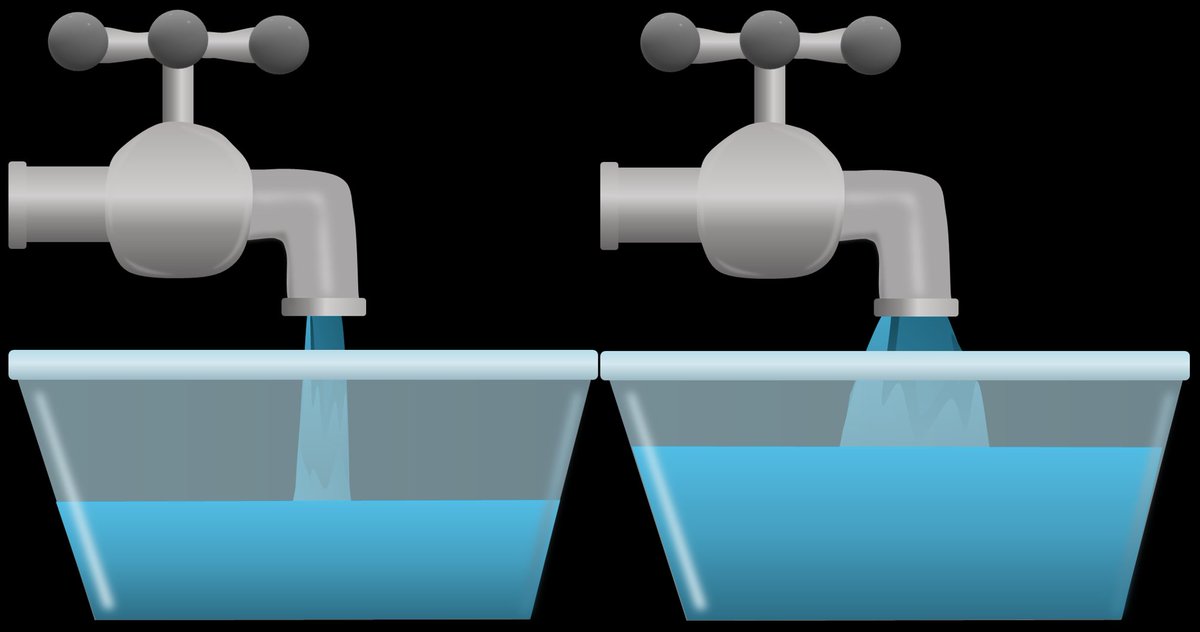
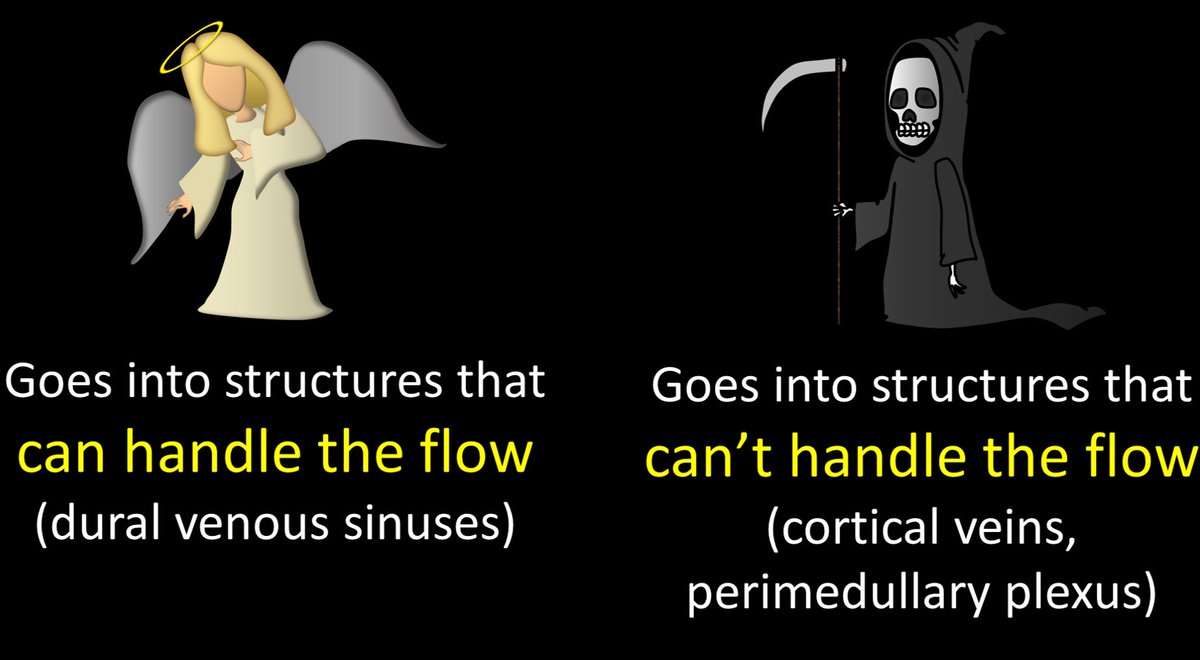
6/Think of it like flow through a sink. If dAVF flow goes w/sinus flow, it is like turning up water flow on a faucet. While it might be a waste of water, as long as the sink can handle the water, then you can manage. Dural venous sinuses are big & can handle extra flow.
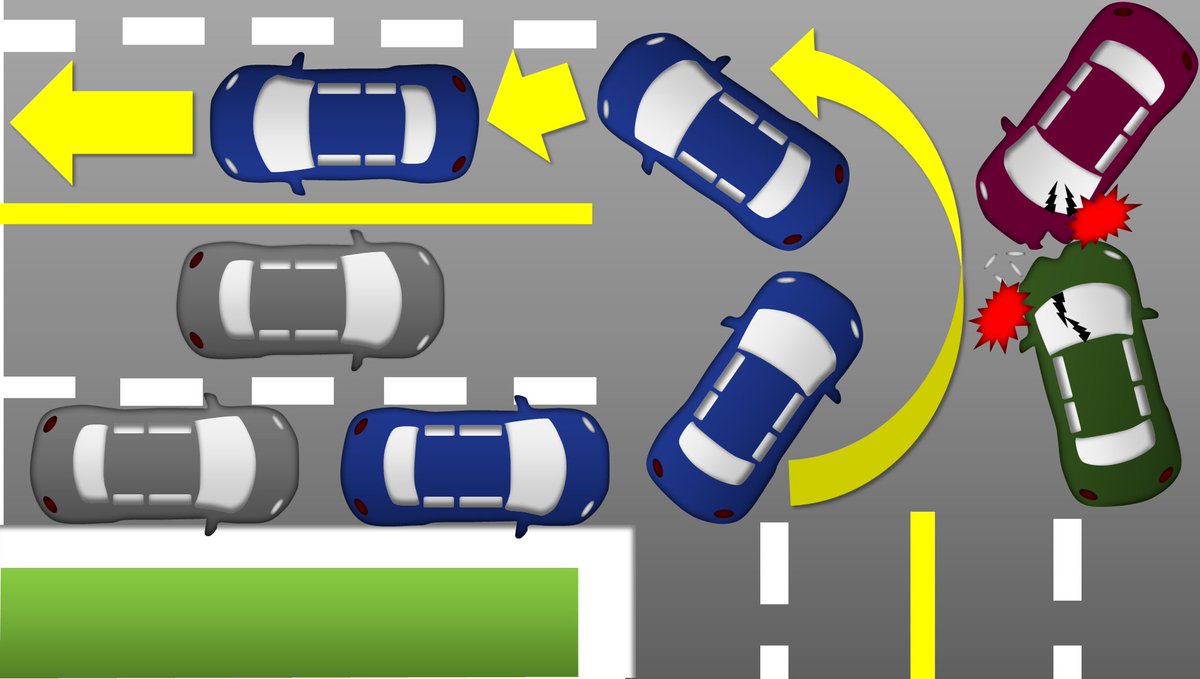
7/If you keep increasing pressure, usually from thrombosis, then pressure to flow forward becomes too much & flow goes retrograde. It is like a traffic jam—if the traffic is too much & no one is moving, people start turning around & going the other direction.
8/Now if retrograde flow remains in the sinus, the effect is relatively benign. Sinus are big & used to handling lots of pressure. Like Atlas w/the earth on his back, adding a bit more weight when you are strong & able to handle big flow doesn’t result in a dangerous situation
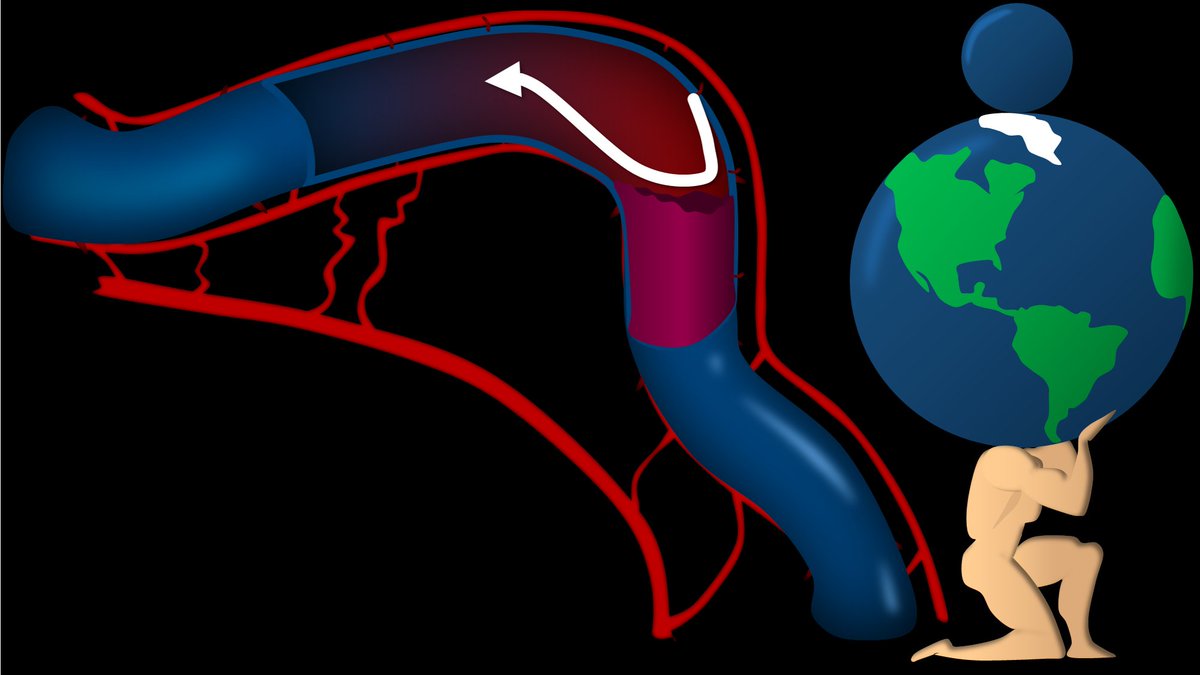
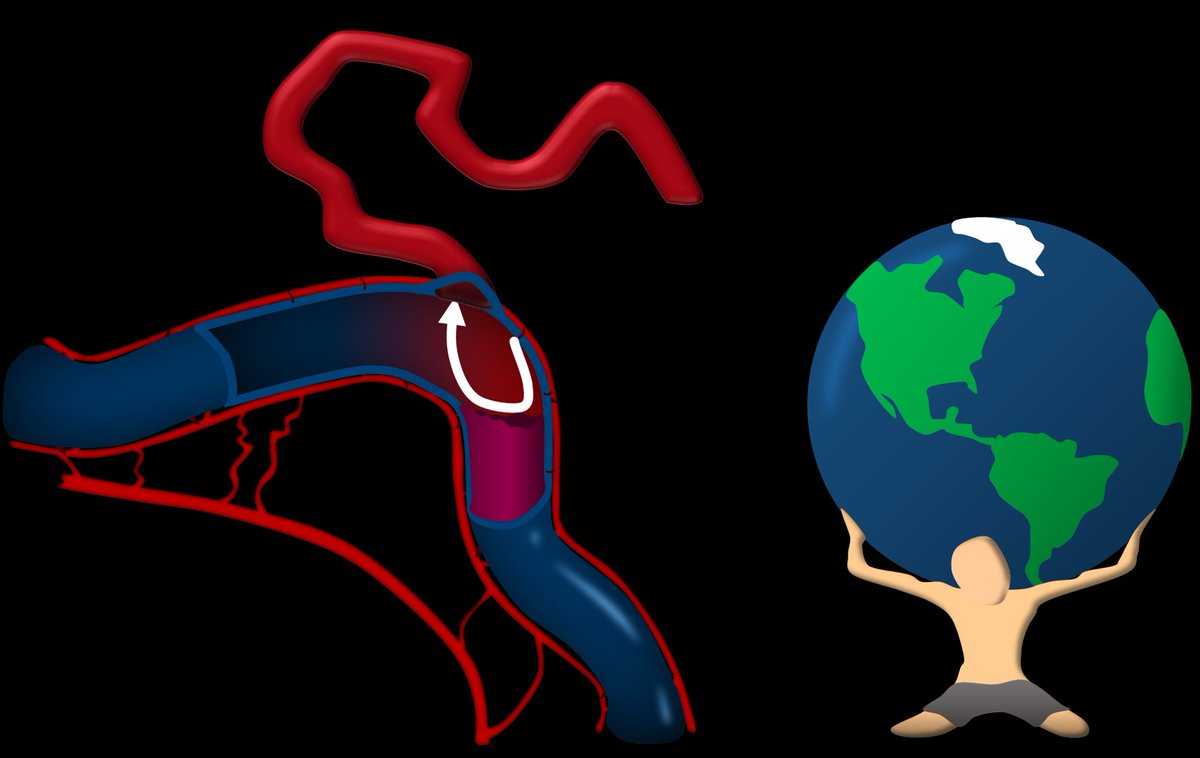
9/The problem comes when the retrograde flow doesn’t just flow backwards in the sinus, but it gets pushed backwards into the cortical veins that usually empty into the sinus. This is called cortical venous reflux.
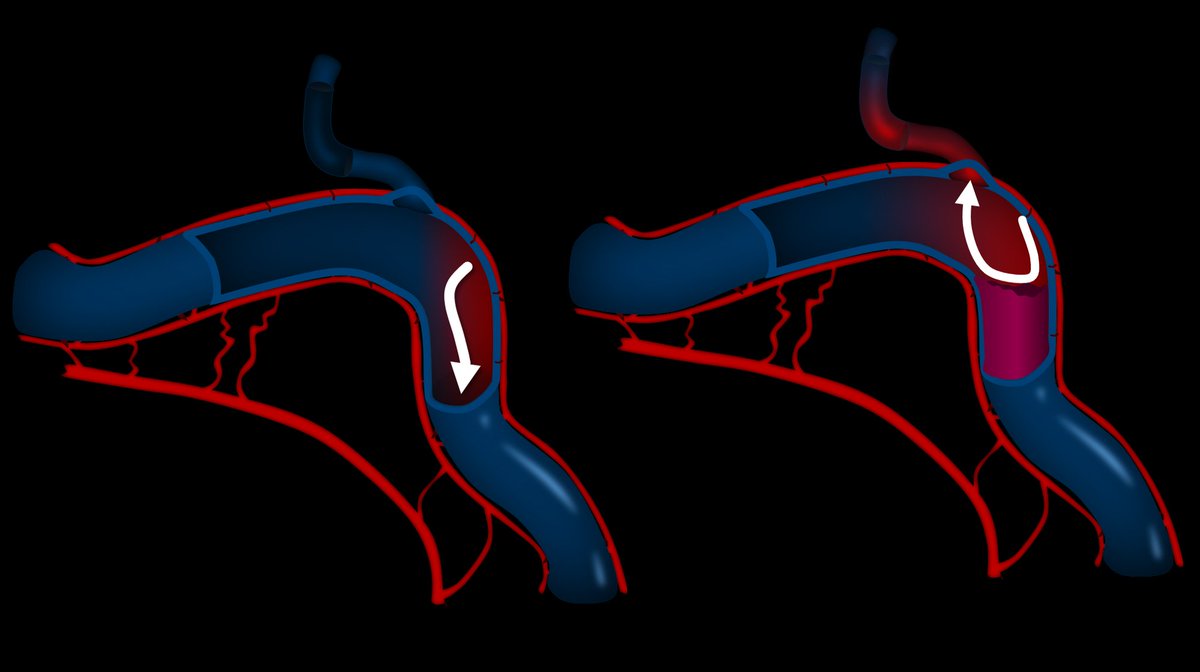
10/Unlike dural sinuses, cortical veins are not equipped to handle this flow. It’s like you put the weight of the earth on a puny human instead of Atlas. The flow is too much for cortical veins to handle and they are more likely to bleed.
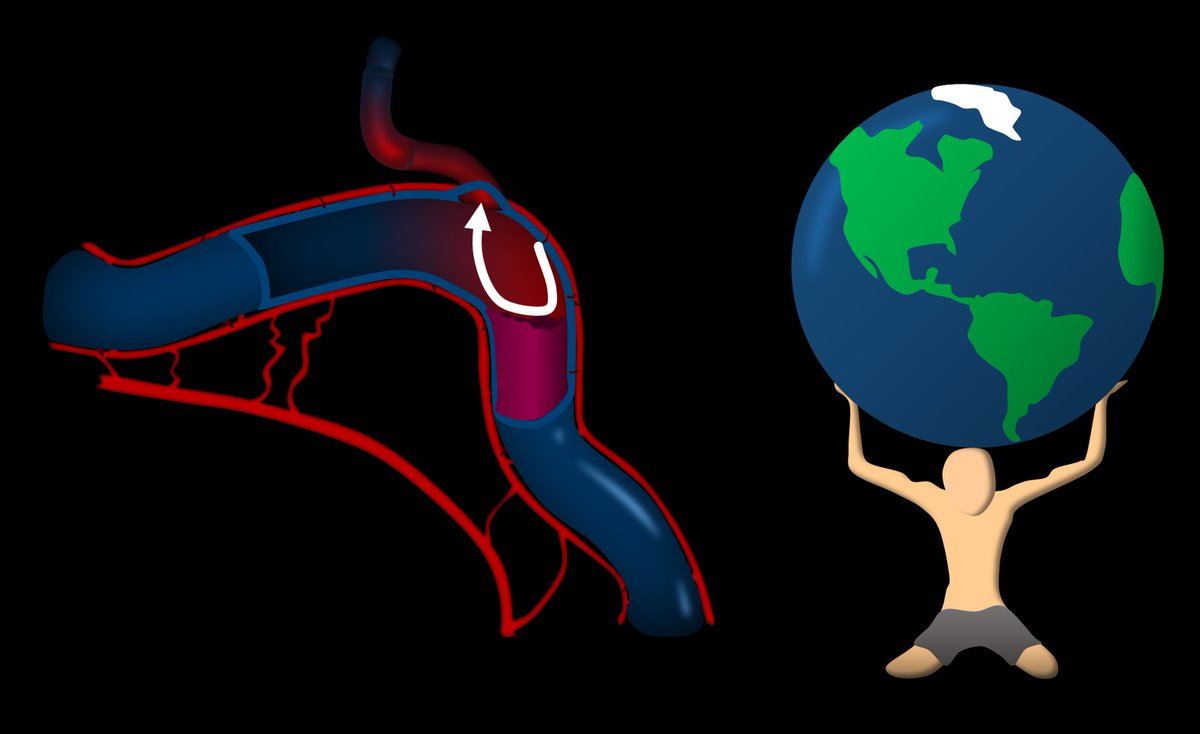
11/When the cortical veins of a dAVF become dilated, this is a sign that the flow is too much for them and they are trying to remodel to accommodate. This is a sign that they are failing and increases the risk that they will bleed
12/If fistula flow goes retrograde into the spinal veins, these are clearly not ready for high flow from a brain AVF & are quickly overwhelmed. If pressure is high in veins that are supposed to drain the cord, the cord can’t drain & you get venous HTN like a regular spinal AVF.
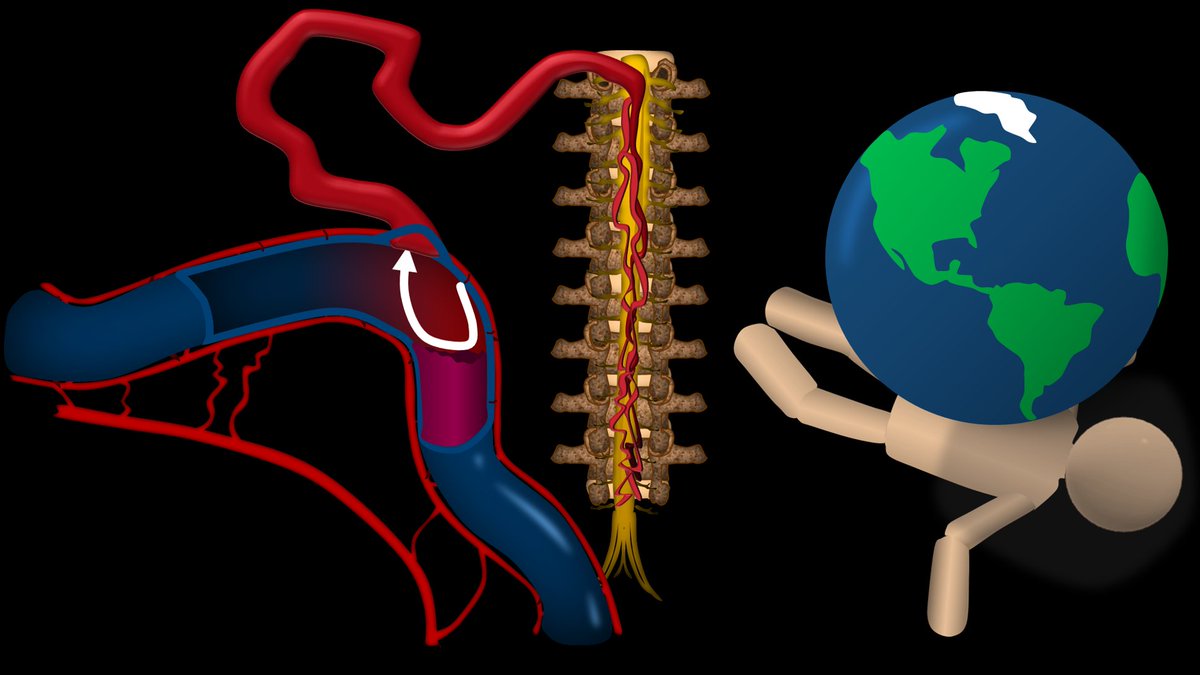
13/The presence of cortical reflux is dividing line as to whether a fistula will have benign course or is likely to bleed—bc the cortical veins can’t handle to flow like the dural sinuses can & are therefore more likely to bleed.
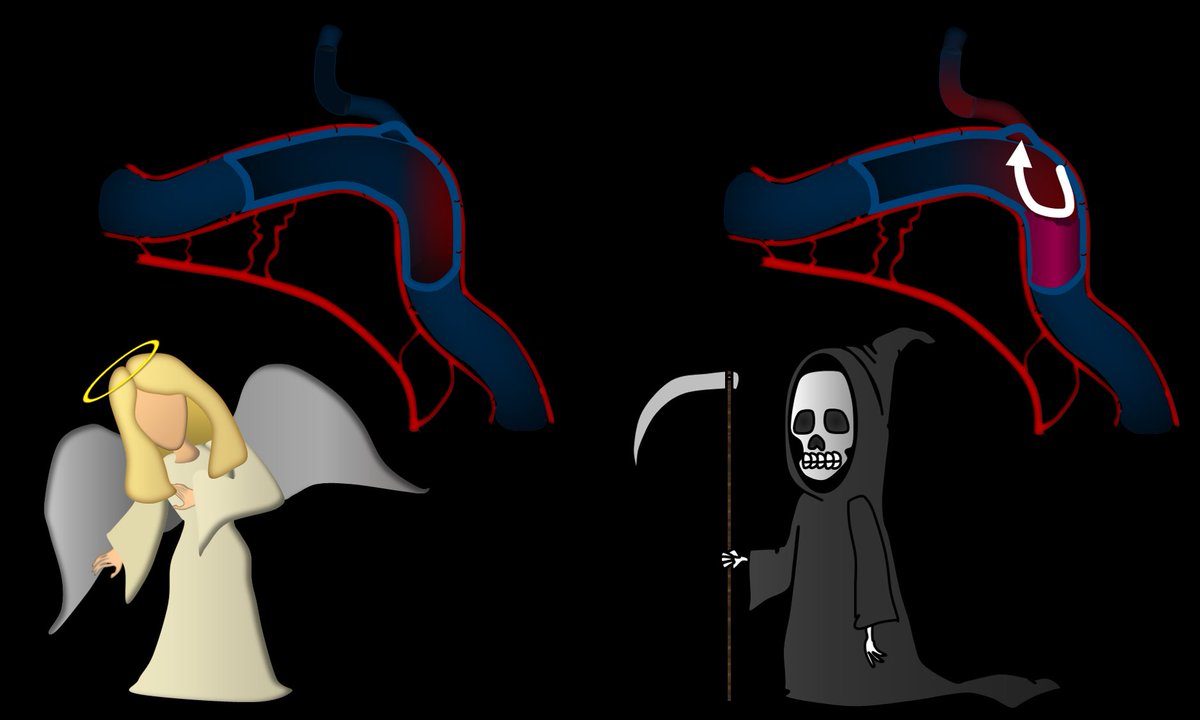
14/Cognard classification defines dAVFs by the type of venous drainage—and it progresses just how I described. If flow can go forward it can--if not, it goes retrograde & the risk of bleed goes up by how badly the retrograde flow effects the cortical veins.

15/But instead of memorizing the classification, ask yourself—can the venous outflow handle the flow (dural sinus vs cortical vein) & does it look like it is overwhelmed (venous ectasia)? This will intuitively lead you to the classification system w/o having to memorize a thing!
16/
Be sure to check out the excellent review by Bradley A Gross on dAVFs featured in @SVINJournal: ahajournals.org
It’s free and open access to all!
#medtwitter #FOAMed #FOAMrad #neurorad #radres #neurosurgery
Be sure to check out the excellent review by Bradley A Gross on dAVFs featured in @SVINJournal: ahajournals.org
It’s free and open access to all!
#medtwitter #FOAMed #FOAMrad #neurorad #radres #neurosurgery
Loading suggestions...