


1. Specific Aims page - Most important page of your proposal. Articulate the clinical unmet need, followed by your unique solution, your preliminary data, brief description of team, your approach/specific aims and most critically your success criteria. Sample SA page below.

2. Significance/Background - Most important section in your narrative. Focus on unmet clinical need. What is the status quo & why is it not sufficient? (cost, tech etc). What is needed ? How will this impact unmet need? Who will be impacted? How many? Who will use tech?
3. Innovation - Most misunderstood section. Most PIs will focus on algorithmic novelty here (unfortunately some reviewers look for that too). Look at NIH definition. Focus on why your #AI solution > status quo, explain efficiency, accuracy, translatable within clinical workflow.
4. Preliminary Results - PIs often try to show a LOT of data, often irrelevant. Pick & choose most pertinent data. Explain why data you are showcasing is relevant to proposal. Also explain what else needs to be done, current gaps in your data. Tether prelim data to your aims.
6. Research Strategy - Clearly delineate approach for each aim, also success criteria, pitfalls & alternative strategies, power/statistical analysis. Avoid equations if you can. Where possible explain how strategy builds on prelim data, clearly explain "what needs to be done?"
7. Timeline, Future Work: I like to end with a timeline of proposed tasks, deliverables & milestones. Indicate go/no-go inflection points in timeline. Make this detailed, indicate if possible who will do what? Discuss next steps post project completion - clinical trial?
8. References - Pay attention to bibliography. Cite your work, but also cite work from relevant other sources. Look up rosters of reviewers for standing or ad-hoc study sections. If appropriate cite work from reviewers on your choice study section. Dont over-cite (i.e. 500 refs)
Start early, spend time writing bits and pieces. Ideally start planning your proposal 6-8 months in advance. Early planning can help you identify the data you need to generate for proposal, what expertise you need for team, line up collaborations, datasets for AI.
Critically - Remember for NIH you are solving an unmet clinical need (most of the time), avoid espousing love for your #AI algorithm. Everyone has an algorithm. Explain why your tech will solve problem in impactful, better way, how you will evaluate & compare against status quo.
Finally, getting a @NIH grant is as much about resilience & persistence as it is about good data, good team, good plan. My best proposals have been #NotDiscussed several times, including one recently awarded. Be like a #pachyderm. Only mistake you can make is to stop trying.
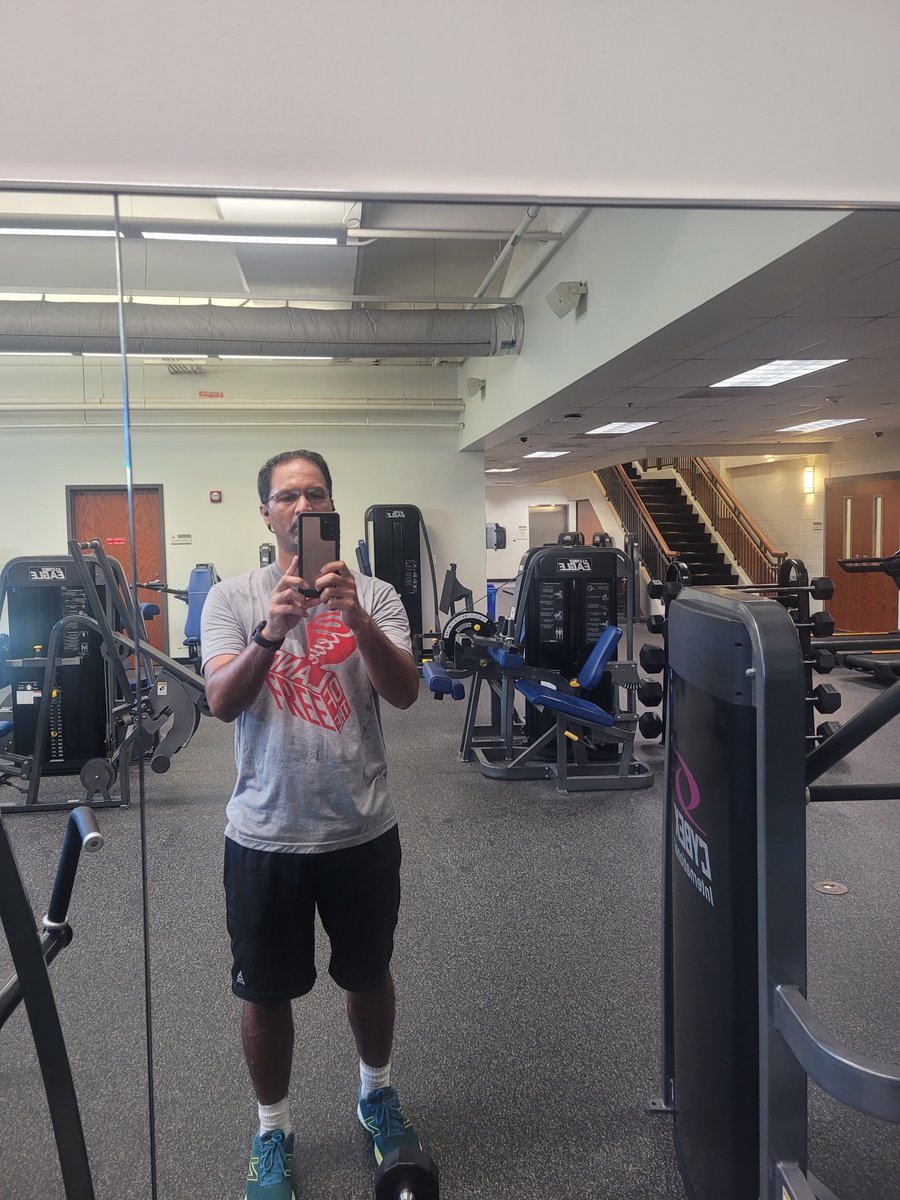
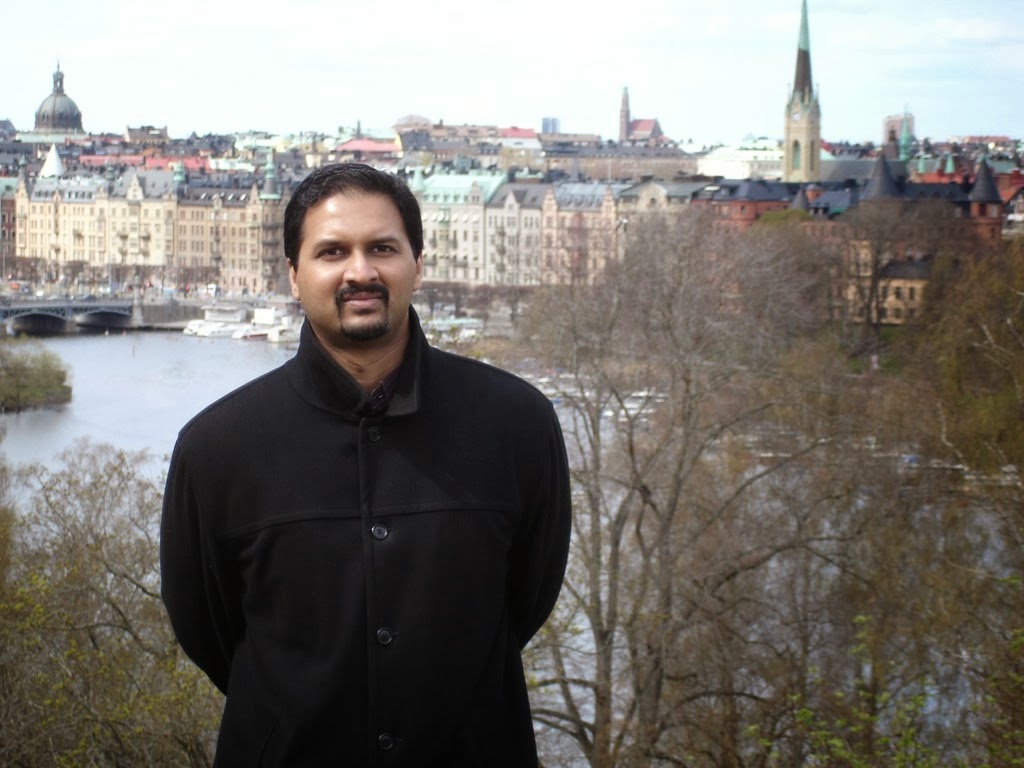
Perhaps the most important advice for PI's is to make time for yourself, particularly wrt exercising. Critical to get a workout in. R^2 ~ 1.0 in terms of correlation b/w my BMI & NIH funding success. Right panel from my pre-exercise days (15 years ago), left panel this am.
Loading suggestions...