

#CBG_Thread
You have heard of British, Portuguese (Goa) and French (Pondicherry) colonies in India in the past. But did you know that other European powers like Denmark-Norway and Austria- Belgium too had colonies in India?
What is their connection with Taj Fisherman's cove 1/n
You have heard of British, Portuguese (Goa) and French (Pondicherry) colonies in India in the past. But did you know that other European powers like Denmark-Norway and Austria- Belgium too had colonies in India?
What is their connection with Taj Fisherman's cove 1/n

If data is the new gold, spices especially peppers were the gold of colonial era. A small side digression, the Dutch and English once swapped the useless lands of New York (New Amsterdam) with two lucrative pepper bearing islands in Malaya 😁. The rest as they say is history. 2/n
Coming back, when the Europeans started the mad rush to trade in spices with India, Kingdom of Denmark-Norway (which included modern Denmark, Iceland, Norway and Greenland) didn't want to be left behind esp after seeing the success of Dutch and Portuguese 3/n
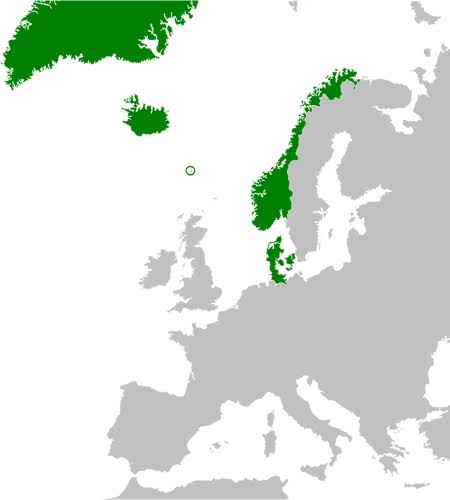

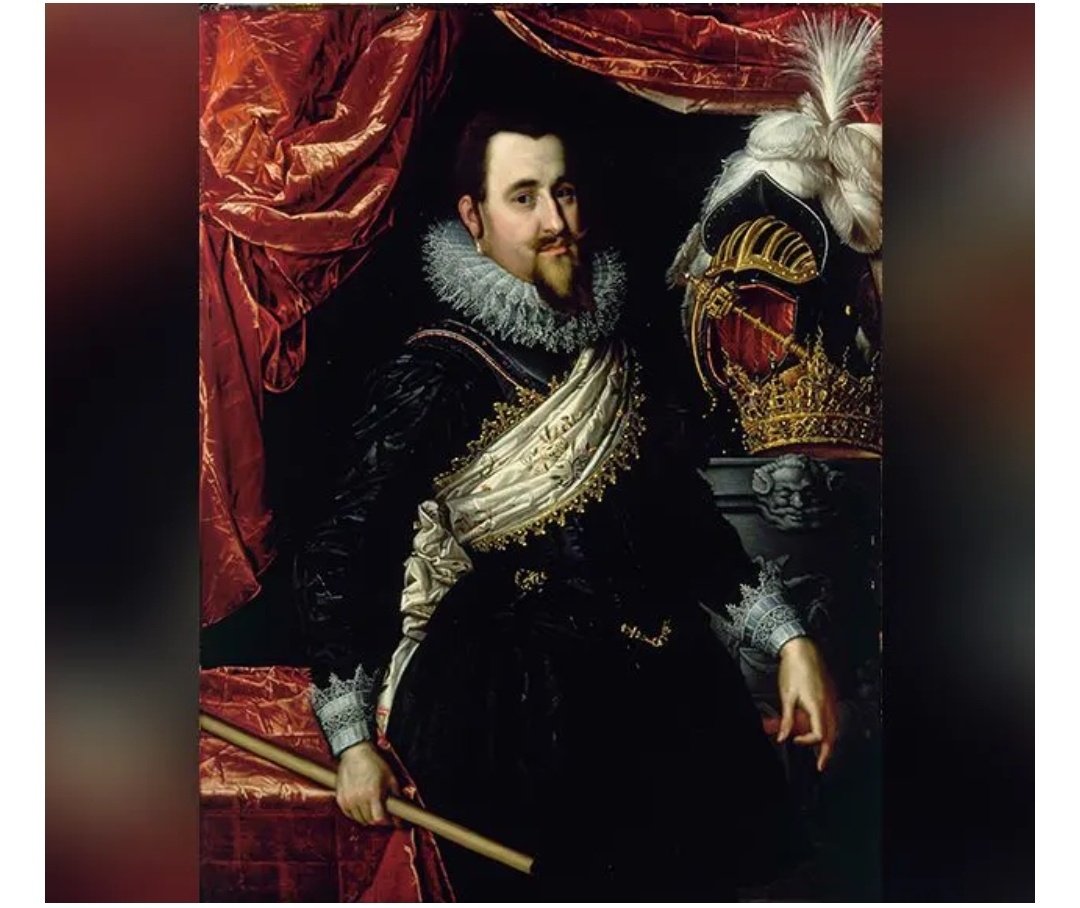
Danish East India company was established in 1616 under King Christian IV and initially setup their base in Trincomalee and Koneswar in Sri Lanka in 1618 which was in constant conflict with Portuguese. They knew the bigger prize awaits them in mainland India. 4/n
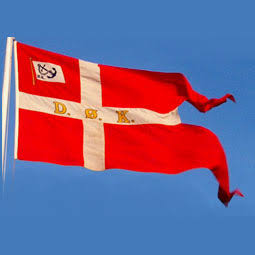
In 1620, when the Danes tried to land on the present Tamilnadu coast, they were attacked by the Portuguese ,who saw them as a threat, destroying the Danish ship Øresund. Just 14 members including admiral Ove Gjedde managed to survive.They were soon arrested by army of Tanjore 5/n

Tanjore was then ruled by legendary Raghunath Nayak from Maratha-Tanjore lineage. With help from Tamil Portuguese translator, Gjedde managed to convince Nayak to grant trading rights to Danes. Nayak wanted to use Danes as trading partners to counter balance the Portuguese. 6/n
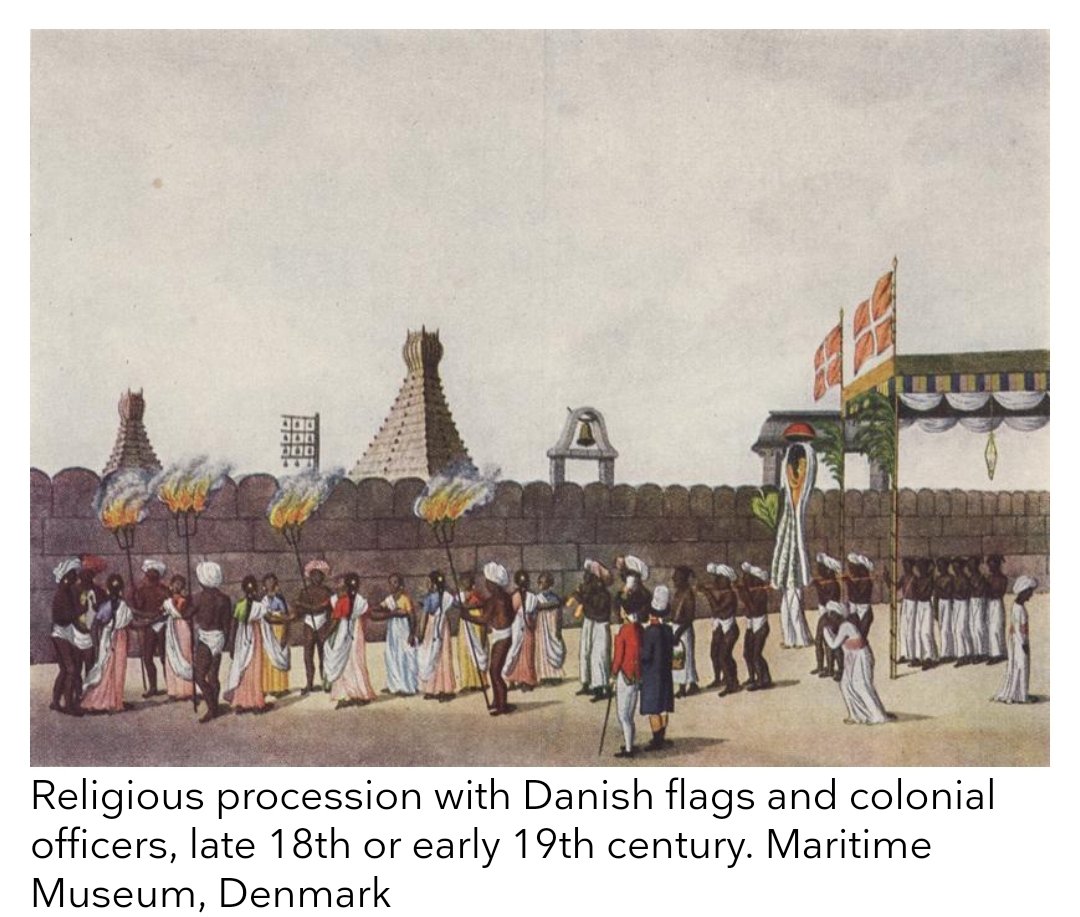
Raghunath Nayak even sent a letter of friendship to King Christian IV of Denmark via Gjedde which is still preserved in Copenhagen. Danes were granted the rights to operate from coastal village of Tharangambadi in lieu of annual tribute to Nayak of Tanjore 7/n

This village was renamed Tranquebar and became the seat of Danish power in India. Danes built the fort of Dansborg there which was the second largest Danish fort ever (next only to Kronborg in Denmark) 8/n
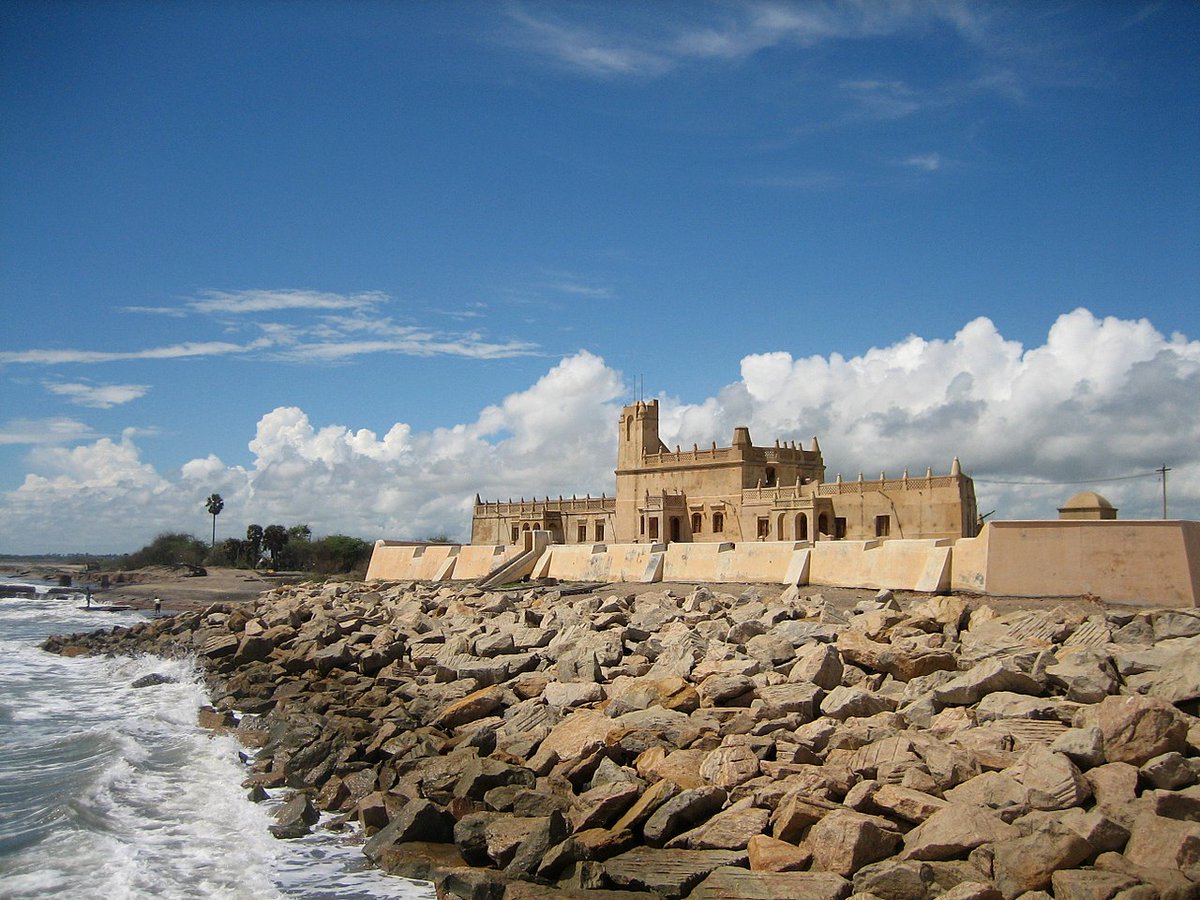
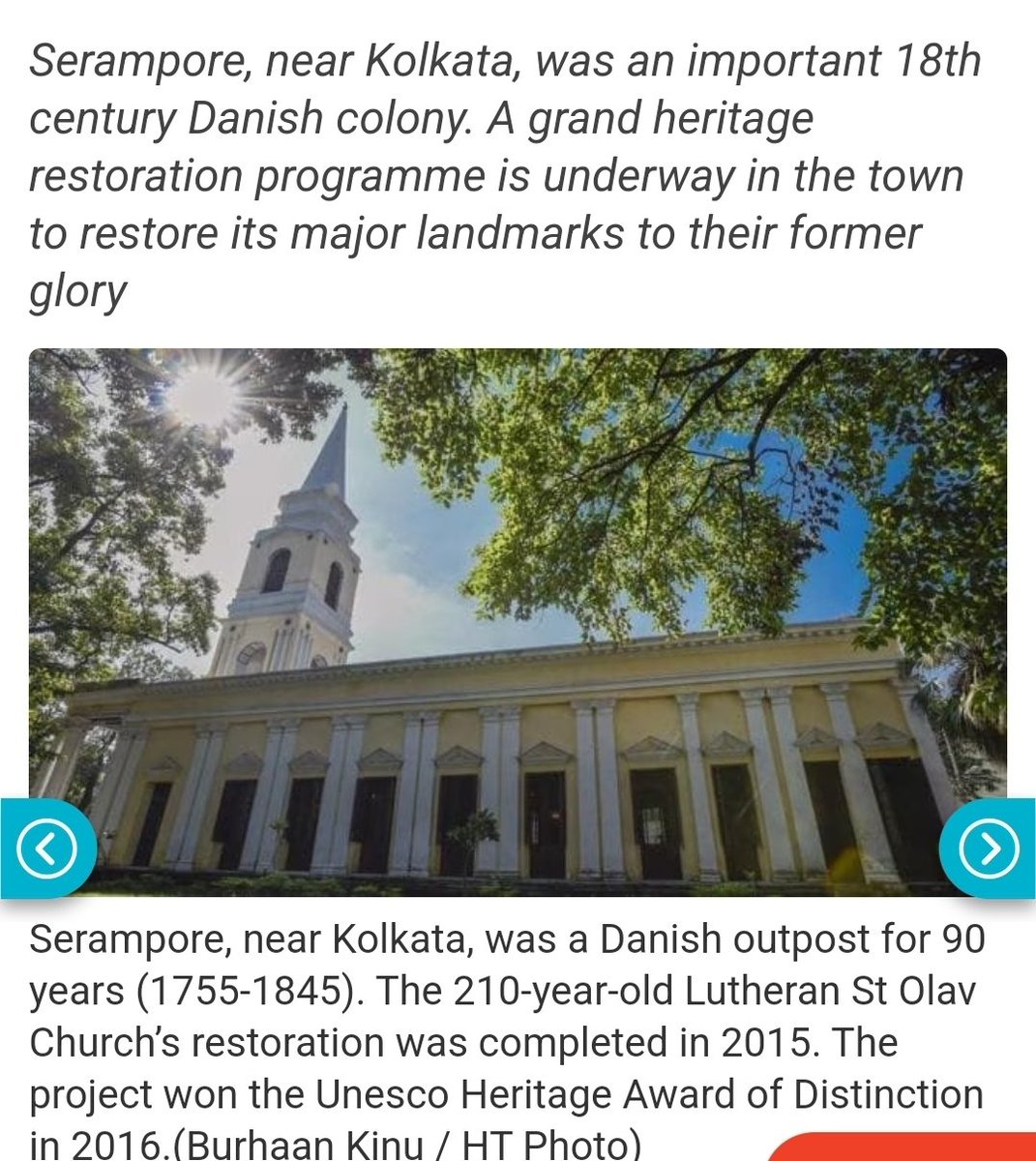
Danes next established their settlement in Serampore in Bengal. It was called Fredricksnagor after King Fredrick V of Denmark. This is where one of the earliest printing presses of India was established by missionaries. This printing press also printed the first map of India. 9/n

The Danish settlements didn't last for very long after they suffered losses in the war in Europe. Now however Danish culture ministry is restoring the buildings from that time in Tranqebar and Serampore. 10/n
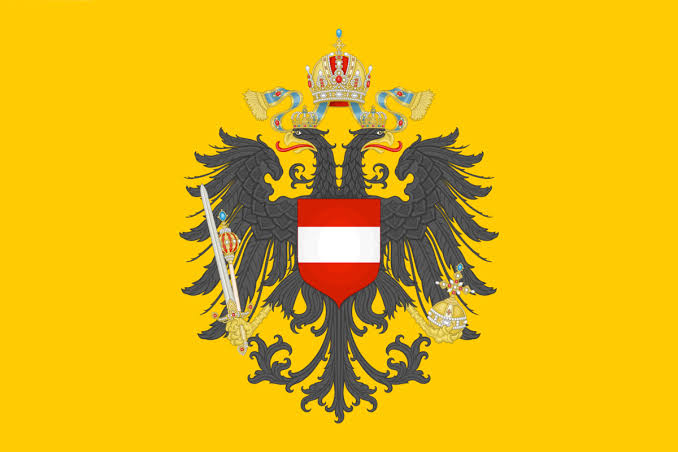
Another European power meanwhile was missing out on trading with India. In the region of erstwhile Austria-Netherlands which is present day Belgium, Ostend company was formed by Flemish traders to trade with India. 11/n

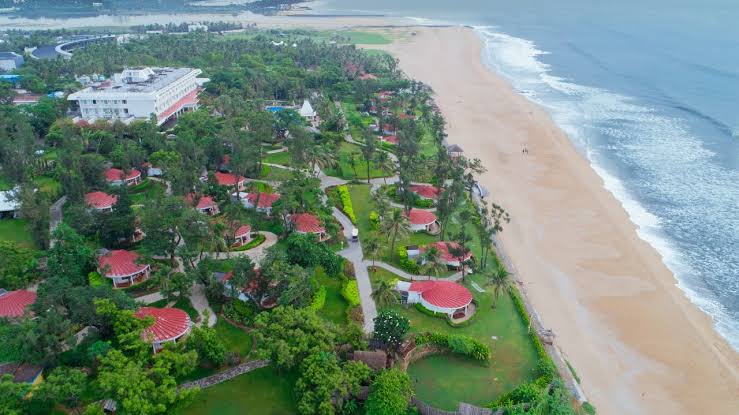
They purchased land from Nawab Saadat of Arcot near Kovalam. It was called Cabelon in Flemish tongue. They built a fort and a factory there. In 1731 , Ostend was shut down after losses of Austrians in Europe.
Taj Fisherman's Cove is built on the ruins of that Belgian fort. 12/n
Taj Fisherman's Cove is built on the ruins of that Belgian fort. 12/n
Later Austrians made a colony for a short while in Nicobar Islands. But they had to abandon it due to outbreak of malaria.
The history of European colonial of India is filled with such extraordinary trivia. Even Sweden had a Swedish East India company at one point of time!
A
The history of European colonial of India is filled with such extraordinary trivia. Even Sweden had a Swedish East India company at one point of time!
A
Loading suggestions...