

Liquidity 01
A Thread.
Spot the hidden gem
#30DaysOfTAWithCyrus
A Thread.
Spot the hidden gem
#30DaysOfTAWithCyrus
What is Liquidity?
In the simplest way possible, liquidity is a measure of the ease of ability to enter and exit a
market at the desired price based on the number of buyers (bids) and sellers (asks/offers) in that
market, without creating a major impact on the same market.
In the simplest way possible, liquidity is a measure of the ease of ability to enter and exit a
market at the desired price based on the number of buyers (bids) and sellers (asks/offers) in that
market, without creating a major impact on the same market.
The primary objectives of the market marker in respect to liquidity are;
To make a market by buying and selling from their own inventory, when public orders to buy or
sell the assets are absent.
To keep the market book of orders, consisting of limited orders to buy and sell,
To make a market by buying and selling from their own inventory, when public orders to buy or
sell the assets are absent.
To keep the market book of orders, consisting of limited orders to buy and sell,
as well as stop
orders placed by the general market participants.
A financial asset is regarded as having a high level of liquidity when you can easily buy or sell it,
and there is a significant amount of trading activity for that asset.
orders placed by the general market participants.
A financial asset is regarded as having a high level of liquidity when you can easily buy or sell it,
and there is a significant amount of trading activity for that asset.
Generally, if you understand these two points, you will know how the big boys make fakeouts
and induce retail traders to fake moves. Check the charts below.
and induce retail traders to fake moves. Check the charts below.
So, who do you think are the liquidity providers?
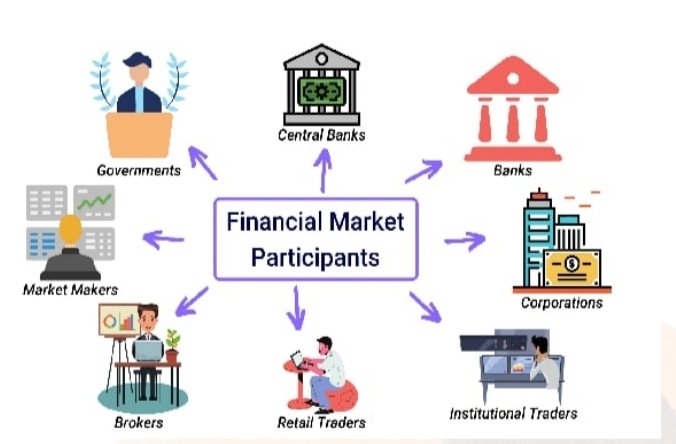
Liquidity providers are market participants including;
Commercial banks such as Citibank, Deutsche Bank, Societe Generale, Union Bank of
Switzerland and HSBC
Liquidity providers are market participants including;
Commercial banks such as Citibank, Deutsche Bank, Societe Generale, Union Bank of
Switzerland and HSBC
Central Banks
● Investment Firms
● Retail Forex Brokers
● Speculators
● Algorithmic Traders
● Investment Firms
● Retail Forex Brokers
● Speculators
● Algorithmic Traders
Types of Market Liquidity
a) Buy Stops Liquidity [BSL]
The BSL is a pool of Buy Stop orders with their respective Stop Losses.
When BSL is taken out (Buy Stops activated), the market reverses to the downside (clearing the
Stop Loss orders).
a) Buy Stops Liquidity [BSL]
The BSL is a pool of Buy Stop orders with their respective Stop Losses.
When BSL is taken out (Buy Stops activated), the market reverses to the downside (clearing the
Stop Loss orders).
Where to spot BSL?
● Previous Month High [PMH]
● Previous Week High [PWH]
● Previous Day High [PDH]
● High of Day [HOD]
● Old High/Swing High
Equal Highs [EQH]/Resistance
● Previous Month High [PMH]
● Previous Week High [PWH]
● Previous Day High [PDH]
● High of Day [HOD]
● Old High/Swing High
Equal Highs [EQH]/Resistance
![Where to spot BSL?
● Previous Month High [PMH]
● Previous Week High [PWH]
● Previous Day High [PDH]...](https://pbs.twimg.com/media/Fb_9qUTX0AQrb82.jpg)
b) Sell Stops Liquidity [SSL]
The SSL is a pool of Sell Stop orders with their respective Stop Losses.
When SSL is taken out (Sell Stops activated), the market reverses to the UPside (clearing the
Stop Loss orders).
The SSL is a pool of Sell Stop orders with their respective Stop Losses.
When SSL is taken out (Sell Stops activated), the market reverses to the UPside (clearing the
Stop Loss orders).
Where to spot SSL?
● Previous Month Low [PML]
● Previous Week Low [PWL]
● Previous Day Low [PDL]
● High of Day [HOD]
● Old Low/Swing Low
● Equal Low [EQL]/Support
● Previous Month Low [PML]
● Previous Week Low [PWL]
● Previous Day Low [PDL]
● High of Day [HOD]
● Old Low/Swing Low
● Equal Low [EQL]/Support
![Where to spot SSL?
● Previous Month Low [PML]
● Previous Week Low [PWL]
● Previous Day Low [PDL]
● H...](https://pbs.twimg.com/media/Fb_9rBAWAAAKV4p.jpg)
Trading Liquidity (Sharp Entry Setup)
So, when do we trade liquidity?
Spotting liquidity at the right place and at the right time is essential for your trading setup.
So, when do we trade liquidity?
Spotting liquidity at the right place and at the right time is essential for your trading setup.
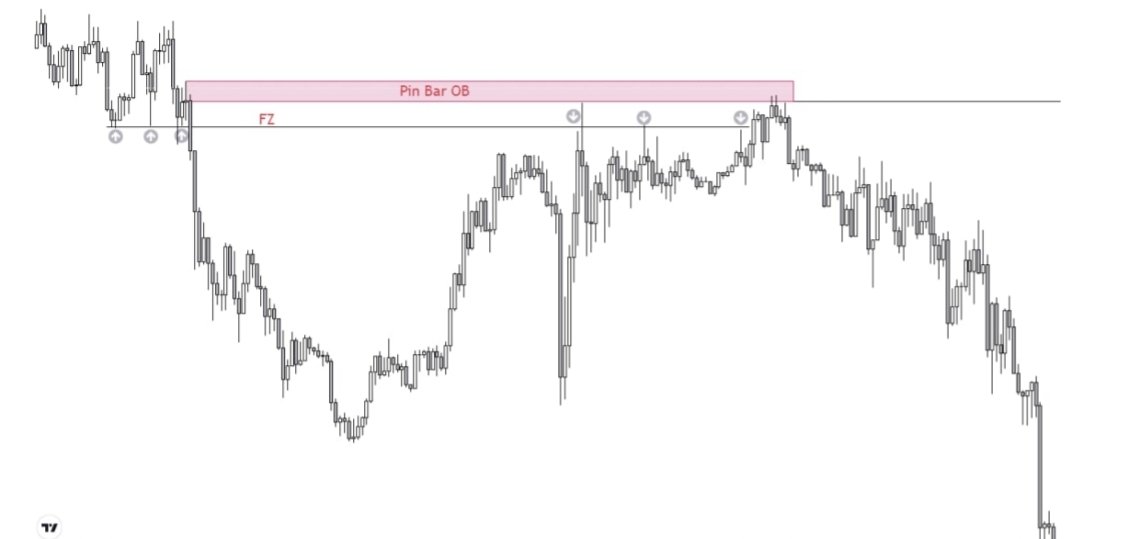
Liquidity inducement
Liquidity inducement is a trap of liquidity before the Supply or Demand Zone. Price will
[mostly] lure impatient traders (buyers or sellers) into the market before the zone is met to create
liquidity. Once the impatient traders get trapped and stopped out,
Liquidity inducement is a trap of liquidity before the Supply or Demand Zone. Price will
[mostly] lure impatient traders (buyers or sellers) into the market before the zone is met to create
liquidity. Once the impatient traders get trapped and stopped out,
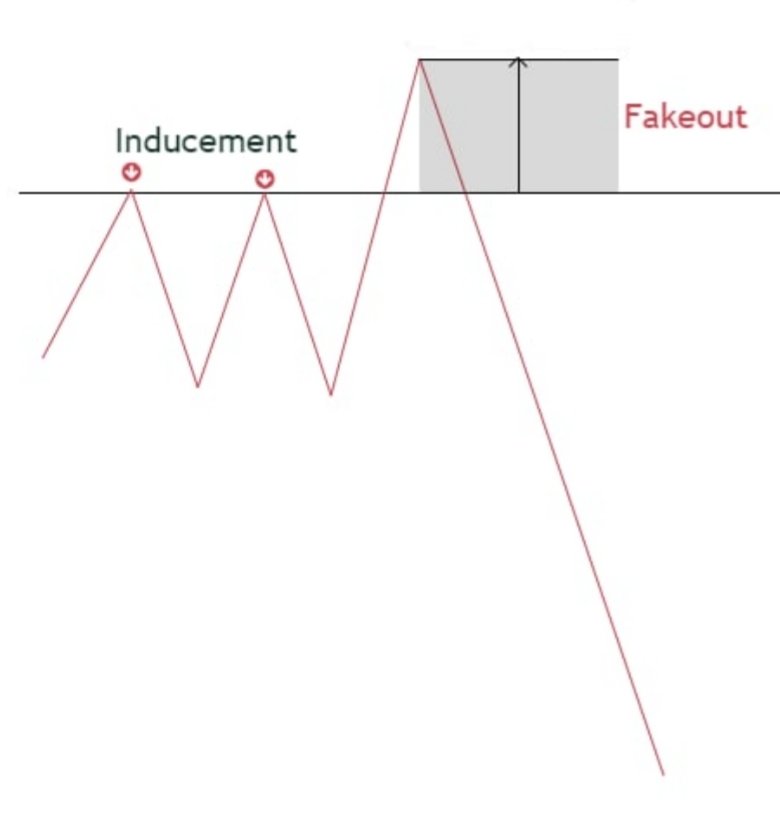
The true movement begins.
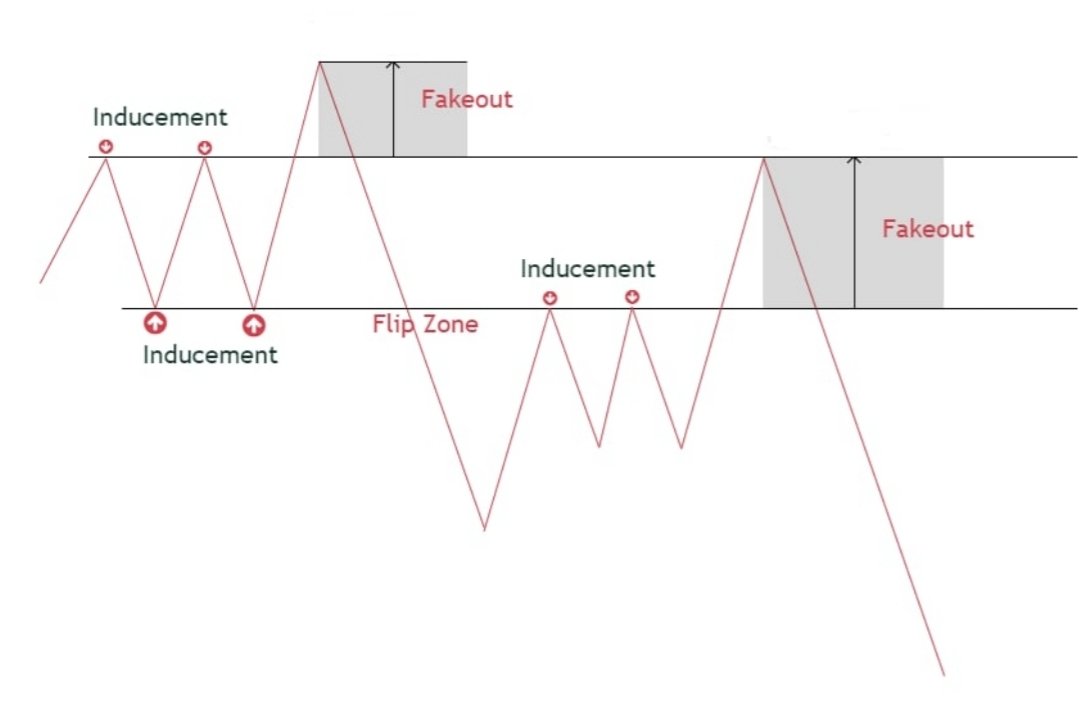
So, if price approaches your HTF key zone, it's possible to switch to LTF and spot these liquidity
inducement setup patterns.
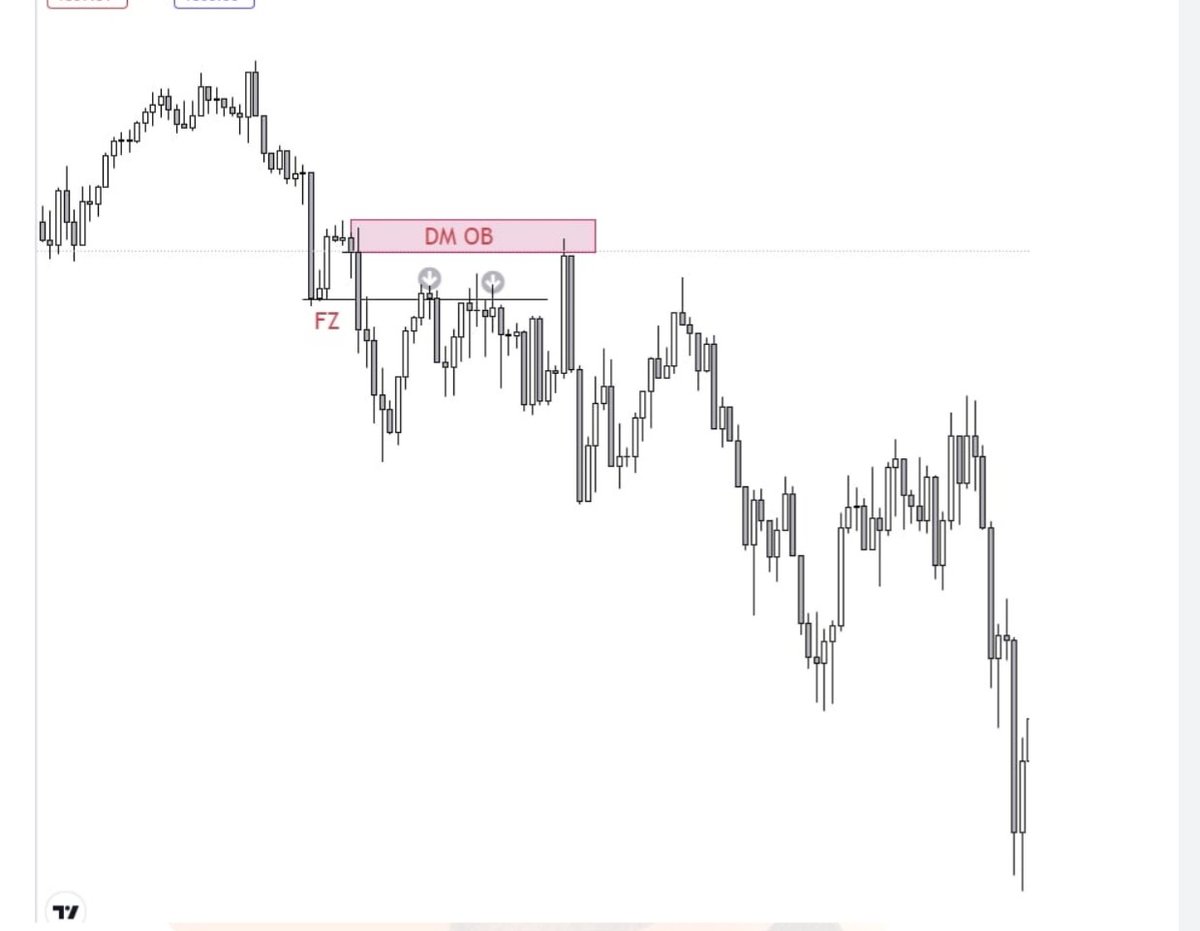
The most essential thing to understand here is you need to be keen when spotting these
inducements...I like it when it happens near the Flip Zone,
inducement setup patterns.
The most essential thing to understand here is you need to be keen when spotting these
inducements...I like it when it happens near the Flip Zone,
whether the market is reversing or
making continuation.
making continuation.
Conclusion
Liquidity affects market volatility and, although volatility can be a friend or foe, a certain level
of volatility is necessary for trading opportunities. Illiquidity can lead to wild price swings and
unmanageable fluctuations.
Liquidity affects market volatility and, although volatility can be a friend or foe, a certain level
of volatility is necessary for trading opportunities. Illiquidity can lead to wild price swings and
unmanageable fluctuations.
To be a successful trader, it is important to manage the risk and volatility. Getting a grasp of
these two factors starts with understanding liquidity.
these two factors starts with understanding liquidity.
Like.
Retweet.
Someone on your tl needs it.
@CryptoDefiLord @Rekt_Dao @kachi_CRYPTO @cryptobaddie1 @_Krypto_Khan @Alh_Myke1
Retweet.
Someone on your tl needs it.
@CryptoDefiLord @Rekt_Dao @kachi_CRYPTO @cryptobaddie1 @_Krypto_Khan @Alh_Myke1
Loading suggestions...