

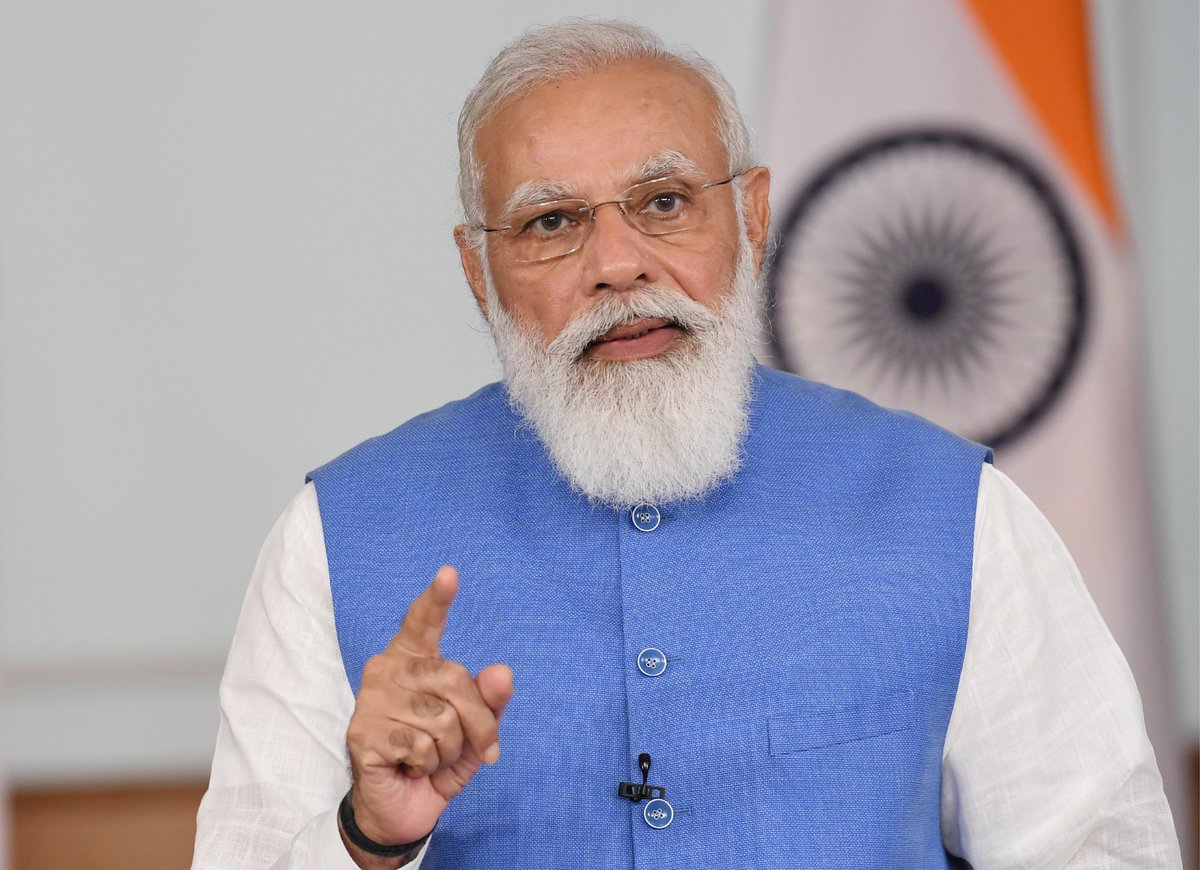
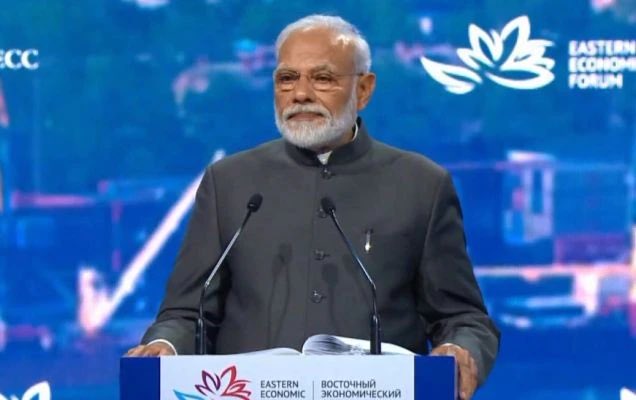
🇷🇺🇮🇳 Indian Prime Minister is set to give a video address to the Eastern Economic Forum in Vladivostok tomorrow.
Now is a good opportunity to take a closer look at India’s interest in the Russian Far East, a resource-wealthy but underdeveloped region. 🧵
Now is a good opportunity to take a closer look at India’s interest in the Russian Far East, a resource-wealthy but underdeveloped region. 🧵
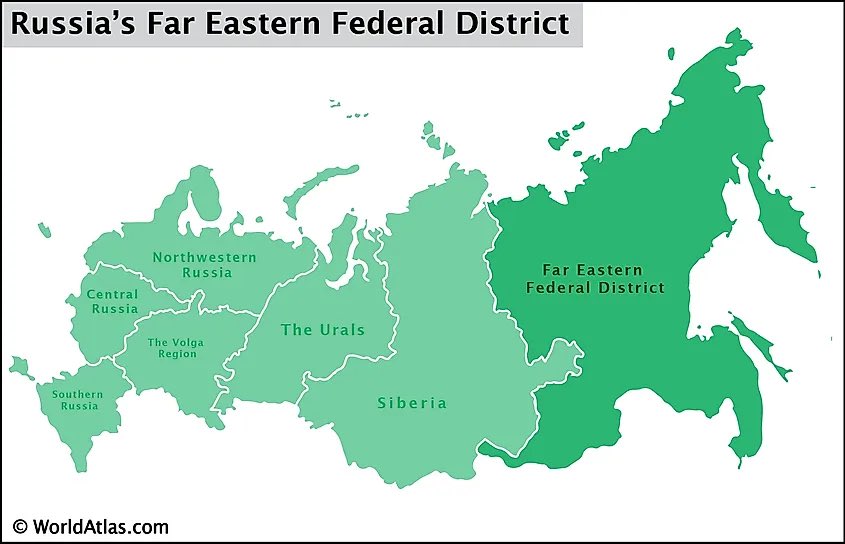
First, a bit of background on the Russian Far East. The Far Eastern Federal District is the largest of Russia’s federal districts, accounting for over 40% of the country’s landmass. The region is also home to vast oil, gas, coal, mineral, and timber reserves.
Despite this natural resource wealth, however, the Russian Far East contributes only about 5% to Russia’s GDP and has lower living standard standards than the rest of the country. The region has also suffered from substantial depopulation since collapse of the USSR.
For the past decade, the Kremlin has sought to revitalize the Far East by establishing special economic zones in the region, launching multibillion dollar mega-projects, and even offering Russians free land in the region.
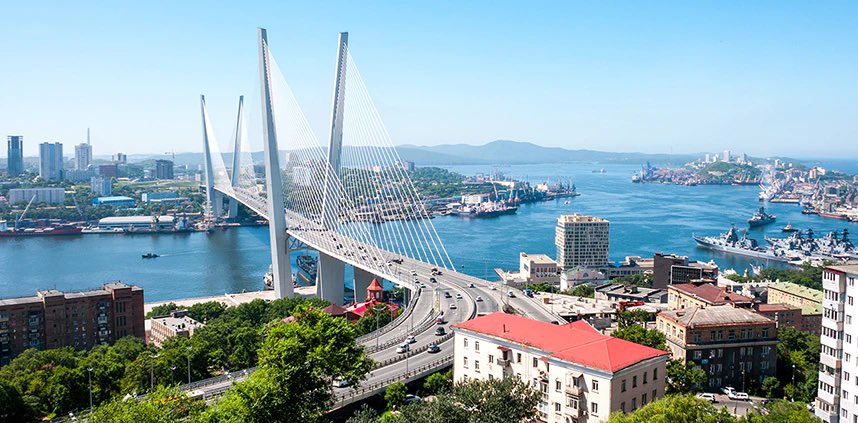
Now let’s return back to India. Although India was the first country to open a consulate in Vladivostok after the collapse of USSR, it maintained a low economic profile in the Far East. Only significant investment was purchasing a 20% share in Sakhalin 1 project in the 90s.
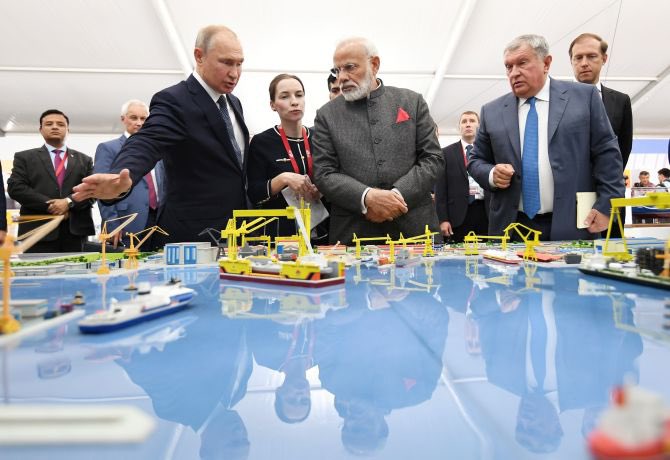
That began to change in 2019, when Modi attended the Eastern Economic Forum. Two major developments came out of that visit: 1) Modi announced that India would provide a $1 billion loan to help aid the Russian Far East’s economic development.
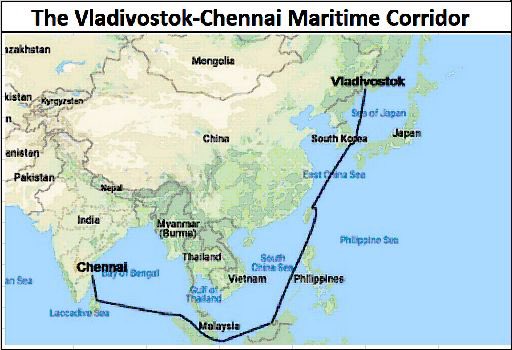
2) Russia and India signed a memorandum to establish a direct maritime corridor between Vladivostok and Chennai. The new sea route was expected to cut the shipping time for goods between Russia and India to 24 days, versus 40 days via a European route.
Just months after these ambitious plans were announced, however, COVID-19 swept over the world. This unsurprisingly delayed both initiatives.
Yet New Delhi continued to express interest in the Far East and even tried to bring Japan on board.
theprint.in
Yet New Delhi continued to express interest in the Far East and even tried to bring Japan on board.
theprint.in
Fast forward to 2022: Russia sends troops into Ukraine, the West sanctions Russia, and India goes on a buying spree for heavily discounted Russian oil.
Much of this oil is coming the Russian Far East, a market China has traditionally dominated.
bloomberg.com
Much of this oil is coming the Russian Far East, a market China has traditionally dominated.
bloomberg.com
There are some signs that India could further increase its footprint in the Far Eastern oil market. Last month, an Indian delegation visited Moscow to discuss greater energy cooperation with Russia in the Far East (and the Arctic). energy.economictimes.indiatimes.com
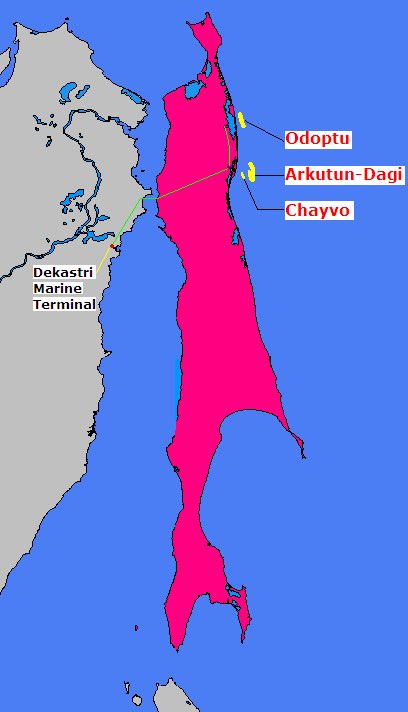
The exit of Western energy companies could provide an opportunity for their Indian counterparts to fill the void. For example, India’s ONGC reportedly wants to buy Exxon’s 30 % stake in Sakhalin-1 and Shell’s 27.5 % stake in the Sakhalin-2 project.
neftegazru.com
neftegazru.com
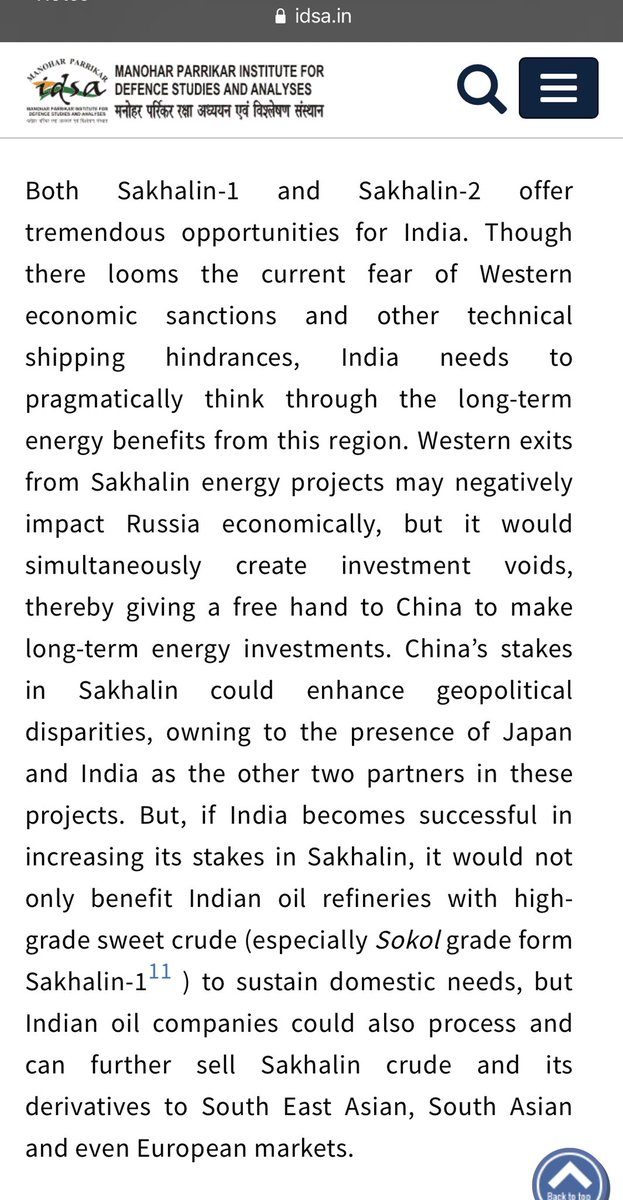
Based on the reporting we have so far, the top priority for the Indian delegation at the Eastern Economic Forum will be to expand energy ties with the Russian Far East.
Will be interesting to see if anything about Sakhalin-1 or Sakhalin-2 comes up. wap.business-standard.com
Will be interesting to see if anything about Sakhalin-1 or Sakhalin-2 comes up. wap.business-standard.com
I also think that we could see some discussions about resurrecting the Vladivostok-Chennai corridor. Since Russian-Indian trade is on the rise, getting the proper logistics in place will help both sides to reduce costs.
That’s all I have to say for now. I will update this thread following Modi’s speech at the Eastern Economic Forum and once we have more info about what negotiations the Indian delegation is holding there.
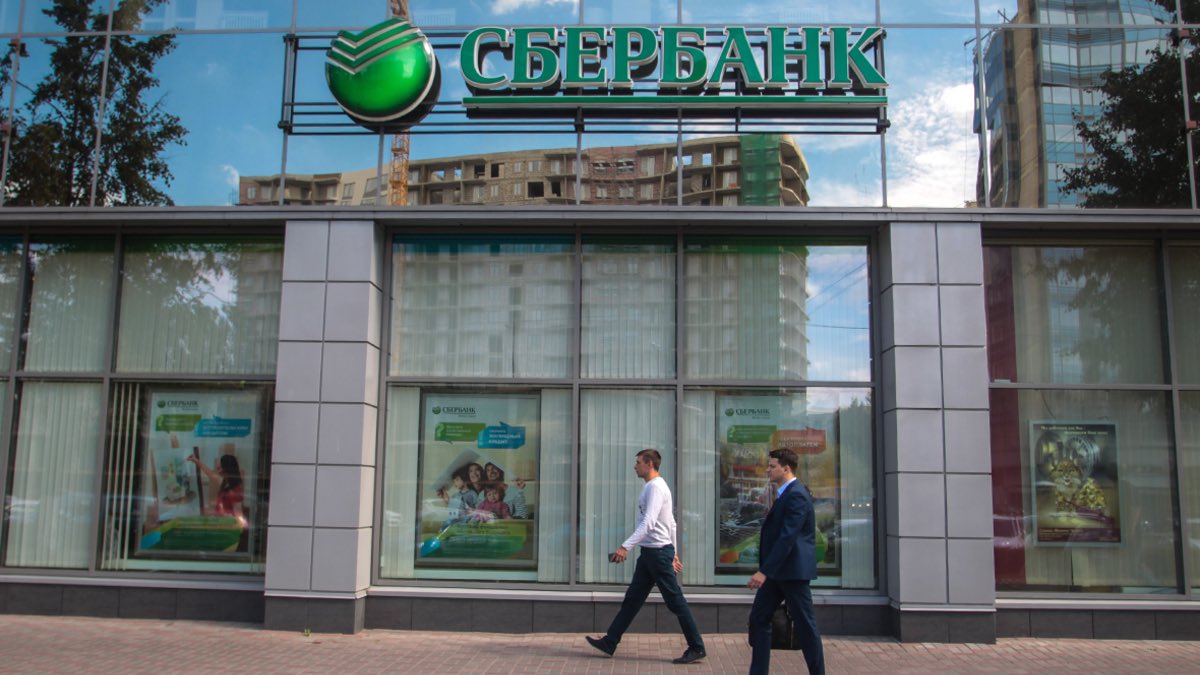
🇷🇺🇮🇳 Sberbank, Russia’s largest bank, will open a new office in India next year.
Having a greater presence on the ground in India will make it easier for Sberbank to facilitate cross-border settlements between Russia and India.
Having a greater presence on the ground in India will make it easier for Sberbank to facilitate cross-border settlements between Russia and India.
جاري تحميل الاقتراحات...