

Covid and WW I have a lot of parallels:
✅ A quick victory was expected, but didn't happen
✅ The same ineffective strategy (mass waves) was used, generals were too stubborn to change course
✅ Leaders were completely incapable of adapting to new information.
more in this 🧵...
✅ A quick victory was expected, but didn't happen
✅ The same ineffective strategy (mass waves) was used, generals were too stubborn to change course
✅ Leaders were completely incapable of adapting to new information.
more in this 🧵...
War descended on Europe in 1914 like a whirlwind; once the machine set in motion, the logic of inevitability made it difficult to stop. Both sides rushed in assuming victory would be quick, and neither planned for a protracted war.
theatlantic.com
theatlantic.com
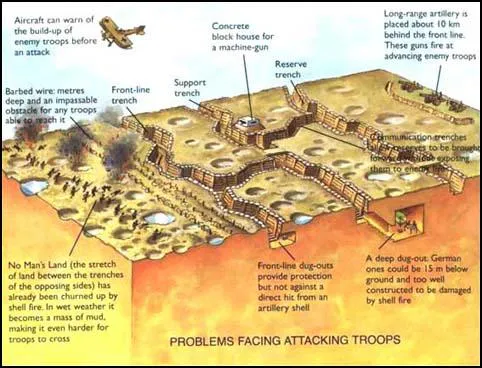
The war was a disaster for an entire generation of young men. With little planning, millions were thrown in front of relentless machine gun and artillery fire. Strategy barely evolved from mass-charges against fortified enemy positions.
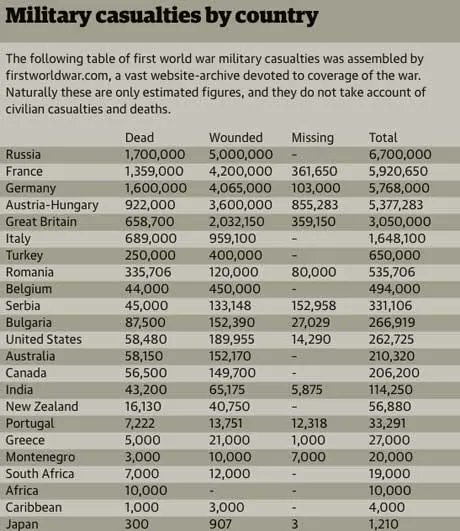
WW I and the US Civil War before it brought industrial level killing to warfare that was previously dominated by infantry and horse (cavalry) charges. Vast killing zones divided the two sides, with trenches and barbed wire and machine-gun placements. 16m died.
The 1916 Battle of the Somme was a particularly egregious example, 1m casualties for an advance of 6 miles. Passchendaele killed even more. Until tanks were deployed 1917 on, the torsos of millions of young men were thought to the best way to stop bullets
en.wikipedia.org
en.wikipedia.org
How does this compare to the current mess? We have millions dead from Covid, and we have yet to alter strategy. Like the generals in WW I, we assumed a quick win would come with vaccines. We could not process the fact victory did not come so easily, and have remained stuck...
We stuck to outdated dogma such as '6 ft distancing' and plexiglass. We drag our feet on new knowledge about ventilation and filtration. We instead throw waves of bodies at an illness hoping things will improve, but they don't.
I'm reminded of Field Marshall Douglas 'Butcher' Haig, the senior British commander. He started out as a Cavalry officer, where mass charges by horses would often be decisive in battles. Did he adapt to a new era of machine guns and artillery? Nope.
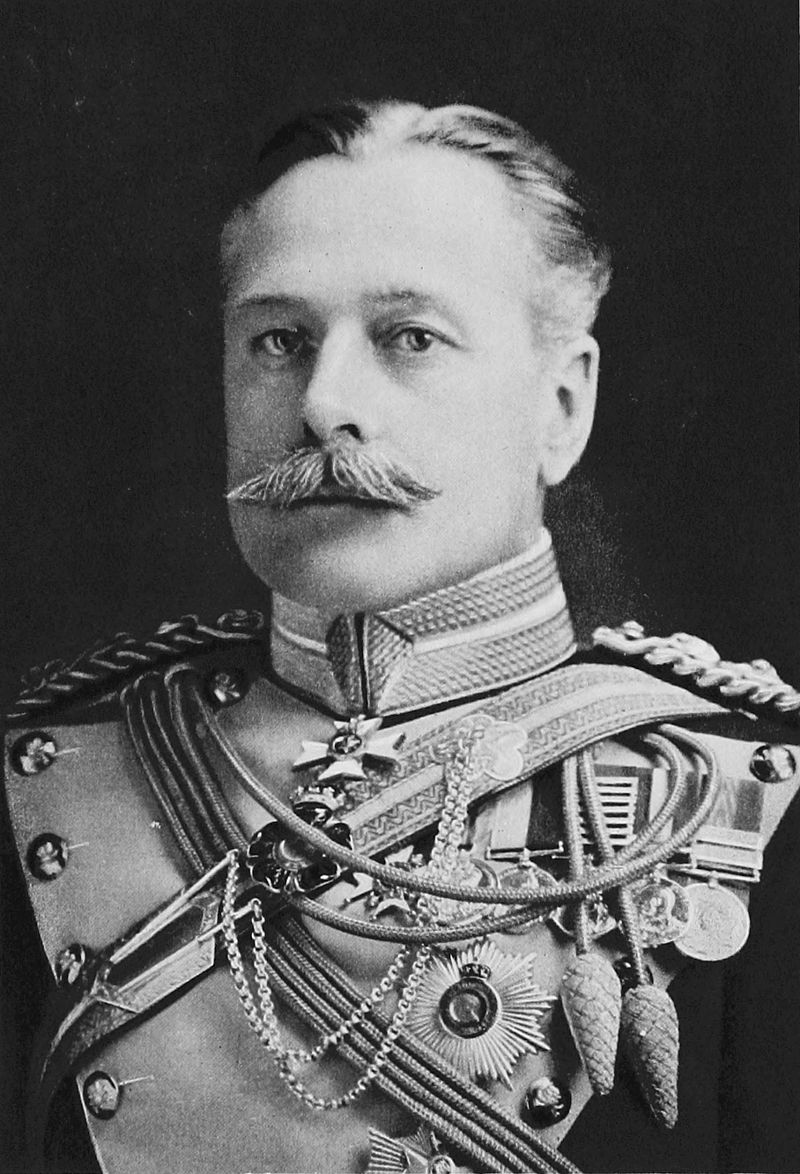
Instead he adopted his “attrition” strategy - throwing so many men and weapons and firepower at the enemy, that the enemy hopefully gives up from exhaustion. An entire generation of young men were destroyed in the process. britannica.com
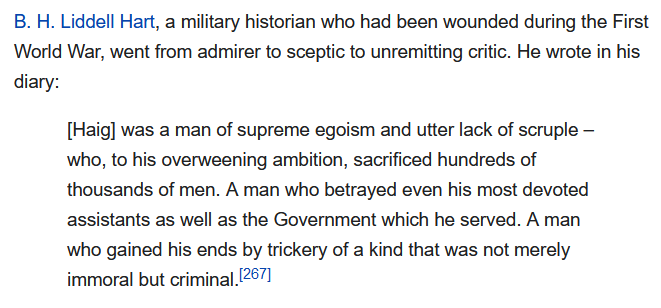
Haig rightfully faced heavy criticism after the war for the 2m dead on the British side. I wonder how many of our leaders could be described similarly now. When faced with a threat that requires new thinking, assimilating new knowledge, who doubled-down and who decided to adapt?
We also face a post-viral plague as did the survivors of the war, the post-WW I/Spanish Flu 'Encephalitis Lethargica' - the Long Covid of its time.
I can't imagine the traumas that generation went through a century ago, war, illness, depression, then war again. We see echoes of the rise of the fascists even now with the populists.
By not learning from our mistakes, by not decisively containing Covid, we risk it all again.
By not learning from our mistakes, by not decisively containing Covid, we risk it all again.
Loading suggestions...