
Books
Philosophy
Economics
Political ideologies
Book Review
Capitalism
Political theory
Book Recommendation
1/ Book Recommendation
"The Genius of the Beast: A Radical Re-Vision of Capitalism" by Howard Bloom
Bloom offers a radically different vision of Capitalism--he views it as a system that actually delivers solutions to the most participants in the market, something other
"The Genius of the Beast: A Radical Re-Vision of Capitalism" by Howard Bloom
Bloom offers a radically different vision of Capitalism--he views it as a system that actually delivers solutions to the most participants in the market, something other
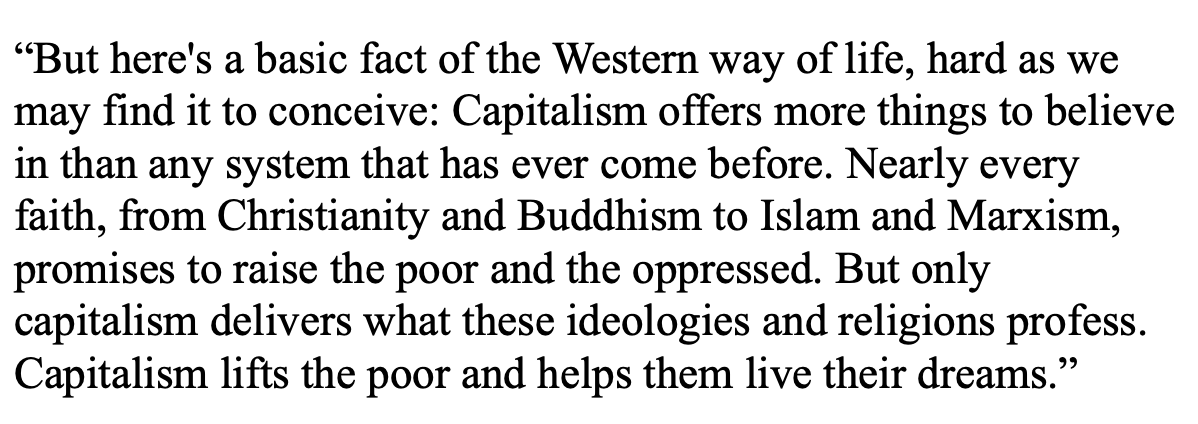
2/ political and economic ideologies always promise and almost never deliver.
Perhaps the secret sauce is that all emergence in complex, adaptive systems come from below, not from above. Many of the competing systems often rely on "wise people" making decisions for others
Perhaps the secret sauce is that all emergence in complex, adaptive systems come from below, not from above. Many of the competing systems often rely on "wise people" making decisions for others
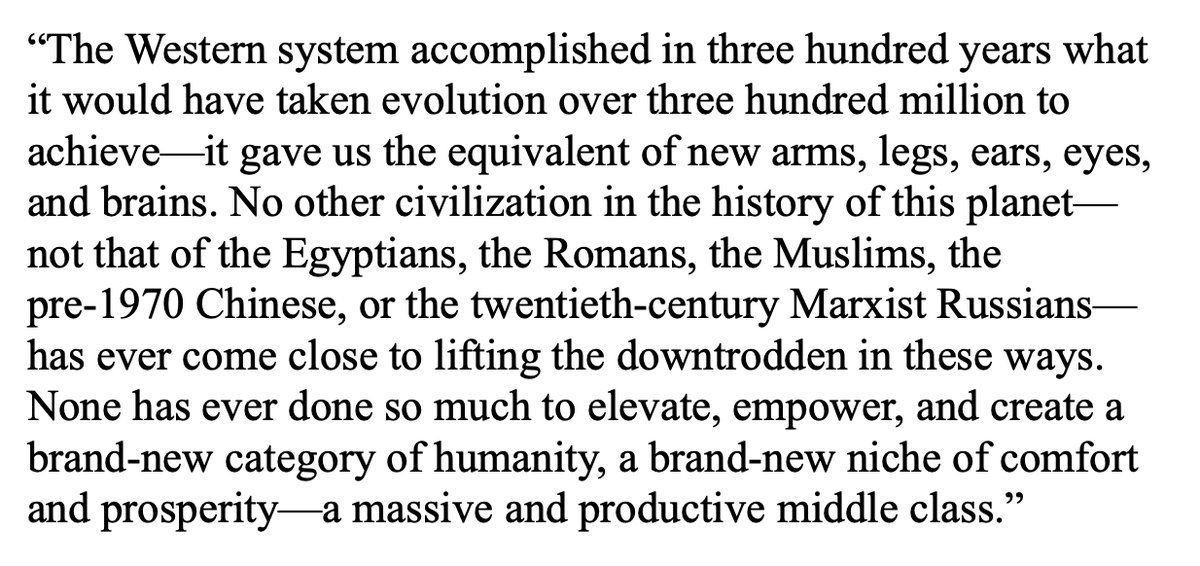
3/ but the historical record is fairly definitive that not only do these command and control systems not work, they're based on the flawed assumption that we can determine a priori *who* is wise and that their intentions are true and noble. History teaches that's a bad bet.
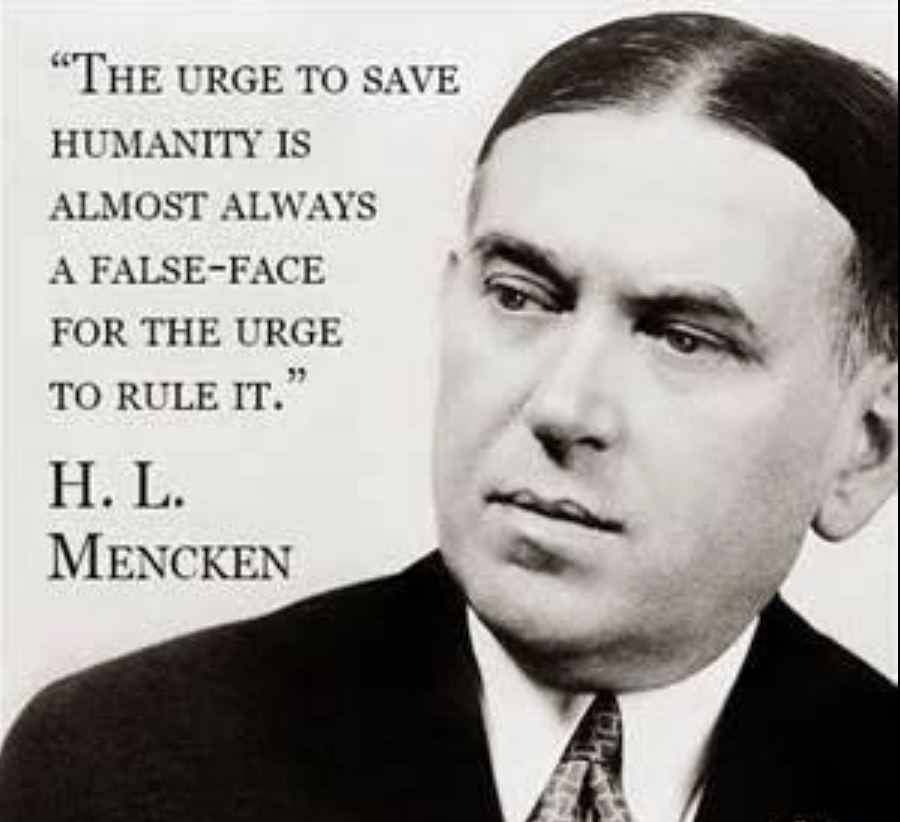
4/ Bloom argues persuasively that the reason capitalism works so well is *because* there are few external worthies with the power to compel people to do as they bid but rather an enormously complex system that tends to, through trial and error, get to the things people actually
5/ want.
The hard part is we rarely know ahead of time what that is. As my friend Rory Sutherland points out: "In fact the single greatest strength of free markets is their ability to generate innovative things whose popularity makes no sense." And then Rory makes the point
The hard part is we rarely know ahead of time what that is. As my friend Rory Sutherland points out: "In fact the single greatest strength of free markets is their ability to generate innovative things whose popularity makes no sense." And then Rory makes the point
6/ that aligns with the central thesis in Bloom's book. Here's Rory's insight: "The human mind does not run on logic any more than a horse runs on petrol."
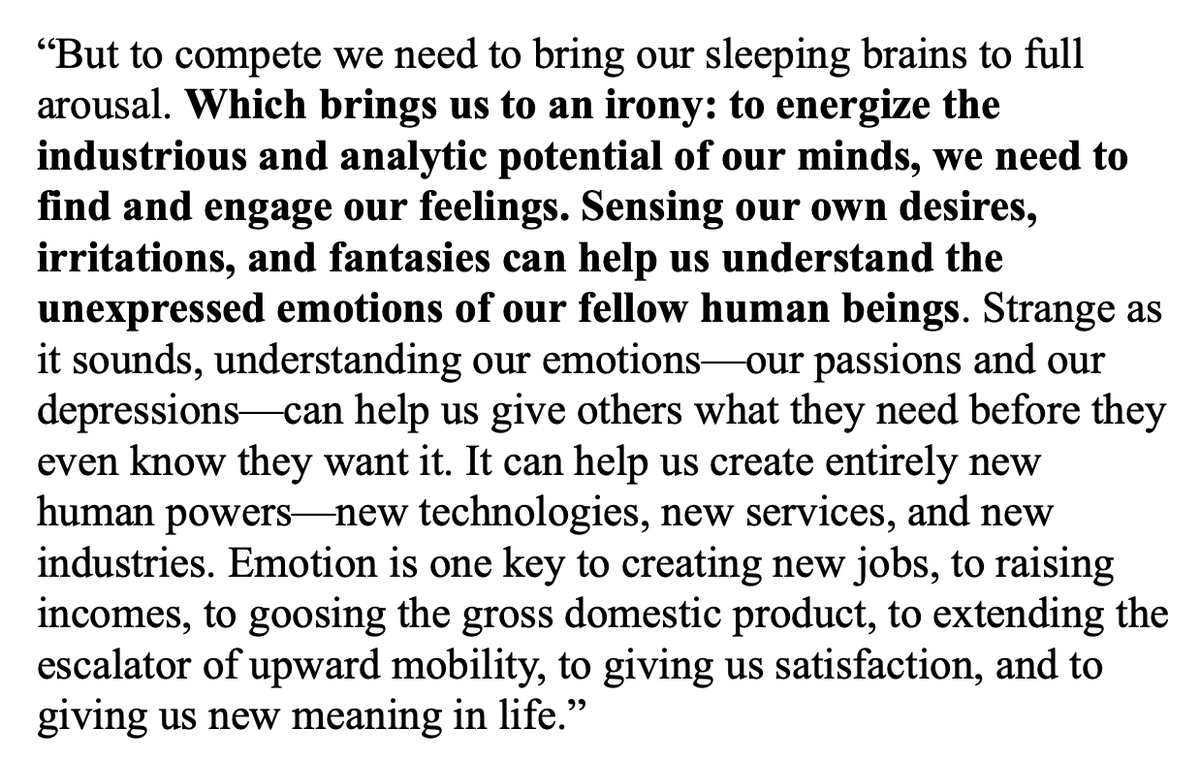
Bloom makes the point that what markets truly run on is our desires and emotions.
Here's Bloom:
Bloom makes the point that what markets truly run on is our desires and emotions.
Here's Bloom:
7/ This makes sense.
I have a degree in Economics (No help with the various businesses I've started) and a new school of thought was emerging at that time because of the utter failures of the econometric models of the 50s and 60s. The radical notions of these new young turks?
I have a degree in Economics (No help with the various businesses I've started) and a new school of thought was emerging at that time because of the utter failures of the econometric models of the 50s and 60s. The radical notions of these new young turks?
8/ markets weren't emotionless automatons run flawlessly by robots.
They were, in fact, run by emotionally-driven people who sometimes make decisions based on them. But also, that when you CHANGED a big economic rule, people actually changed the way they behaved.
They were, in fact, run by emotionally-driven people who sometimes make decisions based on them. But also, that when you CHANGED a big economic rule, people actually changed the way they behaved.
9/ Oddly, the name of this brand new economic theory was "rational expectations" in that they posited that people behave rationally (we'll return to this) based on their previous experiences and the information available to them. They argued that, unlike the theories they sought
10/ to replace, a big change in something like tax rates would lead fairly immediately to people changing their behavior, investments and other economic activities.
Duh.
But it seemed revolutionary at the time, as earlier models had kept our old behavior constant. Meaning
Duh.
But it seemed revolutionary at the time, as earlier models had kept our old behavior constant. Meaning
11/ that under the old models, we were all NPCs who would keep doing EXACTLY the same things we did before the policy poobahs doubled taxes. (🤦🏻♂️) Of course the new theory was correct, people changed their behaviors based on the NEW policies, sometimes drastically.

12/ but the economists simply assumed (Old joke punchline: "Assume we have a canopener") the changed behavior would be driven totally by rationality.
Even at the time I saw the flaw in this assumption and was given quite a nasty glare by the professor when I asked if these
Even at the time I saw the flaw in this assumption and was given quite a nasty glare by the professor when I asked if these
13/ theoreticians had ever met an actual human being.
While they were right about the changed behavior, they didn't contemplate that many of the changes would be made for emotional, not rational, reasons.
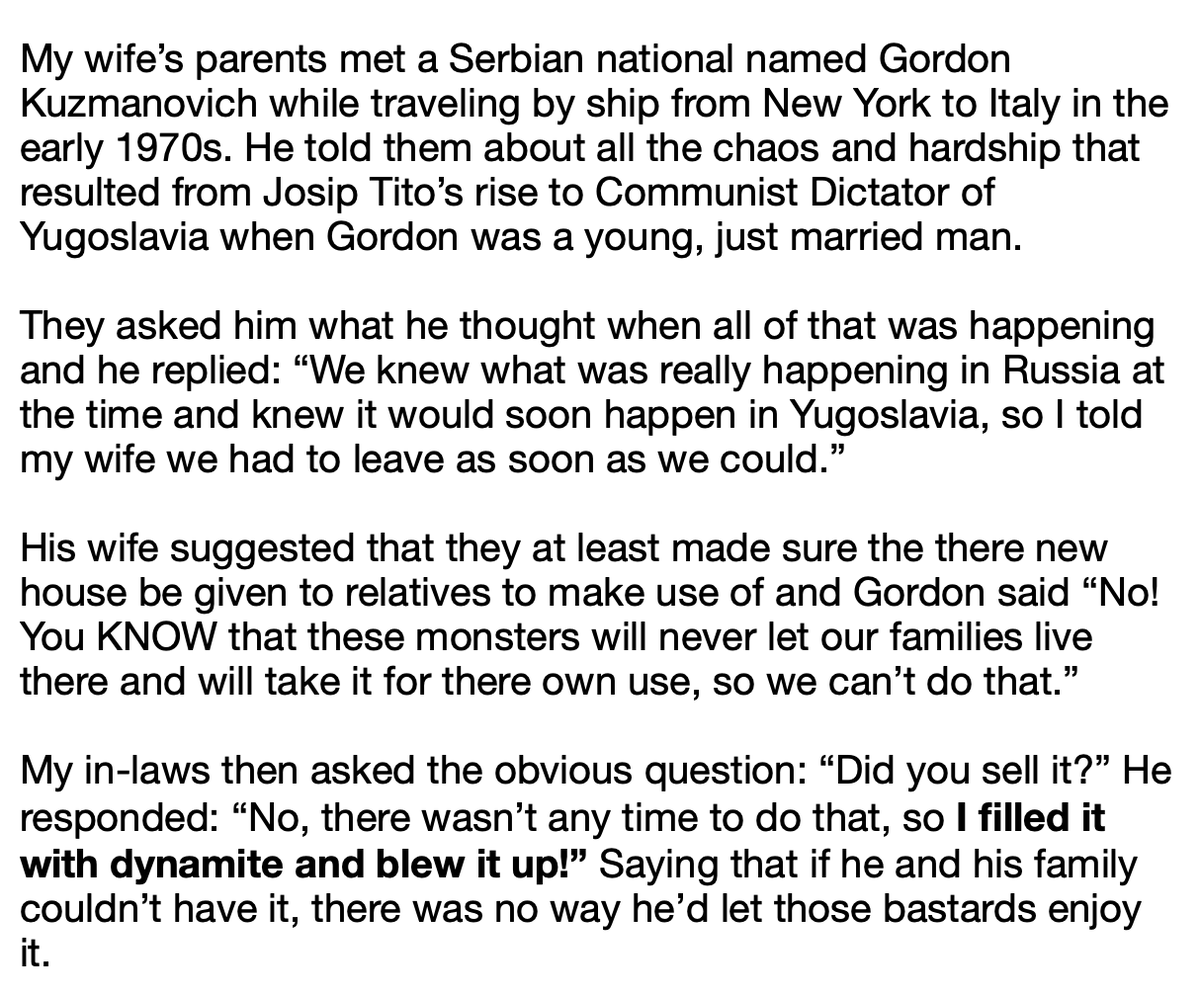
This story demonstrates how, um, emotional some people can get:
While they were right about the changed behavior, they didn't contemplate that many of the changes would be made for emotional, not rational, reasons.
This story demonstrates how, um, emotional some people can get:
14/ We're obviously a mix of rationality and emotion, but many of the things we like and buy like crazy have no discernable rational function, but rather sometimes just because they're fun and frivolous.
Here's Rory Sutherland again:
Here's Rory Sutherland again:
15/ "Our very perception of the world is affected by context, which is why the rational attempt to contrive universal, context-free laws for human behaviour may be largely doomed."
And I would add, it's about damn time, which is why I like this book:
And I would add, it's about damn time, which is why I like this book:
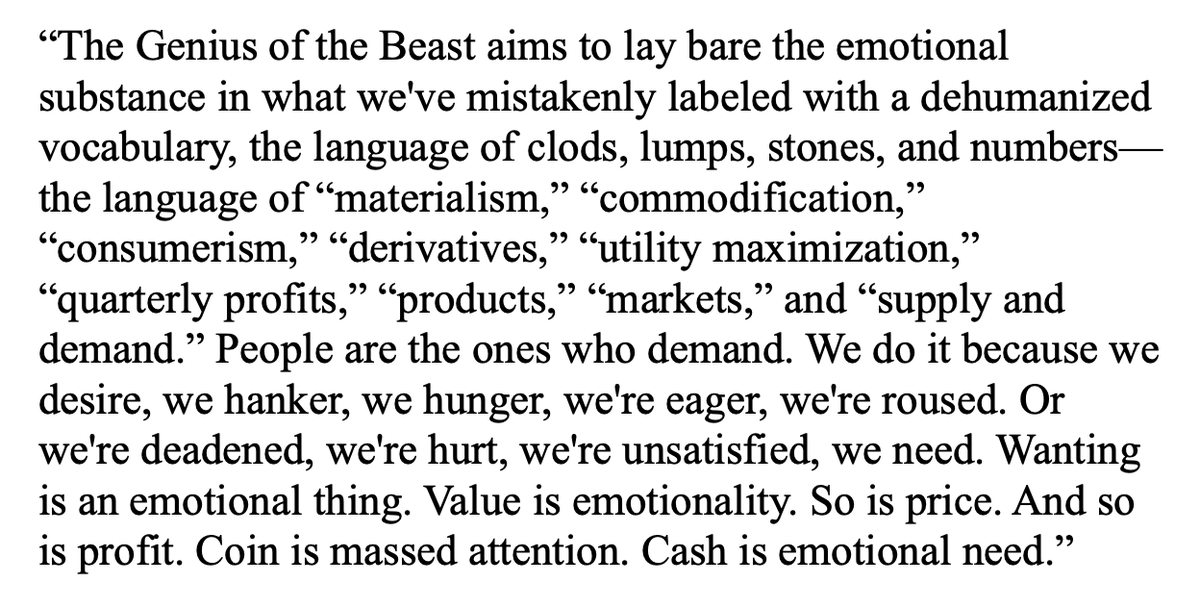
16/ The terms we give things guide how we think about those things. The antiseptic terms and jargon we use to talk about markets makes it hard for us to understand that, like everything in society, it is full-blooded, emotional and passionate people, as well as dull and drab
17/ methodical pennypinchers and every personality in between that make up the "market." It's a system *designed* by we humans to optimize, as best as the underlying structure we design can, our wants, needs, hopes and dreams.
Does it fail? Yes, constantly. But Bloom's book
Does it fail? Yes, constantly. But Bloom's book
18/ points us in the right direction. Instead of thinking of markets as some exogenous, abstract entities that suddenly appeared as if by creatio ex nihilo, we need to start understanding them as human creations designed to provide said humans with things they desire.
19/ By taking Bloom's guidance and expanding the way we *think* about markets, we can make them function better.
Will they be perfect? No. But I've never met a perfect human, and a bit of the creator is always found in his creation. But they CAN be improved through
Will they be perfect? No. But I've never met a perfect human, and a bit of the creator is always found in his creation. But they CAN be improved through
20/ error-correction and innovation. Bloom makes a solid case for why it's important to expand the scope of our analysis to include the way things actually *are*, rather than simply how we'd *like* them to be.
21/ Bloom also argues that free markets are consistent with the way we evolved and are literally an extension of our biology. He extends his theme to how studying things in the natural world, we can gain keen insights into our human creations.
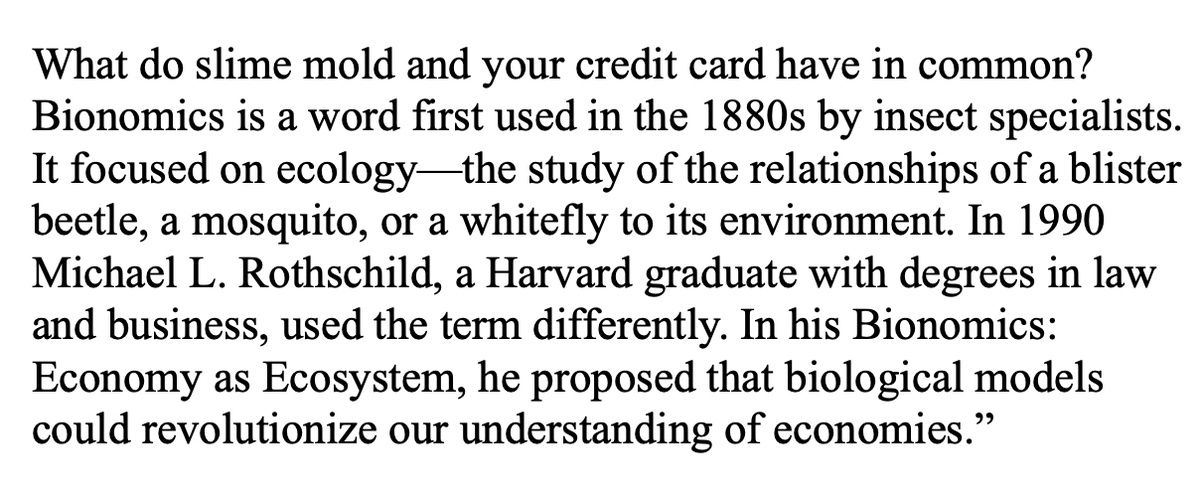
22/ Altogether, during this time of the Great Reshuffle, we should be thinking of new ways to think about and improve the systems of our creation.
To me, it's fairly obvious that a faceless group of bureaucrats picked by politicians wouldn't even be able to imagine an iPhone
To me, it's fairly obvious that a faceless group of bureaucrats picked by politicians wouldn't even be able to imagine an iPhone
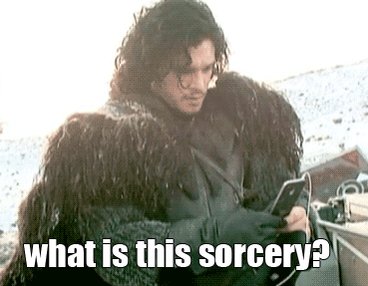
23/ Nor could they even imagine all of the additional innovations it would spawn.
They'd likely be guided by the precautionary principle and that almost always leads to stasis. Free markets are fluid, constantly changing, sometimes for the better, but not always.
They'd likely be guided by the precautionary principle and that almost always leads to stasis. Free markets are fluid, constantly changing, sometimes for the better, but not always.

24/ We're at an inflection point where many of the old models and ways of doing things are collapsing, being replaced by mostly better systems that liberate us as creators by giving us better tools. It's a perfect time to contemplate a radical rethinking of free markets.
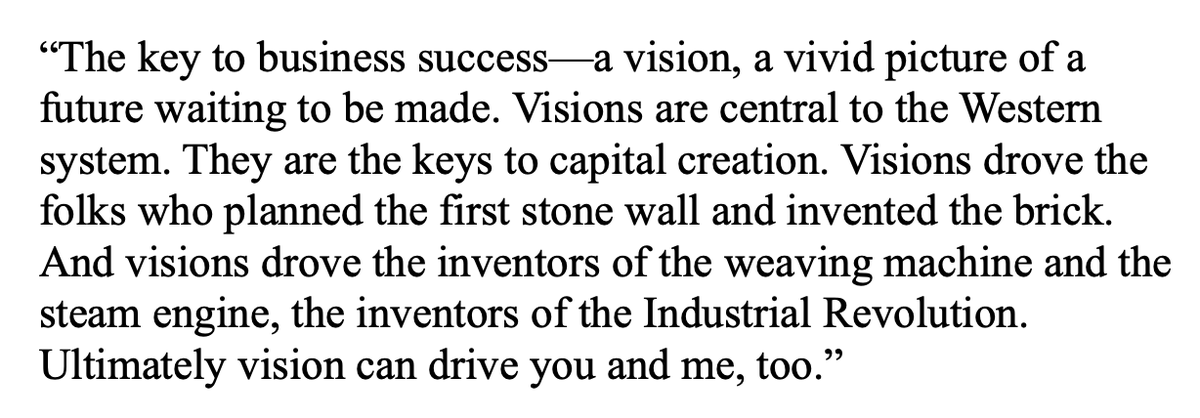
25/ Howard Blooms book will spark all sorts of new ideas in those who read it and we now have an intelligence network to combine our thoughts dramatically faster than in the past.
Even the bible says: "Where there is no vision, the people perish."
Let's not. Let's thrive.
Even the bible says: "Where there is no vision, the people perish."
Let's not. Let's thrive.
Loading suggestions...