

There is one marketing strategy I recommend more than any other. And I personally use it every week.
What is it? Turn bugs into features.
All the best marketers and salespeople do it. Here's how you can too:
What is it? Turn bugs into features.
All the best marketers and salespeople do it. Here's how you can too:
What does it mean to turn a bug into a feature?
In engineering, a bug is an error or defect. The joke is engineers will claim a bug is actually a feature.
That’s not always true w/software...
But in marketing, we actually can turn bugs into features via creative positioning.
In engineering, a bug is an error or defect. The joke is engineers will claim a bug is actually a feature.
That’s not always true w/software...
But in marketing, we actually can turn bugs into features via creative positioning.
Instead of rushing to change your product or lamenting your circumstances, you work with what you already have.
You increase perceived value by owning the narrative.
Here are a few examples:
You increase perceived value by owning the narrative.
Here are a few examples:
Simplehuman: Trash cans as status symbols
If you think your category is boring, try marketing trash cans.
Simplehuman turned a utilitarian category into a design-driven, luxury experience.
Some of their trash cans sell for over $150—and they have a cult following.
If you think your category is boring, try marketing trash cans.
Simplehuman turned a utilitarian category into a design-driven, luxury experience.
Some of their trash cans sell for over $150—and they have a cult following.

Avis: Turning #2 into the winner
In the 1960s, Hertz was the #1 rental company. Avis was the #2, which might as well have been the lowest ranking company.
Back then, it was embarrassing to market anything except being #1 in your category.
In the 1960s, Hertz was the #1 rental company. Avis was the #2, which might as well have been the lowest ranking company.
Back then, it was embarrassing to market anything except being #1 in your category.
But Avis said being ranked #2 was a feature, not a bug.
They messaged that #1 brands don’t try as hard. They rest on their laurels.
Because Avis was #2, they’d go the extra mile for you.
This frame shift caught customers’ attention and built trust in Avis.
They messaged that #1 brands don’t try as hard. They rest on their laurels.
Because Avis was #2, they’d go the extra mile for you.
This frame shift caught customers’ attention and built trust in Avis.

Ugly fruit: Defects into selling points
One-fifth of all fruit and vegetables are thrown out because of small imperfections.
This causes a lot of waste.
So a French supermarket turned a bug into a feature.
One-fifth of all fruit and vegetables are thrown out because of small imperfections.
This causes a lot of waste.
So a French supermarket turned a bug into a feature.
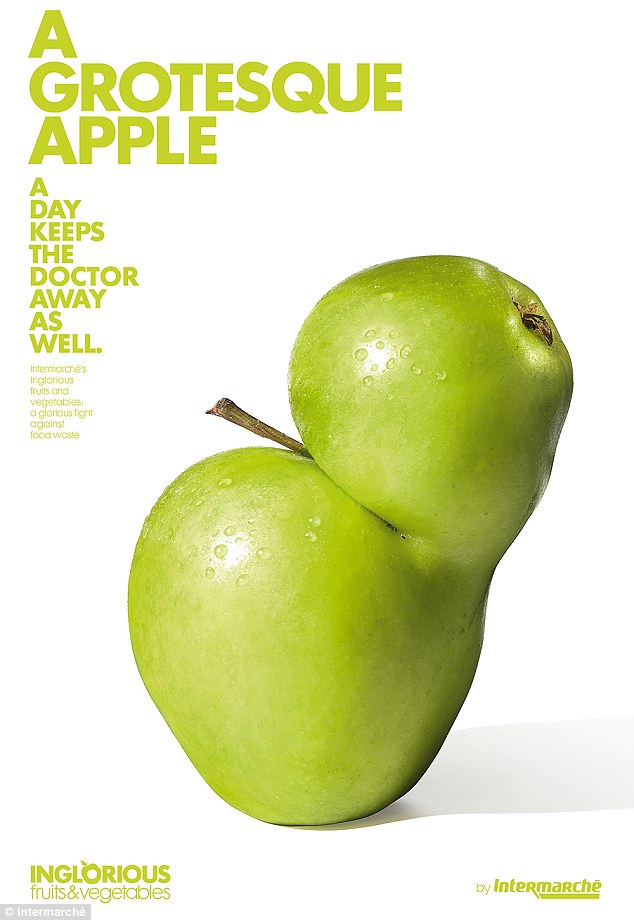
They marketed ugly fruit as quirky, irreverent, and bold.
This gave customers a story to tell when their friends came over & saw a weird potato or funky looking banana.
They repositioned a bug as a feature.
The ugly fruit was a hit and sold out faster than normal fruit.
This gave customers a story to tell when their friends came over & saw a weird potato or funky looking banana.
They repositioned a bug as a feature.
The ugly fruit was a hit and sold out faster than normal fruit.
Those were examples of how brands have turned bugs into features.
But how does this work for smaller organizations or individuals?
There are lots of opportunities to turn bugs into features in your daily work:
But how does this work for smaller organizations or individuals?
There are lots of opportunities to turn bugs into features in your daily work:
Bug 🚫: "Hey boss, I don't want to do X. I don't enjoy it."
Feature ✅: "I could do X. But it's not as highly leveraged & you mentioned wanting me to focus on Y. With Y, I could work on..."
Explain if your recommendation is a better way to drive the business--only if it’s true!
Feature ✅: "I could do X. But it's not as highly leveraged & you mentioned wanting me to focus on Y. With Y, I could work on..."
Explain if your recommendation is a better way to drive the business--only if it’s true!
Bug 🚫: "Ugh. Writing a 10 page proposal is a lot of work.”
Feature ✅: "I wouldn’t want you to have to read a 10 page proposal. How about I create a 1-page summary and we can go from there?”
Frame in terms of why it's better for the other person.
Feature ✅: "I wouldn’t want you to have to read a 10 page proposal. How about I create a 1-page summary and we can go from there?”
Frame in terms of why it's better for the other person.
Bug 🚫: "Your startup is too basic. Your product doesn't offer enough features."
Feature ✅: "We do one thing–and one thing only: Help you get X done.”
Is your product “too simple”?
Simplicity might be exactly the value proposition a certain type of customer is looking for.
Feature ✅: "We do one thing–and one thing only: Help you get X done.”
Is your product “too simple”?
Simplicity might be exactly the value proposition a certain type of customer is looking for.
Bug 🚫: "This is too complicated."
Feature ✅: "You get creative flexibility that goes beyond one-size-fits-all templates.”
If your product is “too complicated,” some customers want a comprehensive, heavy-duty product.
Feature ✅: "You get creative flexibility that goes beyond one-size-fits-all templates.”
If your product is “too complicated,” some customers want a comprehensive, heavy-duty product.
Bug 🚫: "This sucks because there are major quality control issues..."
Feature ✅: "These ceramics are hand-made, so each piece is unique and will have minor differences."
Turning bugs into features helps customers see “imperfections” in a positive light.
Feature ✅: "These ceramics are hand-made, so each piece is unique and will have minor differences."
Turning bugs into features helps customers see “imperfections” in a positive light.
To turn a bug into a feature, ask yourself:
1. What are you feeling sheepish about?
2. Is it something you can emphasize?
3. How could it be a selling point if you owned the framing?
When you have a constraint, don’t automatically downplay it. Turn a bug into a feature.
1. What are you feeling sheepish about?
2. Is it something you can emphasize?
3. How could it be a selling point if you owned the framing?
When you have a constraint, don’t automatically downplay it. Turn a bug into a feature.
Loading suggestions...