

In April, a team of cyberattackers attempted to breach an undersea cable off the coast of Hawaii.
The cable is part of a network that carries over 95% of the world’s data.
The attack is one of in a series of mysterious attacks on US infrastructure. Let's dig in.
The cable is part of a network that carries over 95% of the world’s data.
The attack is one of in a series of mysterious attacks on US infrastructure. Let's dig in.
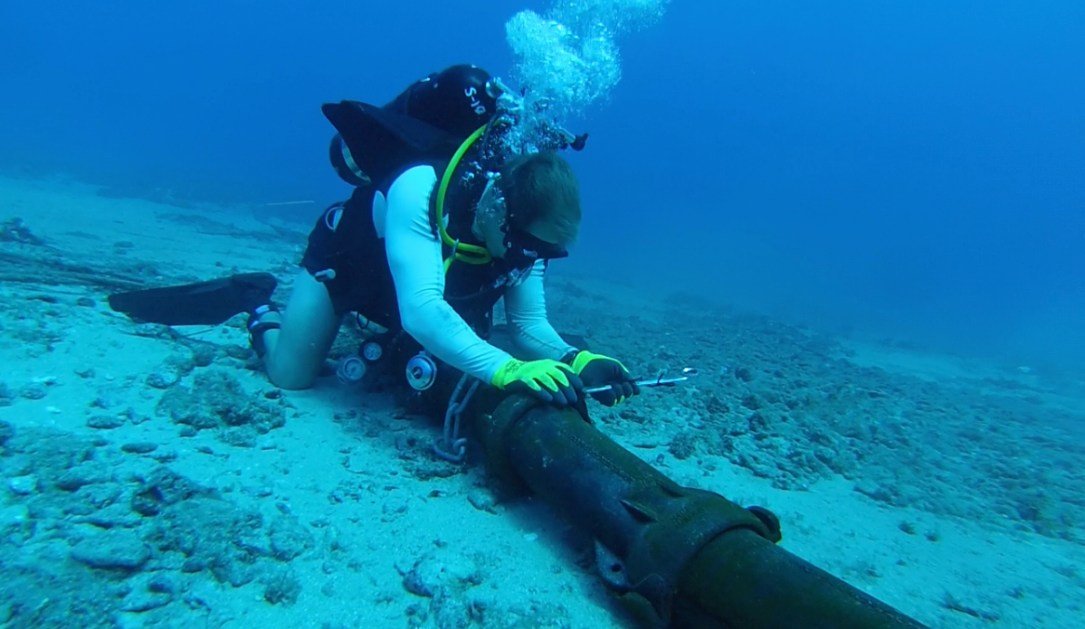
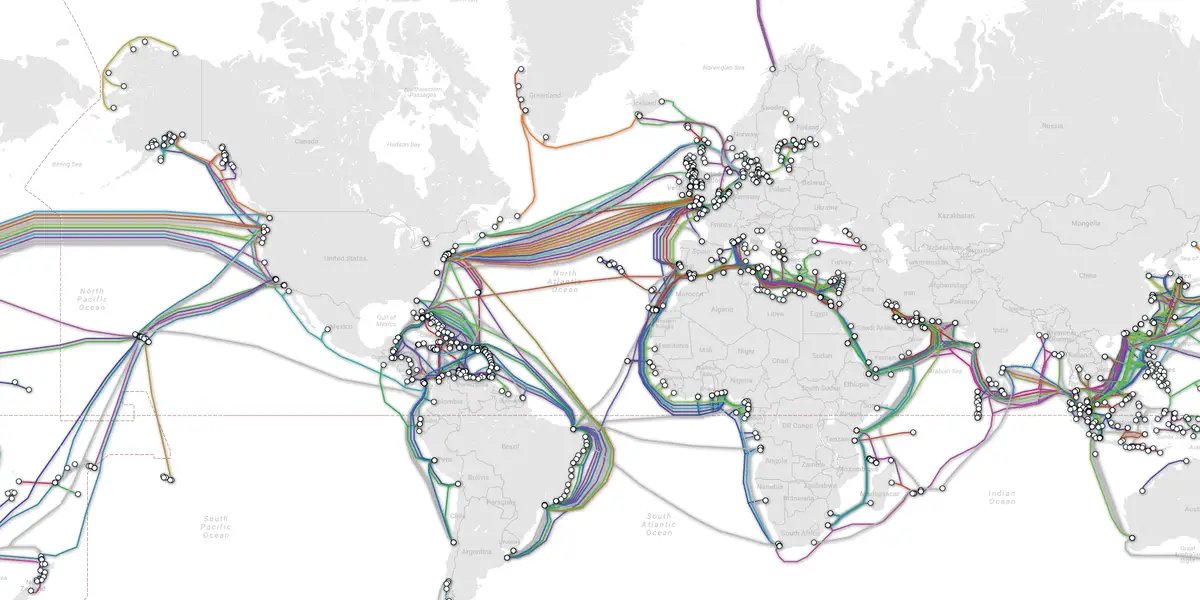
Submarine cables are one of our most essential pieces of infrastructure. Hundreds of them are in operation ranging from just a few miles to over 10k miles.
These are the highways over which global information flows.
compromise one, and you have everything.
These are the highways over which global information flows.
compromise one, and you have everything.
This is not the first time these cables have been in the news.
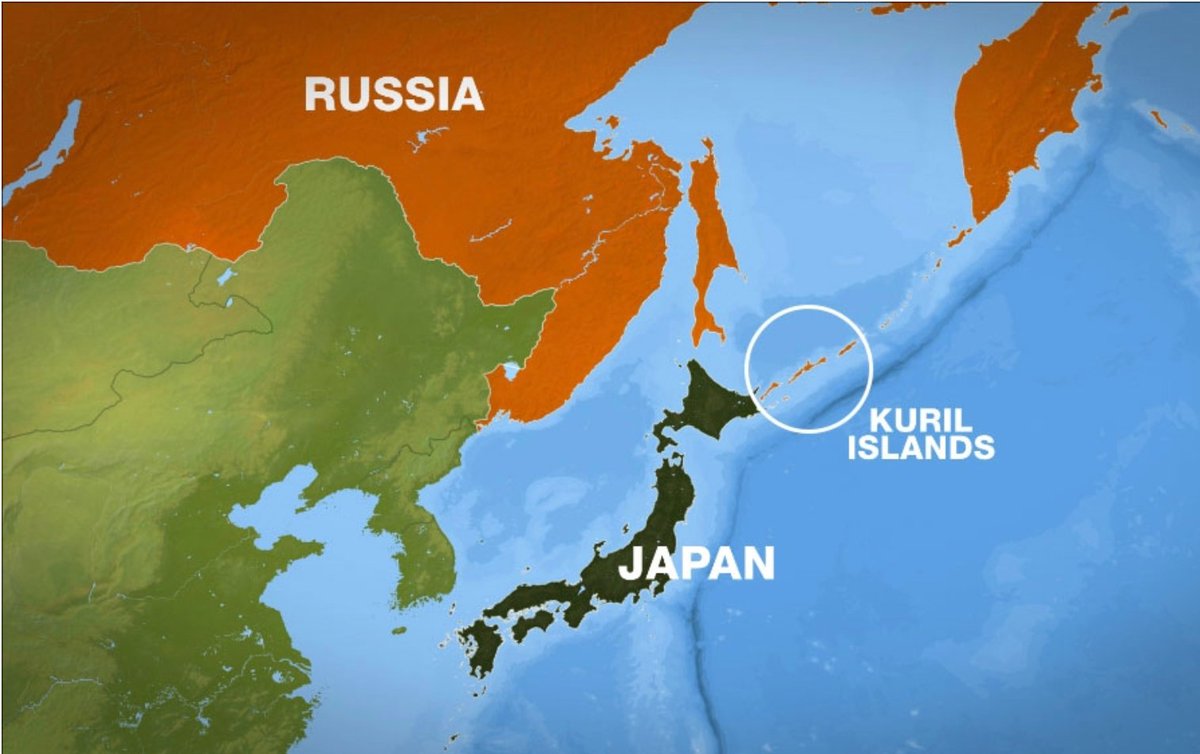
In the 1970s, the US learned that an undersea cable ran parallel to the Kuril Islands off the eastern coast of Russia, providing a communications link between two major Soviet naval bases
In the 1970s, the US learned that an undersea cable ran parallel to the Kuril Islands off the eastern coast of Russia, providing a communications link between two major Soviet naval bases
Seeing the opportunity, the NSA launched Operation Ivy Bells.
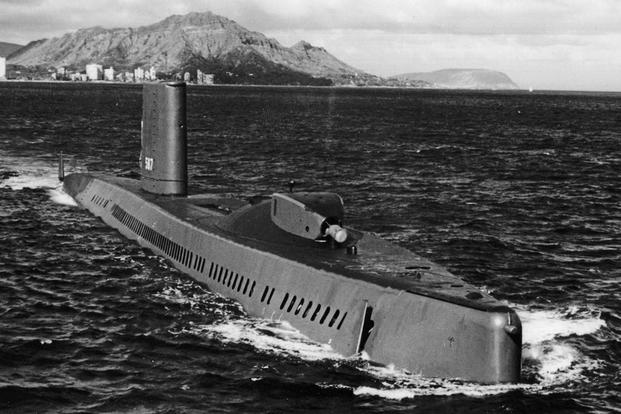
Using fast attack submarines, they'd deploy combat divers to drop recording pods onto the lines. Every few weeks, the divers would return to pick up the tapes and return them to the agency.
Using fast attack submarines, they'd deploy combat divers to drop recording pods onto the lines. Every few weeks, the divers would return to pick up the tapes and return them to the agency.
Operation Ivy Bells came to an untimely end in 1981 when NSA employee Ronald Pelton was sold critical secrets about the program to the KGB.
He made $35k, and earned a life sentence of which he is still serving.
He made $35k, and earned a life sentence of which he is still serving.

While Ivy Bells ended, it's clear the cables remain a critical attack vector.
In 2005, the Associated Press broke a story that a submarine called the USS Jimmy Carter was being used to carry crews of divers to tap fiber optic lines at repeating stations.
In 2005, the Associated Press broke a story that a submarine called the USS Jimmy Carter was being used to carry crews of divers to tap fiber optic lines at repeating stations.
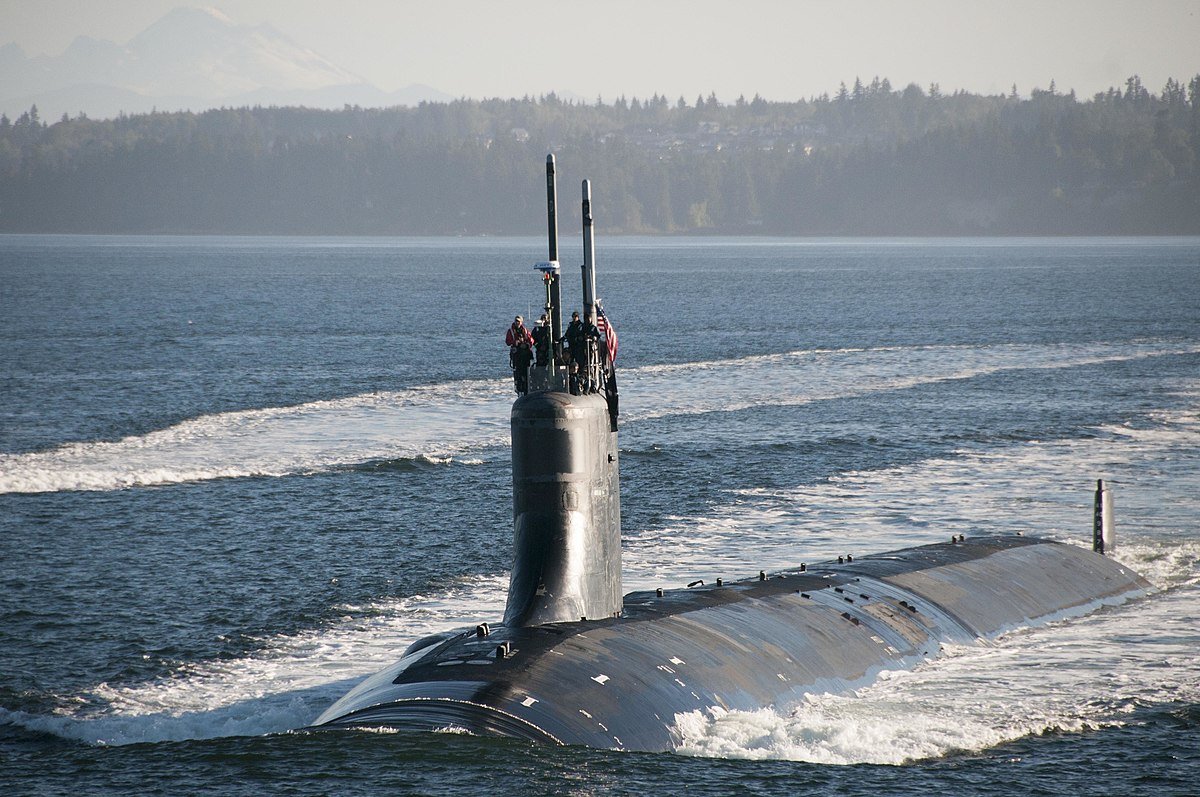
In the years since, additional details of these programs have become public. Today, it is much more likely that the agency is tapping the lines at so called "cable landing" than under the sea.
Striking agreements with the host countries or operating companies to gain access.
Striking agreements with the host countries or operating companies to gain access.
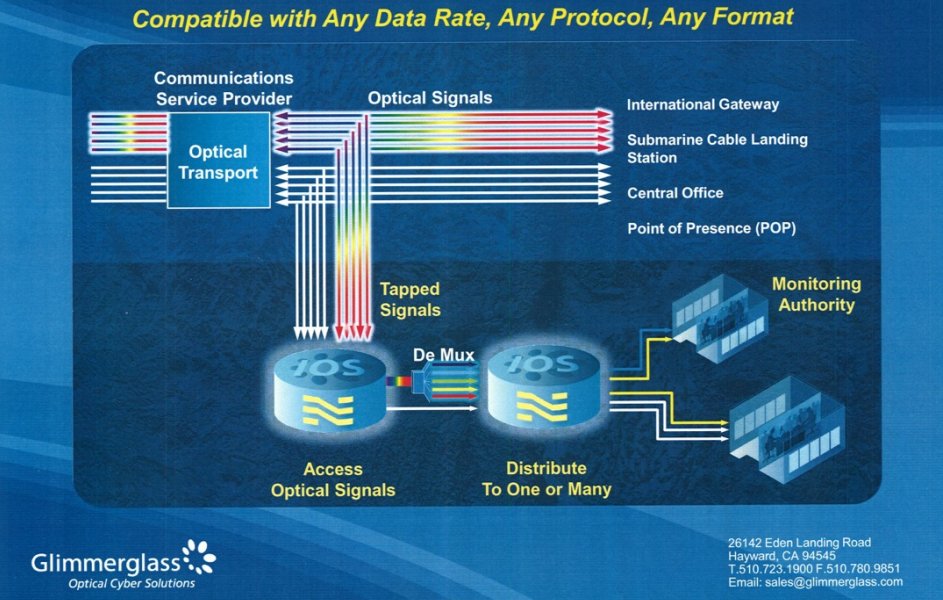
The tapping process is done via "intercept probe"
A small device containing a prism that splits the light coming across the cable-- duplicating the signal between its original path and a second set of cables for monitoring.
Completely undetectable and done at the speed of light
A small device containing a prism that splits the light coming across the cable-- duplicating the signal between its original path and a second set of cables for monitoring.
Completely undetectable and done at the speed of light
So what exactly happened in Hawaii?
An unknown team of hackers attempted to compromise the infrastructure at one of these cable landing sites.
By comprising these servers, they could control or sniff whatever was happening on the line.
An unknown team of hackers attempted to compromise the infrastructure at one of these cable landing sites.
By comprising these servers, they could control or sniff whatever was happening on the line.
the Hawaii Office of Homeland Security was able to thwart the attack thanks to a tip and was able to make an arrest.
HSI is not disclosing the name of the private company in Hawaii targeted, the country where the suspect was arrested or the name of the suspect.
HSI is not disclosing the name of the private company in Hawaii targeted, the country where the suspect was arrested or the name of the suspect.
While it is likely we will never know who attempted the breach, it is clear that the security of our cables are of key interest of the great power adversaries.
and this wouldn't be the first time Russia has been linked to a cable attack.
and this wouldn't be the first time Russia has been linked to a cable attack.
in January of this year, the Svalbard Undersea Cable System was brought offline after being mysteriously cut.
The cable links the mainland to a facility in Svalbard that Russia has claimed is tracking its submarines.
No one has claimed responsibility for the attack.
The cable links the mainland to a facility in Svalbard that Russia has claimed is tracking its submarines.
No one has claimed responsibility for the attack.
these attacks are a stark reminder that our internet infrastructure is at incredible risk.
A constant reminder that our continued freedom rests on an increasingly vulnerable set of infrastructure that is only waiting to be attacked.
and our adversaries know it.
A constant reminder that our continued freedom rests on an increasingly vulnerable set of infrastructure that is only waiting to be attacked.
and our adversaries know it.
جاري تحميل الاقتراحات...