

What's the secret to maximizing your gains and minimizing losses?
Risk Management.
The best traders are great at minimizing their risk, maximizing their rewards.
There are a few key principles you can follow to improve as a trader.
A thread🧵
Risk Management.
The best traders are great at minimizing their risk, maximizing their rewards.
There are a few key principles you can follow to improve as a trader.
A thread🧵
The most important things when you manage risk are:
• Defining your portfolio size and risk appetite
• Portfolio allocation
• Entering and exiting positions
• Managing your emotions
/2
• Defining your portfolio size and risk appetite
• Portfolio allocation
• Entering and exiting positions
• Managing your emotions
/2
Defining your portfolio size
This is going to vary from individual to individual. Think about how much money you’re ready to lose.
Crypto is risky. There’s no getting around it.
/3
This is going to vary from individual to individual. Think about how much money you’re ready to lose.
Crypto is risky. There’s no getting around it.
/3
I wouldn’t advise spending your life savings on crypto. Assess how much money you have and use regularly.
You don’t want to become illiquid or lose money you can’t afford to.
/4
You don’t want to become illiquid or lose money you can’t afford to.
/4
I suggest starting out small, and gradually increasing your portfolio size.
This allows you to learn as you go. I started out in 2018, and started out by investing $500 in Bitcoin.
/5
This allows you to learn as you go. I started out in 2018, and started out by investing $500 in Bitcoin.
/5
Defining your risk appetite
Crypto is volatile. You have to be somewhat distant from extremely risky investments.
You have to be able to stomach ups and downs. A lot of people can’t handle 30% dips in their portfolio.
/6
Crypto is volatile. You have to be somewhat distant from extremely risky investments.
You have to be able to stomach ups and downs. A lot of people can’t handle 30% dips in their portfolio.
/6
If this is you, altcoins might not be the best investment. You’re probably better off investing in blue chips.
Even with a good strategy you’re bound to go through ups and downs.
/7
Even with a good strategy you’re bound to go through ups and downs.
/7
Make sure you’re risk appetite aligns with these ups and downs.
You shouldn’t sell at the first sign of weakness most of the time. This is a great way to lose money fast.
/8
You shouldn’t sell at the first sign of weakness most of the time. This is a great way to lose money fast.
/8
Portfolio Allocation
Your portfolio allocation is going to be based on your portfolio size and risk appetite for the most part.
Also think about what goals you have. What kind of gains do you want? 2x? 10x? 100x?
/9
Your portfolio allocation is going to be based on your portfolio size and risk appetite for the most part.
Also think about what goals you have. What kind of gains do you want? 2x? 10x? 100x?
/9
The more money you want to make the more aggressive you’ll need to be. You’ll have to take more risks.
If you have a low risk appetite, then play it safe. Allocate more money to blue chips like ETH and BTC.
/10
If you have a low risk appetite, then play it safe. Allocate more money to blue chips like ETH and BTC.
/10
Based on your risk appetite, it’s generally a good idea to split your portfolio smaller subsections.
An example of an allocation:
• 30% in blue chips like ETH and BTC
• 30% in alt L1s like AVAX
• 20% in low cap altcoins (high risk)
• 20% in yield-earning stablecoins
/11
An example of an allocation:
• 30% in blue chips like ETH and BTC
• 30% in alt L1s like AVAX
• 20% in low cap altcoins (high risk)
• 20% in yield-earning stablecoins
/11
Entering and Exiting positions
There are two key things to you must keep in mind when you enter and exit positions.
You want to go in with an exit strategy in mind.
/12
There are two key things to you must keep in mind when you enter and exit positions.
You want to go in with an exit strategy in mind.
/12
Figure out how much you want to make off of a trade.
To consistently be successful, you have to stick to this.
Avoid hodling unless you have extreme conviction in a project or token. Don’t get greedy. This is a good way to get burnt.
/13
To consistently be successful, you have to stick to this.
Avoid hodling unless you have extreme conviction in a project or token. Don’t get greedy. This is a good way to get burnt.
/13
You’re not trying to time the market. That’s extremely hard to do and never ends well.
It’s important to constantly take profits out. Make sure you cover your cost basis soon.
If you do this you can afford to let the rest run. That way you don’t incur a loss.
/14
It’s important to constantly take profits out. Make sure you cover your cost basis soon.
If you do this you can afford to let the rest run. That way you don’t incur a loss.
/14
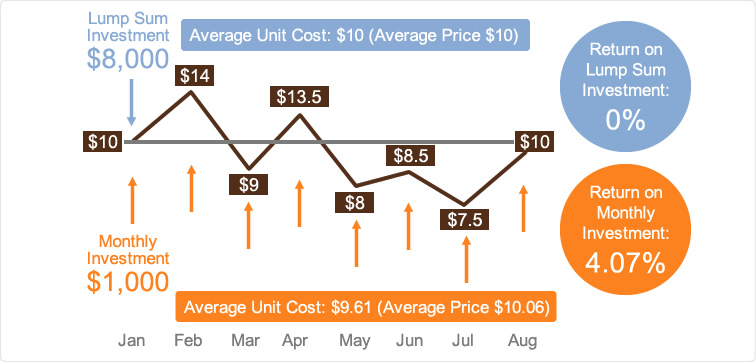
One good strategy to enter positions is dollar cost averaging.
Instead of throwing all of your money into one asset at once, break the investment up into smaller, periodic ones.
This reduces your risk and increases your chances of success.
/15
Instead of throwing all of your money into one asset at once, break the investment up into smaller, periodic ones.
This reduces your risk and increases your chances of success.
/15
Managing your emotions
Don’t FOMO, don’t get lost in hype, and don’t let crypto get you down.
Crypto is a marathon. It’s going to be around for years to come. You’re early, so take advantage of that.
/16
Don’t FOMO, don’t get lost in hype, and don’t let crypto get you down.
Crypto is a marathon. It’s going to be around for years to come. You’re early, so take advantage of that.
/16
Tilting and getting emotional usually leads to rash decisions and overly risky behavior.
Try and separate your emotions from your investment strategy.
If you’re unable to do this, try and reconsider you portfolio allocation and risk appetite.
/17
Try and separate your emotions from your investment strategy.
If you’re unable to do this, try and reconsider you portfolio allocation and risk appetite.
/17
If you found this useful please RT and share the top tweet 👇
Also, check out my Medium for some of my past write ups:
pothu.medium.com
pothu.medium.com
Loading suggestions...