

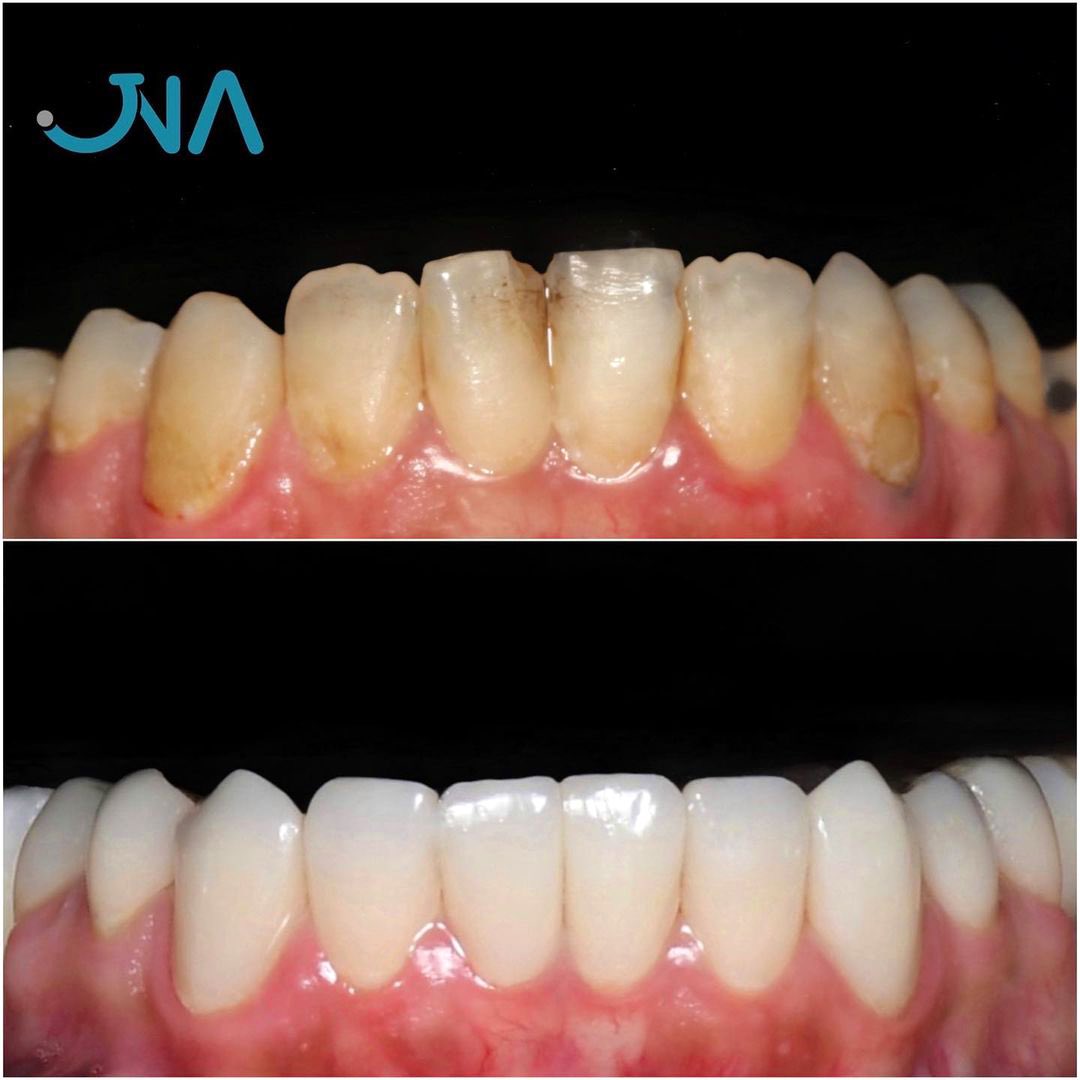
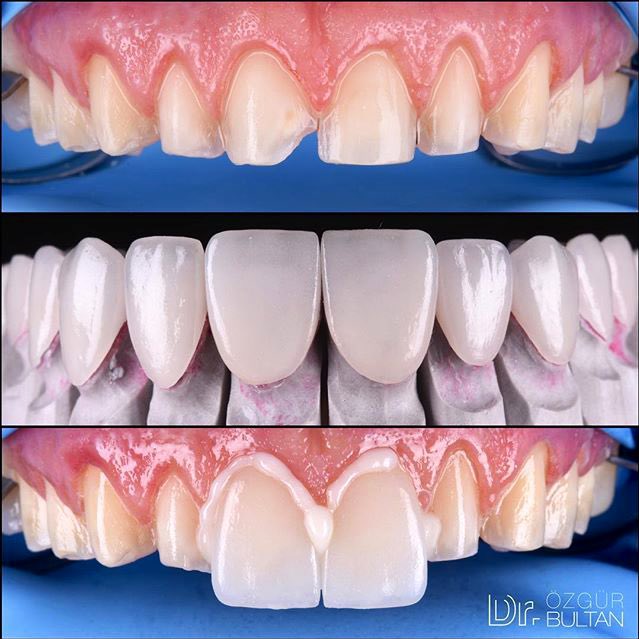
Dental veneers are custom made shells made from tooth colored materials that facilitate covering the front surface of the tooth and these are alternately known as dental laminates.
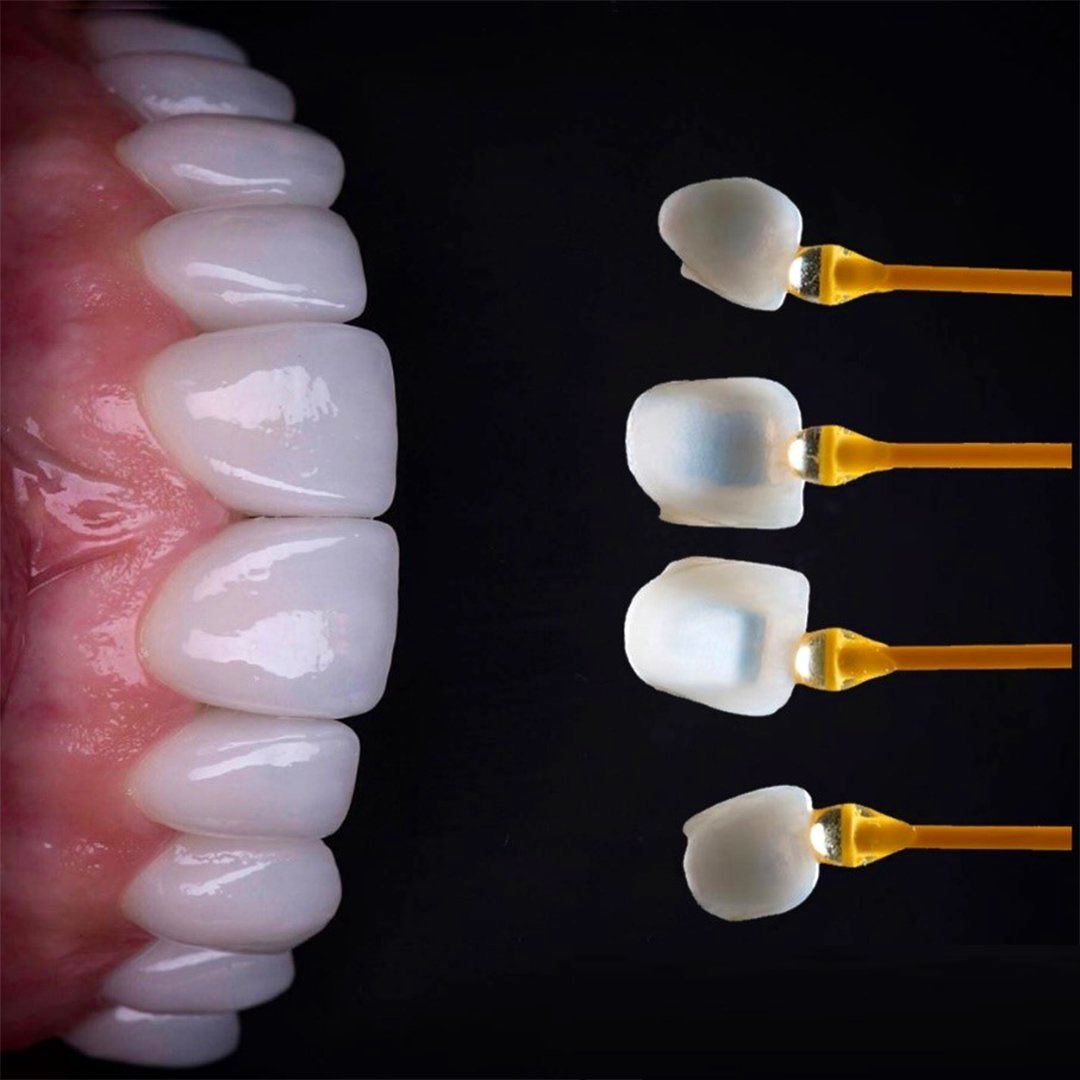
The Indications:-
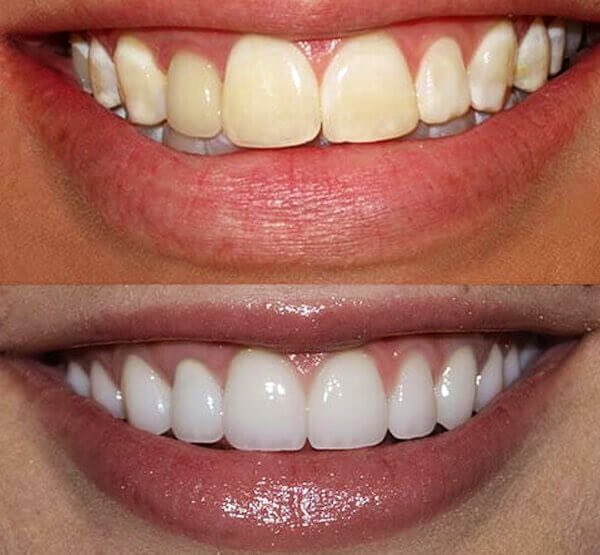
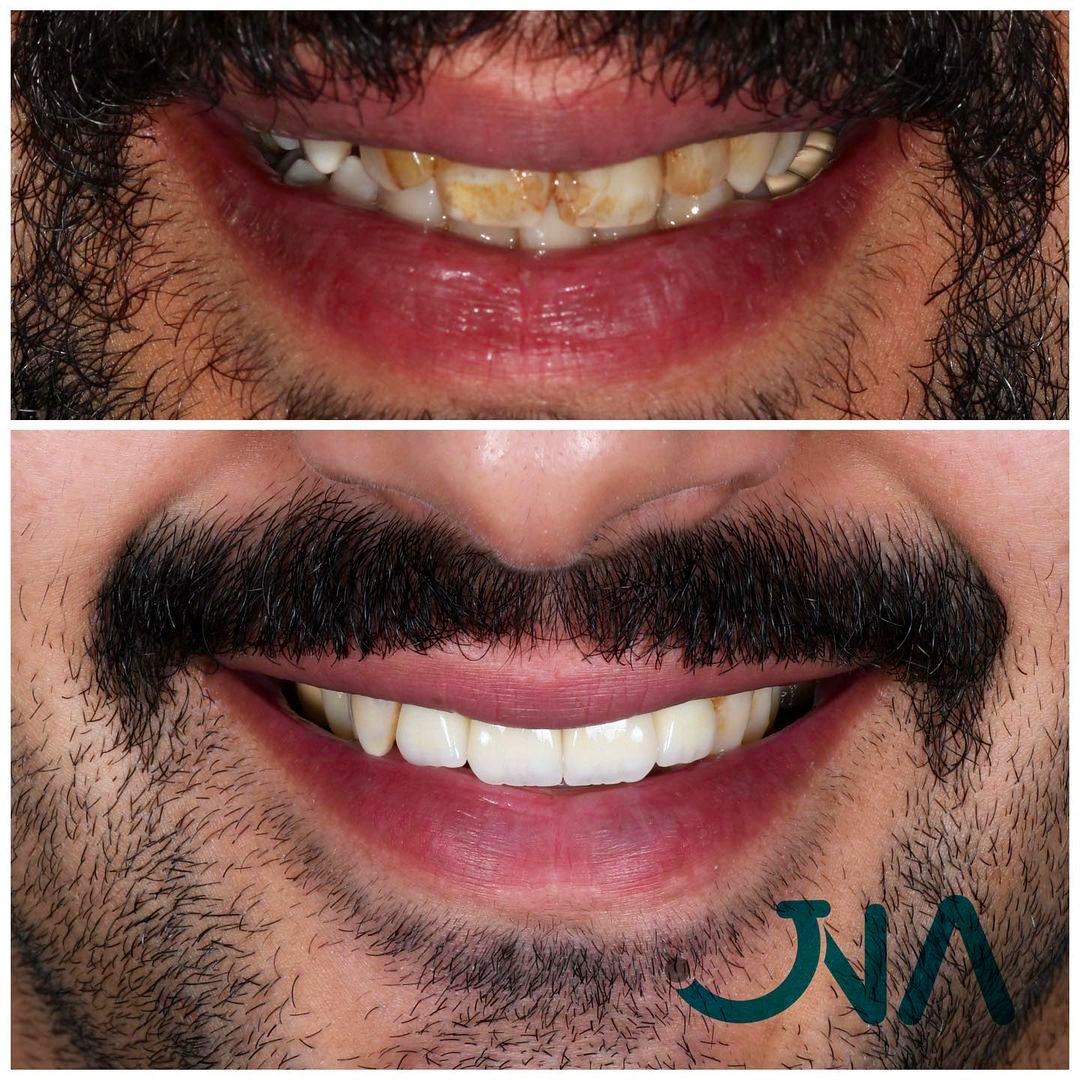
1. Stained or darkened teeth.
2. Tooth hypocalcification.
3. multiple diastemas.
4.Peg lateral.
5. Chipped teeth.
6. Lingual positioned teeth.
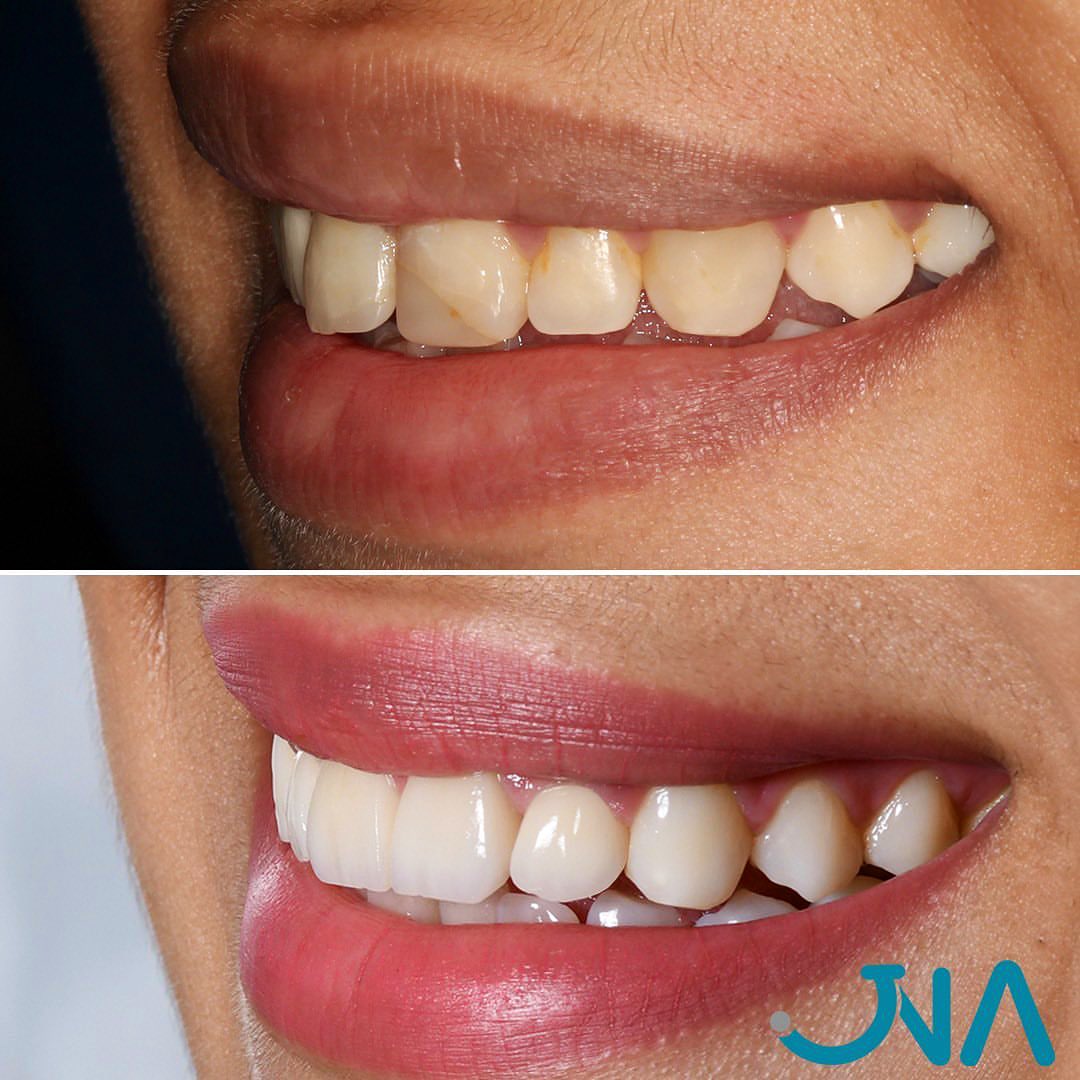
7. Malposed teeth not requiring orthodontic.
الحالات من حساب الدكتور ناصر الاحمري
instagram.com
1. Stained or darkened teeth.
2. Tooth hypocalcification.
3. multiple diastemas.
4.Peg lateral.
5. Chipped teeth.
6. Lingual positioned teeth.
7. Malposed teeth not requiring orthodontic.
الحالات من حساب الدكتور ناصر الاحمري
instagram.com
The Contraindications :-
1-Insufficient tooth substrate (enamel for bonding)
2-Labial version
3-Excessive interdental spacing
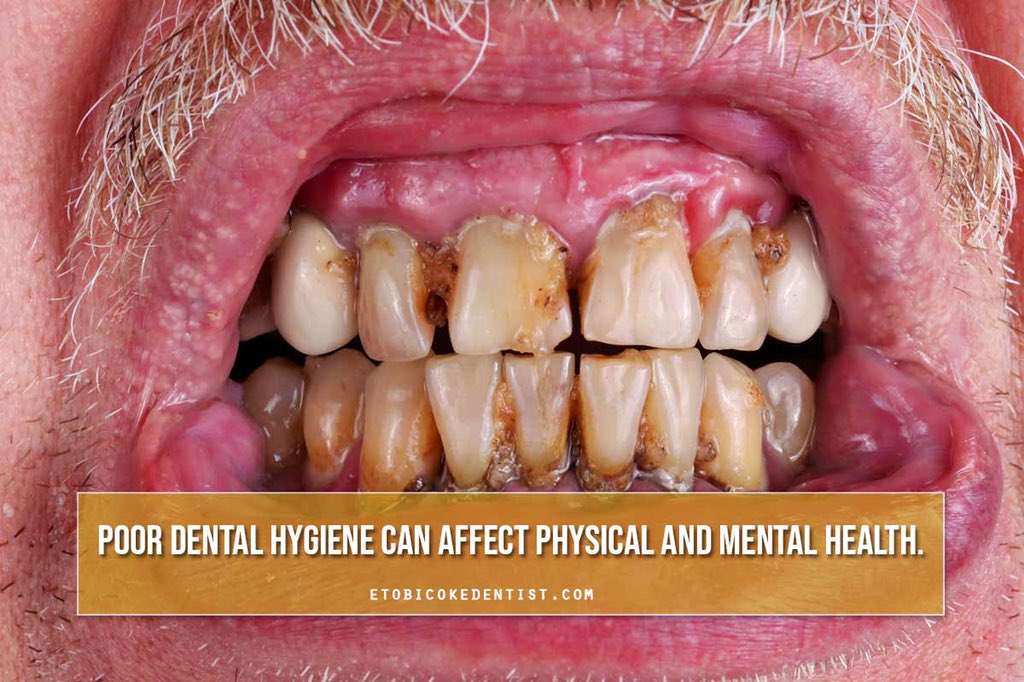
4-Poor oral hygiene or caries
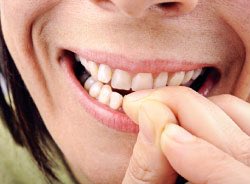
5-Parafunctional habits (clenching, bruxism)
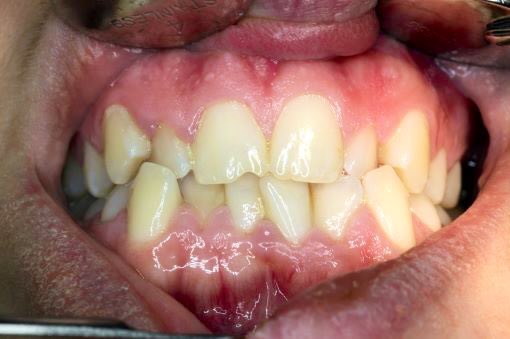
6-Moderate to severe malposition or crowding
1-Insufficient tooth substrate (enamel for bonding)
2-Labial version
3-Excessive interdental spacing
4-Poor oral hygiene or caries
5-Parafunctional habits (clenching, bruxism)
6-Moderate to severe malposition or crowding
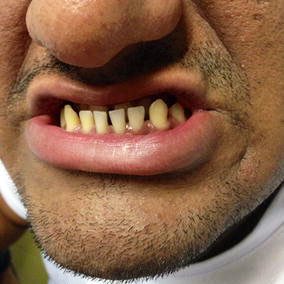
There are important factors that need to be known and taken care of before preparing the tooth, such as the smile analysis and the type of veneers are used, but I will go directly to the method of preparation and their steps
The first step is to do the primary impression , PIC. Before and muckup, first of all, to be the guide in preparing the tooth, and also for the patient to see the expected result.
Watch the video of how the muckup works
Watch the video of how the muckup works

Then please PREPARE INTO THE MOCK UP...
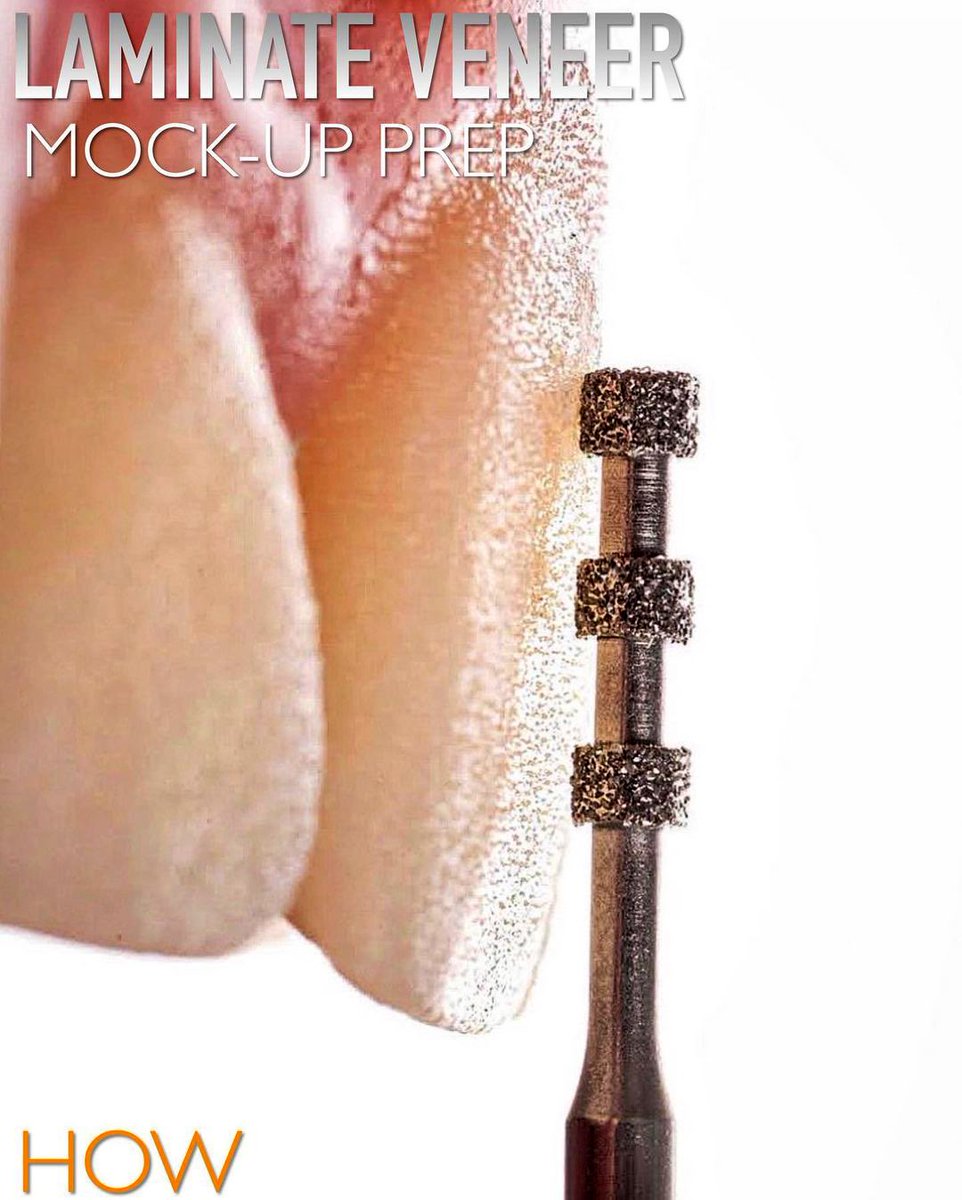
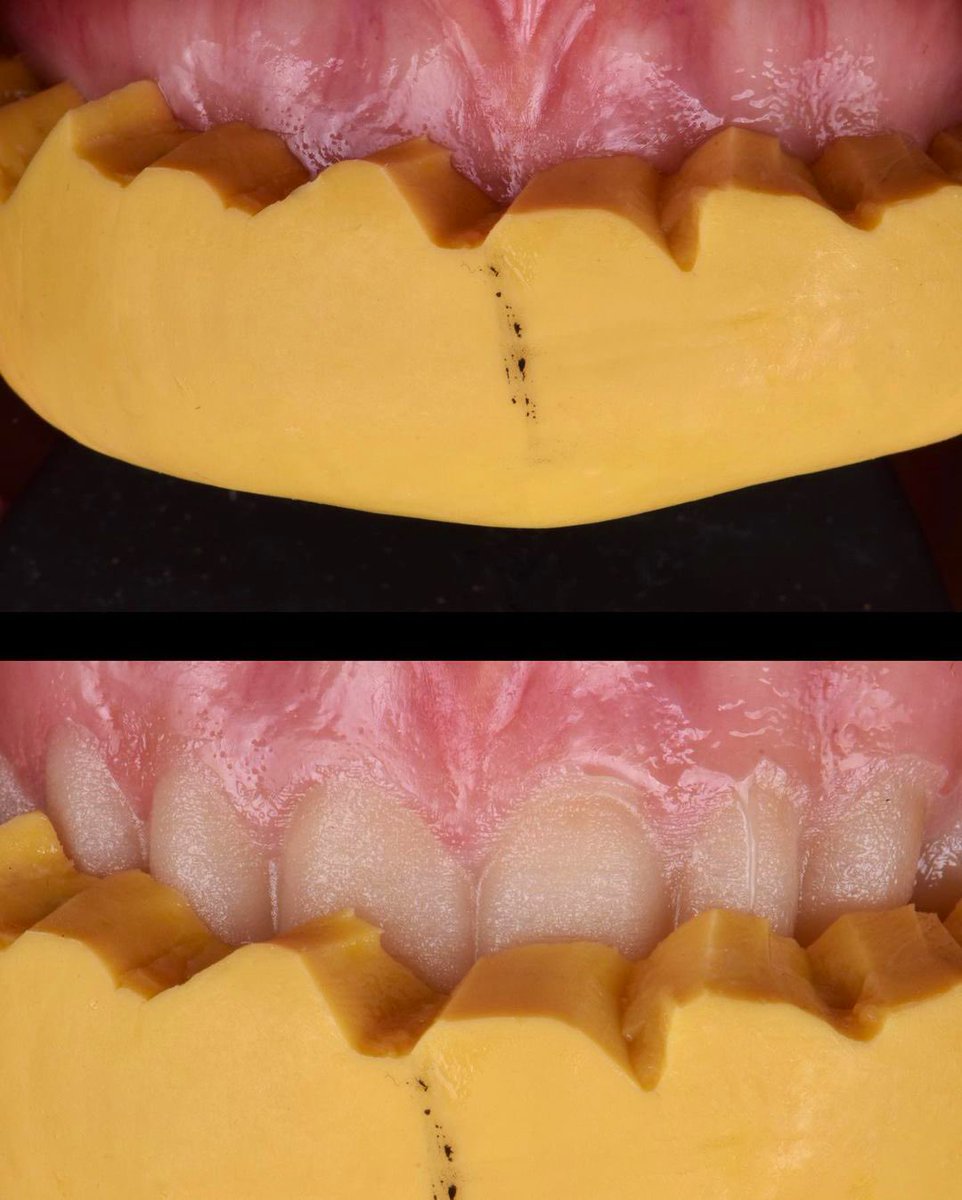
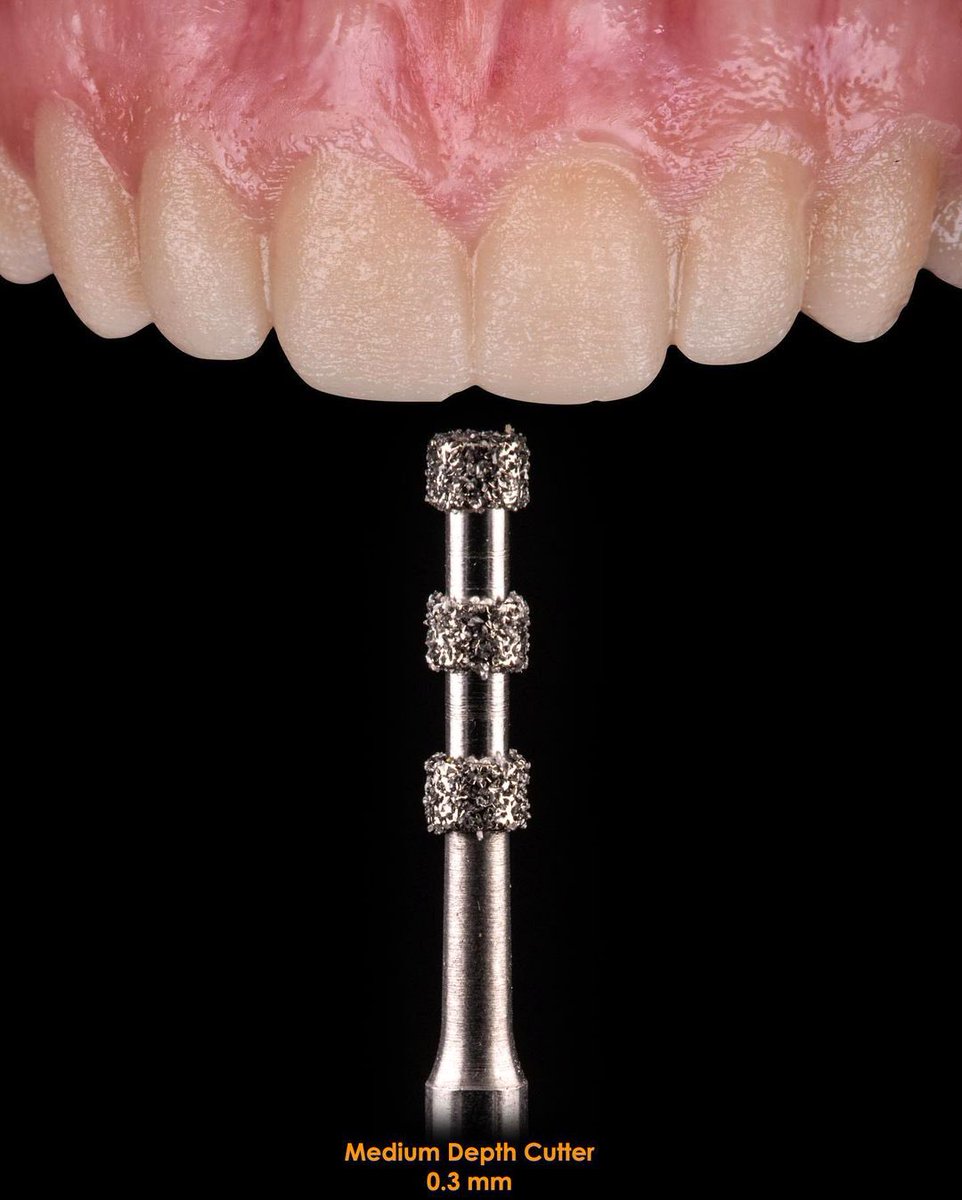
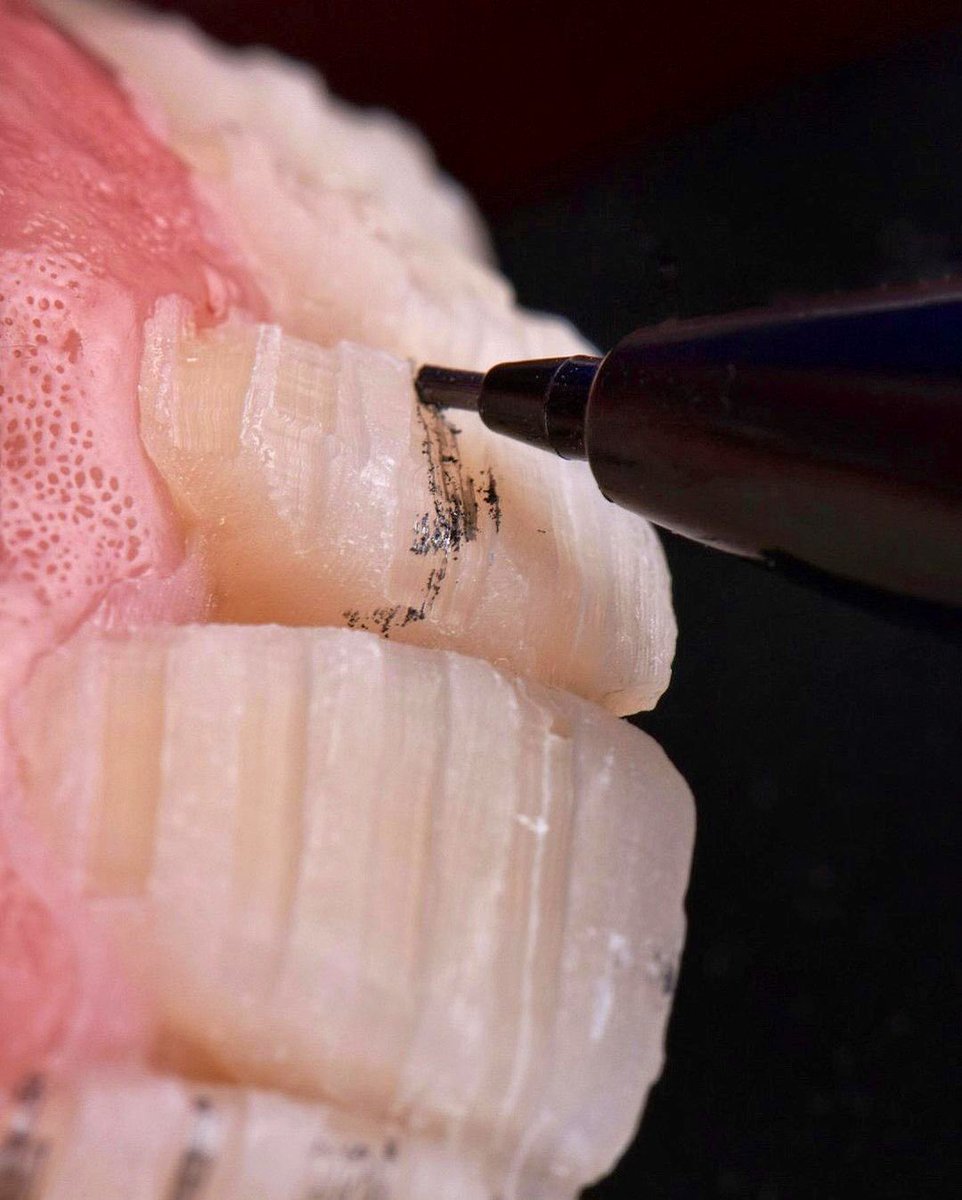
STEP-BY-STEP SEQUENCE for minimally invasive preparation
1. 0.3 mm depth cutter...
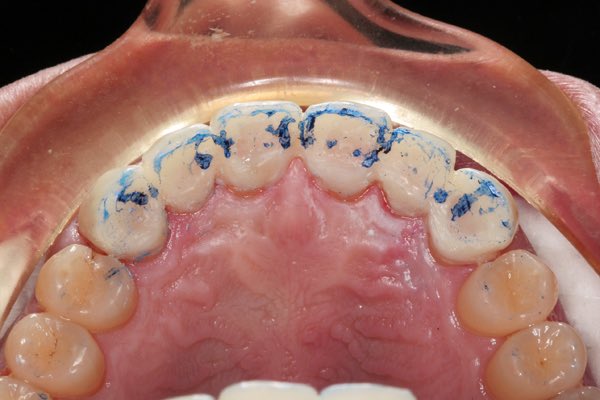
2. mark deep areas
3. prep surface with fine diamond without touching marked areas
4. connect and smooth surfaces
1. 0.3 mm depth cutter...
2. mark deep areas
3. prep surface with fine diamond without touching marked areas
4. connect and smooth surfaces
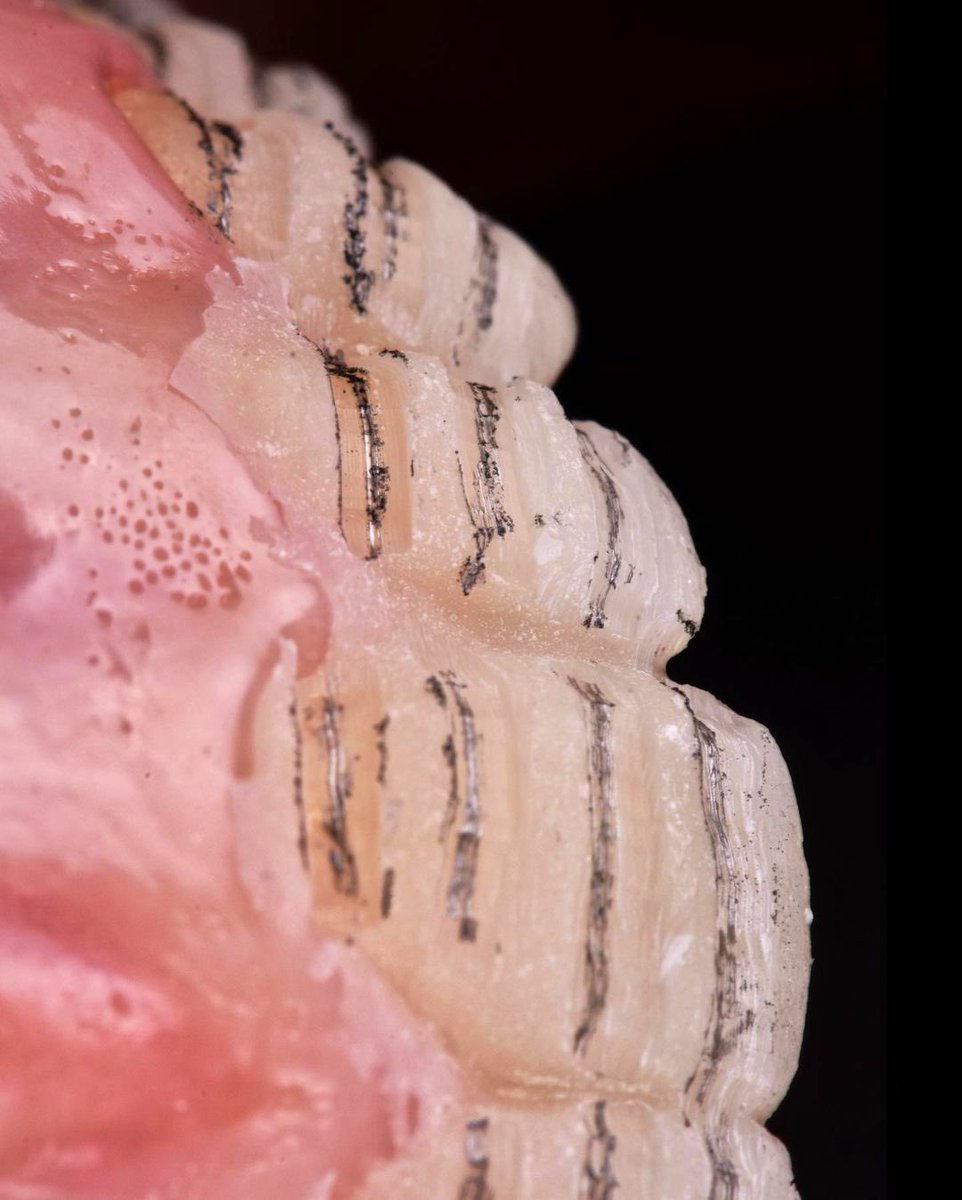
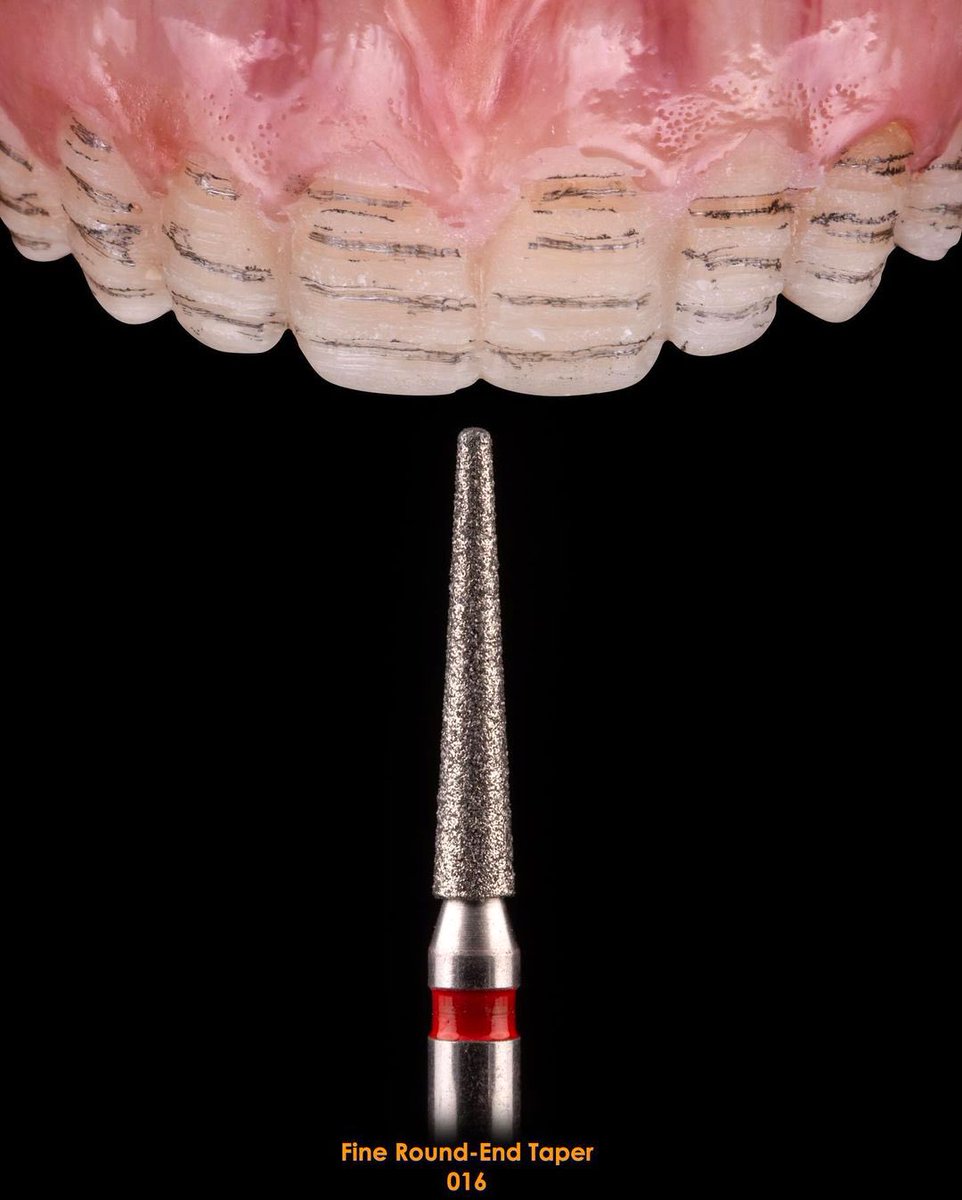
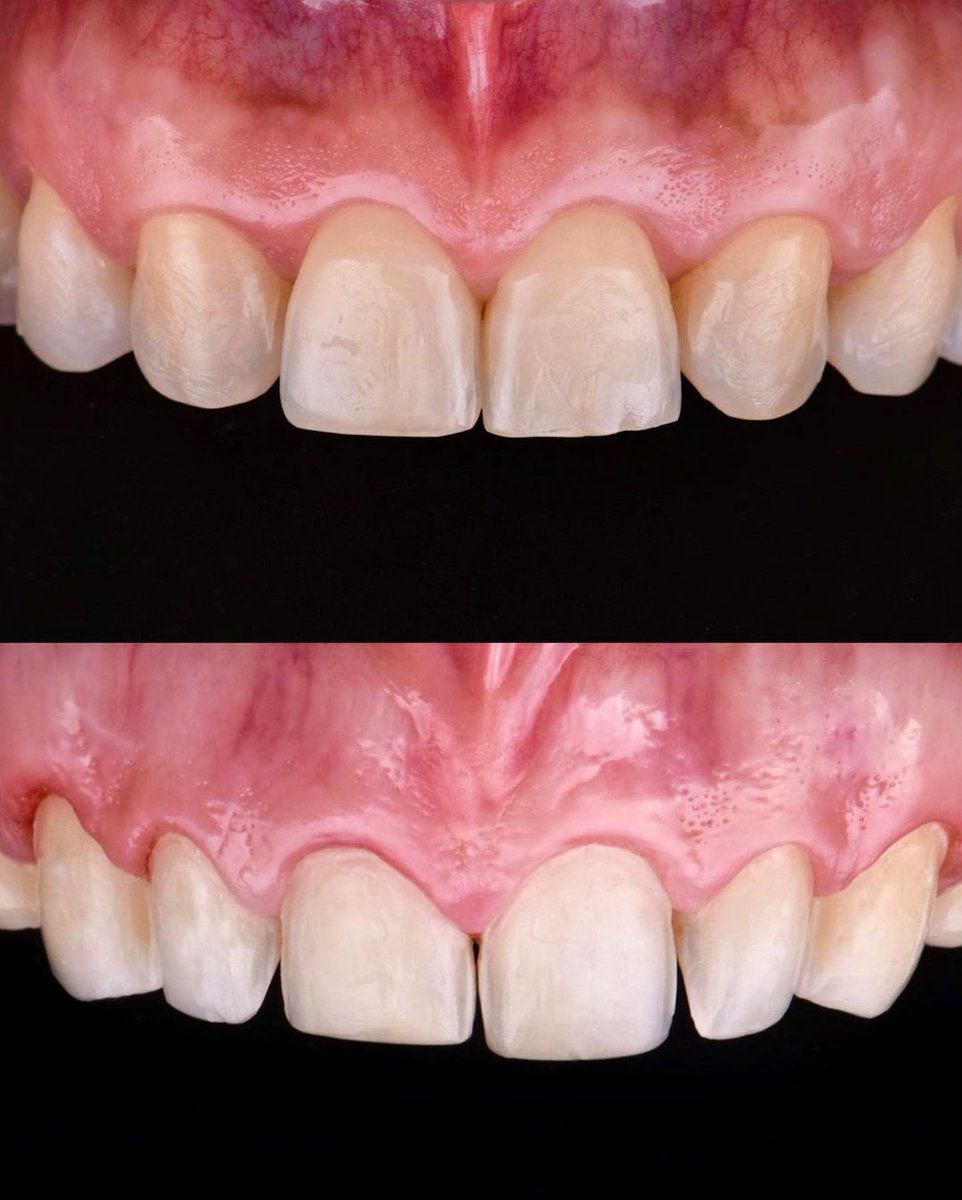
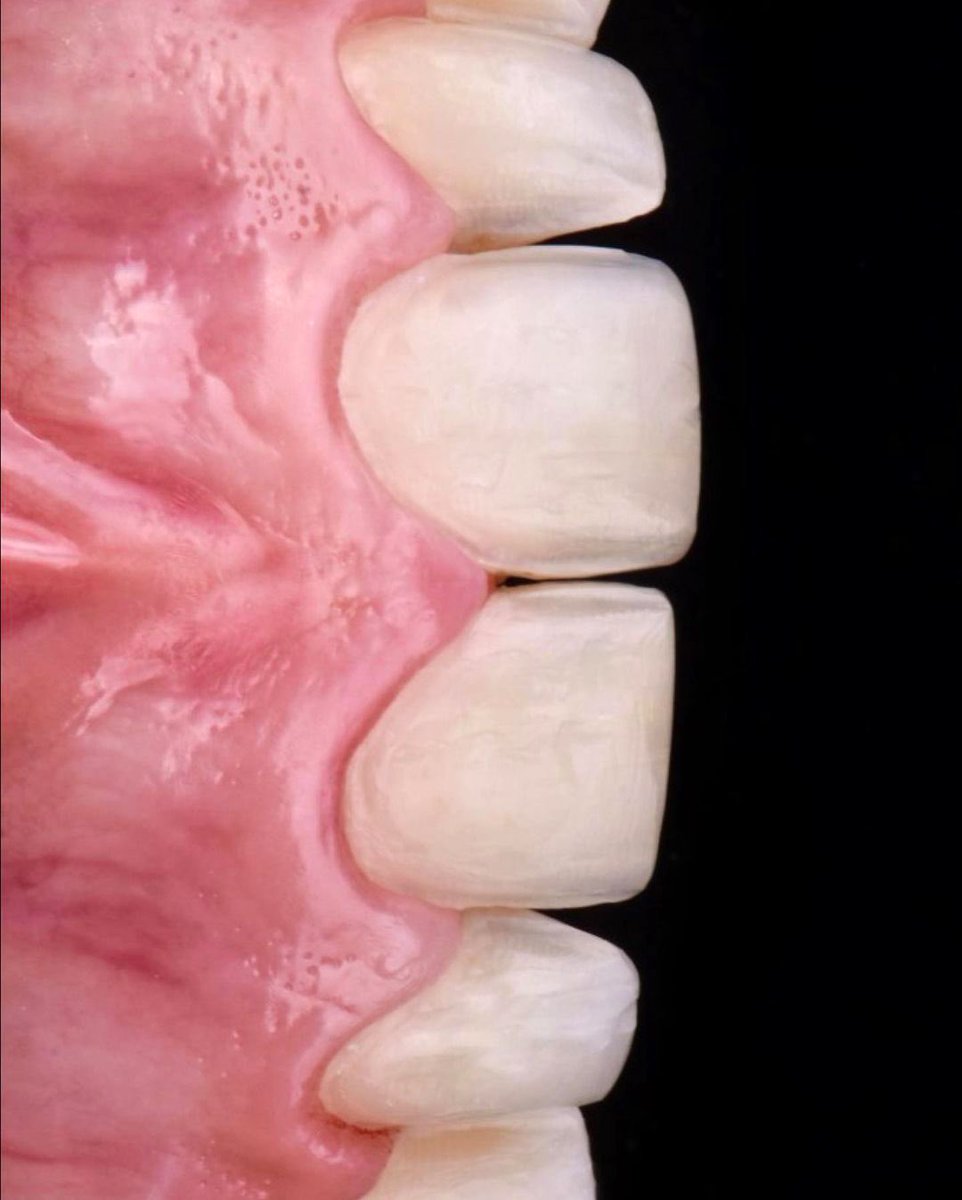
PLEASE REMEMBER THESE INFORMATIONS.
1.Don't prep on the tooth structure directly.
2.The finish line must be on tooth structure.
3.Don't open interproximal contact
4.Try to mead your finish line supragingival or equoginigaval
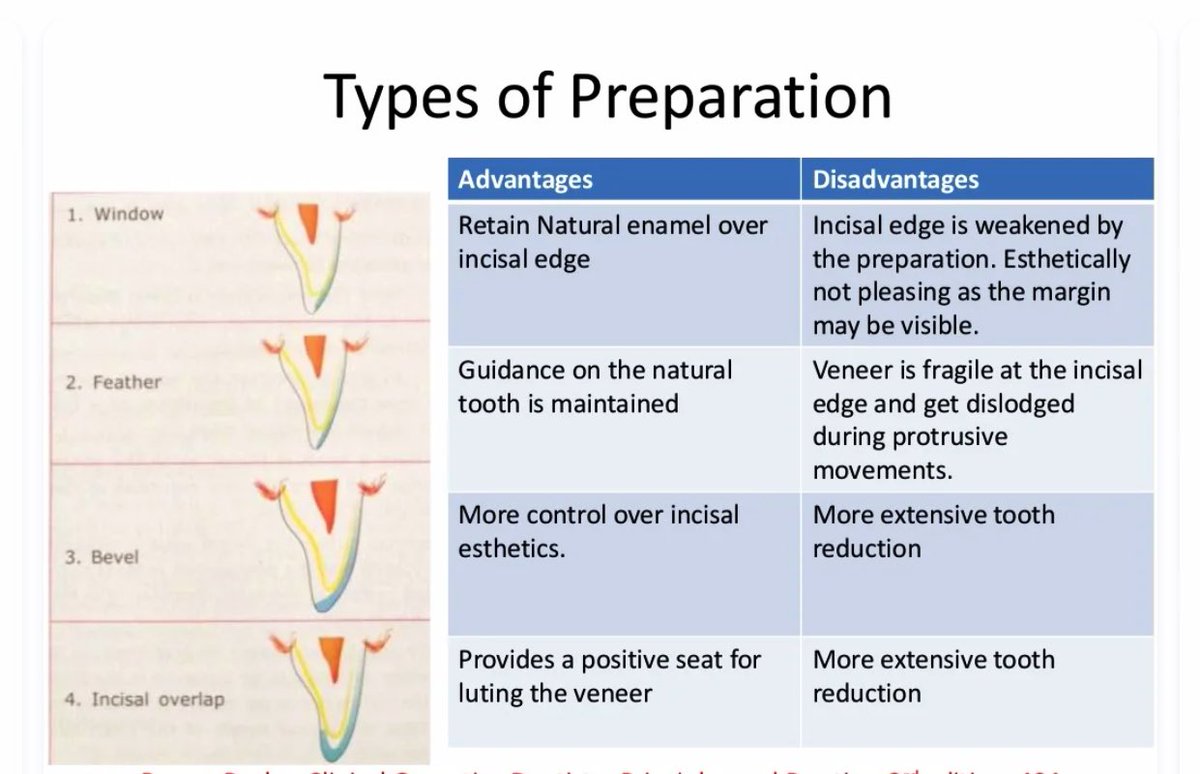
The recommended veneer prep is butt joint design
1.Don't prep on the tooth structure directly.
2.The finish line must be on tooth structure.
3.Don't open interproximal contact
4.Try to mead your finish line supragingival or equoginigaval
The recommended veneer prep is butt joint design
Before taking the final impression of the prepared tooth, fabricate a preliminary provisional restoration using a bis-acryl provisional material. This will give the chance to evaluate the thickness, the shade, and the alignment which can be modified before the final impression.
This could be done by a silicone impression of the waxed-up model, filled by acrylic and inserted in the mouth till setting.
If the dentin is mainly exposed , use the dentinal adhesive (bonding) before the impressions
If the dentin is mainly exposed , use the dentinal adhesive (bonding) before the impressions
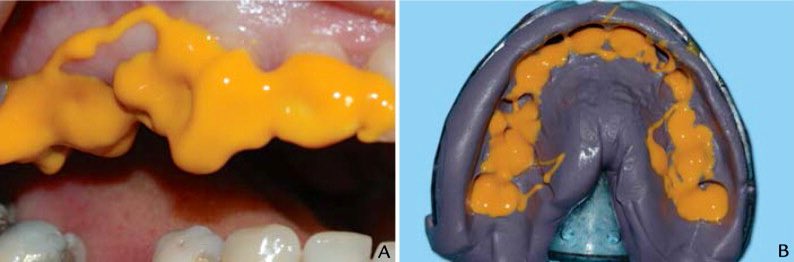
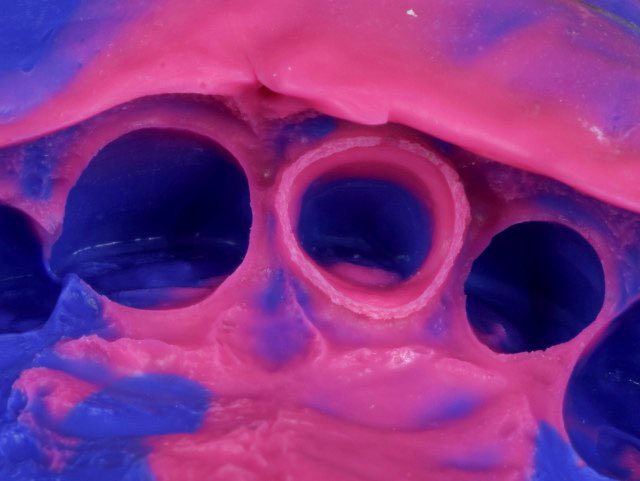
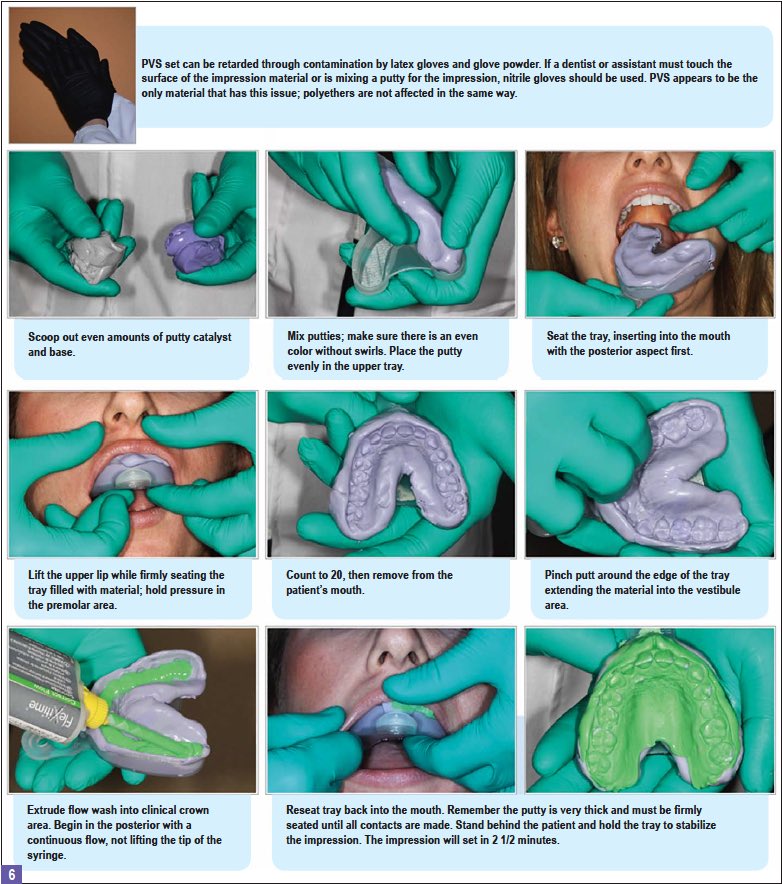
Please use PVS impressions material by wash technique or double mix technique .
The most important point in impressions is the finish line, it must be clear and without any distortions or voids
The most important point in impressions is the finish line, it must be clear and without any distortions or voids
Now in Cementation:-
1.Remove provisional , clean, isolate, and dry.
2.Moisten the veneers, place them on the teeth, and check the fit and the shade.
3.Use try in paste to adjust shade (water soluble).
1.Remove provisional , clean, isolate, and dry.
2.Moisten the veneers, place them on the teeth, and check the fit and the shade.
3.Use try in paste to adjust shade (water soluble).
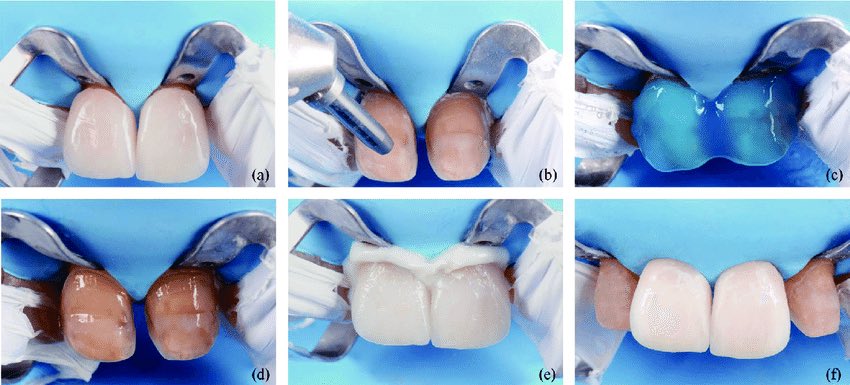
4.Use 37% PH A for 30 seconds to clean the veneers
5.if they are etched in the lab Rinse and dry it.
Please do not confuse the arrangement, try to be arranged on the cast or on an external paper named with teeth number.
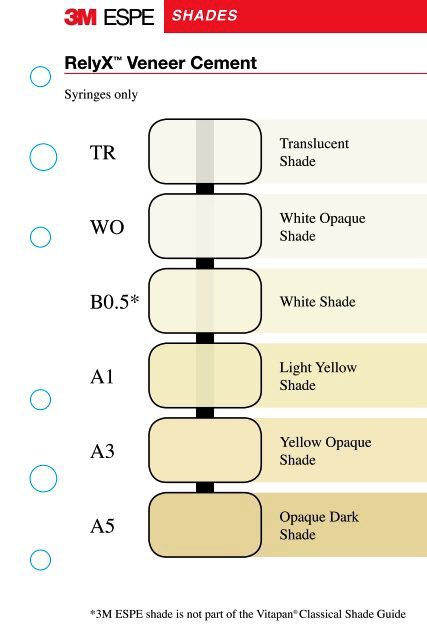
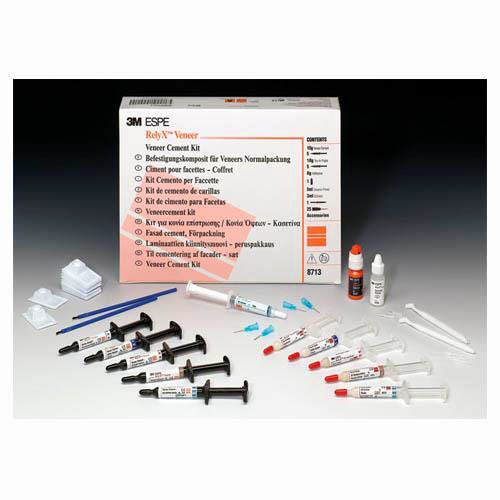
Cement differs in terms of shade, so choose the correct one
5.if they are etched in the lab Rinse and dry it.
Please do not confuse the arrangement, try to be arranged on the cast or on an external paper named with teeth number.
Cement differs in terms of shade, so choose the correct one
6.Apply silane to the etched teeth for 60 sec and air dry.
7.The teeth are well cleaned, dried and isolated.
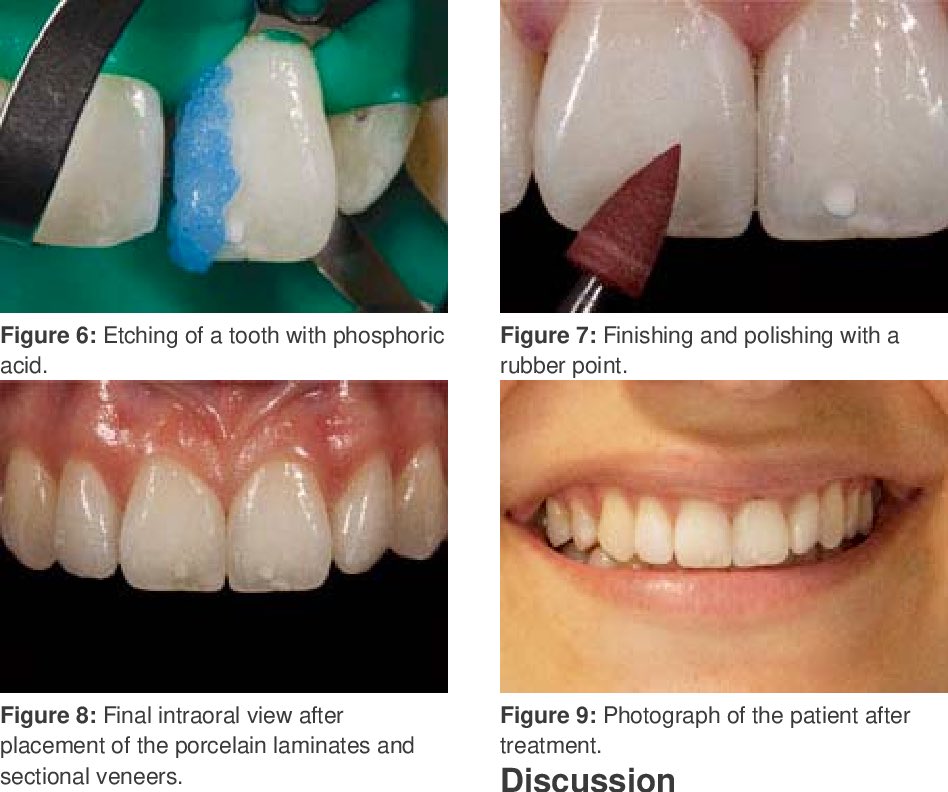
8.Etch for 10 to 20 sec, rinse and dry. Apply enamel/dentin bonding and light cure the adhesive, or do not cure up to the manufacturer instruction prior to seat the veneer
7.The teeth are well cleaned, dried and isolated.
8.Etch for 10 to 20 sec, rinse and dry. Apply enamel/dentin bonding and light cure the adhesive, or do not cure up to the manufacturer instruction prior to seat the veneer
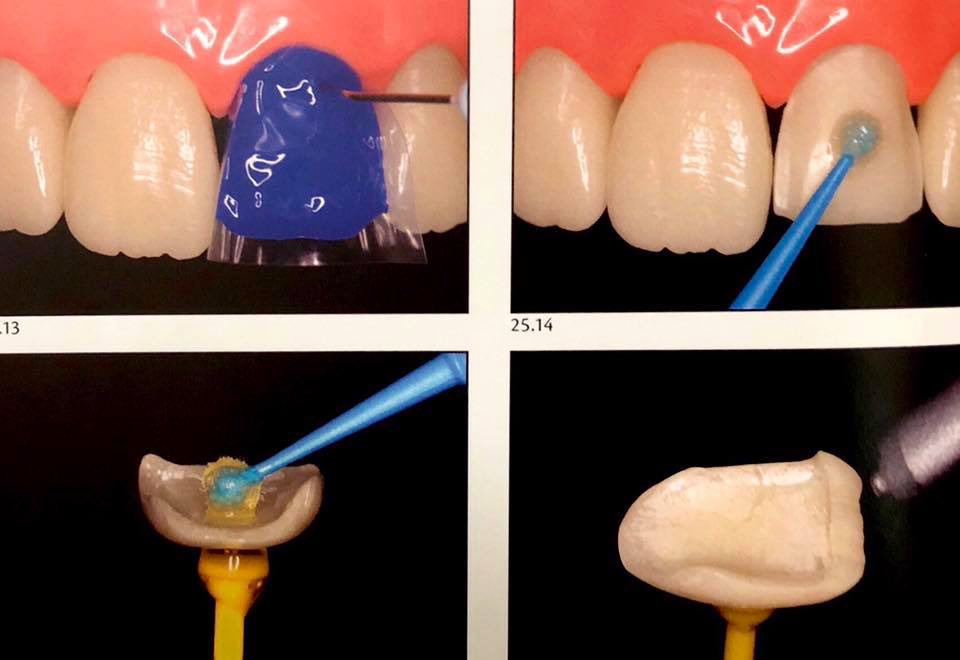
9. Apply light cure resin cement
10.resin on the veneer and place it in an inciso-gingival direction .
11.Hold the veneer and check its proper seating, remove any additional excess using adhesive coated brush. The adjacent teeth should be isolated using celluloid strips teflon.
10.resin on the veneer and place it in an inciso-gingival direction .
11.Hold the veneer and check its proper seating, remove any additional excess using adhesive coated brush. The adjacent teeth should be isolated using celluloid strips teflon.
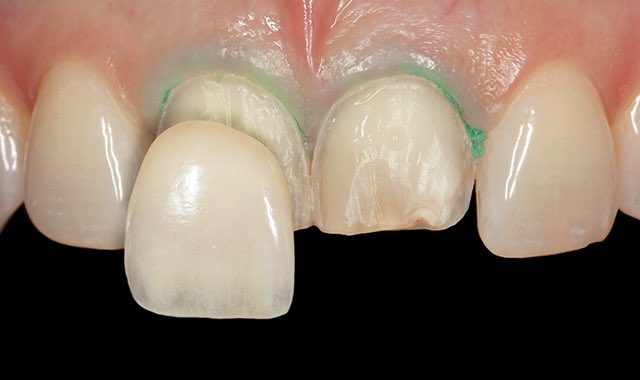
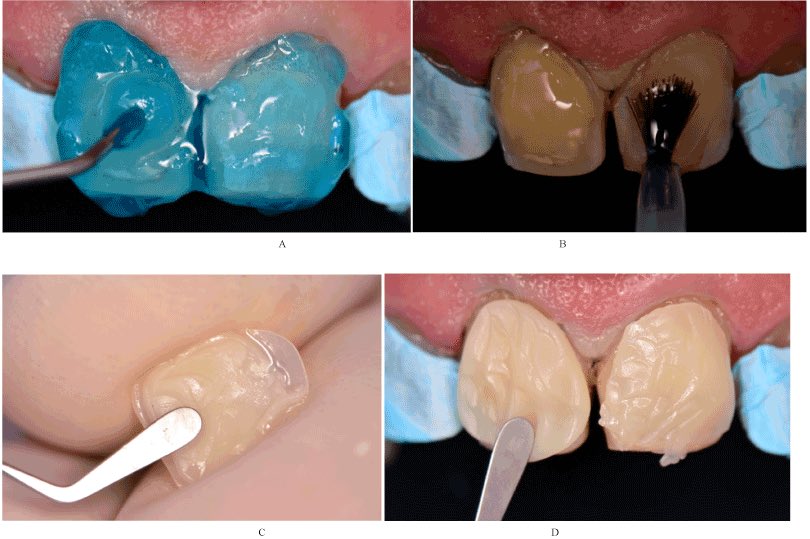
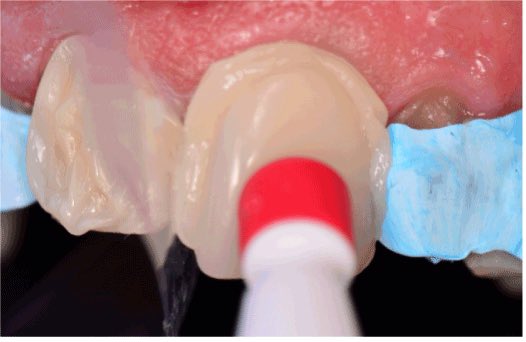
12.cure starting in the gingival area for 10 sec, some request curing in the center first then proceed removing the excess. then continue around, then the whole face for 60 sec.
If all the anterior teeth are concerned, cement 2 by 2 starting from the midline.
13.Finishing..
If all the anterior teeth are concerned, cement 2 by 2 starting from the midline.
13.Finishing..
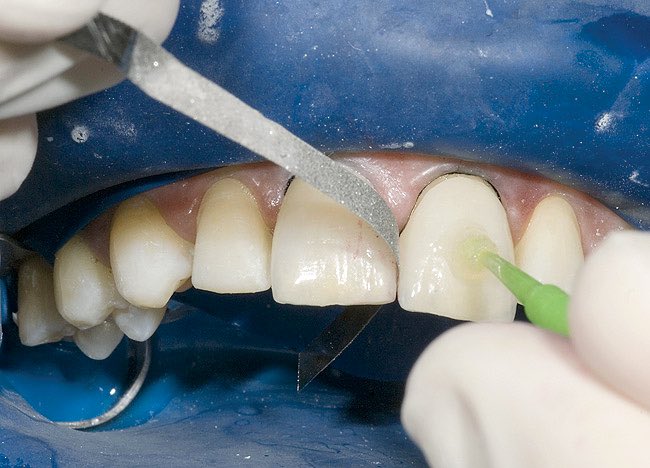
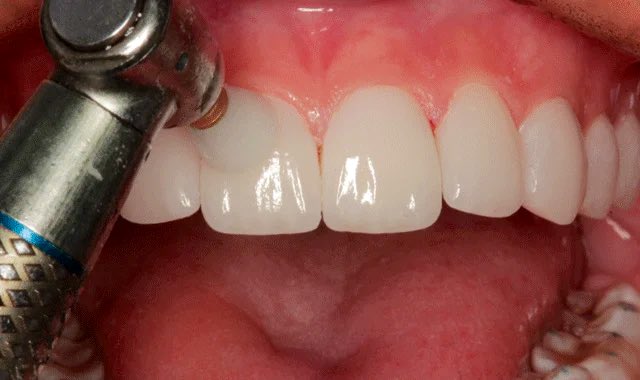
14. Remove gross excess using sharp hand instruments or fine and extra fine diamonds finishing burs.
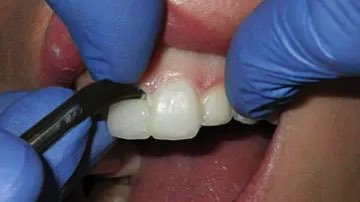
15. Finish the proximal using fine strips.
16. Place the next two.
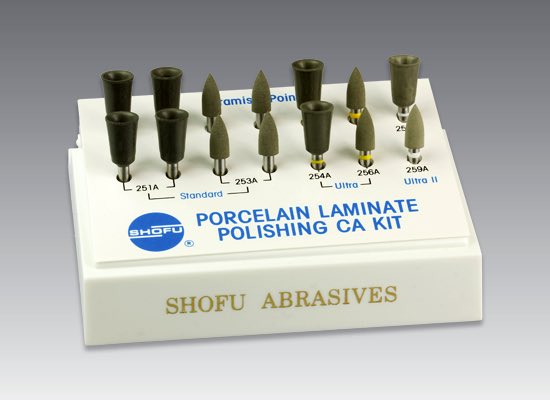
17. Use porcelain finishing paste for polishing if needed.
18. Check up the occlusion
15. Finish the proximal using fine strips.
16. Place the next two.
17. Use porcelain finishing paste for polishing if needed.
18. Check up the occlusion
Finally in the conclusion:
1.Success rate of veneer depend on the case selection.
2.Usually start with minimum invasive treatment (scalling, bleaching
,micro abrasion macro abrasion ) 3.Chose the lap that reflect your effort
4.Consider the patient occlusion in your treatment plan
1.Success rate of veneer depend on the case selection.
2.Usually start with minimum invasive treatment (scalling, bleaching
,micro abrasion macro abrasion ) 3.Chose the lap that reflect your effort
4.Consider the patient occlusion in your treatment plan
5. You must use ceramic etchable material
6. Never use zirconia veneer
7. Try to avoid as you can the veneer on lower anterior teeth
8. You must use light cure resin cement
9. You must do surface treatment
6. Never use zirconia veneer
7. Try to avoid as you can the veneer on lower anterior teeth
8. You must use light cure resin cement
9. You must do surface treatment
نهاية الثريد رجاءً احضروا ورش عمل ومارسوا كثير قبل التطبيق على مريض وايضاً حاول قدر المستطاع دكتور خبير معاك، اتمنى اني وفقت بإختيار أبرز الاشياء المفيده لكم قراءة ممتعه تابعونا ونوعدكم بتقديم المزيد من المحتوى المتميز والمفيد باذن الله ، 💙🙏🏼
دمتم في حفظ الله وانتظر اسئلتكم 🔥
دمتم في حفظ الله وانتظر اسئلتكم 🔥
Loading suggestions...