

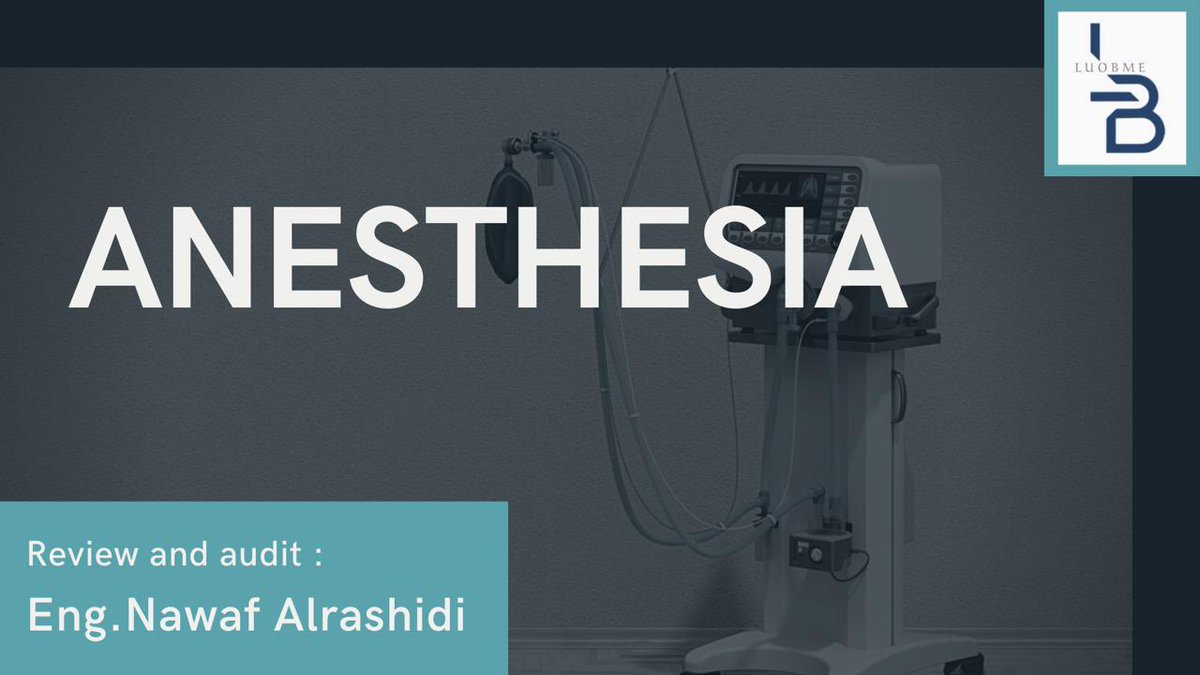
ANESTHESIA MACHINE
is a medical device used to generate and mix fresh gas flow of medical gases and inhalation anesthetic agents for purpose of inducing and maintaining anesthesia. The gas mixture can then be delivered to a breathing system of the patient.
is a medical device used to generate and mix fresh gas flow of medical gases and inhalation anesthetic agents for purpose of inducing and maintaining anesthesia. The gas mixture can then be delivered to a breathing system of the patient.
The main purpose of anesthesia machine is to prevent patients from pain during surgery. It also delivers gases to them.
ECRI NO. for Anesthesia unit is 10134.
ECRI NO. for Anesthesia unit is 10134.
Significant technological advancements in the anesthesia market are assisting the healthcare industry in improving the precision of anesthesia delivery. The global anesthesia devices market is highly competitive with major vendors, such as Drägerwerk, GE Healthcare, Maquet, etc.
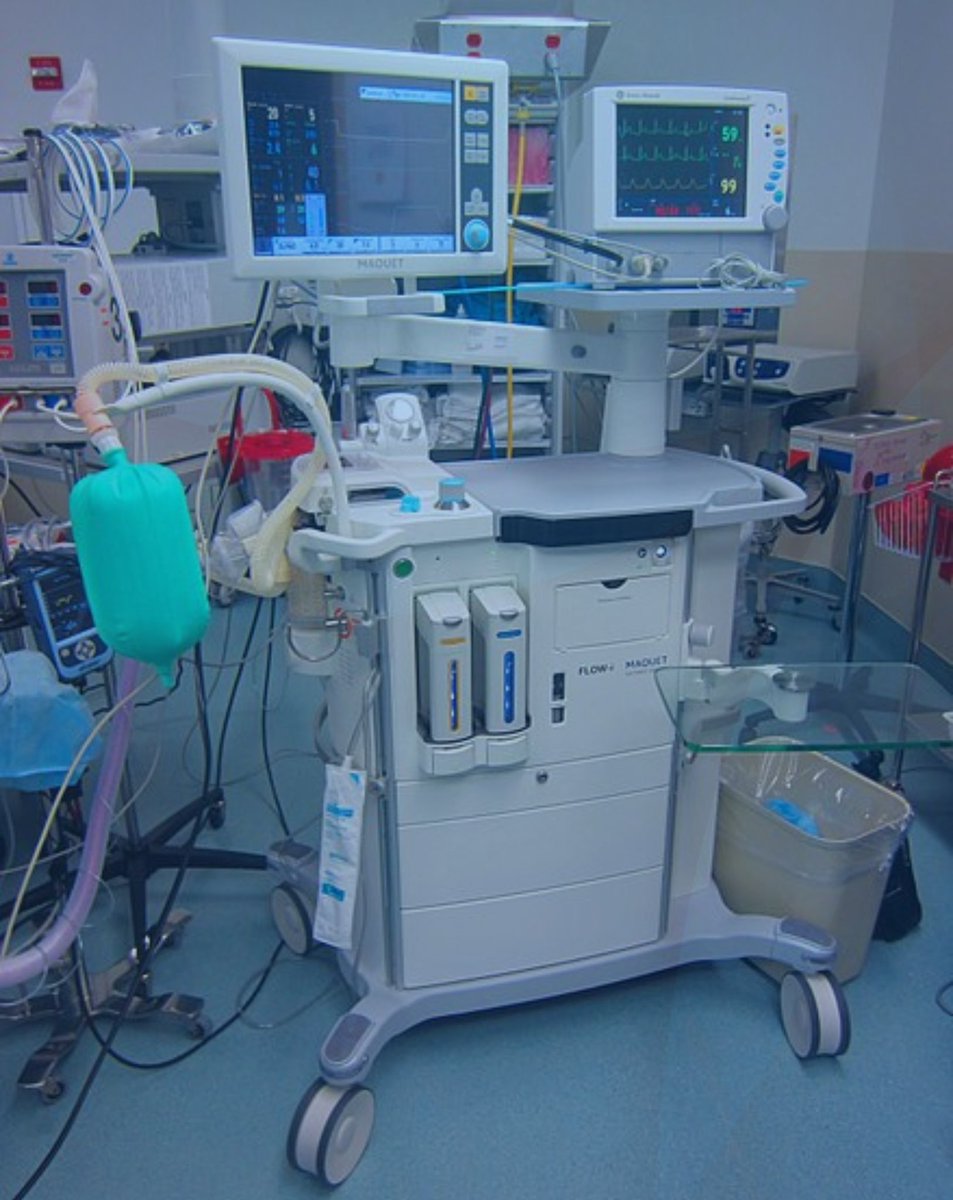
• Drägerwerk
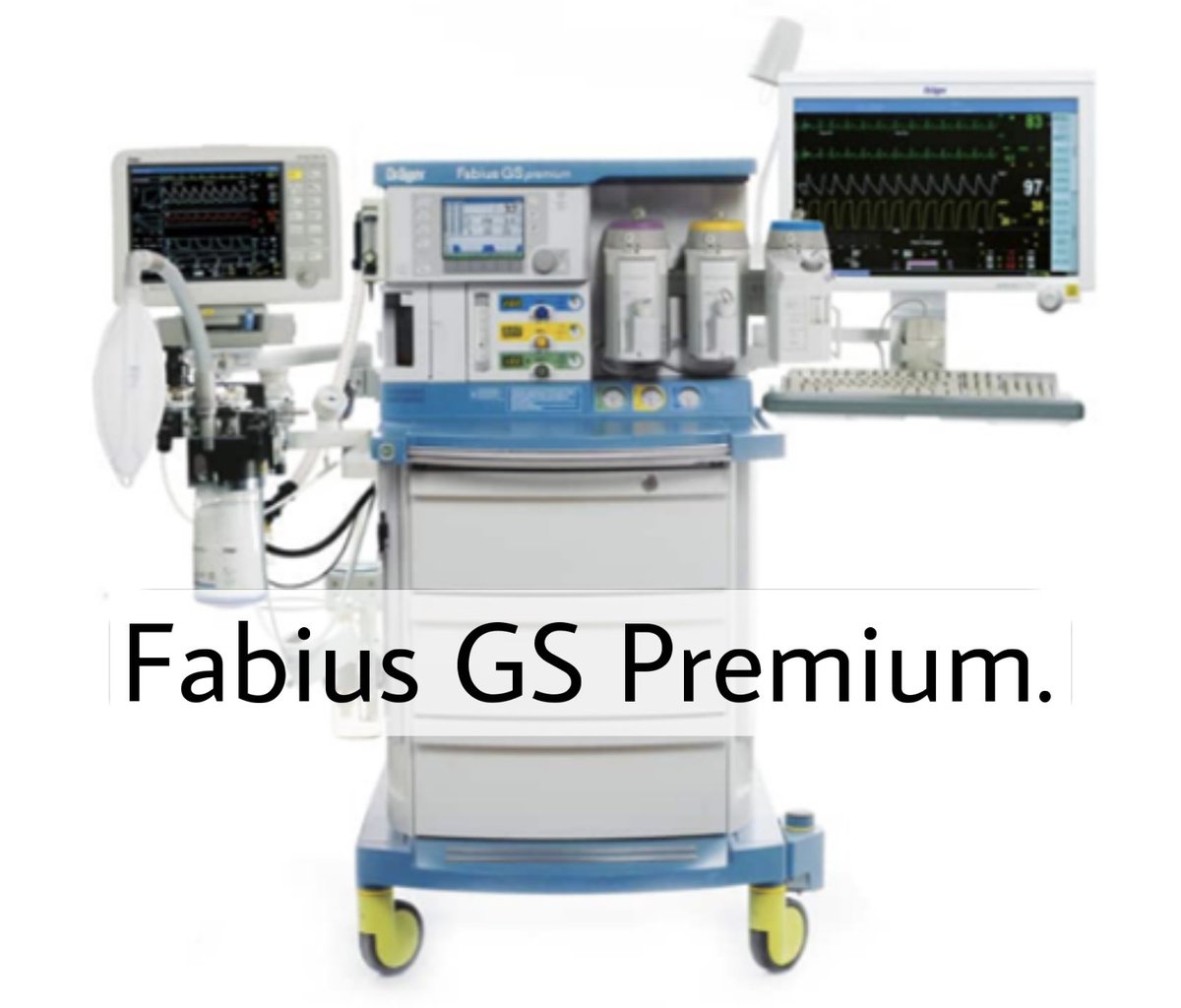
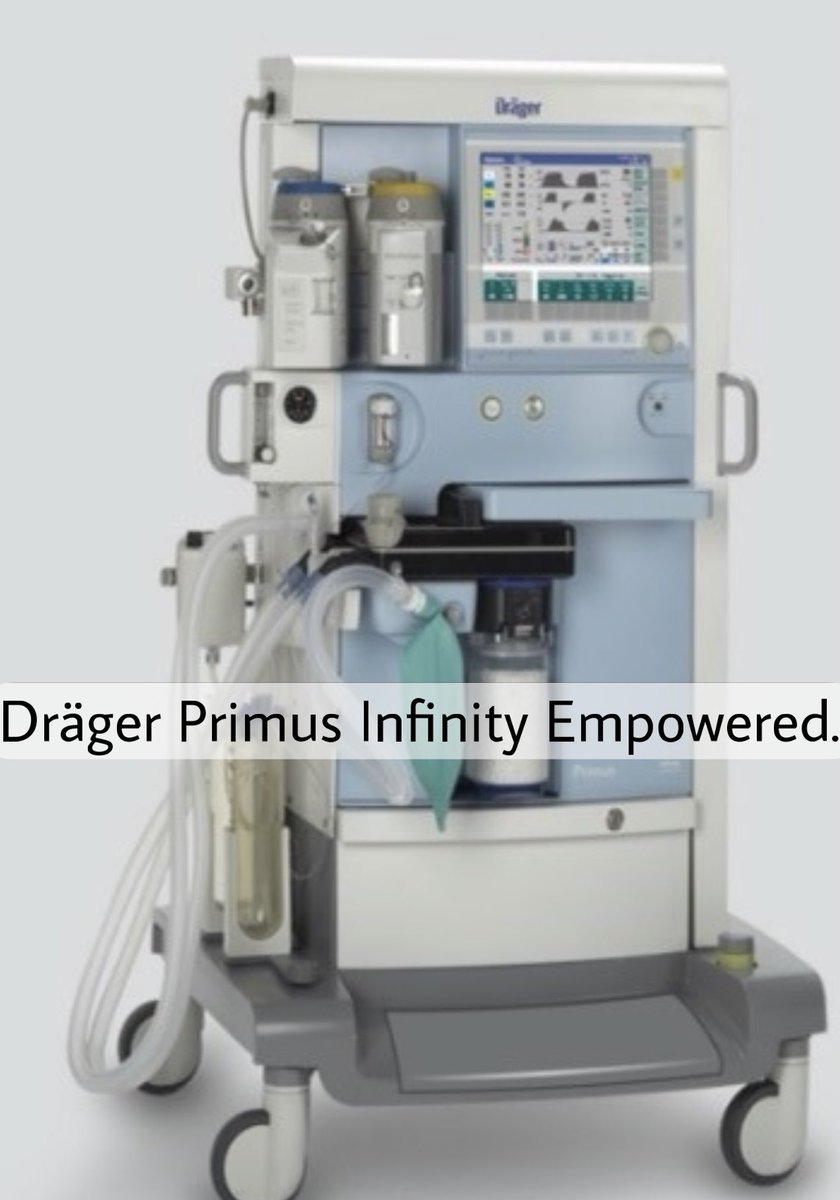
It is headquartered in Lübeck, Germany. The firm provides medical and safety technology solutions.The company operates in over 190 countries and has sales and service offices in over 40 countries. The company’s anesthesia devices portfolio includes products.
It is headquartered in Lübeck, Germany. The firm provides medical and safety technology solutions.The company operates in over 190 countries and has sales and service offices in over 40 countries. The company’s anesthesia devices portfolio includes products.
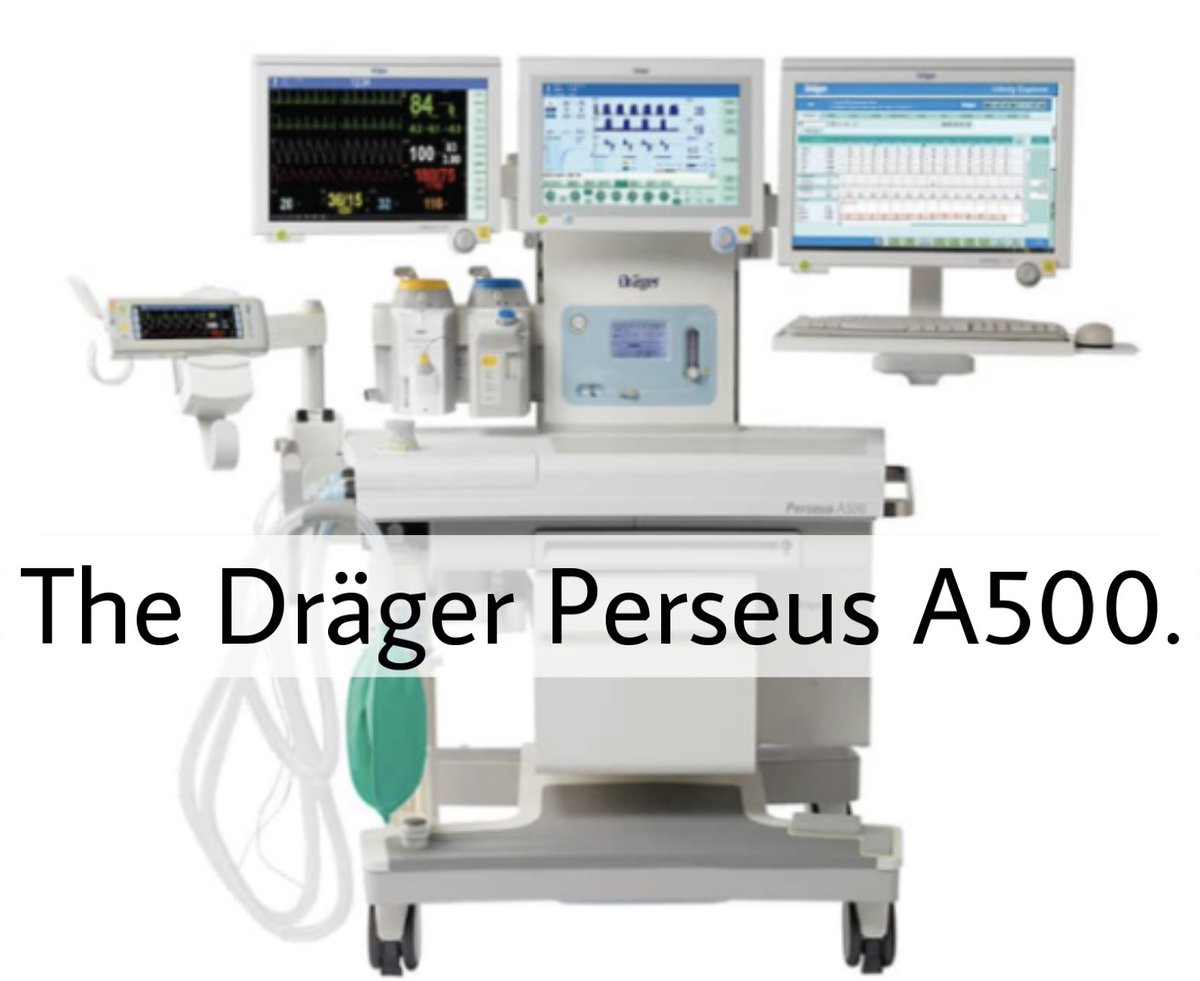
• GE Healthcare
It's headquartered in Chicago,US. The company sells its products in the global anesthesia delivery systems market through the healthcare systems’ segment. The company serves customers in over130 countries.
It's headquartered in Chicago,US. The company sells its products in the global anesthesia delivery systems market through the healthcare systems’ segment. The company serves customers in over130 countries.
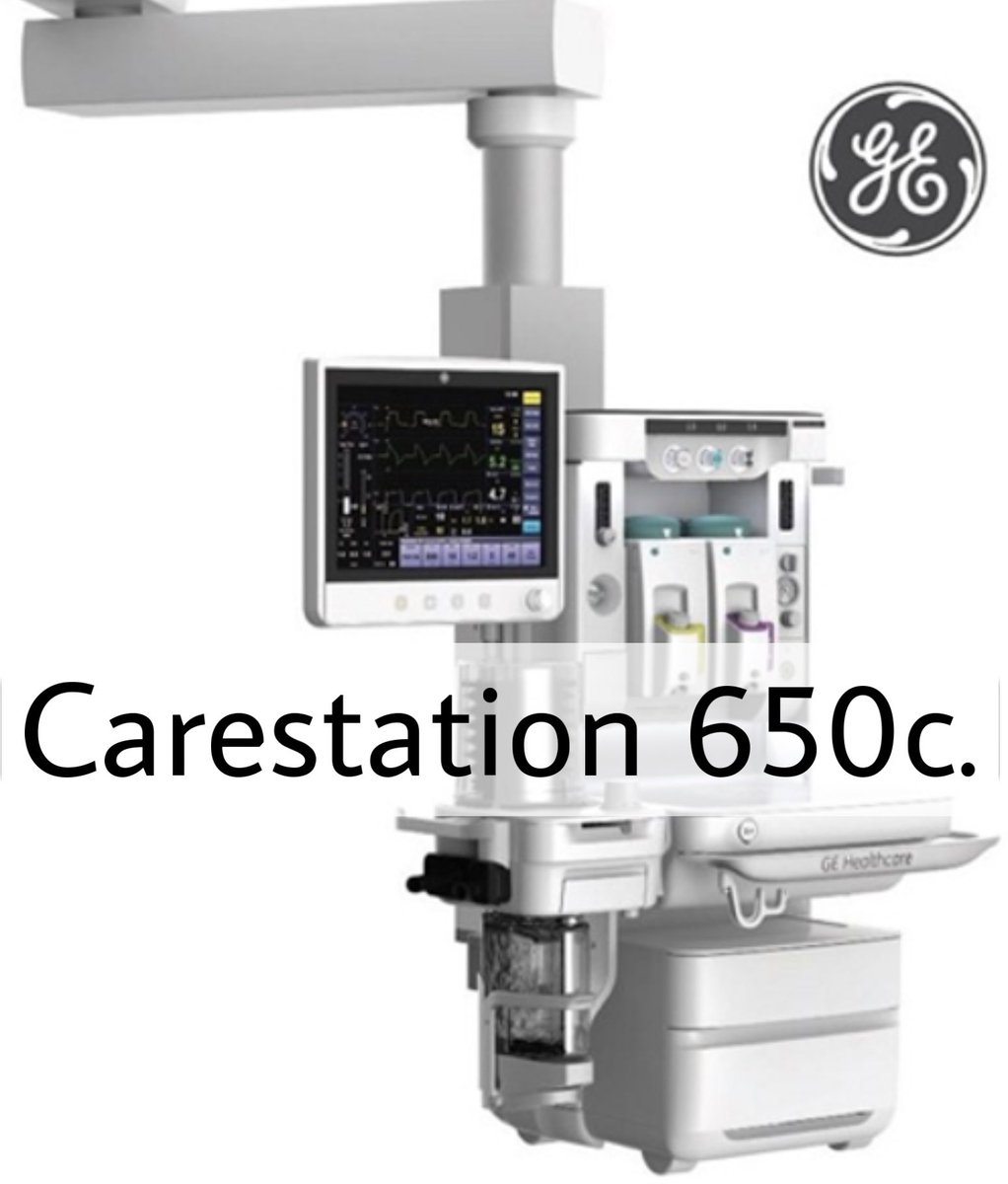
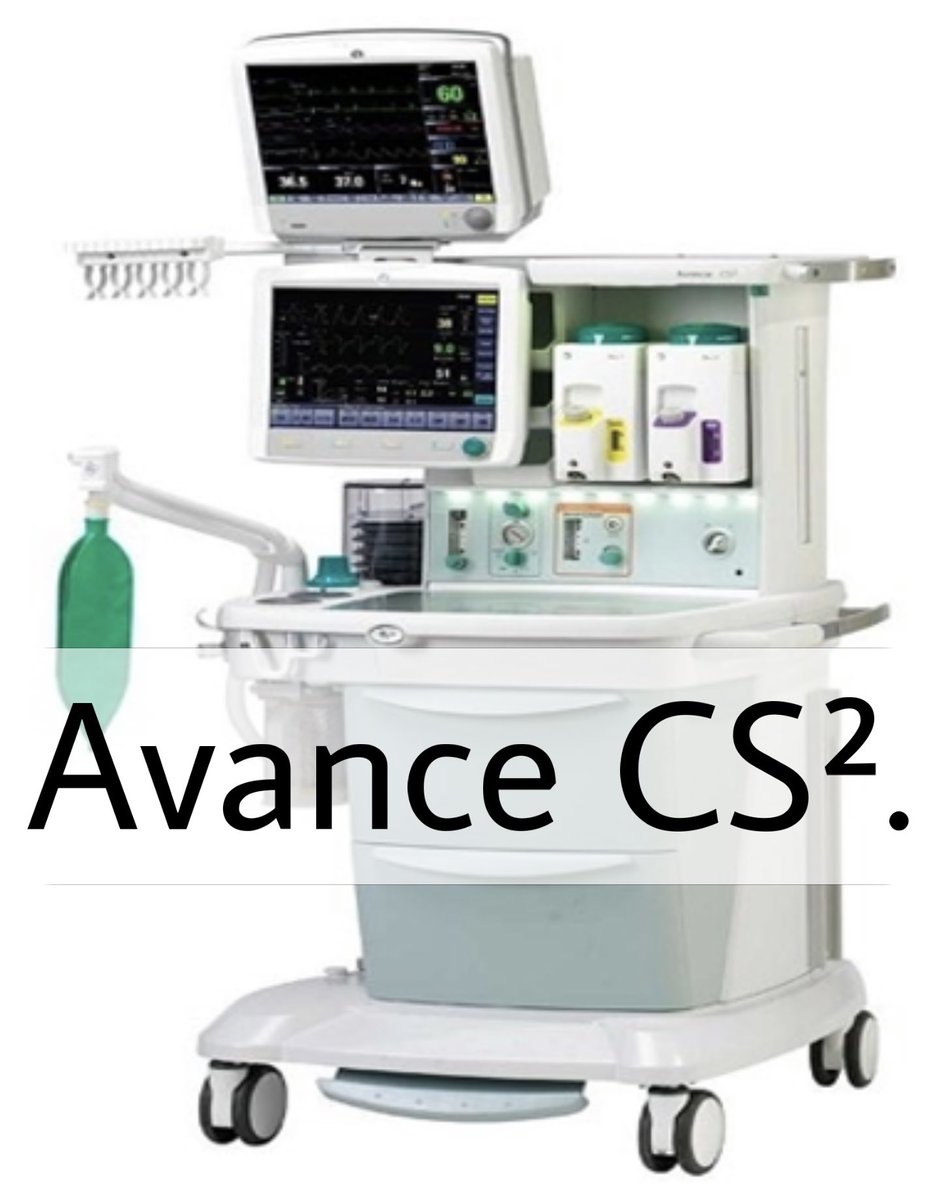
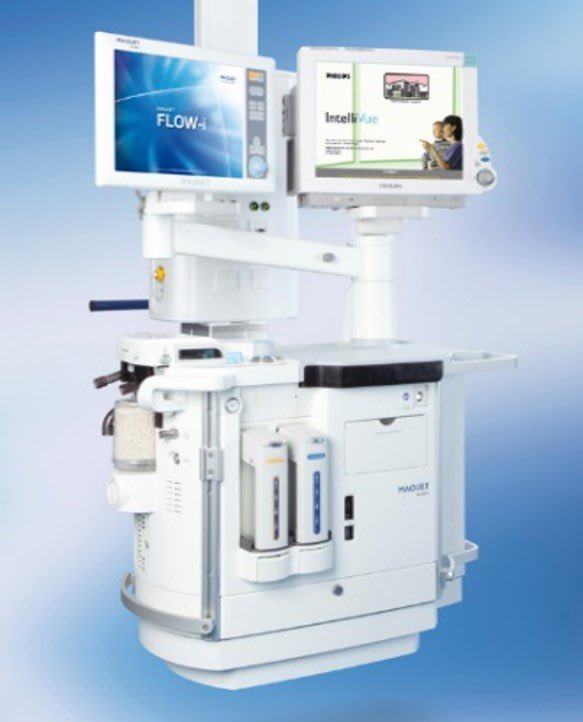
• Maquet
It's headquartered in Rastatt, Germany. It is a multinational medical technology company that specializes in surgery, infection control, intensive care, care ergonomics, and wound care.
It's headquartered in Rastatt, Germany. It is a multinational medical technology company that specializes in surgery, infection control, intensive care, care ergonomics, and wound care.
Specialized doctors called anesthetists are the users of anesthesia, usually supported by a specialist team of nurses and technicians. anesthesia devices are located in hospitals: operating rooms, and some clinics such as the dental clinic, the eye clinic.
Due to the high risk on the patient, anesthesia machine is classified as a class IIb device. It also classified as a type BF as it has medium term contact with patient.
An anesthesia machine is a portable device in which it can operates by portable compressed nitrous oxide, oxygen cylinders and other additions to the circuit. It also can be operated when it connected to a medical gases system that is present inside the operation room (OR).
During the installation process of anesthesia machine, The following test equipment are used:
1. Gas analyzer, to check:
flow rate, pressure, Oxygen concentration, Nitrous Oxide concentration.
2. Patient simulator.
1. Gas analyzer, to check:
flow rate, pressure, Oxygen concentration, Nitrous Oxide concentration.
2. Patient simulator.
Components:
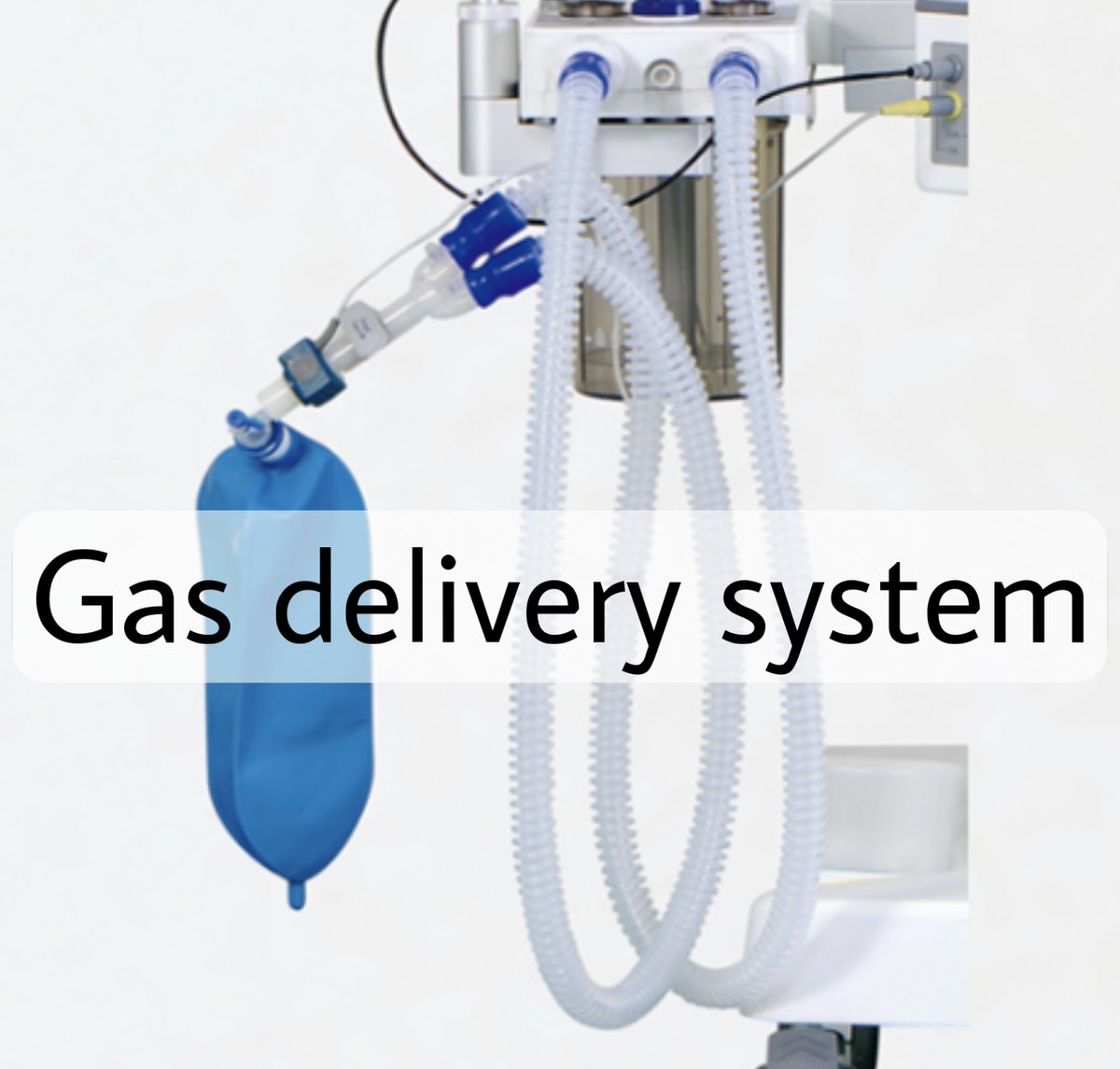
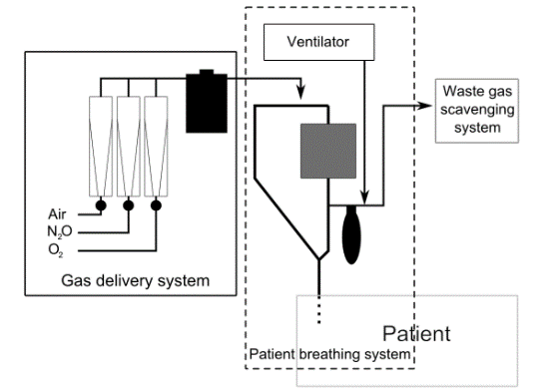
1.Gas delivery system
- Contains reserve cylinders and gas pipelines connected to the anesthetic machine to deliver the gases like oxygen (O2) and nitrous oxide (N2O).
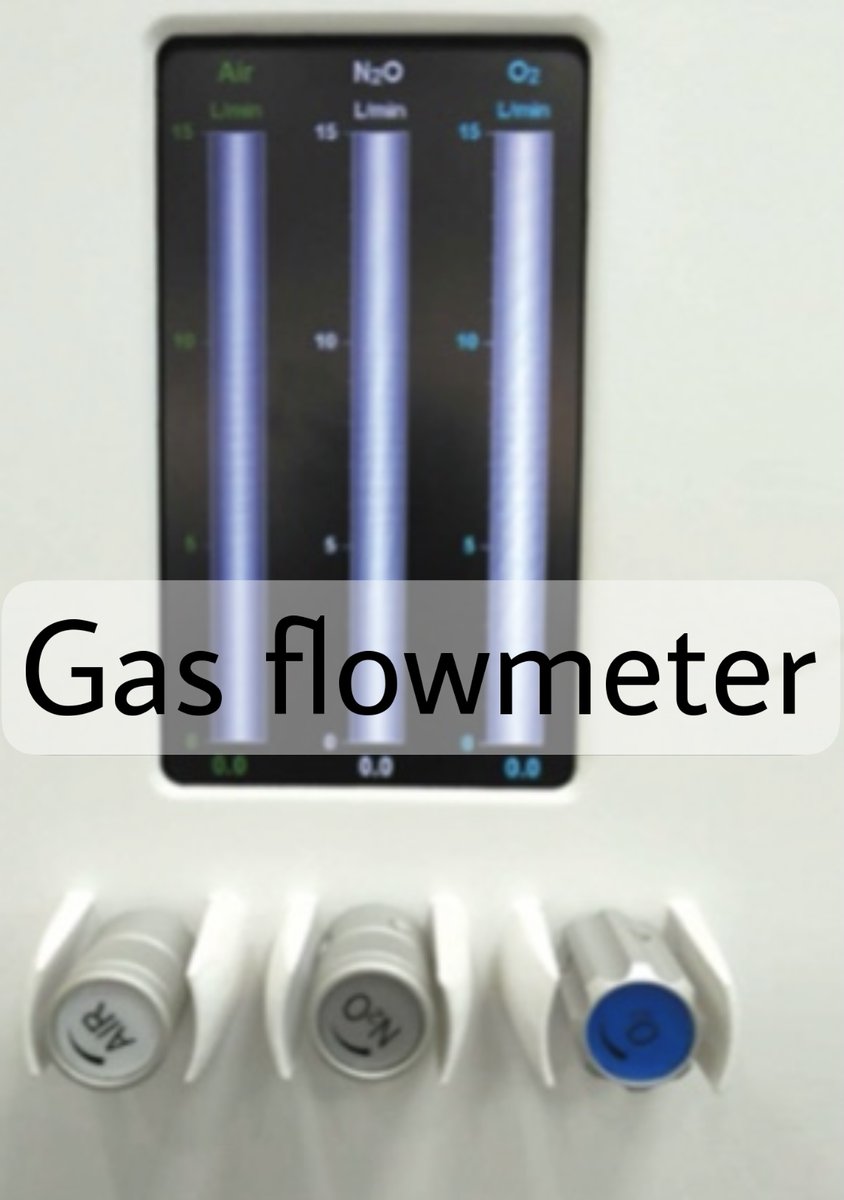
2.Gasflowmeter
- Contains a controlled mixture of the gases with anesthetic vapor.
1.Gas delivery system
- Contains reserve cylinders and gas pipelines connected to the anesthetic machine to deliver the gases like oxygen (O2) and nitrous oxide (N2O).
2.Gasflowmeter
- Contains a controlled mixture of the gases with anesthetic vapor.
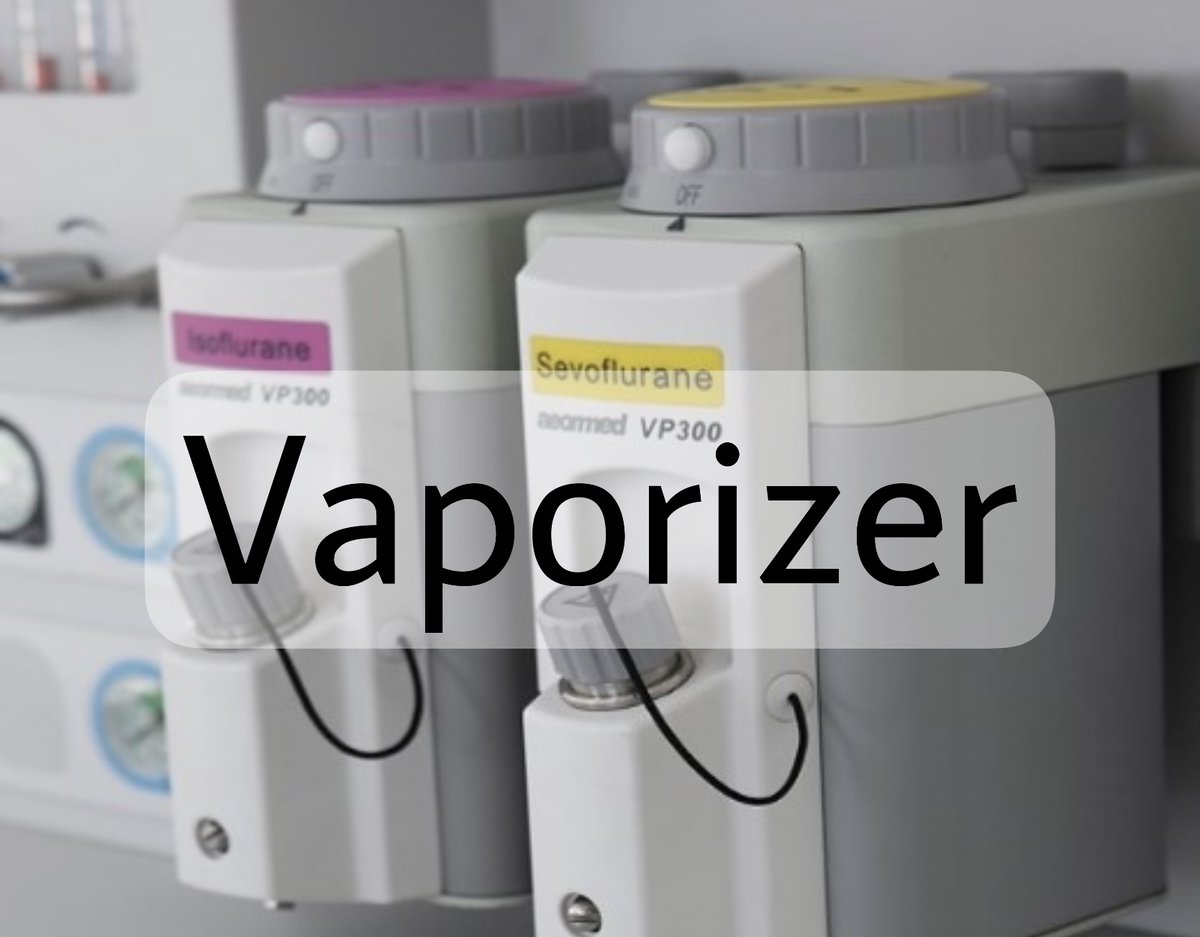
3.Vaporizer
- Delivers the vapor mixture to the patient.
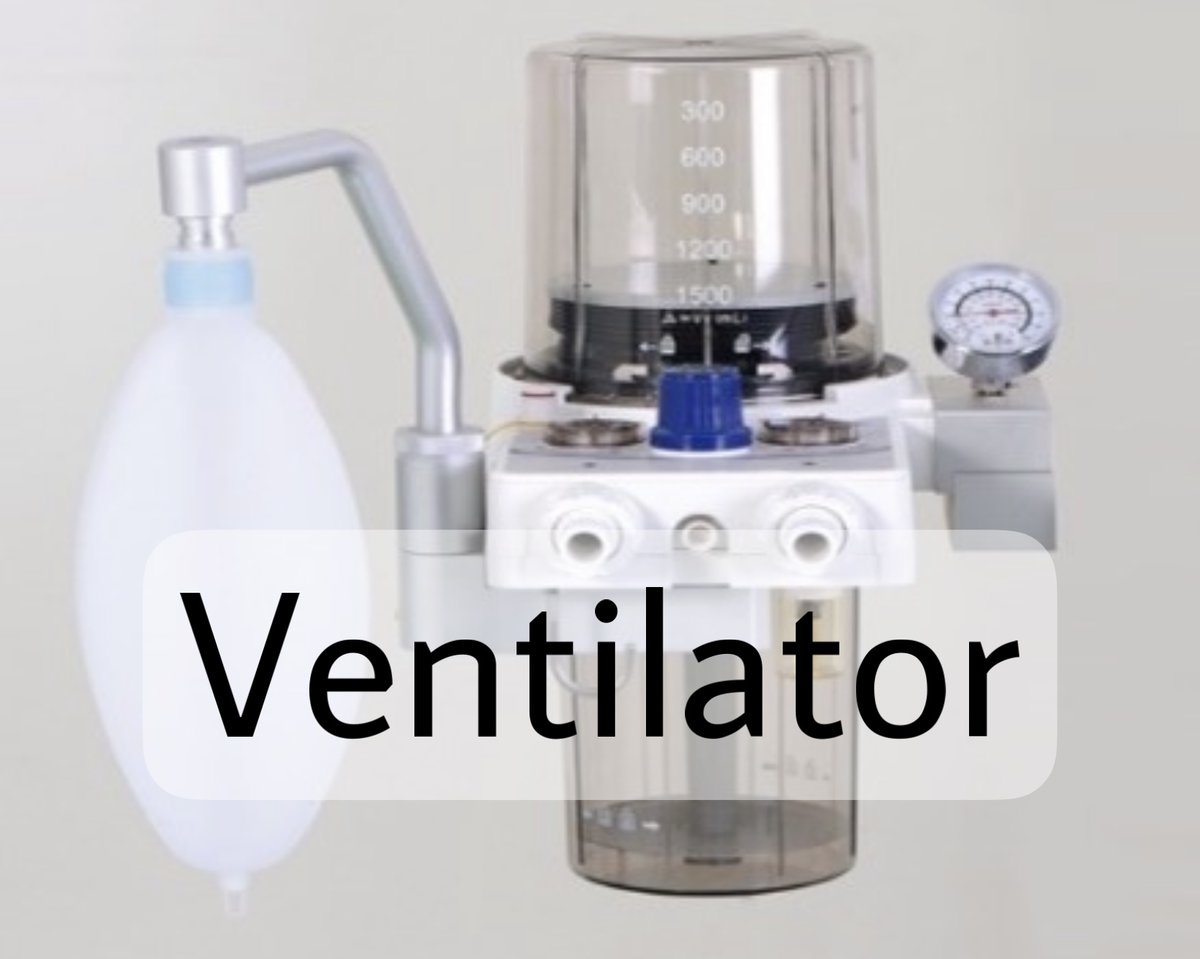
4.Ventilator
- assists the patient's ventilation.
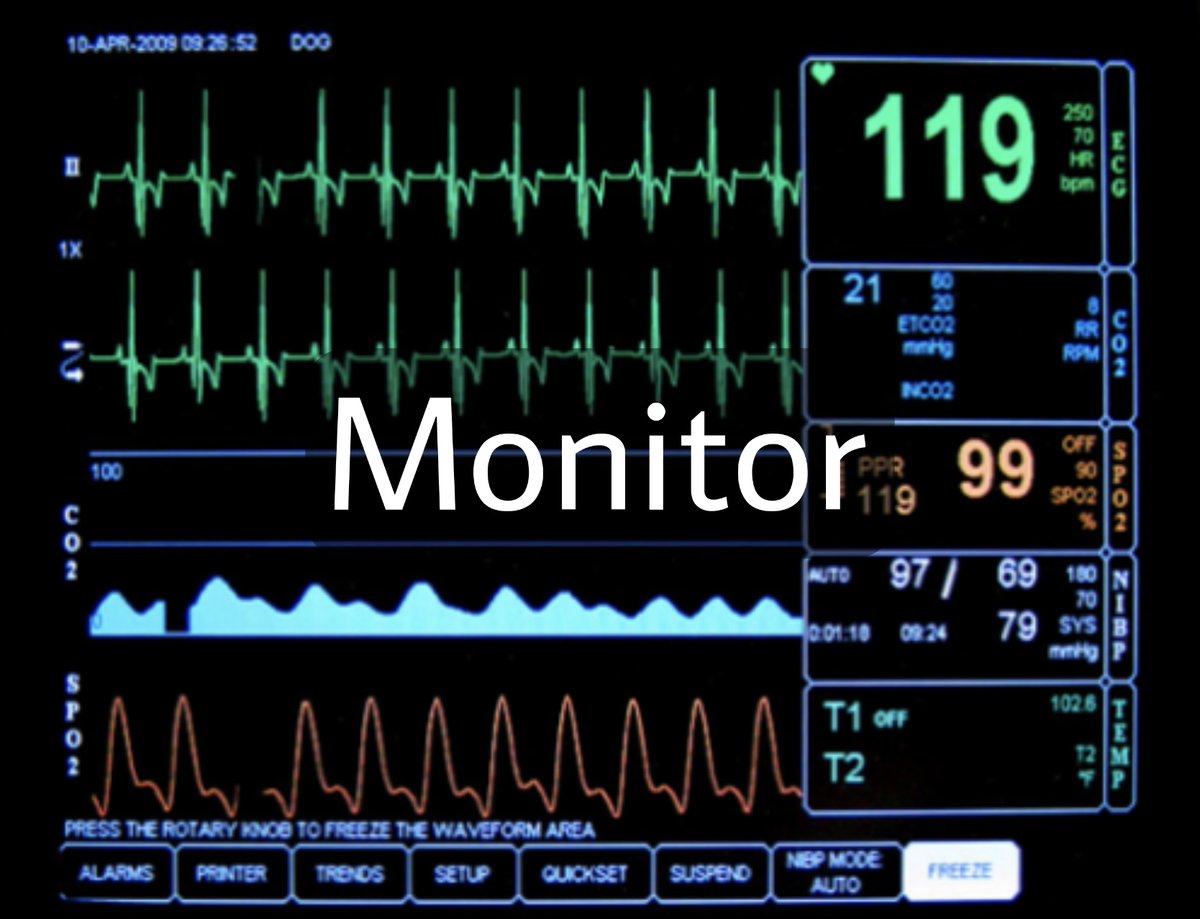
5.Monitor
- monitors the heart rate, blood pressure, temperature and other vital signs.
- Delivers the vapor mixture to the patient.
4.Ventilator
- assists the patient's ventilation.
5.Monitor
- monitors the heart rate, blood pressure, temperature and other vital signs.
The Principle of Operation:
1.The anesthesia machine receives the gases from the gas delivery system.
2. IT controls the flow and reduces the pressure of these gases to a safe level by the gas flowmeter.
1.The anesthesia machine receives the gases from the gas delivery system.
2. IT controls the flow and reduces the pressure of these gases to a safe level by the gas flowmeter.
3.The vaporizer vaporizes volatile anesthetics into the final gas mixture.
4.The gases are delivered to a breathing circuit that is connected to the patient’s airway.
4.The gases are delivered to a breathing circuit that is connected to the patient’s airway.
Test Equipment and PPM:
• PPM for anesthesia machine is done annually, There is a self-check by the anesthesia
machine and it is done every time it is turned on.
• The following systems will be checked once the machine is turned on:
• PPM for anesthesia machine is done annually, There is a self-check by the anesthesia
machine and it is done every time it is turned on.
• The following systems will be checked once the machine is turned on:
1) High pressure system.
a. O2 cylinder: contents.
b. pipelines: connections.
2) Low pressure system.
a. control valves/flow meters.
b. Vaporizers.
c. breathing system.
d. O2 failure device.
e. O2 flush.
a. O2 cylinder: contents.
b. pipelines: connections.
2) Low pressure system.
a. control valves/flow meters.
b. Vaporizers.
c. breathing system.
d. O2 failure device.
e. O2 flush.
3) Ventilator.
a. Function.
b. Leaks.
c. low pressure alarm.
4) Scavenging system.
a. Connections.
b. Suction on
a. Function.
b. Leaks.
c. low pressure alarm.
4) Scavenging system.
a. Connections.
b. Suction on
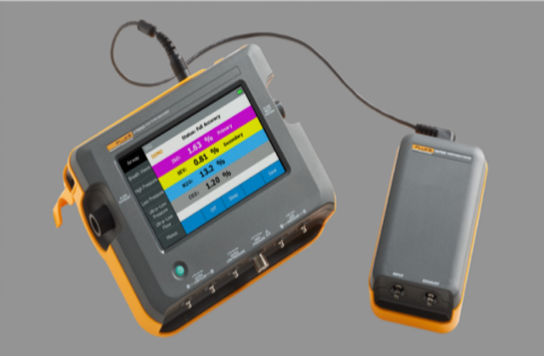
The figure below shows VT900A Gas Flow Analyzer as it also used as Vapor Anesthesia Tester.
Common problems:
1. low pressure due to a leakage or sensors are not positioned correctly.
2. Flowmeter problems due to gas leak.
3. Vaporizer's failure while changing the anesthetic liquid into vapour.
1. low pressure due to a leakage or sensors are not positioned correctly.
2. Flowmeter problems due to gas leak.
3. Vaporizer's failure while changing the anesthetic liquid into vapour.
Fault and Solutions:
1. Equipment is not running: Check main power socket, refer to electrician for repair.
2. No gas output: Restore gas supply, replace O2cylinder and/or N2O cylinder.
3. O2 alarm failure: Contact the manufacturer or a technician.
1. Equipment is not running: Check main power socket, refer to electrician for repair.
2. No gas output: Restore gas supply, replace O2cylinder and/or N2O cylinder.
3. O2 alarm failure: Contact the manufacturer or a technician.
4. Machine has leaks: Clean leaking seal or gasket, replace if broken, contact the manufacturer.
5. Flowmeter fault: Refer to biomedical technician.
6. Electrical shocks: Refer to electrician immediately.
5. Flowmeter fault: Refer to biomedical technician.
6. Electrical shocks: Refer to electrician immediately.
Accessories and Spare Parts:
1. General Anesthesia Accessories.
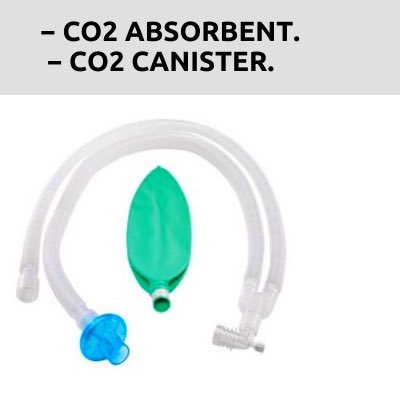
- CO2 Absorbent.
- Breathing Circuits.
- Filters / HME’s.
- CO2 Canister.
1. General Anesthesia Accessories.
- CO2 Absorbent.
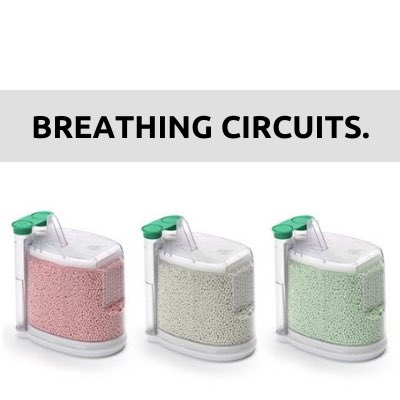
- Breathing Circuits.
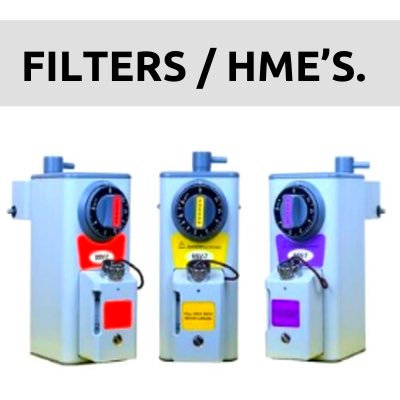
- Filters / HME’s.
- CO2 Canister.
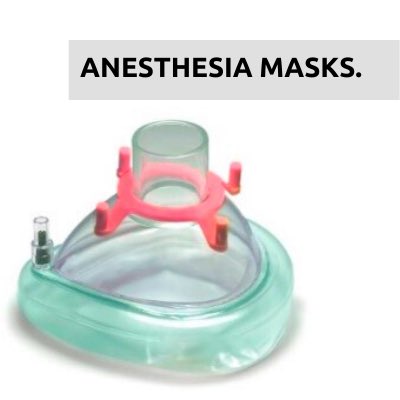
- Anesthesia Masks.
- Vaporizer.
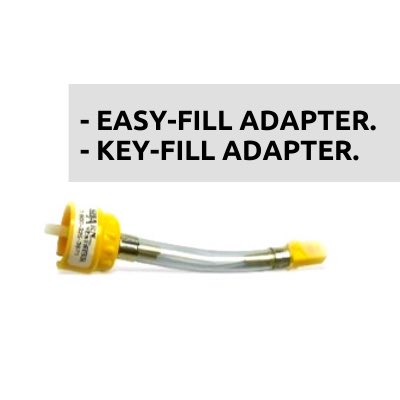
- Vaporizer Fill Adapters.
- Oxygen Cells.
- Easy-fill adapter.
- Key-fill adapter.
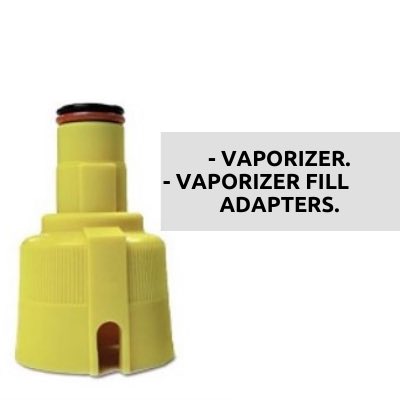
- Vaporizer.
- Vaporizer Fill Adapters.
- Oxygen Cells.
- Easy-fill adapter.
- Key-fill adapter.
2. Anesthesia Machine Accessories:
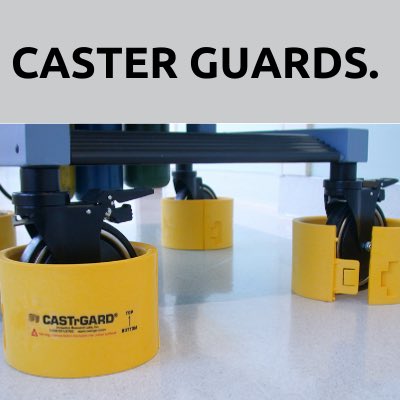
- Caster Guards.
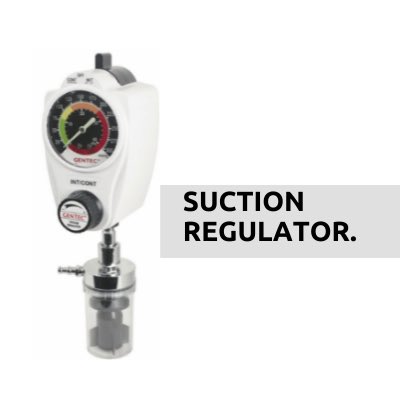
- Suction Regulator.
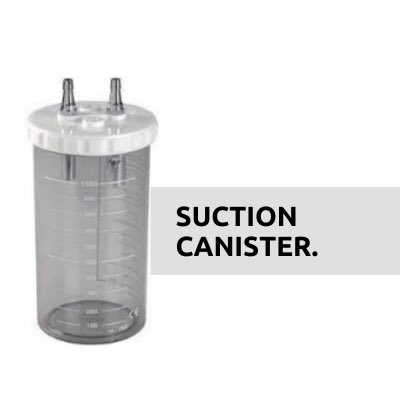
- Suction Canister.
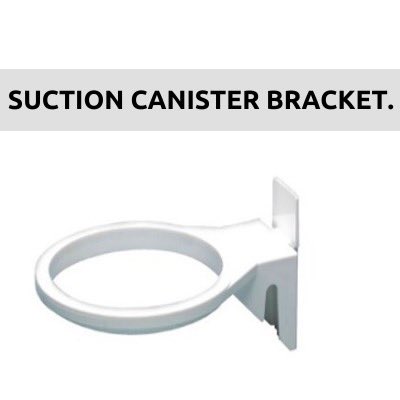
- Suction Canister Bracket.
- Caster Guards.
- Suction Regulator.
- Suction Canister.
- Suction Canister Bracket.
3. Airway Management Accessories:
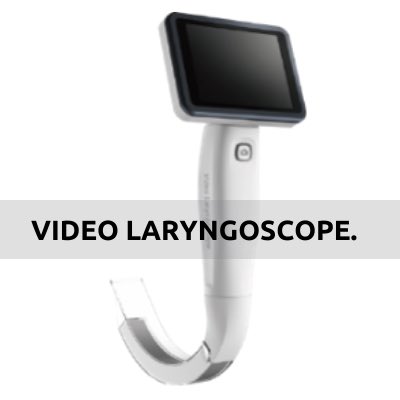
- Video Laryngoscope.
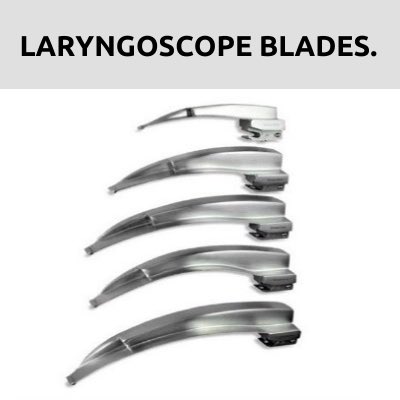
- Laryngoscope Blades.
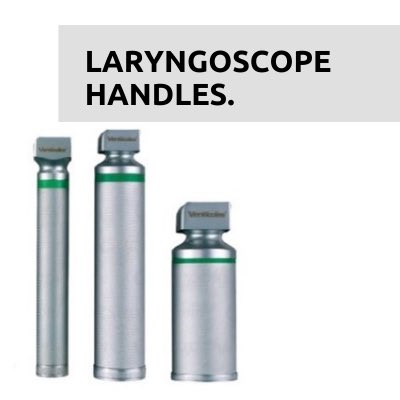
- Laryngoscope Handles.
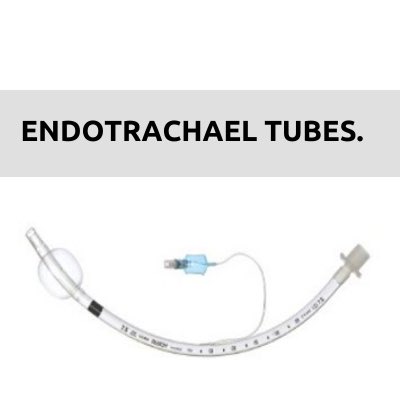
- Endotrachael Tubes.
- Video Laryngoscope.
- Laryngoscope Blades.
- Laryngoscope Handles.
- Endotrachael Tubes.
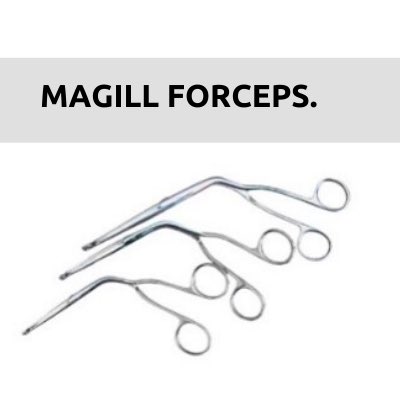
- Magill Forceps.
- Intubating Stylets.
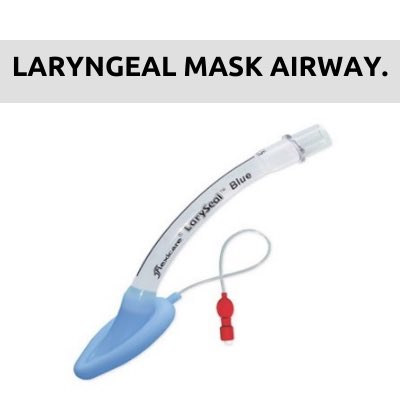
- Laryngeal Mask Airway.
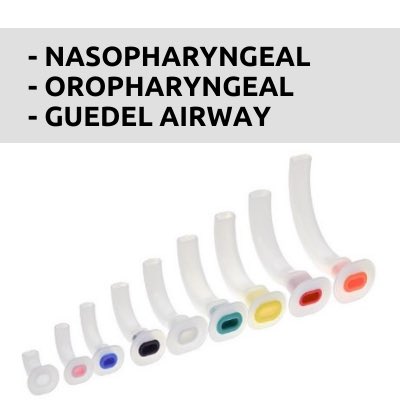
- Nasopharyngeal / Oropharyngeal / Guedel Airways.
- Intubating Stylets.
- Laryngeal Mask Airway.
- Nasopharyngeal / Oropharyngeal / Guedel Airways.

4. Anesthesia Maintenance Accessories:
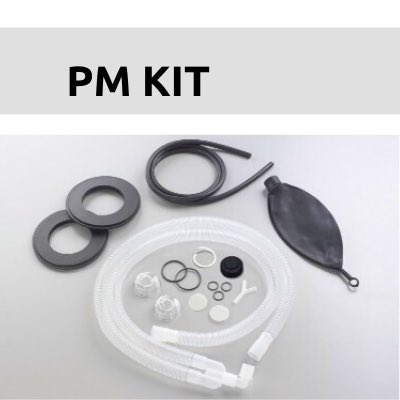
- PM Kit.
5. Emergency Protocols:
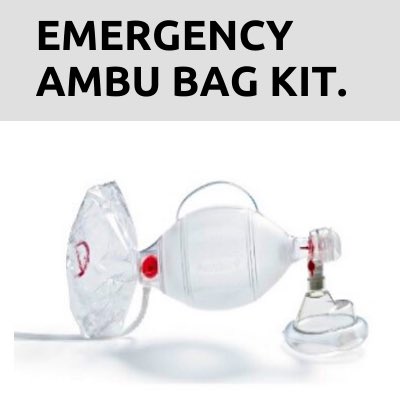
- Emergency Ambu Bag kit.
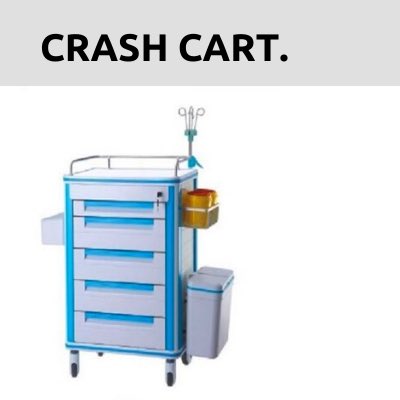
- Crash cart.
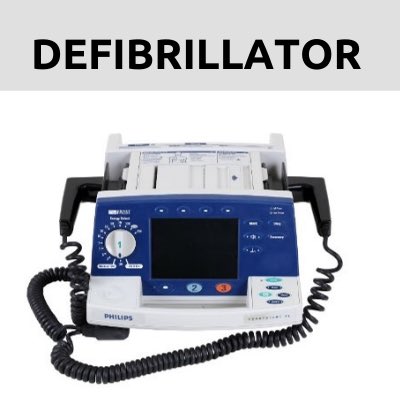
- Defibrillator.
- PM Kit.
5. Emergency Protocols:
- Emergency Ambu Bag kit.
- Crash cart.
- Defibrillator.
Loading suggestions...