

Are You Being Manipulated?
Learn the Psychology of Persuasion
16 Cognitive Biases That Can Take Your Money or Make You Money
(THREAD)
Learn the Psychology of Persuasion
16 Cognitive Biases That Can Take Your Money or Make You Money
(THREAD)

Your brain represents just 2% of your total body weight.
But uses 20% of the body's energy.
To save energy, your brain comes up with shortcuts like cognitive bias.
Understanding bias can be what separates you from success and failure in business.
Let's get into it👇
But uses 20% of the body's energy.
To save energy, your brain comes up with shortcuts like cognitive bias.
Understanding bias can be what separates you from success and failure in business.
Let's get into it👇
1) Anchoring Bias
The first piece of information you receive (the anchor) changes how future information is perceived.
Tip:
Showing a larger price first will make the following price seem small in relation.
The first piece of information you receive (the anchor) changes how future information is perceived.
Tip:
Showing a larger price first will make the following price seem small in relation.

2) Authority Bias
You tend to question authority figures less and are more easily influenced by them.
Tip:
Find influencers in your niche and get endorsements from them.
You tend to question authority figures less and are more easily influenced by them.
Tip:
Find influencers in your niche and get endorsements from them.

3) Bandwagon Effect
You're more likely to adopt a belief or behaviour if many others have already.
Tip:
Show how many people have used your offer and use testimonials.
You're more likely to adopt a belief or behaviour if many others have already.
Tip:
Show how many people have used your offer and use testimonials.

4) Commitment Bias
You're more likely to remain consistent with past behaviour.
Tip:
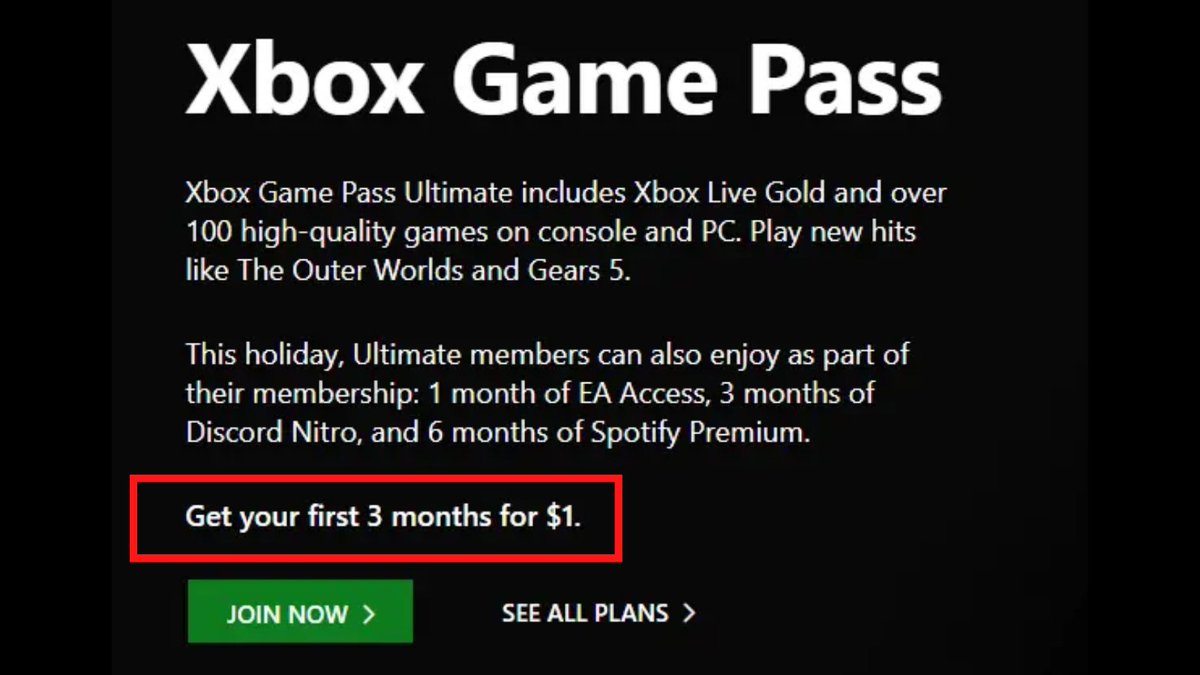
Get your prospect to take a small action.
This could be a lead magnet, survey, or trial offers.
That small investment increases the chances of them investing in you further.
You're more likely to remain consistent with past behaviour.
Tip:
Get your prospect to take a small action.
This could be a lead magnet, survey, or trial offers.
That small investment increases the chances of them investing in you further.
5) Liking Bias
You say "yes" more often to people you know and like.
Tip:
People like others that are similar to them.
Talk about your story in an "About" section and relate to prospects.
@EdLatimore does this beautifully with an inspiring hero's journey story.
You say "yes" more often to people you know and like.
Tip:
People like others that are similar to them.
Talk about your story in an "About" section and relate to prospects.
@EdLatimore does this beautifully with an inspiring hero's journey story.


@EdLatimore 6) Endowment Effect
You value things you own more than things you don't.
Tip:
Get people used to using your offer.
Give them a free trial.
You value things you own more than things you don't.
Tip:
Get people used to using your offer.
Give them a free trial.

@EdLatimore 7) Choice Overload Bias
The more options you're given, the less likely you'll take action.
Tip:
Don't have too many CTA's or pricing plans.
Keep it as simple as possible.
The more options you're given, the less likely you'll take action.
Tip:
Don't have too many CTA's or pricing plans.
Keep it as simple as possible.

@EdLatimore 8) Loss Aversion
Your fear of loss is stronger than your desire for gain.
Tip:
Frame your offer in way that shows how much time, money, energy, etc. they'll save.
Your fear of loss is stronger than your desire for gain.
Tip:
Frame your offer in way that shows how much time, money, energy, etc. they'll save.

@EdLatimore 9) Scarcity Bias
You place more value on things that are scarce and less value on things that are abundant.
Tip:
Make your limited time/quantities known.
You place more value on things that are scarce and less value on things that are abundant.
Tip:
Make your limited time/quantities known.

@EdLatimore 10) Framing Effect
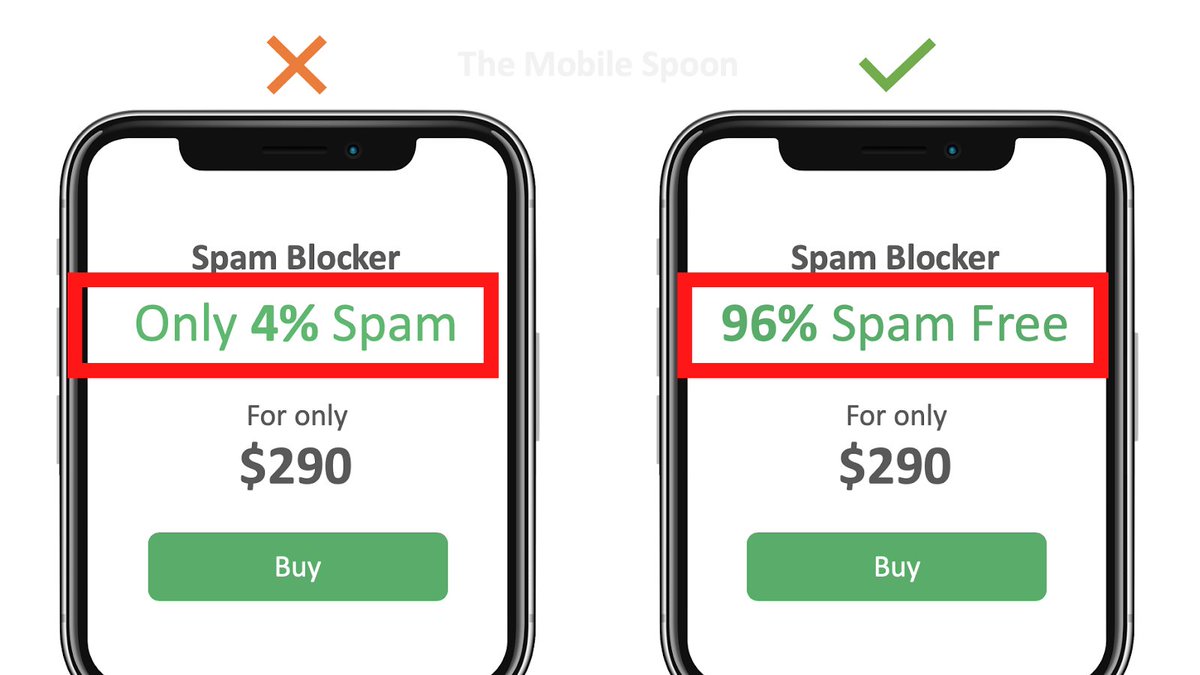
The same information can be presented in different ways to influence different decisions.
Tip:
When framing your offer, keep in mind that people hate loss.
Frame accordingly.
❌ 10% failure rate
✅ 90% success rate
❌ $400/year
✅ $1.09/day
The same information can be presented in different ways to influence different decisions.
Tip:
When framing your offer, keep in mind that people hate loss.
Frame accordingly.
❌ 10% failure rate
✅ 90% success rate
❌ $400/year
✅ $1.09/day
@EdLatimore 11) Reciprocity Bias
You feel a need to repay someone who gives you a favour or gift.
Tip:
• Give away a free course or e-book
• Produce free content packed with value.
This will also build authority and trust with your audience.
You feel a need to repay someone who gives you a favour or gift.
Tip:
• Give away a free course or e-book
• Produce free content packed with value.
This will also build authority and trust with your audience.

@EdLatimore 12) Halo Effect
You relate competence in one area to competence in other areas.
Tip:
People associate your brand quality with the quality of your service.
Take the time to setup a clean website and/or profile.
You relate competence in one area to competence in other areas.
Tip:
People associate your brand quality with the quality of your service.
Take the time to setup a clean website and/or profile.

@EdLatimore 14) Mere Exposure Effect
You prefer things and people you're familiar with.
Tip:
Produce valuable content consistently.
You prefer things and people you're familiar with.
Tip:
Produce valuable content consistently.

@EdLatimore 15) Empathy Gap
You underestimate the influence of your current emotions and how they will affect your decisions.
Tip:
Your writing should invoke emotion.
Make the prospect's problem known, agitate it, and appeal to their desires while presenting your offer as the solution.
You underestimate the influence of your current emotions and how they will affect your decisions.
Tip:
Your writing should invoke emotion.
Make the prospect's problem known, agitate it, and appeal to their desires while presenting your offer as the solution.

@EdLatimore 16) Confirmation Bias
You tend to seek out information that confirms your existing beliefs.
Tip:
Do a lot of market research.
Address your prospect's pain points.
Confirm their beliefs and set up your offer as the obvious solution.
You tend to seek out information that confirms your existing beliefs.
Tip:
Do a lot of market research.
Address your prospect's pain points.
Confirm their beliefs and set up your offer as the obvious solution.

@EdLatimore Conclusion:
When you manipulate, you take advantage of others to benefit yourself.
When you persuade, you make others take action to benefit themselves.
Understand the difference and use this new knowledge responsibly.
When you manipulate, you take advantage of others to benefit yourself.
When you persuade, you make others take action to benefit themselves.
Understand the difference and use this new knowledge responsibly.
@EdLatimore That's all ladies and gents.
If you got value from this thread and want more content like this:
1) Follow me @wrongstowrite
2) Give the first tweet a retweet
Thanks for taking the time to read👋
If you got value from this thread and want more content like this:
1) Follow me @wrongstowrite
2) Give the first tweet a retweet
Thanks for taking the time to read👋


Loading suggestions...