

SLGT2i and the Kidney Tweetorial Part 2
Start: Time to #flozinate
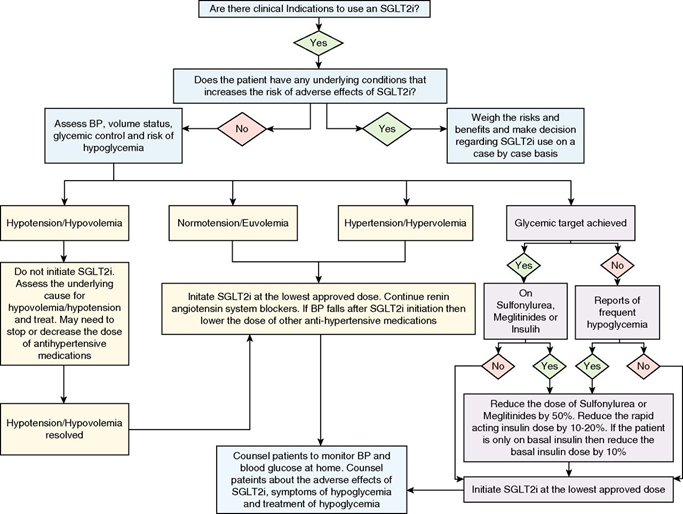
When prescribing- mindful for bp management kidney360.asnjournals.org @aishaikh
Start: Time to #flozinate
When prescribing- mindful for bp management kidney360.asnjournals.org @aishaikh
What about Scrt... SGLT2i therapy can cause an acute drop in eGFR. In the absence of hemodynamic instability or an alternate cause of AKI, the initial decline in GFR by 4-8 ml/min/1.73m2 after SGLT2i initiation is likely due to reduction in intra-glomerular pressure.


A typical patient included in CREDENCE would lose 4.6 ml/min/year of eGFR if treated with RAASi only, reaching ESKD in 10 years. However, if canagliflozin is added to his treatment, he would only lose 1.85 ml/min/year of eGFR, delaying ESKD by 15 kidney360.asnjournals.org


What other effects? @ChristosArgyrop


Managing the side effects

Renal transplants get to #flozinate


What we know and what we don't know

Final words: SGLT2i are safe and effective down to GFR 20ml/min, though caution in the 20-30 range ( definitely use for GFR >25)
Don’t stop as kidney function declines until start of dialysis
Expect GFR drop, even up to 20-30%
Don’t stop as kidney function declines until start of dialysis
Expect GFR drop, even up to 20-30%
Final words: Despite lack of major impact on A1c, this is an essential medication with proven hard clinical benefit for multiple organ systems. Few side effects; many of those from early studies, including UTIs, fractures, amputations, etc., have not panned out in further studies
SGLT-2 inhibitors should be included in the medication regimen for all our type 2 diabetic patients with kidney disease. SGLT-2 inhibitors are now approved for use in CKD patients without diabetes with proteinuria( eg: IgA Nephropathy).
SGLT-2 inhibitors may be used in diuretic resistant cardio-renal syndrome
SGLT-2 inhibitors can be reserved for refractory SIADH and hypomagnesemia and possible prevention of kidney stones
SGLT-2 can safely be used in renal transplant patients
SGLT-2 inhibitors can be reserved for refractory SIADH and hypomagnesemia and possible prevention of kidney stones
SGLT-2 can safely be used in renal transplant patients
What time is it? Time to #flozinate
End Part 2
End Part 2

Loading suggestions...