

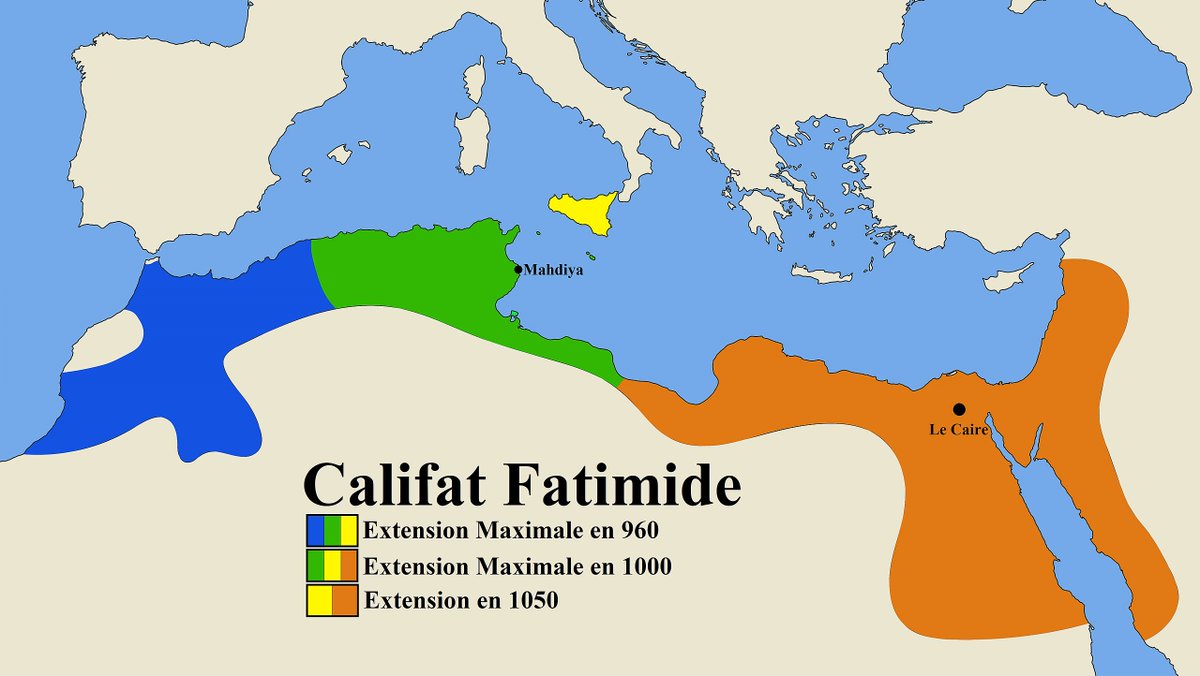
So, let's talk about the #Fatimid (909-1171) who dominated the tenth-century Mediterranean world forming a maritime empire from the Atlantic in the West to Arabia and Levant in the East. Who were they and how did they manage?
An introductory thread to kick off the week. ~aq
An introductory thread to kick off the week. ~aq
The Fatimids were also a noble Arab family like them but claimed direct descent from the Prophet Muhammad through his daughter Fatima and son-in-law Ali b. Abi Talib. There had been numerous revolts against the Umayyads and the Abbasids, by members of Ali's family,~
This clandestine organization, worked secretly across the #Islamic world to bring about a revolution that would hand political power to the descendants of Ali b. Abi Talib, who had been wronged, for too long. ~aq
Missionaries and activists formed secret units each subordinated hierarchically to a higher member of the movement going up all the way to the imams, descendent of Ali through Ismaʿil b. Jaʿfar al-Sadiq (d. 765). The identity of the imams was also kept secret. ~aq
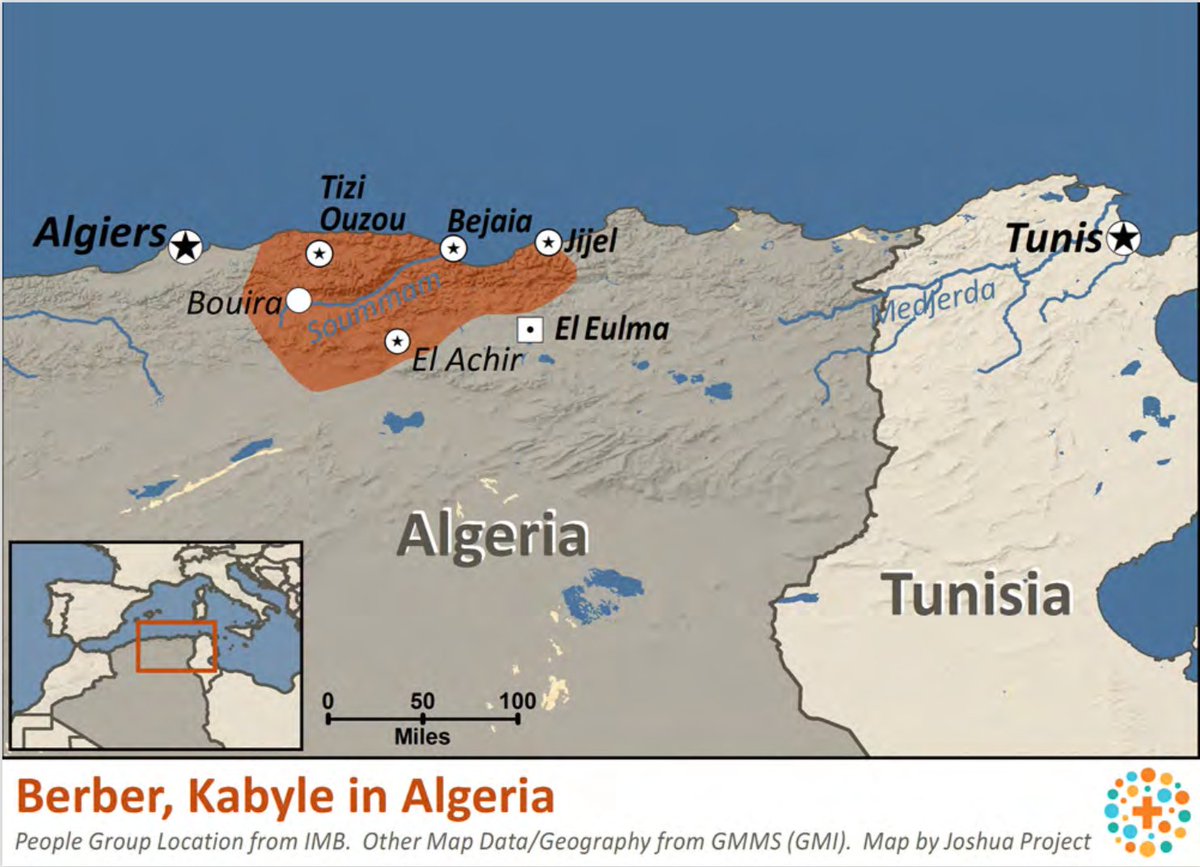
This man must have been extraordinarily charismatic. The Kutama tribesmen took pride in being free people and never bending the knee. It took Abu ʿAbdallah 18 years of propagating Shiʿism from his arrival to finally consolidate his power and control over the Kutama. ~aq
When he marched on Qayrawan the pro-ʿAbbasid Aghlabid state of Ifriqiya collapsed before him with the ruler deserting at night living his throne behind. In 909, the revolution had succeeded. The Kutama, led by two eastern 𝑑𝑎̄ʿ𝑖̄𝑠 were now in charge of a major state. ~aq
As I mentioned, the identity of the Ismaili imam, who had been presented to the #Kutama in absentia as the expected Mahdi, a messianic figure that was known to #Jews, #Muslims, and #Christians alike since late antiquity, was still unknown. ~aq
Even the leader of the revolution had not met him in person but had been in correspondence with him. At the time of the revolution, he had journeyed from #Syria to #Sijilmasa in southern Morocco avoiding hostile territories even when disguised as a merchant. What a life! ~aq
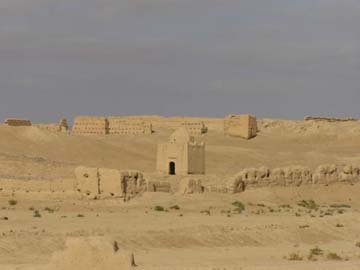
After the revolution, Abu Abdallah traveled with a Kutama contingent to southern Morocco, where he met the imam, and his identity was revealed as ʿAbd Allāh al-Mahdi, a descendent of Ali and Fatima, a rightful commander of the Faithful. ~aq (photo: ruins of Sijilmasa)
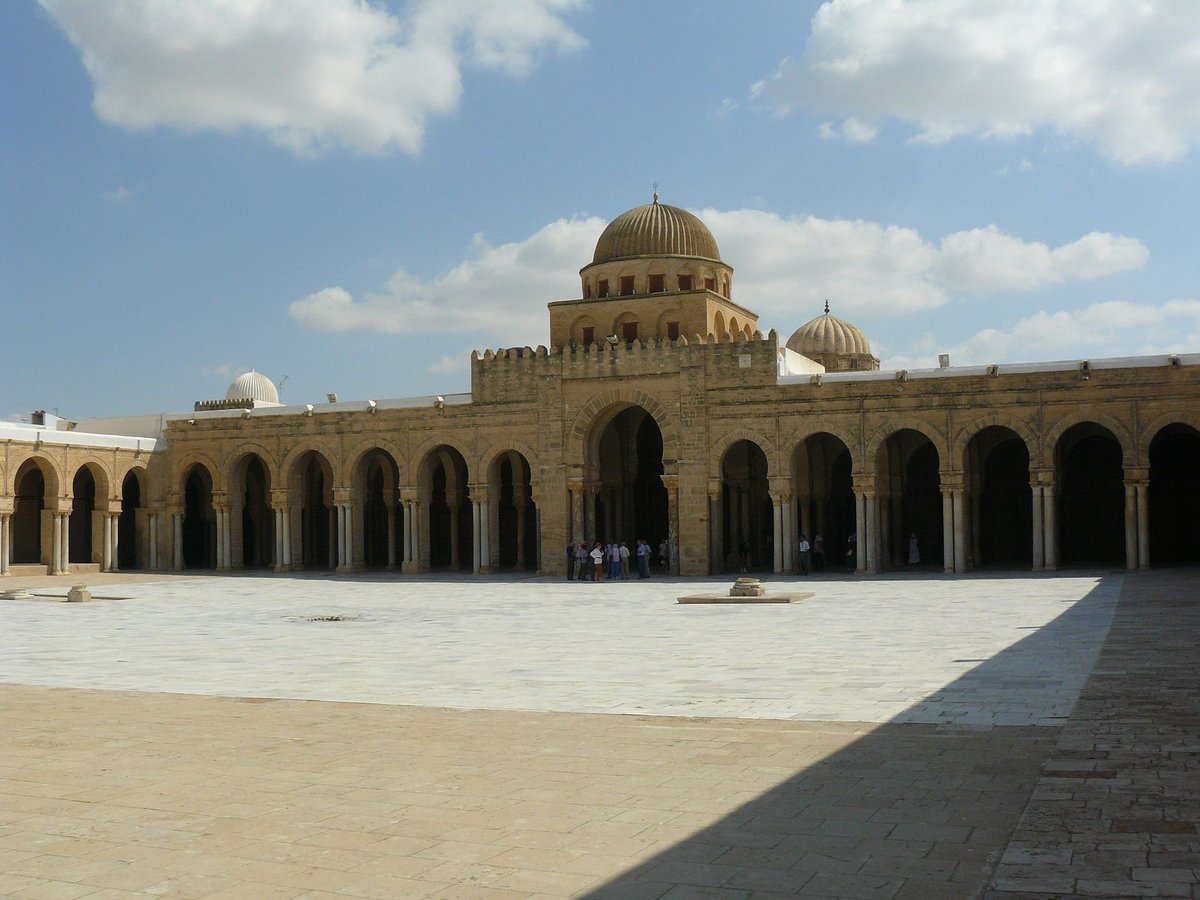
There are two many events, including the inter-daʿwa and inter-Kutama quarrels that led to the execution of the revolutionary leaders by al-Mahdi, that I would love to discuss, but can't include them in this introductory thread. ~aq
I will just mention a few lasting consequences of the Fatimid revolution: First, the unification of the entire Maghrib in one Empire, which will also inspire future empires of the Maghrib, especially the Almohads. ~aq
The revolution was also the first Berber revolt that led to the formation of a state where they were not just warriors, administrators, judges, and military commanders, but also a privileged community of believers, even though they brought yet another Arab house to power. ~aq
But #Fatimids would become the last major Arab dynasty to rule over the Islamic world. I can't think of any other family. In the Maghrib and al-Andalus, they were replaced by Berbers, in the East first by Persians then Turk, in Egypt by the Ayyubid Kurds, then the Mamluks. ~aq
Back to the point, I was making, the unification of the Maghrib and the gradual integration of the rural population probably precipitated the #Arabisation and #Islamisation of the Berbers. Although the majority of them had belonged to one or another branch of Kharijism, ~
~ with the Kutama being Ismaili Shiʿis, eventually, the majority of the Maghrib and al-Andalus became Maliki Sunni. This was perhaps an unintended consequence of the Fatimid imperial project, but I shall tweet about this tomorrow. ~aq
Today I just want to remind us that the Fatimid empire, at the height of its power was the most powerful regional power, controlled #Maghrib and Sicily, and had moved the frontier of jihad against #Byzantium to #Calabria in southern Italy. ~aq
(photo: Kalsa district in Palermo)
(photo: Kalsa district in Palermo)
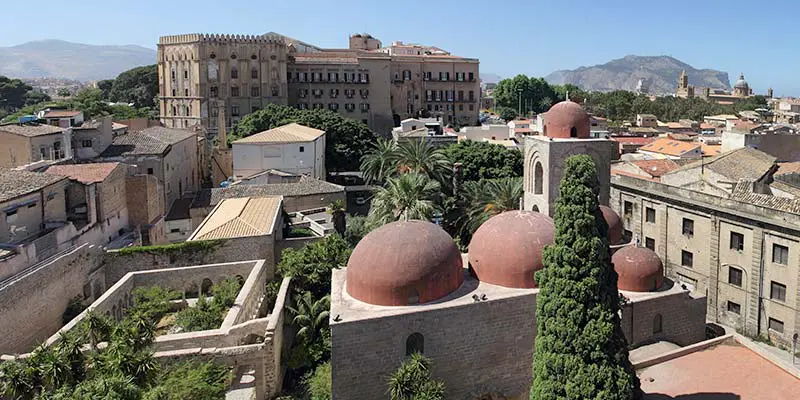
And controlled Jerusalem (which it eventually lost to the #Crusaders) and the two holy cities of #Islam. Nasir Khusraw, the Khurasanian Ismaili philosopher and poet who visited Mecca in the 10 century, described how plaques with the names of the the Fatimid caliphs ~
~ decorated the interior of the Kaaba. Everyone is used to seeing #Kaaba covered with a black curtain (𝑘𝑖𝑠𝑤𝑎), but at the time, it was covered in white. See, N. Khusraw, 𝑆𝑎𝑓𝑎𝑟𝑛𝑎̄𝑚𝑎 (Book of Travels, tr. W.M. Jackson Jr. Bibliotheca Persica, 1986, p. 77, scr-shot👇🏾)
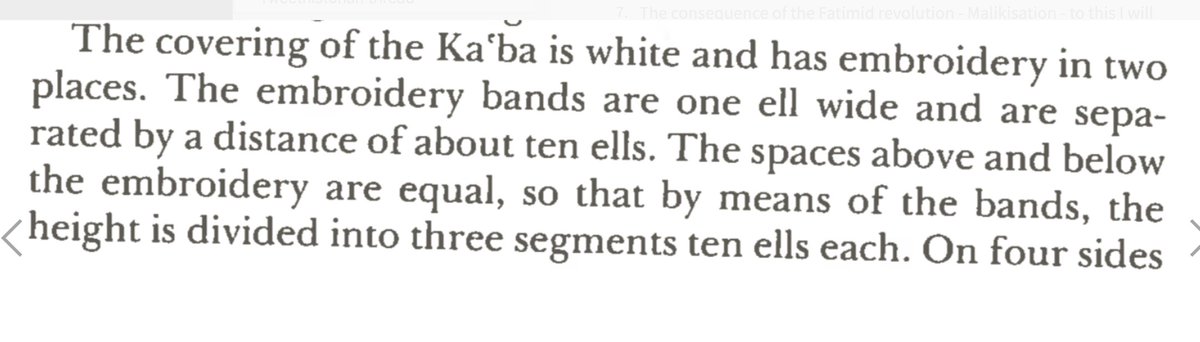
I already mentioned that Fatimid took symbolism seriously.☝️ Controlling the holy cities and the holy shrine, as well as facilitating pilgrimage and protecting Muslim pilgrims helped to legitimize their rule. Nasir's description of Cairo & Mecca offers a great view on that.~ aq
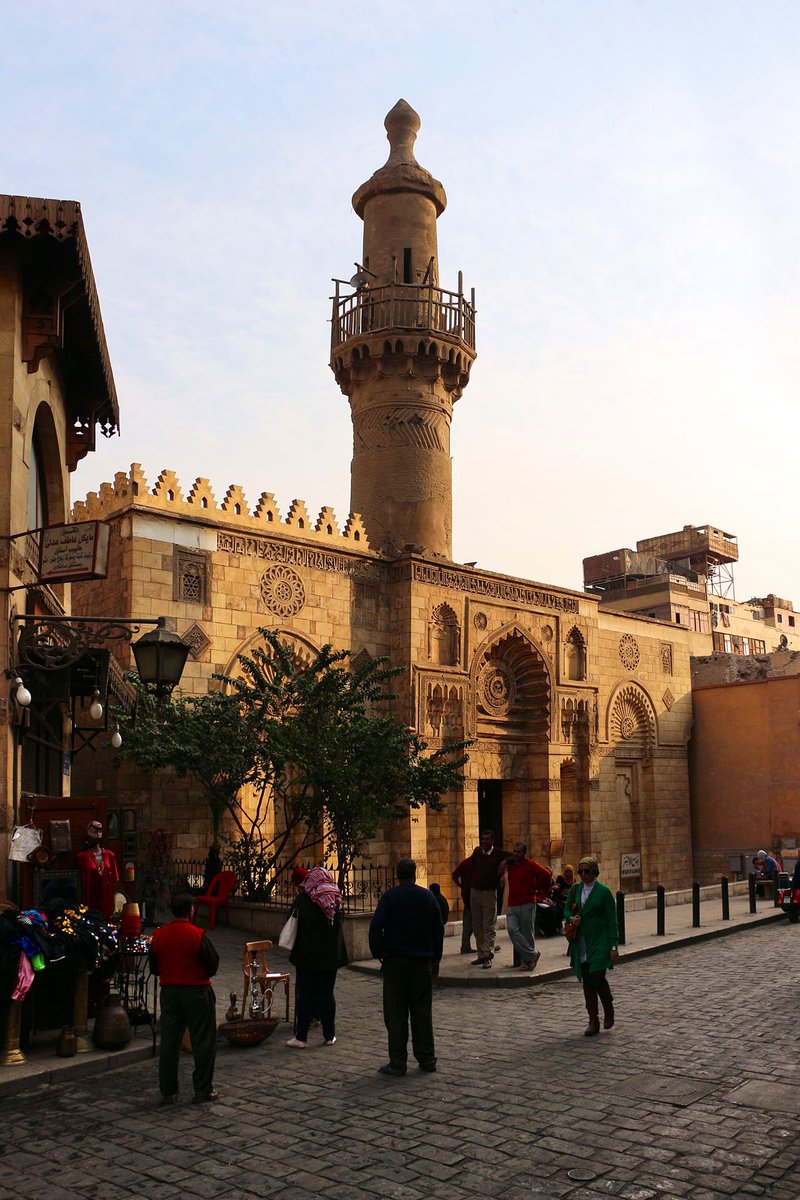
One more thing: messianic movements were quite common in the early period as were Alid revolts. What made the one built by Abu Abdallah and the Kutama in the Maghrib so successful? ~aq
In my opinion, the Fatimid ideology combined a strong Shiʿi expectation of justice to be delivered by a descendant of the Prophet with the Berbers' nativist expectation of their own destiny, just like the Arabs of the early Islamic period. ~aq
There are two many questions unresolved regarding the early #Fatimid history. Some historians have questioned the reliability of the works produced by the Fatimid 𝑑𝑎ʿ𝑤𝑎, some decades following the revolution such as the genealogy of the imams, etc ~aq
Luckily, there are some excellent recent studies of which I will post three here. In my own doctoral thesis, I have devoted some attention to the revolutionary period, although the scope is broader (909-969).~aq
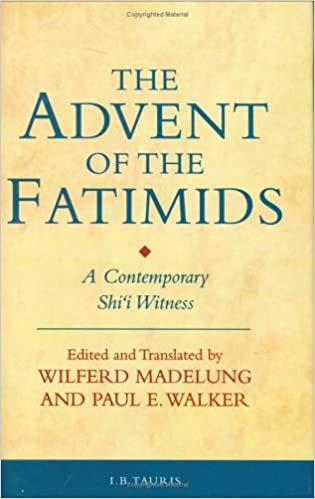

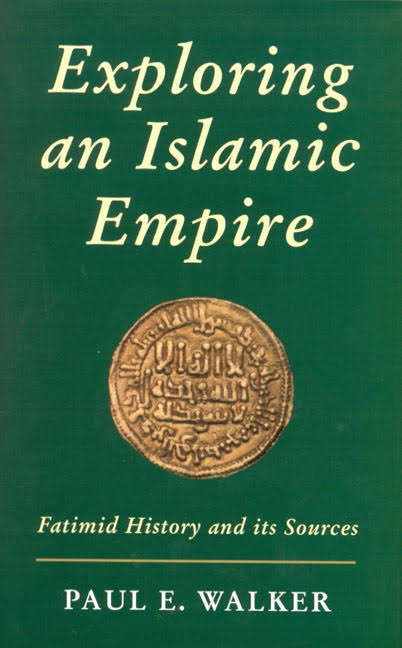
Okay, thanks everyone for following, I will stop here. There is so much to be covered and I am happy to share more during the week. #Tweetistorian #Fatimids #Maghrib #Kutama #Egypt #Tunisia #Sicily
See you tomorrow ~@aslishahqurbani
See you tomorrow ~@aslishahqurbani
Loading suggestions...