

The word ghoongat is derived from the Sanskrit word अवगुण्ठन which essentially means to conceal or cover. Most prominent Sanskrit dictionaries agree upon this part. Popularly, ghoongat is a piece of cloth that covers the head and the face.
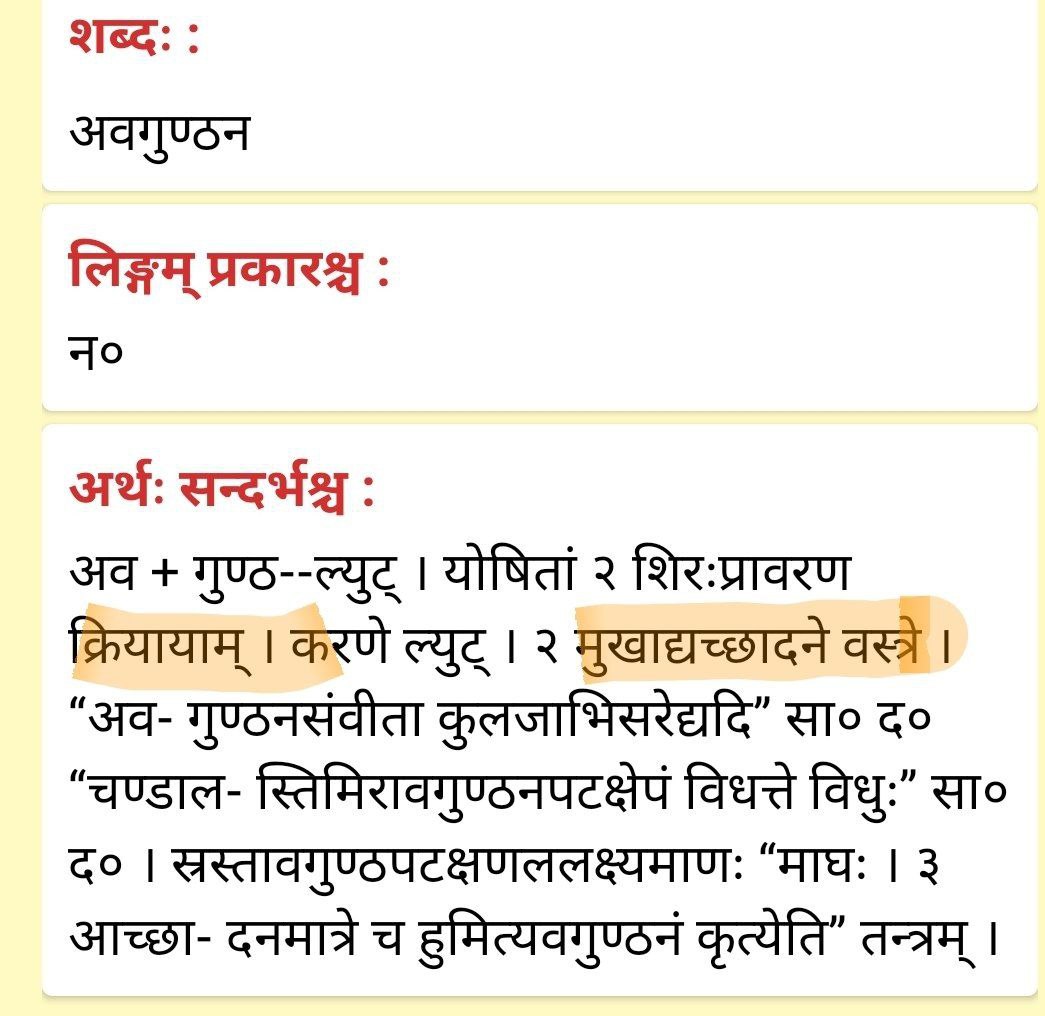
The custom of covering one's face with the loose end of the saree or the dupatta is a practice that is observed is some parts of the country. But no Shastras call this a compulsory practice or a religious duty.
Manusmriti which talks about all the aspects of life has nowhere mentioned that a women, when she steps out, should be veiled. In fact Manusmriti advices men to remain cautious when is company of females and to always keep their guard up.
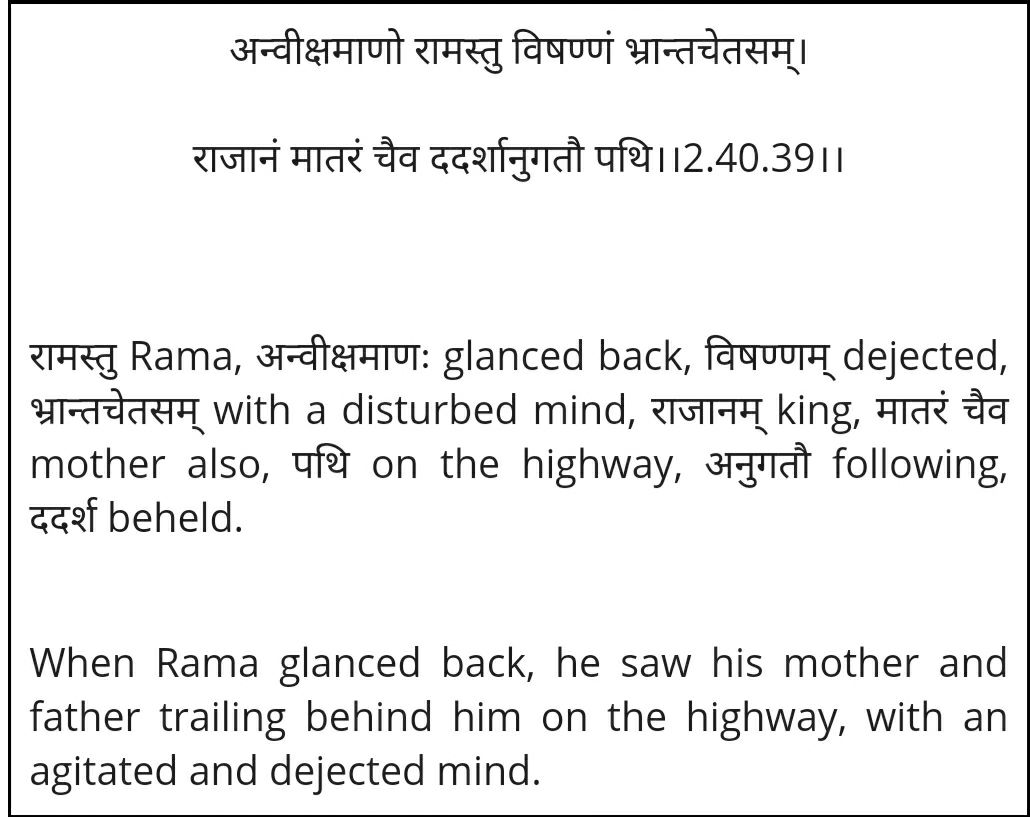
Moving on, in Ramayana when Shri Ram had started off from Ayodhya for vanwas, there is a description of how he could see his parents following him with agitated expression. There is no mention of a veil covering Mata Kausalya.
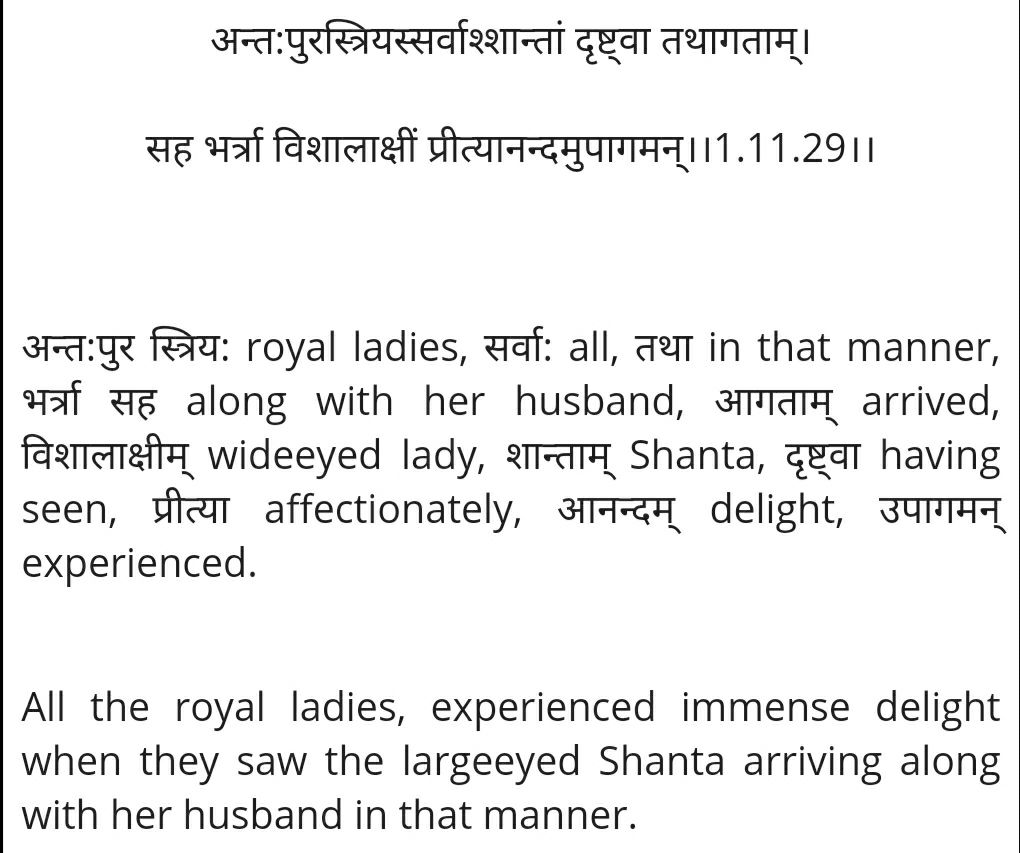
When Maharaj Dasharath invited Rishyashringa and his wife to perform Yajña, the description of Shanta, no where mentions that she was veiled.
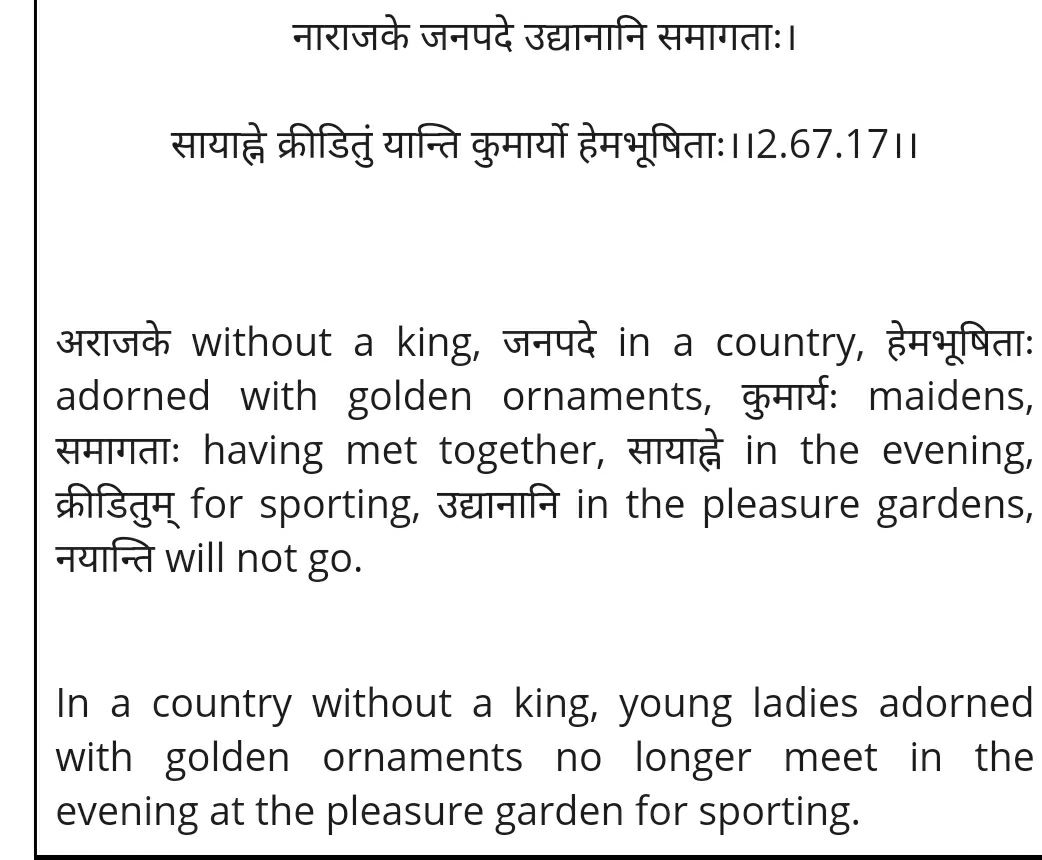
Ramayana tells us that when the country has a stable king ladies go out in the parks to play and for recreation. Again no mention of veil being necessary in for going out. Or indeed no mention of any seclusion for these ladies.
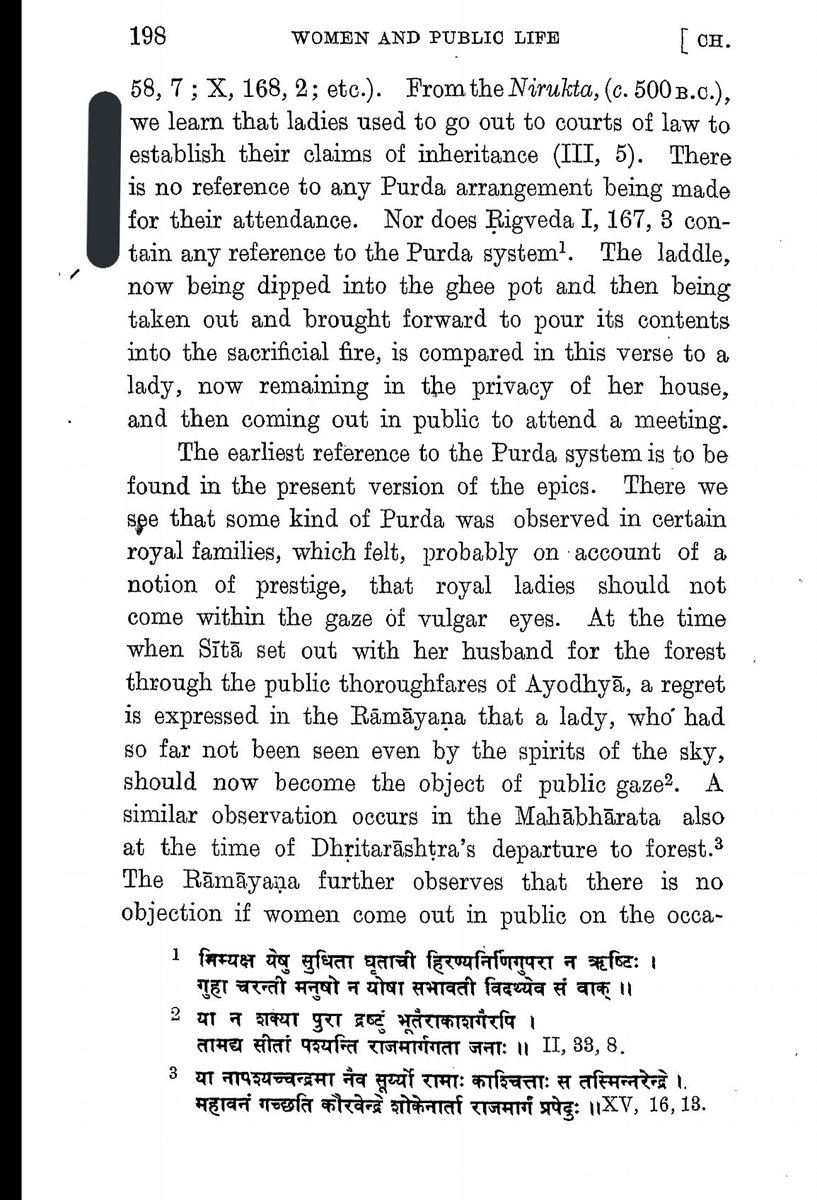
But then the same Ramayana has a verse which laments that the lady who has not been seen even by the spirits of the sky should now become the object of public gaze. How does this fit in?
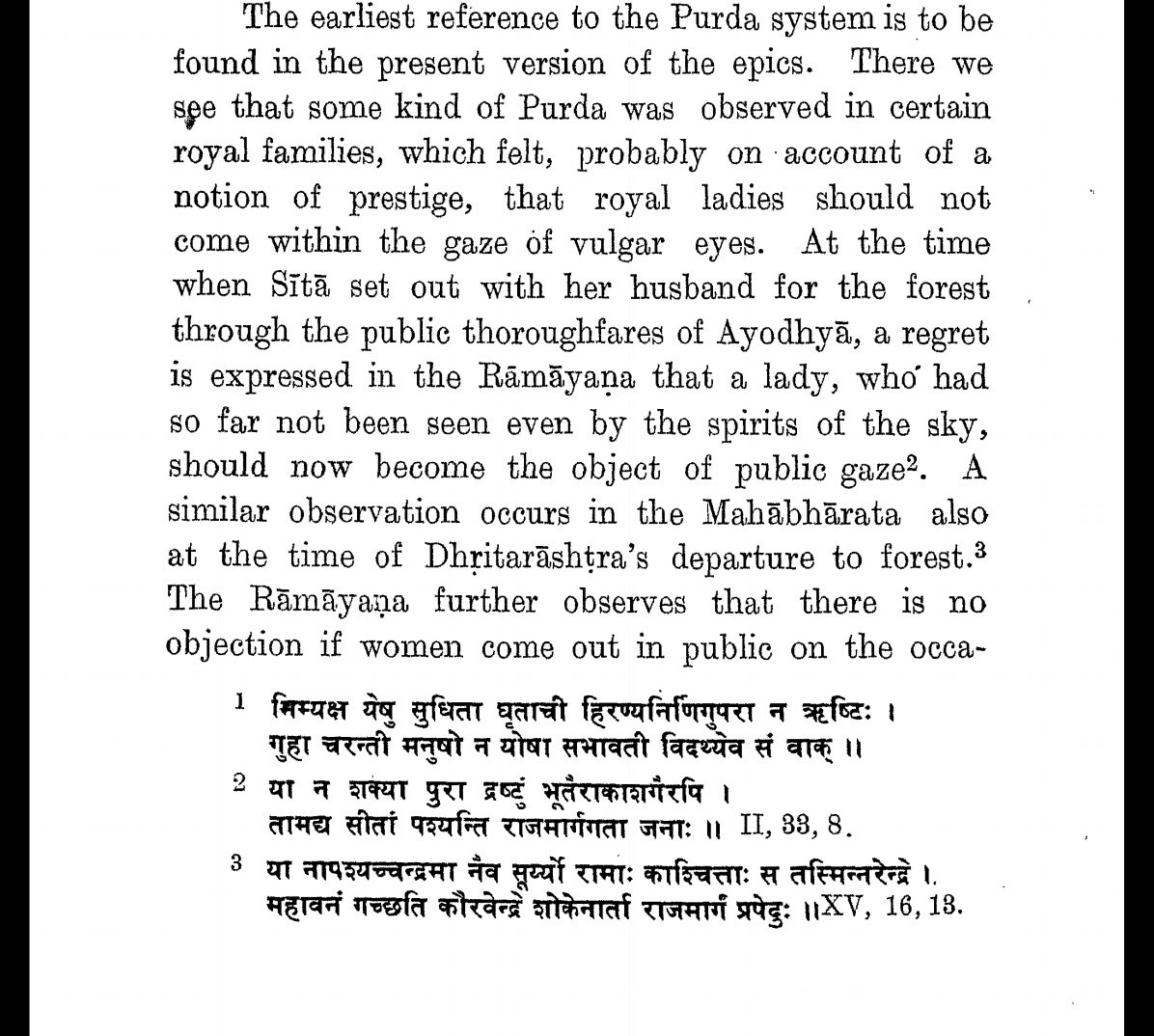
Altekar explains that this is probably a later interpolation because the evidence form the epic itself contradicts this notion. When Kausalya, Kaikeyi and Sumitra go to Chitrakoota to induce Rama to come back, they are moving without a veil.
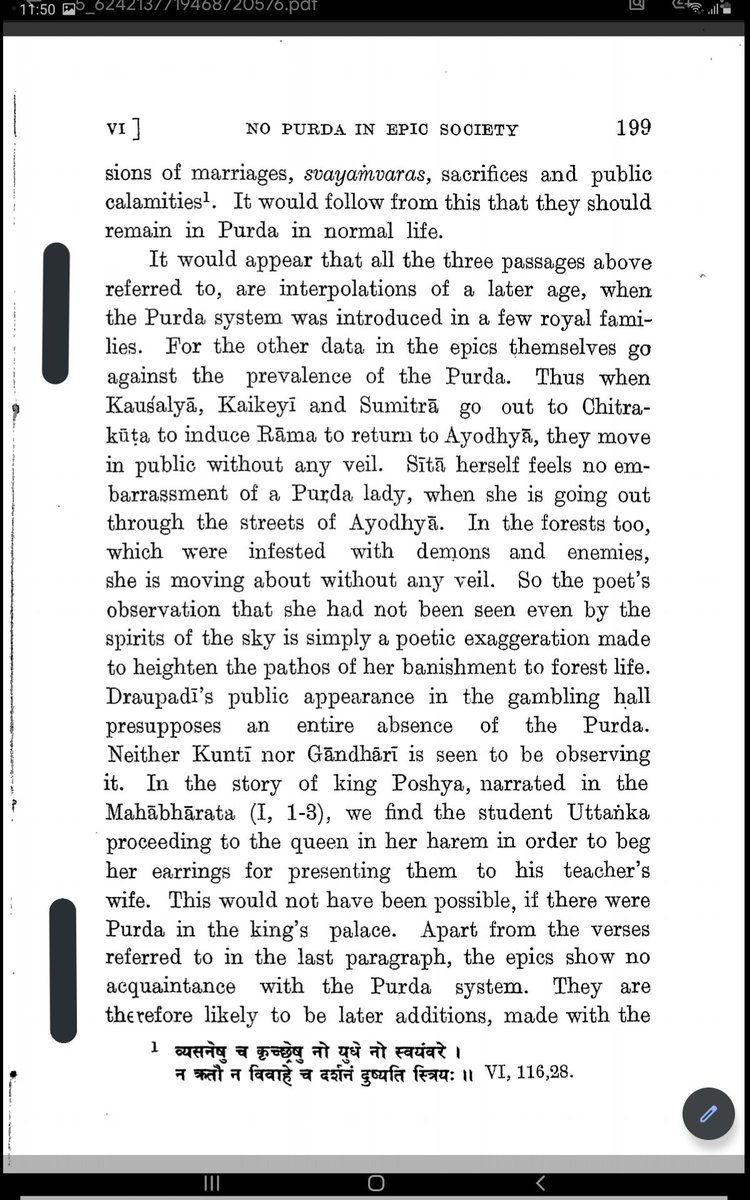
Even Mata Sita herself has not donned a veil when she is moving about in the forests which are infested with demons and enemies. So, is it not possible that the verse is an hyperbole to enhance the tragicness of the situation?
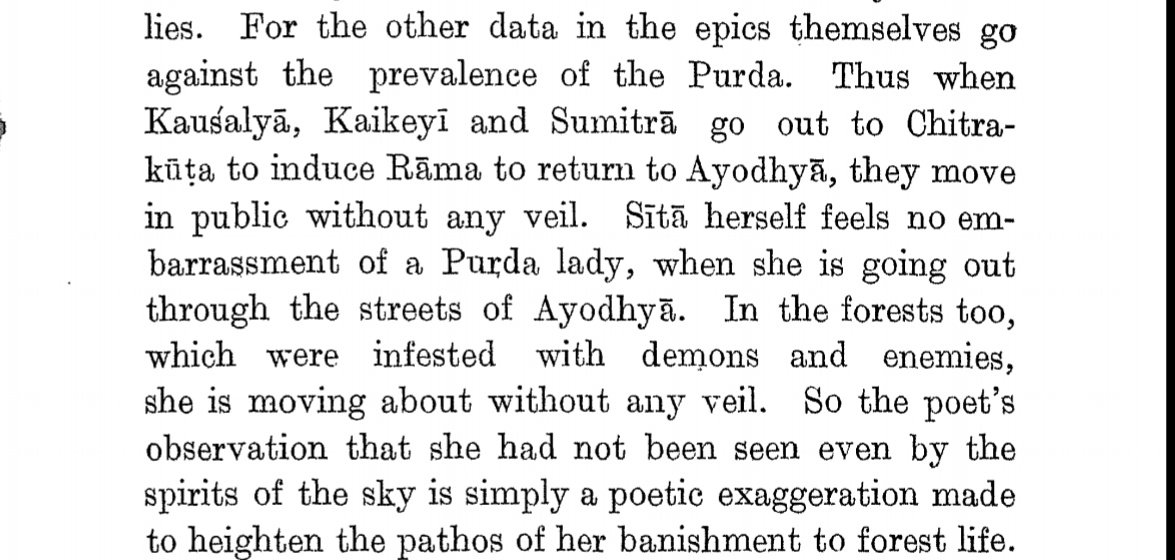
A Princess, the wife of the crown Prince, the Queen of the land, forced to leave the comforts of the palace and live a life of acute hardships. That verse could be simply a poetic exaggeration by the poet says Altekar.
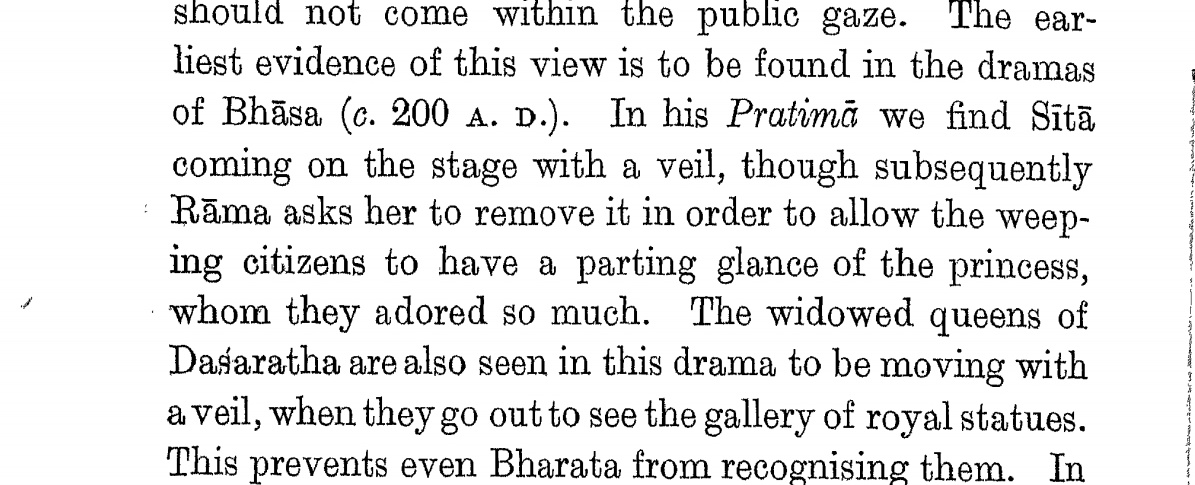
There is veil mentioned in dramas by Bhasa (200 AD). There we find Sita coming on the stage in a veil and she is asked to remove it by Rama.
The widows of Dasharatha are shown to be veiled. But this finds no mention in the original epic.
The widows of Dasharatha are shown to be veiled. But this finds no mention in the original epic.
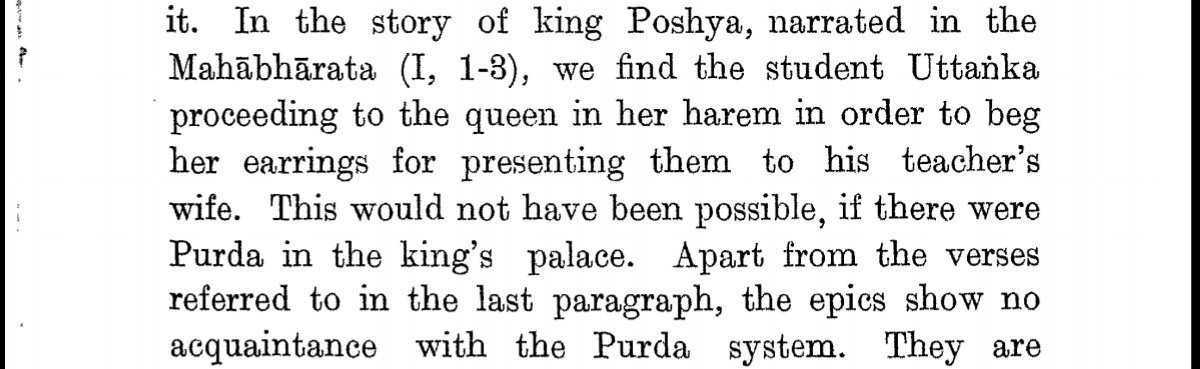
Same goes for Mahabharata. In the story of kind Psohya narrated in the Mahabharata, we find the student Uttanka freely entering the queen's chamber to beg for her earrings for his teacher's wife.
This would have been impossible if there was purdah system in place.
This would have been impossible if there was purdah system in place.
Draupadi's public appearance in the gambling hall doesn't mention any veil for her. Nor do Kunti, a royal widow and Gandhari the reigning queen observe any veil.

Mahabharata doesn't mention Shakuntala as veiled when Dushyant first saw her and fell in love with her. Her beauty is described in detail. Also, Dushyant says your extraordinary beauty and character has enamored me.
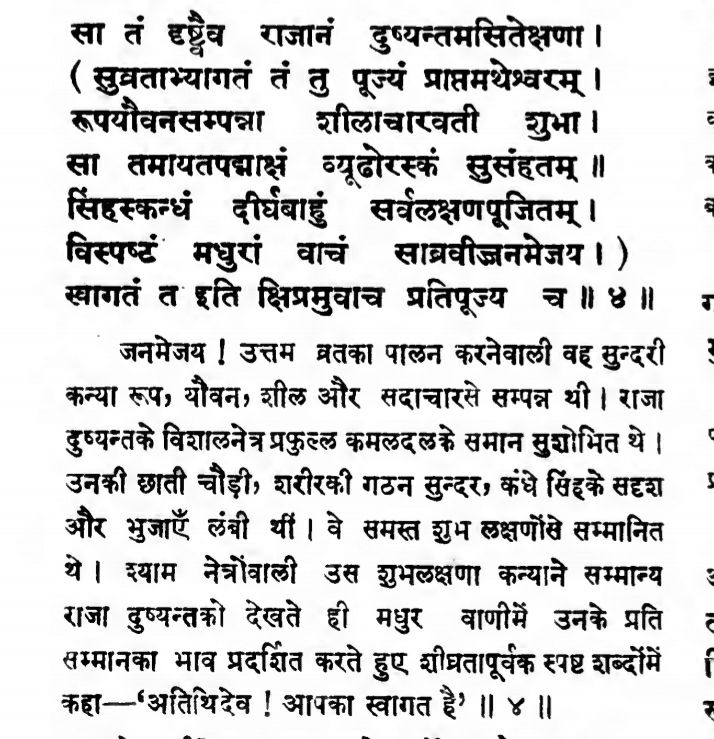
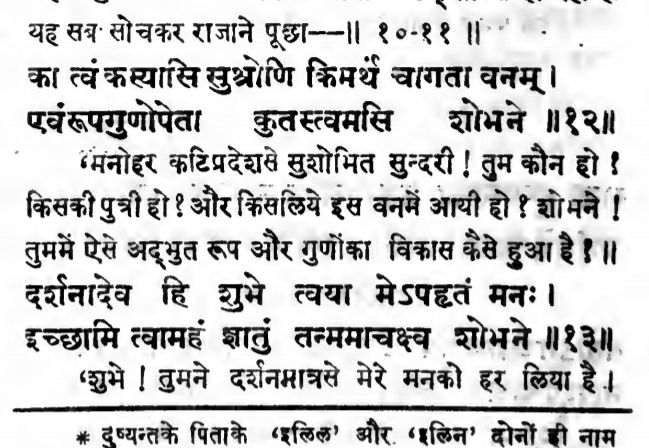
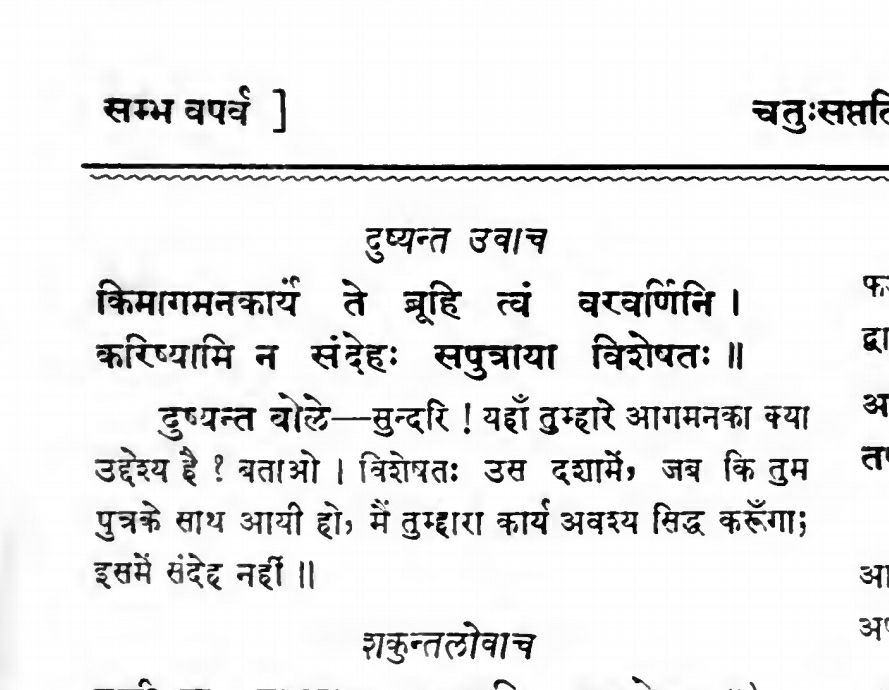
It would be impossible to see her beauty if she was veiled. Later Urdu translations mention veil for Shakuntala in Kalidas's play. But only the urdu translation says so. Altekar is clear on this. Shakuntala and other maidens do not cover themselves even when talking to Dushyant.
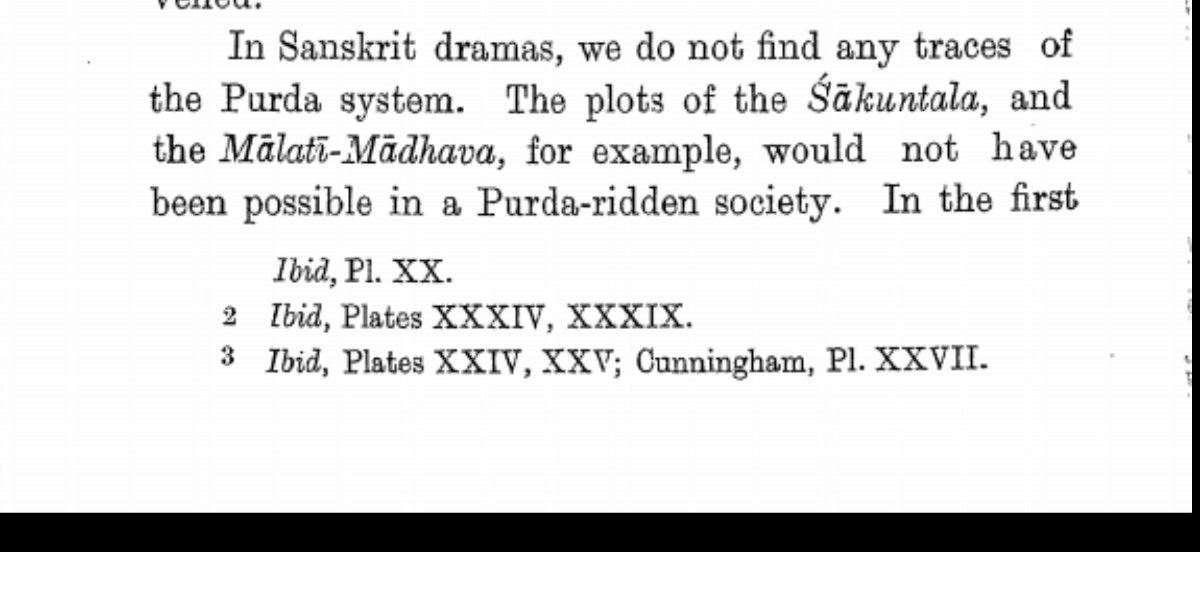
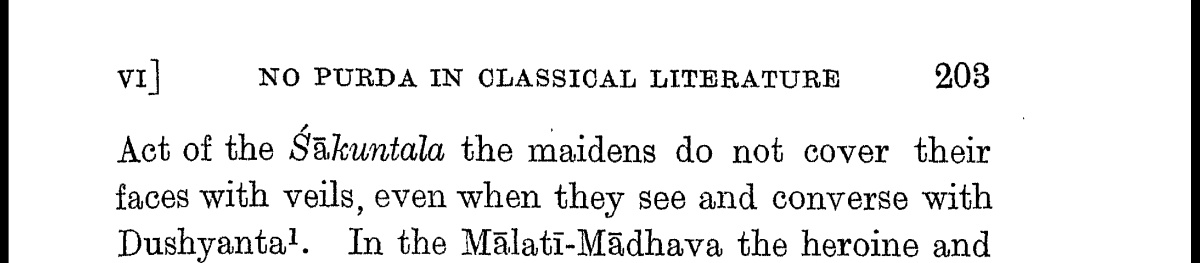
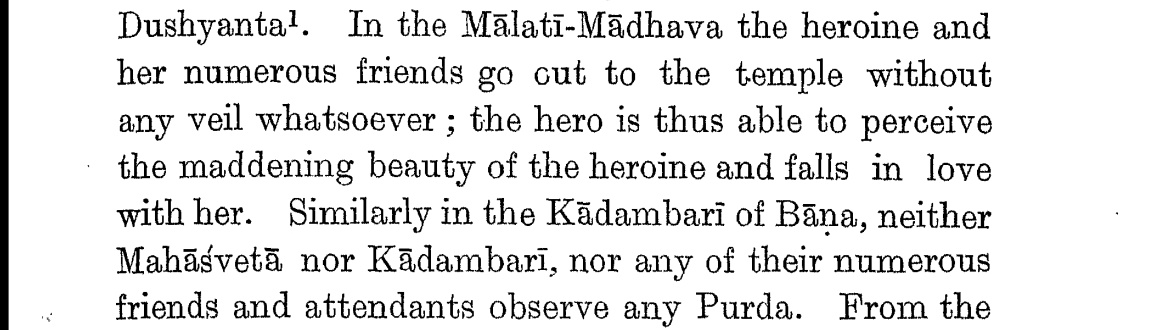
In Malati-Madhava the heroine goes to the temple without a veil. Because of this the hero sees her beauty and falls in love with her.
Similarly, in the Kadambari of Bana, neither Mahashveta nor Kadambari not their friends and attendents, no one observes purdah.
Similarly, in the Kadambari of Bana, neither Mahashveta nor Kadambari not their friends and attendents, no one observes purdah.
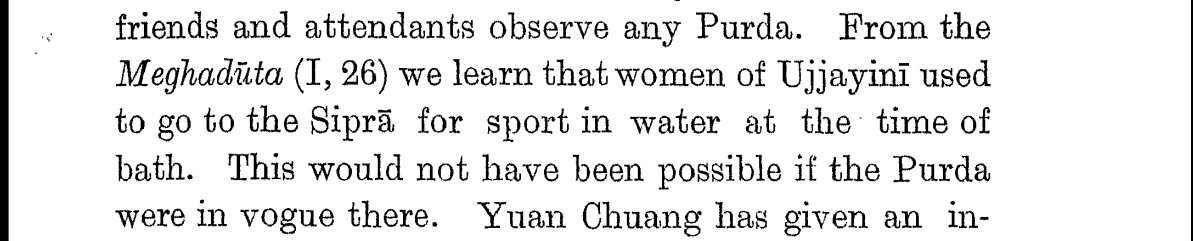
From Meghaduta we understand that women of Ujjaini would indulge in various form of water sports in Sipra river while bathing. This would impossible with a purdah.
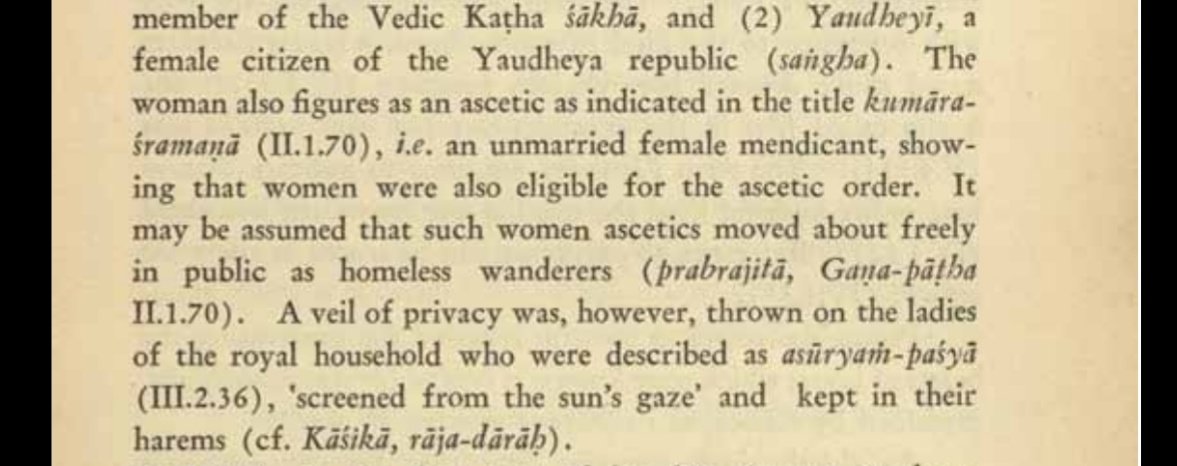
In the book India As Known to Panini, the writer observes that there were unmarried female medicants who roamed freely as homeless wanderers. Again no purdah.
However certain royal households kept their women seculded.
However certain royal households kept their women seculded.
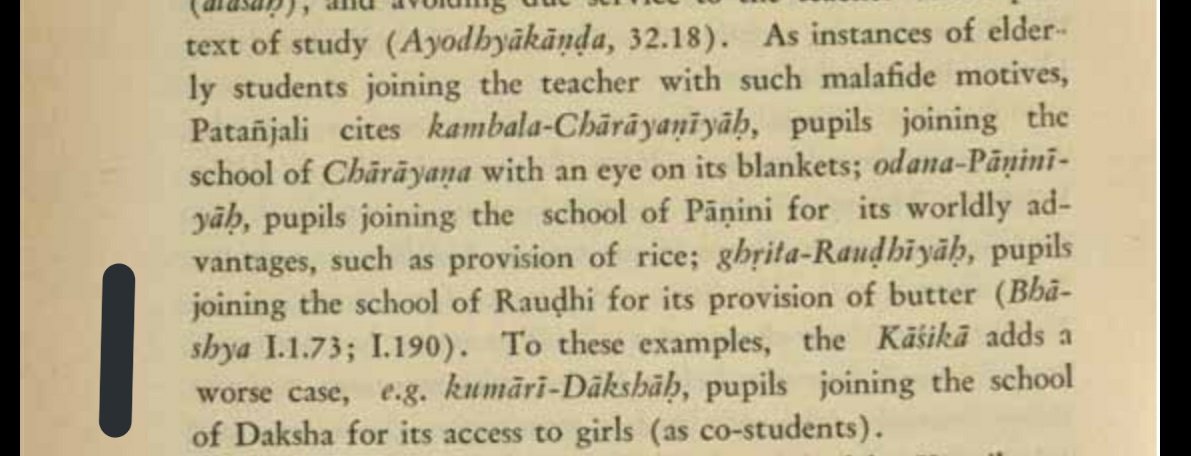
The same book lists undesirable students in which one malafide motive mentioned is this. Students joining the school for getting access to it's female students. Women not only studied, but there was also co-education is some cases and it can be concluded that they were not veiled
There were instances of love unions. Kamasutra of Vatsyayan has numerous such descriptions. Love would start at an accidental meeting at a party or in a garden or a show.
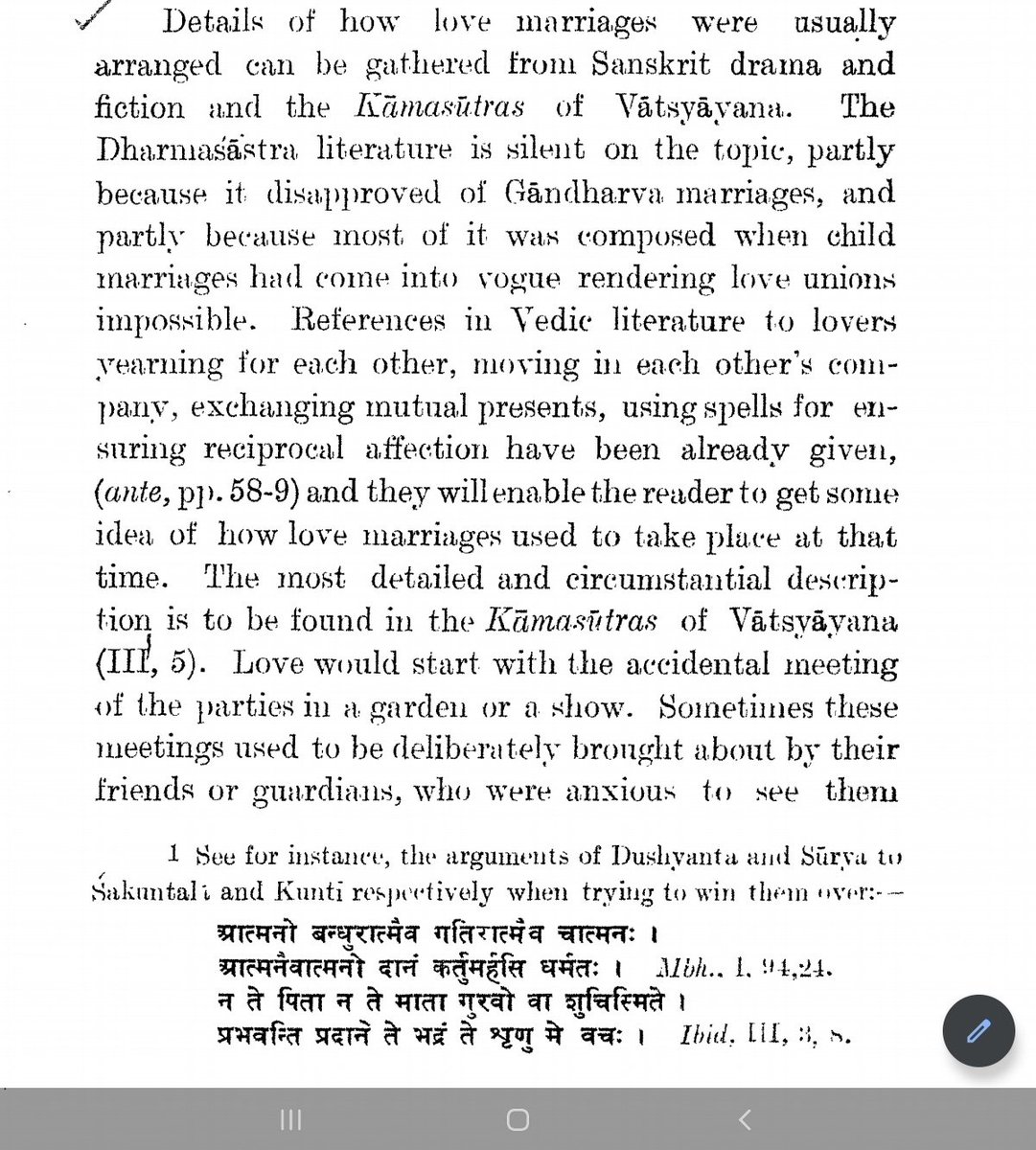
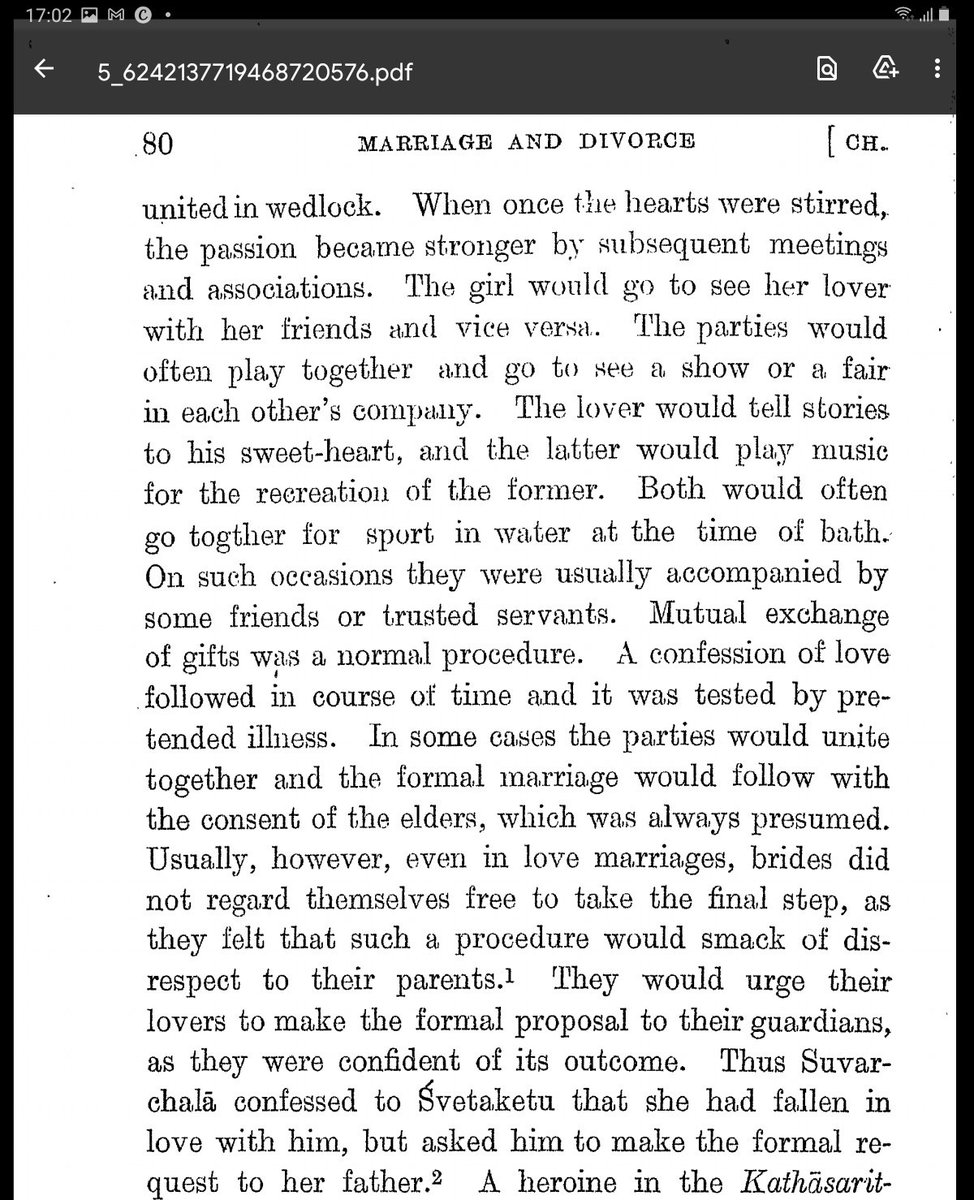
Sometimes these meetings were brought about by their friends or guardians who were anxious to see them wedded. Futher meetings would happen. They would meet each other in the presence of their friends. They would play together at parties or attend shows together.
They would even go for water sports together. On such occasions their friends or trusted servents would accompany them. They would eventually get married, with parent's consent of course. These maidens were careful to never insult their parents by taking the step of marriage +
... without their consent. They would urge their suitor to make a formal proposal to her parents.
When Suvarchala confessed her love for Svetaketu to him, she asked him to make a formal request to her father. Again this is impossible if there was purdah system in place.
When Suvarchala confessed her love for Svetaketu to him, she asked him to make a formal request to her father. Again this is impossible if there was purdah system in place.
Vedic times were no diffent. There is a Vedic marriage hymn that requires the bride to be shown to to the assembled guests at the end of the ritual.
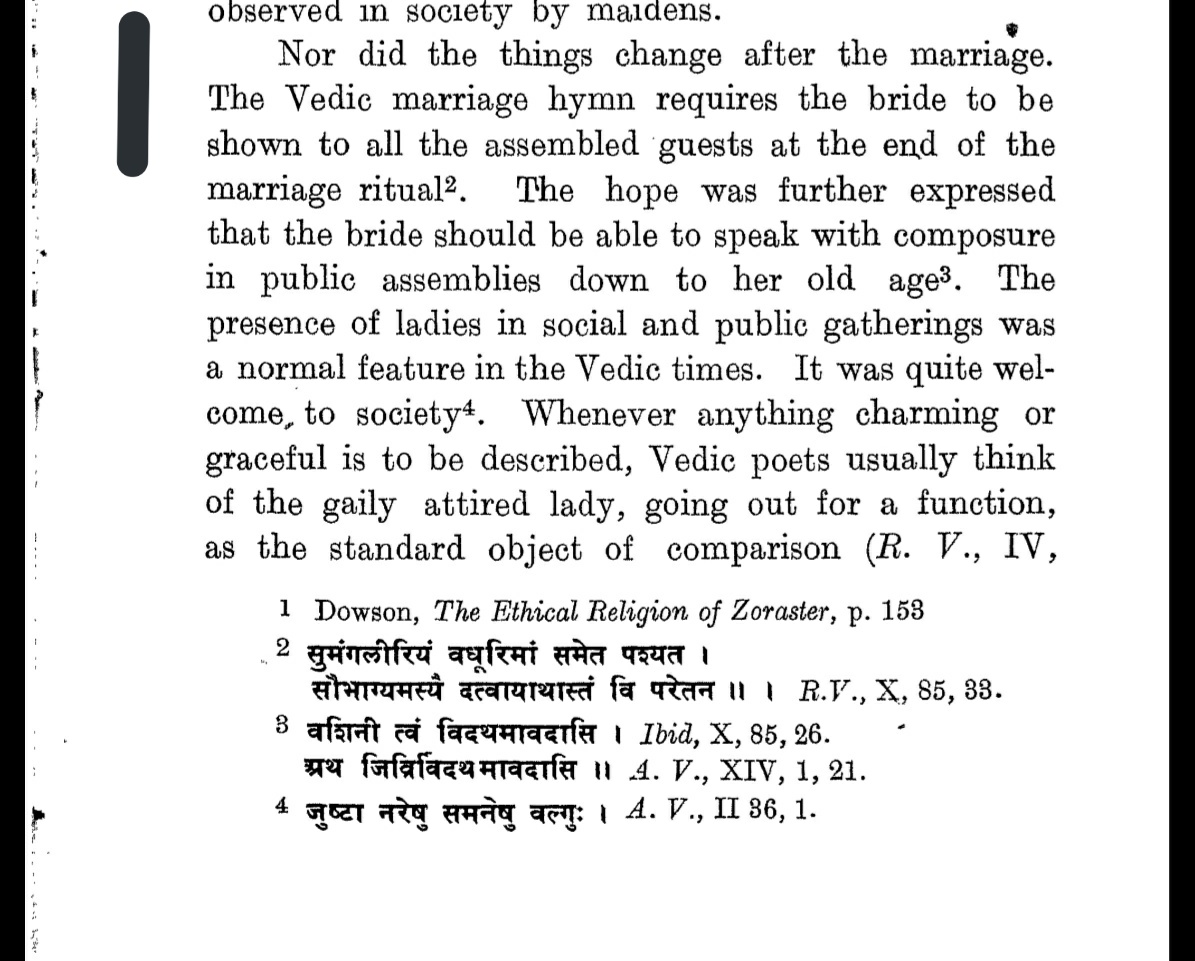
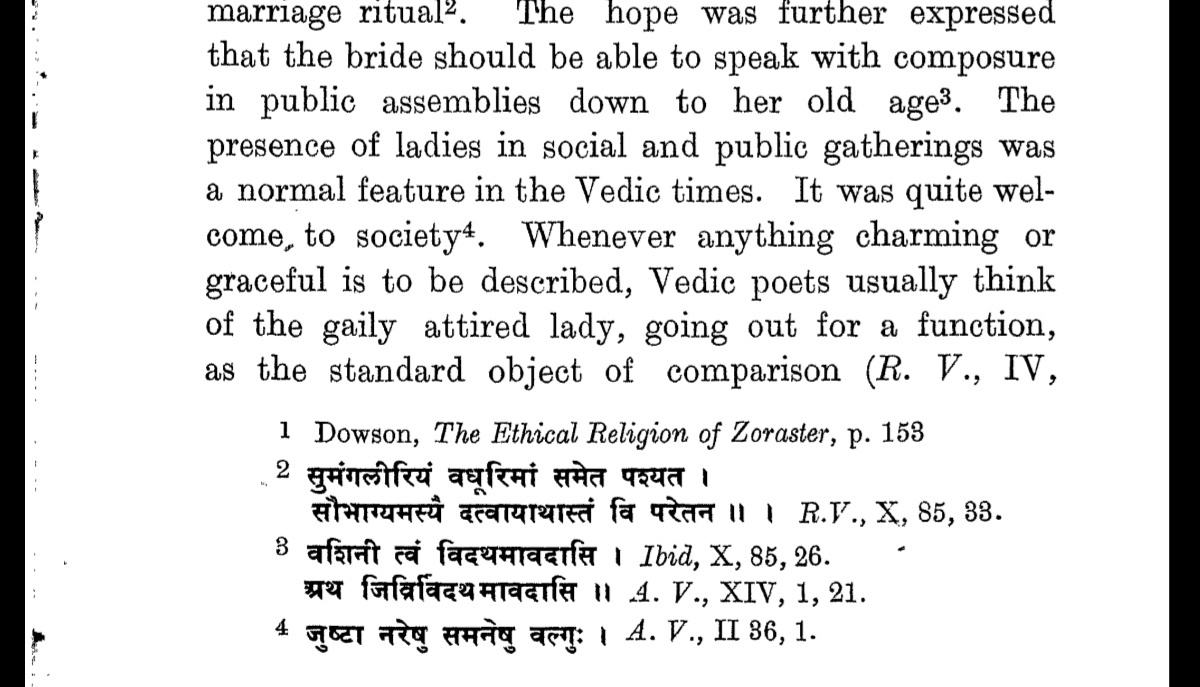
The women were required to speak with composure in public assemblies right down to their old age. They would be present at social gatherings.
Women would go to the court of law to establish their claims of inheritance. No reference of any kind of seclusion being made for them.
There are references of women accompanying their husbands to battles in various scriptures. This would have been impossible with purdah system in place.
There are many other references. Will post the rest tomorrow. This one is already too long a thread.
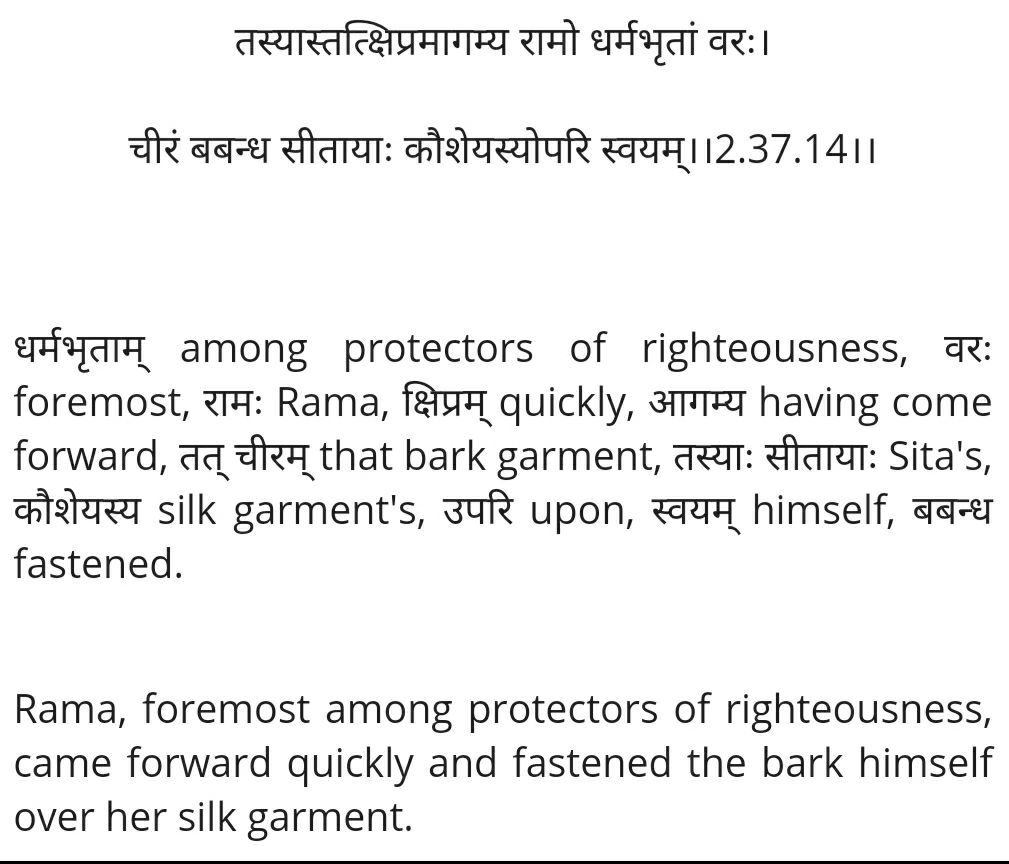
Another reference from Ramayana. Mata Sita did not change her clothes. She wore a tree's bark over her old silk clothes. So no question of removing veil.
Loading suggestions...