

- السلام عليكم ✨ ، اليوم راح نتكلم عن Hypovolemic shock .

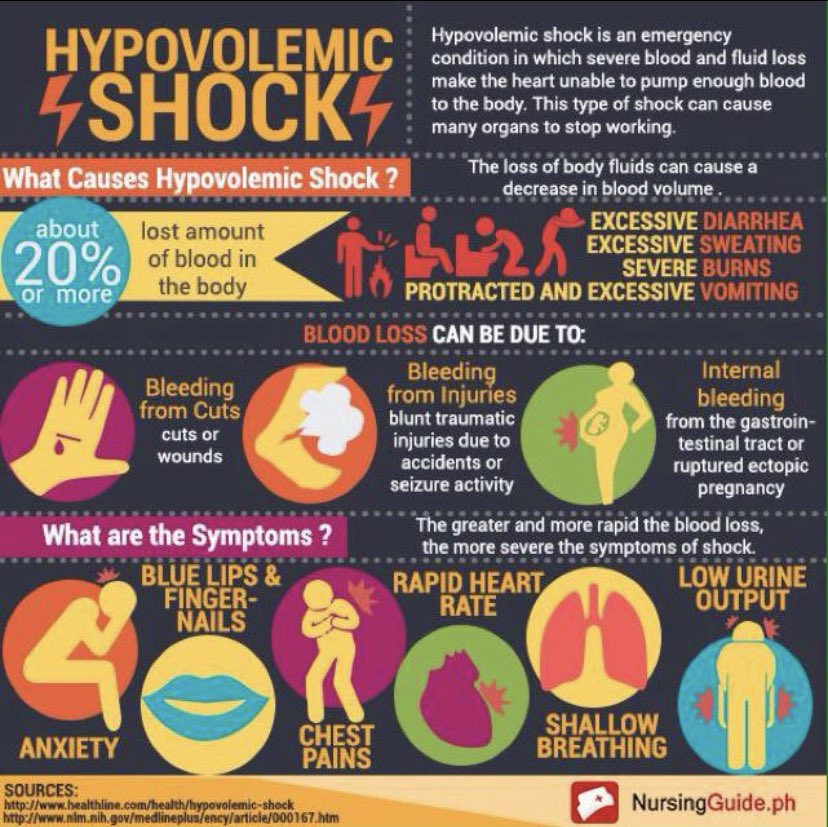
ال Hypovolemic shock هي حالة تهدد الحياة وتنتج عندما تفقد أكثر من 20 في المائة (خمس) من الدم في الجسم أو إمدادات السوائل ، فقدان السوائل الشديد يجعل من المستحيل على القلب ضخ كمية كافية من الدم إلى الجسم ، يمكن أن تؤدي إلى organ failure ، تتطلب هذه الحالة عناية طبية طارئة فورية.
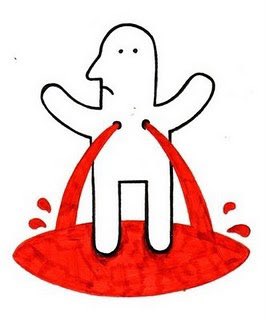
hypovolemic shock هي أكثر أنواع الصدمات شيوعًا ، كبار السن و الاطفال هم الأكثر عرضة للإصابة .
Hypovolemic Shock Signs and Symptoms :
How hypovolemic shock shows up can depend on a number of things, including:
- Your age
- Your past medical care and overall health
- The cause of the shock or the source of the injury
How hypovolemic shock shows up can depend on a number of things, including:
- Your age
- Your past medical care and overall health
- The cause of the shock or the source of the injury
- How quickly you lost the blood or fluids
- How much your blood volume has dropped
- How much your blood volume has dropped
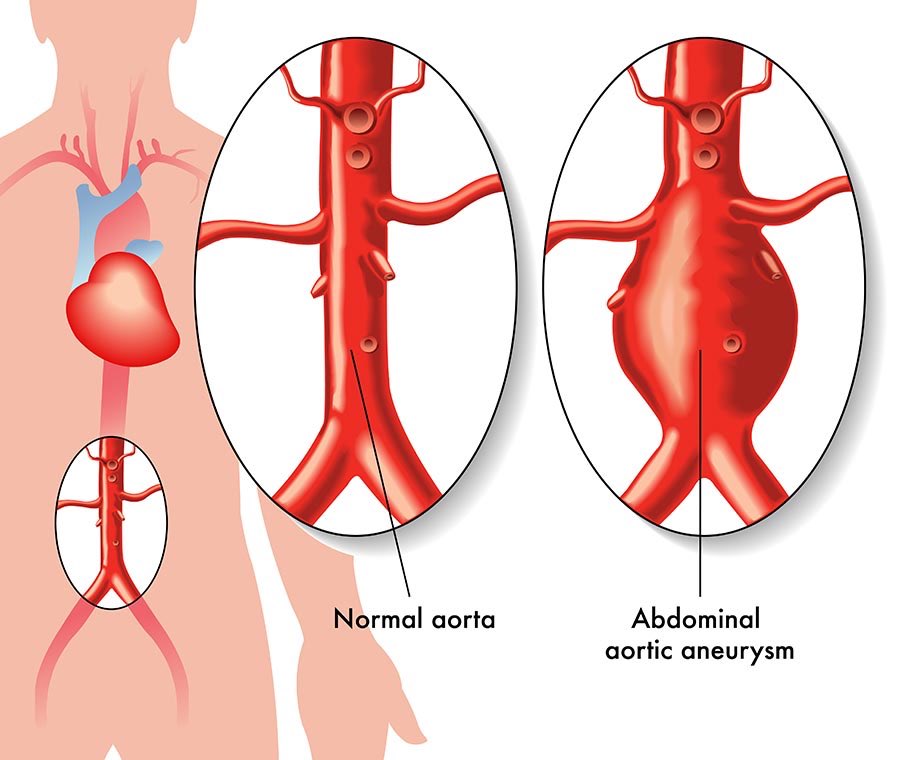
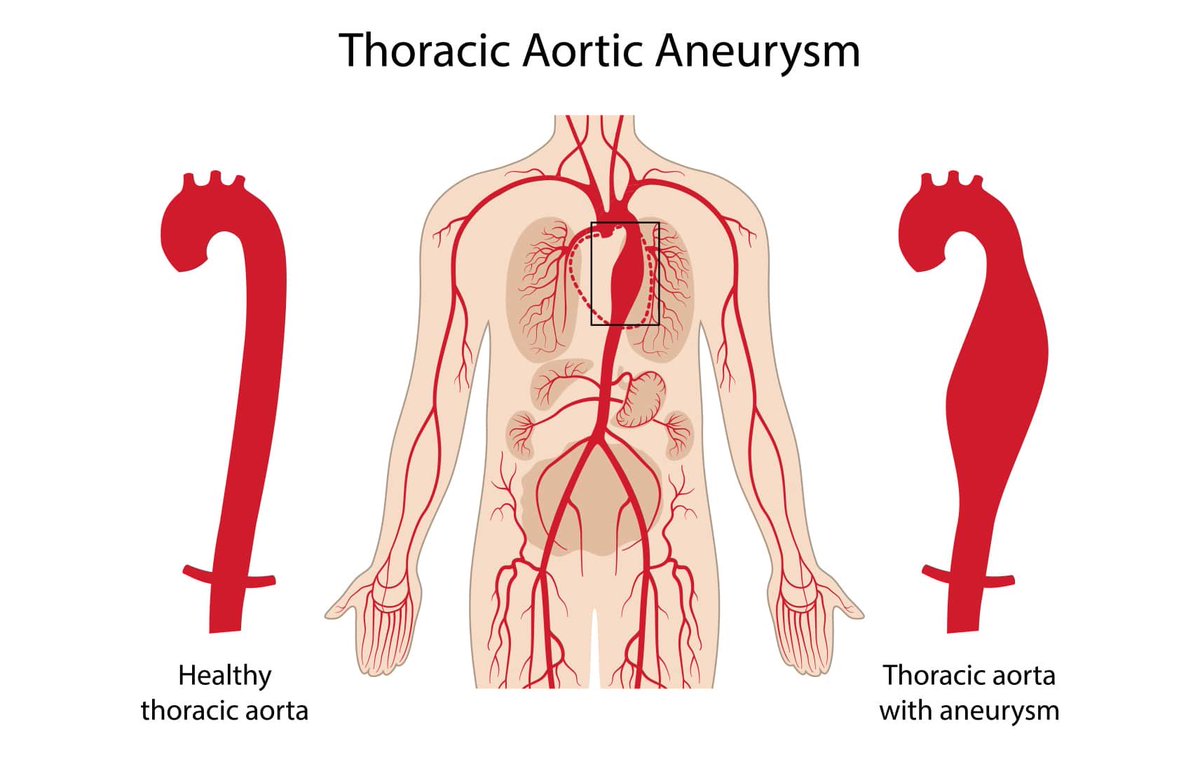
With an injury, the most obvious sign of hypovolemic shock is a lot of bleeding, But you won't see it when the bleeding is happening inside your body because of an aortic aneurysm, organ damage, or ectopic pregnancy.
Other signs of hypovolemic shock include:
- Rapid heartbeat
- Quick, shallow breathing
- Feeling weak
- Being tired
- Confusion or wooziness
- Having little or no pee
- Low blood pressure
- Cool, clammy skin
- Rapid heartbeat
- Quick, shallow breathing
- Feeling weak
- Being tired
- Confusion or wooziness
- Having little or no pee
- Low blood pressure
- Cool, clammy skin
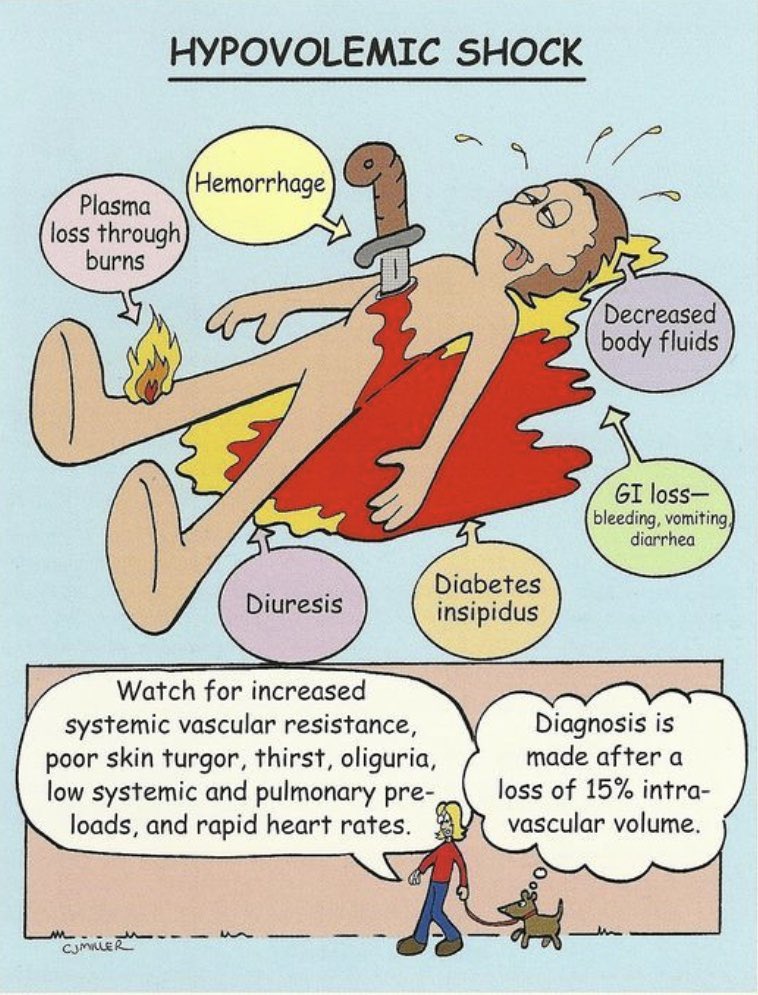
Hypovolemic Shock Causes :
Causes of hypovolemic shock that involve bleeding include:
- Broken bones around your hips
- Cuts on your head and neck
- Damage to organs in your belly, including your spleen, liver, and kidneys, because of a car accident or a bad fall
Causes of hypovolemic shock that involve bleeding include:
- Broken bones around your hips
- Cuts on your head and neck
- Damage to organs in your belly, including your spleen, liver, and kidneys, because of a car accident or a bad fall
- A tear in your heart or a large blood vessel, or a weakened spot in a large blood vessel that could burst
- Problems with your digestive tract, such as ulcers
- An embryo growing outside a woman’s uterus (ectopic pregnancy)
- A ruptured ovarian cyst
- Problems with your digestive tract, such as ulcers
- An embryo growing outside a woman’s uterus (ectopic pregnancy)
- A ruptured ovarian cyst
- The placenta peeling away from the wall of a pregnant woman’s uterus (placental abruption)
- Heavy bleeding during labor or delivery, or in the following 24 hours
- A disorder in which the tissue that usually lines a woman’s uterus grows outside it (endometriosis)
- Heavy bleeding during labor or delivery, or in the following 24 hours
- A disorder in which the tissue that usually lines a woman’s uterus grows outside it (endometriosis)
Causes that don’t involve bleeding include:
- Dehydration
- Diarrhea and vomiting
- High fever
- Severe sweating
- Other gastrointestinal problems like stoma or fistulas
-Fluids getting stuck in one part of your body because of a condition like pancreatitis or intestinal blockage
- Dehydration
- Diarrhea and vomiting
- High fever
- Severe sweating
- Other gastrointestinal problems like stoma or fistulas
-Fluids getting stuck in one part of your body because of a condition like pancreatitis or intestinal blockage
Hypovolemic Shock Stages :
There are four stages of hypovolemic shock:
There are four stages of hypovolemic shock:
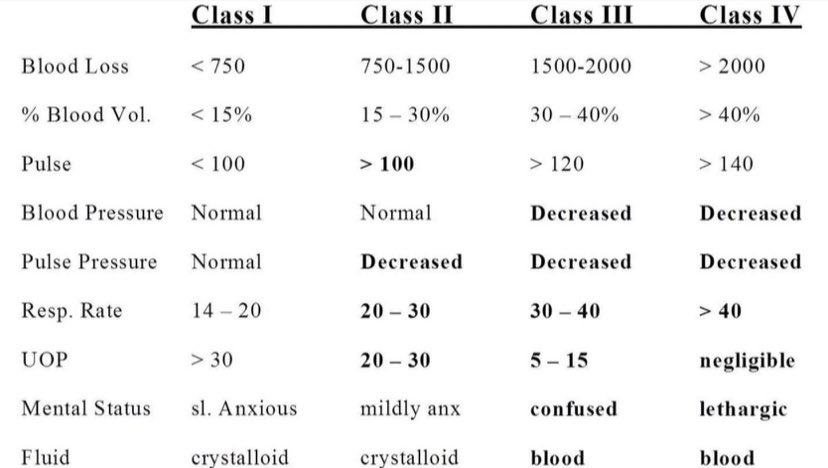
1. Loss of up to 750 cubic centimeters (cc) or milliliters (mL) of blood, up to 15% of your total volume. Your blood vessels narrow slightly to keep blood pressure up. Your heart rate is normal, and your body makes as much urine as usual.
2. Loss of 750 to 1,500 cc of blood. Your heart rate rises. Your body starts to pull blood away from your limbs and intestines and sends it to vital organs like your heart and brain. Your blood pressure and urine are regular, but you may feel some anxiety.
3. Loss of 1,500 to 2,000 cc of blood, about a half-gallon. Your blood pressure drops. Your body stops making as much pee. Your limbs are cold and clammy, and your skin is pale. You may become confused or flustered.
4. Loss of more than 2,000 cc of blood, more than 40% of your total blood volume. Your heart is racing, but you feel sluggish. Your blood pressure is very low. Your body is making little or no pee.
Hypovolemic Shock Treatment :
Get medical help right away. In the meantime, follow these steps:
- Keep the person comfortable and warm (to avoid hypothermia).
Get medical help right away. In the meantime, follow these steps:
- Keep the person comfortable and warm (to avoid hypothermia).
- Have the person lie flat with the feet lifted about 12 inches (30 centimeters) to increase circulation. However, if the person has a head, neck, back, or leg injury, do not change the person's position unless they are in immediate danger.
- Do not give fluids by mouth.
- Do not give fluids by mouth.
- If person is having an allergic reaction, treat the allergic reaction, if you know how.
- If the person must be carried, try to keep them flat, with the head down and feet lifted. Stabilize the head and neck before moving a person with a suspected spinal injury.
- If the person must be carried, try to keep them flat, with the head down and feet lifted. Stabilize the head and neck before moving a person with a suspected spinal injury.
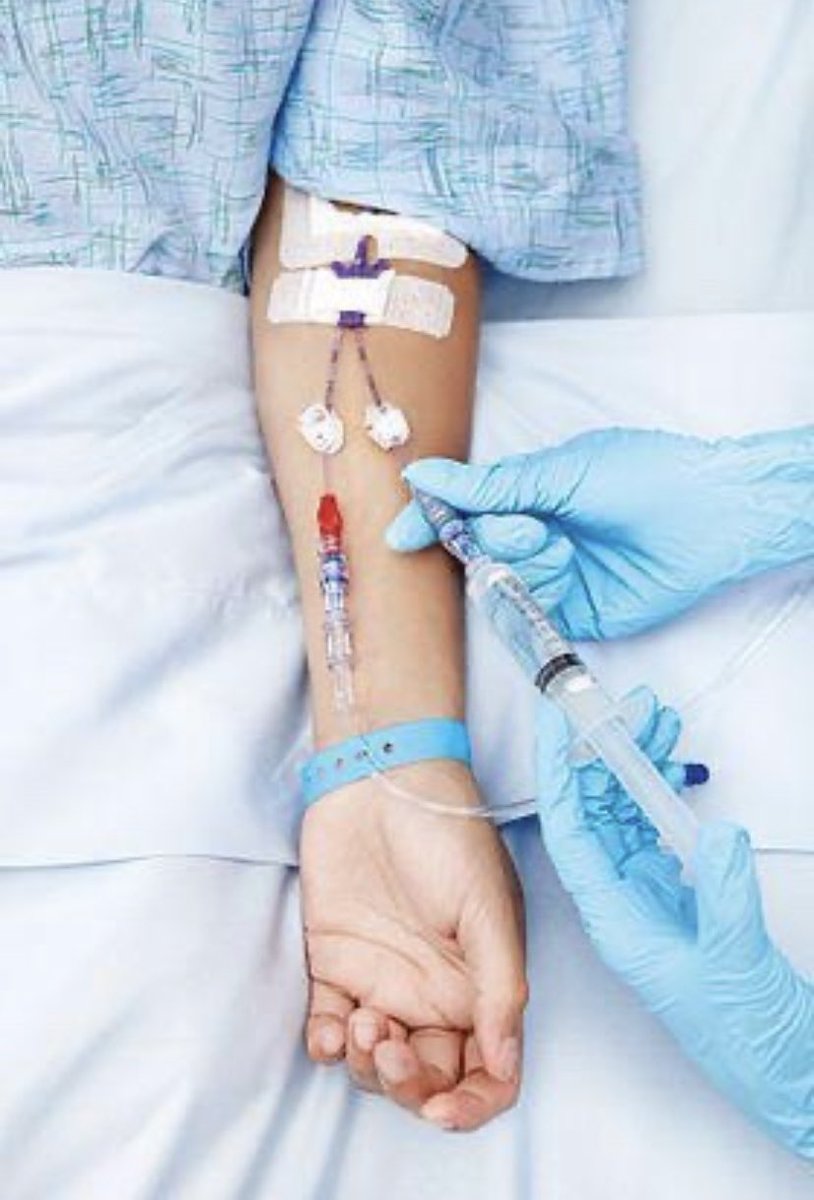
The goal of hospital treatment is to replace blood and fluids. An intravenous (IV) line will be put into the person's arm to allow blood or blood products to be given.
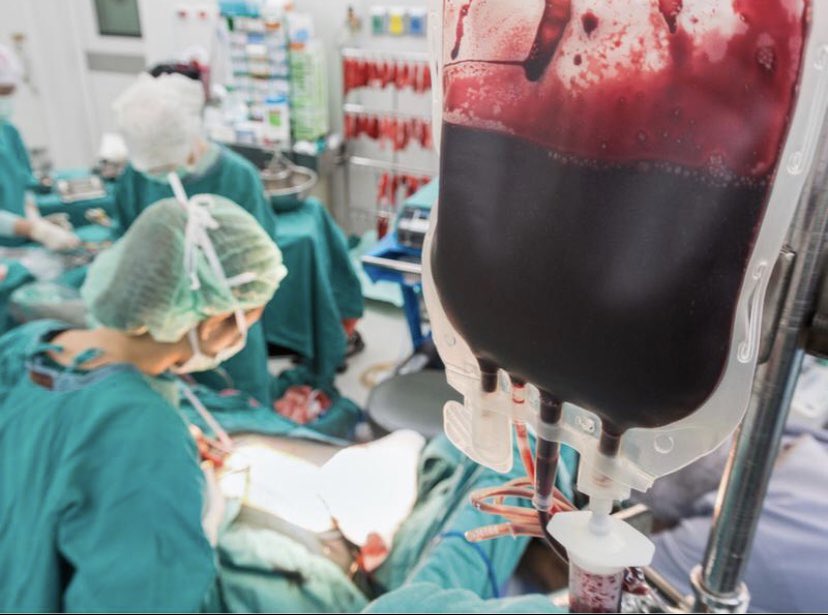
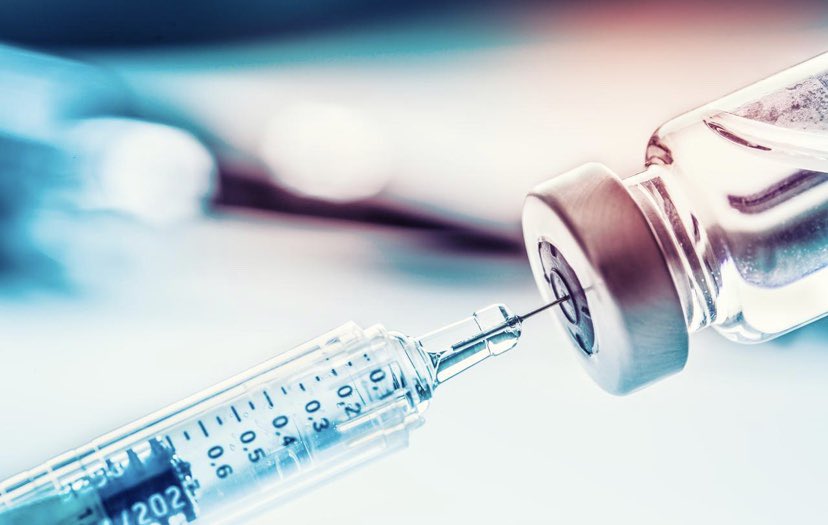
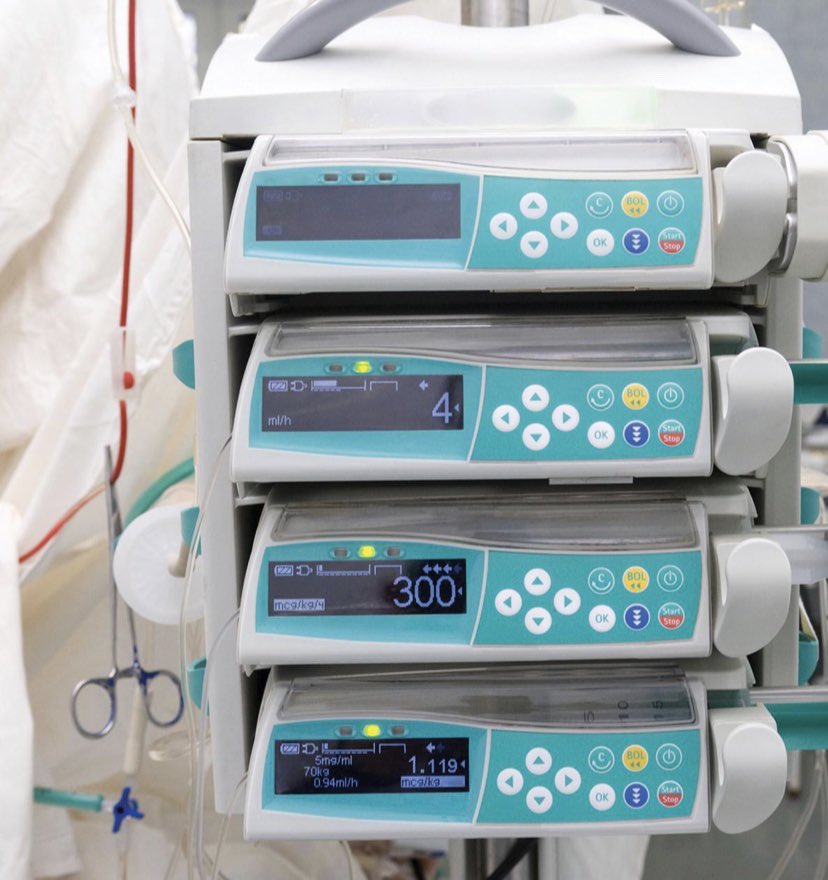
Medicines such as dopamine, dobutamine, epinephrine, and norepinephrine may be needed to increase blood pressure and the amount of blood pumped out of the heart (cardiac output).
Hypovolemic Shock Complications
Hypovolemic shock can lead to complications such as:
- Infection (if you were injured)
- Damage to your kidneys and other organs
- Death
Hypovolemic shock can lead to complications such as:
- Infection (if you were injured)
- Damage to your kidneys and other organs
- Death

Done by: Faisal ✨ , @AlsFaisal
جاري تحميل الاقتراحات...