

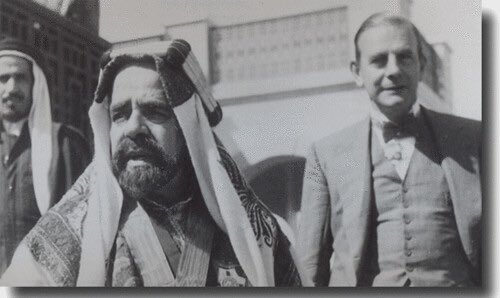
As part of its policy, #Belgrade kept #Bahrain politically isolated from its Arab neighbours. This did not mean isolation from anti-British sentiments. From the 1920s, Bahrainis became more exposed Arab politics through publications and discussion groups ~RAR #BahrainBritain
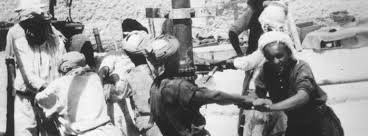
As in Iran (see @rasmuselling for more), it was the oil complex that first the saw early nationalist activism. Throughout the 1930s, #BAPCO workers were arrested for their anti-British stances. Indian workers also added to the activism among the oil workers. ~RAR
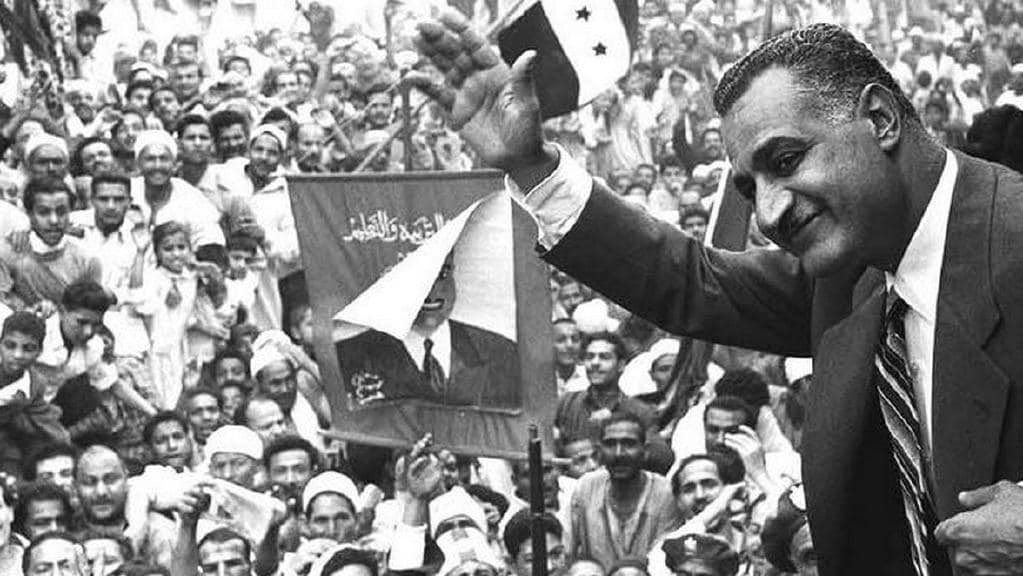
This caused concerns for Belgrave & London. Britain reacted to Nasser’s accusation through its BBC Arabic service. The Khalifa family were worried too: unwilling to let go of British protection or to be seen as anti-Nasser. Too late - in 1958, nationalists riots erupted ~RAR
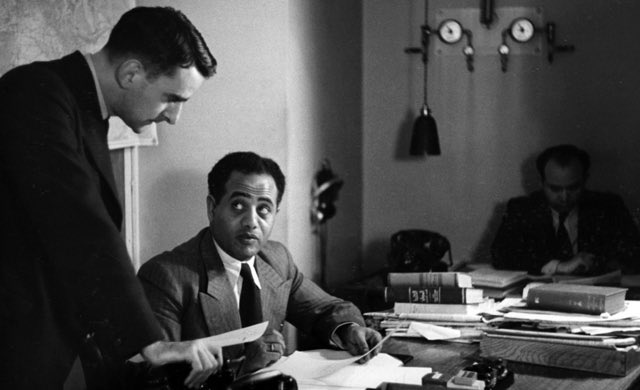
British Foreign Secretary Selwyn Lloyd arrived in Bahrain to rioting & anti-British slogans - greatly embarrassing British positon in the region. But still, London placed blame on Belgrave rather than British presence as a whole. Forced into early retirement, rioting ended ~RAR
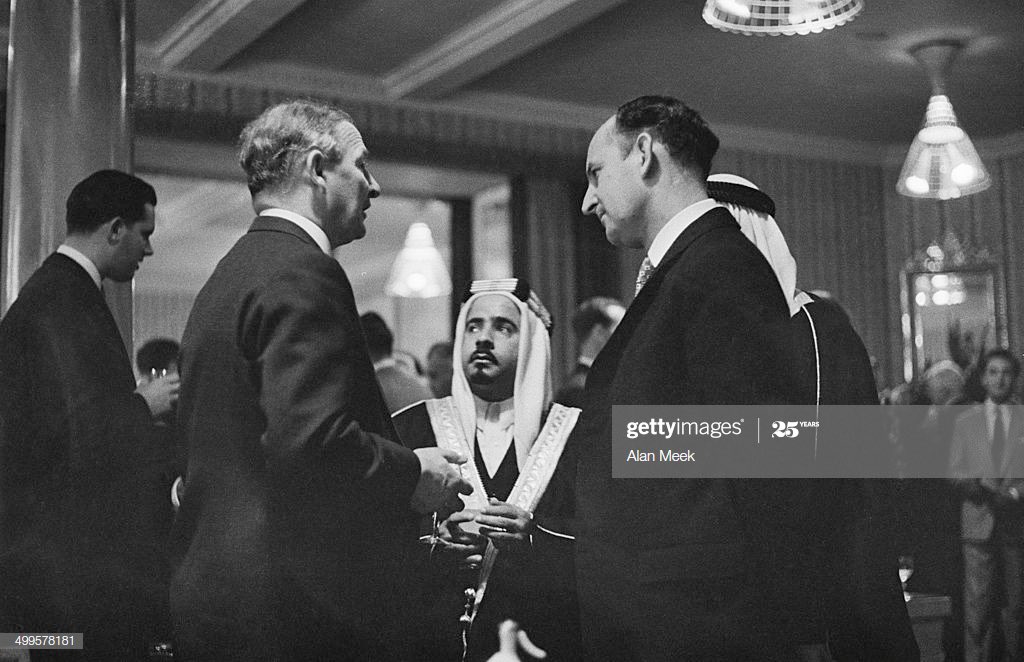
The rise of Arab nationalism & the Bahraini uprisings in the late 1950s brought to light Britain’s increasingly awkward position in the Persian Gulf. But this strengthened British resolve to remain. Tomorrow we will the ways in which Britain was able to do so ~RAR
جاري تحميل الاقتراحات...